

Lake Como, and especially Bellagio and Varenna, are probably my wife’s favorite places in Italy. And if you have been there, it is easy to understand why she likes this part of Italy that much.
Normally, I don’t recommend doing Lake Como as a day trip. To get the best out of it, you need at least 3 days. However, if a day is all you have, you can still see the highlights and have a great time too, if you plan well.
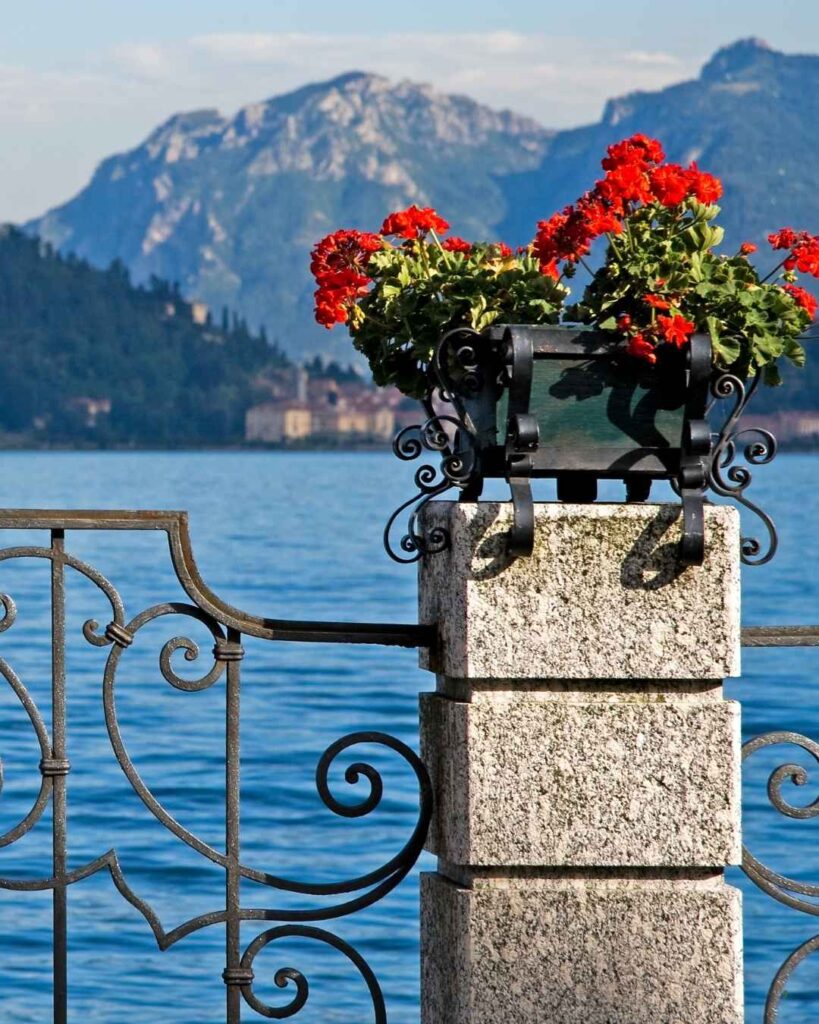
There is a reason so many people make this journey. Milan and Lake Como sit just over 30 miles apart, but they might as well be different countries. Milan is all business and bustle, fashion and finance, a city that hums with ambition. Lake Como moves at the pace of the water itself—slow, deliberate, and utterly indifferent to your schedule. Stepping off the train in Varenna or Como town feels like exhaling after a long week.
The geography helps. The lake is shaped like an upside-down Y, with three long arms reaching into the mountains. The towns along its shores are connected by a web of ferries and trains, making it surprisingly easy to see multiple villages in a single day. You do not need a car. You do not need a guide. You just need a plan and a little bit of curiosity.
Before you read further, remember that Italy rewards travelers who come prepared. I’ve found a few things especially useful on an Italy trip, and they’re worth having and/or knowing beforehand. See the checklist here. Also, if you want me to plan an Italy trip for you that you will never forget, drop me a message here
Getting There: The Train Is Your Best Friend
Let us talk about the journey itself, because how you get to the lake will shape your entire day. You have three options, but only one of them is truly excellent.
The train from Milano Centrale to Como San Giovanni is fast, cheap, and runs like clockwork. The journey takes about forty minutes, and tickets start at just over five euros. You can buy them on the day, though booking ahead on the Trenitalia app gives you peace of mind and sometimes a better price. The early trains are the secret weapon.
The 6:43 AM departure gets you to the lake before the crowds, before the heat, before the day-trippers have even finished their first coffee. There is something special about arriving at the lake when the morning mist is still burning off the water.
For the truly scenic route, take the train all the way to Varenna Esino. This takes about an hour, and the final stretch of the journey follows the eastern shore of the lake, with views that will make you press your face against the glass like a child.
The train station at Varenna is a five-minute walk from the ferry terminal, which makes it the perfect launchpad for exploring the lake. My wife and I made this our base for the day, and we never regretted it for a moment.
Driving is an option, but it comes with warnings. The roads around the lake are narrow, winding, and often clogged with traffic in summer. Parking is expensive and scarce, and many towns have limited-traffic zones that will earn you a fine if you stray into them. The train is faster, cheaper, and infinitely more relaxing.
Guided tours from Milan are another possibility. They handle the logistics and often include a boat cruise, but they also come with tight schedules and group dynamics. Some tours give you barely half an hour in Como before rushing you onto the next bus. Unless you are travelling with a group that needs hand-holding, the train and ferry combination gives you far more freedom.
The Varenna and Bellagio Itinerary: A Perfect Day

After years of experimenting with different routes, I have settled on what I genuinely believe is the best one-day itinerary for Lake Como. It is efficient, scenic, and gives you a taste of two of the lake’s most beautiful towns without ever feeling rushed.
Start your day in Varenna. Take the early train from Milan and arrive before nine o’clock. The village is still waking up at this hour. Shopkeepers are opening their shutters, the smell of fresh bread drifts from the bakeries, and the only sounds are birdsong and the gentle lapping of water against the stone quay. This is the Lake Como that postcards cannot capture.
Varenna is small enough to explore on foot in an hour, but it rewards those who linger. Walk the Passeggiata degli Innamorati, the Lover’s Walk, a narrow path that hugs the shoreline and offers uninterrupted views across the water to Bellagio.
The gardens of Villa Monastero are worth the entry fee—they spill down the hillside in terraces of camellias, agapanthus, and towering cypress trees, with the lake glittering at every turn. A combined ticket for Villa Monastero and the neighbouring Villa Cipressi costs around nineteen euros and is one of the best value attractions on the lake.
By mid-morning, the crowds will start arriving. This is your cue to move on. Walk down to the ferry terminal and buy a ticket for Bellagio. The crossing takes about fifteen minutes, and the boat glides across the lake with the Alps on one side and the elegant villas of the shoreline on the other. The water is so clear that you can see the stones on the bottom even in the deeper sections.
Bellagio sits at the point where the lake’s three arms meet, which means it has water on three sides and views in every direction. It is also the most famous town on the lake, which means it can get busy. But there is a reason for its fame.
The town is built on a steep promontory, and its streets are a maze of stone stairways and narrow alleys that climb away from the waterfront. The Salita Serbelloni is the most photographed of these stairways, and it will give your calves a workout, but the views at the top make every step worthwhile.
For a quieter Bellagio experience, visit the gardens of Villa Melzi. The entry fee is ten euros, and the gardens are less formal than those at Villa Monastero, with a more natural, rambling feel. The villa itself is not open to the public, but the grounds stretch along the lakefront with a series of romantic groves, statues, and a stunning view back towards the mountains.
This is a wonderful spot for a picnic lunch, though you can also find excellent restaurants in the town centre if you prefer a sit-down meal.
We stopped for lunch at a small trattoria tucked away from the main square, where the pasta was fresh and the house wine came in a ceramic pitcher. The owner’s mother was in the kitchen, and you could hear her singing along to the radio between courses. That is the kind of meal you remember long after the trip is over.
The Lake Como Greenway: An Alternative for Adventurers
If you have been to Bellagio before, or if you simply prefer walking to town-hopping, the Lake Como Greenway offers a completely different way to experience the lake. This is a seven-mile walking trail along the western shore, connecting the villages of Colonno, Sala Comacina, and Lenno. The path winds through olive groves, past crumbling stone walls, and along cliff edges with drop-dead views of the lake below.
To do the Greenway as a day trip from Milan, take the train to Varenna, ferry to Bellagio, then ferry again to Colonno. This sounds like a lot of boats, but the connections work smoothly, and the journey itself is part of the adventure.
From Colonno, you walk the Greenway south to Cadenabbia, a distance that takes about two to three hours at a comfortable pace. The path is mostly cobblestone and can be uneven in places, so sturdy shoes are essential.
The reward is solitude. The Greenway attracts far fewer visitors than Bellagio or Como town. You will walk through tiny villages where the only sound is the clatter of a farmer’s cart or the buzz of a motorcycle passing on the road above.
You will pass the dramatic Villa Balbianello, which you may recognise from Star Wars or James Bond films, though you will only see it from the water unless you book a separate tour. And when you reach Cadenabbia, you can catch the ferry back to Varenna and the train to Milan, tired but deeply satisfied.
When to Go and What to Bring
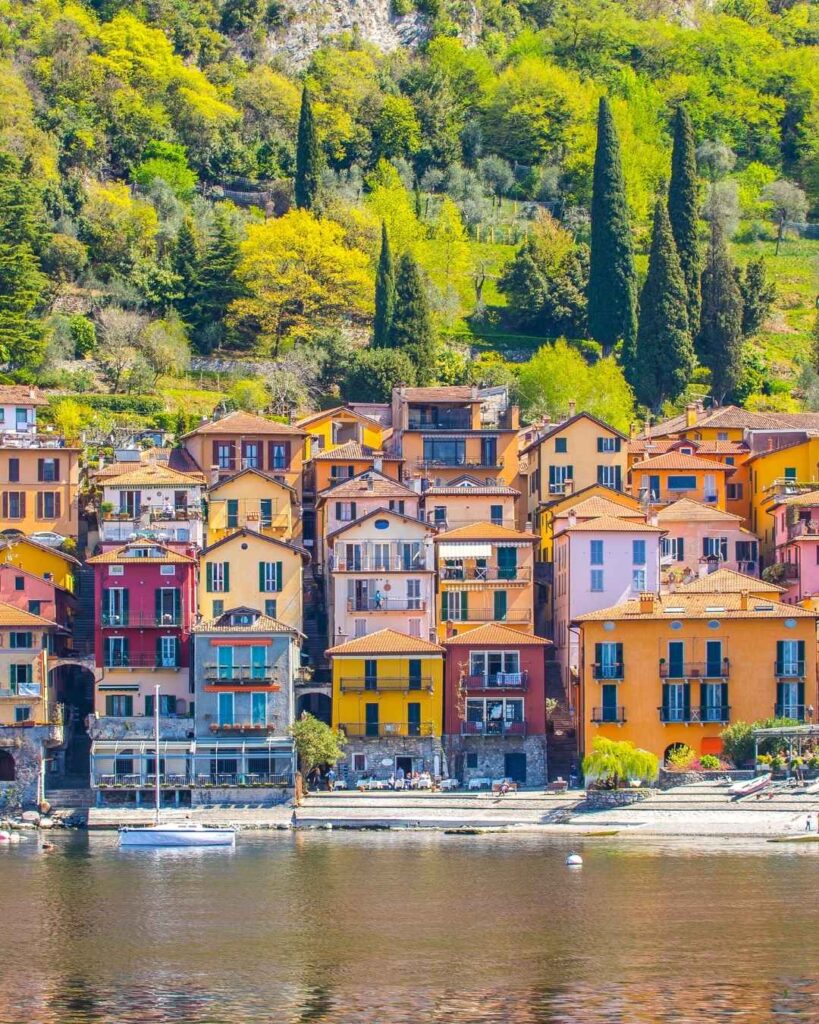
The best time for a day trip to Lake Como is late spring or early autumn. May and June bring long daylight hours, mild temperatures, and gardens bursting with colour. September offers similar weather with thinner crowds and a golden light that photographers dream about.
Summer is magnificent but intense. The ferries are packed, the restaurants are full, and the heat can be oppressive by mid-afternoon. If you must visit in July or August, start your day as early as possible and plan to be on the water during the hottest hours.
Tickets for the trains are easy enough to buy on the day, but the best prices come from booking ahead. The ferry is a different story. Many companies show tickets as sold out online, but this often means only a portion of the tickets are available digitally. Show up at the ticket office early, especially in summer, and you will almost certainly find space.
Pack light but smart. Comfortable walking shoes are non-negotiable. Cobblestones, stairways, and hills are everywhere, and you will be on your feet most of the day. A sunhat and sunscreen are essential even in the shoulder seasons. A reusable water bottle is a good idea too—there are public fountains where you can refill in most towns. And please, bring your camera. You will take more photos than you expect, and you will still regret not taking more.
Should You Stay Overnight?
A day trip gives you a taste of Lake Como, and for many travellers, that is enough. But I will be honest. The lake reveals its true magic in the evening, after the last ferry has departed and the day-trippers have filtered back to Milan. The towns become quiet.
The light turns honey-coloured and soft. The restaurants fill with locals instead of tourists. You can hear the water against the stones and the church bells marking the hour. It is a different world, and it is wonderful.
If your schedule allows, consider staying one night. There are budget options like Ostello Bello in Como town, which offers clean dorms and private rooms at reasonable prices. Or you can splurge on somewhere like the Mandarin Oriental on the eastern shore, where the service is impeccable, and the views are the kind you usually only see in magazines. Even one night changes the entire experience.
But if you only have a day, do not let that stop you. A day on Lake Como is better than no days on Lake Como. The train will deliver you there, the ferries will carry you between villages, and the beauty of the place will stay with you long after you have returned to Milan.
There is a reason this lake has inspired poets and filmmakers for centuries. It is not just pretty. It is profound. And it is waiting for you, just an hour away.
If you have more than one day, this is the itinerary for you
Again, feel free to go through the list below of my Italy recommendations that I have crafted after years of travel to this beautiful country:
- Packing List: Things Not to Go to Italy Without
- Must-Do Things: Unforgettable Experiences
- Where to Stay: Best Hotels in Italy.
- Where to Stay in Rome: Rome’s Best Neighborhoods
- Where to Stay in Florence: Picking the Best Area
- Where to Stay in Venice: Venice’s Best Districts
- Italy’s Cobblestone Streets: Best Shoes For the Job
- Backpack or Suitcase?: Italy Luggage Guide
- Travel Insurance: Always Be Covered
- E-Sim: Be Connected At All Times