
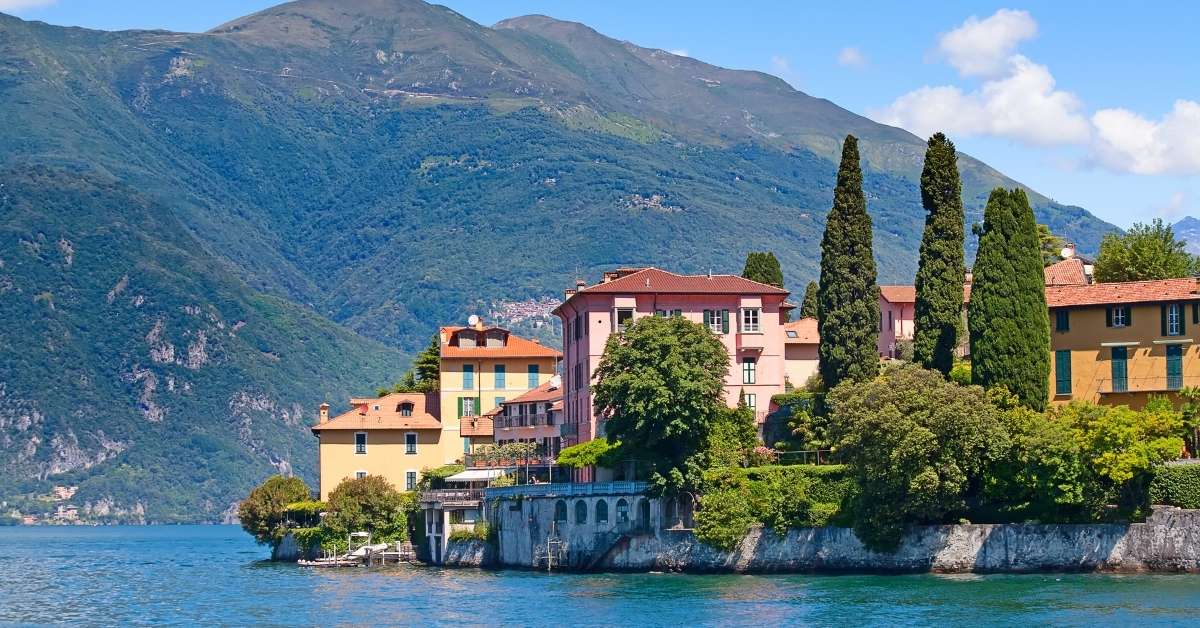
I still remember the first time I saw it. Not in a TikTok video, not in an Instagram post, but from the window of a train pulling into Varenna-Esino. My wife squeezed my arm and said nothing, because sometimes words just get in the way. That moment, that pure and unfiltered revelation of blue and green and terracotta, is what this itinerary is designed to deliver—not once, but every single day you spend on this extraordinary lake.
But Lake Como is not a single destination. The lake is quite huge and has lots of cute little towns dotted all around it. So, where should you stay, what should you do, how do you get there, what do you eat, and what is not worth your time and money?
This guide answers all of that. I’ve spent days exploring every corner of this lake, making the mistakes so you don’t have to, and I’ve distilled everything into the perfect itinerary for first-timers. This isn’t about rushing from one sight to another. This is about experiencing Lake Como the way it deserves to be experienced—slowly and deliberately.
Before you read further, remember that Italy rewards travelers who come prepared. I’ve found a few things especially useful on an Italy trip, and they’re worth having and/or knowing beforehand. See the checklist here. Also, if you want me to plan an Italy trip for you that you will never forget, drop me a message here
Understanding Lake Como Before You Go
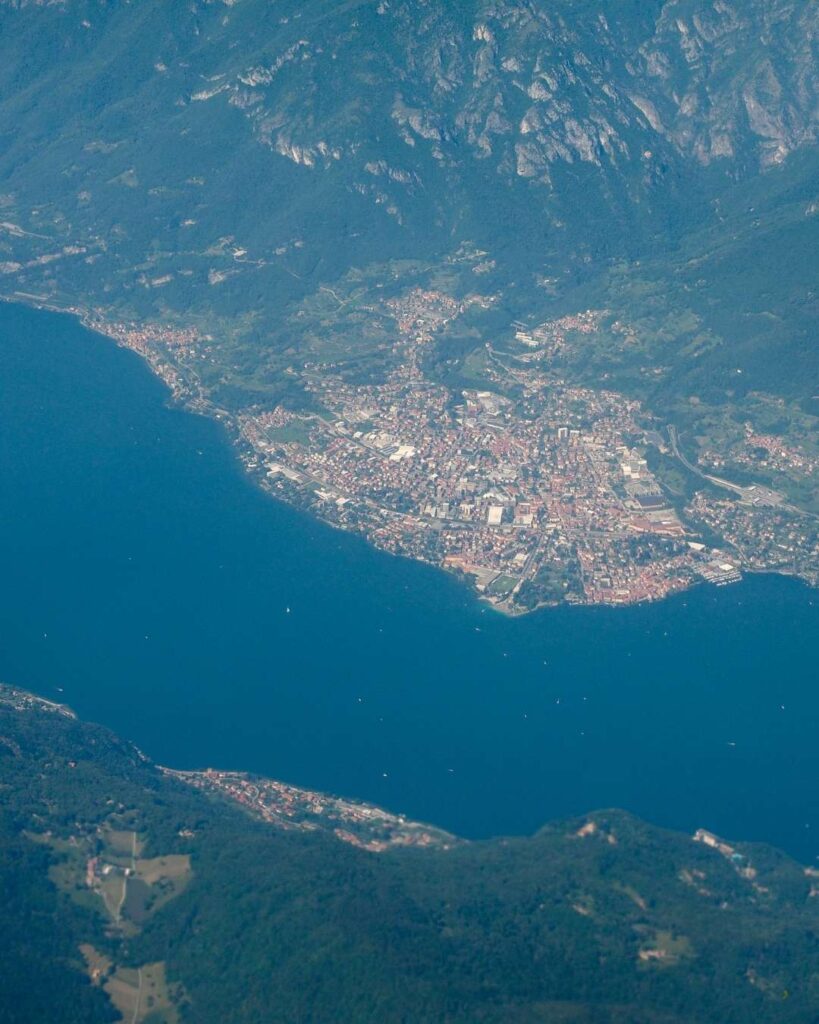
Let’s start with the geography, because understanding the shape of this lake is the single most important thing you’ll do before you arrive. Lake Como is shaped like an upside-down Y, with three distinct branches. The southwestern branch points down toward the city of Como.
The southeastern branch points toward Lecco. And the northern branch stretches up toward the Swiss border, past villages like Menaggio, Bellagio, and Varenna.
If you look at a map, you’ll notice something important. The three towns of Bellagio, Varenna, and Menaggio sit at the heart of the lake, clustered around the point where the two southern branches split. This is what locals call the “Golden Triangle,” and for good reason. These three towns are beautifully connected by frequent ferries, they’re utterly gorgeous, and they put you within easy reach of the lake’s most famous villas and viewpoints. For a first-time visitor, there is simply no better place to base yourself.
Now let’s talk about getting there. Most international travelers will fly into Milan, and from there you have two excellent train options. The first is the train from Milano Centrale to Como San Giovanni, which takes about forty minutes and drops you in the city of Como itself. The second, and my personal recommendation, is the train to Varenna-Esino, which takes about an hour and deposits you right in the heart of the Golden Triangle.
Once you’re here, how do you get around? Forget about renting a car. I cannot stress this enough. The roads around Lake Como are narrow, winding, and frequently clogged with traffic.
Parking is expensive, scarce, and often involves maneuvers that would make a rally driver nervous. The ferry system, on the other hand, is a joy. The slow passenger ferries are charming and affordable, while the faster hydrofoils can zip you between major towns in a fraction of the time.
The routes between Bellagio, Varenna, and Menaggio run frequently throughout the day, making island-hopping between these three towns effortless and endlessly scenic.
The Ultimate Three-Day Lake Como Itinerary
Day One: Arrival and the City of Como
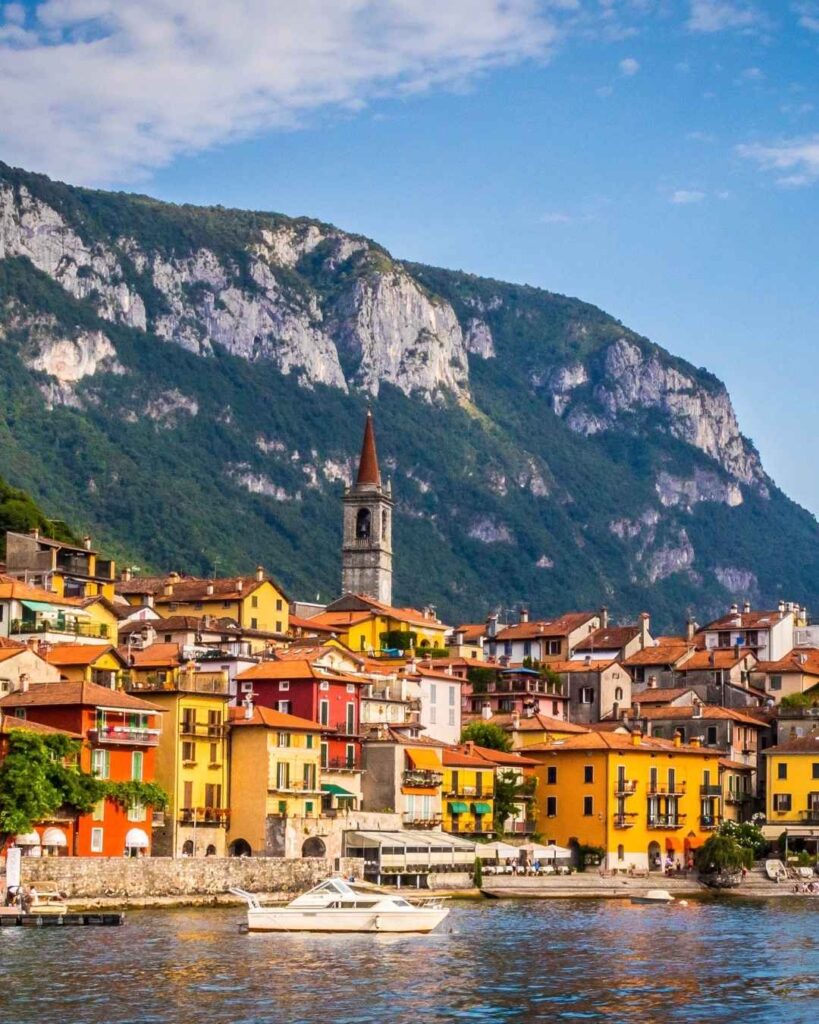
Your first day on Lake Como should be about easing into the rhythm of the place, and there’s no better introduction than the city of Como itself. I recommend arriving by train in the late morning or early afternoon, giving yourself time to settle in before the real exploration begins.
The city of Como is often overlooked by travelers who rush straight for the villages of the Golden Triangle, and that’s a mistake. The historic center is a delightful maze of cobbled lanes, elegant piazzas, and medieval architecture that rewards getting lost.
Start at the Cathedral, or Duomo, which stands as one of northern Italy’s most impressive Gothic-Renaissance hybrids. The facade alone is worth the visit, with its intricate carvings and rose windows, but step inside and you’ll find yourself in a soaring space that somehow feels both grand and intimate.
From the cathedral, wander through the surrounding streets. This is where you’ll find the city’s character—family-run shops selling local silks, tiny cafes spilling onto the pavement, and hidden courtyards that feel like they haven’t changed in centuries. Como has been famous for its silk production since the Renaissance, and you’ll see evidence of this everywhere, from the shop windows to the way the locals dress.
As the afternoon starts to fade, make your way to the funicular that climbs from the city up to the village of Brunate. This is non-negotiable. The ride itself takes about seven minutes, but in that time you’ll rise nearly five hundred meters above the lake, and the views from the top are genuinely breathtaking.
Time your visit for the golden hour, just before sunset, when the light turns the water to liquid gold and the Alps glow pink in the distance. Stand there with the wind in your hair and watch the city lights begin to twinkle below, and you’ll understand why people have been falling in love with this place for two thousand years.
For dinner, find a restaurant along the lakeside promenade and order something local. The perch risotto is a classic, creamy and delicate, or try the lavarello, a lake whitefish that’s simply grilled and served with a squeeze of lemon. Whatever you choose, eat slowly, drink a local wine, and let the evening settle around you like a blanket.
Day Two: The Pearl of the Lake—Bellagio
Wake up early on your second day. I mean genuinely early, before the day-trippers have had their first espresso. Catch the morning ferry from Como to Bellagio, and watch the lake unfold before you as the mountains slide past your window. The journey takes about an hour, and it’s one of the most scenic ferry rides in the world.
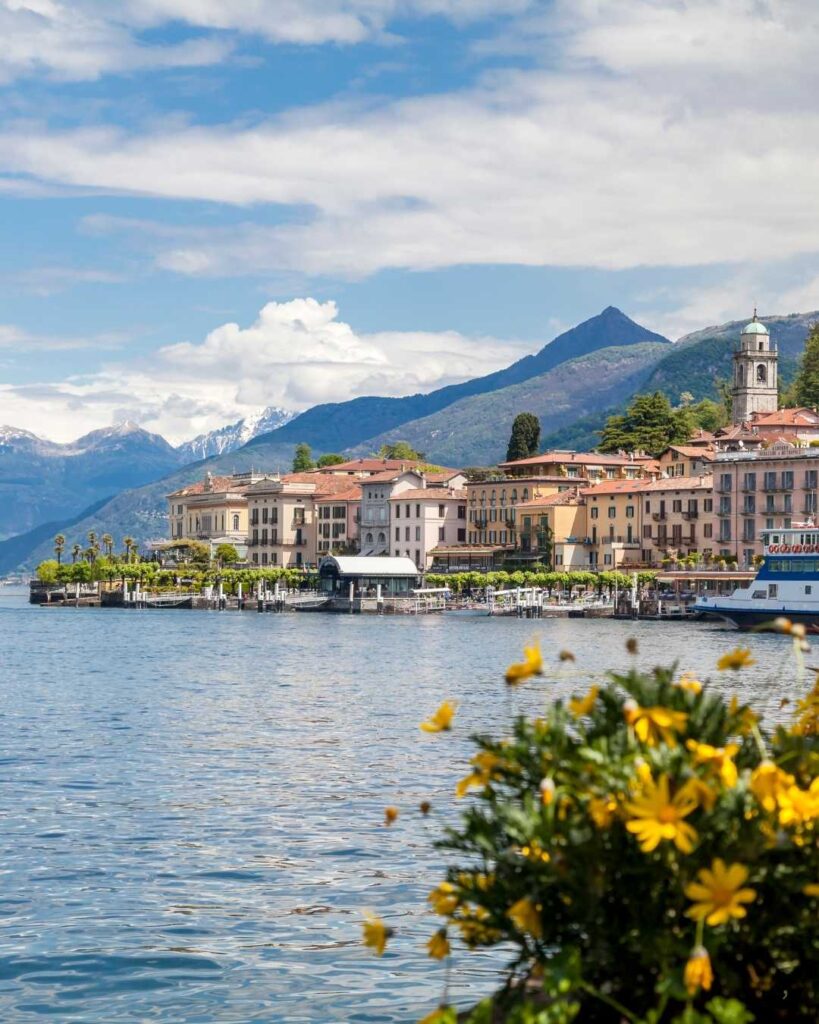
Bellagio sits at the very point where the lake splits into its two southern arms, and it’s earned its nickname as the “Pearl of the Lake” through centuries of adoration. The town is built on a steep promontory, which means you’ll be climbing a lot of stairs, but every step rewards you with another view that makes you stop and catch your breath.
The narrow cobbled lanes are lined with elegant shops, artisan boutiques, and tiny cafes that seem to have been designed by a painter rather than an architect.
Start your exploration at the northern tip of the town, a place called Punta Spartivento. This is the actual point where the lake divides, and from here you can see the two arms stretching away on either side while the northern branch disappears into the mountains.
It’s the classic Lake Como view, the one that appears on postcards and in travel magazines, but no photograph can prepare you for the reality of standing there and watching the water shift from turquoise to deep blue as the sun moves overhead.
From there, make your way to the gardens of Villa Melzi. This neoclassical villa sits just outside the town center, and its lakeside gardens are a masterpiece of landscape design. Wandering through the shaded paths, past statues and exotic plants, with the lake glittering through the trees, you’ll feel like you’ve stepped into a nineteenth-century painting. The villa itself isn’t open to the public, but the gardens are worth every euro of the entrance fee.
If you have time and energy, consider visiting Villa Serbelloni as well. The gardens here offer guided tours that provide stunning panoramic views over the lake, and the villa itself has hosted everyone from Pliny the Younger to Winston Churchill. The history of this place seeps through the stones, and standing where so many remarkable people have stood before you is a strangely moving experience.
Here’s the secret about Bellagio that most guidebooks won’t tell you. The town transforms completely after about four in the afternoon. The day-trippers from Como and the villas catch their ferries back, and suddenly the streets become quiet and intimate.
The shopkeepers come out of their doorways to chat with neighbors. The cafes fill with locals enjoying their aperitivo. And you, if you’ve chosen to stay overnight in Bellagio, get to experience the town the way it was meant to be experienced—slowly, peacefully, and with a sense of belonging.
Find a table at a restaurant overlooking the water as the sun sets behind the mountains. Order something you’ve never tried before, perhaps the polenta taragna, a hearty buckwheat and cheese polenta that’s perfect for cooler evenings. Raise your glass to the lake and to the day you’ve just had, because there are days that become part of your story, and this is one of them.
Day Three: Romance and Villas—Varenna and Lenno
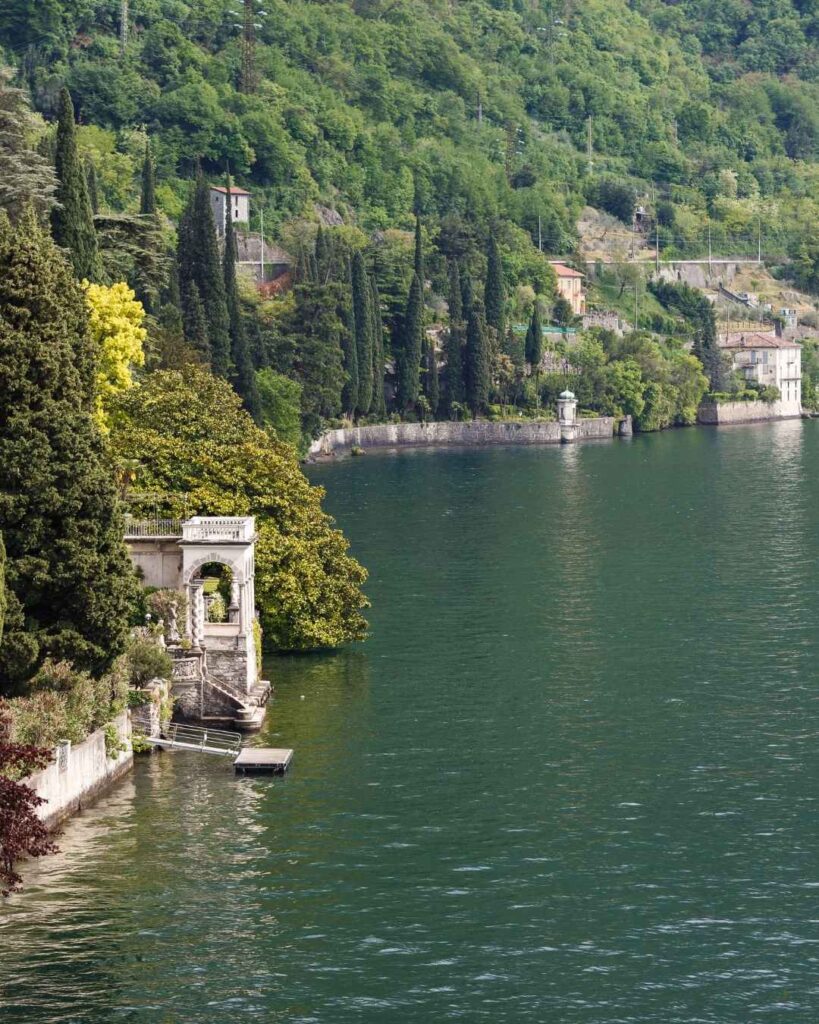
Your final full day on Lake Como should be spent exploring two of its most enchanting corners, and the fifteen-minute ferry from Bellagio to Varenna is the perfect way to start. Varenna is the romantic heart of the lake, smaller and quieter than Bellagio, with a distinctly intimate atmosphere that makes you want to whisper.
The ferry arrives at a small harbor where colorful houses crowd right down to the water’s edge. Step off the boat and immediately turn left onto the famous “Lover’s Walk,” a waterfront promenade that hugs the lakeshore and offers some of the most photographed views in all of Italy. The walkway is lined with flowers and benches, and the reflections of the pastel buildings in the still water create the kind of scene that makes photographers weep with joy.
From the Lover’s Walk, climb up to Villa Monastero. This former convent turned villa is now a museum, but the real attraction is its terraced gardens that cascade down to the lake. Walking through these gardens is like walking through a living painting, with flowers blooming in every color imaginable and the blue water always visible through the trees.
The villa itself hosts conferences and events, but the gardens are open to the public, and they’re worth taking your time over. Find a bench, sit down, and just watch the boats drift past. This is what Lake Como is really about.
For the adventurous, there’s a steep climb up to Castello di Vezio, a medieval castle perched on the hill above Varenna. The walk is strenuous, but the views from the top are spectacular in every direction. You can see the lake stretching away below, the mountains rising behind, and the rooftops of Varenna scattered like toy buildings in the valley. The castle itself has a small museum and sometimes hosts falconry demonstrations, but honestly, the view is the main attraction.
After a leisurely lunch in Varenna, catch the ferry across to Lenno, a small town on the western shore. Your destination here is Villa del Balbianello, arguably the most famous villa on the lake. You’ll recognize it immediately if you’ve ever seen Star Wars Episode II or Casino Royale, because this is the villa that played host to both galactic intrigue and James Bond himself.
The approach is part of the experience. Most visitors arrive by taxi boat from Lenno, which means you see the villa rising from the water exactly as it was designed to be seen. The terraced gardens are immaculate, the views across the lake are unparalleled, and the sense of stepping into somewhere genuinely extraordinary is overwhelming.
Book your tickets in advance, because this villa is deservedly popular, and consider the guided tour if you want the full story behind the building and its many famous residents.
Spend your afternoon wandering the gardens, taking photographs that will make your friends back home deeply envious, and simply being present in one of the most beautiful places on earth. When the sun starts to dip and the light turns golden again, catch the ferry back to your base town for one last evening on the lake.
Find a restaurant with a view, order something local and delicious, and watch the lights come on across the water. This is your last night on Lake Como, so make it count. Order the tiramisu. Have another glass of wine. Stay up just a little later than you planned. Because tomorrow you’ll be back in the real world, but tonight, this magical place is still yours.
The Four-Day and Two-Day Options
If you have more or less time than this itinerary assumes, don’t worry. Lake Como is flexible, and you can adapt this plan to fit your schedule without losing the essential experience.
For a two-day itinerary, you’ll need to move a little faster, but it’s absolutely doable. Arrive in Varenna on your first morning, spend the day exploring the town and visiting Villa Monastero. In the late afternoon, take the ferry to Bellagio, check into your accommodation, and enjoy an evening in the Pearl of the Lake.
Wake up early the next day and explore Bellagio properly, visiting Punta Spartivento and the Villa Melzi gardens before lunch. Then catch the ferry back to Varenna and take the train back to Milan in the late afternoon. It’s a whirlwind, but it hits all the highlights.
For a four-day itinerary, you have the luxury of slowing down and adding something special to day four. My recommendation is to explore the quieter northern reaches of the lake, taking the ferry up to Colico or Domaso for a day of sailing, windsurfing, or simply relaxing by the water away from the crowds.
Alternatively, you could walk sections of the Greenway del Lago, a ten-kilometer scenic path that winds through authentic villages and private gardens, offering a glimpse of Lake Como life that most tourists never see. Or you could spend the day villa-hopping, visiting Villa Carlotta near Tremezzo for its spectacular botanical gardens and another perspective on the lake’s extraordinary architectural heritage.
Where to Stay: Choosing the Perfect Base
Choosing where to stay is the most important decision you’ll make, because your base town will shape everything about your Lake Como experience. Let me break down the options.
Bellagio is the classic choice, and for good reason. It’s the most beautiful town on the lake, with dramatic views from every corner and a vibrant atmosphere that keeps you entertained even on quiet evenings. It’s also the most expensive, and during the day it can feel overrun with day-trippers who clog the narrow streets and make dining reservations a challenge.
That said, if you can afford it and you don’t mind the crowds, Bellagio delivers the full Lake Como fantasy in a way nowhere else quite matches. This is where my wife and I spent our anniversary, and the memory of those sunsets still makes me smile.
Varenna is the romantic alternative, smaller and quieter but no less beautiful. The train access from Milan is easier, the ferry connections are excellent, and the town has a peaceful intimacy that makes it perfect for couples. There are fewer restaurants and shops, but the ones that exist are generally excellent, and the lack of crowds feels like a blessing after a day of tourist-filled ferries. If peace and charm are your priorities, Varenna is your place.
Menaggio offers something different altogether. It’s more residential and relaxed, with excellent cafes along the waterfront and a genuinely local feel that the other two towns have largely lost to tourism. The ferry connections to Bellagio and Varenna are just as convenient, but the town itself feels like a place where people actually live, not just visit. Families and budget-conscious travelers will find Menaggio particularly appealing.
Finally, Como town itself is the pragmatic option. It’s more affordable than any of the villages, the transport links are excellent, and the city has a lively cultural scene with museums and historical sites that reward exploration. You won’t get the same postcard-perfect village experience, but you’ll get great value and easy access to everything the lake offers.
For more information on how to choose where to stay, check out this post
The Best Time to Visit
Timing your visit to Lake Como can make the difference between a dream holiday and a stressful scramble through overcrowded streets.
The sweet spot is the shoulder seasons. Late April through June brings pleasant weather, blooming gardens, and manageable crowds. The days are long enough for proper exploration, the evenings are mild enough for al fresco dining, and the tourist hordes haven’t yet descended in full force.
September through October is equally magical, with warm water for swimming, golden autumn light that makes everything look like a painting, and fewer tourists as the summer crowds disperse.
July and August are the peak months, and they come with all the challenges you’d expect. Temperatures soar into the thirties, the ferries are packed, restaurant reservations are essential, and every viewpoint feels like a shared experience rather than a private moment.
If you can only travel during these months, embrace it, plan carefully, and spend as much time as possible on the water, where the breeze and the space make everything feel more bearable.
Winter is the quiet season, and while many restaurants and hotels close their doors, the lake takes on a stark, dramatic beauty that’s completely different from the summer months. The air is crisp, the mountains are often snow-capped, and the peaceful solitude is genuinely special. Just don’t expect the same level of services or the same frequency of ferry connections.
Insider Secrets
Now that you have the itinerary, let me share the things that separate a good Lake Como trip from an unforgettable one.
First, eat where the locals eat. The restaurants on the main waterfront are generally overpriced and underwhelming. Walk a few streets back from the lake, find the places with menus in Italian and tables filled with Italian families, and you’ll eat better food for less money. This rule applies everywhere in Italy, but it’s particularly true in the tourist-heavy villages of Lake Como.
Second, timing is everything. Visit Bellagio and Varenna in the early morning, before ten o’clock, or in the late afternoon, after four o’clock. The difference is extraordinary. Early morning is quiet and magical, the light soft and the streets empty. Late afternoon has its own charm as the day-trippers depart and the towns breathe again. Plan your villa visits accordingly, and you’ll avoid the worst of the crowds.
Third, consider walking the Greenway del Lago. This ten-kilometer path winds through villages, gardens, and viewpoints on the western shore, offering an experience of the lake that’s completely different from the ferry rides and villa visits. It’s not strenuous, it’s beautifully maintained, and it shows you the Lake Como that exists away from the postcard views. Bring comfortable shoes and a picnic, and take your time.
Fourth, and most importantly, embrace the slow pace. Lake Como is not a destination for checking off a checklist. The best moments here are often the simplest ones, sitting by the water with an espresso, watching the light change across the mountains, doing nothing at all. This is a place for being, not doing, and the more you lean into that, the more the lake will reward you.
I’ve traveled to many beautiful places, but Lake Como holds a special place in my heart. There’s something about the way the light filters through the olive trees, the way the water laps against ancient stone walls, the way the evening bells ring across the valleys. It’s not just a destination. It’s a state of mind.
And when you finally leave, as the train pulls away from the station and the lake disappears from view, you’ll already be planning your return. Because Lake Como does that to you. It gets under your skin and stays there, a blue and green memory that warms you on cold days and reminds you that beauty still exists in this busy world.
Take this itinerary, make it your own, and go discover the lake for yourself. You won’t regret a single moment.
Again, feel free to go through the list below of my Italy recommendations that I have crafted after years of travel to this beautiful country:
- Packing List: Things Not to Go to Italy Without
- Must-Do Things: Unforgettable Experiences
- Where to Stay: Best Hotels in Italy.
- Where to Stay in Rome: Rome’s Best Neighborhoods
- Where to Stay in Florence: Picking the Best Area
- Where to Stay in Venice: Venice’s Best Districts
- Italy’s Cobblestone Streets: Best Shoes For the Job
- Backpack or Suitcase?: Italy Luggage Guide
- Travel Insurance: Always Be Covered
- E-Sim: Be Connected At All Times