
Rome has a reputation problem that it did not ask for. It is known as the Eternal City, the capital of an empire, the home of the Vatican, and the setting of more films, novels, and daydreams than almost anywhere else on Earth.
But somewhere along the way, it also became known as exhausting. A city of queues, crowds, noise, and heat. A place you survive rather than savor.
This reputation is not entirely undeserved. Rome is busy. It is hot in summer. The major attractions draw millions of visitors a year, and the areas around them can feel less like a city and more like a procession.
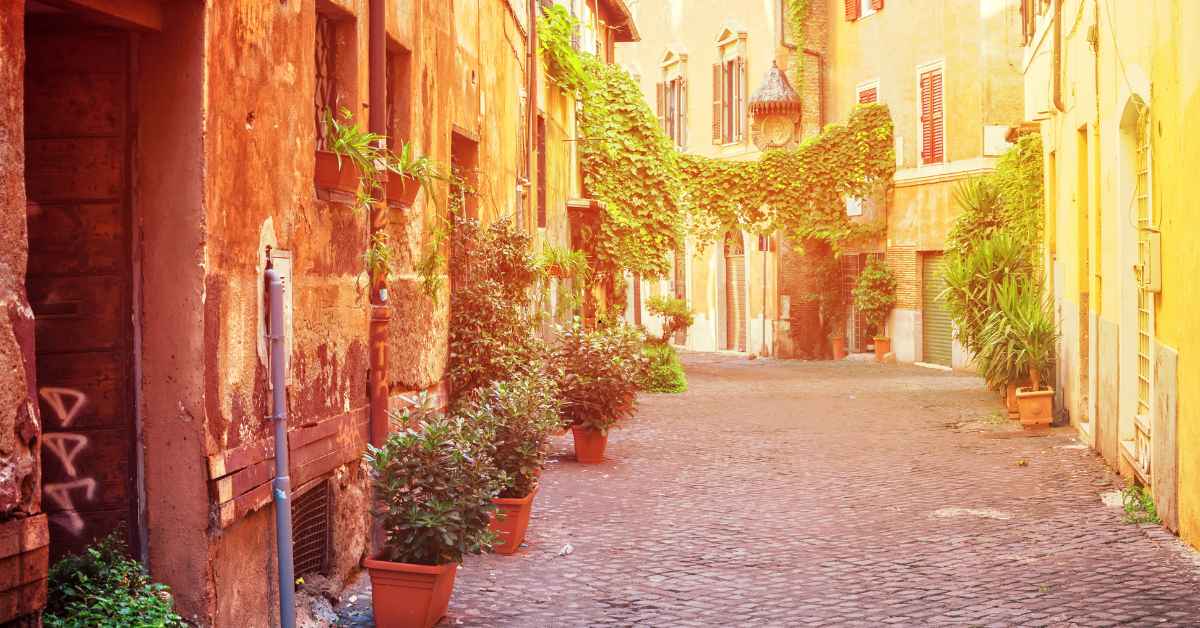
But this is only one version of Rome, and it is not even the most beautiful one. There is another Rome, quieter and gentler, that exists alongside the famous one. It is in the same city, on the same streets, and often within a few minutes of the places everyone else is rushing toward.
The quieter Rome is not a secret. It is not hidden behind locked doors or reserved for locals. It is simply overlooked, because most visitors are moving too fast to notice it.
This post is about how to find it. It covers where to go, when to go, how to move through the city, and how to change the way you experience it. By the end, you will have a different idea of what a trip to Rome can be.
Before you read further, remember that Italy rewards travelers who come prepared. I’ve found a few things especially useful on an Italy trip, and they’re worth having and/or knowing beforehand. See the checklist here. Also, if you want me to plan an Italy trip for you that you will never forget, drop me a message here
Why Rome Feels Overwhelming, and Why It Does Not Have To
The first step in finding the quieter side of Rome is understanding why the city feels overwhelming in the first place. It is not because Rome is inherently chaotic.
It is because the city’s most famous attractions are concentrated in a relatively small area, and the vast majority of visitors are trying to see them at the same time.
The Colosseum, the Roman Forum, the Pantheon, the Trevi Fountain, the Spanish Steps, and the Vatican all sit within a few square kilometers of each other.
Between ten in the morning and four in the afternoon, this area fills with tour groups, school trips, cruise passengers, and independent travelers, all moving in the same directions at the same times.
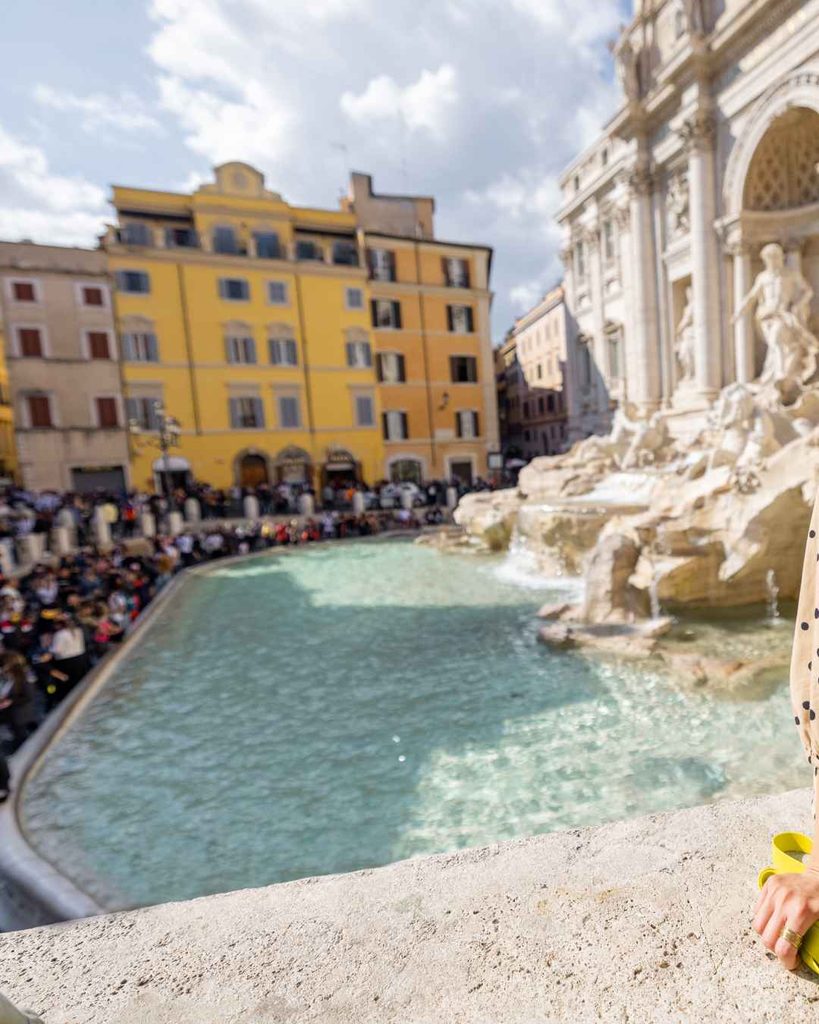
The result is predictable. The streets around the Pantheon become impassable. The Trevi Fountain is surrounded by a wall of selfie sticks. The Vatican Museums feel like a subway car at rush hour. The Spanish Steps are so crowded that sitting on them is no longer allowed.
But here is the thing that most visitors never realize. This crowding is concentrated in time as well as space. The same places that are unbearable at noon are almost empty at seven in the morning and pleasant again after eight in the evening.
The same neighborhoods that are packed in July are calm in November. The same streets that are jammed with tourists are quiet for locals who know when to walk them.
The quieter Rome is not a different city. It is the same city, experienced differently. And the difference is almost entirely about timing, location, and pace.
The Rule of Early Mornings
The single most effective way to find the quieter side of Rome is to wake up early. This is not a small tip. It is the foundation of everything else in this article.
Rome before eight in the morning is a different place. The streets are empty. The cafes are just opening. The light is soft and golden. The air is cool. The city feels like it belongs to the people who live in it rather than to the people who are visiting it.
If you wake up early, you can see the Trevi Fountain with almost no one around. You can stand in the Piazza del Popolo and hear birdsong. You can walk through the Centro Storico and hear your own footsteps.
You can visit the Pantheon at opening time and have the place nearly to yourself. You can climb the dome of St. Peter’s before the lines form.
The early morning is also the best time to visit the markets. The Testaccio Market opens around seven, and the vendors are setting up their stalls. The Campo de’ Fiori market is at its most atmospheric before nine.
The smaller neighborhood markets are at their best when the locals are doing their shopping.
The early morning is not just about avoiding crowds. It is about seeing a side of Rome that most visitors never see. It is about watching the city wake up, and understanding that Rome is not just a collection of monuments. It is a living place, with rhythms and routines that exist independent of tourism.
The Rule of Late Evenings
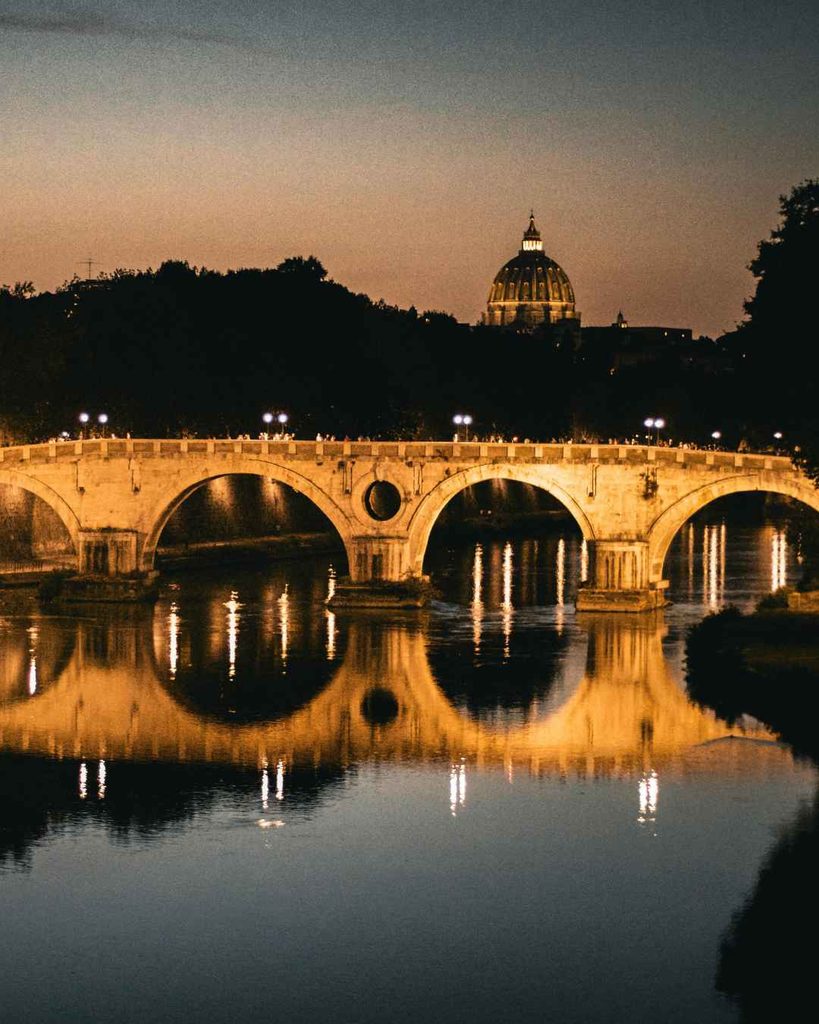
The second most effective way to find the quieter side of Rome is to stay out late. The city changes again after eight or nine in the evening, when the day-trippers have gone and the restaurants have filled with locals.
The piazzas are the best places to be in the evening. Piazza Navona, with its fountains lit up, is beautiful at night. Piazza Santa Maria in Trastevere is lively and local. Piazza della Rotonda, in front of the Pantheon, is a good place to sit and watch the evening. The Piazza del Campidoglio, on the Capitoline Hill, is quiet and romantic after dark.
The streets are also quieter in the evening. The shopping streets empty out. The area around the Spanish Steps becomes walkable again. The Trevi Fountain is still busy, but it is less overwhelming than during the day. The Centro Storico, which is unbearable at noon, is pleasant after dinner.
The evening is also the best time to eat. The restaurants in Rome are best after nine, when the locals come out. The trattorias in Testaccio and Trastevere are particularly good, and the atmosphere is lively and convivial. Dinner in Rome is not a quick meal. It is an event, and it is meant to be enjoyed slowly.
The Neighborhoods That Stay Quiet
The quieter side of Rome is not just about timing. It is also about location. Some neighborhoods in the city are naturally quieter than others, either because they are residential, because they are farther from the major attractions, or because they are simply overlooked.
Trastevere Beyond the Main Streets
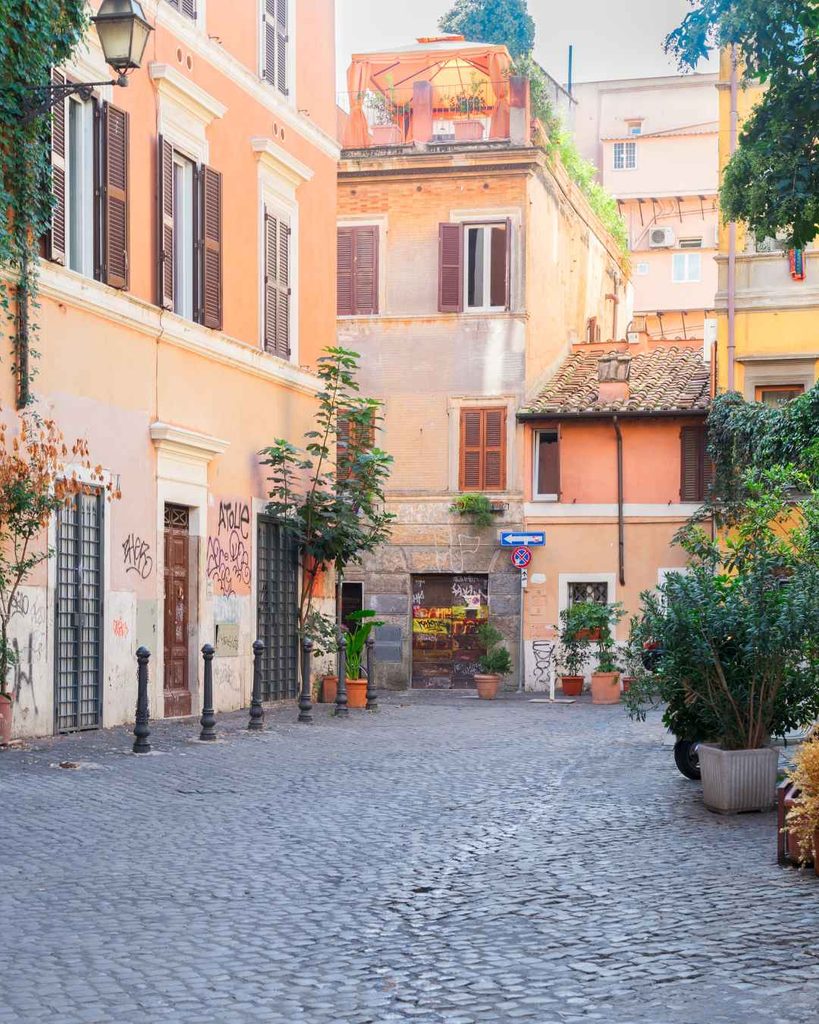
Trastevere is one of the most popular neighborhoods in Rome, and the area around Piazza Santa Maria is busy most evenings. But Trastevere is larger than most visitors realize, and the streets away from the main piazzas are quiet and local.
The area around Piazza San Cosimato is quieter than the area around Piazza Santa Maria. The market in the morning is a good place to buy fruit and vegetables, and the cafes around the square are good places to sit and watch the neighborhood go by.
The streets that climb the hill toward the Gianicolo are quieter still. They are residential, with small houses and gardens, and they offer views across the city. The walk up to the Gianicolo is one of the best in Rome, and it is rarely crowded.
Monti in the Morning
Monti is a neighborhood near the Colosseum, and it is popular with travelers in the evening. But in the morning, it is quiet and local. The streets are lined with vintage shops and independent boutiques, and the Piazza della Madonna dei Monti is a good place to sit with a coffee.
The area around the Basilica of San Pietro in Vincoli is particularly quiet. The church is home to Michelangelo’s Moses, and it is rarely crowded, especially in the morning. The streets around it are residential, and they feel a world away from the Colosseum, which is only a few minutes away.
Testaccio at Any Time
Testaccio is a working-class neighborhood south of the historic center, and it is one of the least touristy areas in Rome. It is where Romans go to eat, and the food is some of the best in the city.
The Testaccio Market is the best food market in Rome, and it is a good place to spend a morning. The restaurants in the neighborhood serve traditional Roman dishes, and the atmosphere is relaxed and local. The neighborhood is not as pretty as Trastevere or Monti, but it is real, and that is part of its appeal.
The Aventine Hill
The Aventine Hill is one of the seven hills of Rome, and it is one of the quietest and most residential neighborhoods in the city. The streets are lined with embassies, villas, and gardens, and the noise of the city fades behind you as you climb.
The Aventine is home to the famous keyhole of the Knights of Malta, which frames a perfect view of St. Peter’s. It is also home to the Giardino degli Aranci, the Orange Garden, which has a terrace with panoramic views across the city. Both are worth visiting, and both are quieter than the major attractions.
The Jewish Ghetto in the Morning
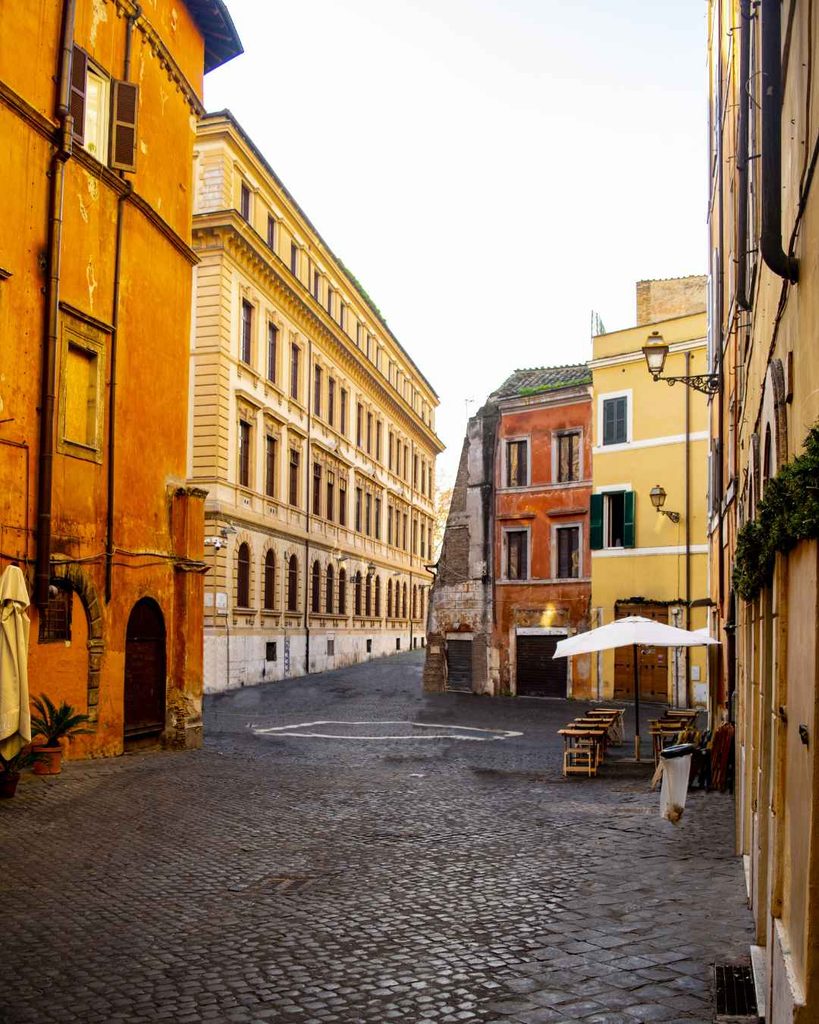
The Jewish Ghetto is one of the oldest Jewish communities in Europe, and it is one of the most atmospheric neighborhoods in Rome. It is busy in the evening, when the restaurants fill up, but in the morning it is quiet and local.
The Great Synagogue is the centerpiece, and the museum next door tells the story of the community. The streets are narrow and old, and the food is some of the best in the city. A morning walk through the ghetto is one of the best ways to experience the quieter side of Rome.
Garbatella
Garbatella is a neighborhood that was built in the 1920s as a garden suburb, and it still has that feeling. The architecture is distinctive, with low-rise buildings, courtyards, and gardens. The streets are narrow and winding, and the piazzas are small and intimate.
Garbatella is not on the main tourist route, and it is rarely crowded. It is a good place to walk, to see a side of Rome that most visitors miss, and to experience a neighborhood that feels like a village.
Pigneto and Ostiense
Pigneto and Ostiense are neighborhoods on the eastern and southern edges of Rome, and they are known for their street art, independent shops, and lively nightlife. They are not on the main tourist route, and they are rarely crowded during the day.
Pigneto has a bohemian atmosphere, with vintage shops, cafes, and bars. Ostiense is home to the Centrale Montemartini, a museum in a former power plant, and to some of the best street art in the city. Both neighborhoods are worth exploring if you want to see a side of Rome that is contemporary and creative.
The Most Beautiful Quiet Places in Rome to Escape the Crowds
Rome is a city of noise and movement, but it is also a city of quiet corners. Some of them are famous, and some of them are overlooked. All of them offer something the crowded center cannot: space, silence, and the feeling that you have the city to yourself. Here are the places I would go when I need to escape the crowds.
The Orange Garden
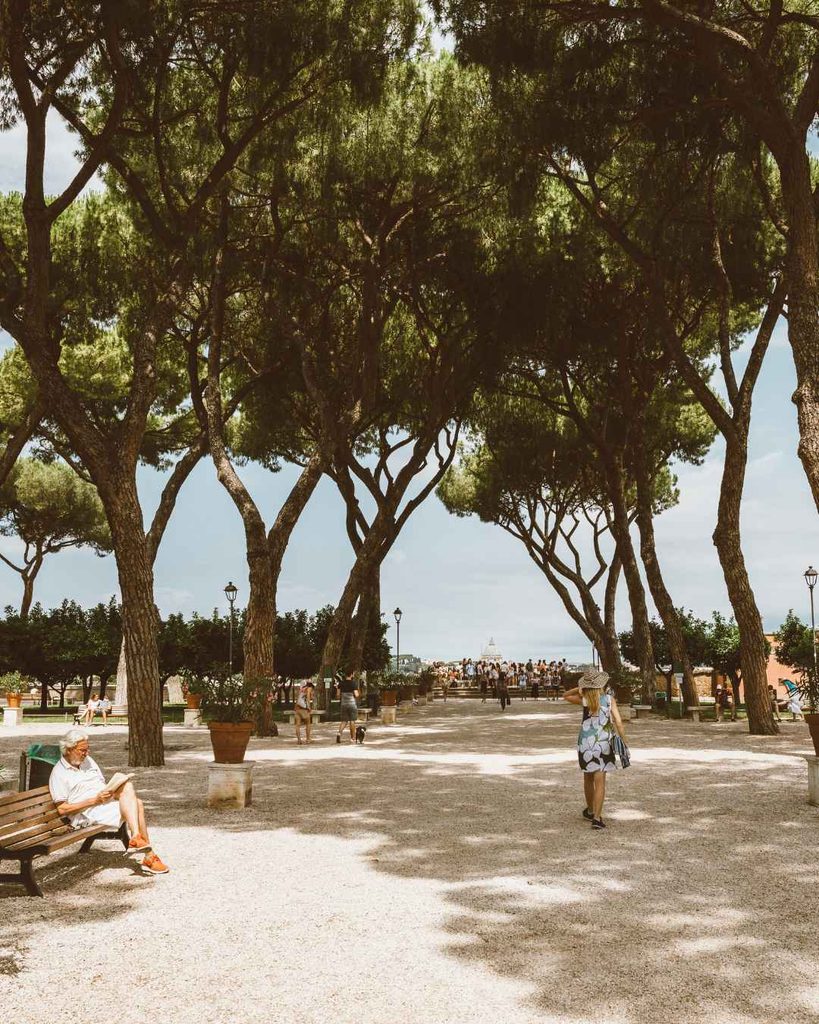
The Orange Garden sits on the Aventine Hill and is one of the most peaceful places in Rome. It was laid out in the thirteenth century on the site of an old fortress, and it takes its name from the bitter orange trees that grow there.
The terrace offers panoramic views across the city, including the dome of St. Peter’s and the Palatine Hill. It is free to enter, rarely crowded, and best in the late afternoon when the light turns golden.
The Keyhole of the Knights of Malta
The Keyhole of the Knights of Malta is a small hole in the gate of the Priory of the Knights of Malta on the Aventine Hill. When you look through it, you see a perfectly framed view of St. Peter’s Basilica through a tunnel of trees.
The effect looks designed, though it is partly the result of centuries of coincidence. There is often a short line, but the wait is brief, and the walk up the hill is quiet and residential.
The Janiculum Hill
The Janiculum Hill, known as the Gianicolo, sits above Trastevere and offers views that rival any of Rome’s seven hills. It is reached by a winding road or a long staircase, and the terrace at the top looks across the entire city.
The hill is also home to the Fontana dell’Acqua Paola, a monumental fountain that is rarely crowded. It is one of the best places in Rome to watch the sunset.
Villa Torlonia
Villa Torlonia is a park in the Nomentano neighborhood, in the northern part of Rome. It was once the residence of the Torlonia family and is now a public park with gardens, museums, and historic buildings.
The park is large and green, with tree-lined avenues, ponds, and lawns. It is rarely crowded, even on weekends, and it is a good place to walk, picnic, or simply sit and read.
The Park of the Aqueducts
The Park of the Aqueducts is a large public park in the southeastern part of Rome, named for the Roman aqueducts that run through it. Some of the aqueducts are still standing, and they are impressive in their scale and preservation.
The park is a mix of green fields, pine trees, and ancient ruins. It is rarely crowded, and it is a good place to see the Roman countryside without leaving the city.
The Appian Way
The Appian Way is one of the oldest and most important roads in the Roman world. It was built in 312 BC and connected Rome to southern Italy, and it is still there today.
The road is lined with cypress trees, ancient ruins, and catacombs. It takes some effort to reach, but it is worth the trip. You can walk on the same stones that Romans walked on two thousand years ago.
The Gardens of Villa Doria Pamphilj
The Gardens of Villa Doria Pamphilj are the largest landscaped park in Rome, on the Janiculum Hill above Trastevere. They were created in the seventeenth century and are full of trees, lawns, fountains, and historic buildings.
The park is large enough to walk for hours without seeing another person. It is one of the quietest places in Rome and a good place to escape the noise of the city.
The Protestant Cemetery
The Protestant Cemetery, also known as the Non-Catholic Cemetery, is near the Pyramid of Cestius in Testaccio. It has been a burial ground for non-Catholics since the eighteenth century.
It is the final resting place of John Keats and Percy Bysshe Shelley. The cemetery is a garden full of cypress trees, flowers, and cats, and it is a calm and contemplative place to escape the crowds.
The Churches That Nobody Visits
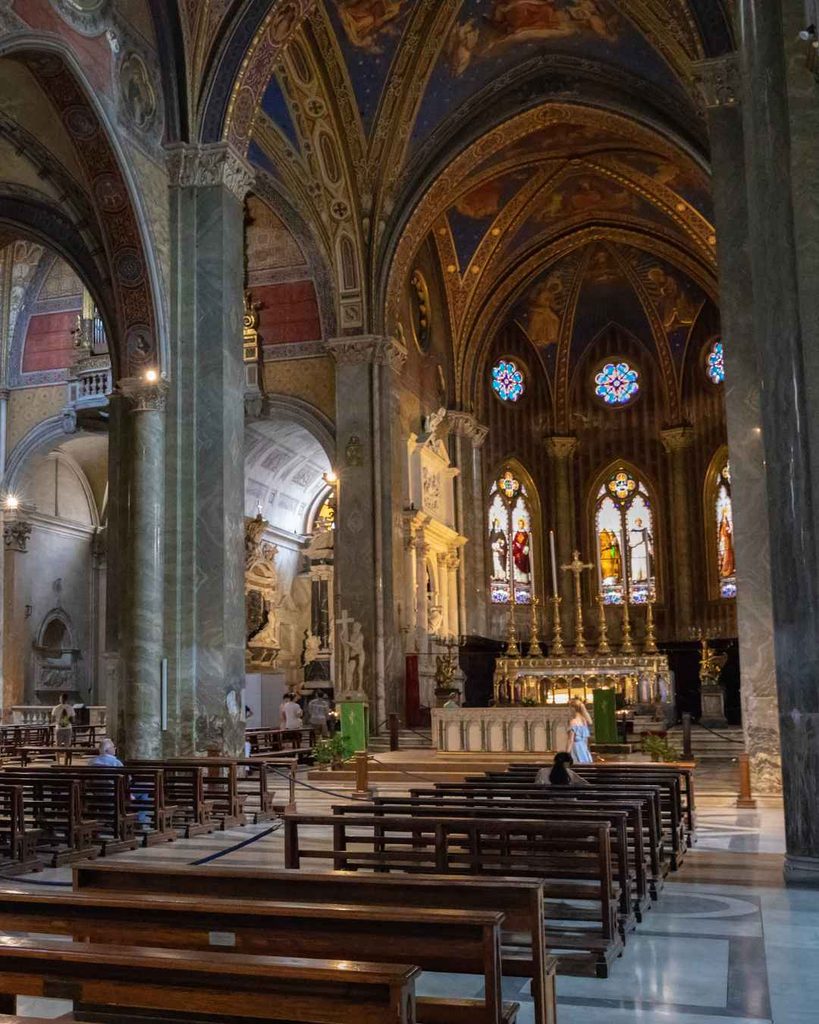
Rome has more than nine hundred churches, and most of them are free to enter. Many of them contain masterpieces that would be the highlight of a museum, and most of them are quiet.
The Church of San Luigi dei Francesi, near Piazza Navona, contains three paintings by Caravaggio. The Church of Santa Maria del Popolo, near the Spanish Steps, contains two more.
The Church of Santa Maria sopra Minerva, near the Pantheon, contains a sculpture of Christ by Michelangelo. The Basilica of Santa Maria in Trastevere has mosaics that are among the most beautiful in Rome.
The Basilica of San Clemente, near the Colosseum, is a church with three levels. The current church was built in the twelfth century, on top of a fourth-century basilica, which was built on top of a first-century Roman building.
The descent through the levels is one of the most rewarding experiences in the city, and it is rarely crowded.
The Church of Santa Prassede, near Santa Maria Maggiore, contains mosaics that are among the finest in Rome. The Church of Santa Cecilia in Trastevere has a crypt and a statue of the saint that is one of the most beautiful sculptures in the city.
The lesson is simple. If you see a church door open, walk in. You do not need to know what is inside. The churches of Rome are full of art, and most of it is available to anyone who takes the time to look.
The Piazzas That Stay Local
Rome is a city of piazzas, and some of the best ones are the ones that tourists never visit. Piazza San Cosimato in Trastevere, Piazza della Madonna dei Monti in Monti, and Piazza di Sant’Egidio in Trastevere are all quiet, local squares where you can sit and watch the neighborhood go by.
Piazza Cavour, near the Prati neighborhood, is a good example. It is a large square with a fountain and a market, and it is used mainly by locals. The cafes around the square are good places to sit and watch the neighborhood go by.
Piazza Testaccio, in the Testaccio neighborhood, is another. It is a small square with a market and a few cafes, and it is one of the most local places in Rome.
The lesson is to look for the piazzas that are not on the main tourist route. They are usually quieter, more local, and more rewarding.
The Streets That Reward Walking
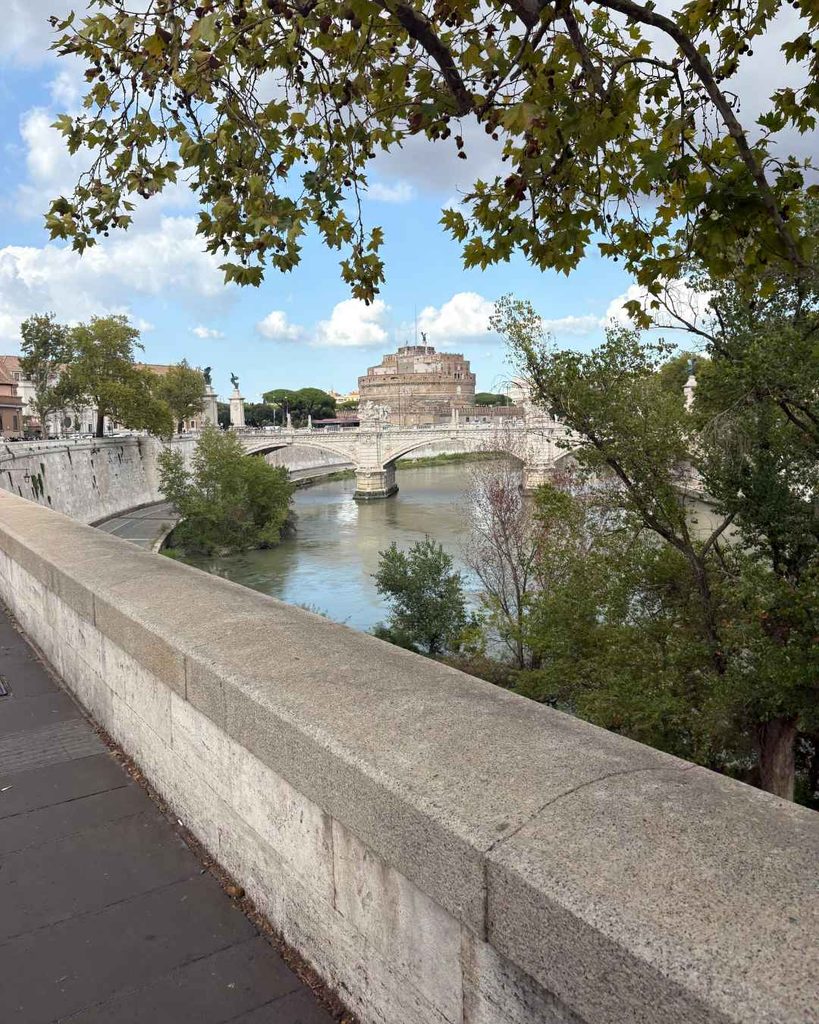
Rome is a city that rewards walking, and some of the best walks are the ones that take you away from the main attractions.
The walk along the Tiber from the Ponte Sisto to the Ponte Sant’Angelo is one of the best in Rome. It takes about an hour, and it passes through some of the most beautiful parts of the city. The river is lined with trees, and the bridges are lit up at night.
The walk up the Aventine Hill is another. It is quiet and residential, and it offers some of the best views in the city. The walk passes the Orange Garden, the keyhole of the Knights of Malta, and the Church of Santa Sabina.
The walk through the Jewish Ghetto and into Trastevere is another good option. It takes you through some of the oldest parts of the city, and it ends in one of the liveliest neighborhoods in Rome.
How to Eat Without the Crowds
Food is one of the great pleasures of Rome, and eating well does not require eating in the most famous restaurants. The best food is often in the trattorias on the side streets, the ones with handwritten menus and no photographs of the food.
The restaurants in the most visible locations, near the major attractions, are almost always overpriced and mediocre. They do not need to be good, because they have a captive audience. The restaurants on the side streets, the ones that are full of Italians, are usually better and cheaper.
The neighborhoods are the best places to eat. Testaccio is the best neighborhood for traditional Roman food. Trastevere is good for trattorias. Monti is good for casual dining. The Jewish Ghetto is good for artichokes and Jewish-Roman cuisine.
The key is to look for the places that are full of locals. If the menu is in Italian and the customers are speaking it, you are in the right place. If the menu is in five languages and the customers are all tourists, you are in the wrong place.
The Art of Doing Nothing
The most memorable experiences in Rome are often the ones that involve doing nothing at all. Sitting in a piazza. Watching the light change. Listening to the sounds of the city. Watching people go by.
This is not laziness. It is a way of being present. Rome is a city that rewards attention, and the more attention you give it, the more it gives you. If you are always moving, always checking off the next thing on your list, you will miss the things that make the city special.
Find a bench. Sit down. Stay for an hour. Watch the people. Listen to the sounds. Let the city come to you. This is the experience that you cannot book, cannot reserve, and cannot plan. It is also the one you will remember longest.
The Rome That Stays With You
The quieter side of Rome is not a secret. It is not hidden. It is simply overlooked by travelers who are too busy checking off the list to notice what is right in front of them. If you slow down, if you wake up early, if you stay out late, if you look beyond the obvious, you will find it.
The Rome that stays with you is not the Rome of the Colosseum or the Vatican. It is the Rome of the quiet piazzas, the local trattorias, the churches with masterpieces no one talks about, and the streets where the tables spill onto the cobblestones.
It is the Rome of the early morning, when the city is waking up, and the late evening, when the city is settling down.
This Rome is waiting. You just have to know where to look.
Again, feel free to go through the list below of my Italy recommendations that I have crafted after years of travel to this beautiful country:
- Packing List: Things Not to Go to Italy Without
- Must-Do Things: Unforgettable Experiences
- Where to Stay: Best Hotels in Italy.
- Where to Stay in Rome: Rome’s Best Neighborhoods
- Where to Stay in Florence: Picking the Best Area
- Where to Stay in Venice: Venice’s Best Districts
- Italy’s Cobblestone Streets: Best Shoes For the Job
- Backpack or Suitcase?: Italy Luggage Guide
- Travel Insurance: Always Be Covered
- E-Sim: Be Connected At All Times