
There is a certain look that screams “tourist!” in Italy, and it has nothing to do with the camera hanging around your neck. It is a combination of things: the clothes, the posture, the way you move through a city, and the way you interact with the world around you. The Italians have a word for it, “turista,” and they can spot one from a hundred meters away.
The good news is that blending in is not about pretending to be something you are not, but rather about adopting a few simple habits that will transform your experience of this beautiful country.
The desire not to look like a tourist is not about vanity or fitting in for its own sake. It is about the quality of your interactions, the way you are treated, and the depth of your experience. When you look like you belong, even just a little bit, doors open in ways that they simply do not for the person wearing a fanny pack and a baseball cap.
Italians are warm and welcoming people, but they respond differently to someone who makes an effort to understand their culture.
This guide is not about telling you to leave your camera at home or to pretend you are Italian. It is about making small adjustments that will help you move through Italy with greater ease and authenticity. The goal is to look like a thoughtful traveler rather than a typical tourist, to earn a little respect, and to have a richer, more meaningful experience of one of the most beautiful countries on earth.
Stop experiencing Italy like everyone else. Your trip is different because you are different. Tell me when you’re going, who you’re traveling with, where you want to go, what you absolutely want to see and do, your budget, and anything else that matters to you. I’ll put it all together into a tailor-made Italy itinerary that tells you where to go, where to stay, what to eat, and how to make the most of your time. Use this form
The Wardrobe: Dressing Like a Local
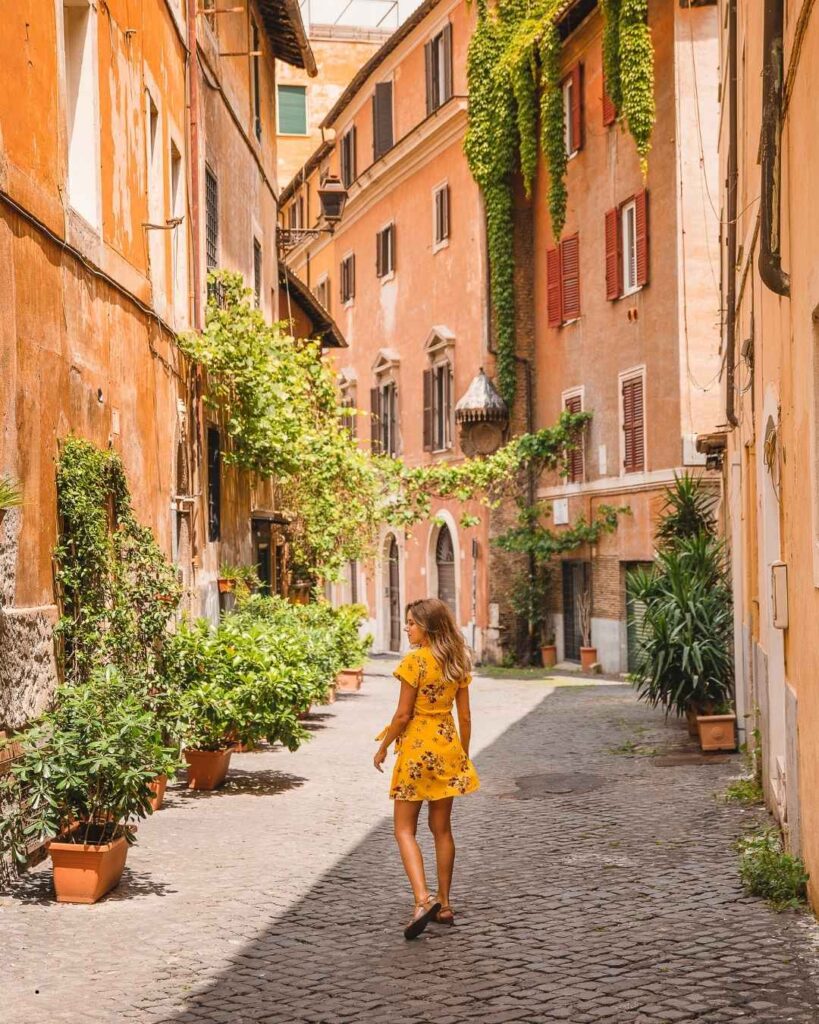
The single biggest giveaway of a tourist in Italy is the clothing. Italians are famously stylish, and they take their appearance seriously, even for a simple trip to the grocery store. This does not mean you need to spend a fortune on designer clothes, but it does mean paying attention to fit, quality, and appropriateness. Leave the athleisure wear, the cargo shorts, and the running shoes at home, and think instead about classic, well-fitting pieces in neutral colors.
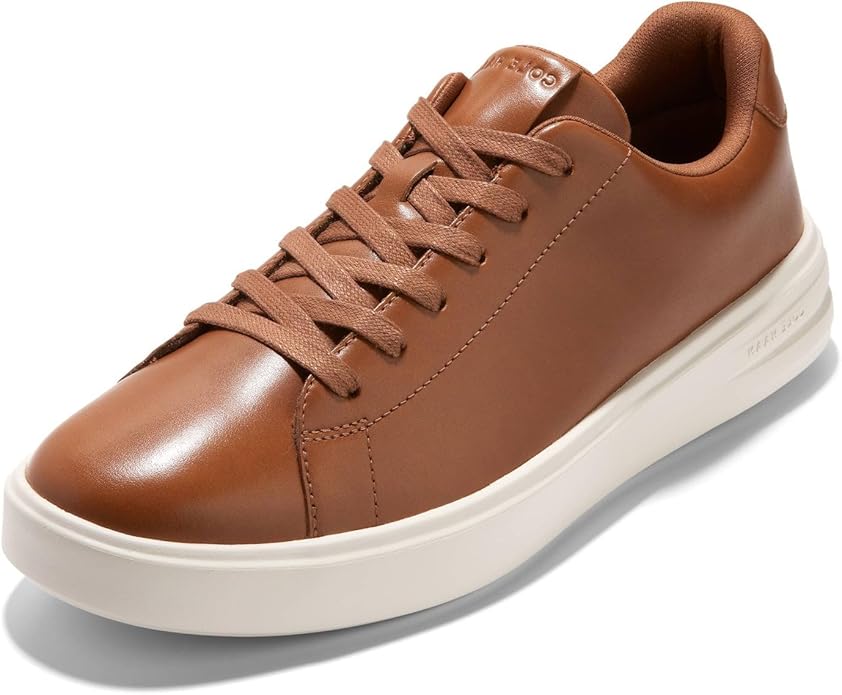
Men should consider packing tailored trousers, linen shirts, and leather shoes that are comfortable, like these ones for walking, but look polished. A light blazer can transform any outfit and is surprisingly practical for the cooler evenings. Women should consider dresses, skirts, and blouses that can be dressed up or down, paired with comfortable yet stylish shoes appropriate for cobblestones. The Italian look is effortless, but it takes effort to achieve, and the key is to look like you have not tried too hard.
Color is another important consideration. Italians tend to wear neutral tones: black, navy, beige, olive, and white. Bright colors and bold patterns are less common in everyday wear and can mark you as a tourist more than almost anything else. It is worth observing what people are wearing in the streets of Rome or Florence and taking your cues from them. A simple wardrobe in classic colors will help you blend in beautifully.
Shoes: The Footwear Conundrum
It is impossible to talk about not looking like a tourist in Italy without addressing the shoe situation. The practical reality is that you will be walking a lot, often over cobblestones that are unforgiving to delicate footwear. Yet the running shoe, so practical and comfortable, is the ultimate badge of touristdom in Italy. The solution is to find comfortable shoes that do not look like athletic wear.
Leather loafers, stylish sneakers in neutral colors, and quality leather flats like this pair are all excellent choices that offer both comfort and style. Brands like Tod’s, Geox, and even some styles from Ecco offer shoes that are built for walking but look polished. The key is to avoid anything that looks like it belongs in a gym. If you absolutely must wear your running shoes for a day of serious walking, at least pair them with stylish clothing so they do not stand out as much.
Do not forget that many churches in Italy require covered shoulders and knees, and proper footwear is also appreciated in religious sites. A pair of stylish leather sandals is also a great option for warm weather, as long as they are not the kind you would wear on a beach. The Italians manage to look effortlessly elegant while navigating cobblestones, and with a little effort, you can too.
Read more: The shoes you should pack for Italy
The Attitude: Moving Through Italy with Ease
There is a pace to Italian cities that visitors often get wrong. In Rome or Florence, the locals move with purpose, navigating the chaos of the streets and piazzas with an ease that comes from years of practice. The tourist, by contrast, often moves slowly, looking up and around, stopping abruptly, and blocking the flow of pedestrian traffic. The key to not looking like a tourist is to move with the same sense of purpose as the people around you.
This does not mean you cannot stop and admire the sights, of course. What it means is being aware of your surroundings and of the people sharing the space with you. Step to the side when you need to check your phone or consult a map. Do not block the entrance to a shop or a narrow street while you take a photograph. It is about being considerate and moving with the rhythm of the city, rather than against it.
The way you interact with waiters, shopkeepers, and ticket sellers also marks you as a tourist or a thoughtful traveler. Italians value politeness and a certain formal courtesy in these interactions. A simple “buongiorno” or “buonasera” when entering a shop, and a “grazie” when leaving, goes a long way. It is amazing how much respect you can earn with just a few words of Italian.
The Language: Making an Effort with Italian
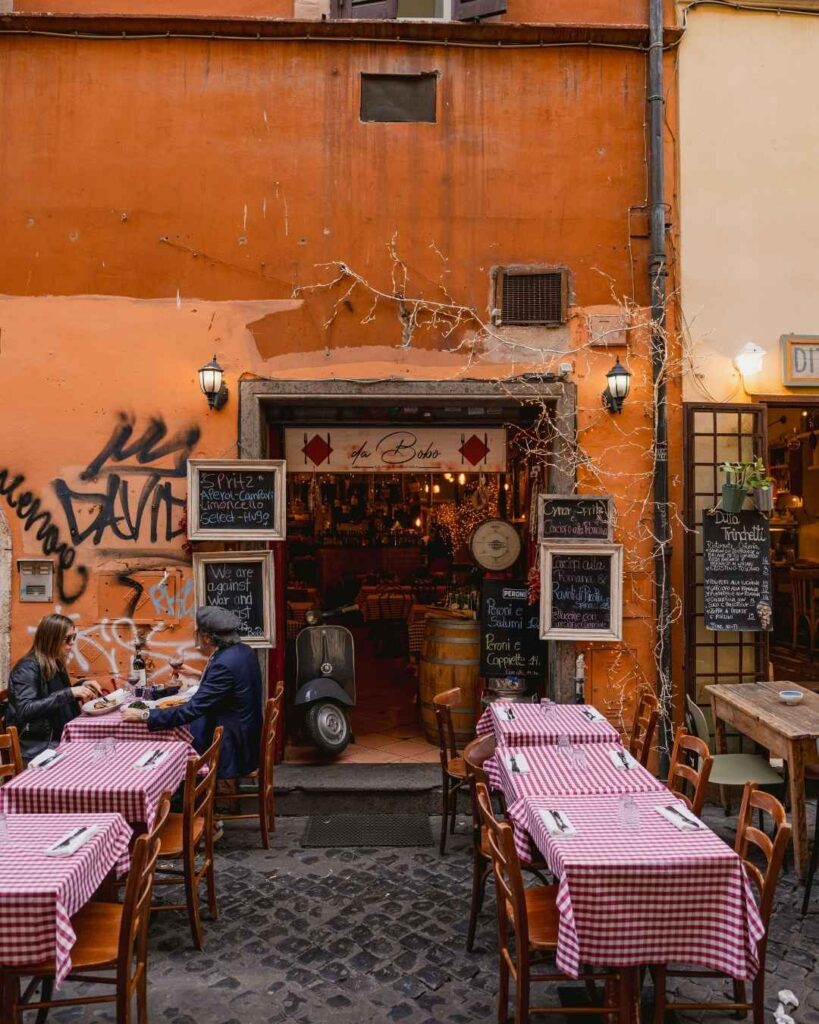
You do not need to be fluent in Italian to avoid looking like a typical tourist, but learning a few key phrases will completely change the way you are perceived. Simple words and phrases like “buongiorno” for good morning, “buonasera” for good evening, “per favore” for please, and “grazie” for thank you are essential. These are not just words; they are a sign of respect for the culture you are visiting.
It is also helpful to know the numbers and a few basic questions, particularly when it comes to ordering food or asking for directions. The effort you make will be appreciated, even if your pronunciation is not perfect. Italians are generally warm and patient with visitors who try, and you will often find that a little Italian opens doors that English cannot.
One thing to avoid is assuming that everyone speaks English. While many people in tourist areas do, it is not universal, and it is polite to ask “Parla inglese?” rather than launching straight into English. A little humility and effort go a long way in Italy, and the locals will often repay your efforts with warmth and generosity that you would not otherwise experience.
The Dining Etiquette: Eating Like an Italian
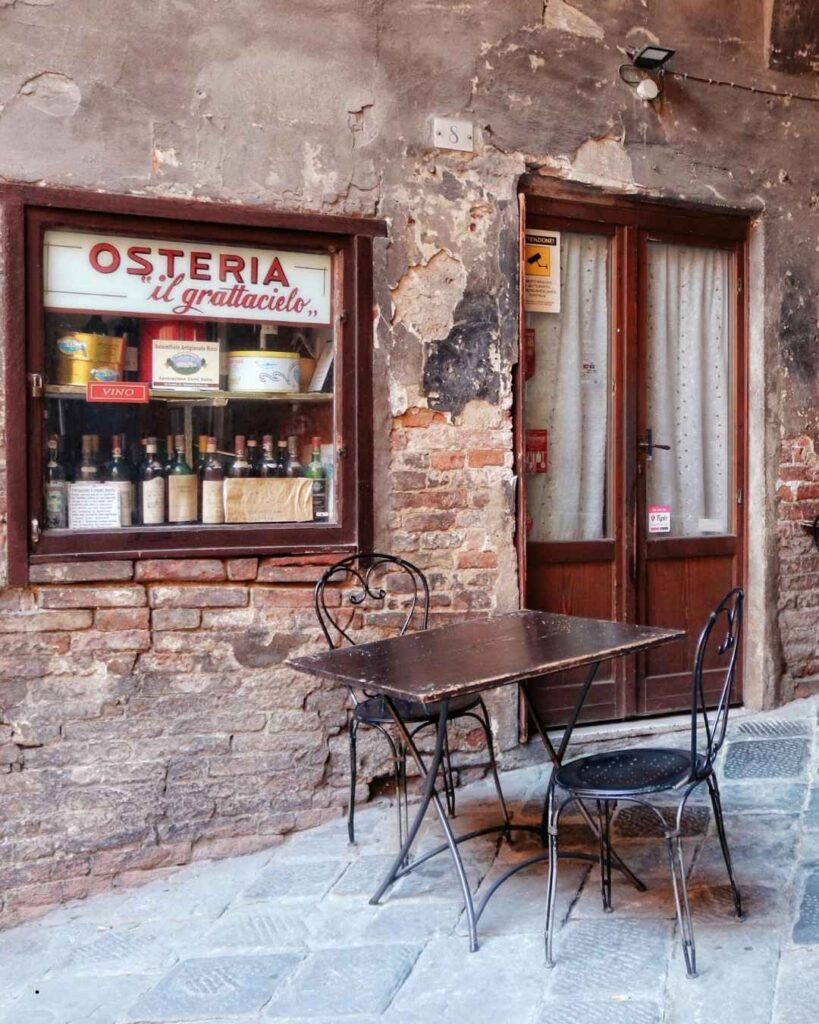
One of the most obvious signs of a tourist in Italy is how they approach food and dining. The Italian approach to meals is a ritual, a sacred part of the day that is not rushed. The tourist who asks for a cappuccino after lunch, or who orders a pasta dish as a main course, is announcing their foreignness in a way that is instantly recognizable to Italians.
Understanding the rhythm of Italian meals is essential for blending in. Breakfast is usually a quick affair: a cappuccino and a pastry at a bar, often standing up. Lunch is the main meal of the day, eaten between one and two in the afternoon, and it can be a leisurely affair with multiple courses. Dinner is eaten later than you might expect, often not before eight in the evening, and it is a time for socializing as much as for eating.
Cappuccino is considered a breakfast drink, and ordering one after a meal is generally not done. Espresso, by contrast, is perfectly acceptable at any time of day, and a shot of it after lunch or dinner is a wonderful way to end a meal. Also, do not ask for parmesan on seafood pasta, as this is considered a culinary crime in Italy. The way you order and enjoy your food is a powerful signal of how well you understand the culture.
The Coffee Culture: Ordering Like an Italian
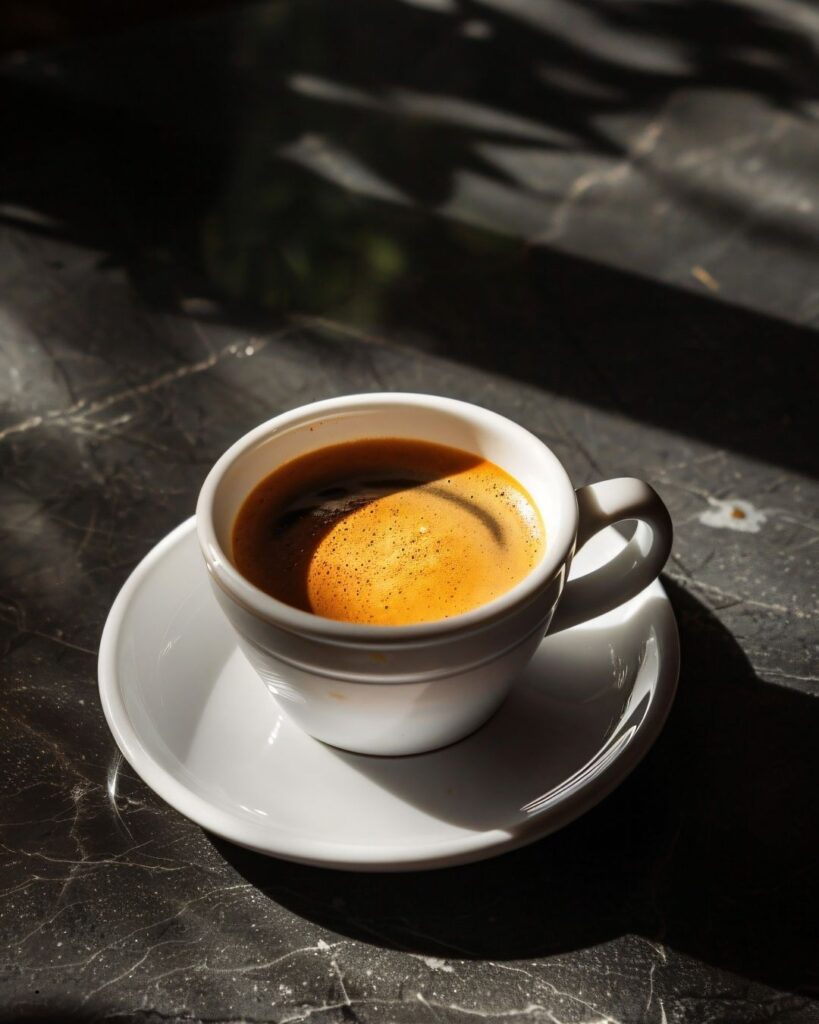
The coffee culture in Italy is a world unto itself, and approaching it the right way is one of the quickest ways to blend in. Most locals drink their coffee at the bar, standing up, rather than sitting at a table where you will often be charged a premium for the service. A typical morning ritual is a quick cappuccino and a pastry, consumed in minutes before heading off to work.
In the afternoon and evening, coffee becomes a different beast. Espresso is the drink of choice, often taken as a quick shot after a meal. It is strong and small, meant to be consumed in a single sip or two, and it is not the kind of drink you nurse for hours at a cafe. Americans often order large, sweet, milky coffee drinks that simply do not exist on Italian menus, and this marks them out as tourists immediately.
When ordering, know the names of the drinks you want and say them confidently. “Un caffè” will get you an espresso, and “un cappuccino” is exactly what it sounds like. “Caffè macchiato” is an espresso with a splash of milk, and “latte macchiato” is steamed milk with a splash of espresso. And remember, never ask for a cappuccino after lunch, as this is considered a breakfast drink and is deeply frowned upon in the afternoon.
The Sights: Looking Beyond the Obvious
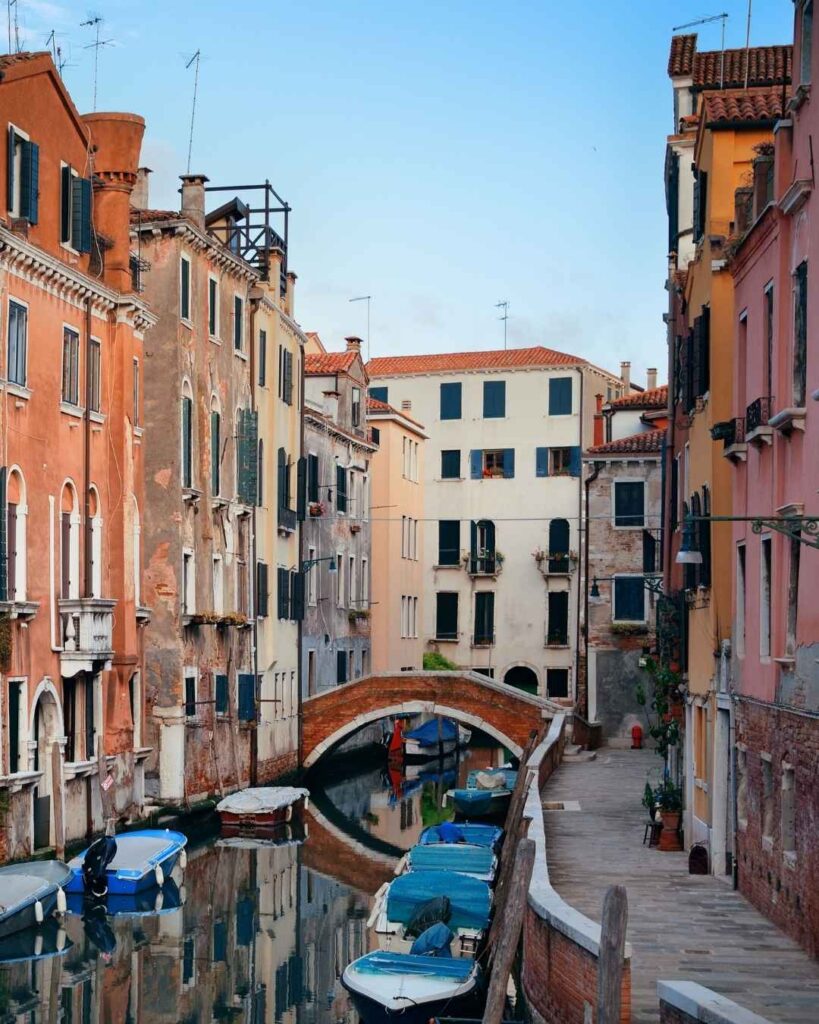
Every tourist wants to see the Colosseum, the Duomo, and the canals of Venice, but the way you approach these sights marks you as a thoughtful traveler or a typical tourist. The tourist is the one who spends the entire visit looking through their phone screen, snapping the same photo that everyone else is taking, and moving on without really seeing. The thoughtful traveler is the one who stands and looks, who notices the details that others miss, and who takes the time to truly appreciate what is in front of them.
Beyond the big sights, it is the smaller moments that define a visit to Italy. The hidden piazza where locals gather, the bakery with the longest line, the side street that reveals a beautiful view that is not on any map. Exploring without a rigid agenda and allowing yourself to get lost is the best way to discover the Italy that lies beyond the guidebooks.
Consider skipping the queue for the Uffizi and instead spending the afternoon wandering the Oltrarno, the less-visited side of the Arno. Or instead of the crowded Rialto Bridge in Venice, explore the quiet canals of Cannaregio. The effort to look beyond the obvious pays off in experiences that are far more memorable than checking off the tourist highlights.
The Attractions: Booking and Behaving Thoughtfully
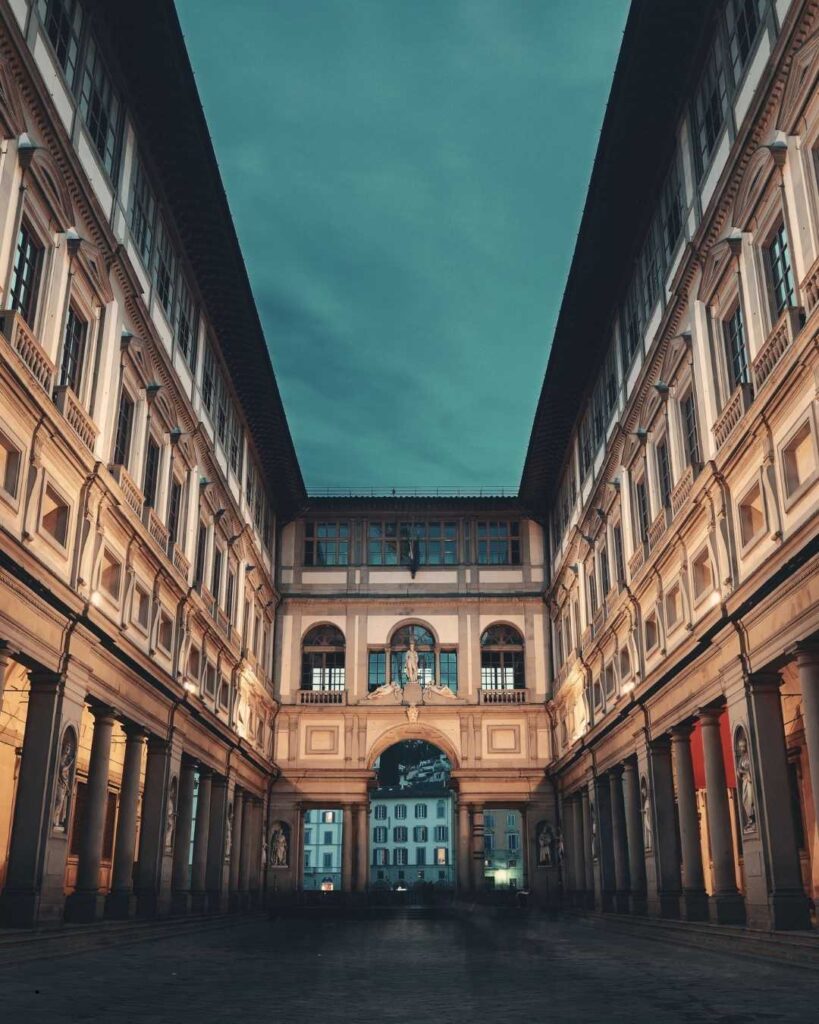
One of the most visible signs of a disorganized tourist is being stuck in a long queue, looking frustrated and impatient. The thoughtful traveler books tickets in advance, arrives early, and moves through attractions with awareness and consideration. In Italy, many of the major museums and churches require timed tickets, and booking them in advance is essential for avoiding long waits.
Once inside an attraction, be mindful of your behavior. Take your photos, but do not dominate the space. Step out of the way when taking photographs, and be aware that there are other people trying to see the same things you are. In churches, maintain a respectful silence, and remember that many religious sites do not allow photography at all. It is about being a considerate visitor rather than someone who is only thinking about their own experience.
Also, understand that many Italian museums and attractions have “free” days or reduced hours that are not widely advertised. Doing your research in advance can save you time and money and make you look like you know what you are doing. The thoughtful traveler is the one who has done their homework and moves through the sights with grace and awareness.
Note: If you need to book a guided tour or there are no available slots on the official website, this is where you need to check.
The Markets and Shops: Shopping Like a Local
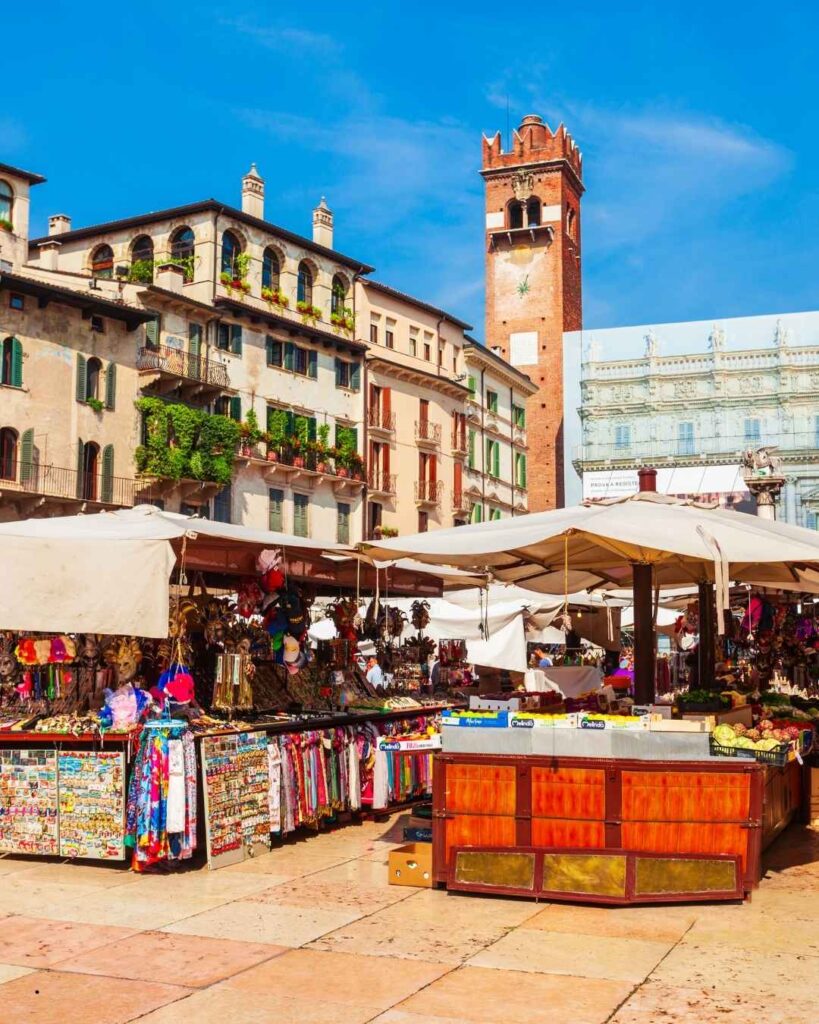
The way you shop in Italy says a lot about you. The tourist is the one who buys the cheap souvenirs from the stalls around the Colosseum, the “I Love Rome” t-shirts, and the plastic reproductions of famous statues. The thoughtful traveler is the one who seeks out the local artisans, the family-run shops, and the authentic products that Italy is famous for.
In the markets, like the Mercato Centrale in Florence or the Campo de’ Fiori in Rome, take the time to learn a little about what you are buying. Talk to the vendors, ask about their produce, and be polite. Italians value personal connection in commerce, and the act of shopping is often as much about the conversation as it is about the goods. A few words of Italian and a genuine interest in what you are buying will earn you respect and better service.
Do not be afraid to venture away from the main tourist streets to find the real shopping. The artisan workshops, the family-run leather shops, and the small wine shops are often hidden down quiet alleys, away from the bustle of the main thoroughfares. This is where the real Italy lives, and finding it is one of the great pleasures of traveling thoughtfully.
The Coffee Bar: The Ritual of Il Caffè
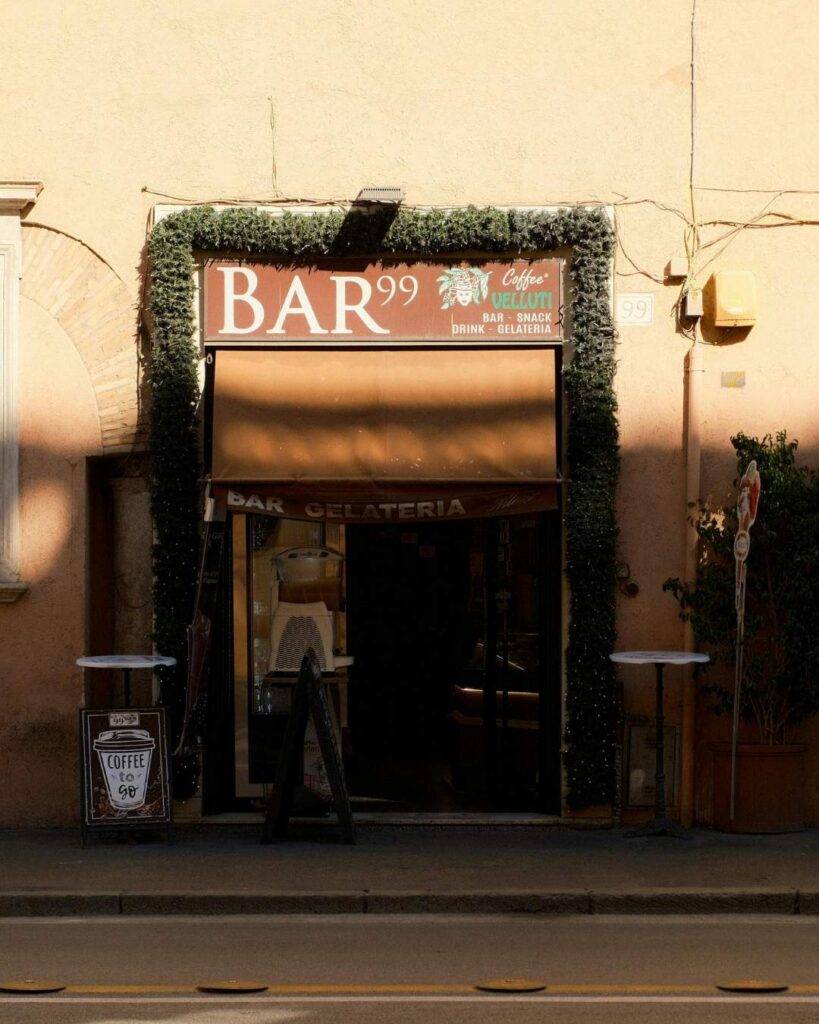
The Italian coffee bar is a social institution, a place where locals gather, exchange news, and fuel themselves for the day ahead. The tourist who approaches this place with confusion and indecision is announcing their foreignness in a very visible way. The key to blending in is to know what you want before you get to the counter, to order decisively, and to consume your coffee with the appropriate enthusiasm.
When you order at the bar, you pay first and then take your receipt to the barista. This is the rhythm of the Italian coffee bar, and understanding it is a sign of being in the know. You stand at the counter, you drink your espresso in a few quick sips, and you leave. It is not a place to linger over a laptop or to spend hours nursing a single drink. The coffee bar is for coffee, and once you have had it, you move on.
The act of having coffee in Italy is a ritual that is both simple and profound. It is a moment of connection with the place and the people, a brief pause in the rhythm of the day. Approach it with the respect it deserves, and you will find that the simple act of having a coffee becomes one of the most rewarding parts of your trip.
The Local Interactions: Engaging with Italians
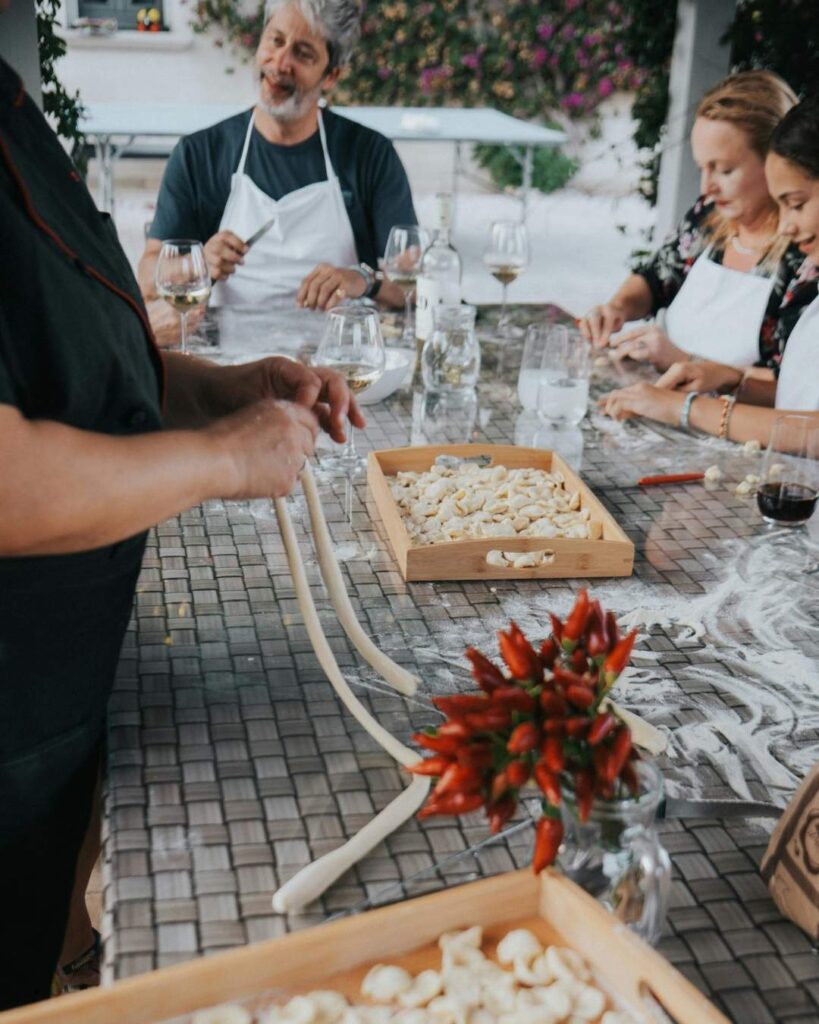
The final piece of the puzzle is how you engage with Italians themselves. The tourist is the one who treats the locals as part of the scenery, as elements to be photographed rather than people to be met. The thoughtful traveler is the one who makes an effort to connect, who asks questions, and who listens to the answers. In a country as warm and sociable as Italy, the connections you make with people will be the most memorable part of your trip.
Do not be afraid to strike up a conversation, even if your Italian is limited. A “scusa” for excuse me, followed by a question or comment, can open up a world of warmth and hospitality. The gesture, the smile, the effort to communicate all matter as much as the words themselves. Italians are famously expressive, and they will often meet you halfway if you make the effort.
Remember that Italy is not a theme park; it is a living country with real people going about their real lives. Treating people with respect and genuine interest is the best way to have an authentic experience and to earn the kind of warmth and hospitality that makes Italy so special. This is the real secret to not looking like a typical tourist: it is about being a thoughtful, respectful, and engaged visitor who brings something to the place they are visiting rather than just taking from it.
NOTE BEFORE YOU GO: Italy rewards travelers who go prepared. And it is easy to ruin your trip. I have a checklist for you of things you should never go to Italy without. CHECK IT OUT HERE. I have also curated a list of some of the best hotels in Italy. I would highly recommend checking them out before booking. THESE ARE THE BEST HOTELS IN ITALY. And for unique experiences, attractions, and tours, don’t book before CHECKING THIS OUT. Thank me later!