

Not all Italian food is great. I tell people that, and some don’t believe me, and perhaps you will come to that realization too. Maybe it comes when you bite into a piece of pizza in Naples and suddenly understand why people get emotional about dough.
Maybe it hits you in Bologna, watching a grandmother roll out pasta with a wooden pin, her hands moving with the kind of muscle memory that can only come from fifty years of Sunday dinners. Or maybe it happens in a tiny wine bar in Venice, standing shoulder to shoulder with locals, nibbling on something you can’t pronounce and drinking something you can’t remember the name of, and thinking, this is it, this is what everyone was talking about.
The truth is, Italy doesn’t just have good food. Italy is good food. The country’s cuisine is so deeply woven into its identity that UNESCO has officially recognized Italian food as part of the world’s intangible cultural heritage.
That’s not a designation they hand out lightly. It means that when you sit down to eat in Italy, you’re not just fueling up. You’re participating in something that has been passed down through generations, shaped by geography, history, and an almost obsessive attention to quality.
For American travelers, the challenge isn’t finding good food in Italy. It’s finding the right food. Tourist menus with pictures on them are everywhere. Restaurants with waiters standing outside waving menus are everywhere. Places that serve frozen spaghetti and call it fresh are everywhere. The trick is knowing how to navigate past all of that and get to the real stuff. That’s where food tours come in.
Before you read further, remember that Italy rewards travelers who come prepared. I’ve found a few things especially useful on an Italy trip, and they’re worth having and/or knowing beforehand. See the checklist here. Also, if you want me to plan an Italy trip for you that you will never forget, drop me a message here
Why You Should Consider a Food Tour Before You Even Land

Let me be honest with you. Before my wife and I took our first food tour in Italy, I was skeptical. I’m not usually a tour person. I like wandering, getting lost, discovering things on my own. The idea of following someone around with a group of strangers while they explained things I could probably Google felt unnecessary.
I was wrong. Completely, embarrassingly wrong.
A good food tour in Italy isn’t like a standard sightseeing tour where you shuffle from monument to monument listening to dates and names. It’s more like having a hungry, charming, incredibly knowledgeable friend show you around their neighborhood. These guides aren’t just reading from a script. They’re introducing you to their butcher, their baker, their favorite gelato maker who remembers their birthday.
They know which market stalls have the best produce and which ones are just for tourists. They know the stories behind the dishes, the family feuds over recipes, the little cultural quirks that explain why Italians do what they do.
Most food tours cost somewhere between 50 and 150 dollars per person. That might sound steep for what is essentially a long meal. Still, when you factor in all the tastings, the wine, the insider knowledge, and the fact that you’re basically getting a personalized culinary education, it’s actually one of the best values in travel. You’ll eat things you never would have ordered on your own.
You’ll learn things that will make you a better cook for the rest of your life. And you’ll leave with a list of recommendations that will carry you through the rest of your trip.
What Actually Happens on a Food Tour

If you’ve never done one before, here’s what you can generally expect. You’ll meet your guide in a central location, usually a market or a famous square. The group is typically small, anywhere from six to twelve people. Then you start walking. And eating. And walking some more.
Over the course of two to four hours, you’ll make anywhere from five to fifteen stops. You might start with coffee and a pastry at a local bar where the regulars are already deep into their morning conversations. Then you’ll head to a market to sample cured meats and cheeses while your guide explains the difference between prosciutto crudo and prosciutto cotto.
You’ll pop into a tiny shop that only makes one thing, maybe fresh pasta or fried street food, and you’ll taste it right there, hot and fresh and perfect. You’ll stop for wine. You’ll stop for gelato. Depending on the tour, you might end with a sit-down meal or a cooking demonstration.
The walking is gentle but steady, so comfortable shoes, like these ones, are non-negotiable. Bring cash, because some of the smaller vendors don’t take cards. And here’s the most important thing: go hungry. Don’t have a big breakfast. Don’t snack beforehand. The portions add up quickly, and nothing is sadder than watching someone on a food tour who can’t eat anymore.
Rome: Where Ancient History Meets Street Food Genius
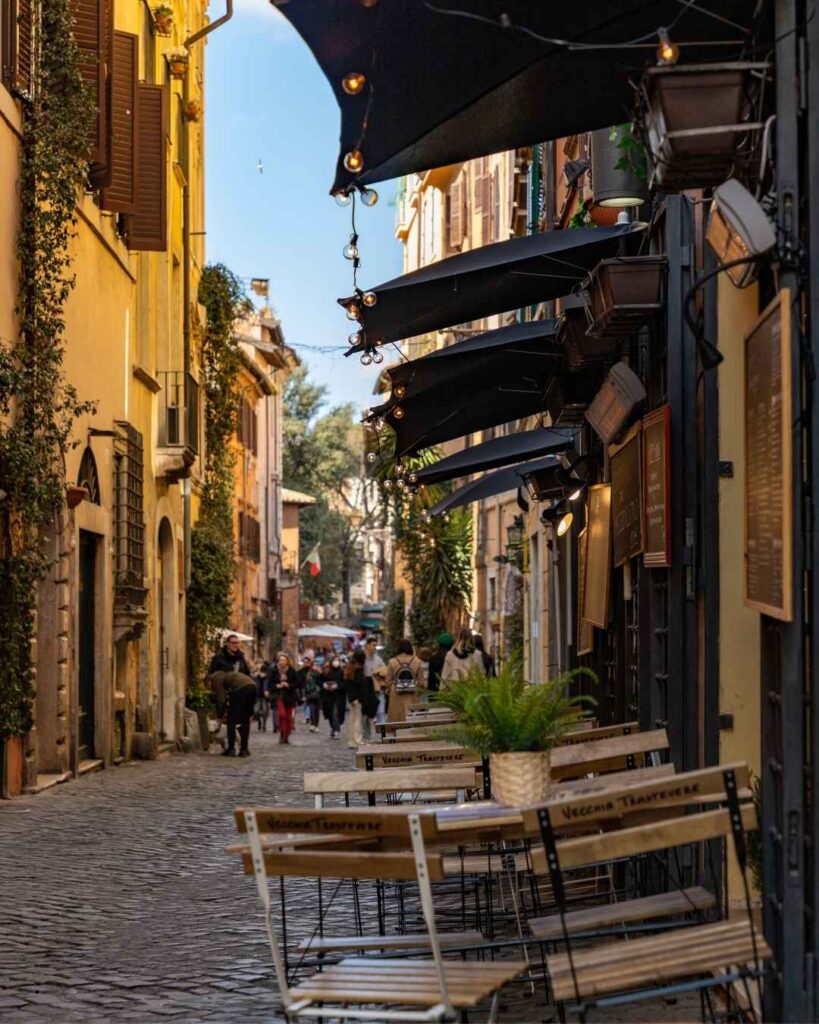
Rome is the kind of city where you can eat brilliantly without ever sitting down at a table. The street food culture here is legendary, and it’s the perfect place to start your culinary education.
The neighborhoods you want to target are Trastevere, with its narrow cobblestone alleys and ivy-covered buildings; the Jewish Ghetto, which has some of the most distinctive and delicious food in the city; and Testaccio, which is the unofficial capital of Roman cuisine.
Testaccio is particularly interesting because it was built around the city’s slaughterhouse, and the local food culture grew out of the workers’ need for cheap, hearty meals. They invented dishes like pasta with cheese and black pepper, using the simplest ingredients to create something transcendent.
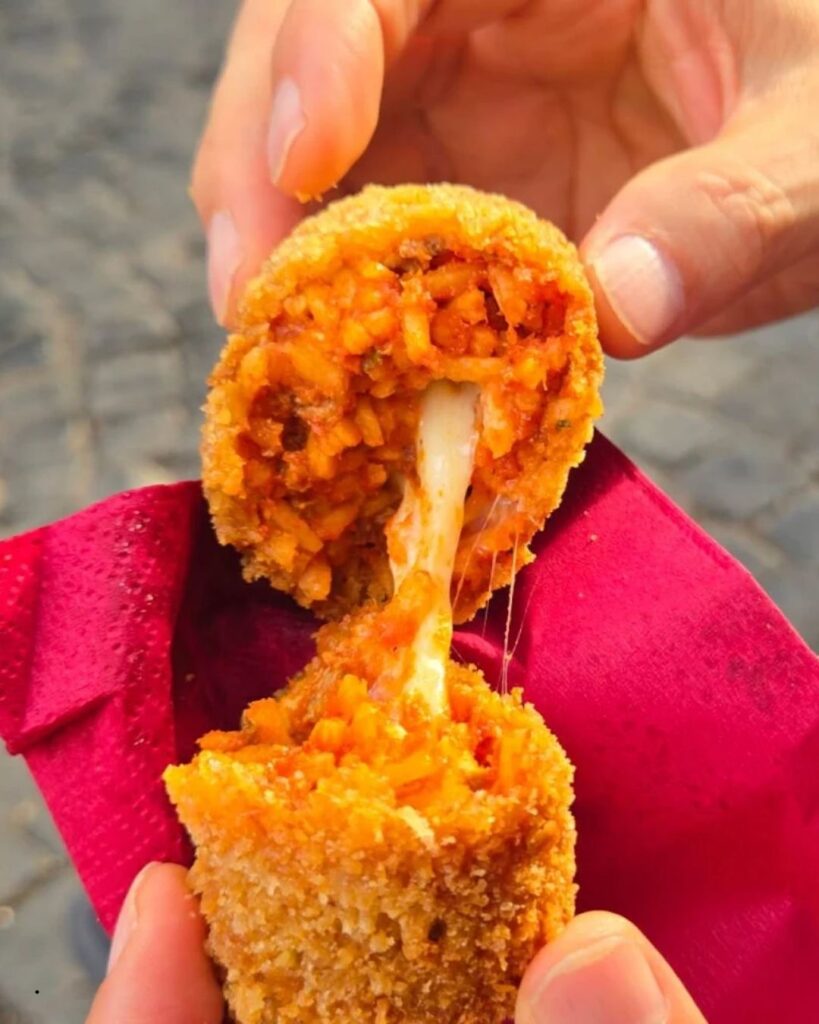
When you take a food tour in Rome, you’ll encounter dishes that will ruin you for American versions forever. Suppli are fried rice balls with a molten mozzarella center, and they are objectively better than any arancini you’ve had elsewhere.
Carciofi alla giudia are Jewish-style fried artichokes, crispy and golden, and they are one of the great culinary treasures of the city. Then there are the pasta dishes. Cacio e pepe, carbonara, amatriciana, and gricia are the four pillars of Roman pasta, each one using a different combination of cheese, pork, and pepper to create something remarkably distinct. It’s almost impossible to pick a favorite, and you shouldn’t try.
A particularly excellent option is a sunset food tour in the Prati district, which is more residential and less crowded than the historic center. It’s the kind of neighborhood where locals actually live, and the food reflects that authenticity.
Check the best Roman food tours here.
Florence and Tuscany: Hillside Vineyards and Hands-On Learning
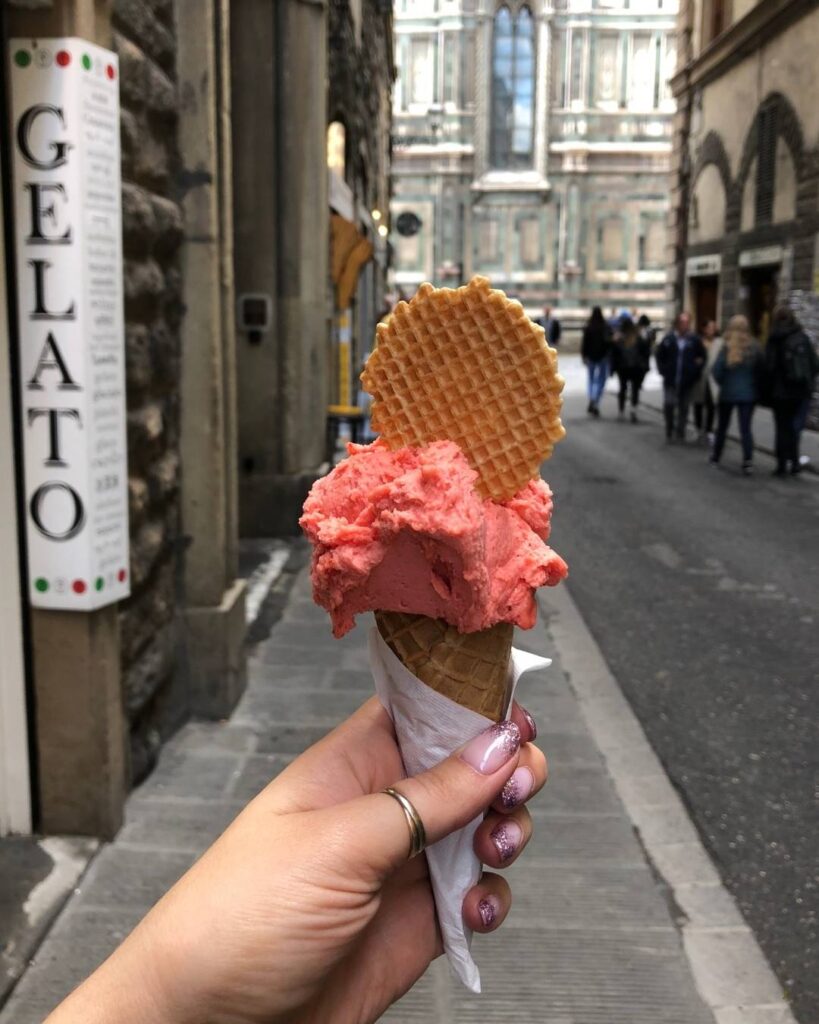
Florence is beautiful and overwhelming and packed with tourists, which means the food scene can be hit or miss. The trick is to get out of the city center and into the surrounding hills, where the real magic happens.
A typical Tuscan food tour starts with a visit to the Sant’Ambrogio market, which is less famous than the San Lorenzo market but much more authentic. You’ll walk through stalls piled high with seasonal produce, cheeses, meats, and fresh pasta, tasting as you go. Then you’ll drive out into the countryside, past cypress trees and olive groves, to a farmhouse where you’ll learn to cook.
This is where the hands-on element really shines. In Tuscany, cooking classes are often bundled with food tours, which means you get to make pasta from scratch, usually tagliatelle or ravioli, and then eat it with a sauce you’ve also prepared. There’s wine involved, usually Chianti Classico, which is the region’s most famous export. And there’s olive oil, fresh and peppery, the kind that makes you understand why people spend so much time obsessing over it.
If you’re traveling with kids or teenagers, Florence is particularly good because many of the food tours offer pizza and gelato-making classes that are specifically designed for younger palates. It’s educational, it’s interactive, and it gives everyone something to brag about back home.
Check out some of the best Tuscan food tours in this guide.
Bologna and Emilia-Romagna: The Heart of Italian Food
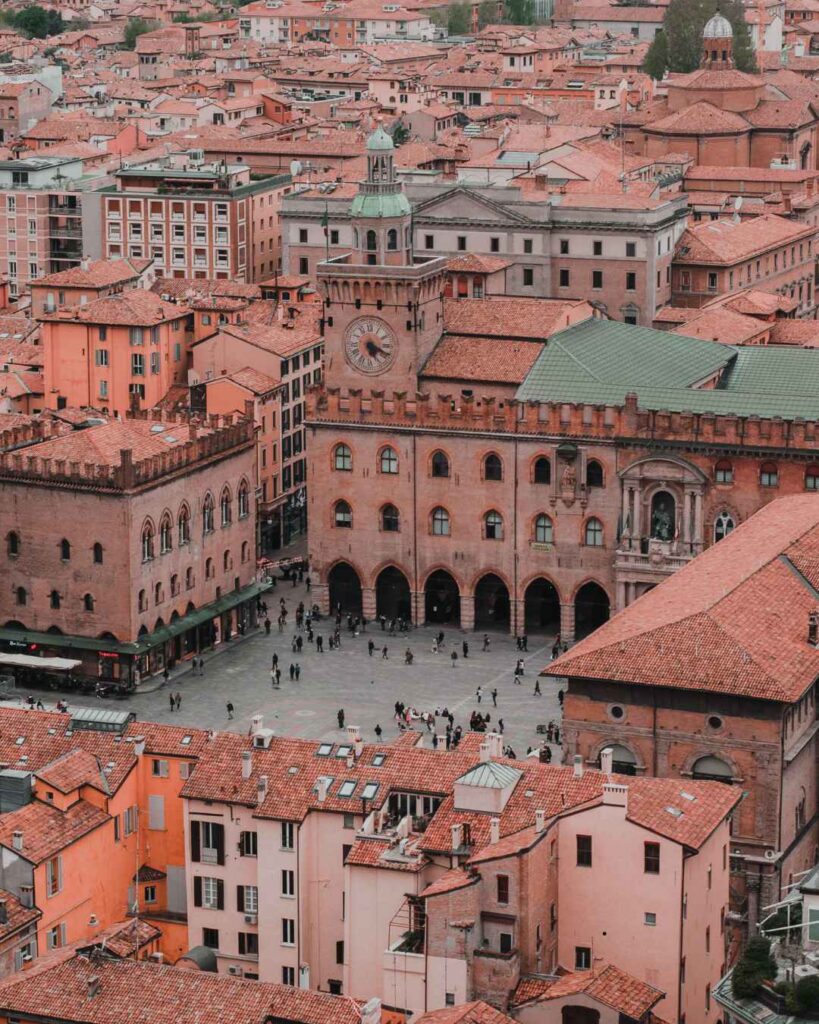
There’s a reason Emilia-Romagna is called Italy’s Food Valley. This region, which stretches between Bologna, Modena, and Parma, is responsible for some of the most iconic foods in the world. This is where Parmigiano-Reggiano is made, where prosciutto di Parma is cured, where traditional balsamic vinegar of Modena is aged for decades in wooden barrels.
This is the place to go if you want to understand how Italian food is produced and why quality matters so much.
The food tours here are different from those in Rome or Florence. Instead of just eating, you’re visiting producers. You’ll go to a dairy and watch them make Parmigiano-Reggiano, seeing the enormous copper vats and the cheesemakers who have been doing this their whole lives. You’ll visit a ham producer and learn why prosciutto di Parma has such a delicate, buttery flavor compared to other cured hams.
You’ll go to an acetaia, a vinegar aging house, and see the rows of wooden barrels that have been passed down through generations. This is not quick vinegar. This is vinegar that has been aged for a minimum of twelve years, sometimes twenty-five or more, and tasting it is a revelation.
The food tours in Bologna also often include cooking classes where you learn to make the region’s famous pasta. Tortellini, tagliatelle, and lasagna all come from this area, and the methods are specific. There’s a reason Italians get so particular about their food. Each shape, each thickness, each ingredient has a purpose.
If I have one piece of advice for this region, it’s to book in advance. These food tours are some of the most popular in the country, and they sell out weeks, sometimes months, ahead of time. Check them out here.
Naples and the Amalfi Coast: Pizza, Seafood, and Sunshine
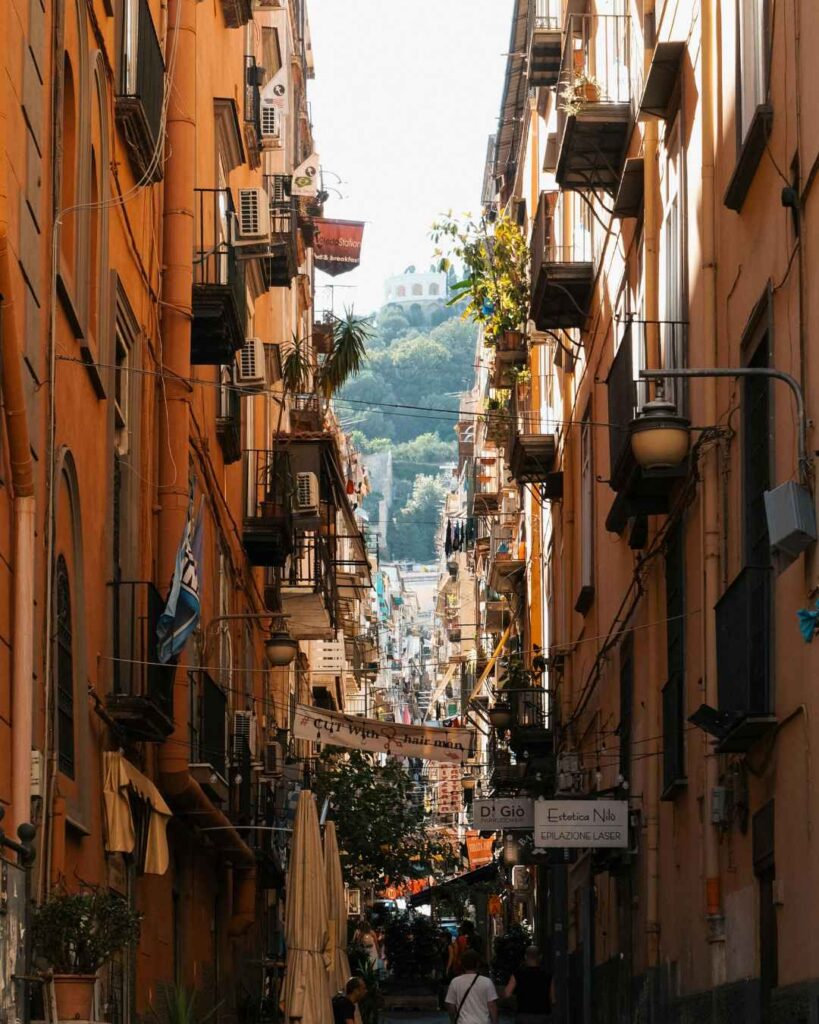
Naples is chaotic and loud and slightly unhinged, and it is also the birthplace of pizza. This is not up for debate. The Margherita pizza was invented here in 1889 to honor the queen, and the city has been perfecting it ever since. A food tour in Naples will take you to the best pizzerias, the ones with wood-fired ovens and dough that has been fermented for hours and secret recipes that pizzaiolos guard like state secrets.
But Naples is about so much more than pizza. The street food culture here is extraordinary. Fried pizza, arancini, crocchè, sfogliatella pastries with their paper-thin layers of dough. Mozzarella di bufala, which is so fresh and creamy that it makes the supermarket version seem like an entirely different food. Check out the best Napoli food tours here.
If you head south to the Amalfi Coast, the food shifts toward the sea. The local pasta, called scialatelli, is thick and chewy and served with whatever the fishermen caught that morning. The lemons are enormous, sweet and fragrant, and they get turned into everything from limoncello to the delicate lemon sponge cake called delizia al limone. A food tour along the coast is slower, more relaxed, with stunning views of the Mediterranean and long lunches that stretch into the afternoon.
One thing to remember in this region, and this is important, is the rule about cheese and seafood. Italians never, ever put parmesan on fish. It’s considered a crime against the delicate flavors of the sea. If you’re eating pasta with clams or shrimp, you eat it without cheese. Same goes for any seafood risotto. This is the kind of detail that separates a tourist from someone who knows what they’re doing.
How to Eat Like an Italian

Before you go, there are a few rules you need to know. These aren’t suggestions. They’re the cultural guardrails that separate an informed traveler from someone who ends up on a list of tourist offenses.
Do not break your spaghetti in half. I know it’s easier to cook that way. I know it fits better in the pot. But in Italy, spaghetti is meant to be twirled, not cut, and breaking it is considered culinary vandalism. Also, don’t use a spoon to twirl your pasta. That’s a tourist move. You learn to use your wrist, to press the fork against the curve of the bowl, and you get better with practice.
Do not put parmesan on seafood. I already mentioned this, but it bears repeating. Parmesan is for certain things. It is not for anything that comes from the ocean.
There is no such thing as spaghetti bolognese in Bologna. The dish is called ragù, and it’s traditionally served with tagliatelle, which is a wider, flatter pasta that holds the sauce better. The tagliatelle should be exactly six and a half millimeters wide. That’s not a suggestion. That’s the official recipe.
Pay attention to your gelato. If it’s bright green and you’re not eating mint or pistachio, that looks artificially green; you are eating something with coloring. Real pistachio gelato is a muted brownish color. And the good gelato is stored in flat metal tins, not the towering mounds that you see in tourist shops. The tins keep it at the right temperature and preserve the texture. If you see gelato piled high and fluffy, walk away.
Do not eat while walking. I know this is hard for Americans. We eat on the go constantly. But in Italy, eating is a moment. You sit. You enjoy. You don’t rush. Even your gelato deserves a bench or a step or a spot on the wall of a piazza.
Do not expect balsamic vinegar and olive oil with your bread. That is not how Italians do it. Bread is for the meal, for sopping up sauce. It’s not a vehicle for oil and vinegar before the food arrives. Real balsamic vinegar of Modena is aged for a minimum of twelve years and it is meant to be drizzled over things, not used as a dipping sauce.
Do fare la scarpetta. This is the Italian word for sopping up the leftover sauce with bread, and it’s not just acceptable, it’s encouraged. It shows you appreciate the food. It shows you respect the cook.
How to Pick the Right Food Tour for You
With so many options, it can be overwhelming. Here’s a simple breakdown.
If you love street food and want something casual and energetic, go to Rome, Naples, or Palermo. These cities have some of the best street food cultures in the world.
If you love wine and want to see where it comes from, head to Tuscany or Piedmont. Chianti and Barolo are both extraordinary, and the scenery is breathtaking.
If you want to see how iconic foods are made, go to Bologna, Modena, or Parma. There’s something deeply satisfying about watching artisans who have been doing the same work for decades.
If you want to cook, choose Florence or Bologna. Both cities offer incredible hands-on experiences that will transform how you make pasta at home.
If you love seafood and coastal views, go to the Amalfi Coast or Venice. The food is lighter, brighter, and deeply connected to the sea.
If you want something unique and different, choose Sicily or Piedmont. The flavors are more surprising, more complex, and more distinct.
The Practical Stuff
- Book early. The best tours sell out well in advance, especially during spring and fall, which are the peak travel seasons.
- Check dietary options before you book. Most tours can accommodate vegetarians or gluten-free diets, but you need to give them notice.
- Read reviews carefully. Look for tours with small groups and local guides. The size of the group matters. In a group of six, you can ask questions. In a group of twenty, you’re just following a flag.
- Wear comfortable shoes. You’ll be walking for several hours. That isn’t negotiable.
- Bring cash. Some small vendors don’t take cards, and you don’t want to miss out on something because you couldn’t pay for it.
- Ask questions. Your guide is a local expert. This is your chance to ask about everything you’ve ever wondered about Italian food. Where do they buy their groceries? What’s the best restaurant that no one knows about? What do they cook when they’re missing their grandmother? These are the things that won’t be in any guidebook.
The One Thing You Shouldn’t Forget
Here’s what I’ve learned from all these meals, these tours, these conversations with cheesemakers and bakers and winemakers. Italian food isn’t complicated. That’s the secret. It’s simple. It’s fresh. It’s made with ingredients that are respected and handled with care. A plate of cacio e pepe has four ingredients.
Pasta, cheese, pepper, water. That’s it. But each ingredient has to be perfect. The pasta has to be bronze-drawn for texture. The cheese has to be the right age. The pepper has to be freshly cracked. The water has to be salty enough.
That simplicity is the whole point. It’s not about doing more. It’s about doing less, but doing it perfectly.
When you sit down to a meal in Italy, don’t rush. Don’t photograph everything. Don’t worry about getting the perfect Instagram shot. Just eat. Taste. Pay attention. Let the flavors speak for themselves.
And when you come home, you’ll find yourself thinking about it. Not just the food, but the people, the rhythm, the way a meal can stretch for hours and feel like it’s just getting started.
I remember standing in a tiny shop in Bologna, watching an old woman roll out pasta with a wooden pin. She was maybe seventy years old, her hands gnarled from decades of this work. She didn’t look up. She didn’t smile. She just kept rolling, folding, rolling again, her movements so practiced that they seemed unconscious. The pasta was thin enough to see through, and she was making it look easy.
That’s what Italy is really about. Not the food itself, but the attention. The patience. The generations of knowledge that live in hands like hers.
A food tour can give you a taste of that. It can open doors you wouldn’t find on your own. It can show you what makes this country so special.
And then it’s up to you. Eat slowly. Ask questions. Be curious. And above all, enjoy every single bite.
Buon appetito, and safe travels. Italy is waiting.
Again, feel free to go through the list below of my Italy recommendations that I have crafted after years of travel to this beautiful country:
- Packing List: Things Not to Go to Italy Without
- Must-Do Things: Unforgettable Experiences
- Where to Stay: Best Hotels in Italy.
- Where to Stay in Rome: Rome’s Best Neighborhoods
- Where to Stay in Florence: Picking the Best Area
- Where to Stay in Venice: Venice’s Best Districts
- Italy’s Cobblestone Streets: Best Shoes For the Job
- Backpack or Suitcase?: Italy Luggage Guide
- Travel Insurance: Always Be Covered
- E-Sim: Be Connected At All Times