
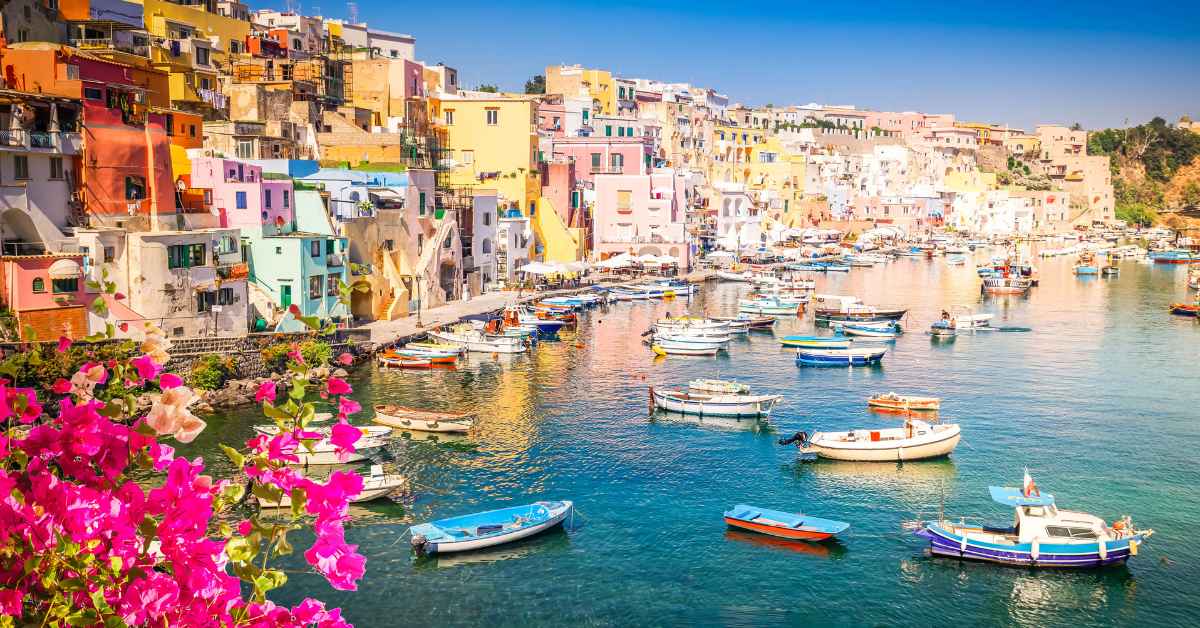
Procida is the smallest of the three main islands in the Bay of Naples, a speck of land that measures just over one and a half square miles. It is often overlooked in favor of its more glamorous siblings, Capri and Ischia, and that is precisely its charm.
While the other islands have been transformed by tourism, Procida has remained stubbornly itself—a working fishing community, a place of narrow alleyways and hidden courtyards, where the rhythm of life is set by the sea and the seasons.
There is no grand promenade here, no bustling marina filled with superyachts, no designer boutiques or celebrity sightings. What there is, instead, is something increasingly rare in the Mediterranean: a place that feels untouched by the modern world, a pocket of authentic Italy that has not been polished and packaged for mass consumption.
In 2022, Procida was named the Italian Capital of Culture, a recognition that brought it a brief moment in the spotlight, but it has not lost its soul. It is still the island where laundry hangs from windows and grandmothers sit in doorways, where the only luxury is the luxury of being nowhere in particular.
If you are looking for a place to slow down, to step away from the crowds, and to experience a corner of Italy that feels like a secret, Procida is waiting.
Before reading further, please take the time to ensure you have packed everything you need for your trip to Italy. See the checklist here.
How to Get There
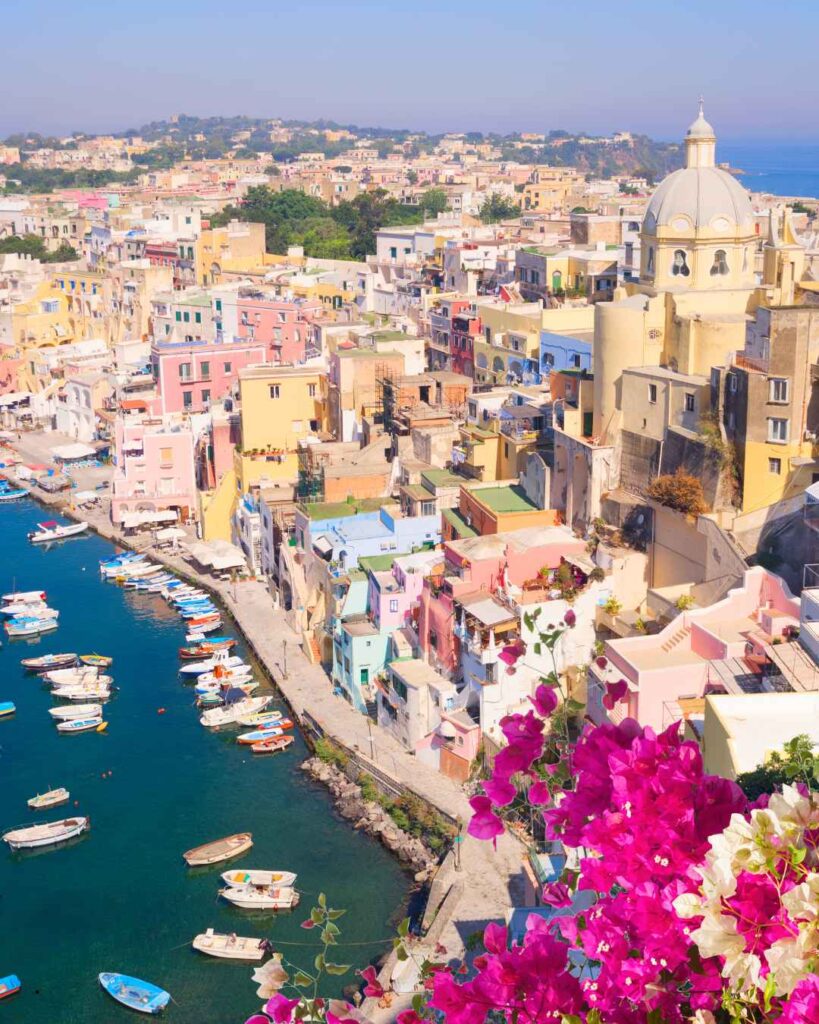
Reaching Procida is refreshingly simple. Regular ferries and hydrofoils depart from Naples, as well as from Pozzuoli on the mainland. The journey from Naples takes about forty minutes on the faster hydrofoil, or just over an hour on the slower ferry.
Either way, the approach is stunning—as you round the headland, the island reveals itself in all its colorful glory, and you understand immediately why it has inspired writers, artists, and filmmakers for generations.
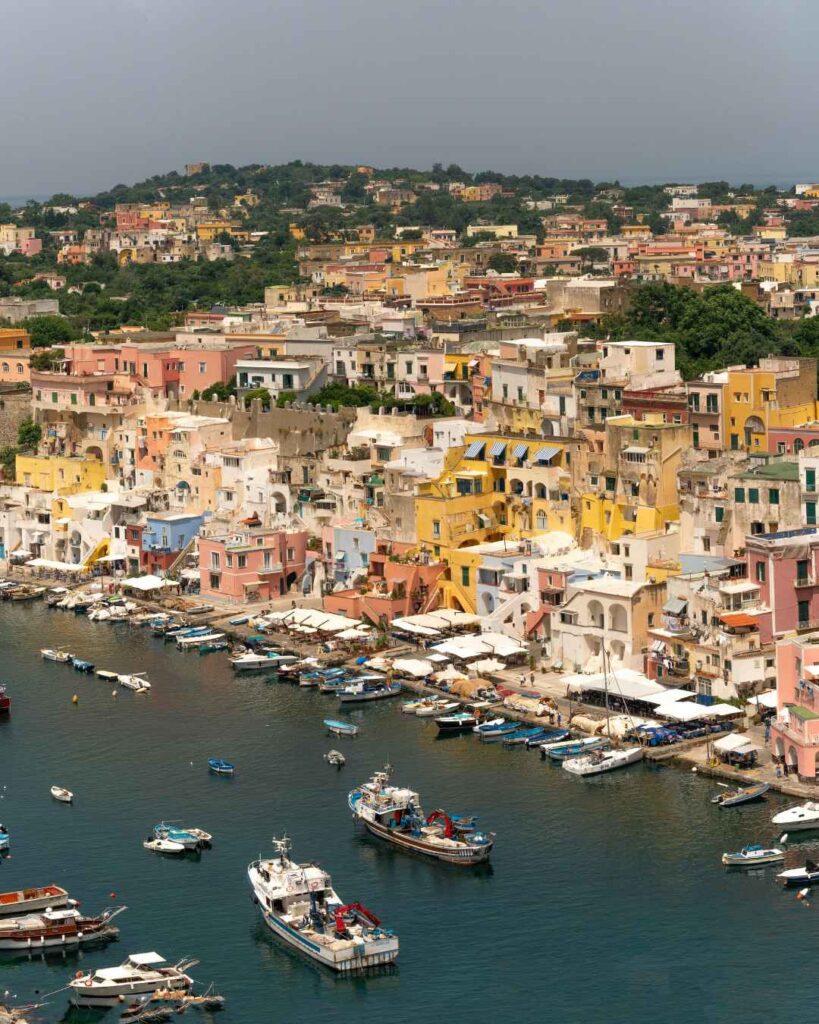
The ferry arrives at Marina Grande, Procida’s main port and the island’s busiest area. From here, everything is within reach. The island is so small that you can walk across it in less than an hour, and most visitors find that their own two feet are the best way to explore. The winding streets and steep staircases are not designed for cars, and while there is a local bus that connects the main points, the real magic of Procida lies in getting lost on foot.
If you want to venture further, renting a scooter is a popular option. It gives you the freedom to explore the more remote corners of the island at your own pace. But be prepared—the roads are narrow and winding, and parking can be a challenge. For most travelers, walking is not only practical but also the most rewarding way to discover the island’s hidden corners.
When Should You Visit?
Procida is a year-round destination, but the experience varies widely depending on the season. Summer, from June to September, is the busiest time, when the island swells with visitors drawn to its beaches and its colorful charm. The atmosphere is lively, the water is warm, and the evenings are filled with the sounds of music and conversation spilling from restaurants and bars. But the crowds can be intense, and accommodation prices are at their highest.
Spring and autumn are the ideal times to visit. The weather is still warm enough for swimming, the wildflowers are in bloom in April and May, and the autumn light is golden and soft. The crowds thin out, prices drop, and you feel more like a traveler than a tourist. The island’s relaxed pace becomes even more pronounced, and you have the space and quiet to truly appreciate its beauty.
Winter is a different proposition. Procida becomes quiet and introspective, with many hotels and restaurants closing for the season. The weather can be chilly and rainy, and the beaches are deserted. But for those who seek solitude and authenticity, winter offers a glimpse of the island as it really is—a working community, untouched by the demands of the tourist season. It is the time for long walks, quiet contemplation, and the simple pleasure of a warm meal in a local trattoria.
A Little History About Procida
Procida’s history is as layered as its pastel facades. The island has been inhabited since ancient times, and it has played a role in the great events of Mediterranean history. The Greeks were the first to recognize its strategic value, and the Romans followed, using the island as a naval base and a place of exile.
The small island was a quiet place for prisoners in the Roman Empire, and the remains of their presence can still be seen at the Terra Murata, the oldest settlement on the island.
The most dramatic chapter of Procida’s history came during the Middle Ages. In 1544, the infamous pirate Barbarossa attacked the island, and the terrified population took refuge in the medieval fortifications of the Terra Murata.
Later, in 1799, Procida became the first city in Italy to revolt against King Ferdinand of Naples, an act of defiance that was ultimately crushed but that remains a source of local pride. This is an island with a fighting spirit, a place that has endured invasion, disease, and hardship, yet has always survived.
Today, the history of Procida is visible everywhere. The Palazzo Montefusco, a stunning Baroque palace in the center of the island, offers a glimpse into the lives of the nobility who once ruled here. But perhaps the most poignant historical site is the Abbazia di San Michele, an abandoned monastery that overlooks the sea.
The abbey is a hauntingly beautiful place, with its vaulted ceilings and crumbling walls, a reminder of the religious life that once flourished on the island.
And then there is the Cimitero di Procida, a cemetery that is as beautiful as it is atmospheric. Set on a hillside overlooking the sea, the tombs are decorated with photographs and flowers, and a visit here is a moving reminder of the deep connection between the living and the dead in this close-knit community.
The Terra Murata and the Ancient Village
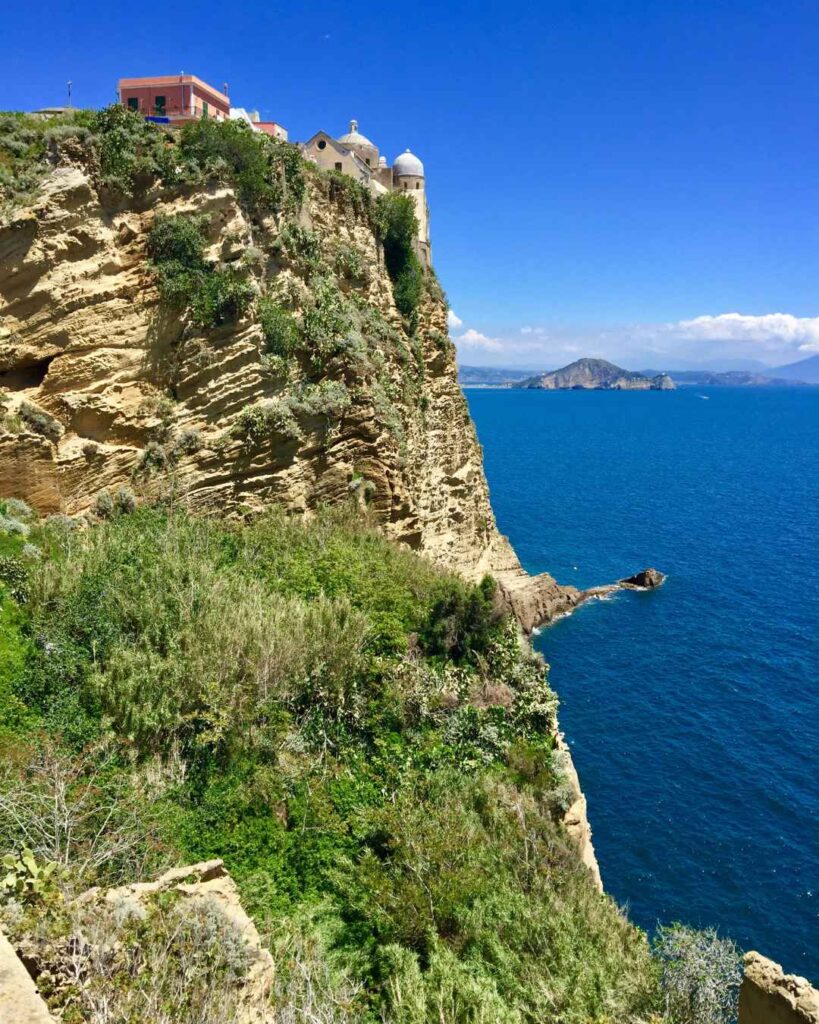
At the highest point of the island lies the Terra Murata, the oldest and most atmospheric part of Procida. This walled medieval village is a maze of narrow alleyways, arched passageways, and hidden courtyards. It is the heart of the island, the place where Procida’s history is written into every stone.
As you wander through the Terra Murata, you will pass laundry flapping in the breeze, cats sunning themselves on doorsteps, and elderly women sitting in doorways, watching the world go by. It feels like a place that has not changed for centuries, and in many ways, it has not.
The architecture is a mix of medieval and Baroque, with grand palaces standing alongside humble fishermen’s homes. The contrast is striking, a reminder of the social divisions that once defined island life.
At the center of the Terra Murata is the Church of San Michele Arcangelo, a 16th-century church with a beautiful Baroque interior. But the true highlight is the view from the walls of the old fortress. From here, you can see the entire island spread out below you, with its pastel houses, its olive groves, and the endless blue of the sea stretching to the horizon.
It is the kind of view that makes you forget everything else, that reminds you why you came to this tiny island in the first place.
Procida’s Beaches and the Sea
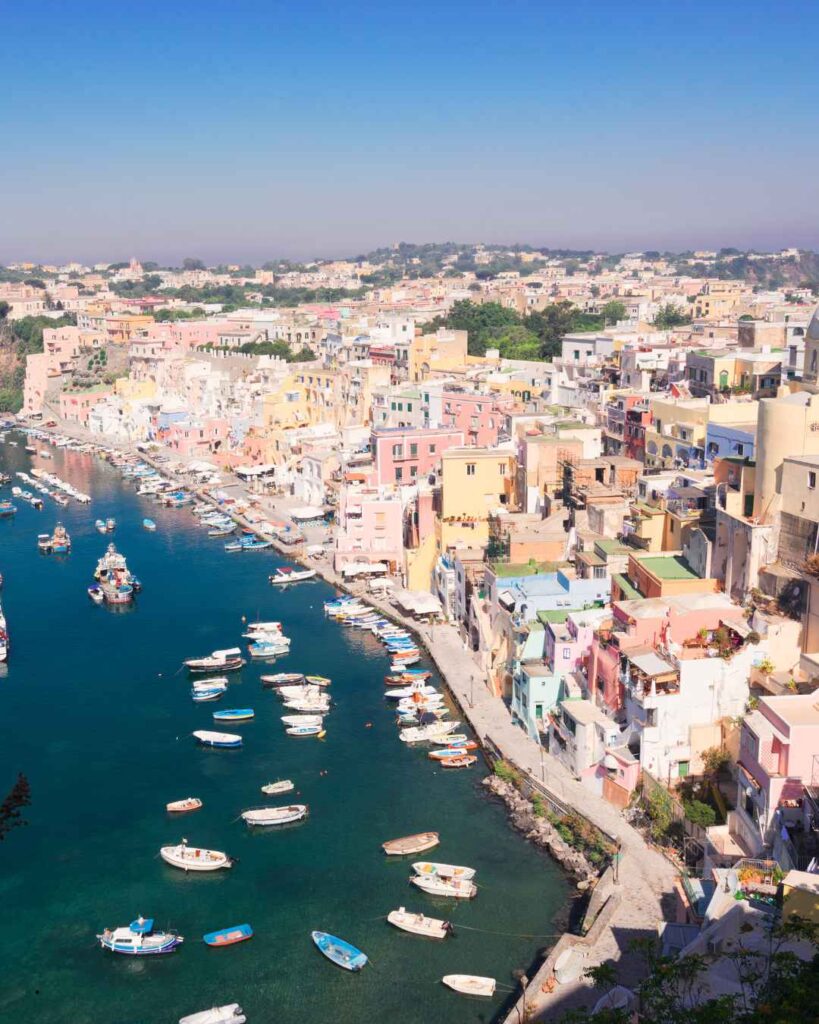
Procida is surrounded by the sea, and its coastline is a series of hidden coves and rocky inlets. The beaches are small and intimate, and they are some of the most charming in the Bay of Naples.
Spiaggia di Chiaia, near the port, is the island’s main beach. It is a small crescent of dark sand, surrounded by colorful houses and fishing boats. The water is calm and clear, and it is a wonderful place for a morning swim. But if you want to escape the crowds, the real treasures are the coves of Cala d’Oliva and Cala del Pozzo Vecchio.
These are secluded spots, accessible only by foot or by boat, and they offer a level of peace and privacy that is hard to find anywhere else.
For a truly immersive experience, rent a small boat and explore the coastline from the water. Procida’s shores are dotted with hidden caves and grottos, and the water is so clear that you can see the seabed beneath you. Drifting along the coast, with the pastel houses rising above you and the sound of the waves lapping against the hull, is one of the most memorable experiences the island has to offer.
The Food of Procida
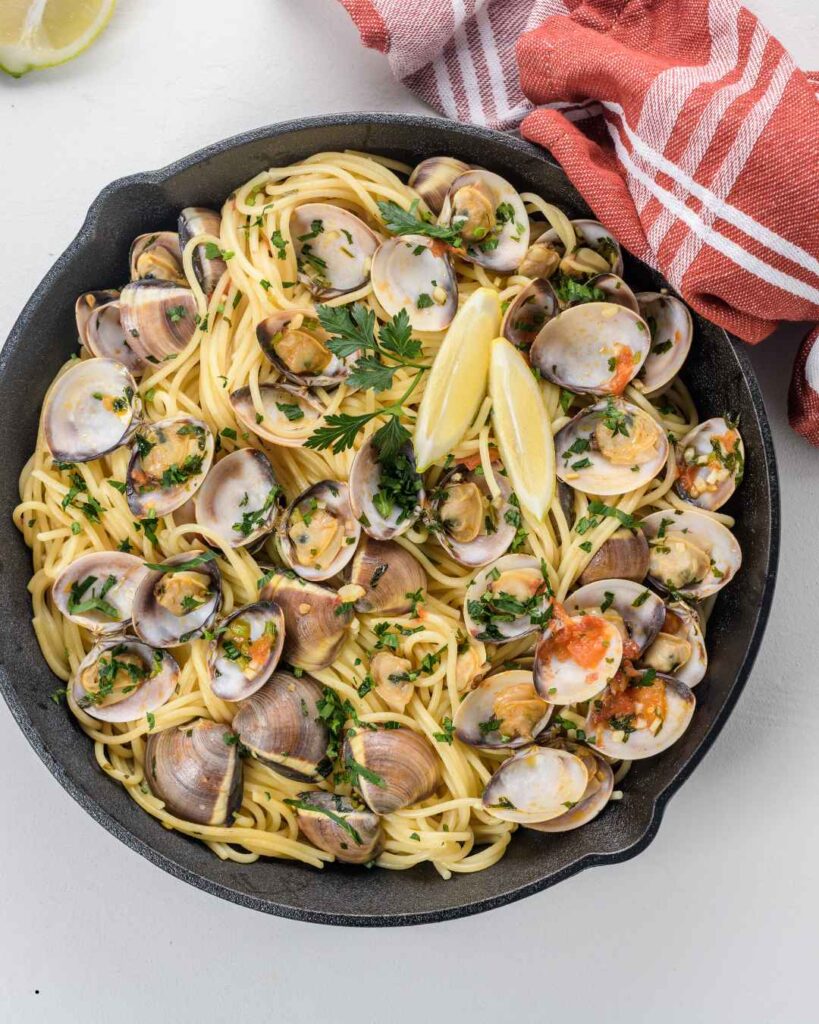
The cuisine of Procida is simple, honest, and deeply rooted in the island’s maritime traditions. This is not the refined, elaborate cooking of the mainland. It is the food of fishermen and farmers, made with the freshest ingredients and cooked with love.
Seafood is, naturally, the centerpiece of any meal. The waters around Procida are rich with fish, and the island’s fishermen bring in their catch each morning. The local specialty is the ocean sunfish, or pesce luna, which is served in many of the island’s restaurants.
It is a delicate, flaky fish, and it is often prepared simply, with olive oil, lemon, and a sprinkling of herbs. You will also find anchovies, sardines, and octopus on almost every menu. A plate of marinated anchovies, served with a squeeze of lemon and a drizzle of local olive oil, is a taste of the sea at its purest.
The island is also known for its pasta dishes, particularly those made with fresh seafood. Spaghetti alle vongole, or spaghetti with clams, is a classic that is done particularly well here. The clams are sweet and briny, and the sauce is simple and garlicky, allowing the flavor of the shellfish to shine through.
For a taste of Procida’s history, you should also try the local rabbit dishes. Like Ischia, Procida has a tradition of rabbit farming, and the meat is often prepared in a stew with tomatoes, herbs, and white wine. It is a hearty, flavorful dish that connects you to the island’s rural past.
And then there are the desserts. Procida is famous for its lemon granita, a refreshing frozen treat that is the perfect way to cool down on a hot day. The lemons here are large and fragrant, and the granita captures their essence perfectly. You will also find traditional pastries like zeppole, fried dough dusted with sugar, which are a favorite during the island’s festivals.
Wine on Procida is not as famous as it is on Ischia, but the island does produce a pleasant white wine that pairs beautifully with seafood. And for something stronger, try the local limoncello, made from the island’s abundant lemons. Served ice-cold after a meal, it is a perfect digestivo.
Marina Corricella: The Soul of the Island
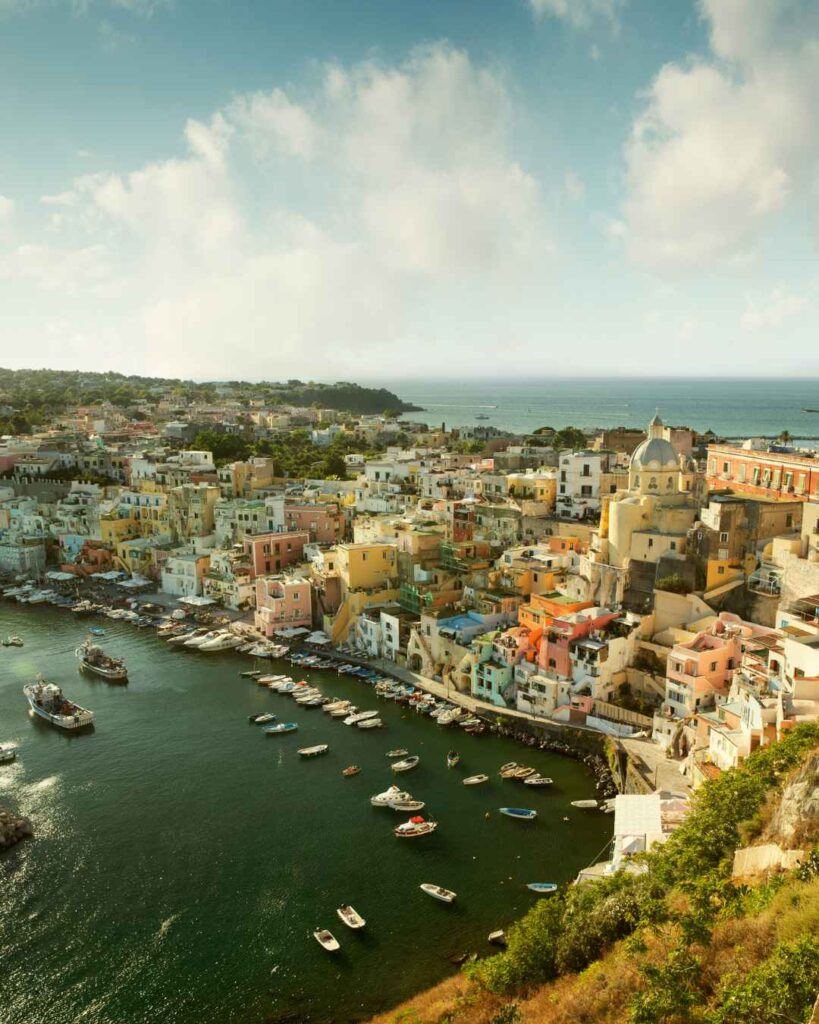
If Procida has a soul, it is Marina Corricella. This tiny fishing village, with its colorful houses clustered around a small harbor, is the most photographed spot on the island, and for good reason. It is impossibly picturesque, a postcard come to life.
The houses here are painted in shades of pink, yellow, orange, and blue, and they are stacked so tightly together that they seem to lean on each other for support. Fishing boats bob in the harbor, and the nets are spread out to dry on the quayside. The atmosphere is one of simple, unhurried life. There are no souvenir shops or crowded restaurants here, just a few small trattorias where you can sit at a table by the water and watch the world go by.
The best time to visit Corricella is early morning or late evening. In the morning, the light is soft and golden, and the fishermen are preparing their boats for the day. In the evening, the sun sets behind the village, and the colors of the houses seem to glow. It is a moment of pure magic, a reminder that beauty exists in the simplest of places.
My wife and I spent a long evening here, sitting at a small table with a bottle of wine, watching the colors change as the sun dipped below the horizon. It was one of those rare, perfect evenings that travel is all about.
The Culture and Festivals of Procida
Procida is a place of deep cultural traditions, and its festivals are some of the most vibrant in the Bay of Naples. The most important event is the Festa di San Michele, held in September in honor of the island’s patron saint. The festival is a celebration of faith, community, and tradition, with processions, music, and fireworks.
The statue of San Michele is carried through the streets, and the entire island comes together to celebrate. It is a powerful display of the close-knit community that defines Procida.
Another significant event is the Madonna della Libera, celebrated in May. The statue of the Virgin is taken by boat from Terra Murata to Marina Corricella, and the harbor is filled with decorated fishing boats. The atmosphere is festive and joyful, a reminder of the island’s deep connection to the sea.
In 2022, Procida was named the Italian Capital of Culture, and the island used the occasion to showcase its artistic and cultural heritage. The event brought new attention to the island, but it also reinforced Procida’s commitment to preserving its authentic character. The island’s role as a source of inspiration for artists and filmmakers was celebrated, and the event helped to solidify Procida’s place as a cultural destination, not just a beach escape.
The Artistic Inspiration of Procida
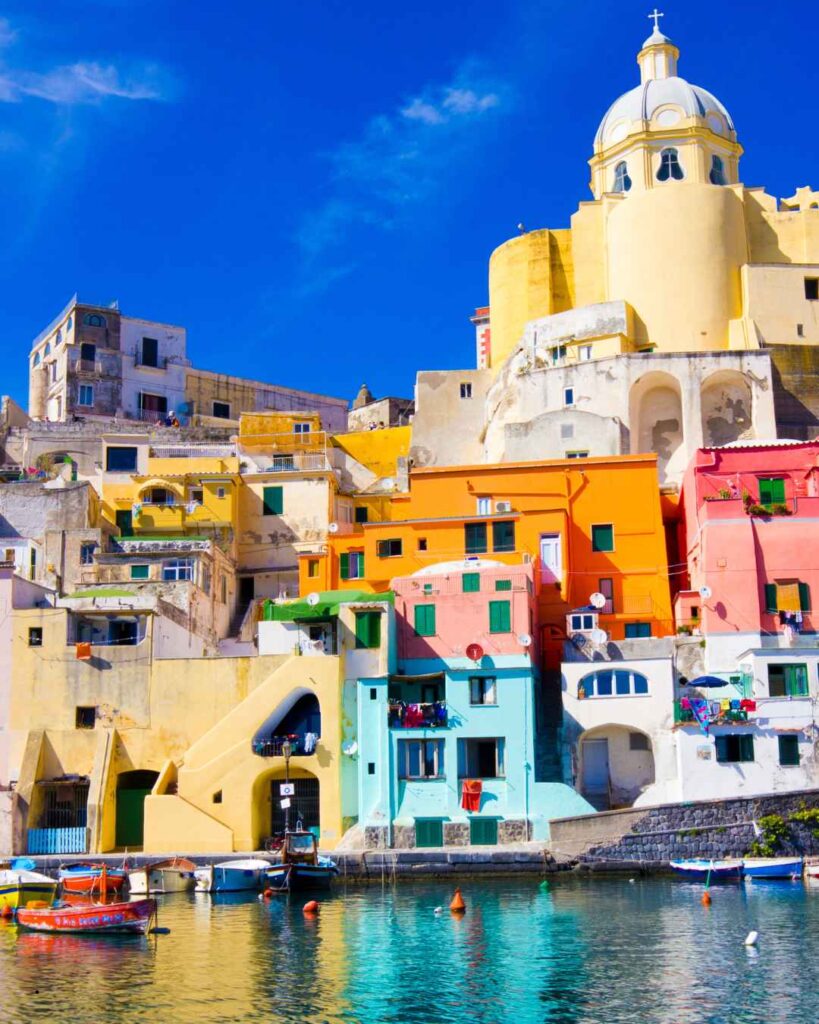
Procida has long been a source of inspiration for artists and writers. The island’s unique light, its vivid colors, and its unspoiled beauty have drawn painters, photographers, and filmmakers for generations. The writer Elsa Morante lived on the island for many years, and her novel L’Isola di Arturo is set on Procida. The book captures the island’s atmosphere of mystery and beauty, its sense of being a world apart.
More recently, Procida was the setting for the Academy Award-winning film Il Postino, a story about a simple postman who falls in love with poetry and the beautiful island where he lives. The film captured Procida’s charm and brought it to a global audience. Walking through the island’s streets today, you can still feel the presence of the film’s characters, the same light that inspired the director, the same sea that provided the backdrop for the story.
The island continues to inspire artists today. Galleries and studios are scattered around Procida, and you will find painters working in the streets and photographers capturing the same scenes that have been captivating visitors for centuries. If you are an artist yourself, or simply someone who appreciates beauty, Procida will leave you breathless.
A Sample Itinerary
Procida is small enough that you can see its highlights in a single day, but it rewards those who linger. For a perfect day, start at Marina Grande and walk up through the narrow streets to the Terra Murata. Explore the medieval village, visit the Church of San Michele, and take in the panoramic views.
From there, descend to Marina Corricella, where you can have lunch at a waterfront trattoria and watch the fishing boats in the harbor. Spend the afternoon exploring the island’s beaches and coves, or rent a boat and explore the coastline from the water. In the evening, return to Corricella for sunset, and then enjoy dinner at one of the local restaurants.
If you have two or three days, you can take a more relaxed approach. Spend a day on the beaches, a day exploring the island’s cultural sites, and a day simply wandering and getting lost. Procida is not a place for rushing. It is a place for being, for absorbing, for letting the island’s quiet beauty work its magic on you.
If you would like to do some activities on this beautiful island, be sure to check this guide out first.
A Final Word
Procida is not for everyone. It is not glamorous like Capri, and it is not a wellness destination like Ischia. It is something rarer and more precious: a place that has remained true to itself, a small island where life has not been overtaken by tourism. It is a place where you can experience the authentic Italy, the Italy that exists behind the postcards and the guidebooks.
There is a quiet magic to Procida. It is in the light that falls on the pastel houses, in the sound of the waves lapping against the shore, in the smiles of the locals who greet you on the street. It is a place that asks nothing of you but your presence, and in return, it offers you a glimpse of a simpler, slower way of life. It is the kind of place that stays with you long after you have left, a small, colorful jewel in the blue expanse of the Mediterranean, a reminder that the best things in life are often the smallest and the least expected.
NOTE BEFORE YOU GO: Italy rewards travelers who go prepared. And it is easy to ruin your trip. I have a checklist for you of things you should never go to Italy without. CHECK IT OUT HERE. I have also curated a list of some of the best hotels in Italy. I would highly recommend checking them out before booking. THESE ARE THE BEST HOTELS IN ITALY. And for unique experiences, attractions, and tours, don’t book before CHECKING THIS OUT. Thank me later!