

Nobel Prize winner John Steinbeck once wrote, “Positano is a dream. When you are there, it is not real. When you leave, it stays vivid.” Few places on earth live up to such poetic billing, but Positano, the crown jewel of Italy’s Amalfi Coast, delivers on every word.
This former fishing village, now a UNESCO World Heritage site, is a cascade of pastel-colored houses tumbling down a steep cliff toward the impossibly blue Tyrrhenian Sea. Lemon-scented breezes, hand-painted ceramics, and the gentle lapping of waves create an atmosphere that feels almost too beautiful to be real. But Positano is real, and it is waiting for you.
Before you read further, remember that Italy rewards travelers who come prepared. I’ve found a few things especially useful on an Italy trip, and they’re worth having and/or knowing beforehand. See the checklist here. Also, if you want me to plan an Italy trip for you that you will never forget, drop me a message here
Why Everyone Loves Positano

Let us be honest about something right from the start. Positano is not a secret. It has not been a secret for decades. Every summer, thousands of travelers from every corner of the globe descend upon this vertical village, and they do so for excellent reasons.
The town is built on a steep mountainside centered around a V-shaped cove, creating a natural amphitheater of colorful buildings that seem to grow from the rock itself. The higher you climb, the more spectacular the views become, and the more you understand why people have been falling in love with this place since ancient Roman times.
The magic lies in the details. It is the scent of citrus and jasmine wafting through narrow stairways. It is the sound of church bells echoing over the sea at sunset. It is the sight of lemon trees heavy with fruit in hidden gardens, and the way the light shifts from golden to pink as the sun dips below the horizon. Positano is not merely a destination. It is an experience that stays with you long after you have left, and that is precisely what makes it worth every penny of the steep price tag.
The Best Time to Visit Positano
Choosing the right time to visit Positano can make all the difference between a dream vacation and a crowded, expensive ordeal. The shoulder months of April through June and September through October offer the perfect balance of pleasant weather, manageable crowds, and more reasonable prices.
The famous bougainvillea is in full bloom during spring, painting the cliffs in shades of fuchsia and magenta, while autumn brings warm sea temperatures and golden light that photographers dream about.
If you visit during July or August, you will find yourself in a bustling, sun-drenched paradise, but you will also face sweltering heat, packed beaches, premium prices, and the infamous Amalfi Coast traffic.
Ferry lines can stretch for an hour, and restaurant reservations become absolutely essential. Winter, from November through March, transforms Positano into a sleepy, hibernating town where many hotels and restaurants shut their doors entirely. While prices drop dramatically, most services are unavailable, and the weather can be unpredictable.
Here is a piece of advice worth writing down. If you visit during summer, arrive before nine in the morning or stay until sunset to avoid the largest crowds and capture the best photographs. The golden hour light makes the pastel buildings glow in a way that no filter can replicate.
How You Will Get There
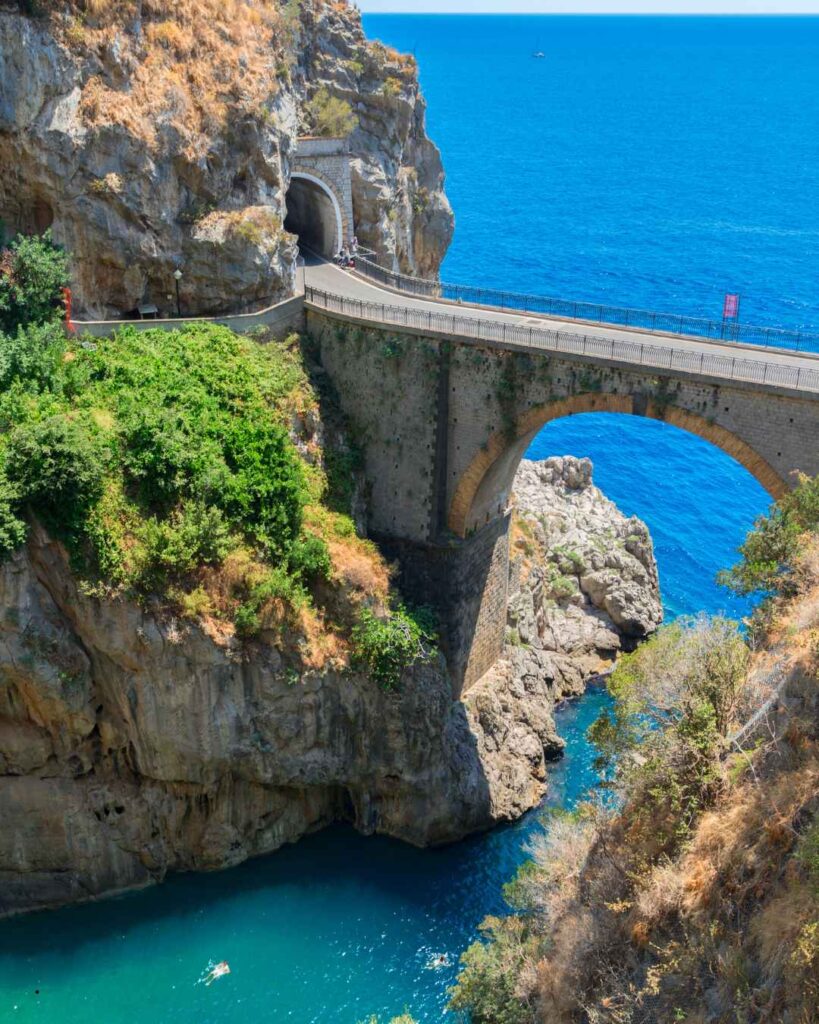
Getting to Positano is an adventure in itself, and your choice of transportation will shape your entire experience. Fly into Naples International Airport, which is the closest major hub, or Rome’s Fiumicino Airport if you want more flight options. From Naples, you have several ways to reach your destination, and some are significantly better than others.
The ferry is by far the most scenic and efficient option. During summer, ferries operate from Naples, Sorrento, Amalfi, and Salerno, offering spectacular coastal views while completely avoiding the notorious Amalfi Coast traffic.
Tickets cost around twenty to thirty-five euros each way, and booking in advance during July and August is strongly recommended. The SITA bus from Sorrento costs just a few euros and offers a thrilling cliffside roller coaster experience along the winding SS163 road, but expect long lines and crowded conditions during peak season.
Driving is not recommended unless you enjoy testing your nerves on narrow, winding roads while searching for parking spaces that are as rare as they are expensive. If you do drive, consider staying at a hotel that offers parking, and prepare yourself for an experience that will have you gripping the steering wheel with white knuckles.
Most visitors arrive at the upper part of the village. From there, a scenic walk down Via Cristoforo Colombo winds gently down the cliffside, revealing panoramic views that will make you pause every few steps. This is one of the most picturesque parts of Positano and the perfect introduction to the town.
Where to Stay
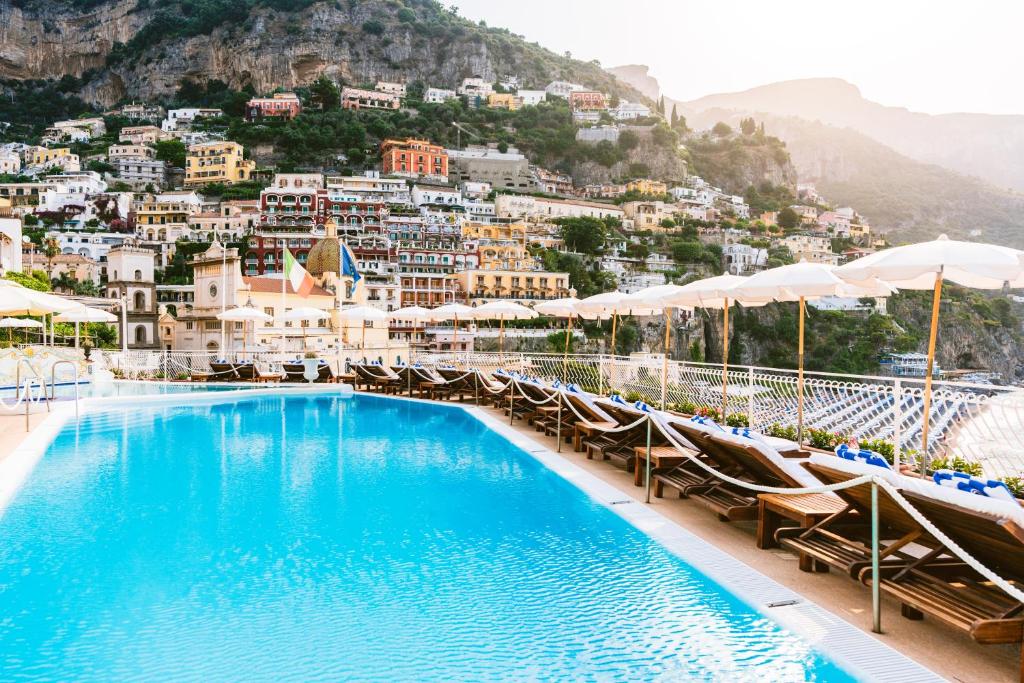
Positano’s accommodations are as vertical as the town itself, and the general rule is simple. The higher you stay, the better the view, and often, the more affordable the price. Hotels are stacked up the hillside like stadium seating, each offering a unique perspective on the spectacular coastline below.
At the luxury end, Le Sirenuse stands as a legendary hotel with a terrace pool offering full-bay views. Booking six months in advance is not an exaggeration. Villa Magia and Covo Dei Saraceni are premium properties with excellent locations and service that matches their breathtaking surroundings.
For mid-range options, Hotel Villa Delle Palme offers wonderful views and a great breakfast selection, while Hotel Punta Regina is known for its elevated position and panoramic vistas. Casa Guadagno is a small boutique hotel with a rooftop terrace where guests consistently praise the staff’s helpfulness with luggage and the amazing breakfast served on the balcony.
If you are looking for value, three-star hotels in Positano offer sea views, garden settings, and convenient locations, sometimes even including airport pickup service. Hotel Vittoria is a lovely Greek-inspired property where guests enjoy sunset views from their balconies, and the staff go above and beyond by arranging porters for luggage assistance.
Here is the most important piece of advice you will receive about accommodations in Positano. Pack light, as I explained in this post. Seriously. Positano is essentially one giant staircase, and you will thank yourself when hauling luggage up and down hundreds of steps. Most hotels offer porter service, and taking advantage of it is not a luxury but a necessity.
Positano Beaches
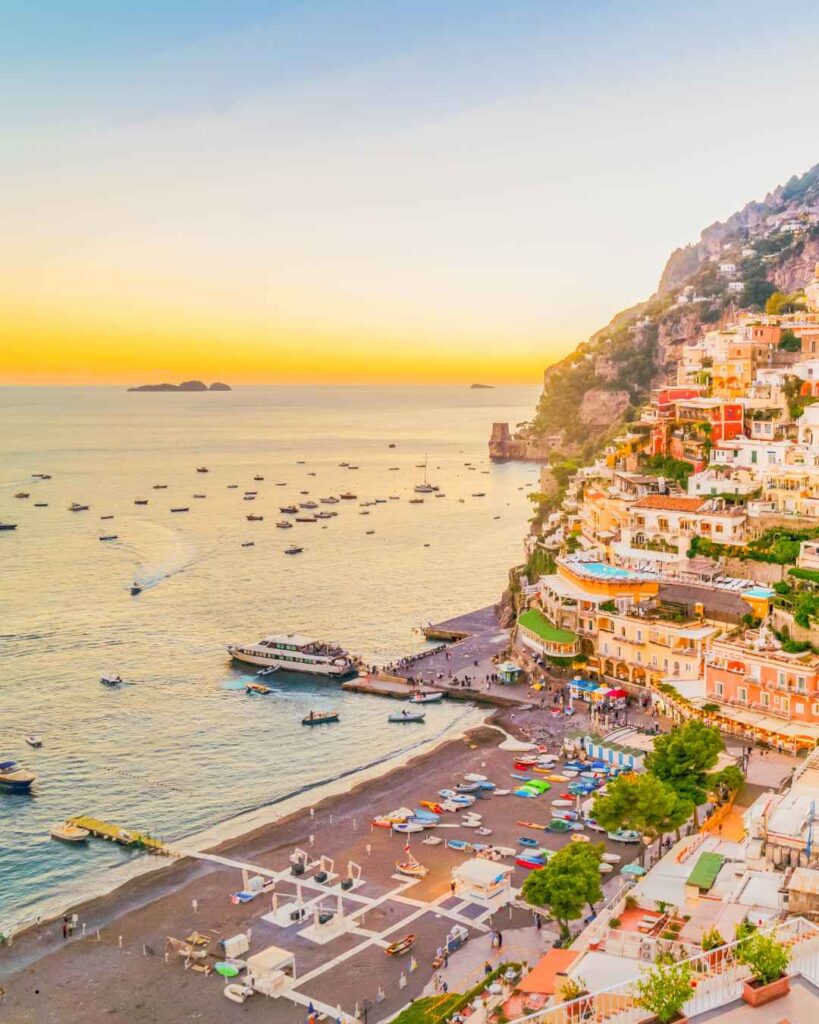
Positano’s beaches are iconic, but they are not the sandy stretches you might imagine. The Amalfi Coast is known for its pebbly shores, so bringing water shoes for comfort is highly recommended. Spiaggia Grande is the main beach, stretching over a thousand feet and backed by the rocky walls of Sant’Angelo a Tre Pizzi Mount and the colorful village houses.
This is the energetic hub of Positano, where you will find a mix of private beach clubs with sunbed rentals costing thirty to sixty euros per day and a free public section for those on a tighter budget.
The private beach clubs offer amenities like restaurants, bars, bathhouses, and even a children’s play area. You can also rent kayaks and paddleboards or hire boats to explore the coastline. Do not miss the view from the water. Renting a kayak or taking a boat to see the town from the sea provides a perspective that will make you appreciate the vertical beauty of Positano in an entirely new way.
Fornillo Beach, a ten-minute walk west of Spiaggia Grande, offers a quieter and more relaxed atmosphere. The water quality here is often considered better, and the restaurants feel more down-to-date and authentic.
Two medieval defensive towers stand at the far end as reminders of the coast’s turbulent history. For a premium beach club experience, head to Arienzo Beach, accessible by boat or footpath, where you can splurge on an unforgettable day on the water.
Beach club culture is central to the Positano experience. Popular options include Arienzo Beach Club, Pupetto, Da Ferdinando, and the luxurious La Scogliera. These are the best ways to experience the beaches in comfort and style, though they come at a premium price.
Landmarks and Sights
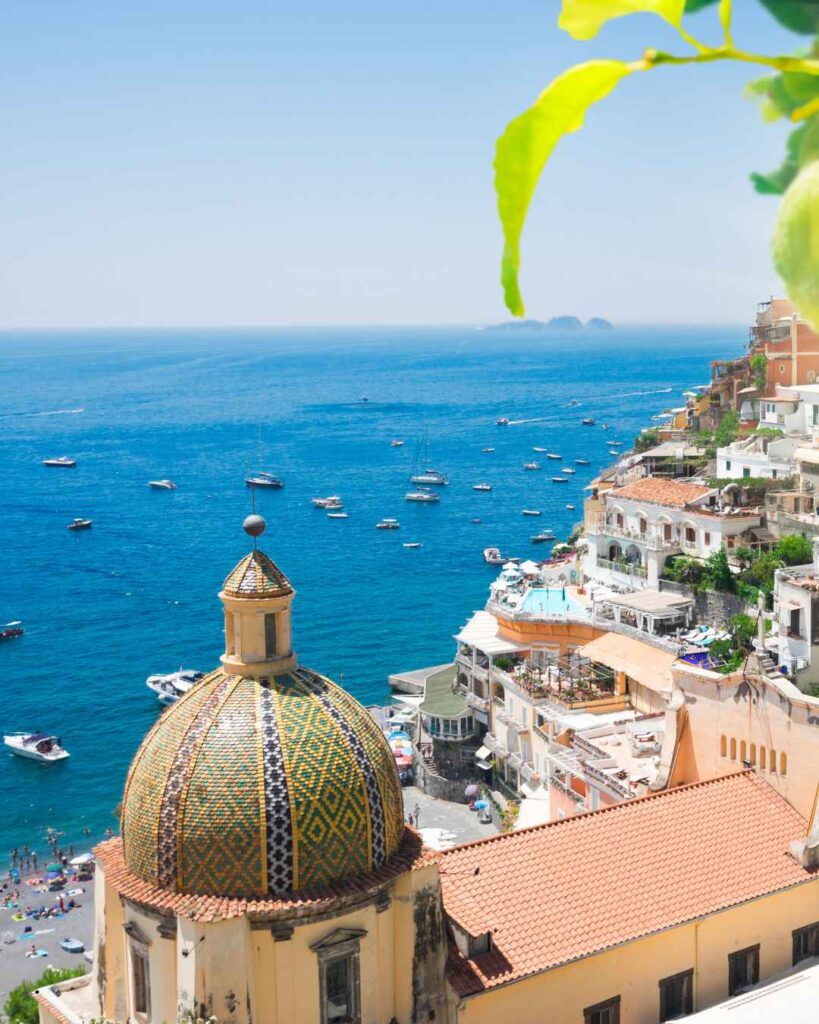
The Church of Santa Maria Assunta is the heart of Positano. Its yellow-green majolica dome is visible from everywhere, making it the town’s most striking landmark. Inside, you will find a white-washed interior with gold trim and the centerpiece, a thirteenth-century Byzantine icon known as the Black Madonna and Child.
This is one of the most significant religious relics on the Campania coast, and it draws both pilgrims and curious travelers alike. The separate bell tower, built in 1707, stands in Piazza Flavio Gioia and makes for perfect photos at any time of day.
Via Cristoforo Colombo is the scenic street that winds down the cliffside and served as a filming location for Under the Tuscan Sun. It offers postcard-perfect views of bougainvillea and colorful houses against the sea, and walking it is an experience in itself. For history lovers, the MAR Archaeological Museum offers insights into Positano’s ancient past, including Roman artifacts that reveal the town’s long and fascinating history.
Outdoor Adventures
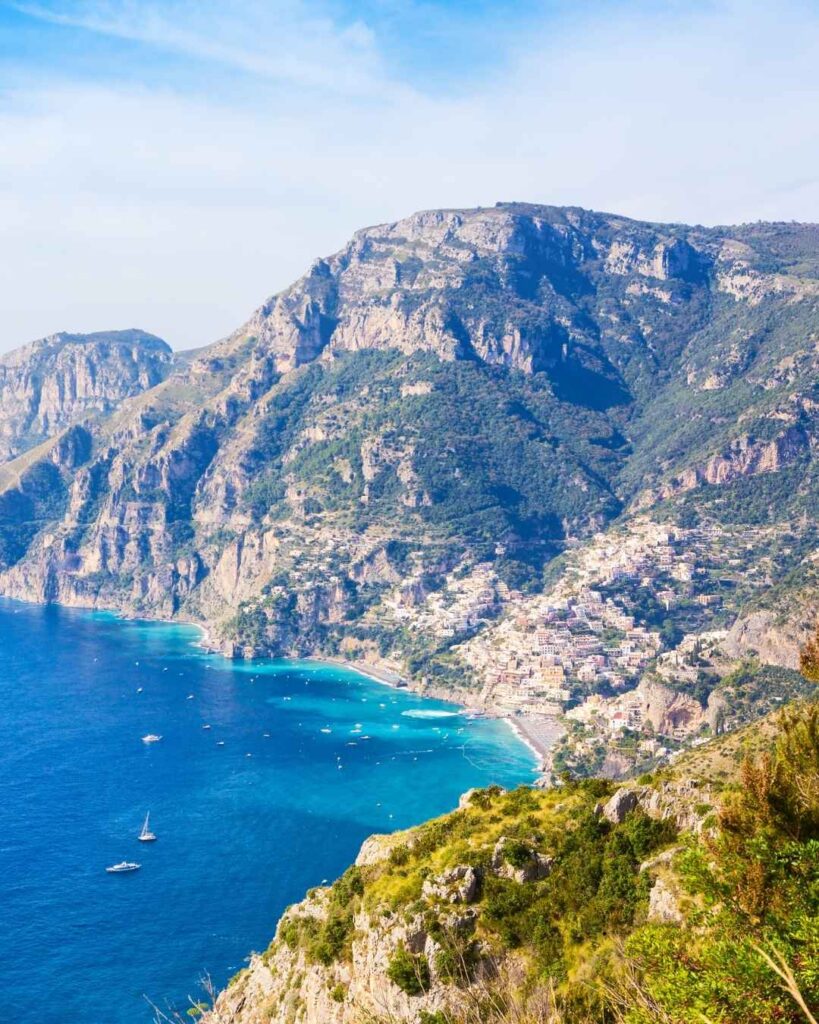
The Path of the Gods, known locally as Il Sentiero degli Dei, is a legendary cliffside hike considered one of the best in Italy. The trail stretches approximately five miles from Agerola to Nocelle, high above Positano, offering views that National Geographic and the BBC have named a must-see in a lifetime.
The difficulty is moderate to challenging, with steep, rough terrain and no cell phone service for much of its length. A guided hike is the safest option, and ending your hike in Nocelle or nearby Montepertuso for lunch with a view is a perfect way to reward yourself after the effort.
Boat tours offer another spectacular way to experience the coastline. Positano’s heat and crowds can be overwhelming, especially in high season, and hitting the water offers the perfect escape. Small-group boat tours are budget-friendly options that stop for swimming and snorkeling, while private boat rentals provide the ultimate flexibility to explore hidden coves and the Emerald Grotto. For the more adventurous, self-guided kayaking from Spiaggia Grande allows you to explore the coastline at your own pace.
Swimming and snorkeling in the crystal-clear waters along the coast are perfect for cooling off after a hike or between beach club sessions. Many boat tours include stops for swimming in secluded coves that are only accessible from the water.
Eating Out
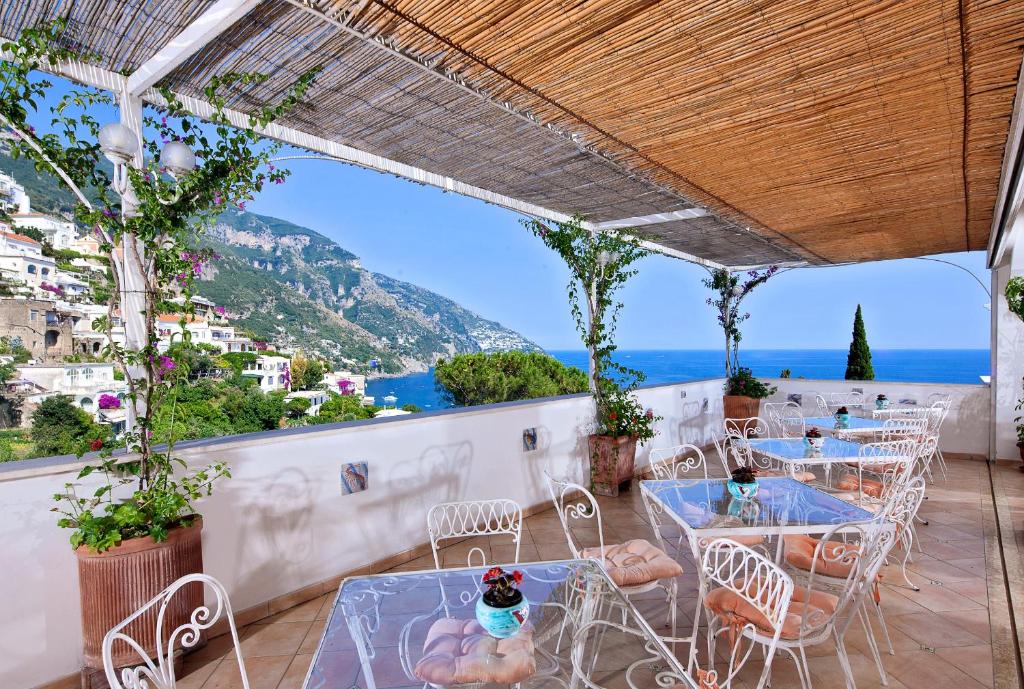
Positano’s dining scene revolves around fresh seafood, Amalfi Coast lemons, handmade pasta, and spectacular views. Prices reflect the location, with main dishes typically costing twenty to forty euros and cocktails ranging from six to fifteen euros. The dish to order is scialatielli ai frutti di mare, a thick, handmade pasta with mussels and mixed seafood that appears on nearly every menu and is absolutely worth ordering.
At the top end, La Sponda at Le Sirenuse Hotel offers Michelin-starred fine dining with an unforgettable terrace overlooking the sea. Reservations must be made well in advance. La Serra is another Michelin-starred restaurant with spectacular views and a seafood tasting menu priced at one hundred twenty to one hundred sixty euros per guest. Guests consistently praise the sommelier’s expertise and the knowledgeable staff.
For something more casual but equally memorable, Da Adolfo is a legendary beach shack accessible only by boat or steep trail. The fisherman delivers the fresh catch directly to the kitchen, and this is the kind of meal that changes how you think about food.
La Pergola offers beachfront dining with excellent seafood, though the terrace can get noisy during peak hours. Il Fornillo is cozy and authentic with an average price of thirty euros, a favorite for its welcoming atmosphere. Chez Black provides casual dining right on the beach with a yacht-like vibe and memorable people-watching. Rada offers elegant, romantic dining on a cliff above the beach, featuring fine Italian wines and fresh ingredients.
Here is an insider secret that will serve you well. Restaurants directly on the seafront tend to be overpriced and average in quality. Heading slightly uphill almost always delivers better food, better value, and equally stunning views. My wife and I discovered this on our second night when a local couple pointed us up a narrow stairway to a tiny trattoria that served the best pasta we had all week.
Do not forget limoncello. Italians consider this chilled lemon-flavored alcohol a digestivo, the perfect end to every meal, and Positano is the perfect place to try it.
What to Buy
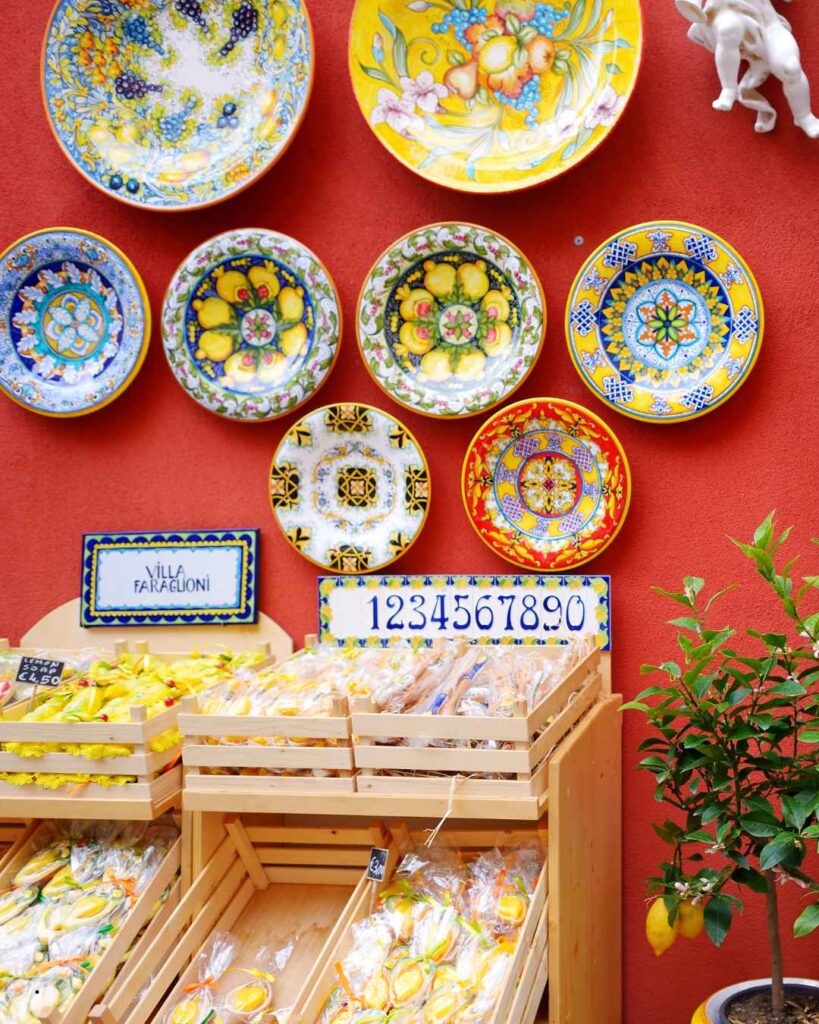
Positano is a shopper’s paradise, filled with handmade goods that reflect the colors and motifs of the Amalfi Coast. Ceramiche Casola is a must-visit for hand-painted ceramics in vibrant blues, yellows, and greens. Think plates, tiles, and decorative items that will bring a piece of Positano back to your home.
Southern Italy is known for its handmade leather goods, and several boutiques in town offer custom-made leather sandals, a perfect souvenir made to your measure. Custom sandals start at roughly three hundred euros, but the craftsmanship is exceptional.
Sapore e Profumi di Positano sells handmade soaps, perfumes, and scents inspired by the Amalfi Coast, capturing the essence of lemons, jasmine, and sea salt in beautiful packaging. Absolute Positano is a charming boutique specializing in Murano glass art and hand-painted paintings, unique pieces that make memorable gifts. Stella Moda and Theodora Moda offer breezy linen clothing perfect for the coastal lifestyle.
Lemon soap makes an excellent and affordable gift. Bring cash, because many smaller shops do not accept cards, and expect to haggle a little at the open-air markets.
Day Trips

Positano’s central location makes it an ideal base for exploring the surrounding area. The glamorous island of Capri is just a short boat ride away. A day trip should include the Blue Grotto, though arrive early because lines start forming at seven in the morning. The Gardens of Augustus and the chairlift to Monte Solaro provide the best views on the island, and the shopping in Capri Town is world-class.
Sorrento, known for its lemon groves and relaxed atmosphere, is an easy ferry ride from Positano. It is also the gateway to the ancient city of Pompeii, a must-see for history lovers. The ruins offer a haunting glimpse into Roman life preserved in volcanic ash, and the experience is both educational and deeply moving.
The towns of Amalfi and Ravello are accessible by boat or along the coastal road. Ravello, perched higher above the sea, offers some of the most spectacular views and beautiful gardens on the coast, including the famous Villa Rufolo and Villa Cimbrone. The music festivals held there in summer add an extra layer of cultural richness.
To see all the available day trips and activities in Positano, check out this guide.
Practical Tips
Pack comfortable shoes, like these ones. Positano is one giant staircase, and sturdy sandals or sneakers are not optional. Swimwear is essential for beach days and boat trips. Sunscreen with SPF fifty or higher is necessary because the Mediterranean sun is intense. Water shoes will save your feet on the pebbly beaches. A light shawl or umbrella is wise because the weather can change quickly, especially in the shoulder seasons.
Booking in advance is critical. Popular restaurants like Il Tridente and La Sponda only open reservations a month or even two weeks in advance, and they book up immediately. Stay on top of bookings if you have your heart set on a particular place. Hotels should be booked three to six months ahead for peak season, and ferry tickets should be purchased in advance, especially during July and August.
Embrace the stairs. The views get better the higher you climb, and the exercise will help you justify the incredible food you are eating. Use porter service for your luggage. Your hotel can arrange this, and do not attempt to haul large suitcases up the stairs yourself. Bring enough cash because not all shops accept cards, and ATMs can run out of money during peak season.
Positano is expensive. Accommodations, food, transportation, and beach clubs all command premium prices. Accept this going in, and you will enjoy your trip more. Italy in general runs on a relaxed schedule, and this is especially true in the beach towns. Expect delays and embrace the slower pace of life. The Italian concept of time is different from the American one, and fighting it will only frustrate you.
Final Thoughts
Positano is not a destination for budget travelers, those with mobility challenges, or anyone who dislikes crowds. It is expensive, steep, and often packed to the brim during summer. But it is also unforgettable. It is a place where dreamlike beauty meets the flavors, sounds, and scents of southern Italy in a way that no other destination quite manages.
As Steinbeck knew, Positano is a dream that stays vivid long after you have left. Pack your comfortable shoes, book ahead, and prepare to fall in love. The lemon trees will be blooming, the sea will be sparkling, and the church bells will be ringing. Benvenuti a Positano. Welcome to the dream.
Again, feel free to go through the list below of my Italy recommendations that I have crafted after years of travel to this beautiful country:
- Packing List: Things Not to Go to Italy Without
- Must-Do Things: Unforgettable Experiences
- Where to Stay: Best Hotels in Italy.
- Where to Stay in Rome: Rome’s Best Neighborhoods
- Where to Stay in Florence: Picking the Best Area
- Where to Stay in Venice: Venice’s Best Districts
- Italy’s Cobblestone Streets: Best Shoes For the Job
- Backpack or Suitcase?: Italy Luggage Guide
- Travel Insurance: Always Be Covered
- E-Sim: Be Connected At All Times