
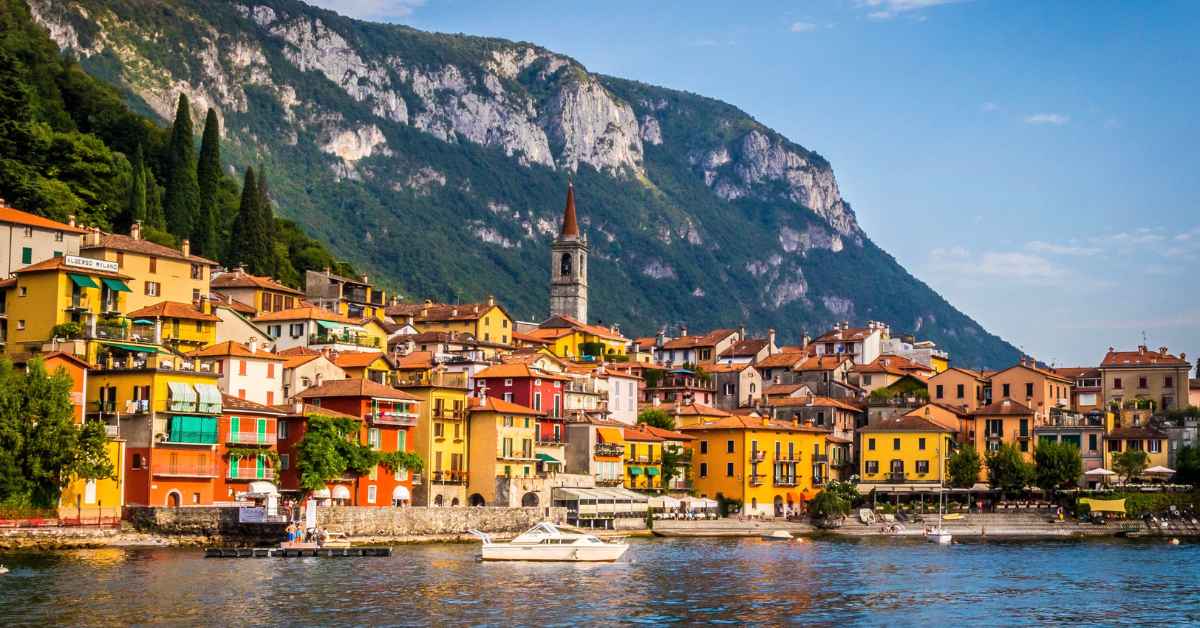
Lake Como is without a doubt one of the most beautiful places in Italy. I have been there with my wife severally, and I have done most of the things there are to do, and I believe that earns me the authority to advise on what is good and what’s not.
Lake Como isn’t just one thing—it’s a collection of experiences woven together by the water that connects them. The lake’s distinctive Y-shape creates three separate branches, each with its own character and charm. Understanding this geography is the first step to planning a truly memorable visit, whether you’re chasing glamour, seeking peace, or hoping to find a bit of both.
Before you read further, remember that Italy rewards travelers who come prepared. I’ve found a few things especially useful on an Italy trip, and they’re worth having and/or knowing beforehand. See the checklist here. Also, if you want me to plan an Italy trip for you that you will never forget, drop me a message here
Planning Your Lake Como Adventure
The journey to Lake Como is remarkably straightforward. Most visitors fly into Milan’s Malpensa, Linate, or Bergamo airports, then take a train directly to the lake. The train is hands down the easiest option for first-timers, especially if you’re heading to towns like Varenna or Como city itself.
You could rent a car, but I’ll be honest—driving around the lake during high season can test your patience and your nerves. The roads are narrow, parking is scarce, and you’ll spend more time worrying about your rental than enjoying the view.
The Ferry: Your Ticket to Adventure
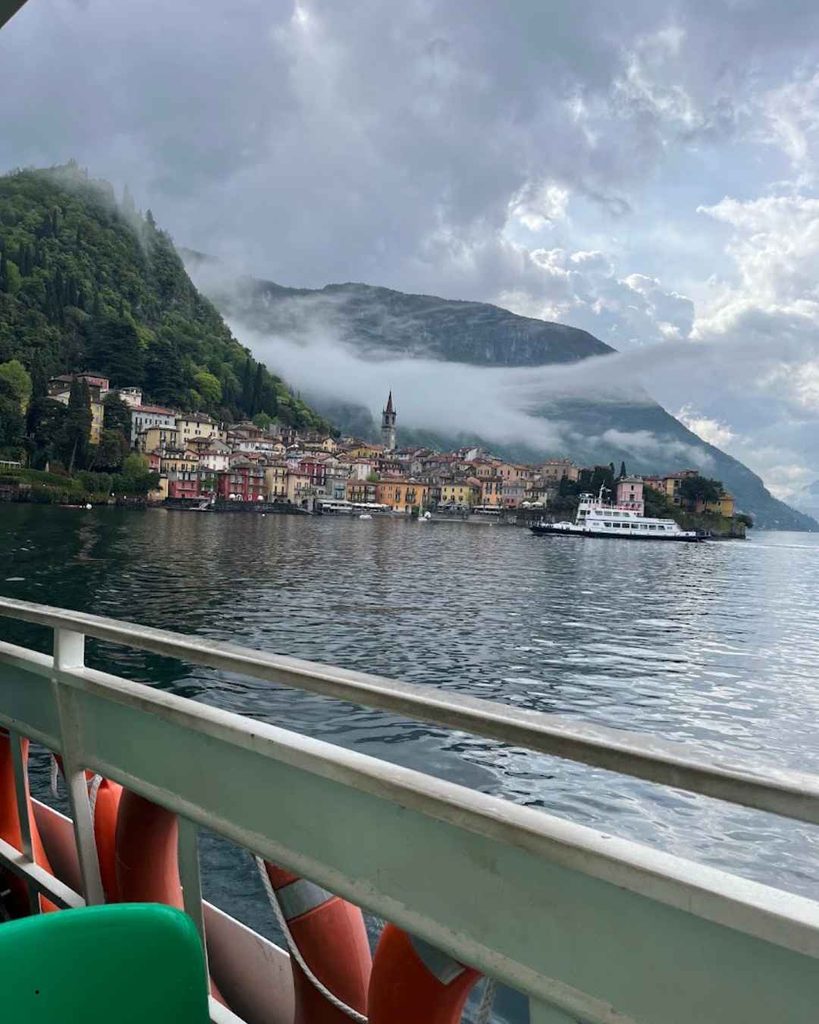
Here’s the secret that transforms a good Lake Como trip into a great one: the ferry system isn’t just transport—it’s an essential part of the experience. Watching the lake unfold from the water, with grand villas and charming towns sliding past, is pure magic.
The central “triangle” connecting Bellagio, Varenna, and Menaggio is the most useful route for most visitors. These three towns form the heart of the lake, and ferries run frequently between them during the day. The timetables can look daunting at first—they’re printed in dense grids that seem designed to confuse—but once you understand the pattern, they become straightforward. Each row represents a single boat, each column a pier, and the grid shows when that boat stops in each town.
A few practical tips will save you from unnecessary frustration. Always arrive at the pier at least twenty minutes early during summer, because ferries have fixed passenger capacities and popular departures can sell out hours before they leave.
And never, ever miss the last ferry of the day—a taxi ride around the lake will cost you a small fortune. If you’re planning to explore extensively, consider buying a day pass rather than individual tickets. They cost about fifty percent more than two one-way tickets but offer much more flexibility, which is invaluable when you’re hopping between towns.
Choosing Your Base Town
Where you stay shapes your entire Lake Como experience, and each town offers something different.
Bellagio sits at the intersection of the lake’s three branches and has earned its nickname as the “Pearl of Lake Como.” It’s glamorous and beautiful, with elegant streets and historic villas, but it’s also the most crowded spot on the lake. The crowds are worth enduring for a day, but staying there means sharing your morning coffee with hundreds of other visitors.
Varenna offers the best of both worlds. This peaceful village is known for its pastel-coloured houses and scenic waterfront views. It’s quieter than Bellagio, more romantic, and feels like a genuine escape. The train connection is slightly less convenient, but that’s part of what keeps it from being overrun. My wife and I found Varenna to be the perfect balance of charm and tranquillity.
Menaggio is the practical choice. It’s lively, flat and walkable, with excellent ferry connections and easy access to Milan via train to Colico and then bus. The lakeside promenade is perfect for an evening stroll, and the town has a welcoming energy that makes it a pleasure to return to after a day of exploring.
For those seeking something further off the beaten path, Lecco offers a more authentic, local experience and serves as a fantastic base for hiking. The smaller towns of Cernobbio, Argegno, Colico, Nesso, and Gravedona each have their own character and are well worth exploring if you want to escape the tourist crowds.
If you’re considering a day trip from Milan, I’d encourage you to think again. The magic of Lake Como reveals itself in the early mornings and late evenings, after the day-trippers have departed. A stay of two or three nights transforms the experience from a checklist of sights into a genuine immersion in the lake’s timeless rhythm.
I have written a separate post on how to pick the perfect lake Como base. Read it here
The Grand Villas and Gardens
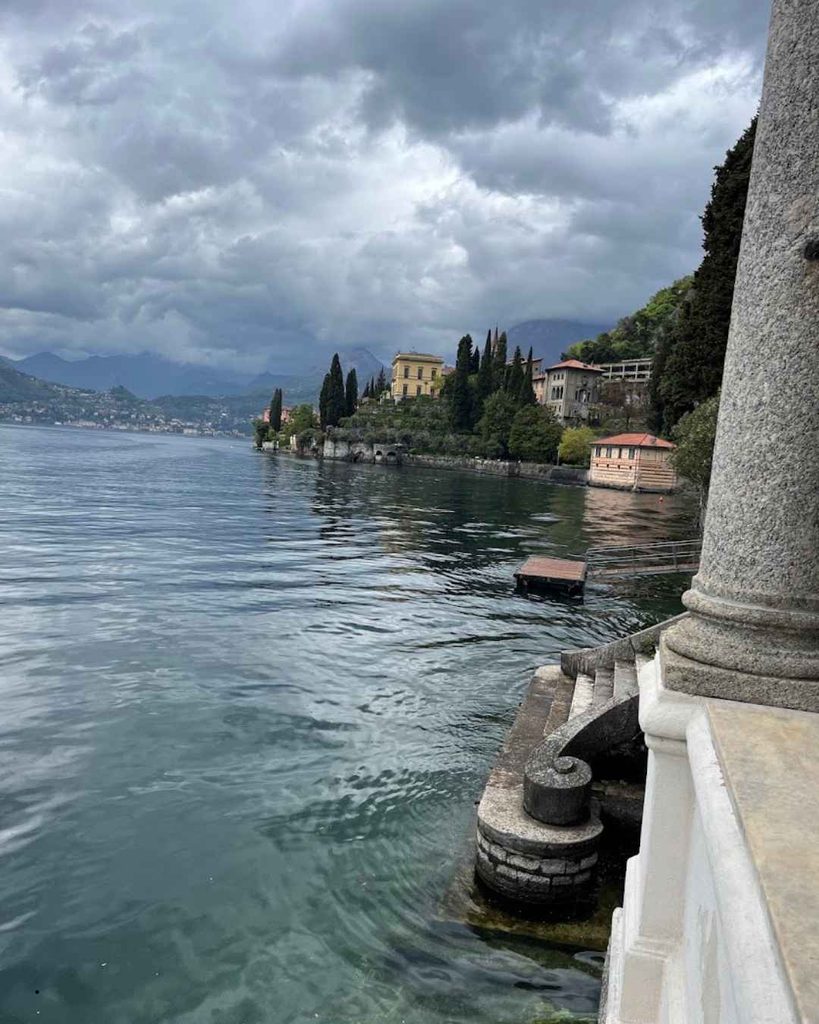
The villas lining Lake Como’s shores are the soul of the destination. These magnificent buildings were once private residences of noble families, and today they offer visitors a glimpse into a world of refined elegance and breathtaking beauty.
Villa del Balbianello in Lenno is the undisputed star. Perched dramatically on a wooded peninsula, its terraced gardens offer sweeping views across the lake that you won’t find anywhere else. You might recognise it from Casino Royale or Star Wars: Episode II—Attack of the Clones.
The villa sits atop a headland accessible only by a twenty-five minute walk from Lenno or a short taxi boat from the Lido. Advanced reservations are essential, especially during peak season, and the interior can only be visited on guided tours.
Villa Carlotta in Tremezzina is a masterpiece of art and horticulture. The villa showcases seventeenth-century grandeur alongside twenty acres of manicured gardens, and it’s particularly famous for its spectacular spring blooms, including over 150 varieties of rhododendrons and azaleas. Inside, you’ll find neoclassical art treasures, including works by Antonio Canova. This is one of the more practical villas to visit because the ferry stop is right near the entrance.
Villa Monastero in Varenna offers a more peaceful experience. The botanical gardens stretch for nearly a mile along the waterfront, combining Italian and English landscape styles with rare species from around the world. The villa itself houses a museum with period furnishings that tell the story of its transformation from a twelfth-century Cistercian monastery to an elegant aristocratic residence.
The gardens of Villa Melzi in Bellagio provide one of the most tranquil experiences on the lake. The English-style gardens are dotted with sculptures and offer a serene lakeside promenade, perfect for a quiet wander. It’s especially enchanting during spring when camellias and azaleas are in full bloom.
For a truly spectacular panoramic view, the park of Villa Serbelloni in Bellagio is unmissable. The terraced gardens offer breathtaking views across all three branches of the lake. The villa itself serves as a private conference centre managed by the Rockefeller Foundation, so the gardens can only be visited on guided tours that operate at specific times—usually twice daily.
Exploring the Towns
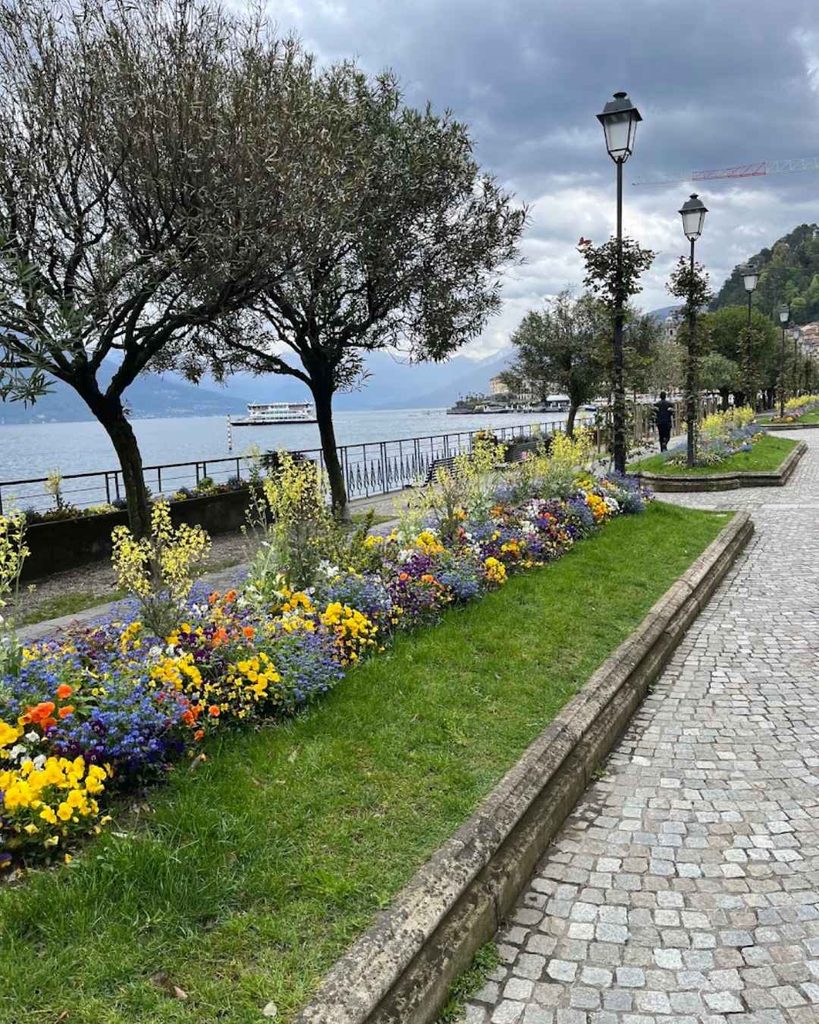
Each town on Lake Como has its own personality, and exploring them is one of the great joys of visiting the lake.
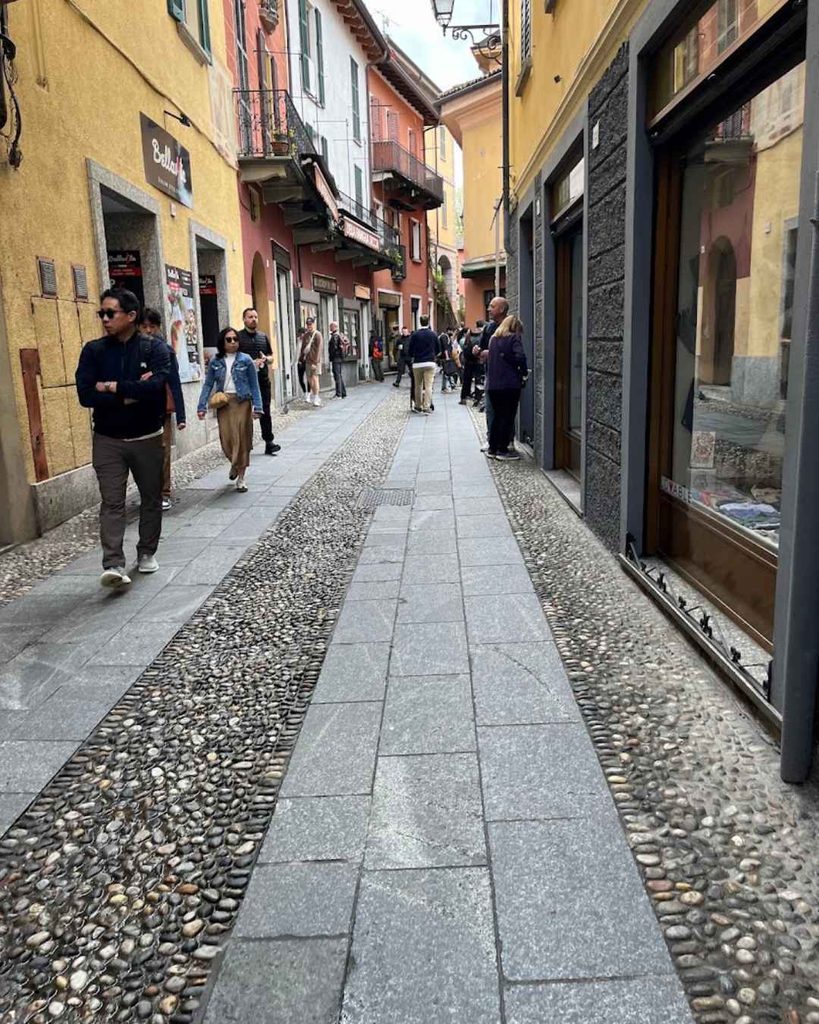
Bellagio invites you to wander its cobbled lanes and climb the photogenic Salita Serbelloni. The shopping here is excellent, particularly for silk goods—Como has been Italy’s silk capital since the nineteenth century, and the quality is exceptional. A word of advice about dining: the waterfront restaurants are overpriced and often disappointing. Walk two or three lanes back from the main promenade to find more authentic and affordable options.
Varenna rewards those who take their time. The Lovers’ Walkway along the waterfront is lined with cafés and offers dreamy sunset views. The eleventh-century Basilica di San Giorgio and the tiny Church of San Giovanni Battista with its medieval frescoes are both worth seeking out. For more ambitious visitors, the hike up to Castello di Vezio takes about thirty minutes from the town centre and rewards you with panoramic vistas and interesting art installations.
Menaggio is perfect for a lazy afternoon. The lakeside promenade is ideal for strolling, the boutique shops are fun to browse, and Piazza Garibaldi is the perfect spot for an Italian coffee. The town’s historic centre features churches with beautiful frescoes, and the Lido di Menaggio is one of the best family-friendly beaches on the lake.
Como city itself, the largest town on the lake, is where many journeys begin. The Gothic-Renaissance cathedral is one of Northern Italy’s most important churches, and the neoclassical Villa Olmo offers beautiful lakeside gardens that are now free to enter. The Tempio Voltiano, a museum dedicated to Alessandro Volta who invented the electric battery, is fascinating, and the funicular ride up to Brunate provides sweeping views of the city and lake below.
For a quieter experience, explore the hidden gems. Cernobbio is perfect for a lakeside aperitivo, while Argegno offers the cable car up to Pigra for spectacular panoramic views. Colico is the water sports capital, ideal for kitesurfing and sailing thanks to the famous Breva wind.
Activities and Experiences
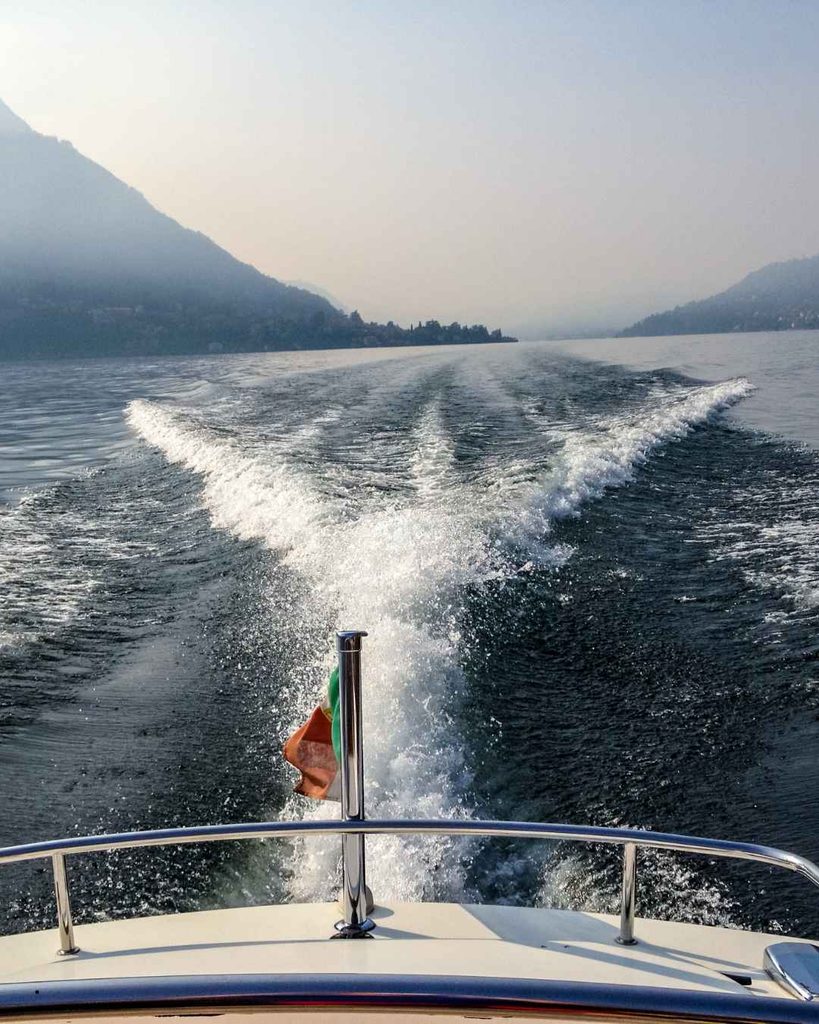
A private boat tour is the ultimate Lake Como luxury. Hiring a boat for an hour or two allows you to explore secluded spots, swim in the clear water, and experience the lake from a perspective that the public ferries can’t provide. It’s an indulgence worth saving for.
Kayaking offers a more active way to experience the lake at water level. Bellagio’s Piazza della Chiesa beach is the most popular launch point, with rentals available for around forty euros for two hours. The calmest mornings, before ten o’clock, are best for beginners. For a longer adventure, the paddle from Bellagio to Varenna covers the most photogenic stretch of the central lake.
For the Active Traveler
Lake Como is surrounded by mountains that rise to over 2,400 metres, making it a surprisingly excellent hiking destination. The Greenway del Lago di Como is a ten-kilometre signposted trail from Colonno to Cadenabbia along the western shore. It’s mostly flat, takes around three and a half hours, and passes Villa del Balbianello along the way.
For a more challenging climb, Monte San Primo above Bellagio offers a five-hour return hike with 360-degree views of the central lake and the Alps. The Sentiero del Viandante hiking route is another classic option, with sections that connect Varenna to Bellano.
Cyclists should know about the Menaggio-to-Como cycle path, a twenty-eight-kilometre lakeside route that’s the easiest extended ride on the lake. E-bike rentals run around forty euros per day and make the hills much more manageable.
For the Food and Wine Lover
The food culture on Lake Como sits between Lombard tradition and Alpine influence, and the local specialties reflect this blend perfectly. Saffron risotto and handmade pasta are staples, but the signature dish is risotto al pesce persico—a creamy rice dish made with perch from the lake.
For a true taste of the mountains, look for pizzoccheri, a buckwheat pasta from neighbouring Valtellina that’s become popular all around Lake Como. It’s served with cabbage, potatoes, and generous amounts of melted cheese and butter. It’s the kind of hearty, comforting dish that warms you from the inside out—perfect after a day of exploring.
Lake Como’s aperitivo culture is central to the experience. An Aperol Spritz, Hugo, or classic Negroni at a lakefront bar, accompanied by a small buffet of olives, focaccia, and salumi, typically costs between ten and fourteen euros. The sunset views from the Bellagio waterfront are particularly memorable.
Wine lovers should look to Valtellina, about an hour from Varenna, where steep terraced vineyards produce Nebbiolo-based reds. The Sforzato is particularly noteworthy—it’s the Italian answer to Amarone.
For a more immersive experience, consider a cooking class at a local Cesarina’s home. These certified home cooks host travellers for meals and lessons, offering an authentic taste of Lake Como’s culinary traditions that you simply won’t find in restaurants.
A Perfect Lake Como Day
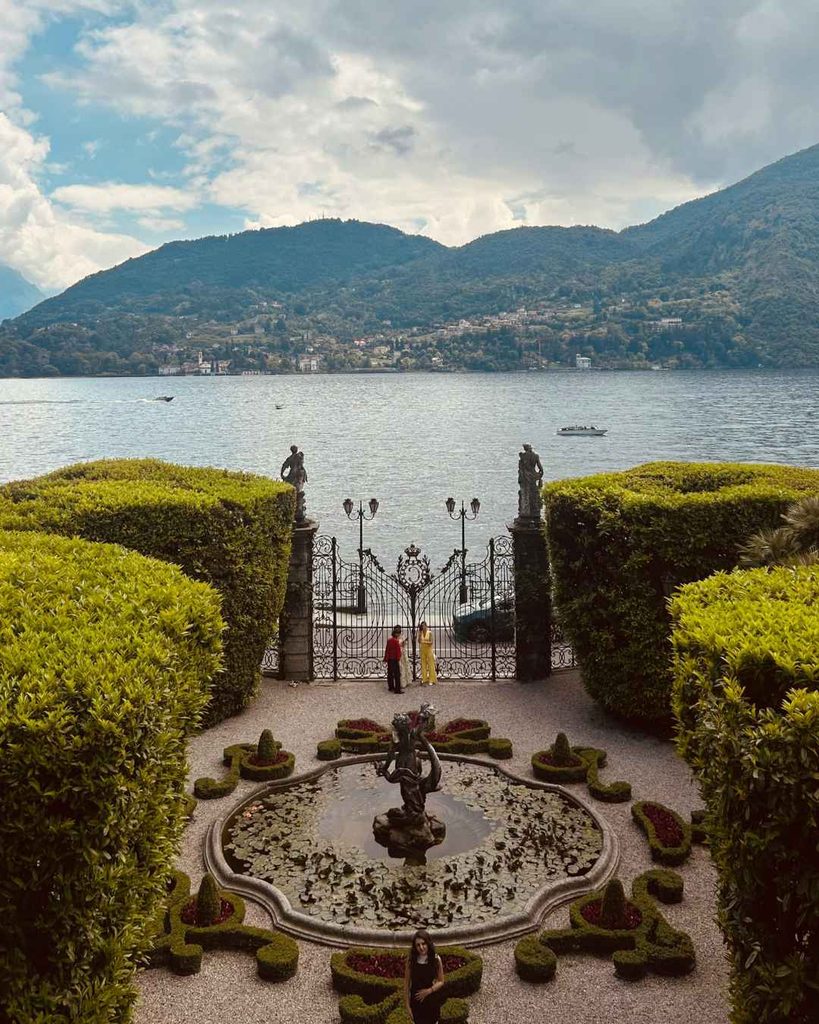
Here’s how to experience the best of the lake in a single day, without feeling rushed.
Start early—before nine o’clock—in Bellagio. The town is peaceful in the morning, with the cobbled lanes almost empty and the light soft over the water. Visit Villa Melzi gardens or take the guided tour of Villa Serbelloni for those spectacular panoramic views.
Around midday, take the fifteen-minute ferry to Varenna. The crossing itself is a highlight, with the lake glittering between the mountains and the villages sliding past. Enjoy a leisurely lunch in one of Varenna’s charming alleys, then spend the afternoon exploring the gardens of Villa Monastero.
Return to your base town for the evening. If you’re staying in Menaggio, as my wife and I did, enjoy a lakeside walk as the sun begins to dip, find a restaurant away from the main tourist squares for an authentic dinner, and simply watch the light fade over the water. This is the Lake Como experience that photos can’t capture—the quiet magic of the evening after the crowds have gone.
Conclusion
Lake Como isn’t just a destination—it’s a place that stays with you long after you’ve left. The commitment to refined restraint, the simple elegance, the way the light changes on the water throughout the day—these are the things that make it special. Use this guide to plan your visit, but leave room for serendipity. Wander a little, get lost in the narrow lanes, and discover your own personal highlights. That’s where the real magic lies.
Again, feel free to go through the list below of my Italy recommendations that I have crafted after years of travel to this beautiful country:
- Packing List: Things Not to Go to Italy Without
- Must-Do Things: Unforgettable Experiences
- Where to Stay: Best Hotels in Italy.
- Where to Stay in Rome: Rome’s Best Neighborhoods
- Where to Stay in Florence: Picking the Best Area
- Where to Stay in Venice: Venice’s Best Districts
- Italy’s Cobblestone Streets: Best Shoes For the Job
- Backpack or Suitcase?: Italy Luggage Guide
- Travel Insurance: Always Be Covered
- E-Sim: Be Connected At All Times