
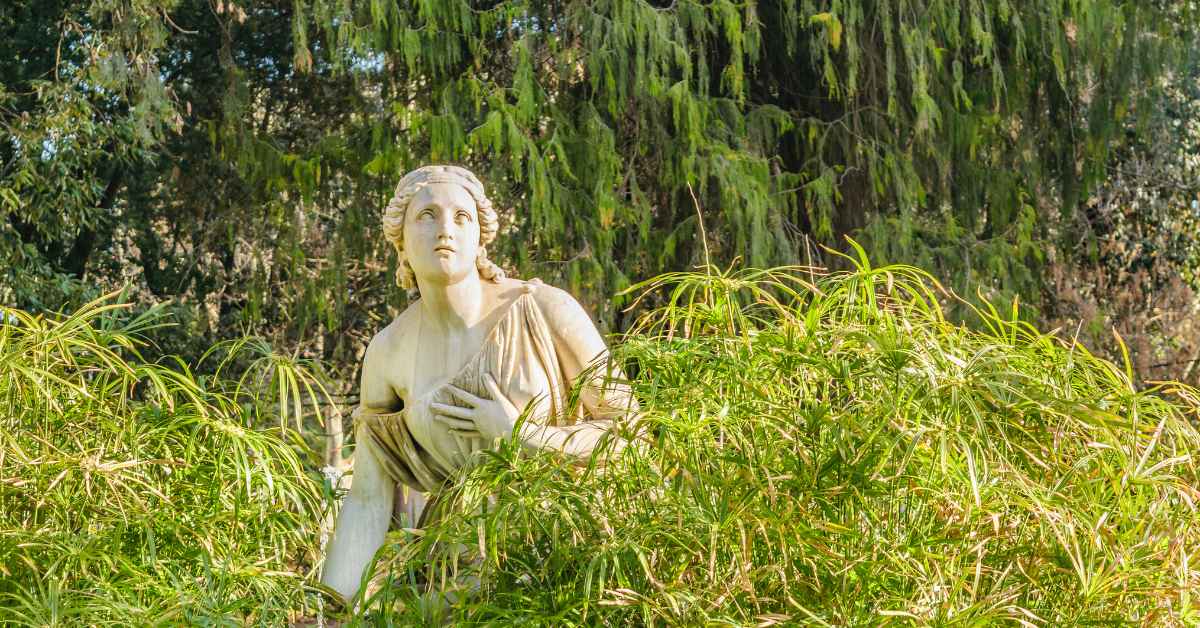
Rome is a city that keeps its best moments hidden in plain sight. You can walk the same street every day for a week and notice something new on the seventh day that you somehow missed on the first six.
You can turn a corner expecting nothing in particular and find yourself standing in front of something that stops you mid-step. This is not a city you absorb in a single visit. It is a city that reveals itself slowly, in layers, and only to those who are paying attention.
The places in this article are not the ones you already know. They are not the Colosseum or the Vatican or the Trevi Fountain, though those are all worth your time.
They are the places that made me stop and look twice, sometimes because they were beautiful, sometimes because they were strange, and sometimes because they were so unexpected that I had to stand still for a moment and process what I was seeing.
Some of them are famous in their own right, but they are often overlooked. Others are genuinely obscure, known mainly to locals and to travelers who like to wander. All of them are worth seeking out.
This post explains what each one is, why it matters, and how to experience it properly. By the end, you will have a list of places to add to your itinerary, and a sense of why Rome rewards those who look twice.
Before you read further, remember that Italy rewards travelers who come prepared. I’ve found a few things especially useful on an Italy trip, and they’re worth having and/or knowing beforehand. See the checklist here. Also, if you want me to plan an Italy trip for you that you will never forget, drop me a message here
The Aventine Keyhole

The Aventine Keyhole is one of the most famous views in Rome, and it is also one of the most modest. It is a small hole in the gate of the Priory of the Knights of Malta, on the Aventine Hill, and when you look through it, you see a perfectly framed view of St. Peter’s Basilica through a tunnel of trees.
What makes this view so memorable is not just its beauty but its precision. The keyhole frames the dome of St. Peter’s exactly, with the hedges of the priory garden forming a natural tunnel that leads the eye from the gate to the basilica.
It looks designed, and in a sense it is, though the effect is the result of centuries of coincidence as much as intention.
The Aventine Hill itself is one of the seven hills of Rome, and it is one of the quietest and most residential neighborhoods in the city. The walk up is part of the experience.
You pass through streets lined with embassies, villas, and gardens, and the noise of the city fades behind you. By the time you reach the keyhole, you feel like you have left Rome behind.
The keyhole is not a secret, and there is often a small line of people waiting to look through it. But the wait is usually short, and the view is worth it.
The Orange Garden
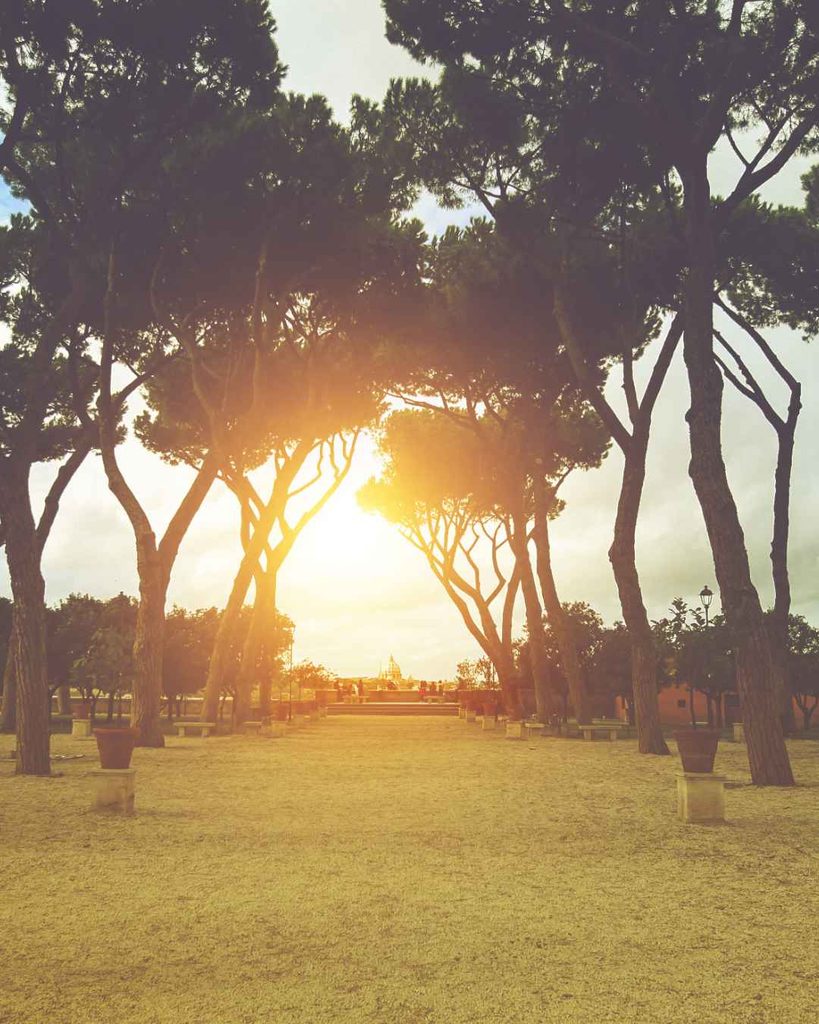
The Giardino degli Aranci, the Orange Garden, sits on the Aventine Hill, just a short walk from the keyhole. It is one of the most peaceful places in Rome, and it is one of the best places to watch the sunset.
The garden was laid out in the thirteenth century on the site of an old fortress, and it takes its name from the orange trees that grow there. The trees are bitter oranges, not the sweet ones you find in supermarkets, and they give the garden a distinctive scent in spring and early summer.
The main attraction of the garden is the terrace, which offers panoramic views across the city. From the terrace, you can see the dome of St. Peter’s, the Vittoriano, the Palatine Hill, and the Aventine Hill itself. The view is particularly beautiful in the late afternoon, when the light turns golden and the city glows.
The garden is also home to the Church of Santa Sabina, one of the oldest churches in Rome. The church was built in the fifth century, and it has a beautiful wooden door with carved panels that date back to the original construction. The interior is simple and peaceful, and it is a good place to sit and reflect.
The Orange Garden is free to enter, and it is open during daylight hours. It is a good place to escape the crowds and to see a side of Rome that most visitors miss. Bring a book, find a bench, and stay for a while.
The Moses Fountain
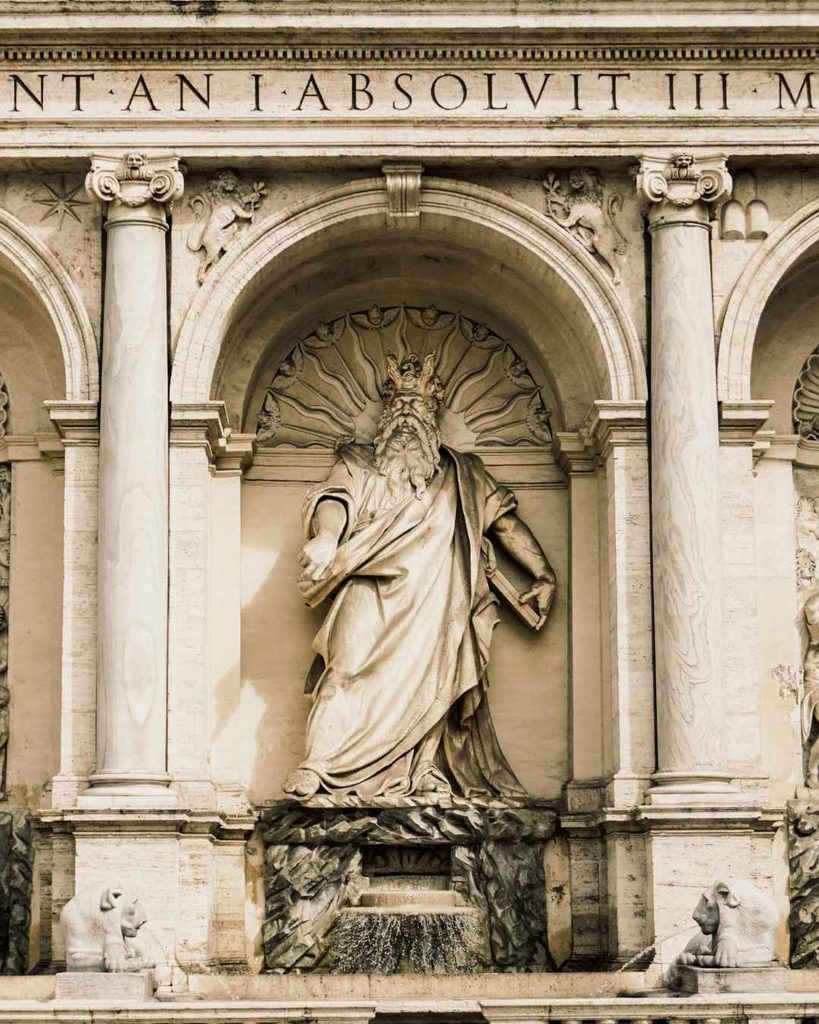
The Moses Fountain, also known as the Fontana dell’Acqua Felice, is one of the most dramatic fountains in Rome, and it is one of the least visited. It is on the Quirinal Hill, near the Termini train station, and it was built in the late sixteenth century to mark the end of the Acqua Felice aqueduct.
The fountain is dominated by a statue of Moses, which was sculpted by Leonardo Sormani and Prospero da Brescia. The statue depicts Moses striking the rock to bring forth water, a scene from the Book of Exodus. The figure is large and muscular, and it is surrounded by smaller statues of Aaron and Joshua.
The fountain is not as famous as the Trevi Fountain or the fountains in Piazza Navona, and it is often overlooked by visitors. But it is worth a visit, both for the statue itself and for the story behind it.
The Moses statue was criticized when it was unveiled, and it is said that the sculptor was so ashamed of it that he never worked again.
The fountain is also a good example of the way Rome uses water as a form of civic display. The aqueducts that supply the city’s fountains were engineering marvels, and the fountains themselves were designed to celebrate the popes who commissioned them.
The Moses Fountain is one of the grandest of these displays, and it is worth seeking out.
The Baths of Caracalla
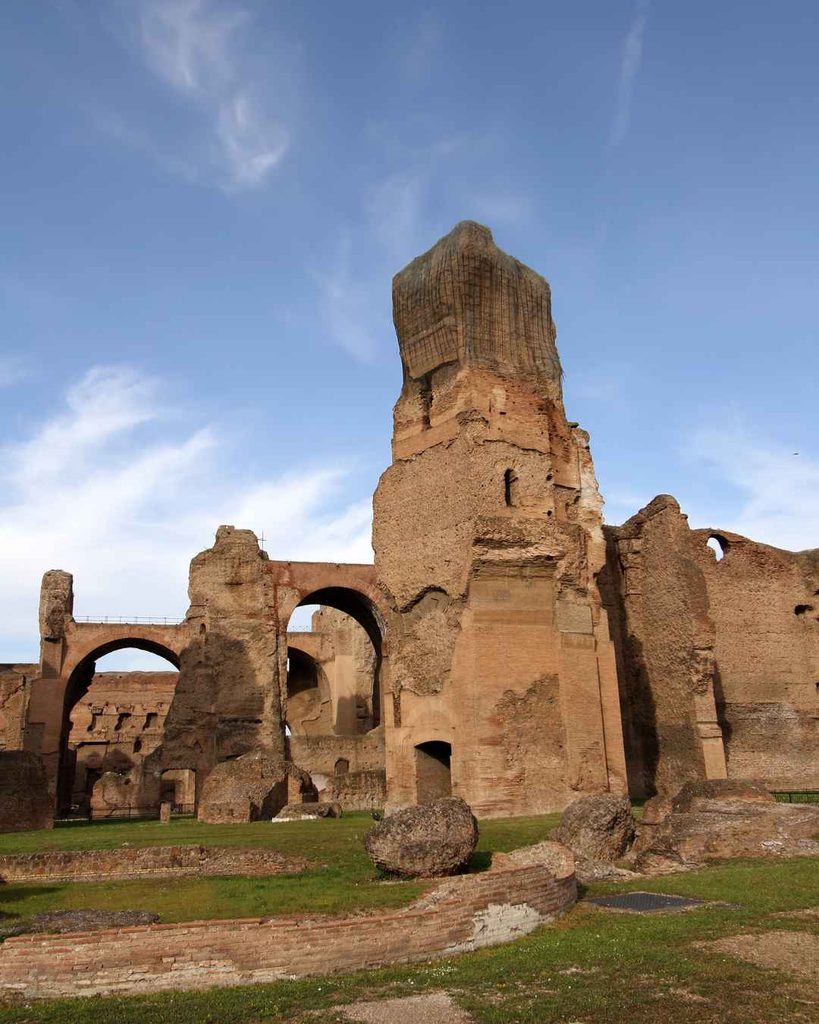
The Baths of Caracalla are one of the largest and best-preserved ancient Roman bath complexes in the world. They are in the southern part of Rome, near the Appian Way, and they were built in the early third century AD by the emperor Caracalla.
The baths were not just a place to wash. They were a social and cultural center, with libraries, gymnasiums, gardens, and shops. They could accommodate up to sixteen hundred people at a time, and they were in use for more than three hundred years.
Today, the baths are a ruin, but they are an impressive one. The walls and columns are still standing, and the mosaic floors are still visible in places. The scale of the complex is enormous, and it gives you a sense of how grand Roman public architecture could be.
The baths are also used for cultural events, including opera performances in the summer. The performances are held in the open air, with the ruins as a backdrop, and they are one of the most memorable experiences in Rome.
The Baths of Caracalla are not as crowded as the Colosseum or the Roman Forum, and they are a good place to escape the crowds and to see a different side of ancient Rome. They are also a good place to walk, and the site is large enough to spend a couple of hours exploring.
The Palazzo Doria Pamphilj
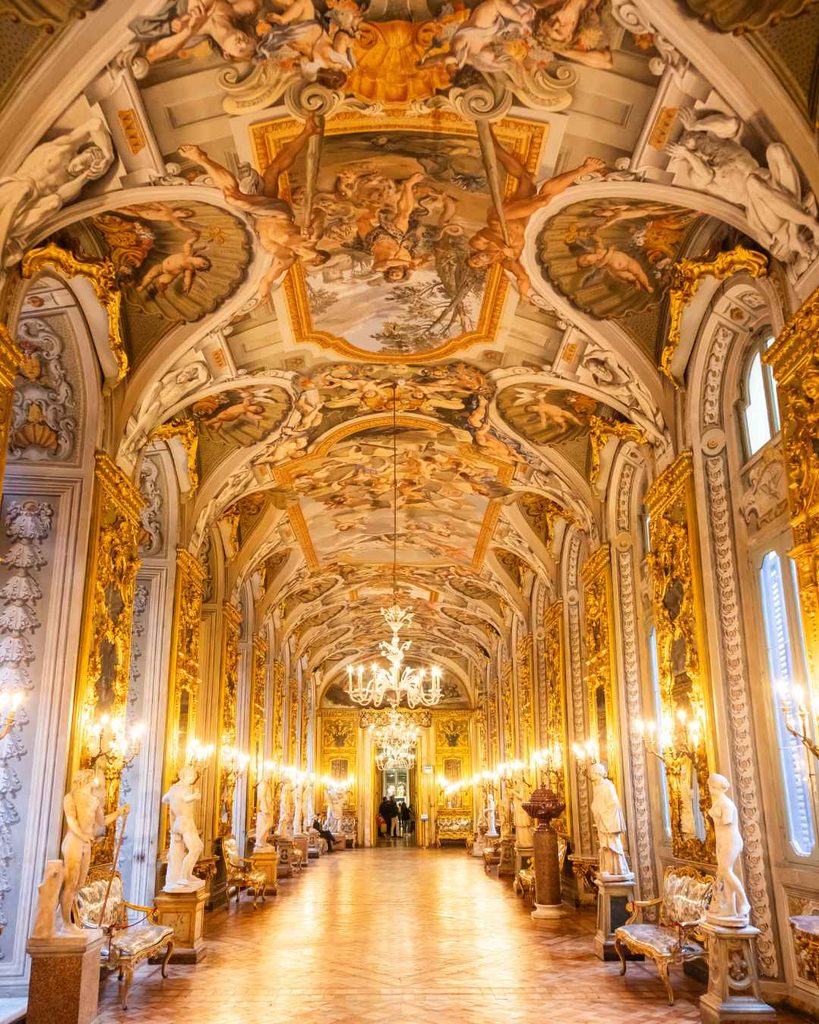
The Palazzo Doria Pamphilj is one of the largest and most important private art collections in Rome, and it is one of the most overlooked museums in the city. It is on Via del Corso, in the heart of the historic center, and it has been in the same family since the seventeenth century.
The collection includes works by Caravaggio, Titian, Raphael, and Velázquez, among others. The most famous painting in the collection is Velázquez’s portrait of Pope Innocent X, which is considered one of the greatest portraits ever painted. The painting is displayed in a room of its own, and it is worth the visit on its own.
The palazzo itself is beautiful, with frescoed ceilings, gilded mirrors, and a series of grand rooms that are decorated in the style of the seventeenth and eighteenth centuries. The collection is displayed in the rooms where the family lived, and the effect is intimate and personal.
The Palazzo Doria Pamphilj is not as crowded as the Vatican Museums or the Galleria Borghese, and it is a good place to see masterpieces without the crowds. It is also a good place to escape the noise of Via del Corso, which is one of the busiest streets in Rome.
The Pyramid of Cestius
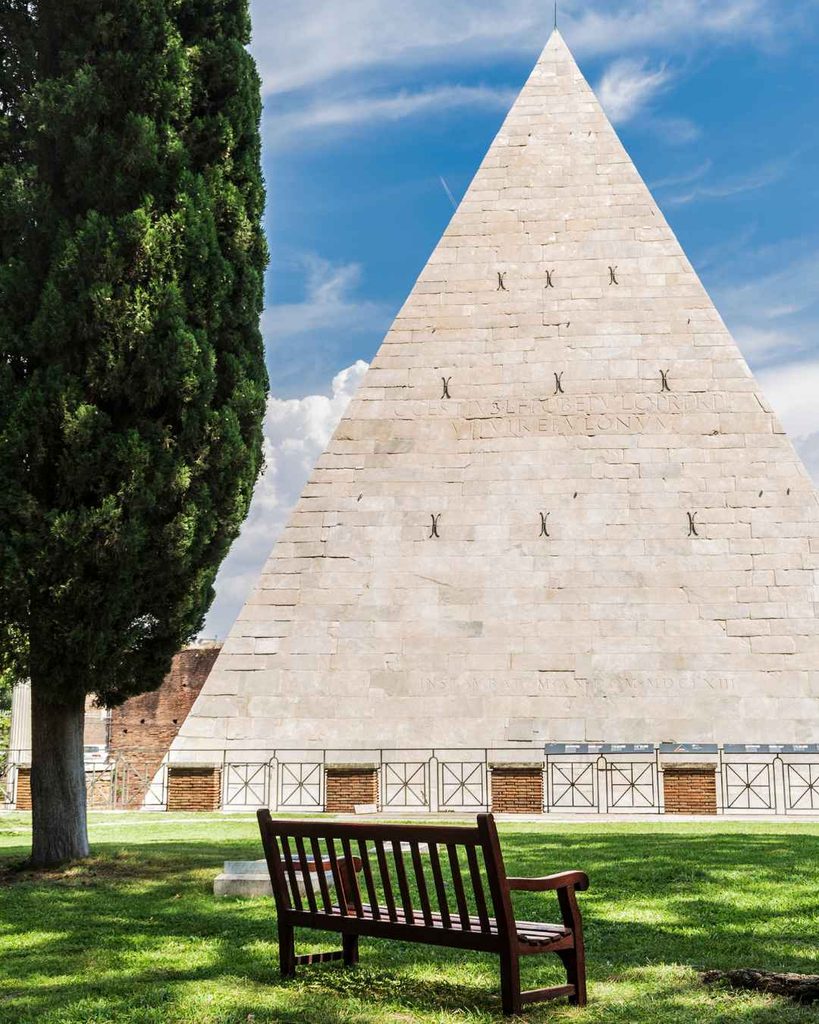
The Pyramid of Cestius is one of the strangest sights in Rome. It is a pyramid, built of white marble, standing at the edge of the Testaccio neighborhood, and it looks completely out of place in a city known for its classical architecture.
The pyramid was built around 18 BC as a tomb for a Roman magistrate named Gaius Cestius. It was constructed during a period when Rome was fascinated by all things Egyptian, following the conquest of Egypt by Augustus. The pyramid is thirty-six meters tall, and it is one of the best-preserved ancient buildings in the city.
What makes the pyramid memorable is not just its size or its preservation but its context. It stands next to the Porta San Paolo, a gate in the Aurelian Walls, and it is surrounded by traffic, apartment buildings, and a busy intersection.
The contrast between the ancient pyramid and the modern city is striking, and it is a reminder of how many layers of history are stacked on top of each other in Rome.
The pyramid is also next to the Protestant Cemetery, which is one of the most peaceful places in the city. The cemetery is the final resting place of John Keats and Percy Bysshe Shelley, and it is full of cypress trees, flowers, and cats. It is a good place to escape the noise of the city and to reflect on the passage of time.
The Centrale Montemartini
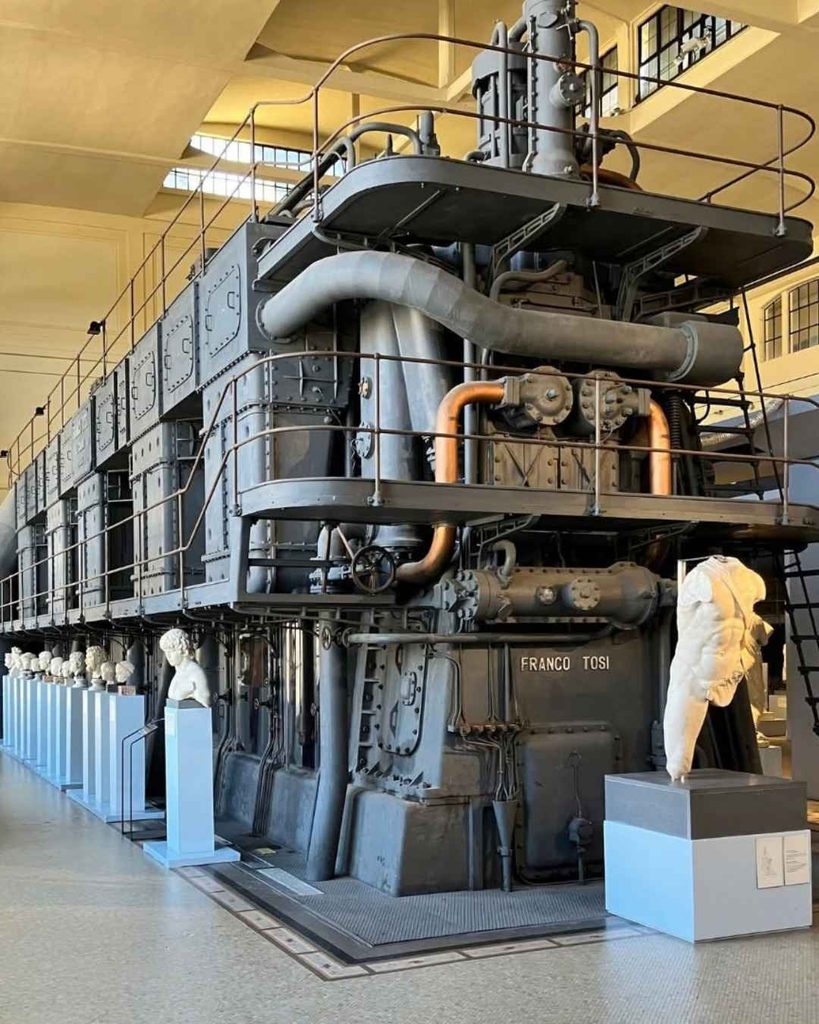
The Centrale Montemartini is a museum in a former power plant, and it is one of the most unusual museums in Rome. It houses a collection of ancient sculptures, which are displayed among the turbines, boilers, and machinery of the power plant.
The effect is extraordinary. Ancient gods and goddesses stand next to industrial equipment. Marble statues are lit by the same windows that once lit the power plant. The contrast between the ancient and the modern is striking, and it makes you see the sculptures in a new way.
The museum is in the Ostiense neighborhood, which is south of the historic center and not on the main tourist route. It is a good place to escape the crowds and to see a side of Rome that most visitors miss.
The collection includes works from the Capitoline Museums, which were moved here when the power plant was converted into a museum in the 1990s.
The Centrale Montemartini is also a reminder that Rome is not just a city of the past. It is a city that has always reinvented itself, and the power plant is part of that story.
The building was constructed in the early twentieth century and was one of the first power plants in Rome. It was converted into a museum in 1997, and it has been a cultural landmark ever since.
The Coppedè Quarter

The Coppedè Quarter is one of the most unusual neighborhoods in Rome, and most visitors have never heard of it. It is in the north of the city, between the Parioli and Salario districts, and it was designed by the architect Gino Coppedè in the early twentieth century.
The quarter is a fantasy of architecture, a mix of Art Nouveau, Baroque, and medieval styles. The buildings are covered in sculptures, friezes, and decorative details. There are fountains, arches, and a central square with a fountain of the frogs. The effect is theatrical, almost surreal.
The most famous building in the quarter is the Palazzo del Ragno, the Spider Palace, which has a giant spider on its facade. The spider was the symbol of the Coppedè family, and it appears throughout the quarter. Other buildings have bees, lions, and eagles, all of which have symbolic meanings.
The quarter is not on the main tourist route, which means you can explore it without crowds. It is a good place to walk, to take photographs, and to see a side of Rome that most visitors miss.
It is a reminder that Rome is not just a city of ancient ruins and Baroque churches. It is also a city of twentieth-century imagination.
The Protestant Cemetery
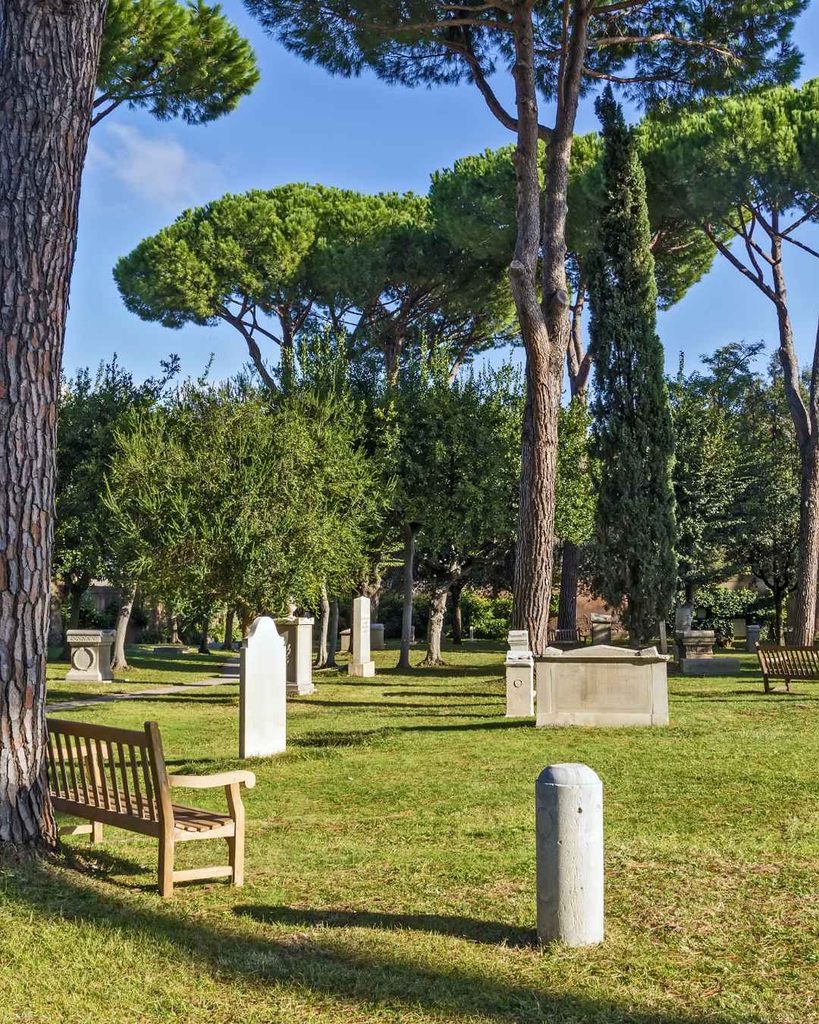
The Protestant Cemetery, also known as the Non-Catholic Cemetery, is one of the most peaceful places in Rome. It is near the Pyramid of Cestius, in the Testaccio neighborhood, and it has been a burial ground for non-Catholics since the eighteenth century.
The cemetery is the final resting place of many artists, writers, and poets, including John Keats and Percy Bysshe Shelley. Keats died in Rome in 1821, and his grave is one of the most visited in the cemetery. The inscription on his tombstone reads, “Here lies One Whose Name was writ in Water.”
The cemetery is not a morbid place. It is a garden, full of cypress trees, flowers, and cats. The cats are a feature of the cemetery, and they have their own association, which cares for them and finds them homes. The atmosphere is calm and contemplative, and it is a good place to escape the noise of the city.
The cemetery is also a reminder of the many foreigners who have come to Rome over the centuries and made it their home. It is a place of memory and of beauty, and it is worth a visit.
The Basilica of San Clemente
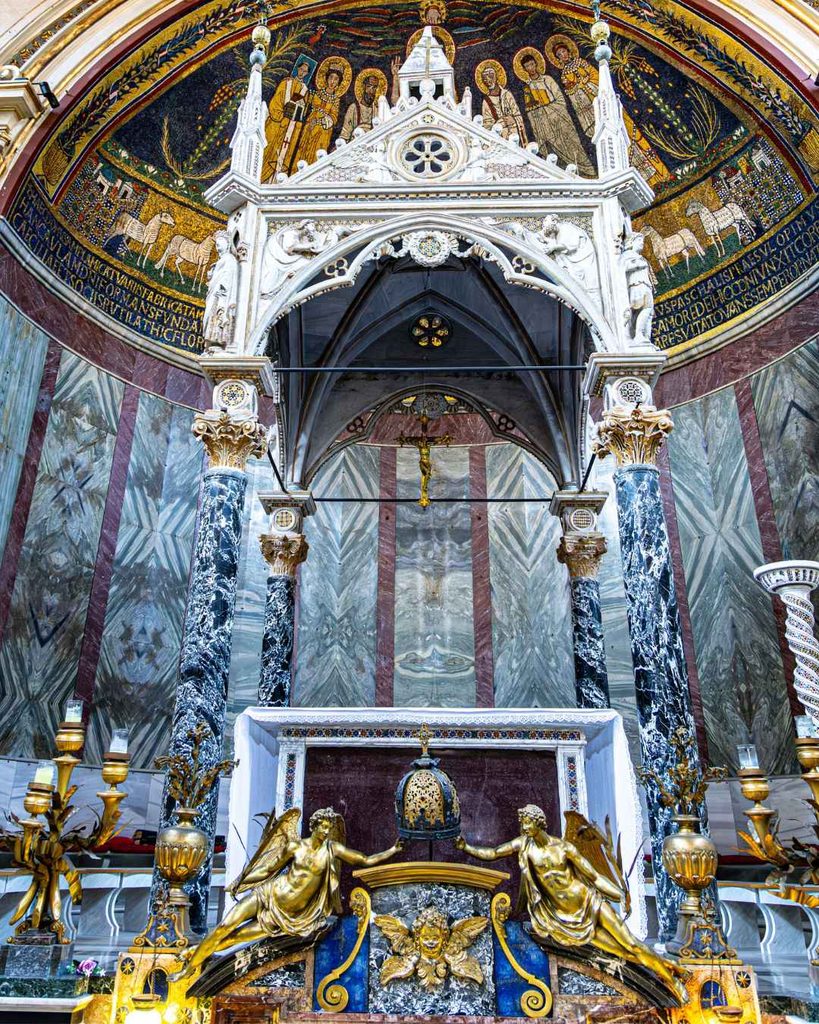
The Basilica of San Clemente is a short walk from the Colosseum, and it is one of the most extraordinary sites in Rome. On the surface, it is a twelfth-century church with beautiful mosaics and a peaceful atmosphere. Beneath it, there are two more layers of history.
The current basilica was built on top of a fourth-century basilica, which was itself built on top of a first-century Roman building.
The lower levels were buried and forgotten for centuries, and they were only rediscovered in the nineteenth century. Today, you can descend through the layers and walk through the streets of ancient Rome.
The lowest level contains a Roman street, a private house, and a temple dedicated to Mithras, a Persian god who was popular among Roman soldiers. The temple is small and dark, with a stone altar and a relief of Mithras slaying a bull. It is one of the best-preserved Mithraic temples in the world.
The middle level contains the fourth-century basilica, with faded frescoes and the tomb of Saint Cyril, the missionary who brought Christianity to the Slavs. The upper level, the current basilica, has a mosaic in the apse that is one of the most beautiful in Rome.
The descent is not for everyone. The stairs are narrow, and the lower levels can feel cramped. But if you are comfortable with enclosed spaces, it is one of the most rewarding experiences in the city. It is a reminder that Rome is built on Rome, and that the city you see is only the most recent layer.
The Appian Way
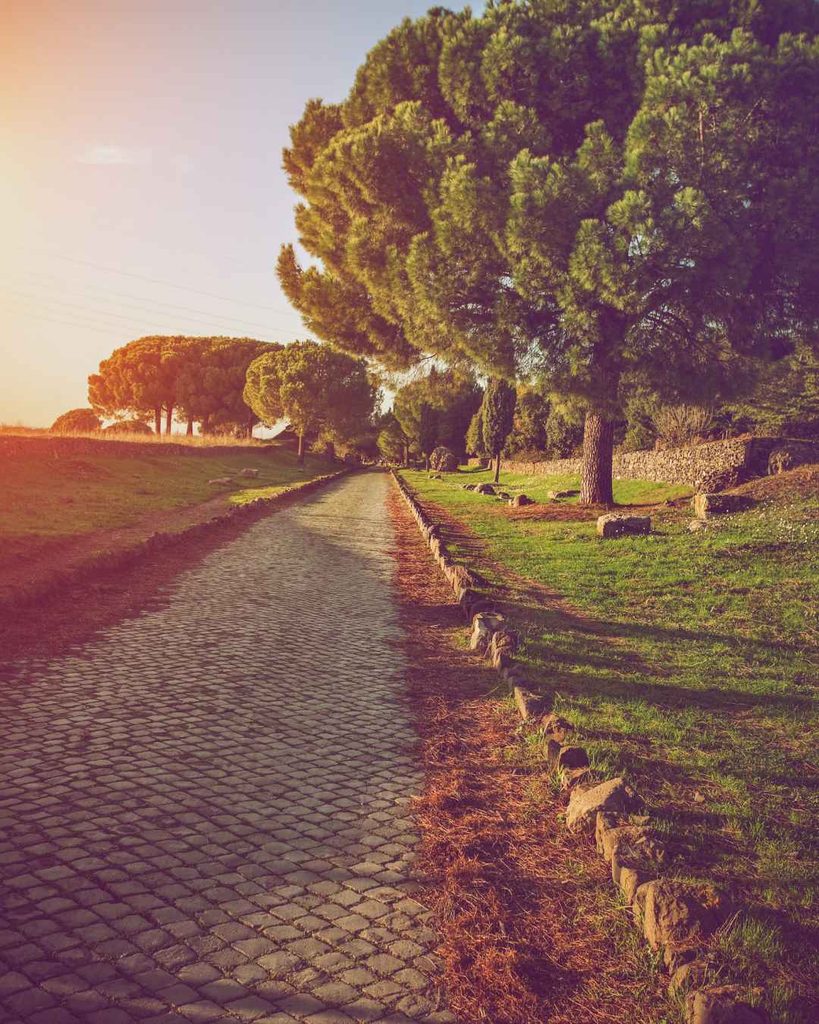
The Appian Way is one of the oldest and most important roads in the Roman world. It was built in 312 BC, and it connected Rome to the southern part of Italy. It is still there today, and it is one of the most beautiful places to walk in the city.
The road is lined with cypress trees, ancient ruins, and catacombs. The Catacombs of San Callisto and the Catacombs of San Sebastiano are both on the Appian Way, and they are worth visiting. The catacombs are underground burial places, and they contain thousands of tombs and early Christian frescoes.
The Appian Way is not in the historic center, and it takes some effort to get there. But it is worth the trip. It is a place where you can walk on the same stones that Romans walked on two thousand years ago. It is a reminder that Rome is not just a city. It is a civilization, and it is still present in the landscape.
The Villa Borghese Gardens
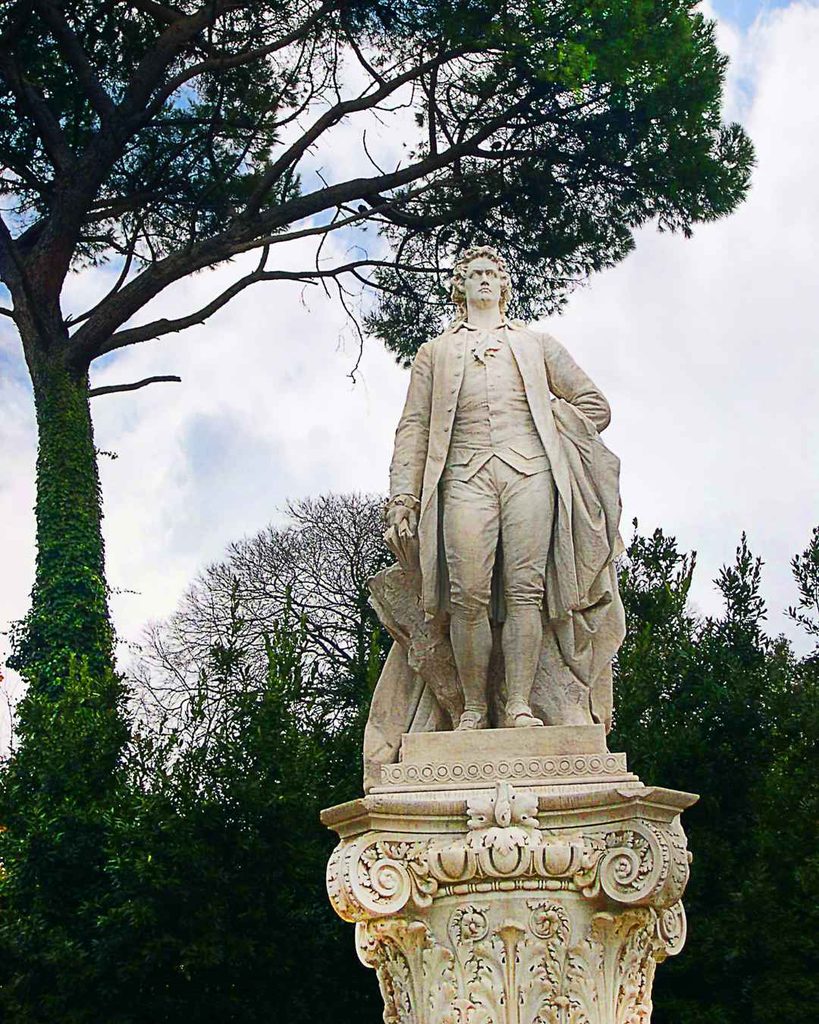
The Villa Borghese Gardens are the largest public park in Rome, and they are one of the best places in the city to escape the noise and the crowds. The gardens are on the Pincian Hill, above the Spanish Steps, and they contain museums, galleries, a lake, and miles of paths.
The Galleria Borghese is in the gardens, and it is one of the best museums in Rome. It houses a collection of Bernini sculptures and Caravaggio paintings that is unmatched anywhere in the world. The museum requires a reservation, and it is worth planning ahead.
But the gardens themselves are worth a visit, even if you do not go to the museum. You can rent a bike, take a boat on the lake, or simply walk through the trees. The gardens are a place to breathe, to slow down, and to remember that Rome is not just a city of monuments. It is a city of life.
Final Thoughts
Rome is a city that rewards those who look twice. The places in this article are not the ones you already know. They are the ones that made me stop and look twice, sometimes because they were beautiful, sometimes because they were strange, and sometimes because they were so unexpected that I had to stand still for a moment and process what I was seeing.
The Aventine Keyhole. The Orange Garden. The Moses Fountain. The Baths of Caracalla. The Palazzo Doria Pamphilj. The Pyramid of Cestius. The Centrale Montemartini. The Coppedè Quarter. The Protestant Cemetery. The Basilica of San Clemente. The Appian Way. The Villa Borghese Gardens.
These are the places that stay with you. Not the famous sights, not the ones you see in every guidebook, but the ones you find when you look twice. The ones that surprise you. The ones that make you stop.
Rome is waiting. Look twice.
Again, feel free to go through the list below of my Italy recommendations that I have crafted after years of travel to this beautiful country:
- Packing List: Things Not to Go to Italy Without
- Must-Do Things: Unforgettable Experiences
- Where to Stay: Best Hotels in Italy.
- Where to Stay in Rome: Rome’s Best Neighborhoods
- Where to Stay in Florence: Picking the Best Area
- Where to Stay in Venice: Venice’s Best Districts
- Italy’s Cobblestone Streets: Best Shoes For the Job
- Backpack or Suitcase?: Italy Luggage Guide
- Travel Insurance: Always Be Covered
- E-Sim: Be Connected At All Times