
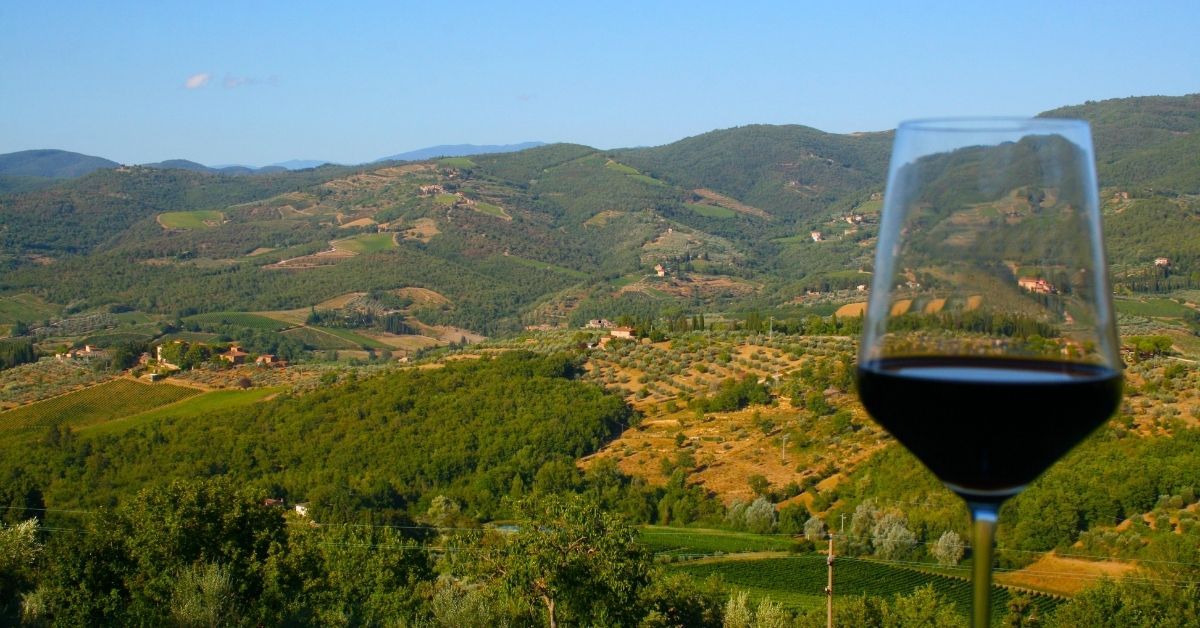
Tuscany is wine country in the way that Paris is fashion country. It is not just that they make good wine here. It is that wine is woven into the fabric of daily life. The hills are patchworked with vineyards that the same families have tended for generations. The people speak of vintages the way others speak of children. And the landscape itself, with its cypress trees and medieval hilltop towns and golden light, seems designed to be experienced with a glass in hand.
But wine tasting in Tuscany can be intimidating. There are so many regions, so many grape varieties, so many rules about what to look for and how to taste. The fear of looking foolish keeps many travelers from fully engaging with the experience. This guide is designed to change that. By the time you finish reading, you will know enough to walk into any vineyard, any enoteca, any restaurant, and order with confidence.
Stop experiencing Italy like everyone else. Your trip is different because you are different. Tell me when you’re going, who you’re traveling with, where you want to go, what you absolutely want to see and do, your budget, and anything else that matters to you. I’ll put it all together into a tailor-made Italy itinerary that tells you where to go, where to stay, what to eat, and how to make the most of your time. Use this form
Understanding the Regions
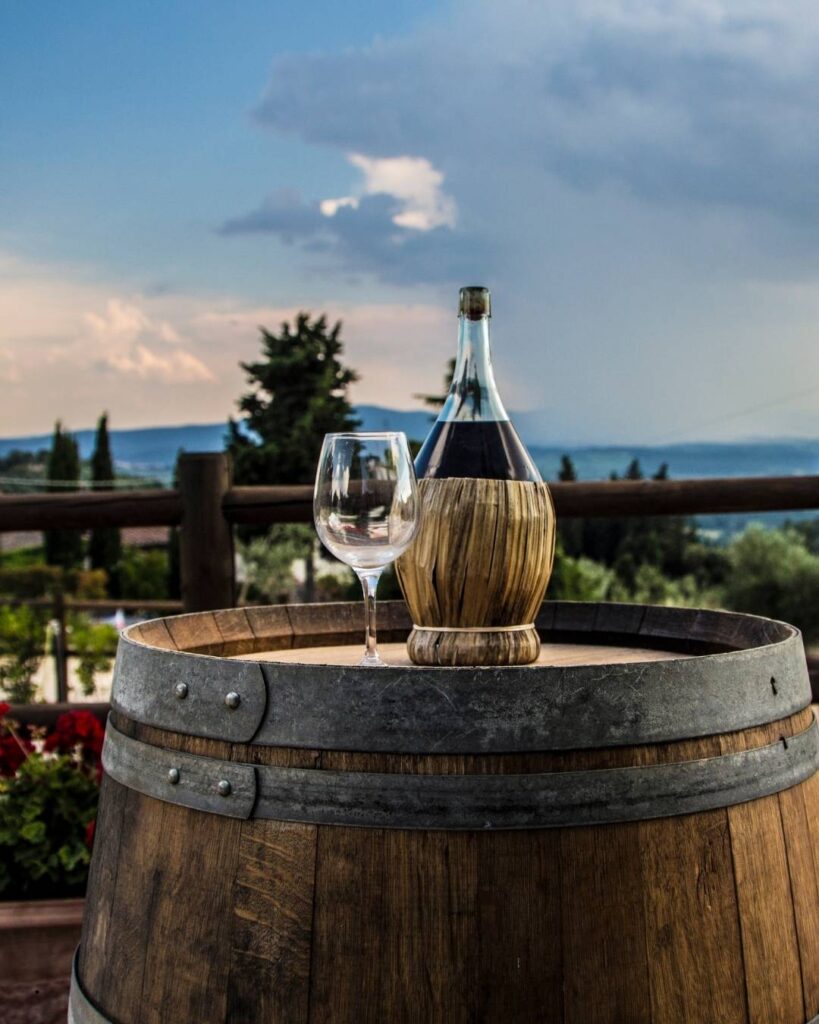
Tuscany is not one wine region. It is many, each with its own character, its own soil, its own signature grape. Understanding the basic geography will help you make sense of the bottles you see and the tastings you attend.
Chianti is the most famous region, and for good reason. It stretches through the heart of Tuscany, between Florence and Siena, and its rolling hills are the ones you see on postcards. The wine is made primarily from Sangiovese, the great red grape of Tuscany, and it ranges from simple, drinkable table wine to complex, age-worthy bottles. Chianti Classico, from the historic heart of the region, is a step up.
Chianti Classico Riserva is the pinnacle, aged longer and showing greater depth. The black rooster symbol on the neck of the bottle is the Consorzio’s mark, the governing body that ensures quality. When you see it, you know the wine meets strict production standards.
Montalcino is the home of Brunello di Montalcino, arguably the greatest wine in all of Italy. Brunello is made from a clone of Sangiovese called Sangiovese Grosso, and it produces wines of extraordinary power, complexity, and aging potential.
A Brunello is not a wine to drink young. It needs years, sometimes decades, to reveal itself. But when it does, it is magnificent. Montalcino also produces Rosso di Montalcino, a younger, more approachable wine made from the same grapes, perfect for drinking while you wait for your Brunello to mature.
Montepulciano is the home of Vino Nobile di Montepulciano, another Sangiovese-based wine with a long history. It is often a bit more approachable than Brunello, with softer tannins and a slightly more accessible price point. The town itself is beautiful, perched on a hilltop, and worth a visit even if you do not taste a single glass.
Bolgheri, on the coast, is the new superstar of Tuscan wine. This is where the Super Tuscans were born, wines made from international varieties like Cabernet Sauvignon and Merlot that were blended with Sangiovese or used on their own.
Sassicaia, Ornellaia, Masseto- these are the wines that shattered the Italian wine establishment and proved that Tuscany could compete with the best of Bordeaux. They are expensive, sometimes eye-wateringly so, but they are also exceptional.
Vernaccia di San Gimignano deserves a mention as the great white wine of Tuscany. It is crisp, minerally, and perfect with seafood or on a hot afternoon. It offers a refreshing counterpoint to all the big reds.
When to Go
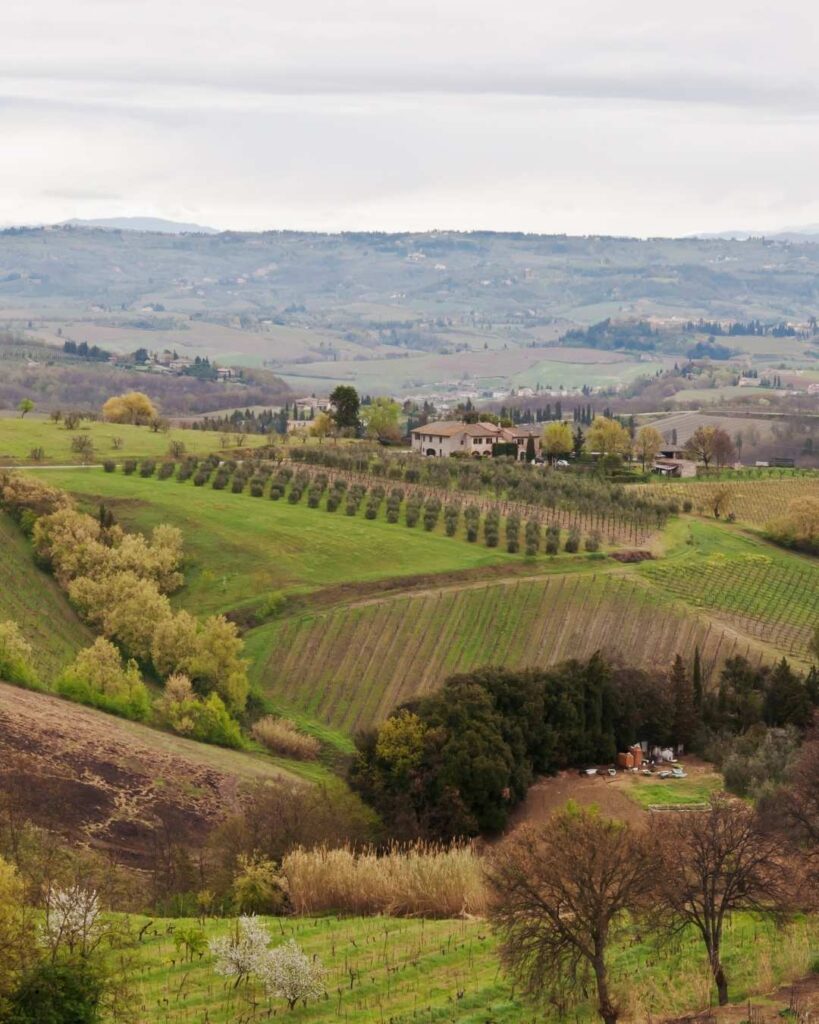
The best time for wine tasting in Tuscany is spring or fall. The weather is mild. The crowds are thinner. And the vineyards are at their most beautiful, either bursting into green life or glowing with autumn colors.
Spring, from April to June, is lovely. The vines are just beginning to grow, and the hills are carpeted with wildflowers. The temperatures are comfortable for long days of driving and tasting. Harvest season, from September to October, is something else entirely.
The vineyards buzz with activity. The grapes are being picked, sorted, crushed, and fermented. There is an energy in the air that is palpable. You can feel the urgency, the excitement, the culmination of a year’s work.
Summer is possible but less ideal. August is particularly challenging. The heat can be oppressive, and many of the smaller wineries close for the holidays. The roads are crowded, the restaurants are full, and the experience feels more like a tourist attraction than an authentic visit. If you must go in summer, book everything well in advance and plan your tastings for the cooler morning hours.
Winter has its own charm. The crowds are gone. The winemakers have more time to talk. The tastings often take place by a roaring fireplace. But many wineries limit their hours or close entirely, so check ahead.
Booking a Visit
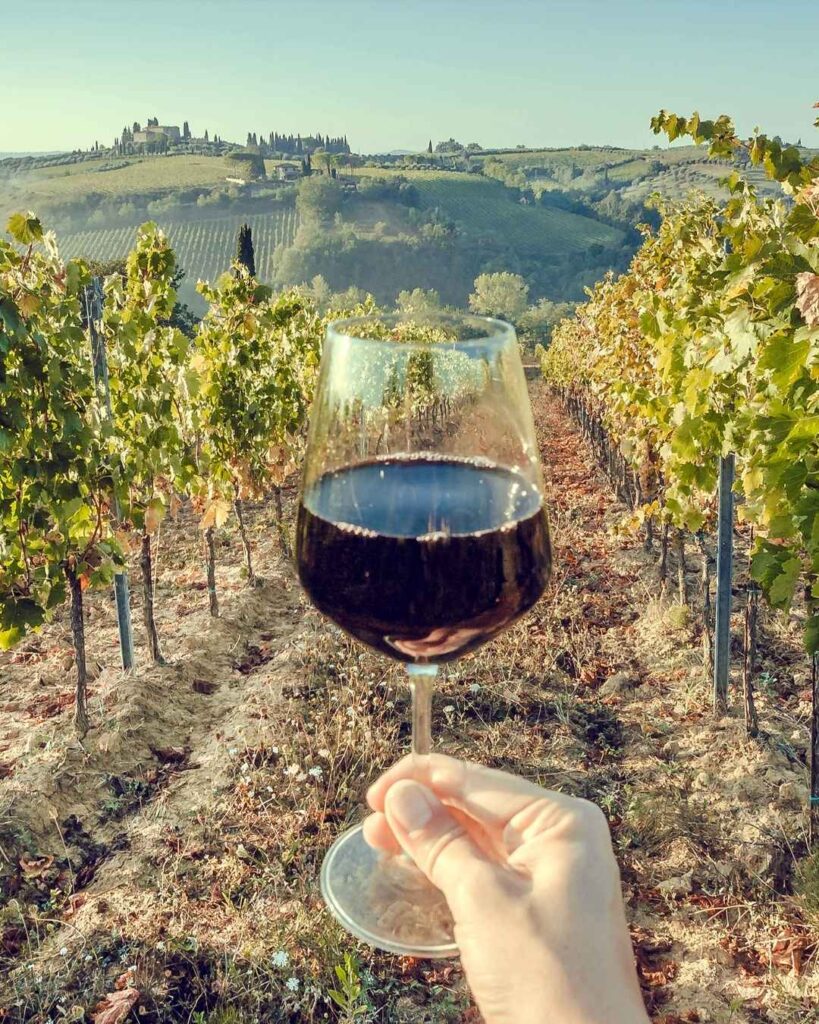
The first question is whether to book a tour or visit independently. Both have their merits.
Independent visits allow you to go at your own pace. You can choose the wineries that interest you, linger as long as you like, and change your plans on a whim. But you need to do your research, and you need to book ahead. Even the smaller wineries are increasingly requiring reservations. There is nothing more disappointing than showing up at a beautiful estate and being turned away because they have no availability.
Wine tours are more expensive but significantly less stressful. A good tour company will handle all the logistics, book tastings at excellent wineries, and provide transportation so you do not have to worry about drinking and driving. They will also offer context and commentary that enrich the experience. The cost is worth it if you can afford it. Check out some of the good tours here.
Whether you book independently or with a group, make your reservations well in advance. The best wineries fill up months ahead, especially during the busy seasons. Email the winery directly. Be polite. Mention that you are interested in learning about their wines. Ask about their tasting options. Most wineries offer several tiers, from a simple tasting of a few current releases to a full lunch paired with aged vintages.
What to Look For
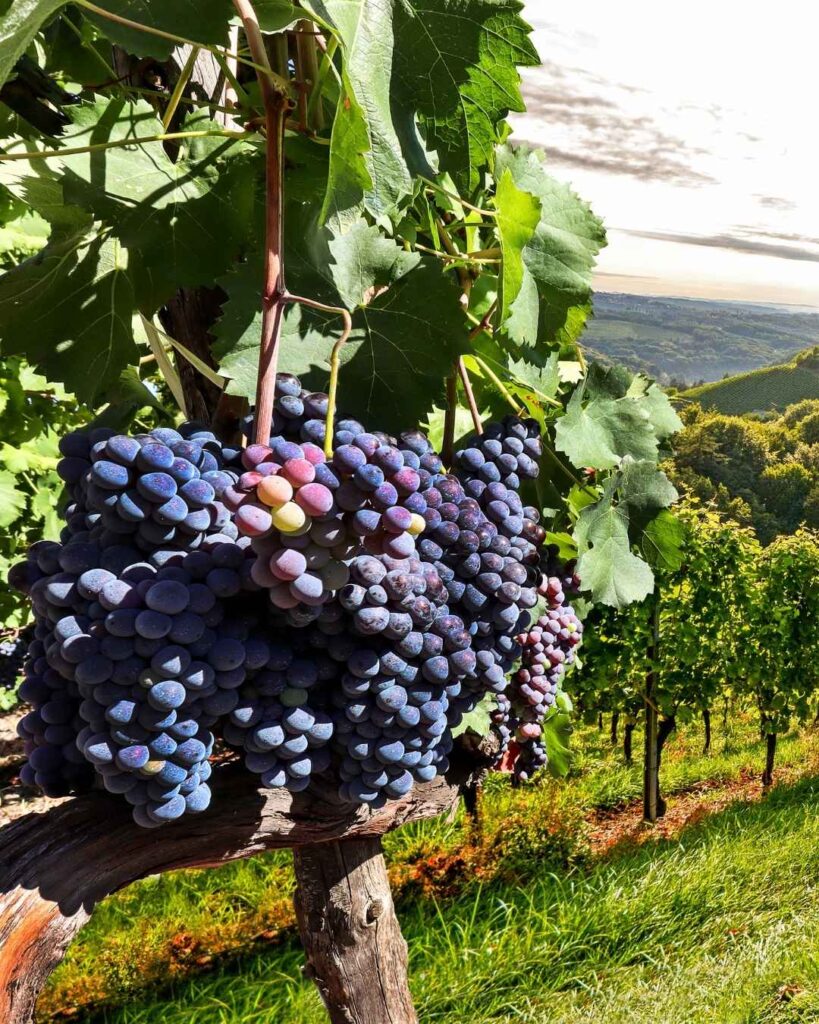
When you taste a wine, you are making a series of observations. You do not need to be a trained sommelier to do this. You just need to pay attention.
Look first at the color. Hold the glass up to the light. A young red wine will be vibrant, perhaps ruby or purple. An older red will show brick-red or orange at the edges. A white wine can range from pale straw to deep gold. The color tells you about the age of the wine, the grape variety, and even the winemaking technique.
Smell next. Swirl the wine gently to release the aromas, then stick your nose deep into the glass. What do you notice? Fruit, yes, but which fruits? Cherry, plum, blackberry, those are common in Sangiovese. Earthiness, leather, tobacco- that is the classic mark of an aged Brunello. Floral notes, violet perhaps, or rose. Spice, vanilla, or clove from oak aging. You do not need to identify every single scent. Just notice the ones that come to you.
Taste, and when you do, let the wine coat your entire mouth. Pay attention to the entry, the first impression on your tongue. Notice the body, the weight and texture of the wine. Feel the tannins, the drying sensation on the sides of your mouth, which gives structure to red wines. Notice the acidity, the crispness that makes your mouth water and allows the wine to pair with food. And finally, consider the finish, the length of time the flavors linger after you swallow. A long finish is the sign of a great wine.
You do not need to be a pro. You just need to be curious. Ask the winemaker questions. What grapes are in the blend? How long was the wine aged? In what kind of barrels? Why is this vintage different from the last? The answers will deepen your appreciation, and the winemakers will appreciate your genuine interest.
The Etiquette of Tasting
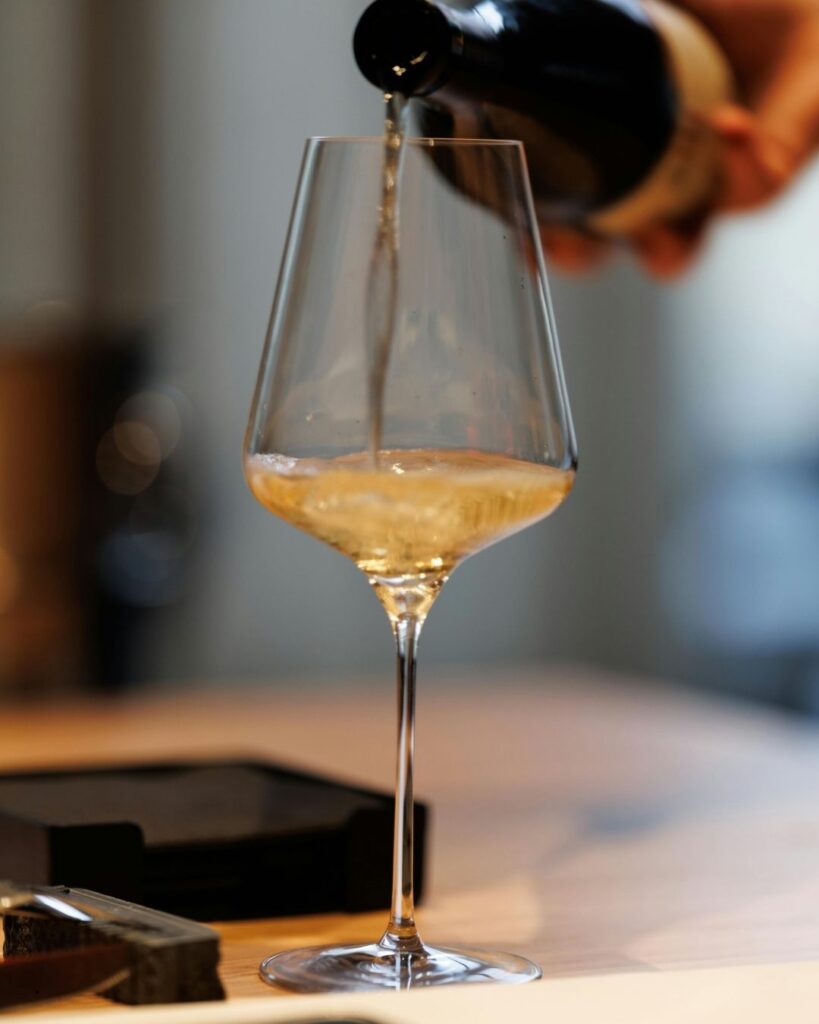
There is a protocol to wine tasting, though it is less strict than you might imagine.
The number one rule is to spit. Yes, it feels strange. Yes, it seems wasteful. But if you are visiting multiple wineries in a day, you cannot swallow everything you taste. The alcohol will catch up with you quickly, and you will not be able to taste properly by the third or fourth stop. Spit gracefully into the provided buckets. No one will judge you. Every serious taster does it.
If you do swallow, do so sparingly. Pace yourself. Have a designated driver if you are visiting independently. The roads in Tuscany are winding and treacherous, and the police are vigilant about drunk driving.
When you are given a glass, hold it by the stem, not the bowl. This keeps your body heat from warming the wine and leaves the bowl clear for assessing the color. It is a small gesture, but it signals that you know what you are doing.
Do not hesitate to ask questions. Winemakers love when visitors are curious. They will happily explain their methods, their philosophy, their challenges. This is how you learn. This is how you move from being a casual drinker to someone who truly understands what they are tasting.
And finally, if you enjoy the wine, buy some. Even a bottle or two is a gesture of appreciation. The margins on tasting fees are minimal, and wineries rely on cellar door sales to stay afloat. Plus, you get to bring a piece of Tuscany home with you.
Pairing Wine with Food
Wine and food are inseparable in Tuscany. The wines were made to accompany the local cuisine, and the cuisine was developed to complement the wines. A tasting is never quite complete without some food.
The classic pairing for Chianti is pasta with a meat-based sauce. The acidity of the wine cuts through the richness, while the savory notes of the sauce echo the earthy character of the Sangiovese. Bistecca alla Fiorentina, the legendary T-bone steak of Florence, is a perfect partner for a bold Chianti Classico or a young Brunello. The fat of the meat softens the tannins, and the char from the grill adds another layer of complexity.
Pecorino cheese is another classic companion. The salty, nutty flavor of aged pecorino is a natural match for the fruit and tannin of red wine. Spread some honey on the cheese for an even more sublime combination.
For white wines like Vernaccia, seafood is the way to go. Grilled fish, shrimp, calamari, anything from the sea. The crisp acidity and minerality of the wine cleanse the palate and refresh the senses.
The Wineries Worth Visiting
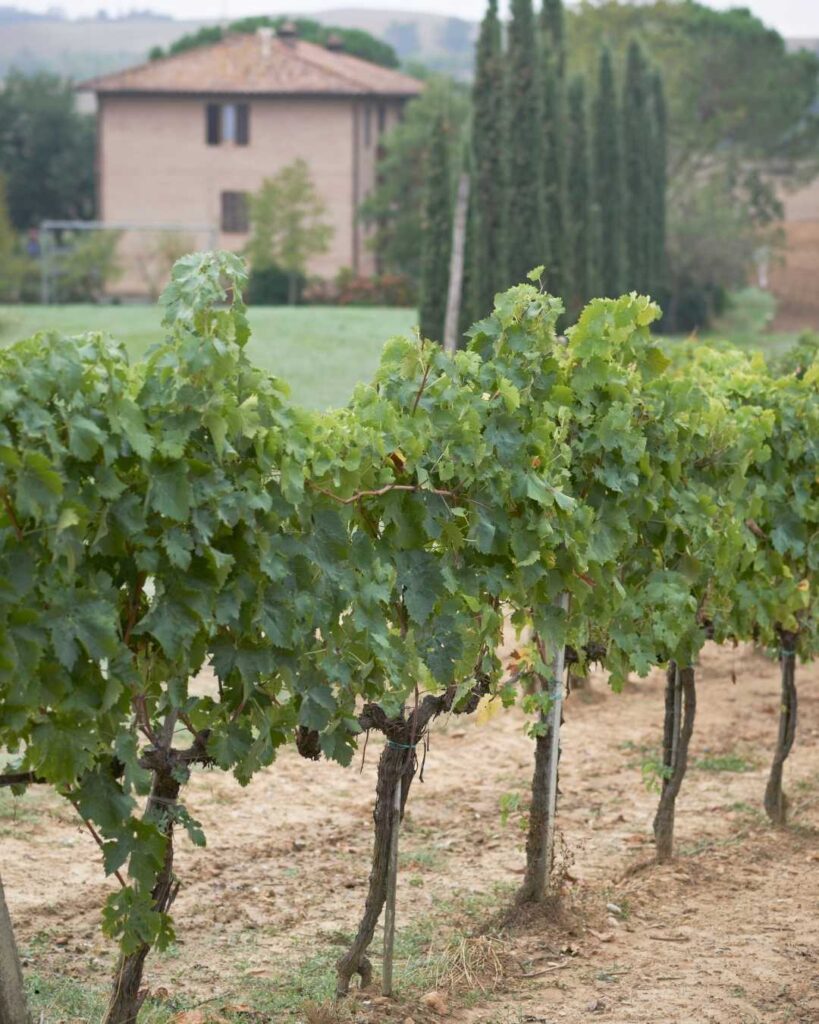
There are thousands of wineries in Tuscany, and you cannot visit them all. Here are a few standouts across the major regions.
In Chianti Classico, Castello di Verrazzano offers a stunning hilltop setting with views across the rolling hills. The winery has a long history and produces elegant, classic wines. The vineyard tours are thorough, and the tasting rooms are welcoming. Fattoria di Fèlsina is another gem, known for its powerful, age-worthy wines that express the full potential of Sangiovese. The estate is beautiful, and the staff are deeply knowledgeable.
In Montalcino, Biondi Santi is the historic producer that put Brunello on the map. The wines are legendary, and the winery is a pilgrimage site for serious enthusiasts. The experience is expensive, but unforgettable. For a more approachable visit, Poggio di Sotto offers elegant, refined wines and a spectacular setting in the southern hills of Montalcino.
In Bolgheri, you cannot go wrong with Tenuta San Guido, the estate that created Sassicaia. The visit is a premium experience, and the wines are some of the finest in Italy. Guado al Melo is a smaller, more boutique operation that produces excellent Super Tuscans with a focus on sustainability.
These are just a few options. There are countless others, many of them small family-run estates that produce exceptional wine and offer a warm, intimate experience. Part of the joy of wine tasting in Tuscany is discovering these hidden gems for yourself.
Navigating the Enoteca
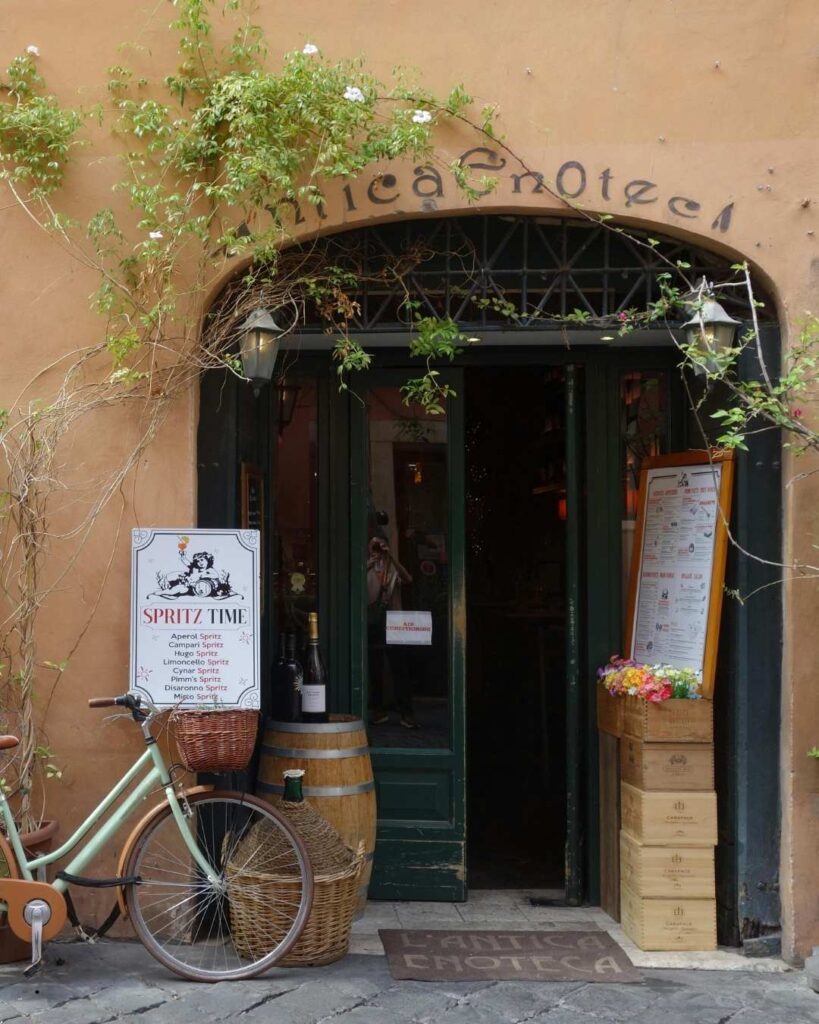
If you cannot make it to the vineyards, or if you want to expand your tasting after your vineyard visits, the enoteca is your destination. An enoteca is a wine shop, and they are everywhere in Tuscany. They range from small, specialized shops to vast retailers with thousands of bottles.
The best enotecas are staffed by passionate, knowledgeable people who love to talk about wine. Ask for a recommendation. Tell them what you have enjoyed so far. Ask about local producers, hidden gems, vintages you should seek out. They will steer you in the right direction.
Do not be intimidated by the size of the selection. Start with what you know. Sangiovese, Brunello, Super Tuscan. Then explore. Try a local variety you have not heard of. Ask about wines from neighboring regions. Taste something unexpected.
In an enoteca, you can also find great wines at great prices. Many small producers do not export, so the only way to taste their wine is to buy it in Italy. Bring these bottles home. They will be souvenirs of a trip that you can continue to enjoy for years.
Bringing Wine Home
There are rules about transporting wine, and they are worth understanding before you fall in love with a bottle you cannot take with you.
The simplest approach is to buy wine you intend to drink in Italy. You can open a bottle with dinner, share it with friends, and savor it on a terrace overlooking the Tuscan hills. These are the best memories anyway.
For bottles you want to bring home, pack them carefully. Wrap each bottle in a sweater or a towel and place them in the center of your suitcase. You can also buy bubble wrap or inflatable wine sleeves at many enotecas. If you are buying significant quantities, consider shipping the wine home. Many wineries offer shipping services, or you can find a specialized shipping company in Florence or Siena that will handle everything for you.
Check the customs rules for your home country before you buy. There are limits on how much alcohol you can bring back without paying duty. Exceed those limits, and you will face taxes that can be substantial. Know the rules so you are not surprised at the airport.
And remember that Italian wine ages beautifully. If you buy a Brunello Riserva, it may be years, even decades, before it reaches its peak. Store it properly, lying on its side in a cool, dark place, and wait for the right moment to open it.
Tip: If you are based in Florence and are looking for a great wine tour, this is the one I recommend.
The Final Sip
Wine tasting in Tuscany is not about getting drunk. It is not about checking off a list of famous names. It is about slowing down, paying attention, and connecting with a place through its most celebrated product.
The best tastings are the ones where you learn something. Where you understand why this particular hill, this particular soil, this particular vintage produced something special. Where you taste the difference between a wine aged in oak and a wine aged in concrete. Where you feel the weight of history in every glass.
Take your time. Do not rush from one winery to the next without pausing to absorb the experience. Sit on the terrace, look out over the vineyard, and let the wine settle. Talk to the winemaker. Ask about their grandparents, about how they learned the craft, about what they hope for the future. These conversations are the real treasure.
And when you leave Tuscany, leave with a few bottles and a full heart. You will have taken a piece of the region with you, something that will continue to unfold and surprise you long after you have returned home. That is the gift of wine, and Tuscany offers it more generously than almost anywhere else in the world.
NOTE BEFORE YOU GO: Italy rewards travelers who go prepared. And it is easy to ruin your trip. I have a checklist for you of things you should never go to Italy without. CHECK IT OUT HERE. I have also curated a list of some of the best hotels in Italy. I would highly recommend checking them out before booking. THESE ARE THE BEST HOTELS IN ITALY. And for unique experiences, attractions, and tours, don’t book before CHECKING THIS OUT. Thank me later!