
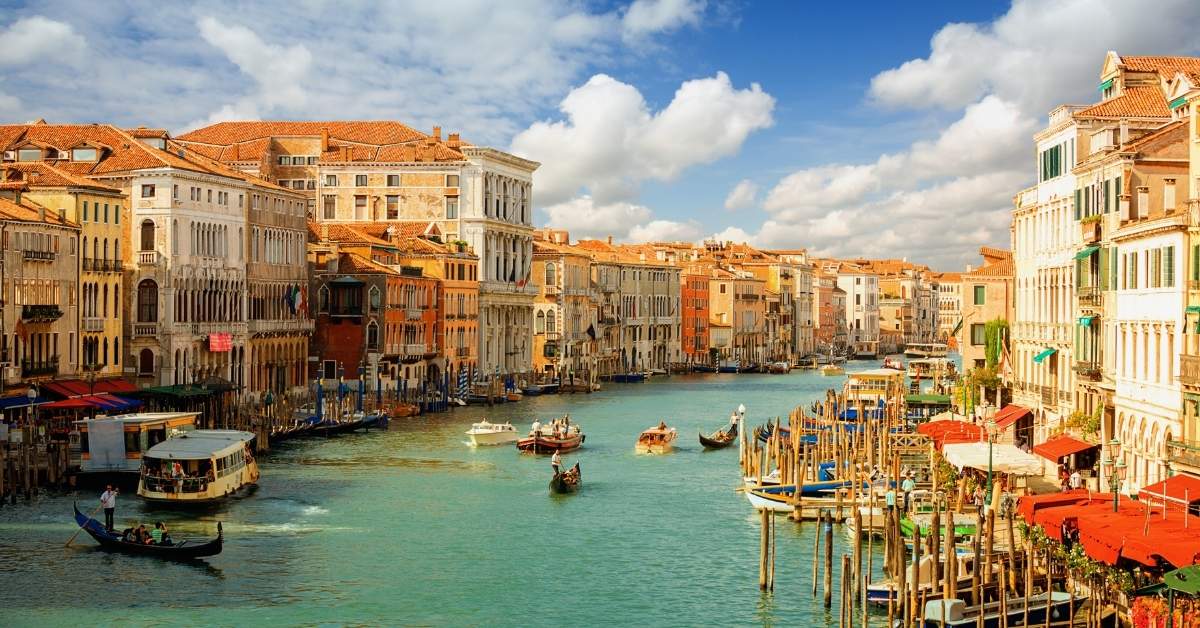
There is no city on Earth like Venice. Actually, Venice is one of those places you should see at least once before you kick the bucket.
But here is the uncomfortable truth. Venice is also one of the easiest cities in the world to have a genuinely disappointing experience in. I have seen it happen countless times. Couples arrive full of romantic expectation and leave grumbling about crowds and prices.
Families spend a fortune and feel cheated by mediocre food and aggressive vendors. Solo travelers wander through the maze of alleys and never quite find the magic they were promised.
The difference between a magical Venice trip and a miserable one usually comes down to a handful of avoidable mistakes. Avoid these, and you will leave with the same enchantment that has drawn visitors to this city for centuries. Make them, and you will wonder what all the fuss was about.
1. Thinking You Can See Venice in a Day
This is the most common error of all, and it is almost always the result of cruise ship itineraries or tight travel schedules. People arrive in the morning, spend a few hours shuffling through St. Mark’s Square, ride a gondola for thirty minutes, eat an overpriced lunch near the Rialto Bridge, and then board their ship or train thinking they have seen Venice.
They have not.
Venice is not a checklist city. It is a city that reveals itself slowly, over days, through the accumulation of small moments. The magic is not in the landmarks themselves, though they are magnificent. The magic is in the spaces between them.
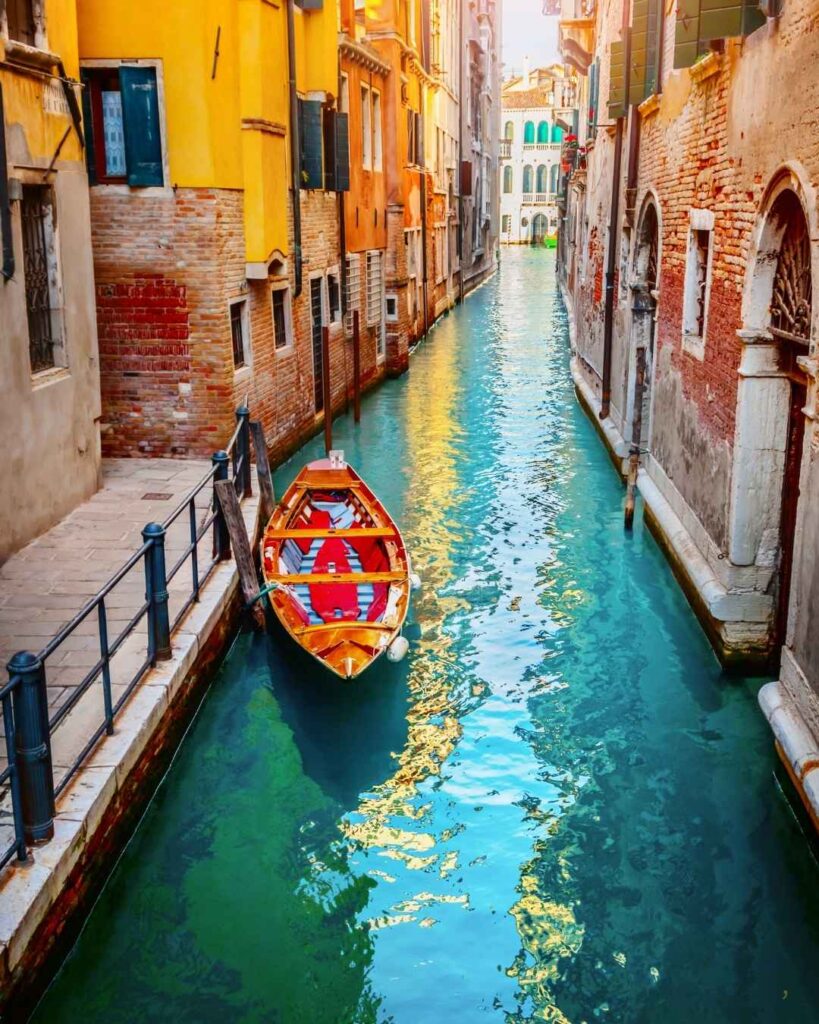
It is in the quiet canal you discover by accident, the elderly Venetian who nods at you from her window as you pass beneath, the evening light that turns the buildings to gold as you sip a spritz in a campo where no tourists have found their way.
A single day in Venice is not enough to see the city. It is barely enough to get lost in it. If you only have twenty-four hours, you are better off accepting that you will only scratch the surface. Spend your time wandering, not rushing. Pick one or two sights to actually enter, and spend the rest of your time simply being present in the city. Do not try to do everything. You will only exhaust yourself and miss the point entirely.
Three days is the minimum I recommend for a first visit. Four or five is better. Anything less, and you are not visiting Venice. You are passing through it, and the city will not open its heart to you.
Read about the best Venice itinerary here
2. Eating at Restaurants Near St. Mark’s Square
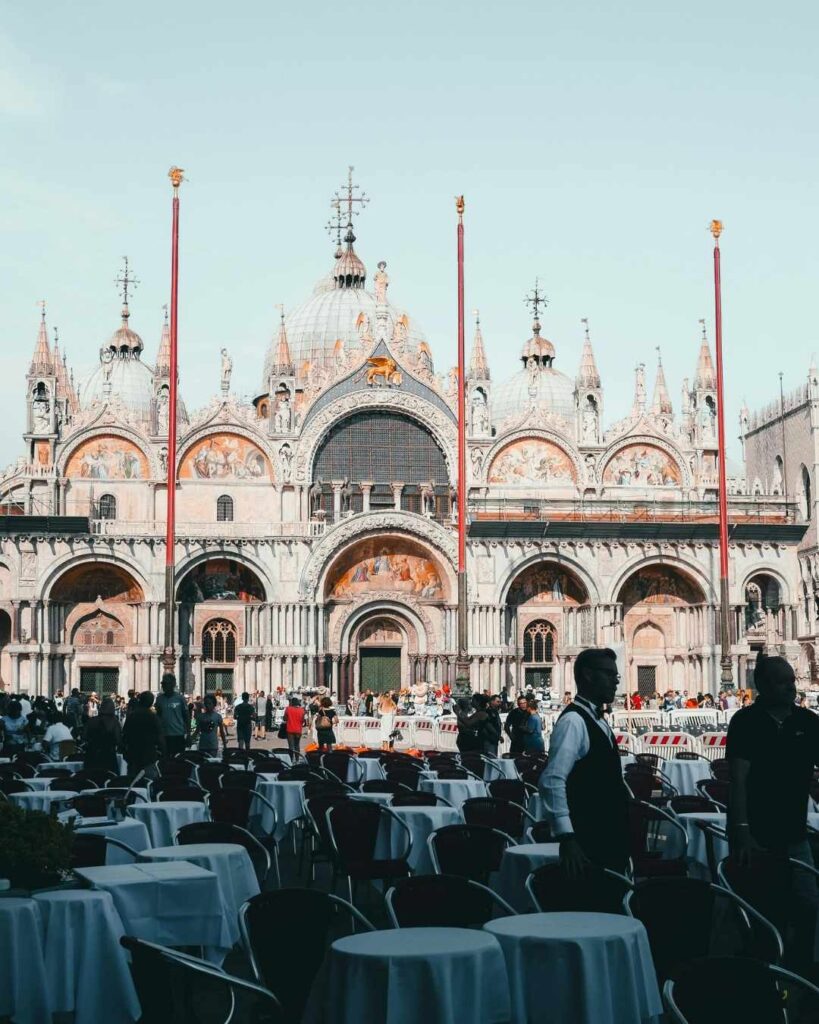
I understand the temptation. You have just arrived at the most famous square in the city. You are hungry. The restaurants with their outdoor tables and waving waiters look so inviting. The menus are in six languages and the pictures of the food are glossy and appealing. It is so easy to just sit down and order.
Do not do this.
The restaurants around St. Mark’s Square and the Rialto Bridge are uniformly overpriced and underwhelming. They do not need to serve good food because they do not need repeat customers. There will always be another boatload of tourists arriving tomorrow. The pasta is often pre-cooked and reheated. The seafood has likely been frozen. The service is rushed and indifferent because they know you will never come back.
The solution is simple. Walk ten minutes in any direction away from the main tourist hubs. Find a restaurant on a side street, one that is filled with Italians rather than Americans and Germans. Look for a place with a blackboard menu written in Italian, not a laminated booklet with photographs. Check that the prices are reasonable and the clientele looks happy.
If you do this, you will eat well. You will eat authentic Venetian food made with fresh ingredients and real care. And you will pay less than you would have in the tourist traps.
The same rule applies to the cicchetti bars. The best ones are in Cannaregio, Dorsoduro, and the backstreets of San Polo. The ones near the Rialto Market are generally fine, but as soon as you cross the bridge toward San Marco, quality drops and prices rise. Follow the locals. They know where to eat, and they are not heading anywhere near the Piazza.
3. Buying a Gondola Ride at the Wrong Time and Place
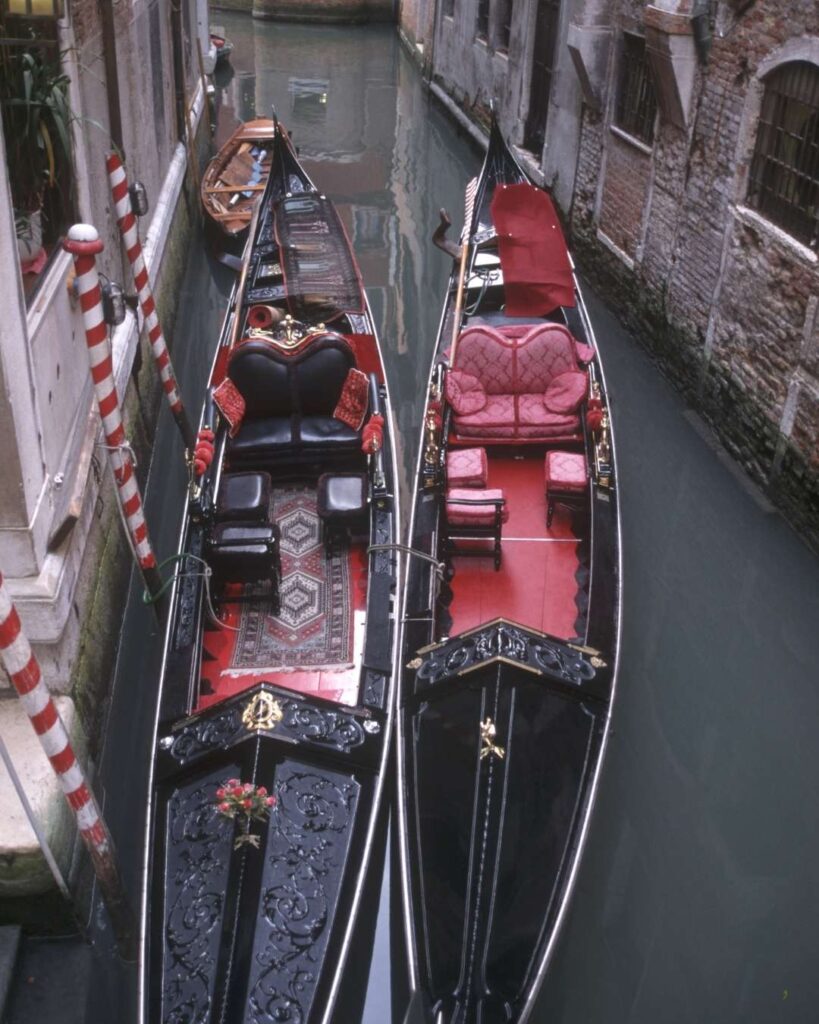
Everyone wants a gondola ride. It is the quintessential Venetian experience, the one you have dreamed about since you first saw a postcard of this city. But the way most tourists do it is completely wrong.
The typical approach is to walk to the Grand Canal near the Rialto Bridge, find a gondola station with a long line of tourists, and pay eighty euros for a thirty-minute ride through the busiest, most chaotic waterway in the city. You will spend your ride dodging vaporettos and water taxis, listening to the roar of motorized traffic, and sharing the canal with dozens of other gondolas packed with equally disappointed tourists.
There is a better way.
Take your gondola ride in the evening, ideally around sunset. The canals are quieter, the light is soft and golden, and the city takes on a completely different character. Choose a gondola station in Cannaregio or Dorsoduro rather than the Grand Canal. The smaller canals are more intimate and atmospheric, and you will not spend half your ride worrying about being run over by a water bus.
The price is fixed across the city, so you will not save money by choosing a different location. But you will have a completely different experience. Our evening ride through the quiet canals of Cannaregio remains one of the most beautiful memories of our time in Venice. The gondolier barely spoke, which was perfect. The only sounds were the splash of the oar and the distant bells of a church, and the city felt like it belonged entirely to us.
Also, do not fall for the upselling. The gondoliers will offer you singing, commentary, and extended routes, all at an additional cost. The singing is generally mediocre. The commentary is usually memorized and impersonal. The standard thirty-minute route is plenty. Save your money for dinner and enjoy the ride for what it is.
4. Visiting in August
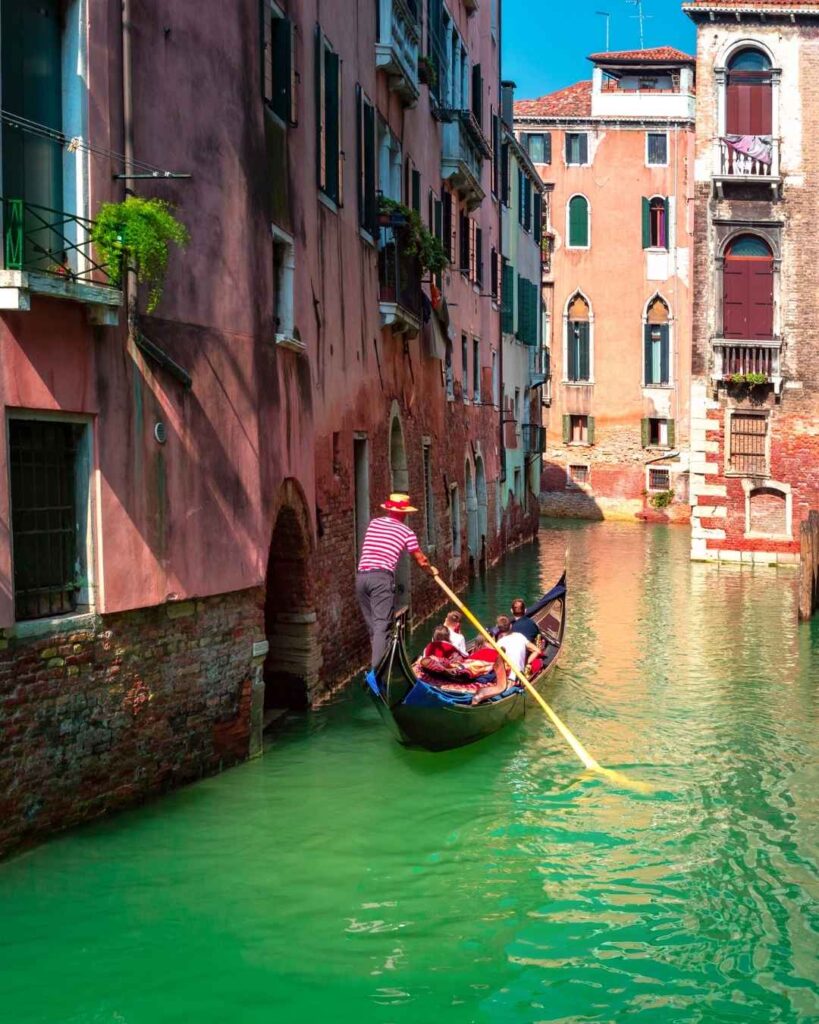
There is no way to sugarcoat this. August in Venice is a nightmare.
The heat is oppressive, with temperatures regularly exceeding thirty degrees and humidity that makes it feel even hotter. The crowds are at their absolute peak, with tens of thousands of tourists descending on the city every day from cruise ships and trains. The canals can develop a noticeable odor in the still, hot air. The queues for the major sights stretch for hours. The restaurants are packed, the vaporettos are sardine cans, and the narrow alleyways become human conveyor belts.
I have been to Venice in August, and I do not recommend it to anyone. If you have no choice, if your travel dates are fixed and you cannot change them, then you can still have a good time. You just need to adjust your expectations and your schedule. Get up early. Be at St. Mark’s Square by seven in the morning, before the cruise ship crowds arrive.
Spend the middle of the day indoors in air-conditioned or naturally cool museums and churches. Emerge again in the evening when the heat breaks and the day-trippers have departed. It is possible to enjoy August in Venice, but it requires discipline and patience.
The better option is to choose a different time. April through June is glorious, with mild weather, blooming gardens, and manageable crowds. September and early October are equally wonderful, with warm waters and the first hints of autumn color. Even November and February have their charms, with lower prices and far fewer tourists, though you will need to pack for cold, damp weather and be prepared for the possibility of acqua alta. The perfect Venice trip begins with the right timing.
5. Not Booking Anything in Advance
Venice is a city of queues. The queues for St. Mark’s Basilica, the Doge’s Palace, the Accademia Gallery, and the Peggy Guggenheim Collection can stretch for over an hour in peak season. People stand in the hot sun or the cold rain, shuffling forward a few inches at a time, watching precious vacation minutes tick away.
This is entirely avoidable.
Almost every major attraction in Venice offers online booking with timed entry slots. You pay a small premium, often just a couple of euros, and in exchange, you walk straight past the queue and into the building. The time you save is enormous, and the frustration you avoid is priceless.
Book your tickets before you leave home, or at least a day or two in advance. The same applies to gondola rides if you want a specific time, and to the islands if you are booking a guided tour.
Some people resist this because they want to keep their itinerary flexible. I understand that instinct, especially in a city like Venice, where spontaneity is part of the pleasure. But the reality is that the queues are not flexible. They are fixed, and they are long, and they will eat your time whether you like it or not. Book the big attractions in advance, and save your spontaneity for the smaller moments, the wandering and exploring that cannot be planned.
6. Trying to Save Money on Accommodation in Mestre

Mestre is the mainland city just across the bridge from Venice. It is cheaper. The hotels are larger and more modern. The train connections are excellent. On paper, it seems like a sensible choice for budget-conscious travelers.
Do not stay in Mestre.
I understand the appeal of saving money. Venice accommodation is expensive, and staying on the mainland can cut your costs significantly. But you will pay for those savings in other ways. You will lose the magic of waking up in the floating city, of stepping out your door into the maze of canals and bridges.
You will spend time and money commuting back and forth, shuttling on buses and trains that eat into your precious days. You will miss the evenings entirely, because the last train back to Mestre leaves early and you will always be watching the clock.
I have made this mistake myself, and I regretted it immediately. The experience of Venice is immersive, and you cannot immerse yourself from ten kilometers away. Stay on the islands, even if it means a smaller room or a less central location. Stay in Cannaregio or Castello if San Marco is too expensive. Stay in Dorsoduro for the artsy vibe or Giudecca for the views and the peace.
But stay in Venice itself. The extra cost is worth it, and you will not remember the money you saved. You will remember the evenings you spent wandering the canals, the mornings you woke to the sound of church bells and water lapping against the stone.
I have written a separate article about the best areas to stay in Venice. Read it here
7. Only Visiting the Tourist Sights
Venice has some of the most spectacular attractions in the world. St. Mark’s Basilica is a treasure of Byzantine art. The Doge’s Palace is a masterpiece of Gothic architecture. The Peggy Guggenheim Collection is one of Europe’s finest modern art museums. They are all worth visiting, and this itinerary includes them for good reason.
But if you only visit the tourist sights, you will miss the real Venice.
The heart of the city is not in the monuments. It is in the neighborhoods where people actually live. It is in Cannaregio, where grandmothers hang their laundry between windows and children play football in the campi.
It is in Castello, where the streets are wide enough for the locals to walk their dogs and the restaurants serve food made for Venetians, not tourists. It is in Dorsoduro, where students gather in Campo Santa Margherita and the art galleries feel like hidden secrets.
Set aside time to simply wander. Put away your map. Leave the main thoroughfares. Walk down a narrow alley just because it looks interesting. Cross a bridge that no one else seems to be crossing. Find a quiet square with a well in the center and a cat sleeping in the sun. These are the moments that will stay with you, the moments that define your Venice, not the photos you took in front of the Rialto Bridge.
The best afternoon of our trip was not in any museum. It was spent wandering through the backstreets of Castello, discovering a tiny workshop where a craftsman was restoring antique frames, finding a hidden courtyard that seemed untouched by the centuries. Venice rewards the curious and the patient. Do not just see the sights. Experience the city.
8. Buying Glass on Murano Without Knowing What You Are Looking At
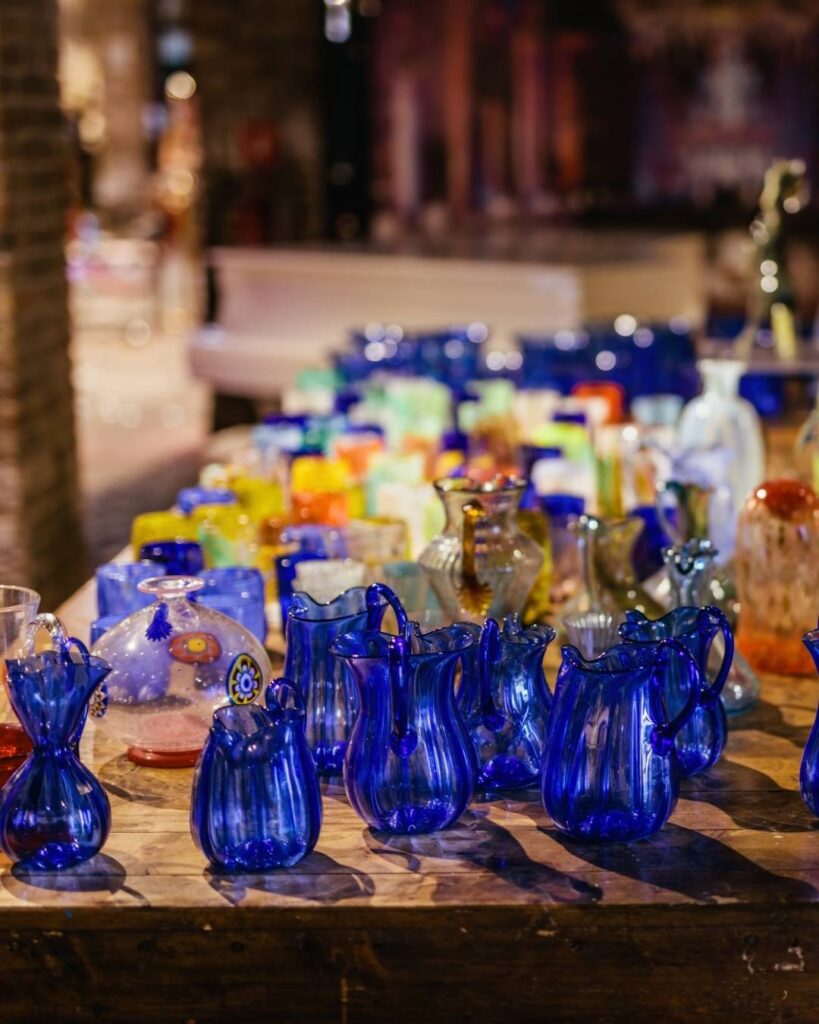
Murano glass is world-famous, and buying a piece as a souvenir seems like the perfect thing to do. The island is beautiful, the glassblowing demonstrations are fascinating, and the showrooms are filled with stunning objects in every color imaginable.
But there is a trap, and it is an expensive one.
Many of the shops on Murano sell glass that was made elsewhere, often in China or Eastern Europe, and imported to Venice for sale to tourists. The quality is poor, the colors are flat, and the pieces are mass-produced. You will pay high prices for something that is not even Venetian, and you will carry it home as a souvenir of a deception.
The solution is to buy from a reputable workshop that has its own furnace on the premises. You can watch the glass being blown, see the artisans at work, and know that what you are buying is authentic. The prices will be higher, but you are paying for craftsmanship, not import costs.
Look for the workshops with their own furnaces, not the showrooms that are clearly retail outlets. Ask questions. The artisans are usually happy to explain their techniques and the history of the craft.
If you are not ready to make a major investment, consider buying a small piece, a glass bead or a simple vase, from a local artisan. The smaller pieces are more affordable and still beautiful, and you can carry them home without worrying about them breaking. Just make sure you know what you are buying.
9. Refusing to Try the Local Food Because It Sounds Strange
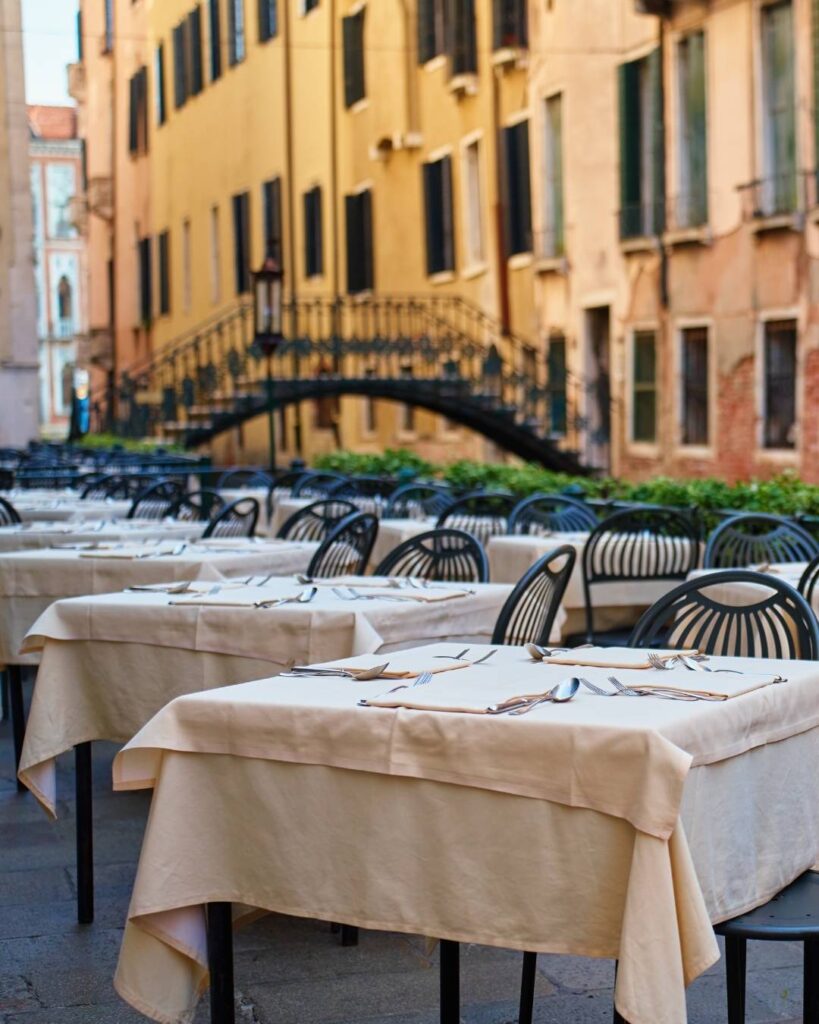
The food in Venice is distinctive, and it is not always immediately appealing to visitors. The menus are full of strange names: cuttlefish in its own ink, sardines marinated in vinegar and onions, polenta served as a base for any number of seafood dishes. Some people look at these offerings and order the pizza. They are making a mistake.
Venetian food is not Italian food. It is a regional cuisine shaped by the lagoon and the trade routes, a cuisine of seafood and spices and ingredients that arrived on ships from the East. The food is not complicated, but it is deeply rooted in place. The sarde in saor is a perfect example, with its combination of sweet and sour that comes from the marinade of vinegar and raisins.
The risotto al nero di seppia is a dramatic black dish made from cuttlefish ink, creamy and briny and utterly delicious. The fegato alla veneziana is a traditional liver dish cooked with onions, a specialty that Venetian grandmothers have been making for centuries.
Try these dishes. Even if they sound strange, even if they look unusual, trust the Venetian cooks who have been perfecting them for generations. You may not love everything you taste, but you will gain a deeper understanding of this city and its culture. And you might just discover a new favorite.
The same applies to the cicchetti, the small snacks that Venetians eat with their drinks in the bacari. These are not just appetizers. They are a way of life, a tradition of socializing over small plates of seafood, polenta, and cured meats. Join the locals in the evening, stand at the bar with a glass of wine, and sample a few cicchetti. It is one of the best experiences Venice has to offer, and it costs very little.
10. Not Dressing Correctly for the Churches
This is a small mistake, but it can cause genuine frustration. The major churches of Venice, including St. Mark’s Basilica, enforce a strict dress code. You must cover your shoulders and your knees. This applies to both men and women, and the guards at the door will turn you away if you are not dressed appropriately.
I have seen people travel all the way to Venice only to be denied entry to the basilica because they were wearing shorts or a tank top. The guards are not flexible. They have heard every excuse, and they do not care. You will be sent away, and you will have wasted your time and your precious vacation minutes.
The solution is simple. Carry a lightweight scarf like this one or a shawl in your day bag. If you are wearing shorts or a sleeveless top, drape the scarf over your shoulders and wrap it around your knees. It takes thirty seconds and solves the problem completely. The same approach works for women visiting the Vatican or any other Italian church with similar rules.
If you are visiting in summer, when the heat makes you want to wear as little as possible, this preparation is especially important. You can still dress comfortably, but always have a cover-up with you. The churches are some of the most beautiful sights in Venice, and it would be a shame to miss them because you forgot a scarf.
11. Trying to Walk Everywhere With Heavy Luggage
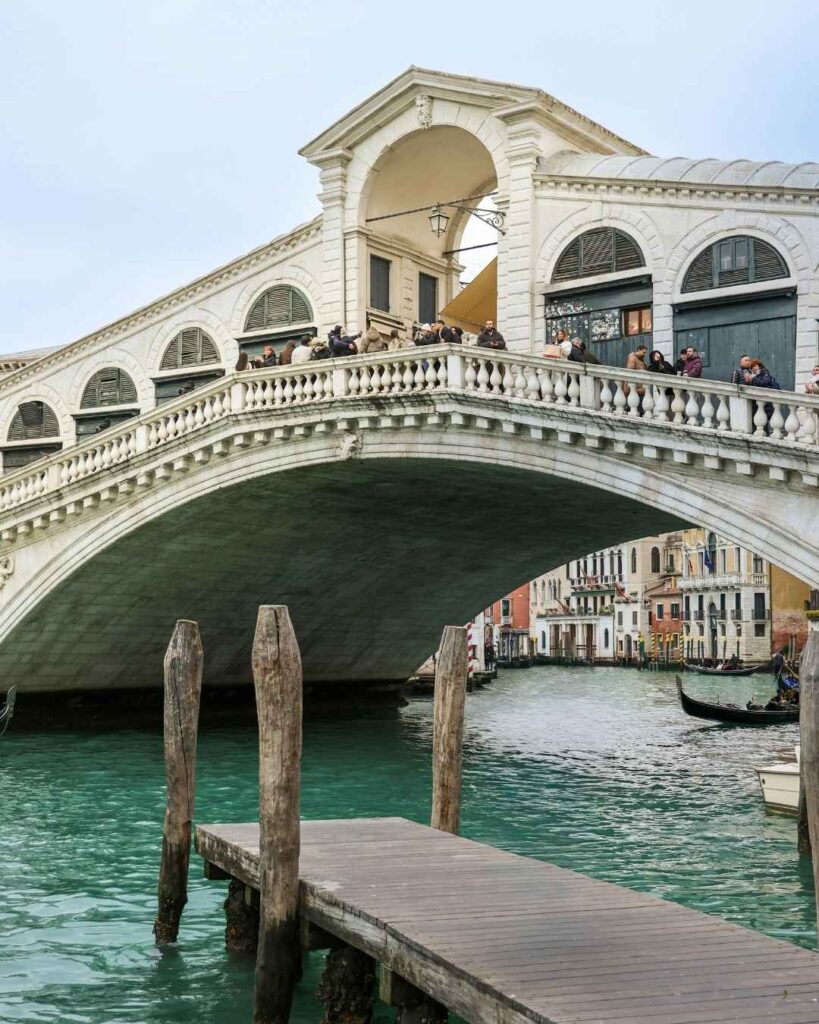
Venice has no cars. This is one of its greatest charms and also one of its biggest practical challenges. When you arrive, you will need to get from the train station, the airport, or the car park to your hotel. That means walking across bridges and through narrow alleys, dragging your luggage behind you.
This is not impossible, but it can be exhausting and frustrating. Some of the bridges have steps. The cobblestones are uneven. The streets are narrow and crowded. I have seen many people arrive with enormous suitcases, their faces red and sweating as they struggle across the Rialto Bridge, blocking traffic and cursing under their breath.
The solution depends on your budget and your preferences. If you can afford a water taxi, take one. The drivers will collect you at the airport or the train station and deliver you directly to your hotel’s dock. The cost is high, usually in the range of one hundred euros, but for the convenience and the sheer glamour of arriving in a private water taxi, it can be worth every euro.
If you are on a budget, travel light. A single carry-on bag per person is ideal for Venice. You can manage it easily on the vaporettos, and you can carry it across bridges without breaking a sweat. Leave the large suitcase at home. You will not need it, and you will be grateful for the lighter load.
If your budget is moderate, consider using the luggage storage facilities near the train station or the car parks. Drop your bags, explore the city unencumbered, and collect them later when you are ready to check into your hotel. Many hotels also offer early check-in or luggage holding, so ask ahead.
The key is to think about your luggage before you arrive. Venice is not Paris or Rome, where you can wheel a suitcase along smooth pavements. It is a city of stairs and bridges and narrow passages, and your luggage will be a burden. Travel smart, travel light, and you will have a much better experience.
Read more about choosing a travel bag for Italy in this post.
12. Not Checking the Acqua Alta Forecast
Acqua alta is high water, the seasonal flooding that affects Venice during the autumn and winter months. It is a natural phenomenon, caused by a combination of high tides, strong winds, and the rising sea levels that threaten the city. For visitors, it can be a major disruption.
I have arrived in Venice during an acqua alta event, and it was not pleasant. The water rises through the drains and the storm drains, flooding the lowest parts of the city, including St. Mark’s Square. The boardwalks go up, the tourists put on their plastic booties, and the whole experience becomes a muddy, wet slog.
The forecast for acqua alta is published in advance. You can check the tide levels online before you leave and plan accordingly. If you are visiting between October and March, you should be aware of the risk and be ready to adapt. Pack waterproof footwear, or be prepared to buy the plastic booties that the vendors sell during flood events. Accept that some areas will be inaccessible and some plans will need to change.
But do not let acqua alta ruin your trip. Venice has been dealing with flooding for centuries, and the city still functions. The museums and churches remain open. The restaurants continue to serve food. The gondoliers still take passengers through the canals. It is different, yes, and it is less comfortable, but it is still Venice, and it is still magical.
13. Believing the Negative Hype
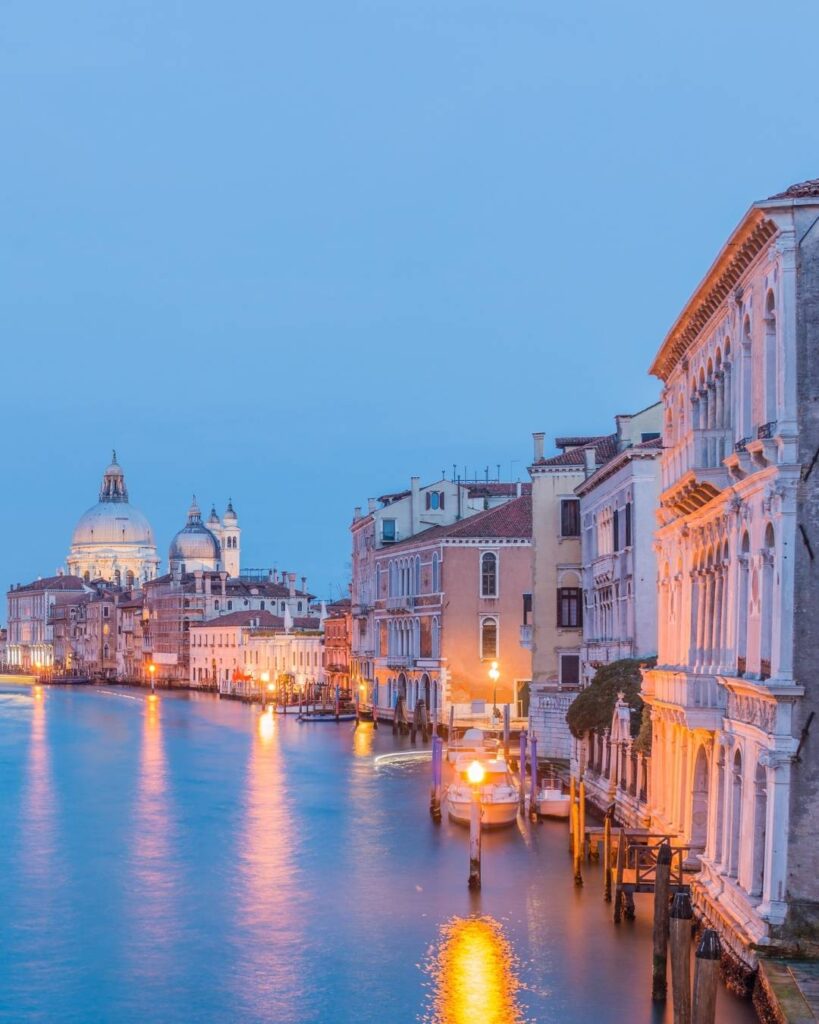
This is the mistake to avoid, and it is also the hardest to notice. There is a narrative about Venice that has become popular in recent years. The city is overcrowded. The locals are leaving. The cruise ships are destroying the lagoon. The entire place is slowly sinking. Some people read these stories and decide not to visit at all. Others arrive with their expectations lowered, primed to be disappointed.
I understand the concerns, and many of them are valid. Venice faces real challenges, and the future of the city is uncertain. But here is the truth: Venice remains one of the most beautiful and unique places on earth. The challenges do not erase the magic. They make it more precious.
If you arrive expecting a disaster, you will find one. If you arrive expecting the city of your dreams, you will find that too. Venice has been a tourist destination for centuries, and it has always been crowded. The difference is not the city. It is your attitude and your approach.
Stay on the islands. Visit in the shoulder seasons. Get up early and stay out late. Wander the backstreets and eat where the locals eat. Ignore the naysayers and the negative headlines. Venice is not dead. It is not ruined. It is still the floating city, the queen of the Adriatic, the most beautiful impossibility in all of Europe.
Let yourself fall in love with it. The city deserves that.
NOTE BEFORE YOU GO: Italy rewards travelers who go prepared. And it is easy to ruin your trip. I have a checklist for you of things you should never go to Italy without. CHECK IT OUT HERE. I have also curated a list of some of the best hotels in Italy. I would highly recommend checking them out before booking. THESE ARE THE BEST HOTELS IN ITALY. And for unique experiences, attractions, and tours, don’t book before CHECKING THIS OUT. Thank me later!