

Five ancient fishing villages, painted in sun-bleached pastels, that cling to cliffs that plunge dramatically into the impossibly blue Ligurian Sea. That’s Cinque Terre. Among the most stunning places in Italy.
But here is the uncomfortable truth that most guidebooks won’t tell you: The Cinque Terre can be utterly overwhelming. During the summer months, the narrow footpaths become conveyor belts of humanity. The trains are packed shoulder-to-shoulder. The famous hiking trails resemble queues more than scenic walks. And many visitors leave feeling they’ve checked boxes rather than experienced the profound beauty that drew them here in the first place.
I wrote this guide because the Cinque Terre deserves better than that. With the right approach, the right timing, and the right itinerary, you can experience the magic that has made this stretch of coastline one of the most treasured destinations on earth.
Whether you have two days or four, this guide will show you exactly how to craft the perfect Cinque Terre experience. Let’s begin.
Before you read further, remember that Italy rewards travelers who come prepared. I’ve found a few things especially useful on an Italy trip, and they’re worth having and/or knowing beforehand. See the checklist here. Also, if you want me to plan an Italy trip for you that you will never forget, drop me a message here
Getting to Know the Five Villages
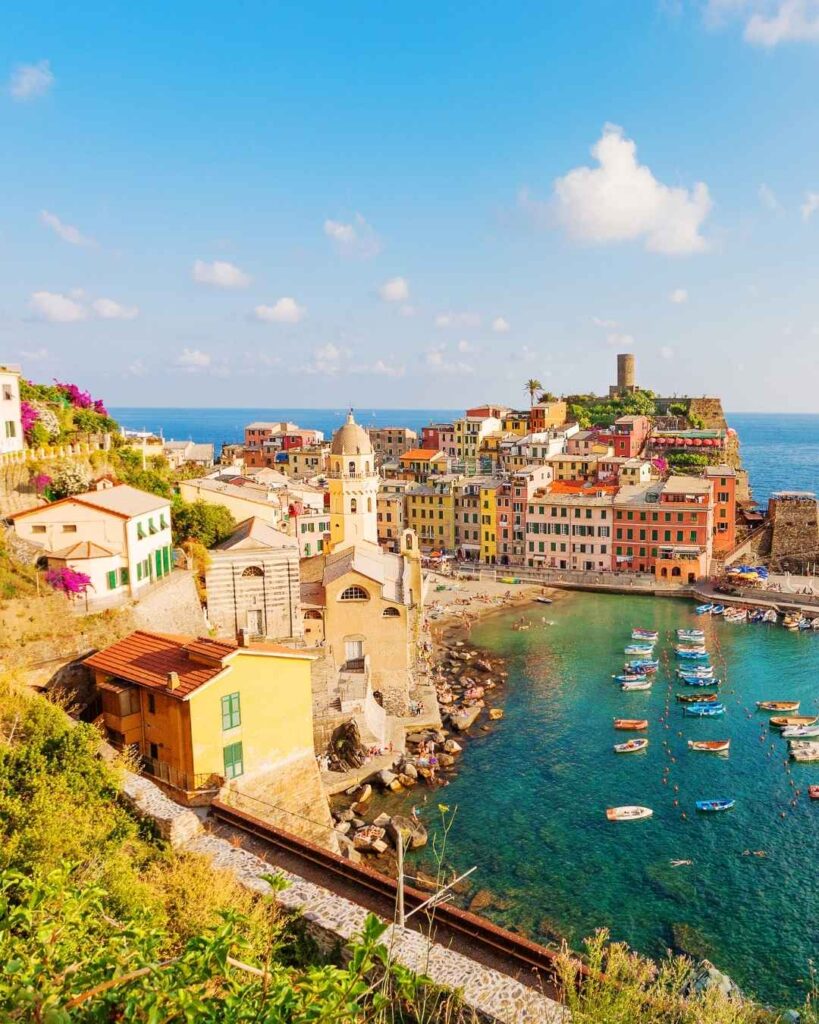
Before you start planning your days, you need to understand what makes each village distinct. They are grouped together as a single destination, but treat them as separate personalities, each with its own rhythm, its own charm, and its own reasons to linger.
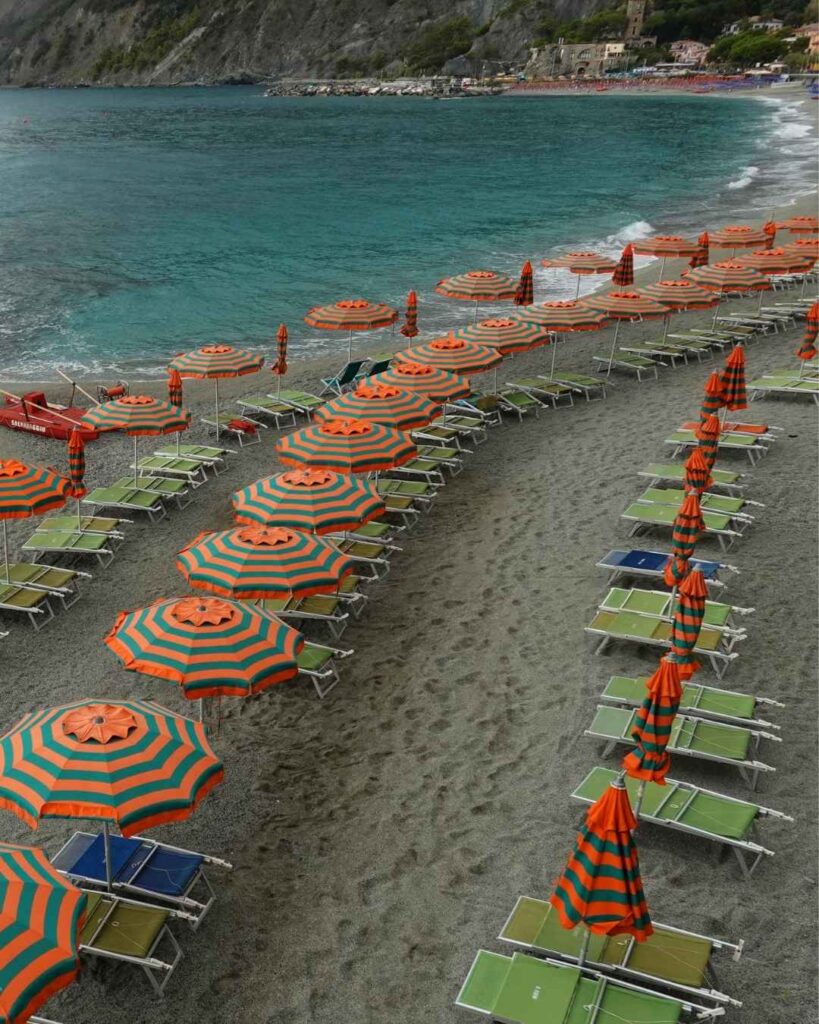
Monterosso al Mare is the largest and most accessible of the five. It is the only village with a proper sandy beach, complete with rows of striped umbrellas and beach clubs where you can spend a lazy afternoon. The village is split into two halves connected by a tunnel, and the old section feels like stepping back in time, with its narrow streets and ancient tower.
The statue of Neptune, a giant figure rising from the shoreline, has become an iconic symbol of the village. Monterosso is also famous for its lemons, and the local limoncino, a sweet lemon liqueur, makes a perfect digestif after a seafood dinner.
Vernazza is arguably the most photogenic of the five, and it is easy to see why. The natural harbour is shaped like a perfect crescent, with pastel-coloured houses clustered around a lively piazza where fishing boats bob in the water. The ruins of Doria Castle loom above, offering panoramic views that will make your camera work overtime.
The Church of Saint Margaret sits right at the water’s edge, its stone bell tower reflected in the sea. Vernazza feels intimate and romantic, the kind of place where you could easily lose an entire afternoon simply watching the light change on the water.
Corniglia offers something different entirely. It is the only village not directly on the sea, perched instead on top of a hundred-metre-high promontory. To reach it, you must climb the Lardarina staircase, three hundred and seventy-seven steps that test your fitness but reward you with peaceful streets and sweeping views.
Corniglia is quieter than its neighbours, a place where you can escape the crowds and feel like you have discovered something of a secret. The surrounding vineyards produce some of the region’s best wines, and the sunsets from the Belvedere di Santa Maria are nothing short of spectacular.
Manarola is perhaps the most romantic of the five villages. Its colourful houses seem to tumble down the cliff towards the tiny harbour, creating the classic postcard view that has made the Cinque Terre famous worldwide. The village is known for its vineyards and for Sciacchetrà, a sweet dessert wine that pairs beautifully with the local almond biscuits.
The Punta Bonfiglio lookout offers the quintessential view that you have seen in a thousand photographs, but seeing it in person is an entirely different experience, one that will stay with you long after you have returned home.
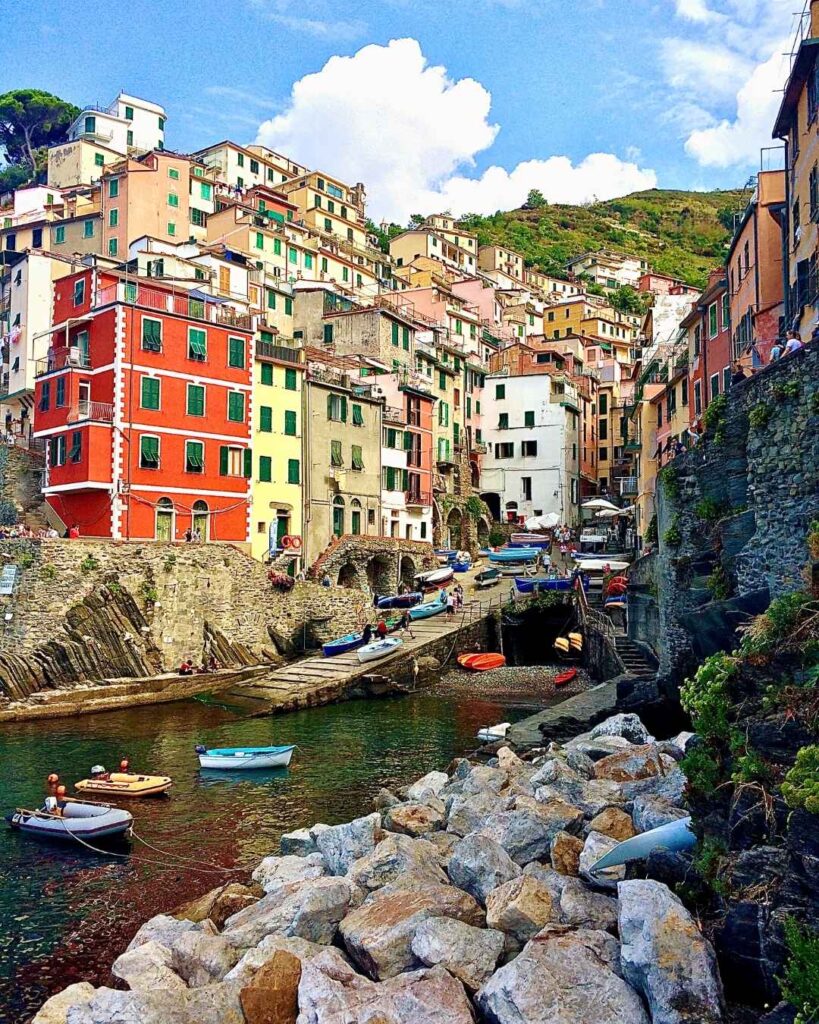
Riomaggiore is the southernmost village, and it greets visitors with a dramatic ravine filled with stacked houses that climb steeply towards the hills. The tiny harbour is a splash of colour and activity, with fishing boats and kayaks competing for space.
Riomaggiore has the liveliest nightlife of the five villages, making it popular with younger travellers, but it also offers some of the best swimming spots along the coast, with natural rock pools that are perfect for cooling off on a hot afternoon.
How Many Days Do You Actually Need?
This is the question that plagues every traveller planning a trip to the Cinque Terre, and the answer depends entirely on what you want from your experience.
A single day is enough to see all five villages, but that is precisely what you will do: see them. You will spend more time on trains than enjoying the scenery, and you will leave with photographs but little sense of the place. It is the equivalent of speed dating a region that deserves a long, slow courtship.
Two days is the minimum for a fulfilling visit. With two days, you can explore all five villages without feeling rushed, enjoy the best viewpoints, taste the local seafood, and witness at least one sunset over the Ligurian Sea. You will have time to walk sections of the famous coastal trail and take a boat ride for a different perspective of the coastline.
Three days is where the magic really happens. You can slow down significantly, hike more challenging trails away from the crowds, take a cooking class, or simply spend an afternoon reading a book on the beach. Three days allow you to discover the hidden corners that day-trippers miss.
Four days or more offer the luxury of true exploration. You can discover lesser-known spots like Portovenere, take day trips to nearby La Spezia, or even venture further afield to Pisa. You can embrace the Italian art of doing nothing, sitting in a piazza with a glass of wine and watching the world go by.
The Perfect Timing for Your Visit
The Cinque Terre experiences dramatic shifts in both weather and crowds throughout the year, and choosing the right time to visit can transform your experience.
Spring, from April to May, is arguably the ideal time for first-time visitors. The hillsides are carpeted with wildflowers, the temperatures are perfect for hiking, and the crowds are manageable. You will share the trails with other travellers, but you will not feel like you are in a human conveyor belt.
Summer, from June to August, brings the peak crowds and the peak heat. This is when the ferries run most frequently, and swimming is at its best, but you will contend with maximum visitor numbers and higher prices. The villages become overwhelmed, and the famous trails can feel more like city streets than coastal paths.
Autumn, from September to October, offers another sweet spot. The weather remains pleasant, the fall foliage adds visual interest to the vineyards, and the crowds thin out significantly after the Italian August holidays. This is our top recommendation for a serene experience, a time when you can truly appreciate the beauty without fighting for space.
Winter offers solitude but comes with limitations. Many seasonal businesses close for the season, ferry routes stop running, and trail closures are common due to weather conditions. But if you want the villages almost entirely to yourself, winter delivers that experience.
The Essential Visitor Cards You Will Need
You cannot simply wander onto the famous coastal trails. The Cinque Terre National Park requires visitors to purchase a card that supports trail maintenance and visitor services.
The Cinque Terre Trekking Card grants access to the park’s paid hiking trails, including the famous Sentiero Azzurro that connects all five villages. It includes unlimited use of ATC buses within the villages, free restroom access at railway stations, and occasionally guided tours. It does not include train travel between villages.
The Cinque Terre Treno MS Card includes all Trekking Card benefits plus unlimited second-class train travel on regional trains between Levanto and La Spezia. This is the better value option for most visitors, as you will likely use trains extensively between villages.
Pricing varies by season and duration. A one-day adult card ranges from approximately twenty to thirty-three euros depending on the time of year, while two-day options span from thirty-four to fifty-nine euros. The Via dell’Amore, the famous path between Riomaggiore and Manarola, requires an additional Plus version due to its timed-entry ticketing system.
Getting There and Getting Around

Most visitors arrive by train, and this is the method we recommend. The Cinque Terre Express runs every fifteen minutes from March to November, connecting all five villages with Levanto to the north and La Spezia to the south. Florence, Pisa, Genoa, and Milan are all within a few hours by rail, making the Cinque Terre easily accessible from Italy’s major cities.
If you are flying in, Pisa Airport is the most convenient option. From there, you can take a direct train to La Spezia in approximately ninety minutes, then transfer to the Cinque Terre Express.
Leave your car behind. The villages have restricted vehicle access, parking is extremely limited, and driving the winding coastal roads is more stressful than it is worth. The train system is efficient, frequent, and the only sensible way to explore this region.
In summer, ferries run along the coast, connecting four of the five villages, all except hilltop Corniglia. The boat ride offers a breathtaking perspective of the coastline that you simply cannot get from land, and we highly recommend incorporating a ferry ride into your itinerary.
The Two-Day Essential Itinerary
This itinerary is designed for those who want to see the highlights efficiently without feeling like they are rushing through the experience.
Your first day begins in Monterosso al Mare, the largest and most accessible village. Start your morning with a proper Ligurian breakfast of focaccia and cappuccino, then take a stroll along the promenade at Spiaggia Fegina, pausing to admire the giant statue of Neptune that marks the beach’s end.
If you are feeling ambitious, hike the scenic Sentiero Azzurro from Monterosso to Vernazza. This two-and-a-half-mile section takes about ninety minutes to two hours, winding through rugged coastline, olive groves, and terraced vineyards that offer postcard-perfect views at every turn.
Arrive in Vernazza and explore its colourful harbour. Climb to Doria Castle for panoramic views that will make you forget your tired legs, then enjoy a seafood lunch at one of the restaurants overlooking the piazza. The seafood pasta here is exceptional, and the local white wine pairs beautifully with whatever comes out of the kitchen.
In the late afternoon, take the train to Corniglia and climb the Lardarina staircase to reach the clifftop village. Wander its charming alleyways, rewarded with sweeping coastal views from the Belvedere di Santa Maria. This is the quietest of the villages, and the peacefulness is a welcome respite from the livelier harbours.
Return to Vernazza for sunset. Find a spot by the harbour, order an aperitivo, and watch as the sky turns pink and gold over the Ligurian Sea. Dinner should be seafood fresh off the fishing boats, served with a view of the harbour lights reflecting on the water.
Your second day begins in Manarola, arguably the most photogenic village of the five. Walk up to the famous viewpoint at Punta Bonfiglio for that classic postcard view, then follow the Via dell’Amore to Riomaggiore if the path is open. This cliffside walkway has been closed for years due to landslides, but sections reopened in 2024 with a timed ticketing system. If it is closed, simply take the train instead.
Explore Riomaggiore’s pastel-hued streets and visit the small marina. Climb to the thirteenth-century Castello di Riomaggiore for stunning coastal views, and if the weather is warm, go for a swim or rent a kayak to see the coastline from the water. Finish your trip with a sunset boat tour or a dinner with a view over the Ligurian Sea, toasting your two-day adventure with a glass of Sciacchetrà.
The Three-Day Immersive Itinerary

Three days allow you to slow down, hike more, and truly absorb the rhythm of the Cinque Terre. This is our recommended itinerary for most travellers.
Your first day begins with a morning swim at Spiaggia Fegina in Monterosso, the largest sandy beach in the region. Then hike the Sentiero Azzurro to Vernazza, a ninety-minute to two-hour walk that rewards you with the stunning approach to Vernazza’s natural harbour.
Cool off with a spritz, then climb to Doria Castle for panoramic views. Explore the backstreets of Vernazza, where family-run trattorias serve traditional Ligurian dishes. Book a table at a cliffside restaurant for dinner, watching the sun dip behind the horizon as you savour fresh seafood and local wine.
Your second day starts in Corniglia, the quietest village. Take the Lardarina staircase up and enjoy breakfast with freshly baked focaccia. Visit St Peter’s Church, a fourteenth-century Gothic church with a beautiful marble rose window. Instead of taking the crowded coastal trail, consider the alternative Corniglia to Volastra hike, a two-hour route that winds through ancient vineyards and olive groves, offering spectacular views without the tourist crowds.
Take the train to Manarola in the afternoon and cool off with a swim in the natural rock pools below the village. In the evening, find a tucked-away wine bar with sunset views and local Sciacchetrà wine, quieter than the famous tourist spots but just as magical. Dinner should be at one of Manarola’s hidden backstreet trattorias, where the handmade seafood pasta is unforgettable.
Your third day begins in Riomaggiore with a local breakfast and a wander through steep alleys before heading to the tiny harbour, where fishing boats line up in a perfect splash of colour. Take the short but steep hike to the Santuario della Madonna di Montenero for one of the best viewpoints in the region, where you can see all five villages without the usual crowds.
In the afternoon, take to the water instead of hiking. Rent a kayak and paddle along the coast, discovering hidden caves and rocky coves you cannot reach on foot. Or hop on a boat tour that cruises past all five villages for a completely different perspective from the sea. For your final meal, choose a restaurant with sunset views and end your three days with a glass of Sciacchetrà, the perfect toast to an unforgettable experience.
The Four-Day Deep Dive Itinerary
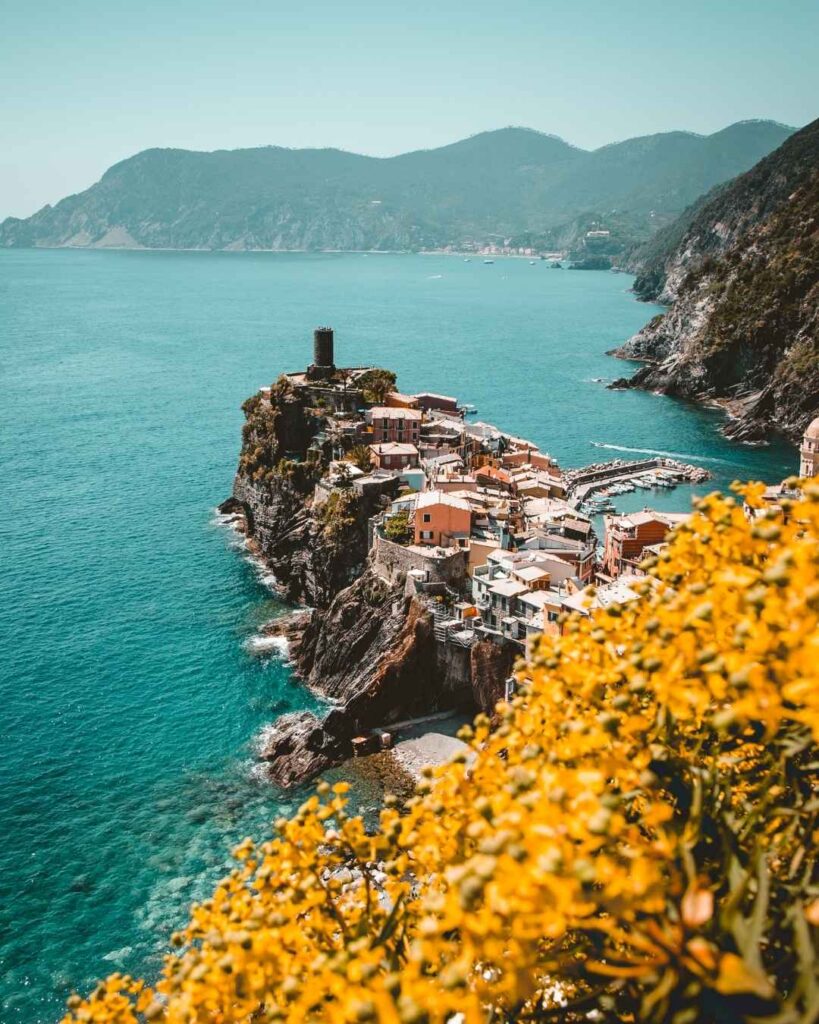
With four days or more, you can escape the crowds entirely and discover the hidden depths of the Cinque Terre. This is for travellers who truly want to immerse themselves.
Your first day begins in Monterosso with a morning swim, then a short hike to the Sanctuary of Soviore, one of the oldest religious sites in Liguria. The climb is steep, but the panoramic views over the coast are stunning. From there, follow the ridge-top trail to Vernazza, a less-travelled route offering spectacular scenery without the tourist crowds. Skip the main piazza in Vernazza and take a detour into the backstreets.
Explore the hidden cove near the harbour, walking past the breakwater to find a quiet swimming spot where locals go to cool off.
Your second day starts with the views from Santa Maria Belvedere in Corniglia, then a hike to Volastra through ancient vineyards and olive groves. Unlike the heavily trafficked Blue Trail, you will have stretches of this path completely to yourself.
Arrive in Volastra for a lunch of traditional Ligurian seafood and fresh bread, then take the steep downhill path to Manarola for a swim in natural rock pools. In the evening, find a family-run restaurant in Manarola’s backstreets where you can watch the sun set over the coast.
Your third day begins in Riomaggiore with a visit to the Castello di Riomaggiore, a medieval fortress offering stunning coastal views. In the afternoon, take a boat trip to Portovenere, a sophisticated coastal town just south of the Cinque Terre that once attracted poets like Byron and Shelley.
This hidden gem in the Gulf of Poets offers a more refined experience than the five villages, with elegant churches and a beautiful promenade that feels worlds away from the crowds.
Your fourth day is entirely at your own pace. Revisit a favourite village, tackle another hike, or simply embrace la dolce vita on the beach. Consider a cooking class to learn how to make Liguria’s famous pesto and fresh trofie pasta by hand. This is your day to do exactly what you want, to linger where you please, and to say goodbye to this magical stretch of coastline on your own terms.
Hiking the Cinque Terre Trails

The Cinque Terre’s network of trails is legendary, but navigating it requires knowledge and preparation. The national park includes dozens of trails covering more than seventy-five miles, with approximately forty-eight walking paths ranging from easy tourist strolls to challenging mountain routes.
The most famous is the Sentiero Verde-Azzurro, or Blue Trail, a twelve-kilometre route connecting all five villages along the coast. This requires a Cinque Terre Card for access, and you can walk in either direction. Starting from Riomaggiore offers easier downhill walking, while starting from Monterosso offers lovelier views of the villages upon approach.
The Via dell’Amore between Riomaggiore and Manarola is another highlight. Closed for twelve years after a massive landslide in 2012, it reopened in 2024 with a new accessible entrance and a timed ticketing system. The path offers spectacular views and is a must-do if it is open during your visit.
Before setting out on any hike, check trail conditions. Winter rains often cause landslides, and trails may close during orange and red weather alerts. Wear proper footwear, closed and waterproof with non-slip soles. You can be fined for wearing inappropriate footwear on the trails.
Bring supplies, as there are no restrooms, information points, or food stands along the trails outside of the villages. Purchase your Cinque Terre Card in advance online or at trail access points, and avoid hiking in the summer heat by setting out early in the morning to beat both the sun and the crowds.
Where to Eat and What to Eat

Ligurian cuisine is seafood-heavy, with pesto as the undisputed local star. The basil that grows on these hillsides has a sweetness and intensity that you simply cannot find elsewhere, and the pesto made here is the gold standard against which all other pesto should be measured.
Trofie al pesto, a short twisted pasta that holds the sauce perfectly, appears on nearly every menu and should be ordered at least once during your stay. Other must-try dishes include seafood pasta with local clams, scampi, and squid, anchovies marinated in lemon and olive oil, fresh focaccia that Ligurians consider breakfast food, and Sciacchetrà, the region’s sweet dessert wine that pairs beautifully with almond biscuits.
In Monterosso, seek out the family-run trattorias for shared seafood mains and the best focaccia in the region. The anchovies here are legendary, served simply with olive oil and lemon. In Vernazza, the cliffside restaurants offer dining with the sea crashing beneath, but you must book in advance during peak season. The seafood pasta here is exceptional, and the local white wine is the perfect accompaniment.
In Corniglia, the tiny trattorias have a cult following for their pesto, and the terraces overlooking the vineyards offer a peaceful dining experience away from the harbour crowds. In Manarola, the backstreet restaurants serve the best seafood pasta in the region, and the wine bars offer sunset views without the tourist chaos. In Riomaggiore, the seafood risotto is memorable, and the hyper-local wines are worth seeking out for their unique character.
Smart Travel Tips for an Unforgettable Trip
The Cinque Terre is beautiful, but it can also be challenging if you do not plan carefully. The crowds are the biggest challenge, and the best way to avoid them is to visit during the shoulder seasons of April to May or September to October. If you must visit in summer, start your activities early and book restaurants in advance.
The villages are transformed once the day-trippers leave, and staying overnight allows you to experience the magical atmosphere of the villages after dark.
Book your accommodation well in advance, especially for the summer months. Each village offers different advantages. Monterosso has the most hotel options and the only proper beach. Vernazza is the most picturesque with excellent dining.
Corniglia is the quietest and most peaceful. Manarola is the most romantic and wine-focused. Riomaggiore offers the liveliest atmosphere and the best nightlife. Choose based on your priorities, but book early.
Pack sturdy walking shoes or hiking boots like these ones, sun protection, swimwear for sudden dips in the sea, a water bottle, light layers for changing weather, and a power bank for your camera. You will take more photographs than you expect.
Purchase a Cinque Terre Card for access to trails and trains. It saves money and supports trail maintenance. Visit during Green Rate periods for lower prices, and take advantage of family cards for significant savings. Eat where locals eat, and avoid the tourist-facing restaurants with pictures on their menus. The family-run trattorias offer better value and more authentic food.
Related article: These are the best areas to stay in Cinque Terre
Again, feel free to go through the list below of my Italy recommendations that I have crafted after years of travel to this beautiful country:
- Packing List: Things Not to Go to Italy Without
- Must-Do Things: Unforgettable Experiences
- Where to Stay: Best Hotels in Italy.
- Where to Stay in Rome: Rome’s Best Neighborhoods
- Where to Stay in Florence: Picking the Best Area
- Where to Stay in Venice: Venice’s Best Districts
- Italy’s Cobblestone Streets: Best Shoes For the Job
- Backpack or Suitcase?: Italy Luggage Guide
- Travel Insurance: Always Be Covered
- E-Sim: Be Connected At All Times