
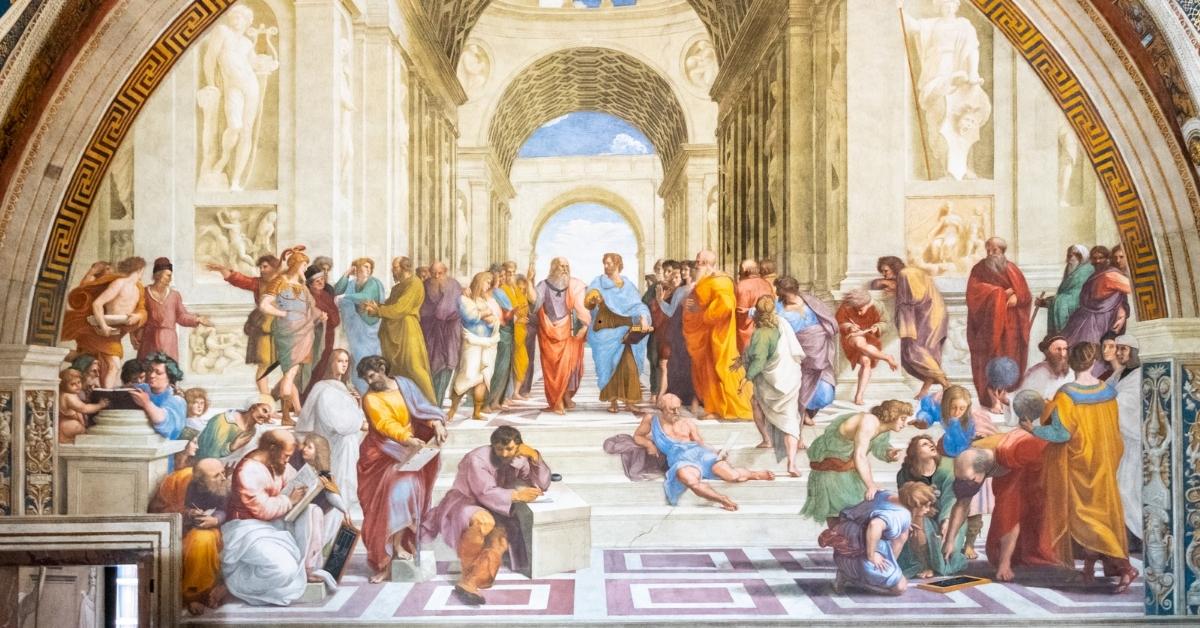
The Vatican Museums are a city unto themselves. More than seven kilometers of corridors weave through this sprawling complex, past ancient sculptures, Renaissance frescoes, medieval tapestries, and modern art. It’s overwhelming in the best possible way.
And at the very end of this marathon of masterpieces waits the Sistine Chapel. Michelangelo’s ceiling, his Last Judgment, the very ceiling that inspired generations of artists and continues to move visitors to silence. You won’t forget it.
Stop experiencing Italy like everyone else. Your trip is different because you are different. Tell me when you’re going, who you’re traveling with, where you want to go, what you absolutely want to see and do, your budget, and anything else that matters to you. I’ll put it all together into a tailor-made Italy itinerary that tells you where to go, where to stay, what to eat, and how to make the most of your time. Use this form
What You’re Actually Walking Into
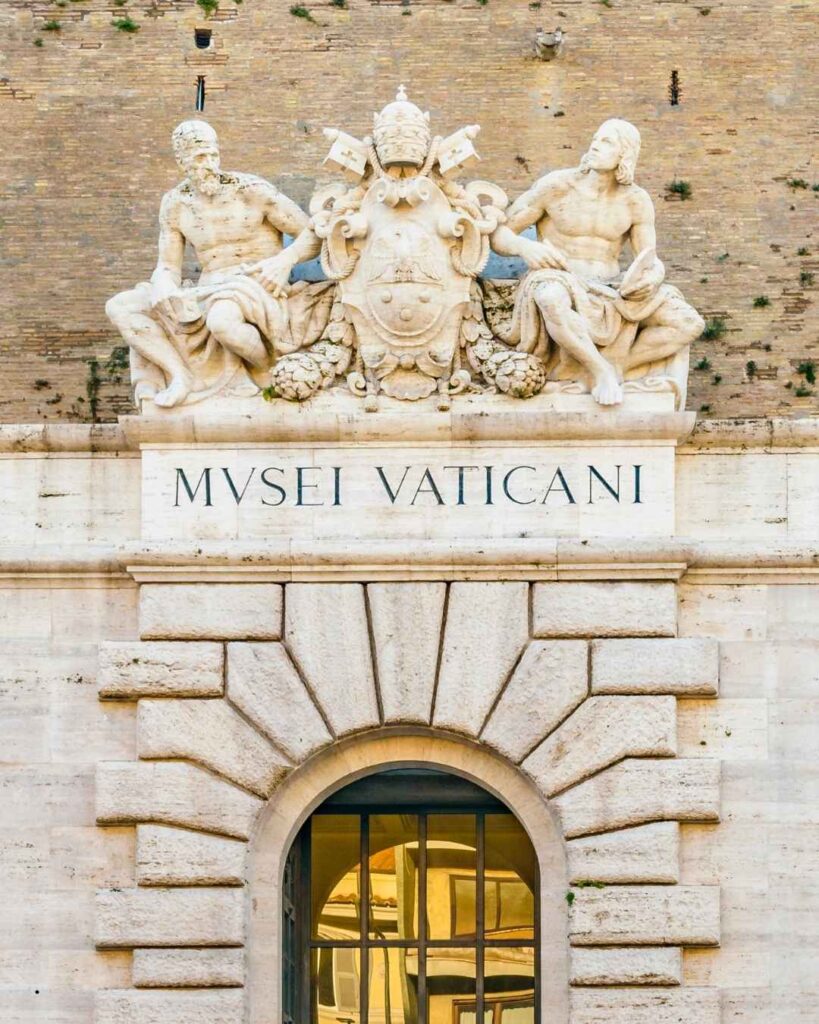
The Vatican Museums were born from the vision of Pope Julius II in the early 16th century. He placed the first work, the ancient sculpture Laocoön and His Sons, in what is now the Octagonal Courtyard. Other popes followed his example, adding Egyptian artifacts, Etruscan treasures, classical antiquities, and the breathtaking frescoes of Raphael and Michelangelo.
The museum complex now encompasses twelve exhibition halls and five art galleries. It’s the reason the term “Renaissance” exists, this is where the masters of that era came to study ancient art and transform it into something new.
But here’s something most visitors don’t realize: the Vatican Museums aren’t really a single museum. They’re a collection of museums, each with its own character and focus. The Gregorian Egyptian Museum takes you to the land of the pharaohs. The Pio-Clementino Museum is all about classical sculpture. The Gregorian Etruscan Museum explores Italy’s pre-Roman civilization. The Pinacoteca is the painting gallery. And then there are the Raphael Rooms and the Sistine Chapel, which exist in their own category entirely.
Understanding this helps you plan. You don’t have to see every museum. You can pick and choose based on your interests, as long as you don’t skip the highlights.
The Masterpieces You Cannot Miss
With a collection this vast, you need a plan. Trying to see everything in one visit is a recipe for exhaustion and a headache. Focus on these highlights, and you’ll leave satisfied.
The Sistine Chapel
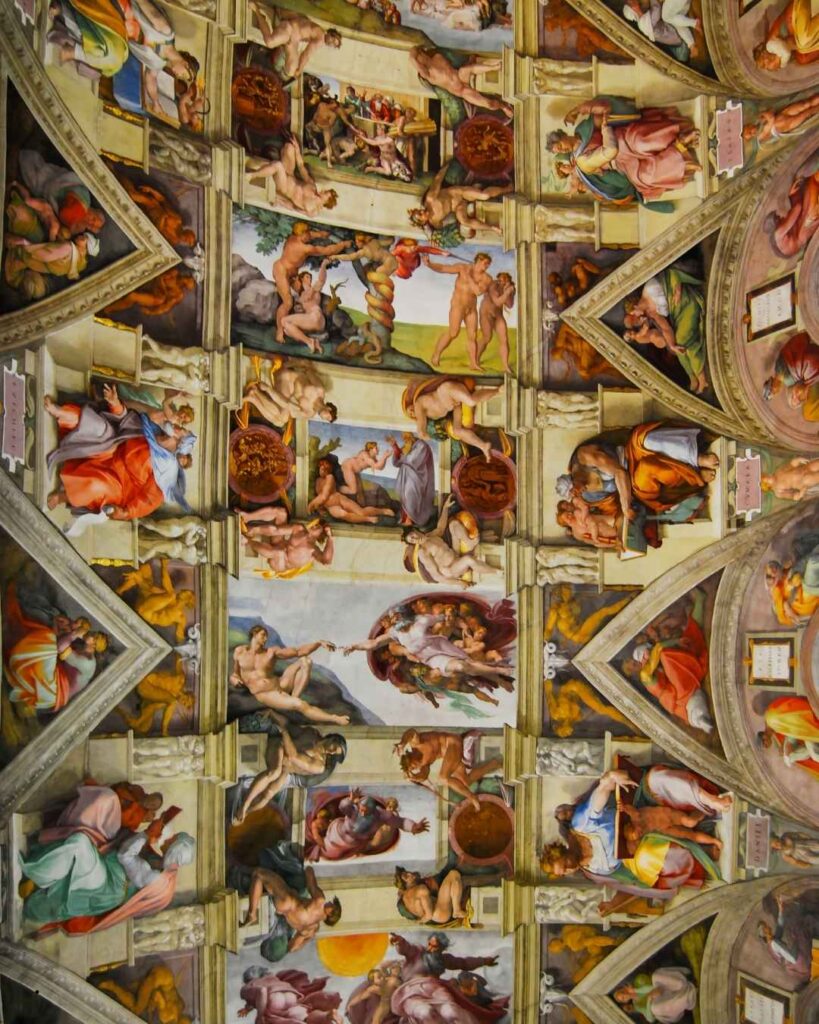
This is the grand finale. The chapel was built between 1473 and 1481 under Pope Sixtus IV and originally had a ceiling painted as a simple starry blue sky. Pope Julius II later commissioned Michelangelo to repaint it, despite the fact that Michelangelo had never professionally painted frescoes and considered himself a sculptor first. The result is one of the greatest works of art in human history.
The ceiling tells the story of Genesis, from the separation of light and darkness to the famous Creation of Adam, where God’s finger almost touches Adam’s. The altar wall is dominated by The Last Judgment, a terrifying and magnificent vision of the apocalypse.
Take your time here. The chapel is overwhelming at first, but if you let your eyes adjust, you’ll start to see the details. Notice the sibyls and prophets that frame the ceiling, each one a masterpiece in its own right. Notice the way Michelangelo painted the figures in The Last Judgment with their bodies twisting and reaching, a composition that seems to pull you into the action.
Remember: silence is required inside. No photography, no talking. Just you and the ceiling.
The Raphael Rooms
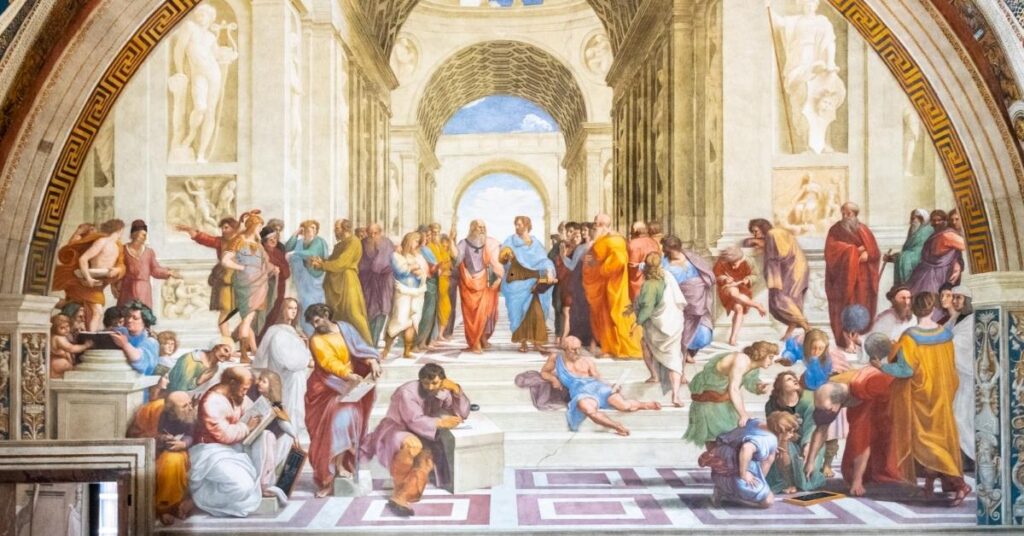
Pope Julius II commissioned a young Raphael, just twenty-five years old, to paint his private apartments. It took sixteen years to finish, and Raphael didn’t live to see the final room completed.
The most famous of these rooms is the Stanza della Segnatura, which houses The School of Athens. This fresco depicts the great philosophers of antiquity, Plato, Aristotle, and Socrates, gathered together in a magnificent architectural setting.
Look for Raphael’s self-portrait among the figures. Notice how the architecture in the fresco mirrors the actual architecture of the room you’re standing in. The colors are fresh and vibrant, and the composition is so balanced it seems effortless.
The other rooms are equally impressive. The Stanza di Eliodoro tells stories of divine intervention, with dramatic scenes of battle and rescue. The Stanza dell’Incendio shows fires and miracles, painted by Raphael’s assistants after his death. Don’t rush through these rooms. Each one is a treasure.
The Gallery of Maps
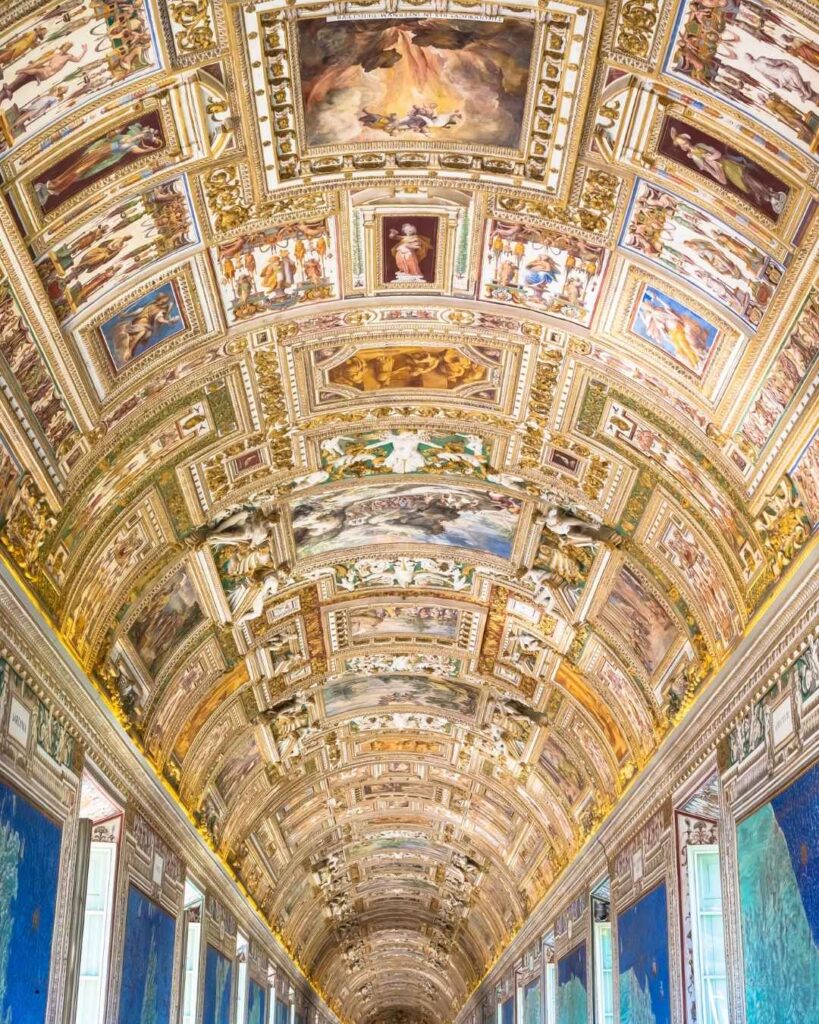
This one hundred twenty-meter-long corridor is a marvel of Renaissance cartography. Pope Gregory XIII commissioned it in 1582, sending a team of artists and cartographers across Italy to study the geography of the country. The result is forty detailed frescoes depicting the Italian peninsula, each one remarkably accurate for its time. Walk slowly and look down at the floor as well, the inlaid marble patterns are just as beautiful as the maps above.
The maps are oriented not north but west, with the Tyrrhenian Sea at the bottom. It takes a moment to adjust your perspective, but once you do, you’ll see the peninsula with fresh eyes. Look for your favorite Italian cities and see how they were depicted centuries ago.
The Octagonal Courtyard
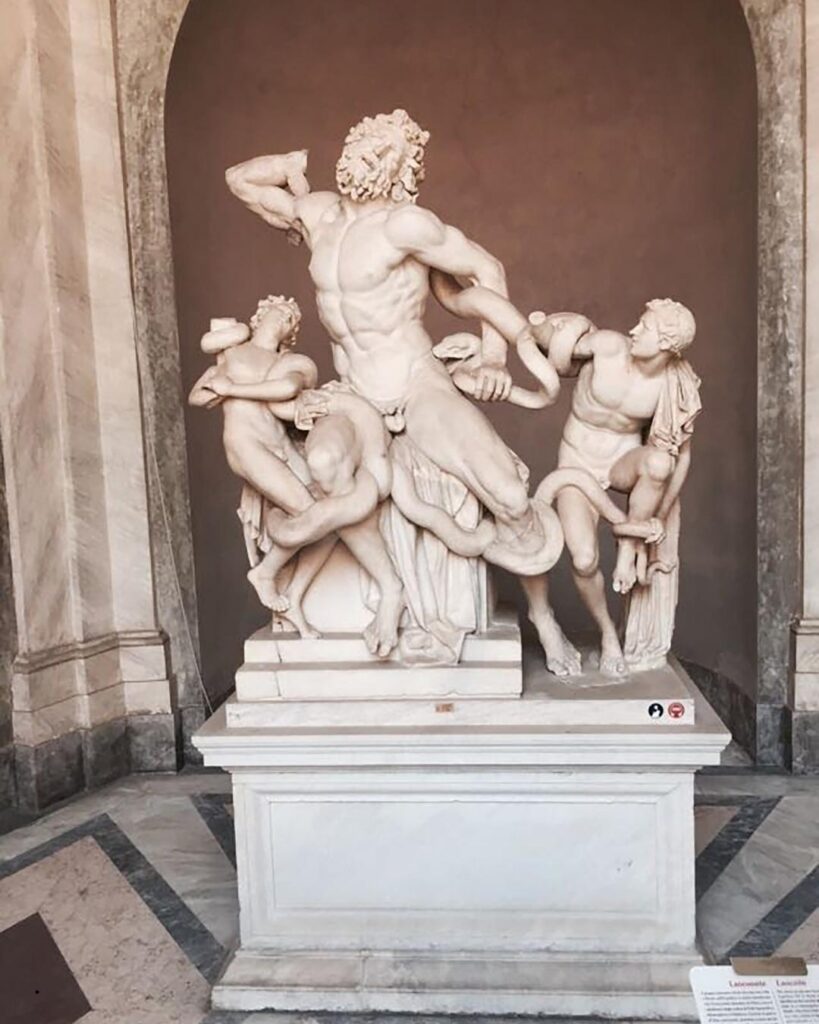
This was the original nucleus of the museum, and it still houses some of the most famous ancient sculptures in the world. Laocoön and His Sons is the centerpiece, depicting the Trojan priest and his sons being attacked by sea serpents. The piece was discovered in 1506, and Pope Julius II placed it here immediately. Near it is the Apollo Belvedere, one of the most celebrated classical sculptures ever found.
Take time with these pieces. Laocoön is particularly dramatic, with the priest’s face twisted in agony as he tries to free himself from the serpents. The composition is dynamic, the musculature is perfect, and the sense of tragedy is palpable. It’s no wonder this piece influenced generations of Renaissance artists.
The Pinacoteca
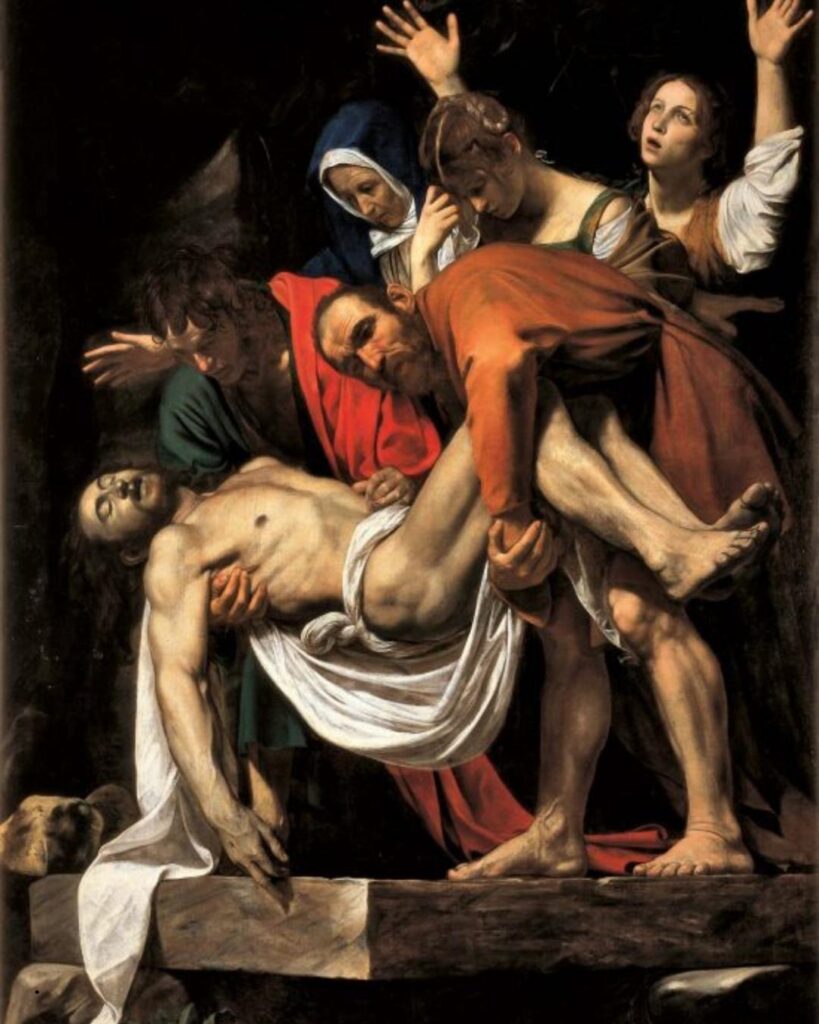
This is the Vatican’s painting gallery, and it’s often overlooked by visitors rushing toward the Sistine Chapel. That’s a mistake. The Pinacoteca contains works by Giotto, Fra Angelico, Caravaggio, and Raphael. Caravaggio’s Deposition is particularly striking, with its dramatic use of light and shadow. Raphael’s Transfiguration was his last work, completed shortly before his death.
The Pinacoteca is arranged chronologically, so you can see the development of Italian painting from the medieval period through the Renaissance and into the Baroque. It’s a masterclass in art history, and it’s surprisingly uncrowded compared to the rest of the museums.
The Egyptian Museum
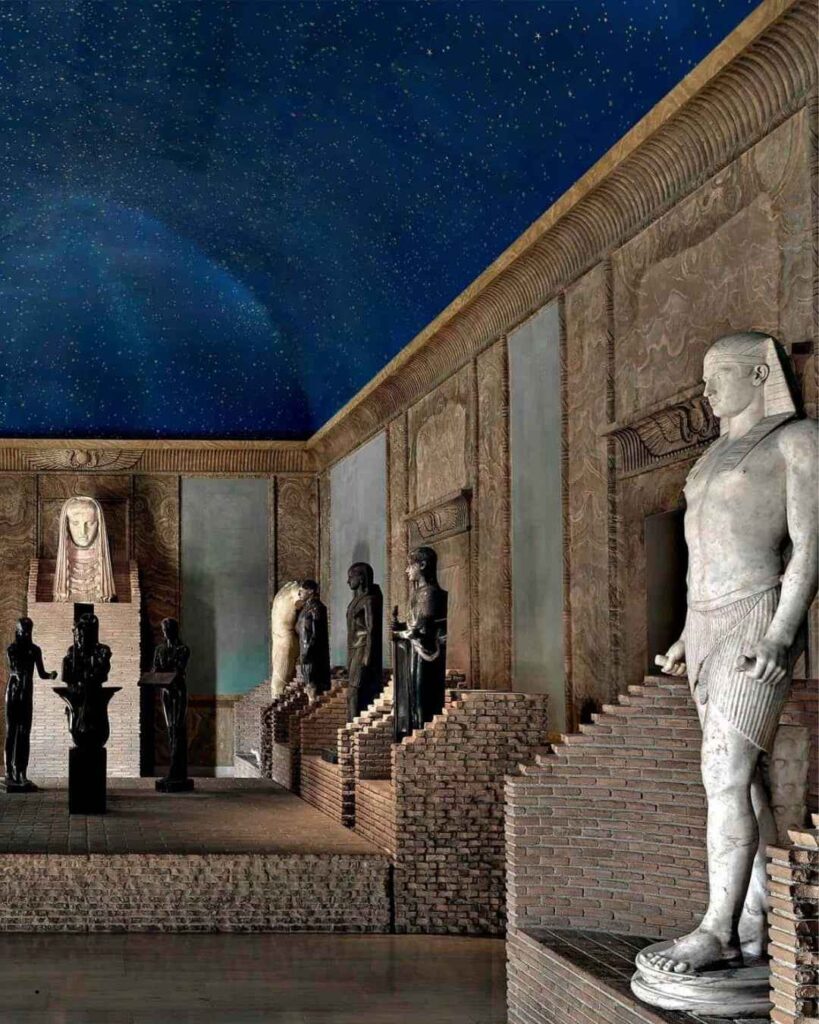
This is one of the oldest parts of the Vatican Museums, established by Pope Gregory XVI in 1839. It contains ancient Egyptian artifacts, including mummies, sarcophagi, and statues. The collection is smaller than what you’d find in Cairo or Turin, but it’s beautifully displayed and offers a fascinating glimpse into the civilization that so captivated the ancient Romans.
The Etruscan Museum
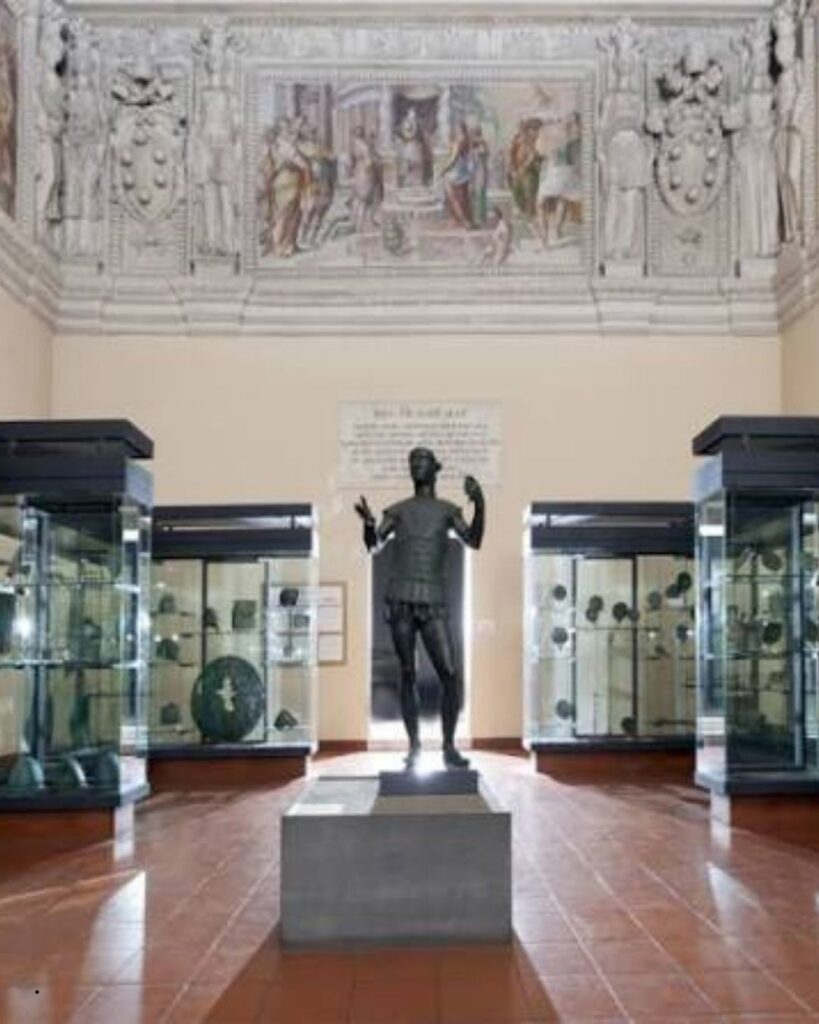
The Etruscans were the civilization that preceded the Romans in central Italy, and this museum houses one of the finest collections of their art and artifacts anywhere in the world. The jewelry is particularly stunning, with intricate gold work that still sparkles after thousands of years. The funerary urns and sarcophagi are also remarkable, depicting scenes of daily life and mythology.
The Spiral Staircase
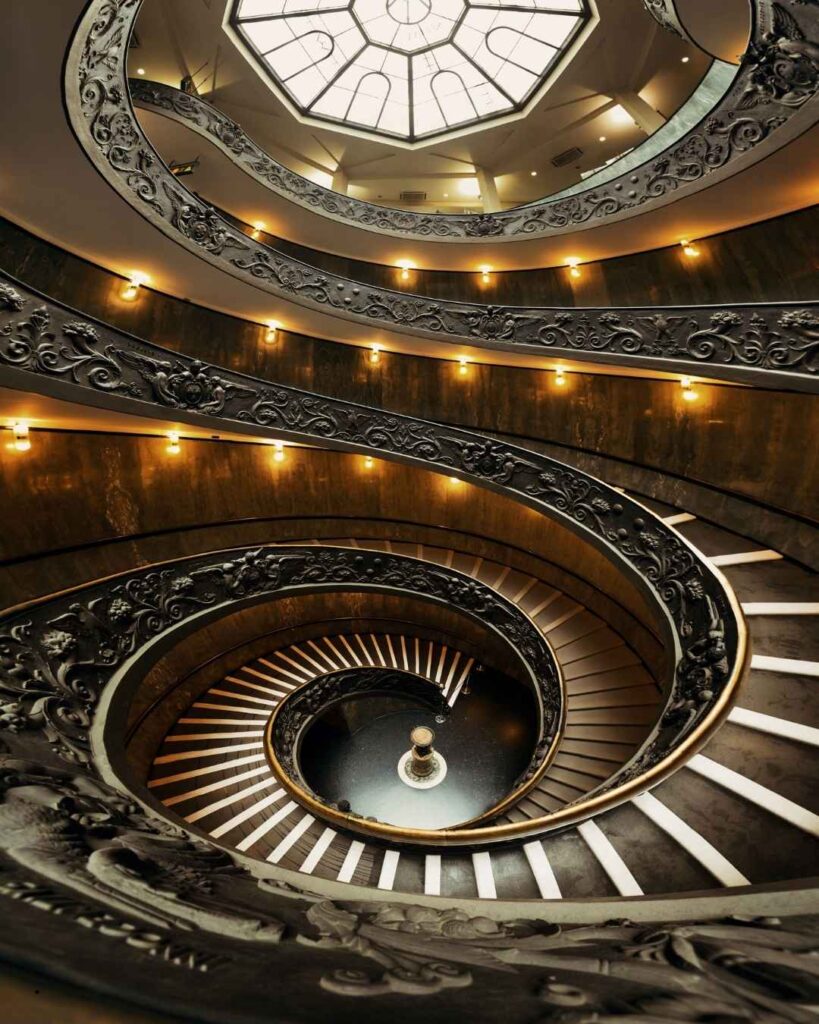
At the very end of your visit, you’ll exit through this iconic staircase. Designed by Giuseppe Momo in 1932, it’s a double helix that gradually descends, allowing visitors to exit while others enter. It’s one of the most photographed spots in the entire Vatican, and for good reason.
Practical Details for Your Visit
Tickets and Reservations
A standard adult ticket costs around 20 euros, though prices can vary. You absolutely must book in advance. The queues for tickets can stretch for hours, especially in peak season. Book at least a month ahead if you’re visiting between April and October.
When you book online, you’ll choose a specific entry time. Arrive at least fifteen minutes early. The entry process involves security screening, and it takes time. If you’re late, you might be denied entry.
If you need a guided small-group tour that combines the Vatican Museums, Sistine Chapel, and St Peter’s Basilica, this is the one I recommend.
The museums are open Monday through Saturday from 9:00 AM to 6:00 PM, with last entry at 4:00 PM. They’re closed on Sundays except for the last Sunday of each month, which is a free admission day. On those free Sundays, no reservations are accepted, and the crowds are absolutely chaotic.
When to Go
The single best time to visit is on a Friday evening, when the museums stay open until 10:30 PM. The crowds thin out considerably, and there’s something magical about seeing the Sistine Chapel at night. The second best option is a weekday morning, arriving at 8:30 AM for a 9:00 AM entry.
Avoid the first Sunday of the month at all costs. Avoid school holidays. Avoid August if you can. The Vatican is always busy, but some days are genuinely brutal.
The Early Morning Breakfast Option
This is the insider tip that changes everything. The Vatican offers a special breakfast option where you enter the museums at 7:00 AM, a full two hours before the general public. You have a light breakfast in the Pinecone Courtyard, and then you explore the museums in near-emptiness. The Sistine Chapel is all but empty.
It costs more than a standard ticket, but if you can budget for it, it’s worth every euro. My wife and I did this on our last visit, and having the Raphael Rooms to ourselves was worth the premium price. You can book this directly through the Vatican Museums website.
How Long It Takes
You need at least 3 hours to see the highlights. Four to five hours is better. Six hours is entirely reasonable if you want to see everything properly. Pace yourself. There are cafes and restrooms scattered throughout the complex, and a cafe at the end of the route with stunning views.
What to Wear
The Vatican has a strict dress code. No bare shoulders. No bare knees. Both men and women need to cover up. Shoulders can be covered with a shawl or light jacket, and knees with pants or a long skirt. If you show up dressed inappropriately, you will be denied entry, no exceptions.
This rule applies year-round, even in the height of summer. I’ve seen travelers turned away at the door, their entire morning ruined because they thought they could get away with shorts and a tank top. Don’t be that person.
What to Bring
Comfortable shoes like these ones are non-negotiable. You’ll be walking for hours on marble and stone floors. Bring a water bottle; there are fountains where you can refill. Large bags and backpacks must be checked at the cloakroom, so travel light.
If you’re bringing a camera, make sure you understand the photography rules. In most of the museums, photography without a flash is allowed. In the Sistine Chapel, it’s strictly forbidden. The guards enforce this strictly, and you will be asked to leave if you do not follow the rules.
Guided Tours
A guided tour transforms the experience. The Vatican is so vast and so rich that without an expert, you’ll miss the stories behind the artworks. Tours are available in many languages and some even include skip-the-line access.
If you want the full experience, book a tour that includes the Vatican Museums, the Sistine Chapel, and St. Peter’s Basilica. These tours typically run three to four hours and cover the essential highlights. They’re more expensive than the standard entry, but the context and insight they provide are invaluable. This is the best tour to book
There’s also a special “VIP” tour that takes you behind the scenes to areas not open to the general public. This includes the Niccoline Chapel, decorated by Fra Angelico, and the Bramante Staircase, a magnificent spiral that predates the famous exit staircase.
Audio Guides
If you prefer to go at your own pace, rent an audio guide. They’re available at the entrance and cost around seven euros. The audio guide is thorough and informative, with commentary on the major works. It’s not as immersive as a guided tour, but it gives you the flexibility to linger where you want and move quickly past what doesn’t interest you.
Accessibility
The Vatican Museums are accessible to visitors with disabilities. There are ramps, elevators, and accessible restrooms throughout the complex. Wheelchairs are available for free at the cloakroom. Visitors with disabilities and one accompanying guest receive priority access. Contact the museum’s accessibility department in advance to arrange a tailored visit.
The Route Through the Museums
The standard route through the Vatican Museums is a one-way system that begins at the entrance and winds through various halls before ending at the Sistine Chapel. After the chapel, you exit either back through the museums or directly to St. Peter’s Basilica.
Understanding this route helps you plan. Here’s what you’ll encounter in order.
Note: The Museum’s entrance is not the same as that of the Basilica. I have seen people make that mistake and miss their entry slot, which is sad. Be sure to use your Google Maps
You start at the entrance hall, then head to the Egyptian Museum. From there, you move into the Octagonal Courtyard and the Pio-Clementino Museum, with its famous sculptures. Then you pass through the Gallery of the Candelabra, the Gallery of Tapestries, and the Gallery of Maps. These long corridors are stunning, and they lead to the Raphael Rooms. After the Raphael Rooms, you continue to the Sistine Chapel.
If you want to go to St. Peter’s Basilica after the chapel, take the exit through the right-hand door of the Sistine Chapel. This shortcut saves you from having to walk all the way back through the museum and line up again outside.
If you want to see the Pinacoteca, you need to take a side route before the main path. The Pinacoteca is located on the left as you enter the museum complex, and it’s easy to miss if you’re not looking for it.
St. Peter’s Basilica
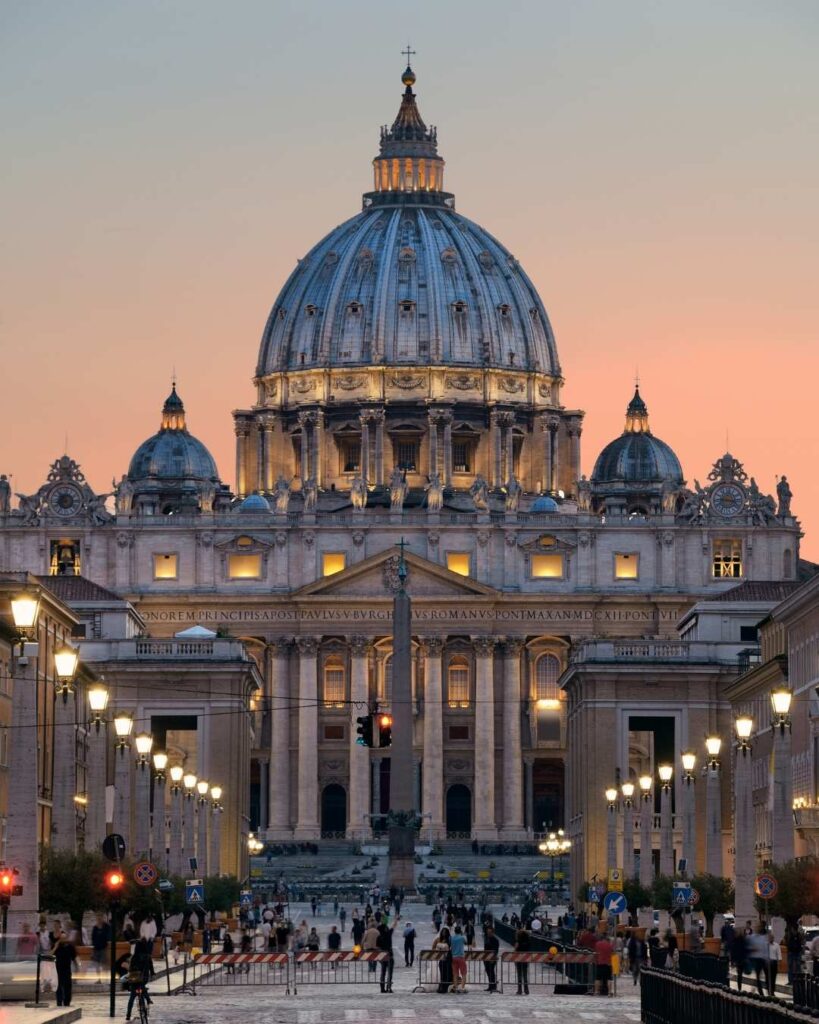
St. Peter’s Basilica is connected to the Vatican Museums via the Sistine Chapel exit, but it’s technically a separate attraction. You don’t need a ticket to enter the basilica, but you will need to go through security screening.
If you take the shortcut from the Sistine Chapel, you’ll enter the basilica directly. If you exit through the main museum exit, you’ll need to walk around and line up at the main entrance. The line for the basilica can be long, especially in the morning.
The basilica is enormous, with a capacity of twenty thousand people. Highlights include Michelangelo’s Pietà, Bernini’s baldacchino, and the crypt where Saint Peter is believed to be buried. You can also climb the dome for a stunning view over Rome.
A Few More Pro Tips
Download the Vatican Museums app before you go. It includes audio guides and maps that work offline. This is particularly useful if you’re navigating the complex without a guide.
Wear a money belt. The crowds are thick, and pickpockets are common in Rome.
Plan your exit route. After the Sistine Chapel, there are two ways out, as mentioned. Decide in advance which exit you want to take.
Visit the souvenir shop at the end of the route. It’s well-stocked with art books, reproductions, and Vatican memorabilia. The Vatican produces its own line of skincare products made by nuns, which make lovely gifts.
Stay hydrated. There are fountains throughout the museums, and it’s easy to get dehydrated, especially in the summer.
Combining the Vatican with Other Attractions
The Vatican Museums are in the Vatican City, which is technically a separate country from Italy. It’s located in the western part of Rome, not far from Castel Sant’Angelo and the Trastevere neighborhood.
You can easily combine a visit to the Vatican Museums with St. Peter’s Basilica and Castel Sant’Angelo in a single day. The Castel Sant’Angelo is a fortress built by the Emperor Hadrian and later used as a papal residence. It’s connected to the Vatican by a secret passage, the Passetto di Borgo, which was used by popes fleeing danger.
If you have more time, the neighborhood of Prati is just across the river from the Vatican. It’s a pleasant area with good restaurants and shops, and it offers a nice contrast to the historic center of Rome.
The Vatican Museums vs. The Borghese Gallery
This isn’t an either-or question. They serve completely different purposes. The Borghese Gallery is intimate, curated, and leaves you breathless with its concentrated brilliance. The Vatican Museums are overwhelming, sprawling, and take hours to process. Both are essential.
If you’re in Rome for less than three days, prioritize the Vatican. If you have more time, do both. They complement each other beautifully, the Borghese showing you the best of Bernini and Caravaggio, the Vatican showing you the best of Michelangelo and Raphael.
I wrote a guide about the Borghese Gallery. Read it here.
Final Thoughts
The Vatican Museums are a marathon, not a sprint. They’re tiring and crowded and sometimes frustrating. But then you walk into the Sistine Chapel, tilt your head back, and forget every complaint you had. It’s that good. It’s that powerful. It’s that unforgettable.
Here’s what I tell my readers: book your tickets as far in advance as possible, get the earliest entry time you can, wear your most comfortable walking shoes, and give yourself the full morning. Take breaks. Drink water. Let the art wash over you. And when you finally emerge, blinking in the Roman sunlight, you’ll have experienced one of the great cultural treasures of the world.
NOTE BEFORE YOU GO: Italy rewards travelers who go prepared. And it is easy to ruin your trip. I have a checklist for you of things you should never go to Italy without. CHECK IT OUT HERE. I have also curated a list of some of the best hotels in Italy. I would highly recommend checking them out before booking. THESE ARE THE BEST HOTELS IN ITALY. And for unique experiences, attractions, and tours, don’t book before CHECKING THIS OUT. Thank me later!