
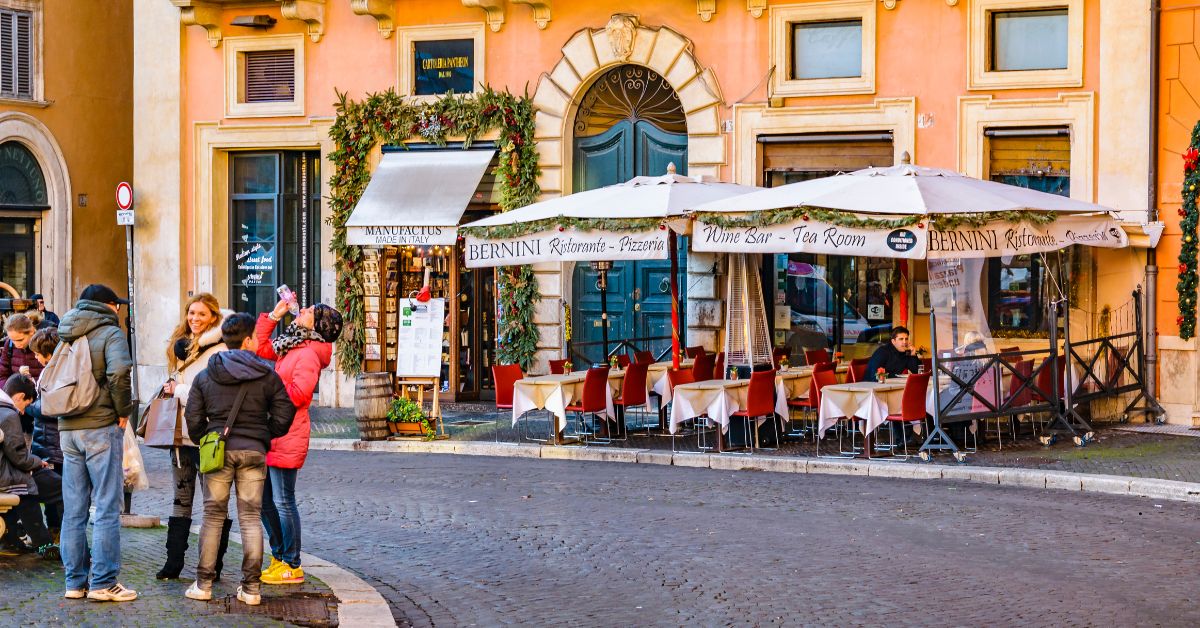
I still remember my first meal in Rome, standing in the shadow of the Pantheon. The waiter called me over with a smile, the menu had pictures of spaghetti and meatballs, and I thought I’d found heaven. Instead, I found lukewarm pasta from a bag and a cover charge that made my eyes water.
The truth is that not all food in Italy is good. In fact, some of it is terrible. But after years of traveling up and down the country, I have learned exactly where travellers go wrong.
Here are the mistakes that will lead you to a bad meal, and how to avoid them:
Eating anywhere with a view of a famous landmark
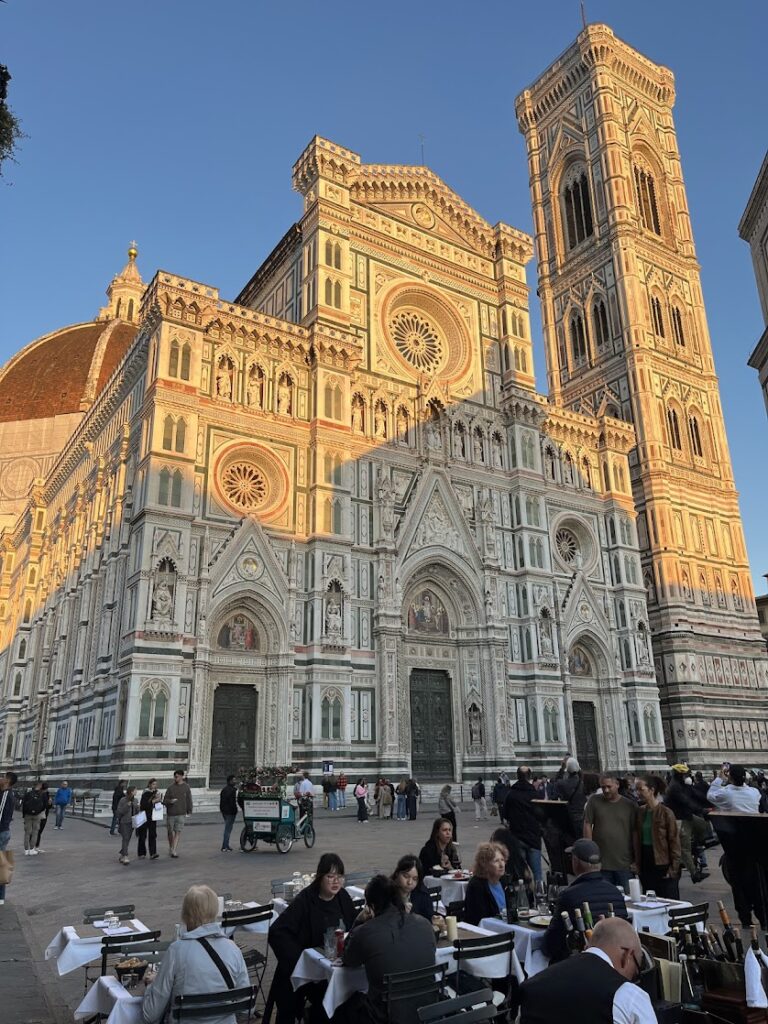
The first mistake is the easiest to make. You are hungry, tired, and there in front of you is a lovely piazza with tables under umbrellas. It looks perfect. That is exactly the trap.
Restaurants right next to the Colosseum, the Duomo in Florence, or Saint Mark’s Square in Venice pay enormous rent. To survive, they cut every possible corner. They buy frozen food from catering companies. They microwave pre-made sauces. And they know you will never come back, so they do not care.
I learned to walk at least three streets away from any major sight. If you can still see the monument from your table, keep walking. The best meals I have had in Italy were down side alleys, on streets with laundry hanging overhead, where the only non-Italian was me.
If You Still Want To Have The Iconic View As You Eat, Do This
I know how appealing it is to eat your food with an incredible view of a landmark. The bill is actually a small price to pay for the moment. You will always remember that moment. You should actually do it, but there is a good way to do it.
I like to sit in those places for meals that are hard to mess. For example, breakfast ( a cappuccino and cornetto) or an aperitivo. However, don’t sit in those restaurants during premium meal times and just order a drink.
They will not allow it. They prefer having folks who will order a bottle of wine and a 3-course meal. That’s how they make their money. Sit there early in the morning and in the evenings when meals aren’t expected to be served.
Ordering a dish you recognise from home
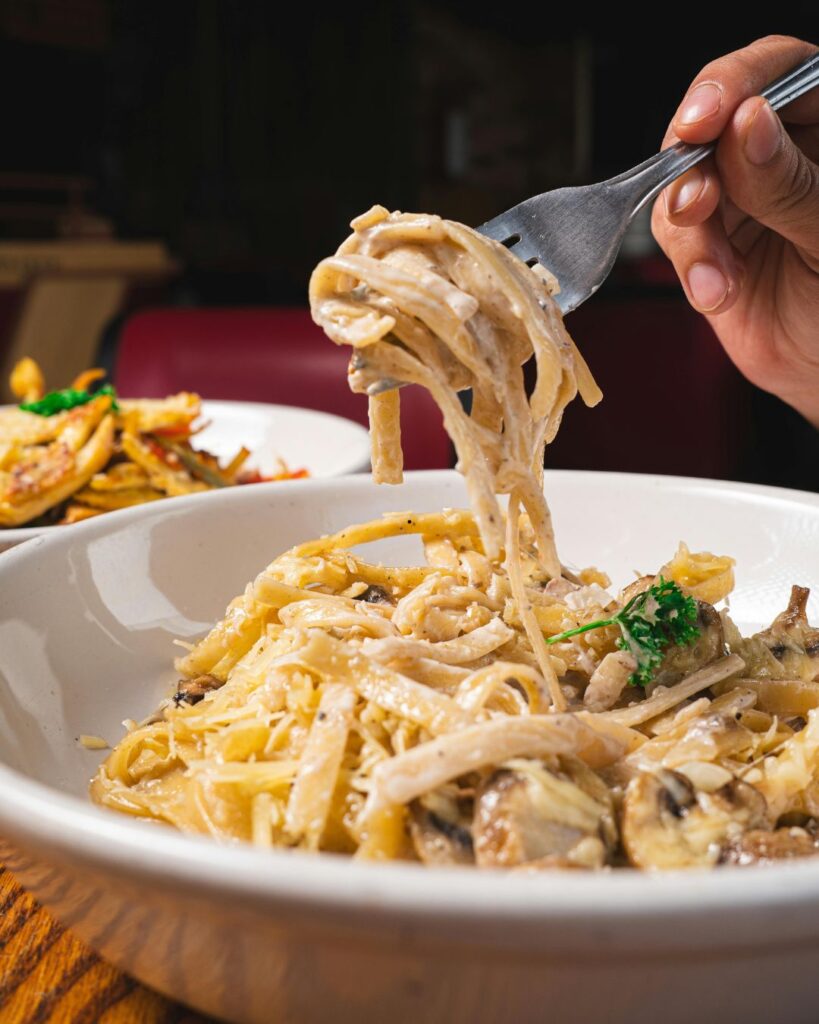
When you see “Fettuccine Alfredo” on a menu in Italy, do not order it. I say this with kindness. The dish does not exist in authentic Italian cooking. There is a Roman dish called pasta al burro e parmigiano, which is butter and cheese, but it is not creamy, and it is not a main event.
The same goes for chicken parmesan, garlic bread, spaghetti and meatballs, or pepperoni pizza. These are Italian-American inventions. A real Italian menu will confuse you at first. You will see cacio e pepe, which is just cheese and pepper. You will see pasta all’amatriciana, which is tomato, pork cheek, and pecorino. Order those instead. Trust the strange names.
Falling for the tourist menu at lunch
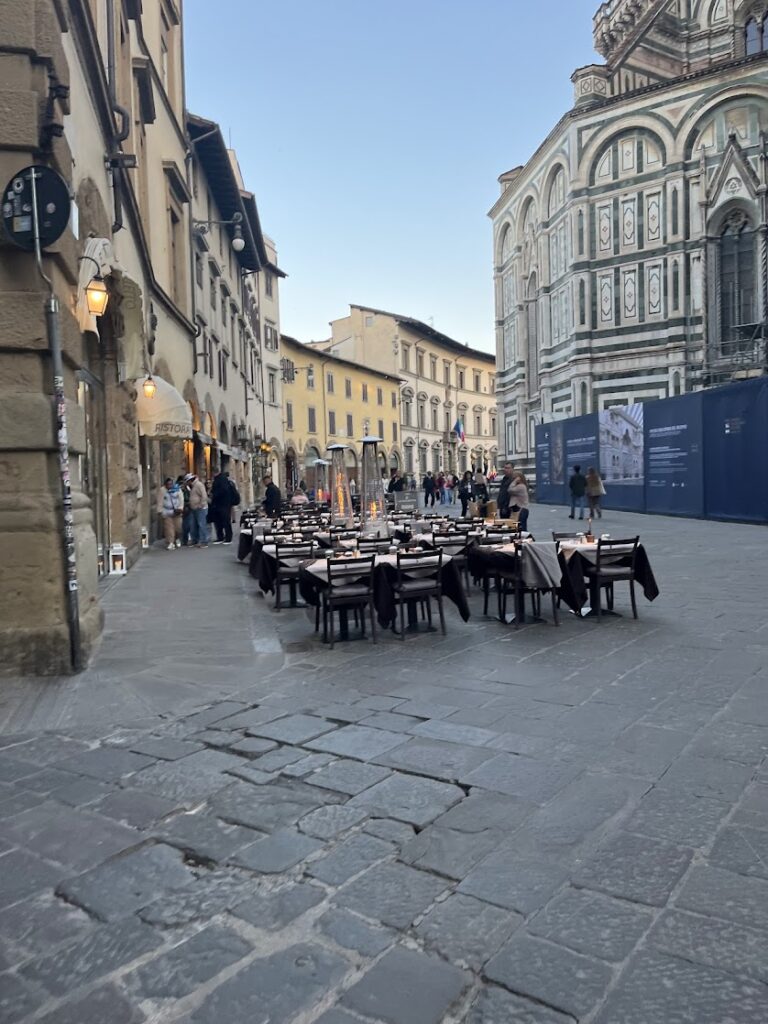
The “Menu Turistico” is often a piece of laminated paper offering a three-course meal for one low price. It looks like a bargain. What you actually get is food that was cooked at nine in the morning and left to sweat under a heat lamp until you arrive.
I made this mistake in Bologna. I paid twelve euros for a plate of rubbery lasagne, a sad salad, and a piece of chicken that tasted like nothing. Meanwhile, the table next to me – Italian businessmen – had ordered from the handwritten daily menu. Their food looked alive. Mine looked like it had given up.
Now I look for a “Menu del Giorno” written on a chalkboard or a simple piece of paper. That changes daily. That is what the cook actually wants to make with fresh ingredients. If the menu does not change, neither should your seat.
Alternatively, restaurants operate differently in Italy. For example, if you specifically want to eat a pizza, don’t just go to any restaurant. Look for a Pizzeria. You will have the best pizza there, and a glass of wine.
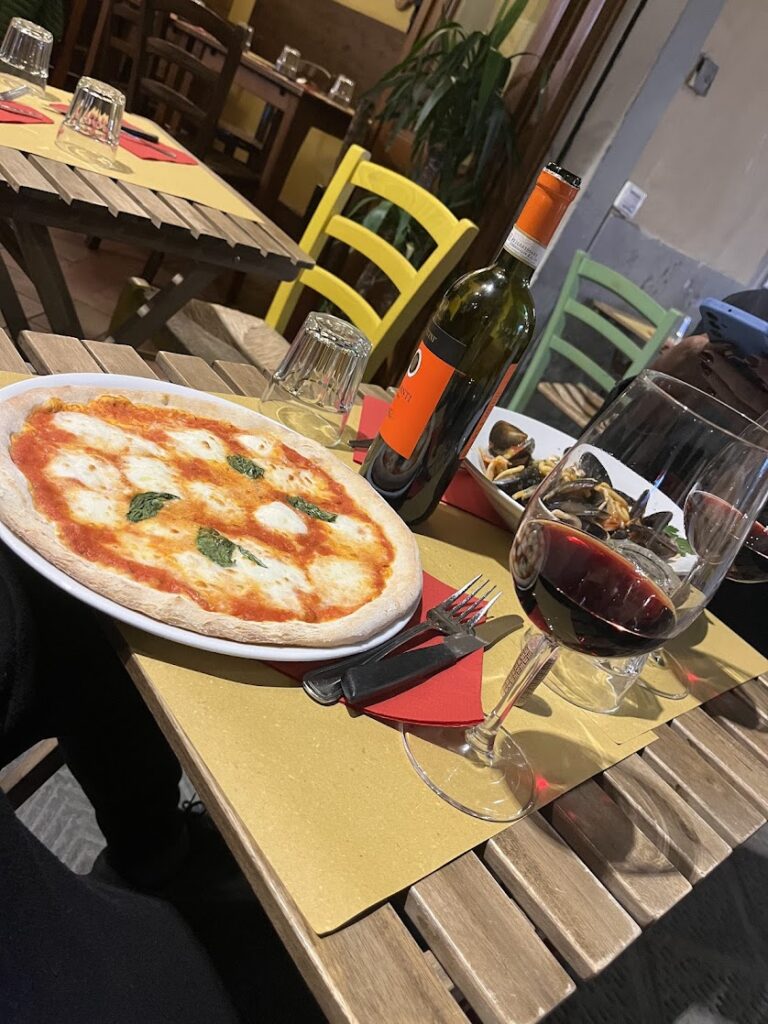
Use the list below as a guide when eating out in Italy:
- Ristorante – A full-service, often upscale establishment with a formal menu, printed cover charge (coperto), and multi-course dining.
- Trattoria – A casual, family-run eatery focused on home-style, regional cooking with simpler service and lower prices than a ristorante.
- Osteria – Originally a wine-focused tavern, now serving basic, rustic dishes, often with no printed menu and a relaxed, communal atmosphere.
- Pizzeria – A casual spot specializing in wood-fired or electric-oven pizza, typically open only for dinner, where you order by the whole pizza or by the slice (al taglio in Rome).
- Tavola Calda – A “hot table” cafeteria where you point at prepared dishes (pasta, vegetables, meat) and pay by weight or per item, ideal for a quick lunch.
- Paninoteca – A sandwich shop using high-quality bread, cured meats, and local cheeses, often open all day for a fast, affordable meal.
- Gelateria – A shop selling gelato, where good ones keep their product in flat, covered metal tins and bad ones display fluffy, colorful mounds.
- Bar/Caffè – A morning and daytime spot for espresso, cappuccino, pastries, and light standing-up breakfasts or aperitivo (drink + small buffet).
- Enoteca – A wine bar that also serves small plates (taglieri of cheese and cured meats) and simple hot dishes, focusing on local wine pairings.
- Agriturismo – A farm-based restaurant open to the public, serving only homegrown, seasonal ingredients with fixed menus and limited hours (often lunch only on weekends).
Ignoring where you are in the country
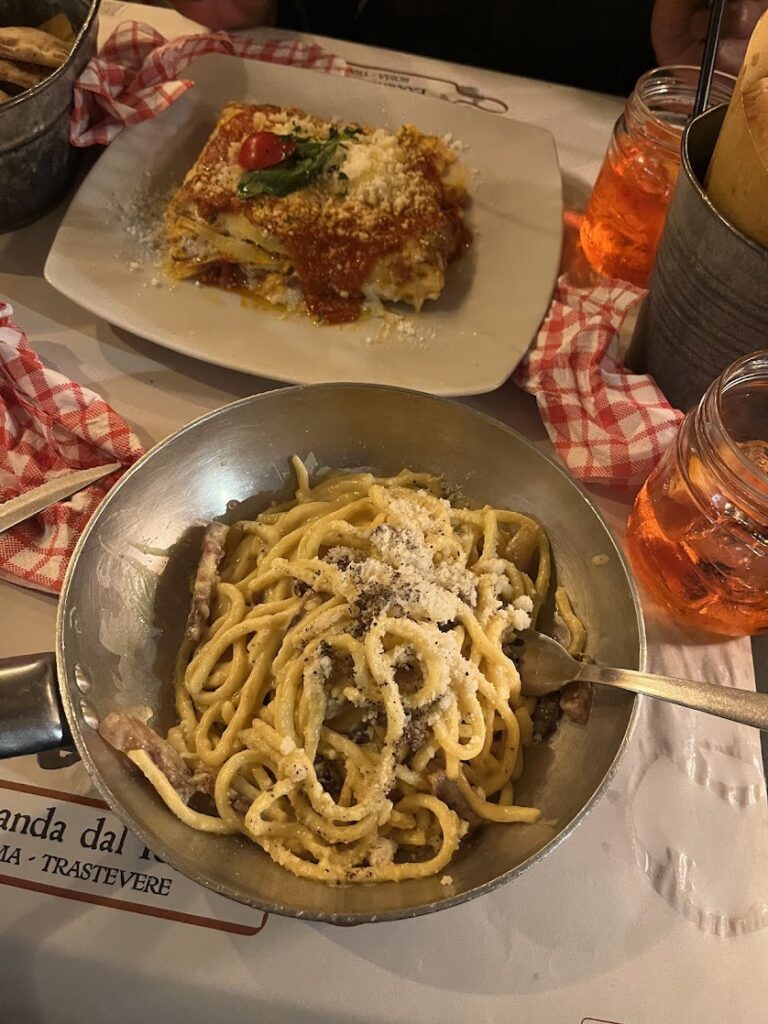
Italy is not one kitchen. It is twenty different kitchens wearing the same flag. Ordering carbonara in Venice is like ordering clam chowder in the desert. It can be done, but it will not be good.
I learned this the hard way in the mountains of Abruzzo. I ordered seafood pasta because I missed the coast. The waiter sighed. The pasta arrived grey and sad. He was right to sigh. In the north, look for risotto, polenta, and butter-based sauces. In Tuscany and Lazio, expect beef, beans, pecorino cheese, and simple pastas like cacio e pepe. In the south and Sicily, that is where tomatoes, eggplant, ricotta, and fresh seafood shine.
Before you travel to a new region, learn one or two local dishes. When you order them, the kitchen will respect you. And the food will taste like it belongs there.
Tip: This is the tip I use when going to a new location in Italy: I ask hotel staff or my Airbnb host where they eat and what their favorite meal is, then save the place on Google Maps. That way, I always eat good food every time.
Ignoring the gelato warning signs
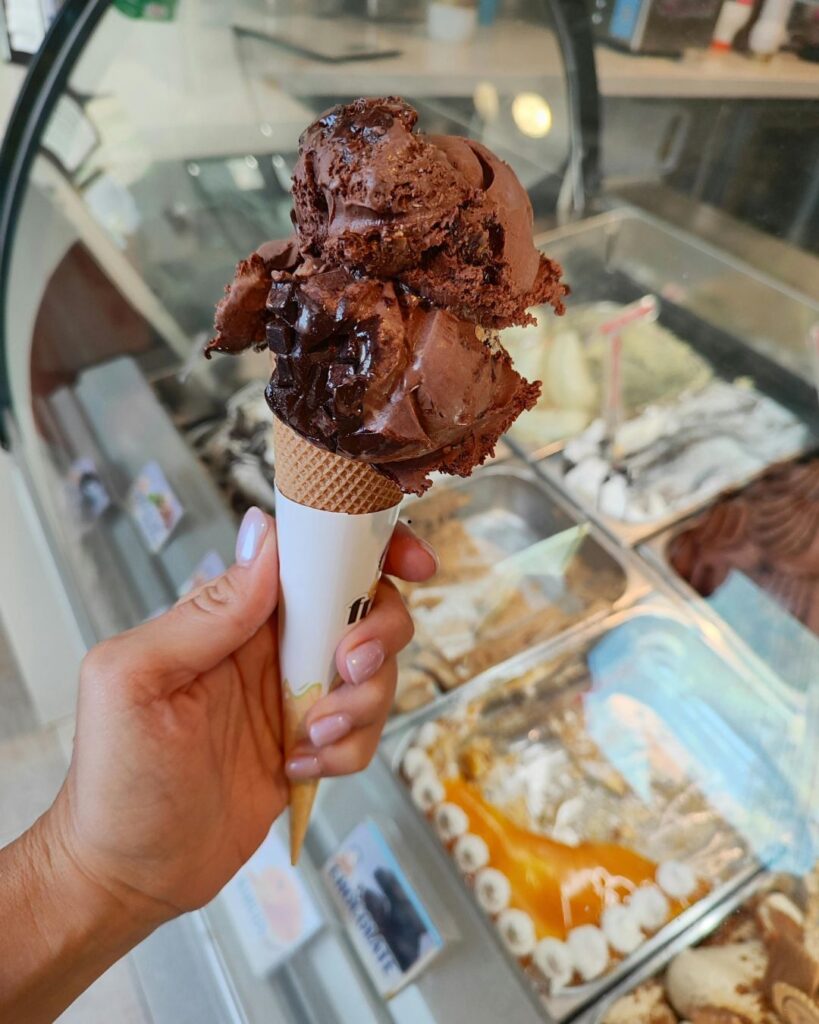
Gelato is everywhere in Italy. Most of it is bad. This broke my heart when I first realised it.
The bad gelato is piled high in the display case, often in bright unnatural colours. The pistachio is electric green. The banana is fluorescent yellow. It looks beautiful because it is full of air, artificial flavours, and preservatives. Real gelato cannot be piled high without melting.
Good gelato is kept in metal tins with lids. The colours are muted. Pistachio is beige. Lemon is pale yellow, not neon. The gelato is dense and flat in the container. If you see a mountain of gelato that looks too pretty to eat, it is. Walk away and find a shop where the gelato looks almost boring. That is where the magic lives.
Drinking a cappuccino after eleven in the morning
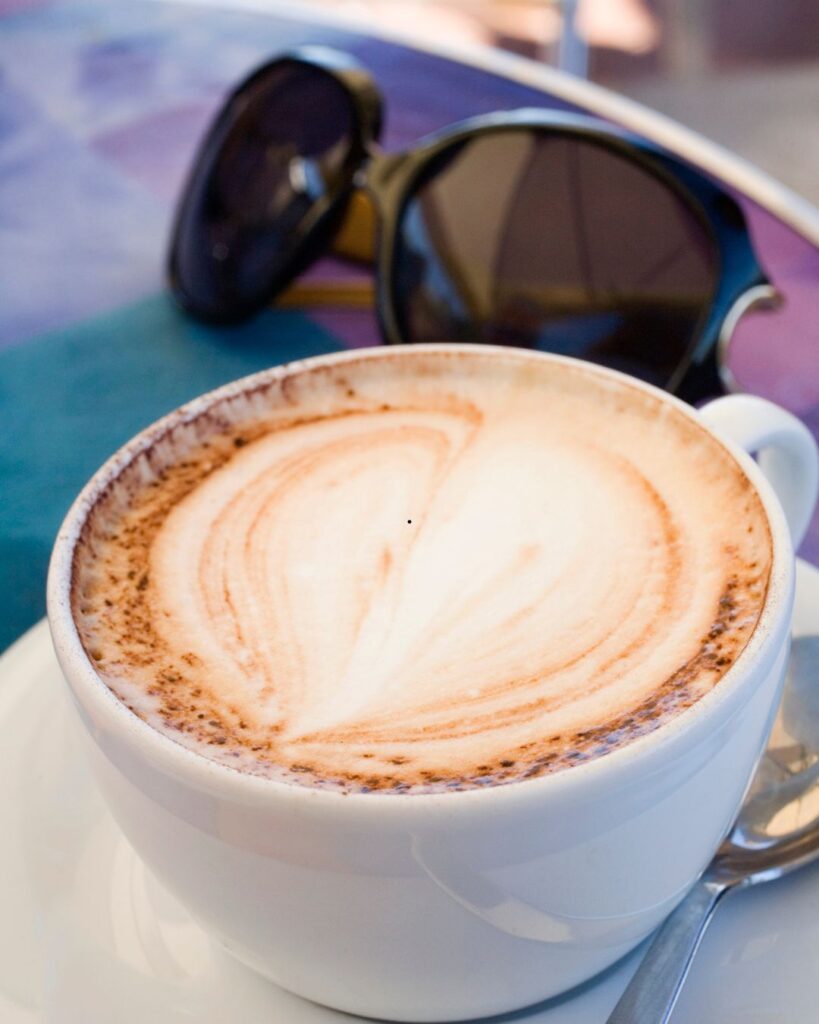
This is not a food safety issue, but it will ruin your meal experience. Italians believe that milk is for breakfast. Drinking a cappuccino after lunch or dinner is considered strange, and honestly, it makes your stomach feel heavy.
I once ordered a cappuccino after a large plate of pasta in Rome. The waiter raised his eyebrows but said nothing. Twenty minutes later, I understood. The combination of hot milk and a full meal sat in my stomach like a stone.
Order espresso after lunch or dinner. It is small, strong, and actually helps with digestion. Save the cappuccino for breakfast with a cornetto, which is Italy’s answer to a croissant. You will feel much better.
Here is how I plan my drinks in Italy: a cappuccino in the morning, wine after lunch, an aperol spritz in the evening, and another glass of wine during dinner. And of course, water throughout the day.
Rushing through your meal
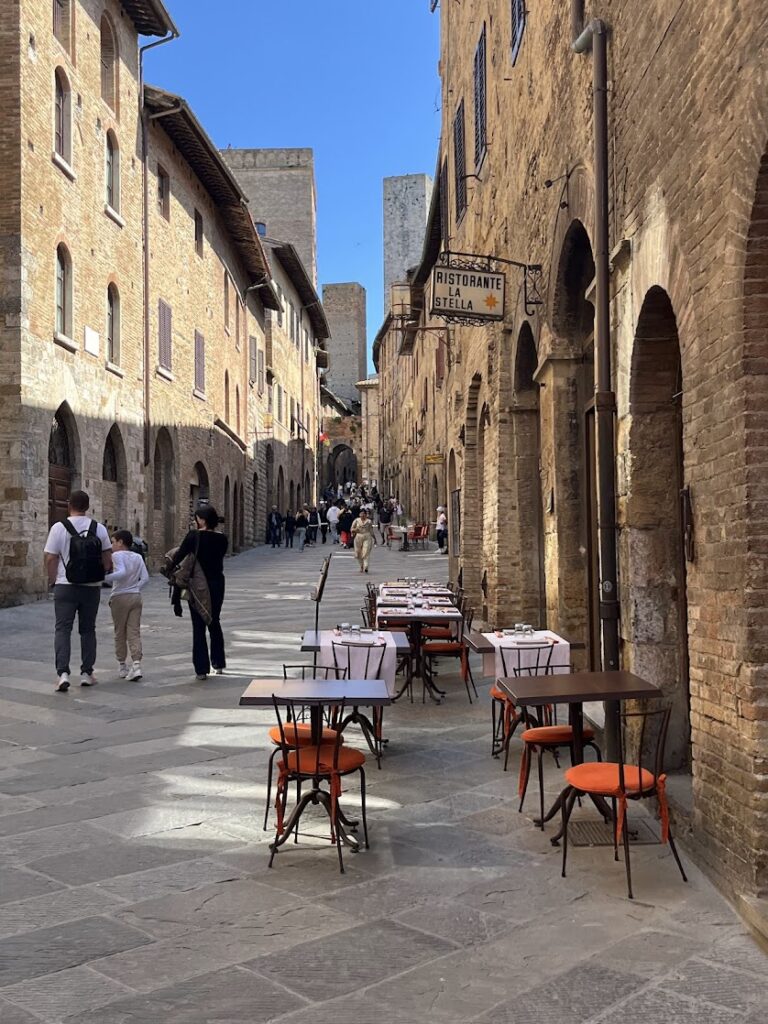
The worst meal I had in Italy was entirely my fault. I was in a hurry to see a museum. I sat down, ordered pasta and a second course together, and asked the waiter to bring everything as fast as possible. He looked hurt. The food arrived at the same time. The pasta got cold while I ate the meat. Nothing worked.
Italian meals are meant to be slow. You sit. You order a drink. You talk. Then you order a first course, often pasta or risotto. You finish that, and then you consider a second course. The check never arrives until you ask for it. If you try to speed this up, the kitchen will rush, and the food will suffer.
Give yourself two hours for dinner. Do not ask for the check until you are truly done. You will taste the difference.
Personally, I really love Italian dinners, and evenings as a whole. For that reason, I prefer having light breakfasts and lunches and then splurging on dinner. I feel like the real la dolce vita comes alive in the evenings.
Overordering because everything sounds good
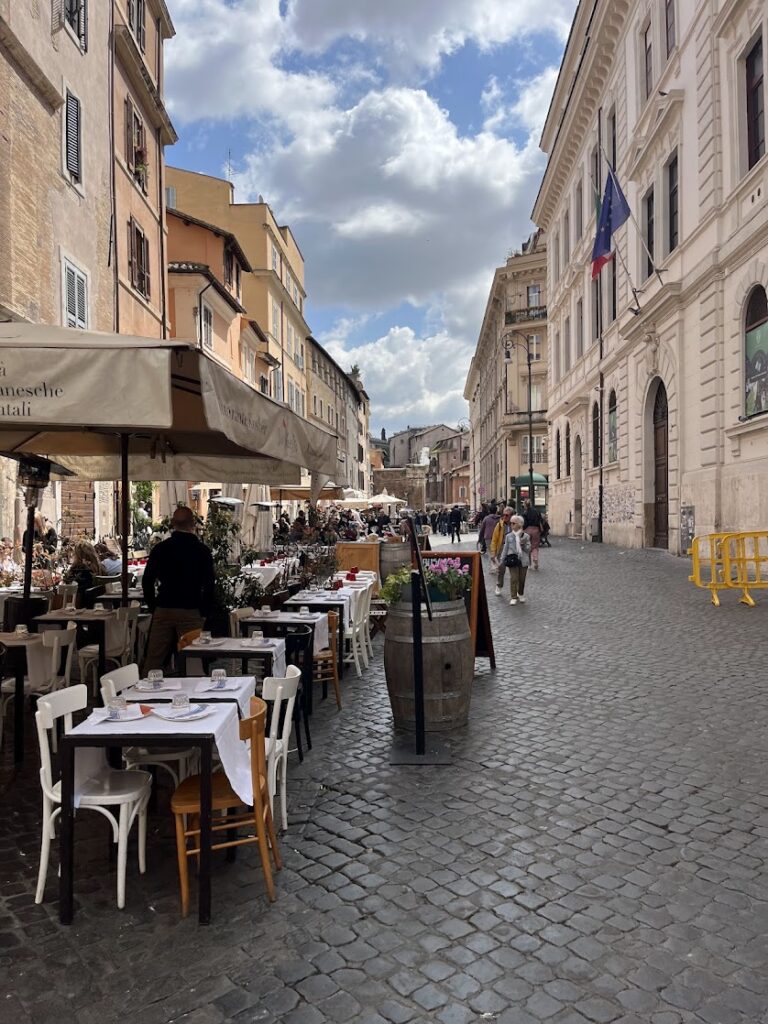
I have done this more times than I can count. You see antipasto, then a beautiful pasta, then a grilled steak, then a vegetable side, then tiramisu. You order it all. By the third course, you are miserable.
Italians do not eat this way. A typical meal is two courses at most. You might share an antipasto, then choose either a primo (pasta) or a secondo (meat or fish). If you are still hungry, you order a small contorno, which is a vegetable side. Dessert is often eaten somewhere else, at a pasticceria, an hour later.
Share dishes when you can. Or simply accept that you cannot eat everything. Leaving a restaurant feeling good is better than leaving it feeling defeated by your own ambition.
I must however, say that sharing a pizza (or just one meal) is not common, and restaurants don’t allow it. You can order different pizzas and share, but you can’t order one pizza and share it among 2 or more people.
Tip: Some waiters will also push you to overoder, especially in those restaurants that pay influncers to market them. That once happened to us in Trastevere, Rome, and we had to take away the excess food, which was actually not that delicious.
One final piece of advice
The best sign of a good restaurant is not the menu or the decor. It is the people inside. If you see construction workers eating lunch there, go in. If you see old couples having a long dinner, that is your place. If you see only tourists with cameras and maps on their tables, walk past.
Also, never queue to eat in a restaurant. My wife and I once queued in a famous restaurant in Rome for 30 minutes, and the food was underwhelming, despite paying too much for it. Learn from our mistakes.
Italy is full of incredible food. But it is also full of bad food aimed at people who do not know the difference. Now you know. Do not make the same mistakes I did. Eat badly once, learn from it, and never let it happen again.
NOTE BEFORE YOU GO: Italy rewards travelers who go prepared. And it is easy to ruin your trip. I have a checklist for you of things you should never go to Italy without. CHECK IT OUT HERE. I have also curated a list of some of the best hotels in Italy. I would highly recommend checking them out before booking. THESE ARE THE BEST HOTELS IN ITALY. And for unique experiences, attractions, and tours, don’t book before CHECKING THIS OUT. Thank me later!