
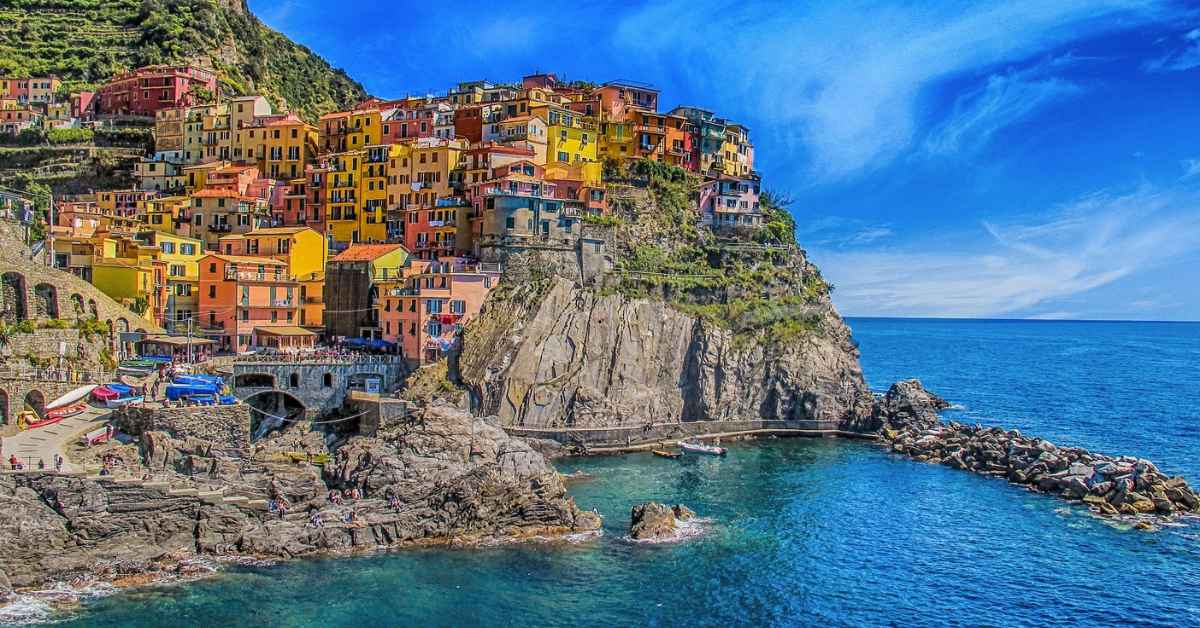
Cinque Terre has a problem. It’s too beautiful for its own good. The five villages that cling to the Ligurian cliffs between Levanto and La Spezia were once a well-kept secret among Italian travelers and intrepid hikers.
Now they appear on every “must-see before you die” list, and the result is predictable. Millions arrive each year, most of them in the same few hours of the same few months, and many leave frustrated by crowds they didn’t anticipate and logistics they didn’t plan for.
But here’s the thing: the magic is still there. I’ve watched my wife’s face light up on the terrace of a wine bar in Manarola as the sun dipped behind the cliffs, long after the day-trippers had caught the last train out. That moment doesn’t happen by accident. It happens because you understand how this place works before you arrive.
This guide isn’t about checking boxes. It’s about understanding the rhythm of Cinque Terre so you can experience it the way it deserves to be experienced.
Before you read further, remember that Italy rewards travelers who come prepared. I’ve found a few things especially useful on an Italy trip, and they’re worth having and/or knowing beforehand. See the checklist here
Having a Good Time in Cinque Terre
The best time in Cinque Terre is not the same as the best time in Rome or Florence. In those cities, the best time often means seeing the most, covering the most ground, and checking off the list. Here, it’s closer to the opposite. The people who have the best time are the ones who do less, slower, and at the right hours.
Here is what that looks like in practice.
The best time happens in the hours everyone else ignores. That means before 9 AM, when the villages are still waking up, and the only people on the street are locals opening shutters and the occasional early riser with a camera.
It means after 6 PM, when the last ferry has left, and the day-trippers have funneled back to the train station. If you’re staying overnight, those two windows are yours. If you’re not, you should still try to carve out the edges of the day, even if it means arriving on the first train and leaving on the last.
The best time involves swimming. This sounds obvious, but a surprising number of visitors treat Cinque Terre as a walking destination and never get in the water. The swimming here is not the point-and-relax beach experience of Sardinia or the Amalfi Coast.
It’s rock jumping and harbor swimming and finding a flat ledge where you can leave your towel. In Manarola, you swim off the rocks near the harbor. In Vernazza, you swim in the small protected inlet.
In Monterosso, you have an actual beach. The water is clean, the views from sea level are entirely different from the views on land, and the experience of floating in the Tyrrhenian after a long hike is one of the things people remember most.
The best time involves eating a long lunch. Not a rushed panino from a counter, but a proper seated meal at a trattoria where nobody is trying to turn your table.
The Cinque Terre lunch that stays with you is the one that stretches past two hours, with a bottle of white wine from the terraces above, a plate of trofie al pesto, and no particular plan for the afternoon. This is not an efficient use of a travel day. It is, however, the entire point.
The best time involves at least one hike. Not all of them, and not the hardest ones, but one. The Monterosso-to-Vernazza trail is the right choice for most people. It’s hard enough to feel earned and short enough that you’re not wrecked for the rest of the day.
The view of Vernazza appearing below you as you come over the ridge is the single best moment in Cinque Terre, and you cannot get it any other way. No photograph does it justice. You have to walk there.
The best time involves one evening that goes later than planned. This is where the wine bars matter. Find one with a view, order something local, and stay past the point where you’d normally leave. The villages after dark are quiet in a way that feels almost impossible given the crowds of midday.
The lights come on along the cliffs. The water goes black. Somewhere nearby, someone is doing dishes and someone else is closing a shop, and you’re just sitting there, and that is the whole experience.
The best time involves accepting that you will not see everything. This is the hardest one for a certain kind of traveler. You will not see all five villages properly. You will not hike every trail. You will miss a restaurant someone told you about.
You will not get the perfect photo from every angle. The people who try to do all of it come home exhausted and vaguely disappointed, because the place never quite matched the version in their head. The people who let some things go come home with a specific memory that belongs only to them.
That’s the answer to the question. Everything else in this guide—the timing, the trains, the cards, the villages—is just the scaffolding that makes those moments possible.
The Timing: Get This Wrong and Nothing Else Matters
Let’s start with the single most important decision you’ll make: when to go. Everything else—your accommodation, your hiking plans, your sanity—depends on this.
The conventional wisdom says spring or fall. That’s correct, but the details matter. September and early October are widely considered the sweet spot.
The sea is still warm enough for swimming (around 24°C in September, dropping as the month progresses), the summer crowds have thinned substantially after the first week, and the light takes on that golden quality photographers chase across the Mediterranean.
The grape harvest is underway, which means the terraced vineyards above the villages are alive with activity, and you might catch a glimpse of Sciacchetrà production—the region’s famous sweet wine made from grapes grown on slopes so steep they seem designed by someone who wanted to test human patience.
September does bring more rain than summer. Statistically, you’ll see some form of precipitation on a good portion of days by the end of the month, and rain events can be intense when they come. But mornings are often clear, and the occasional afternoon storm is a good excuse to sit in a wine bar and wait it out.
April and May are the other excellent windows. Wildflowers cover the terraces, the hiking trails are lush and green, and temperatures sit in that comfortable range where you can walk for hours without melting. The trade-off is that spring weather can be unpredictable, and the sea is still cool enough that swimming requires some commitment.
Now for the months people get wrong. July and August are what most travelers imagine when they picture an Italian summer, but in Cinque Terre they’re a trap. By mid-morning, the villages get so crowded that walking through Vernazza’s main street feels like navigating a subway car at rush hour.
August prices can triple, and the heat and humidity make hiking genuinely uncomfortable. If you absolutely must travel in summer, June is the least punishing choice, and you should plan to be out exploring before 9 AM and after 5 PM.
Winter is the contrarian’s option. The villages are quiet—almost eerily so—and many restaurants and hotels close for the season. But if you don’t need to swim or hike the famous trails, and you’re content with wandering empty streets and eating at the handful of places that stay open, winter offers a version of Cinque Terre that most visitors never see.
Travel Logistics
The train is your friend. This cannot be overstated. The local line connecting the five villages (plus La Spezia and Levanto) runs frequently and reliably, with journeys between villages taking anywhere from one to five minutes.
During strikes, which do happen, most trains still run. I’ve never encountered a traveler who regretted relying on the train; I’ve met several who regretted trying to drive.
If you’re coming from Pisa or Florence, you’ll change at La Spezia Centrale. From Genoa or Milan, same story—Genoa is your transfer point. The station at La Spezia is the main gateway, and the trains that run through the villages are covered by the Cinque Terre Card.
Speaking of which: buy the card. The Cinque Terre Treno MS Card covers unlimited train travel between Levanto and La Spezia, access to the paid hiking trails, use of the internal buses, and free entry to train station toilets (which otherwise cost €1 per use, a small thing that adds up).
The card prices fluctuate based on season and demand, ranging from around €22 in low season to €35 in high season for a one-day adult pass. Multi-day cards offer better value if you’re staying overnight, and family rates exist.
The card also now includes access to the Via dell’Amore, the famous “Path of Love” connecting Riomaggiore and Manarola. This is a change from previous years when you needed a more expensive “Plus” card. The path requires a timed reservation regardless of your card type, with entry slots every half hour limiting visitors to 200 people per slot.
Book online up to 72 hours in advance, and note that in high season the route runs one-way from Riomaggiore to Manarola.
Ferries offer a different perspective, literally, but they shouldn’t be your primary transport. They operate roughly from late March through early November, weather permitting, and serve Monterosso, Vernazza, Manarola, and Riomaggiore—Corniglia has no harbor and cannot be reached by boat. Rough seas cancel sailings with little notice, so treat the ferry as a bonus, not a plan.
What Each Village Actually Offers
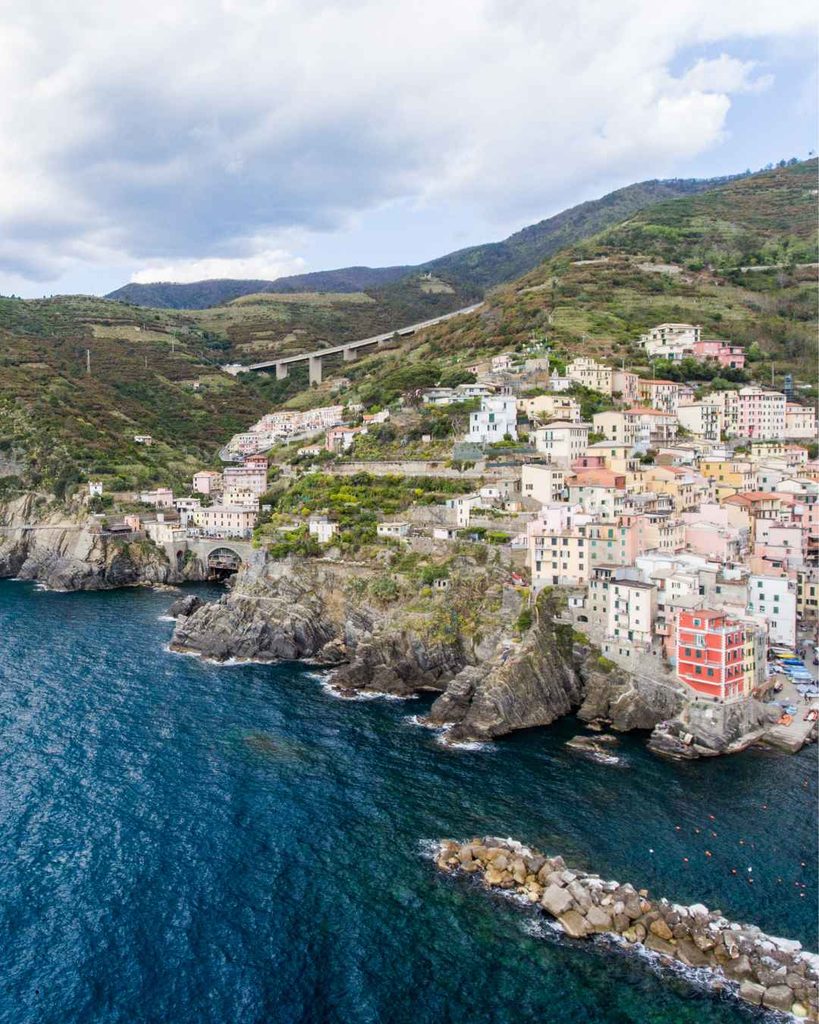
The five villages are often lumped together as a single destination, but they have distinct personalities, and knowing which one suits your mood will transform your experience.
Monterosso is the largest and the most resort-like. It’s the only village with a proper sandy beach, and its layout is significantly flatter than the others, which makes it the most accessible for anyone with mobility challenges.
The town splits into an old section and a newer beachfront area connected by a level tunnel. If you’re traveling with heavy luggage or just want a day that doesn’t involve constant stair climbing, Monterosso is your best bet.
It’s also where you’ll find the region’s famous anchovies, a protected product that tastes nothing like the salty little fish you might be imagining.
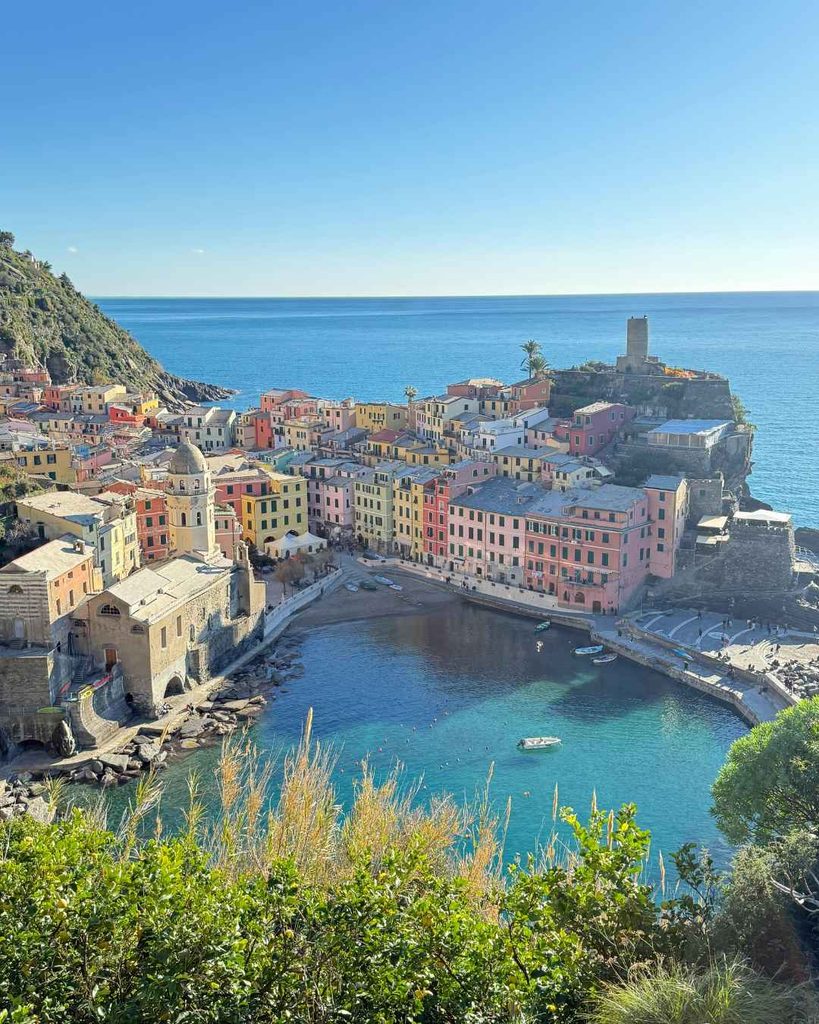
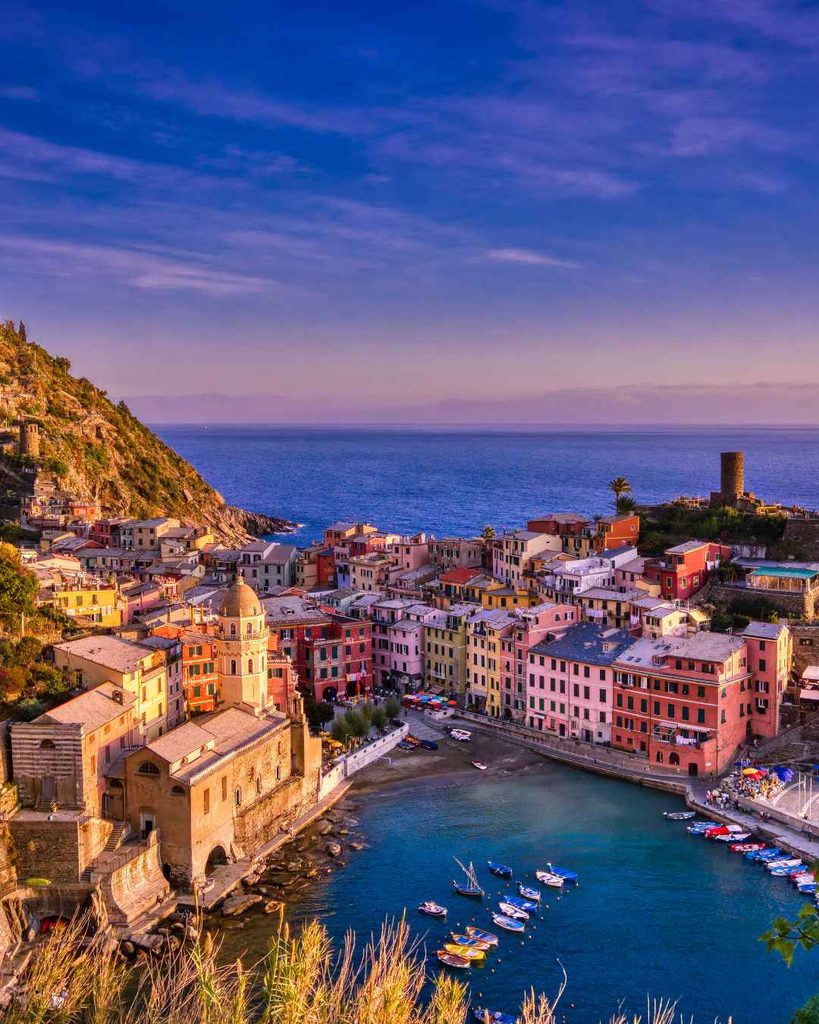
Vernazza is the postcard. The tiny harbor, the pastel buildings stacked above it, the castle on the hill—this is the image that draws people to Cinque Terre. It’s also one of the most crowded, with limited accommodation and a main street that becomes genuinely impassable in peak hours.
But stay overnight, and the evening transformation is remarkable. The day-trippers leave, the piazza by the water fills with people who actually live there or are staying the night, and the village exhales.
Corniglia sits on a hill above the sea, the only village without direct water access. This makes it quieter and, in my view, underrated. You climb 308 steps from the train station (or take the shuttle bus) to reach the village, which filters out a good portion of casual visitors. The reward is a more relaxed atmosphere and a genuine sense of discovery.
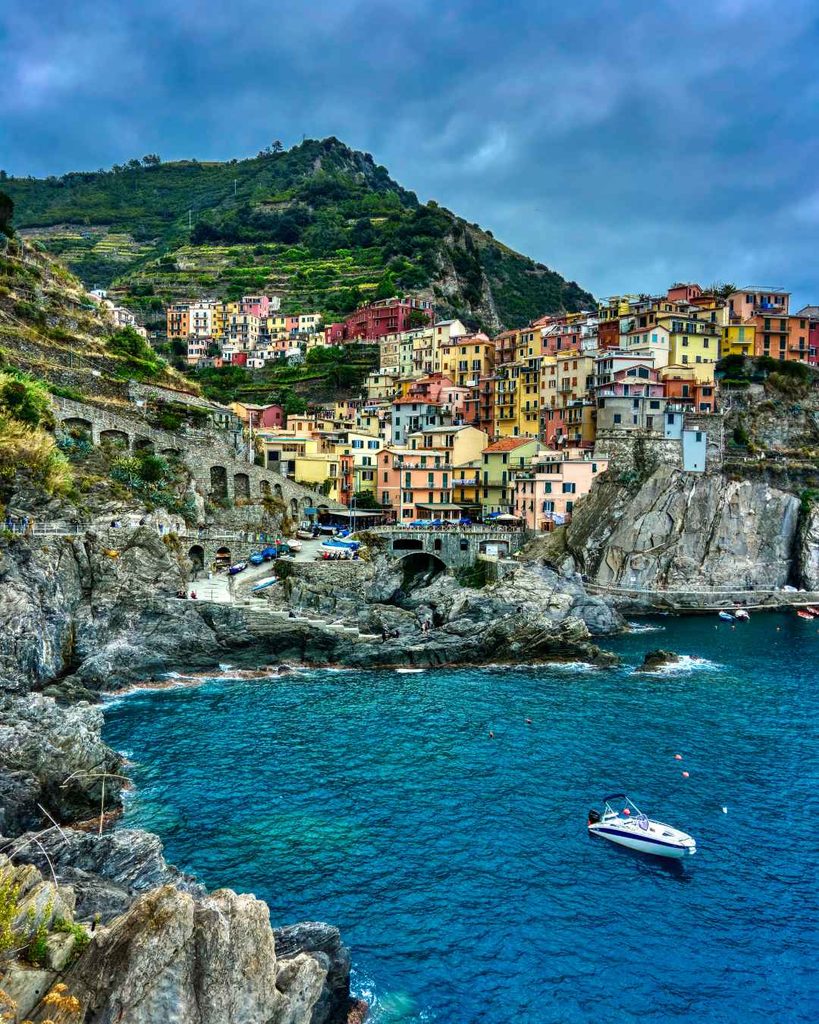
Manarola might be the most romantic of the five (and my favorite). It’s compact, dramatic, and oriented toward sunset, which means the waterfront fills with people in the evening hoping for that perfect photograph.
The wine bars here are excellent, and the swimming spots—rocky rather than sandy—are less crowded than Monterosso’s beach. This is where I’d choose to stay if I were planning a trip for just my wife and me, though I’d book months in advance to make it happen.
Riomaggiore is the southernmost village and often the first stop for visitors arriving from La Spezia. It’s colorful and photogenic, with a small harbor and a main street that rewards wandering off the beaten path. It’s also the starting point for the Via dell’Amore, which makes it a logical first or last stop depending on your direction of travel.
The Hiking Question
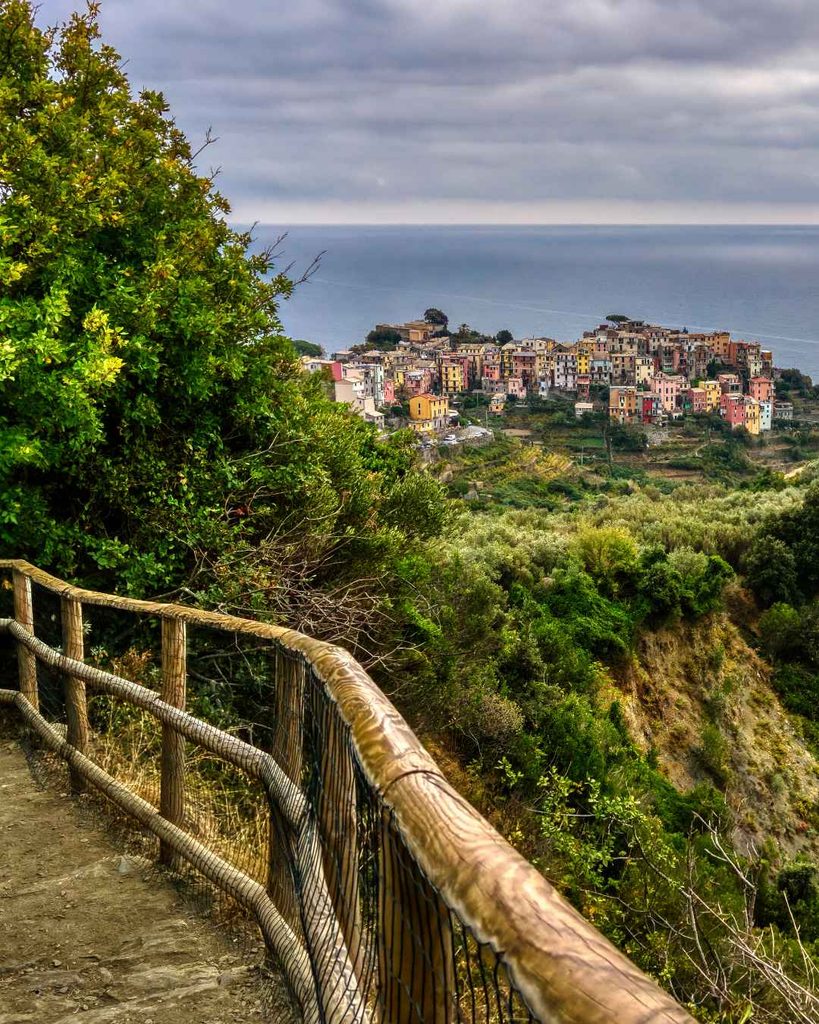
The trails are what elevate Cinque Terre from a pretty coastal destination to something genuinely unforgettable—if you’re prepared for them.
The famous Sentiero Azzurro (Blue Trail) connects the villages along the coast, but it’s not a single continuous path you can simply walk from end to end. Sections close regularly due to landslides and weather, and the trail system is color-coded by difficulty: blue for tourist paths, green for hiking routes, orange for skilled hikers.
Before you set out, check the National Park’s official trail status. Closed trails are marked in black, and weather alerts can shut down the entire network with little notice.
The classic introduction is the Monterosso-to-Vernazza segment. It’s moderate in difficulty, takes about two hours at a reasonable pace, and the first fifteen minutes are almost entirely stairs—a brutal but mercifully brief introduction to what “moderate” means here.
After that, the trail opens up, and the views of both villages from above are worth every step. There’s a small café along the way where you can refill water and catch your breath.
For something more ambitious, the Corniglia-to-Vernazza route is significantly more challenging, with sustained elevation gain and a longer distance. The reward is panoramic views that most day-trippers never earn.
What you need to know: trails close during orange and red weather alerts, and the park actively discourages hiking in those conditions. Afternoon thunderstorms are common in summer and fall, and the stone paths become genuinely dangerous when wet. Start early, carry more water than you think you need, and wear shoes with actual grip. Sandals are a mistake you’ll regret within the first kilometer.
Eating Like You Mean It
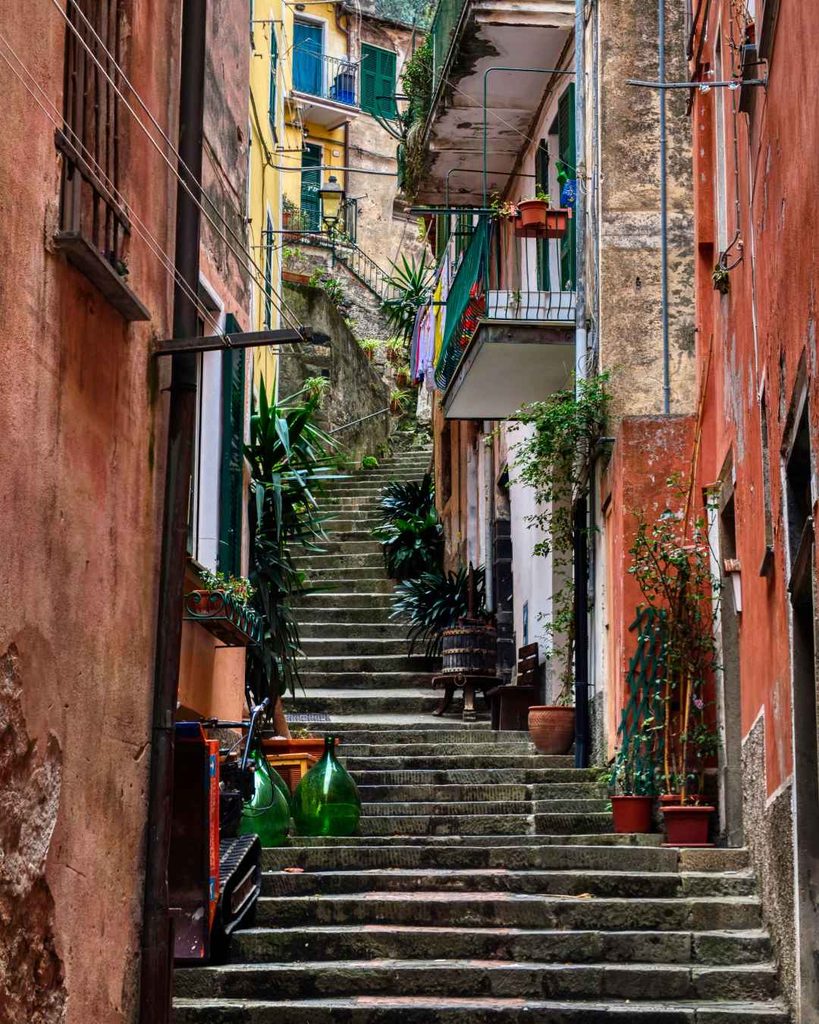
The food situation in Cinque Terre requires a small adjustment in expectations. The villages are tourist destinations, and many restaurants have optimized for volume rather than quality.
The rule I’ve found most reliable: walk away from any restaurant with photo menus, menus in more than two languages, or a host standing outside trying to wave you in. These are signals that the kitchen has stopped caring.
What you’re looking for instead is trofie al pesto, the region’s signature dish. The trofie are short, twisted pasta shapes that catch the sauce in a way other pasta can’t, and the pesto is made with small-leafed basil grown on the terraced hillsides above the villages. It tastes different here—fresher, more vibrant—and you should order it everywhere, compare, and form strong opinions.
Anchovies from Monterosso are a specific local product worth seeking out. They’re cured or marinated and served as antipasti, and the difference from standard anchovies is not subtle. Focaccia appears throughout the region, but the best versions come from bakeries rather than restaurants—look for a forno and buy it fresh.
For a splurge, Sciacchetrà is the wine to try. It’s a sweet, amber-colored passito made from grapes grown on slopes so steep that farming them seems like a form of madness. Production is tiny, which makes it expensive and hard to find outside the region. Drink it at the end of a meal with a cantucci biscuit, ideally somewhere with a view of the terraces where the grapes were grown.
The practical advice: eat lunch either before noon or after 1:30 PM. The 12:30-1:30 window is when every day-tripper in the villages decides to eat simultaneously, and every decent restaurant fills instantly. Carry cash—some of the best small places don’t take cards. And buy a bag of focaccia for the train; it travels well and tastes better than you expect.
Where to Sleep
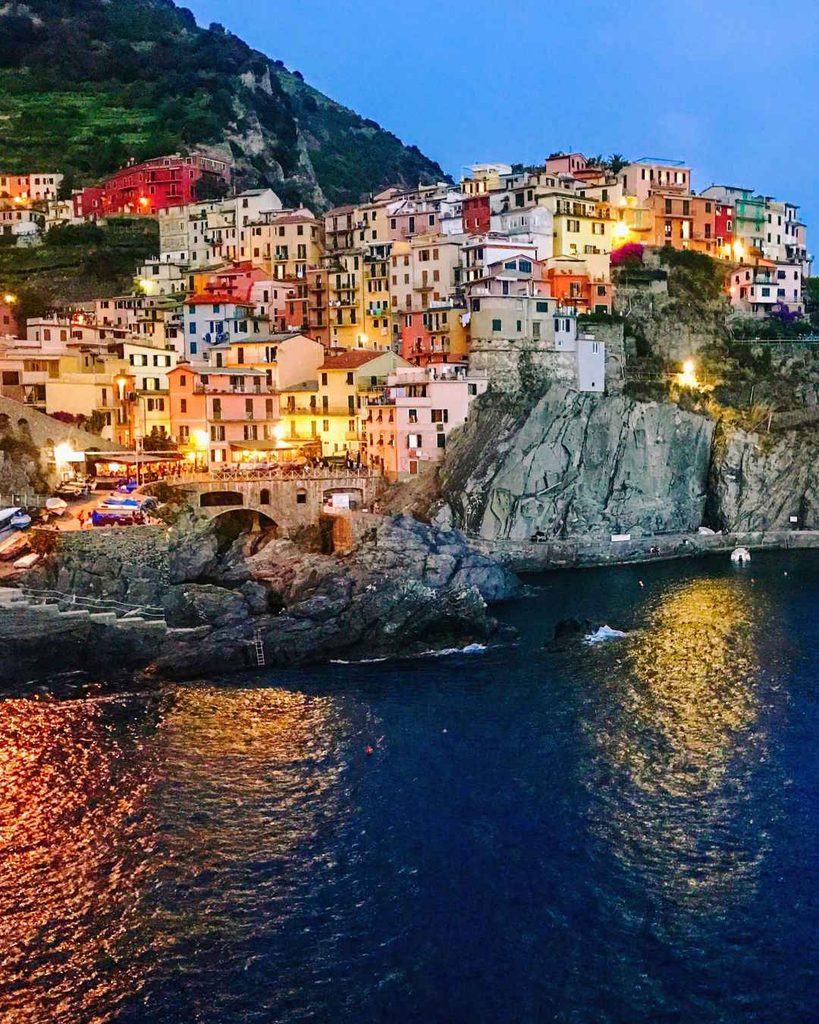
The choice between staying in the villages versus staying outside them is a real trade-off, not a clear winner.
Staying in the villages means experiencing Cinque Terre at its best hours—early morning before the crowds arrive, and evening after they leave. It means waking up to the sound of the sea and walking empty streets that will be packed by 10 AM.
It also means paying more, booking months in advance for spring and fall, and hauling your luggage up stairs that were not designed for rolling suitcases.
Staying in La Spezia or Levanto means more availability, lower prices, and easier logistics. You sacrifice the early morning and evening magic, and you become dependent on the train schedule, but you gain flexibility and comfort. For a first visit, if you can’t secure village accommodation, La Spezia is a perfectly reasonable base.
Within the villages, options are limited and mostly family-run. There are no five-star hotels here—that’s not what Cinque Terre is about. You’ll find guesthouses, small hotels, and rooms in private homes. The quality varies, and the stairs are non-negotiable.
Vernazza offers the classic experience if you can find availability. Manarola is best for couples and sunset lovers. Monterosso is the most practical for families or anyone with mobility concerns. Read more about this topic in this guide
Crafting Your Itinerary
How many villages can you see in a day? Technically, all five. Practically, three is the limit if you want to actually experience them rather than just pass through.
The train rides are short, but the waiting, the platform navigation, and the walking to and from stations add up. Trying to “do” all five in a day means spending more time in transit than in any single place.
If you’re day-tripping from La Spezia or arriving by cruise ship, pick three villages and do them well. Monterosso, Vernazza, and Manarola make a good combination—Monterosso for the beach and breakfast, Vernazza for the classic harbor and lunch, Manarola for sunset and wine.
If you’re staying overnight, you have the luxury of slowing down: one village per half-day, with hiking or swimming in between, and evenings spent wandering wherever you find yourself.
The cruise ship situation deserves a specific note. Ships dock at La Spezia, and the station is a twenty-minute walk from the terminal. Independent exploration is entirely feasible and usually better than organized excursions. But watch your time carefully—the trains are reliable, but you don’t want to be sprinting for the gangway.
The Mistakes That Ruin Trips
I’ve watched people make the same errors over and over. The most common is treating Cinque Terre as a checklist. The villages are small, and the temptation is to see them all as quickly as possible.
However, the experience that stays with you isn’t the one where you saw five villages in six hours. It’s the one where you sat on a bench in Manarola for an hour watching the light change, or swam in Vernazza’s harbor in the late afternoon when the water had warmed all day.
The second mistake is underestimating the terrain. This is not a place for high heels, for heavy luggage, or for anyone who struggles with stairs. Corniglia’s 308 steps are just the beginning. Every village involves climbing, and the trails involve more. Pack light, wear proper shoes, and accept that your legs will be sore.
The third mistake is ignoring the weather. Trails close. Ferries cancel. Afternoon storms roll in with little warning. A rigid itinerary built for perfect conditions will collapse the first time Liguria decides to remind you who’s in charge. Always have a backup plan—a wine bar, a cooking class, a museum in La Spezia, or simply a long lunch.
What You’ll Remember
The moments that define a trip to Cinque Terre aren’t the ones you plan. They’re the ones that happen in the margins—the impromptu swim off the rocks in Manarola, the conversation with a winemaker in Vernazza, the focaccia you bought from a bakery that had no sign and no English menu and tasted like the best thing you’d eaten in years.
This place has been photographed to death, and that’s both its blessing and its curse. The blessing is that you know what you’re coming for. The curse is that it’s easy to arrive with a checklist of images to recreate and miss everything else.
Go in the shoulder season. Stay overnight if you can. Pick three villages and let yourself slow down. Eat the pesto, drink the Sciacchetrà, and climb the stairs even when you don’t want to. The best time in Cinque Terre isn’t about seeing everything. It’s about letting this strange, vertical, beautiful corner of Italy work on you at its own pace.
Again, feel free to go through the list below of my Italy recommendations that I have crafted after years of travel to this beautiful country:
- Packing List: Things Not to Go to Italy Without
- Must-Do Things: Unforgettable Experiences
- Where to Stay: Best Hotels in Italy.
- Where to Stay in Rome: Rome’s Best Neighborhoods
- Where to Stay in Florence: Picking the Best Area
- Where to Stay in Venice: Venice’s Best Districts
- Italy’s Cobblestone Streets: Best Shoes For the Job
- Backpack or Suitcase?: Italy Luggage Guide
- Travel Insurance: Always Be Covered
- E-Sim: Be Connected At All Times