

Florence is a city that fits in your pocket. The historic center is barely a kilometer and a half across, and every major sight is within a twenty-five-minute walk of every other one.
You can cross the Arno in five minutes, climb a hill for the best view in Tuscany, and still be back in time for dinner. This compactness is what makes Florence so magical. It is also what makes it so easy to get wrong.
The mistake most visitors make is trying to see everything. They book every museum, climb every tower, and walk until their feet blister, and they leave feeling like they survived Florence rather than experienced it.
The city rewards a different approach. It rewards slow mornings, long lunches, and the willingness to sit in a piazza for an hour doing nothing at all.
This itinerary is built around that idea. It covers the essentials, but it leaves room for the moments that make Florence unforgettable: the light on the Arno at sunset, the smell of leather in a workshop in the Oltrarno, the taste of a gelato you did not plan to eat.
Three days is enough to fall in love with this city. This is how I would spend them.
Before you read further, remember that Italy rewards travelers who come prepared. I’ve found a few things especially useful on an Italy trip, and they’re worth having and/or knowing beforehand. See the checklist here. Also, if you want me to plan an Italy trip for you that you will never forget, drop me a message here
Before You Arrive: The Things You Cannot Book Later
Florence has become a city where the most important experiences require advance planning. If you show up without reservations, you will spend your days in lines, and the lines in Florence are not short.
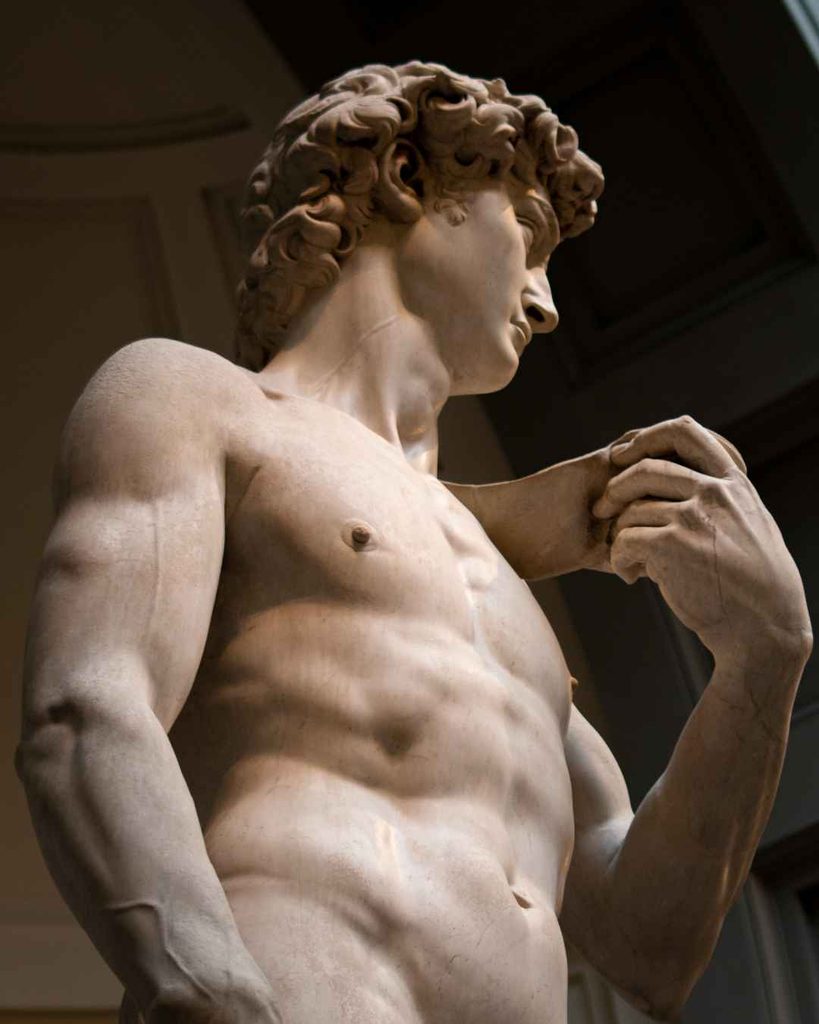
The Accademia Gallery, home to Michelangelo’s David, operates on timed entry, and the most desirable morning slots sell out weeks in advance. The Uffizi Gallery, one of the greatest art museums in the world, requires a reservation for anyone who values their time.
The Brunelleschi Dome climb is limited to a small number of people per time slot, and it sells out regularly.
Book these three before you leave home. The official websites are the best places to do it, and they are usually cheaper than third-party sellers. If you are visiting between April and October, book as far ahead as possible. If you are traveling in winter, you have more flexibility, but booking in advance is still a good idea.
The Duomo complex ticket, which includes the cathedral, the crypt, the baptistery, and the museum, is separate from the dome climb. The dome climb requires its own reservation, and it is the only part of the complex that sells out reliably.
If you want to do guided tours or if you can’t get a ticket from the official website, this is where you should check.
Where to Stay: The Neighborhoods That Work for Three Days
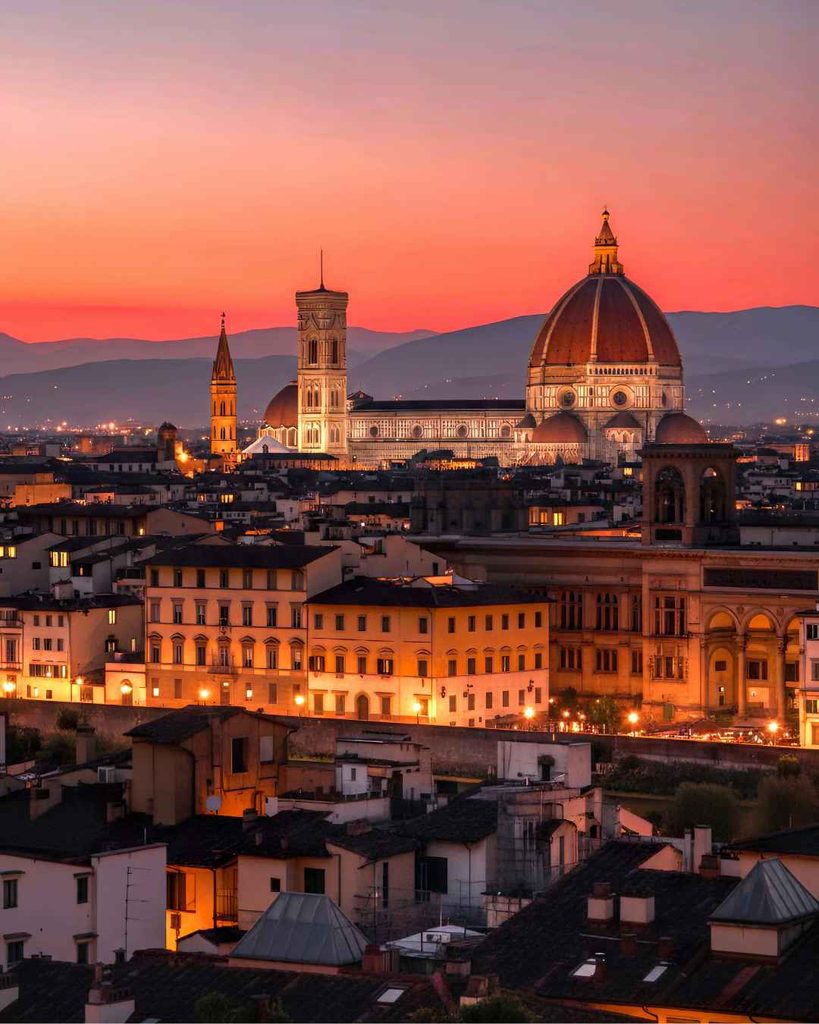
For a three-day trip, location is everything. You want to be within walking distance of the major sights, and you want to be in a neighborhood that feels alive in the evening.
The San Giovanni neighborhood, around the Duomo, is the most central. You step out of your hotel and the cathedral is right there. It is also the busiest and the most expensive. If you want to be in the heart of everything, this is the place, but be prepared for noise and crowds.
Santa Croce, east of the Duomo, is a good compromise. It is close to the center but slightly quieter, and it has a lively piazza with restaurants and cafes. It is also within easy walking distance of the Arno and the Oltrarno.
The Oltrarno, across the river, is my personal favorite for a three-day trip. It is quieter, more local, and slightly less expensive than the center. The Santo Spirito neighborhood has a village feel, with artisan workshops, good restaurants, and a piazza that comes alive in the evening.
The walk to the Uffizi takes about fifteen minutes, and the walk to the Duomo takes about twenty-five. The trade-off is worth it for the atmosphere.
If you are arriving by train and want maximum convenience, Santa Maria Novella, around the station, is practical but less charming. It is a good choice if you have an early departure or if you are using Florence as a base for day trips.
I wrote a different article about the best places in Florence. Read it here.
Day One: The Renaissance Heart
Your first day in Florence should be about orientation. You want to see the icons, get a feel for the city, and end the day with a view that makes you understand why people fall in love with this place.
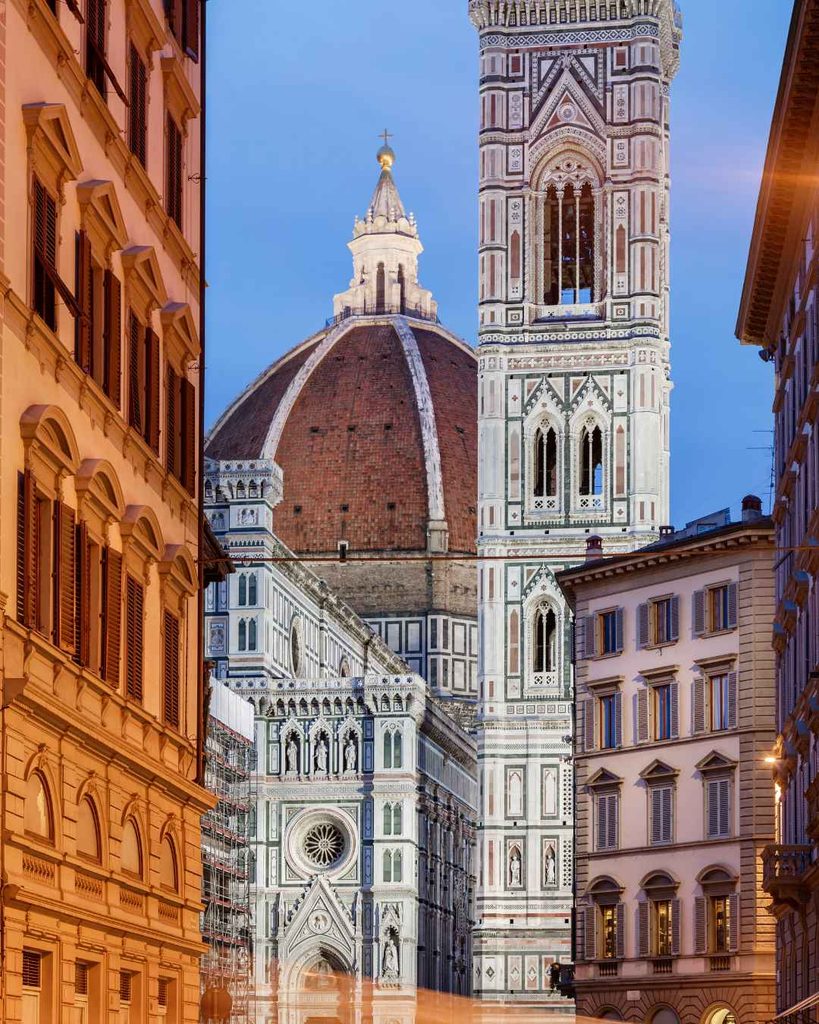
Start early. The Duomo opens at 10:15 for general visits, but the piazza is beautiful at any hour. If you have booked the dome climb, your time slot will be specific. The climb is 463 steps, and the reward is the best close-up view of the cathedral’s interior and a panorama of the city from the top of the dome.
If you have not booked the climb, you can still admire the cathedral from the outside. Brunelleschi’s dome is the largest masonry dome ever built, and it is still the symbol of Florence.
The Baptistery, directly in front of the cathedral, is worth a visit for its bronze doors. The originals, known as the Gates of Paradise, are in the Duomo Museum, but the copies on the building are impressive enough. The interior of the baptistery has a mosaic ceiling that is best seen in the morning light.
From the Duomo, walk to Piazza della Signoria. This is the political heart of Florence, and it has been for centuries.
The Palazzo Vecchio, the town hall, dominates the square, and the Loggia dei Lanzi, an open-air sculpture gallery, contains some of the most important statues in the city, including Cellini’s Perseus and Giambologna’s Rape of the Sabine Women.
The David in the square is a replica; the original is in the Accademia. I wrote about David in a separate article. Read it here.
If you have booked the Uffizi, this is the time to visit. The Uffizi was built by the Medici to house their offices and their art collection, and it now contains one of the greatest collections of Renaissance art in the world.
The Botticelli rooms are the highlight for most visitors, with the Birth of Venus and the Primavera. The museum is large, and it can be overwhelming. Focus on the rooms that interest you and do not try to see everything. The cafe on the top floor has a view of the Palazzo Vecchio that is worth a stop.
After the Uffizi, walk to the Ponte Vecchio. This is the oldest bridge in Florence, and it is lined with jewelry shops that have been there for centuries.
The Vasari Corridor, an elevated passageway that the Medici used to move between their palace and the government offices, runs above the shops. The bridge is crowded, but it is worth walking across, especially in the late afternoon when the light is golden.
End your day with a walk to Piazzale Michelangelo. The climb takes about twenty-five minutes from the Ponte Vecchio, and the view is the best in Florence.
You can see the entire city spread out below you, with the Duomo at the center and the Arno winding through. There is a bronze replica of David in the piazza, and there are usually vendors selling drinks and snacks. Stay for sunset. It is worth the climb.
For dinner, walk back down into the Oltrarno and find a trattoria in the Santo Spirito neighborhood. The food here is more local and less expensive than in the center, and the atmosphere is relaxed. Try the ribollita, a traditional Tuscan soup, or the pici, a thick hand-rolled pasta that is a specialty of the region.
Day Two: Art, History, and the Other Side of the River
Your second day should be dedicated to the art that makes Florence famous and to the neighborhood that most visitors overlook.
Start at the Accademia Gallery. If you have booked an early time slot, you will avoid the worst of the crowds. The Accademia is smaller than the Uffizi, and the David is the main attraction.
The statue is at the end of a long corridor, and the effect of seeing it for the first time is something that photographs cannot capture. Michelangelo carved it from a block of marble that everyone else had abandoned, and it is the most famous sculpture in the world.
Take your time with it. Walk around it. Look at the hands, the muscles, the expression on the face. The Accademia also has a collection of musical instruments and a room of Russian icons that are worth a quick look.
From the Accademia, walk to the Medici Chapels, which are attached to the Church of San Lorenzo. The chapels contain the tombs of the Medici family, and the New Sacristy, designed by Michelangelo, is one of the masterpieces of the Renaissance.
The Medici were the family that made Florence great, and their story is inseparable from the story of the city. Read about it here.
Lunch at the Mercato Centrale. This is a large indoor market near the train station, and it has a food hall on the upper floor with stalls selling everything from pizza to pasta to gelato.
It is a good place to try a variety of local foods without committing to a full restaurant meal. The market itself is worth walking through, even if you do not buy anything.
In the afternoon, cross the river to the Oltrarno. This is the “other side” of Florence, and it is where the artisans work. Walk down Borgo San Jacopo and explore the side streets. You will find workshops making leather goods, jewelry, and marbled paper.
The Piazza Santo Spirito is the heart of the neighborhood, and the Church of Santo Spirito, designed by Brunelleschi, is worth a visit. The church has a Michelangelo crucifix in the sacristy.
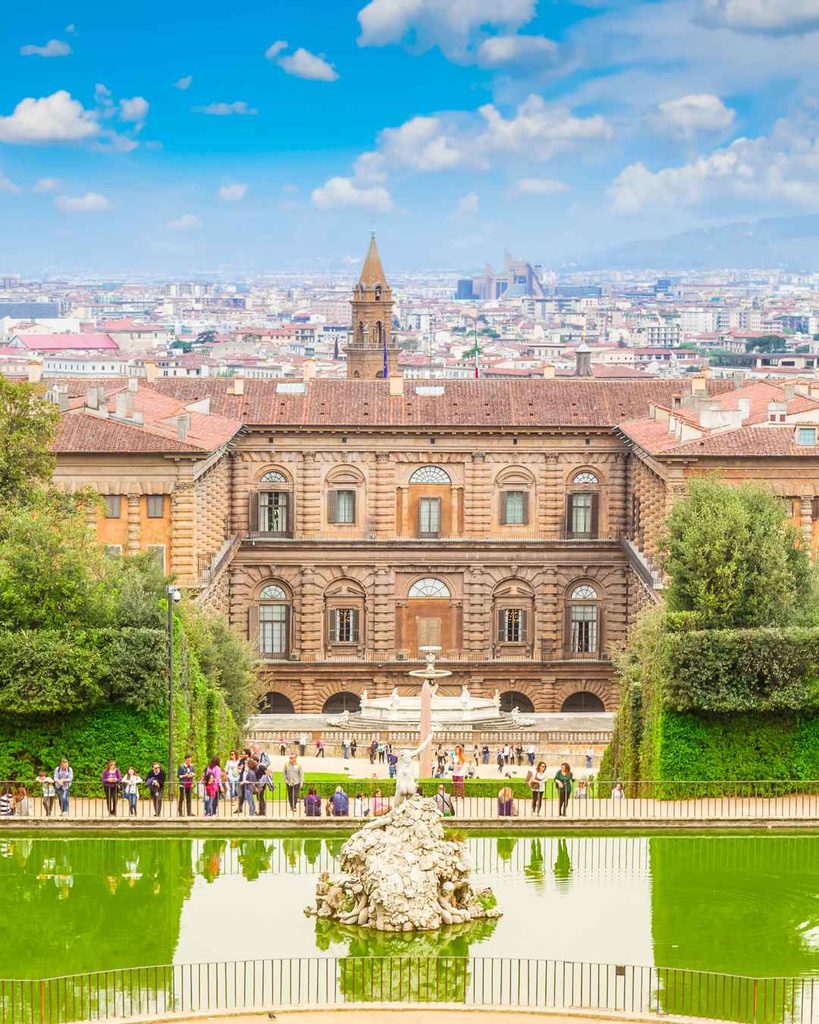
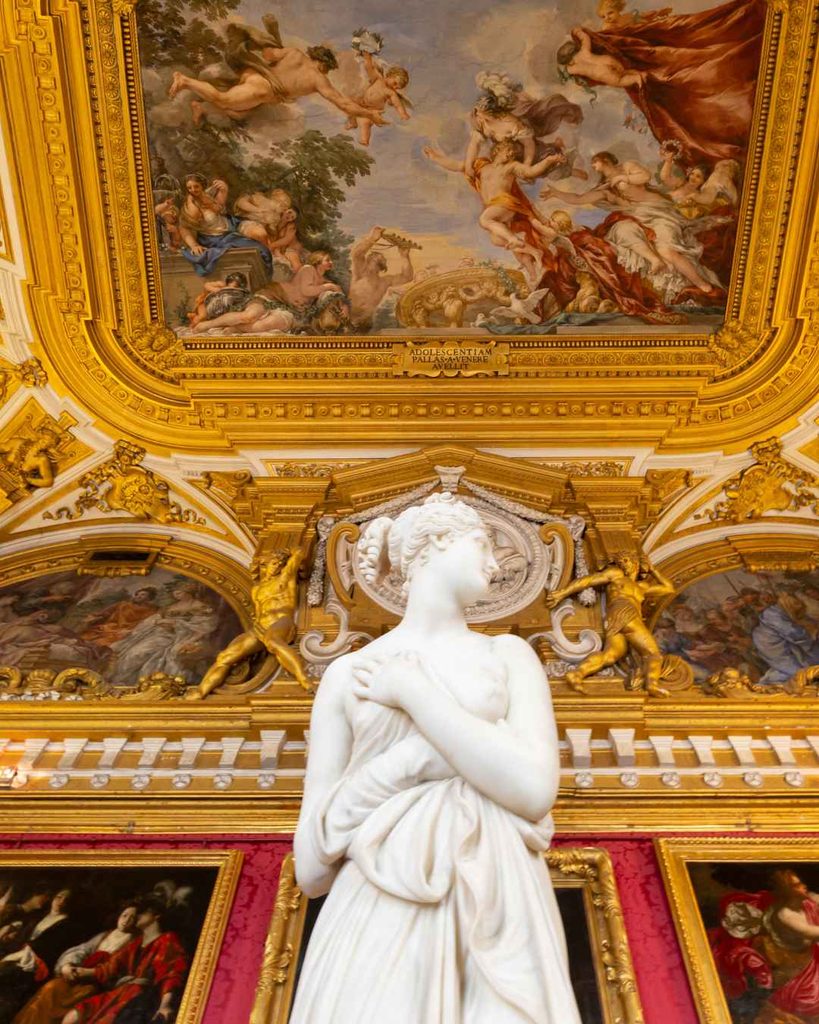
If you have time and energy, visit the Pitti Palace and the Boboli Gardens. The palace was the residence of the Medici, and it now houses several museums, including the Palatine Gallery, which has a collection of Raphael paintings.
The Boboli Gardens behind the palace are large and beautiful, with fountains, statues, and views of the city. They are a good place to escape the crowds and to walk.
For dinner, stay in the Oltrarno. There are excellent restaurants in the Santo Spirito area, and the atmosphere is more local than in the center. Try the Florentine steak if you are a meat eater.
It is a thick T-bone steak, grilled rare and served with olive oil and lemon. It is a Florentine tradition, and it is worth experiencing at least once.
Day Three: Churches, Views, and the Florence That Locals Know
Your third day should be about the things that most visitors miss. Florence has more than its fair share of famous churches, and some of the best ones are outside the main tourist route.
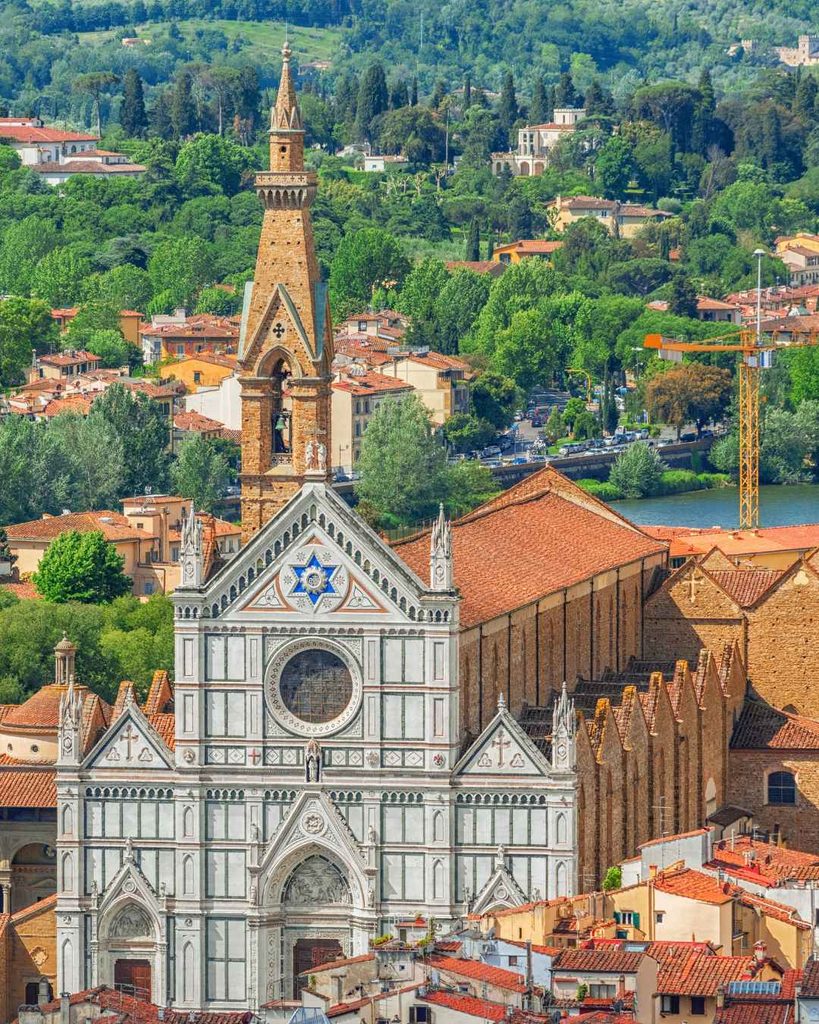
Start at the Basilica of Santa Croce. This is the largest Franciscan church in the world, and it is the burial place of some of Italy’s greatest figures, including Michelangelo, Galileo, and Machiavelli.
The church itself is beautiful, with frescoes by Giotto and his followers, and the cloisters are peaceful and quiet. It is a good place to start the day.
From Santa Croce, walk to the Bargello Museum. This is a sculpture museum in a former prison, and it has a collection of works by Donatello, Michelangelo, and Cellini.
It is less crowded than the Accademia or the Uffizi, and the building itself is interesting. Donatello’s bronze David, the first free-standing nude statue since antiquity, is here, and it is a good contrast to Michelangelo’s David.
Lunch at a trattoria in the Santa Croce neighborhood. There are several good options on the side streets, and they are less expensive than the restaurants near the Duomo. Try the panino con lampredotto, a sandwich made with tripe, which is a traditional Florentine street food.
In the afternoon, visit the Church of Santa Maria Novella. This is the main Dominican church in Florence, and it has a beautiful facade and a collection of important artworks, including Masaccio’s Trinity, which is one of the first paintings to use linear perspective.
The church is near the train station, so it is a good last stop if you are leaving in the evening.
If you have time, climb Giotto’s Bell Tower. The tower is part of the Duomo complex, and it is 414 steps to the top. The view is different from the dome, and it is less crowded. It is a good alternative if you could not get a dome reservation.
End your trip with a walk along the Arno. The river is beautiful at sunset, and the bridges are lit up in the evening. Walk from the Ponte Vecchio to the Ponte Santa Trinita and back. Stop for a gelato at one of the gelaterias along the way.
This is the Florence that stays with you: the light on the water, the sound of footsteps on cobblestones, the taste of something sweet.
For your last dinner, choose a restaurant that has meaning for you. Maybe it is the trattoria where you had your first ribollita, or the pizzeria where you watched the sun set over the rooftops. Florence is a city that rewards repetition. The places you return to become part of your memory of the city.
Practical Details: How to Make It Work
Florence is a walking city. The historic center is closed to most traffic, and the major sights are all within walking distance of each other.
You will walk between five and ten kilometers a day, so bring comfortable shoes. Cobblestones are hard on your feet and your knees, and the hills add difficulty. This is not a city for high heels or brand-new shoes. I wrote a different article about the shoes to wear in Italy. Read it here.
Public transport is useful for a few specific routes. The tram from the airport to the train station is convenient and cheap. Bus 12 or 13 goes up to Piazzale Michelangelo, which is useful if you do not want to walk. But for most of your trip, you will walk. That is the point.
The Firenze Card is a museum pass that gives you access to many of the major sights and public transport. It costs about €85 and is valid for 72 hours. It can be a good value if you plan to visit several museums, but it does not include the dome climb or the Uffizi if you book through the official website. Do the math before you buy it.
Food in Florence is excellent, and you do not need to spend a fortune to eat well. A panino from a street vendor costs a few euros. A plate of pasta at a casual trattoria costs around €10-15. A sit-down dinner with wine costs €25-40 per person.
The Mercato Centrale is a good option for a quick and affordable lunch. The restaurants in the Oltrarno are generally cheaper than those in the center.
Gelato is a must. There are excellent gelaterias throughout the city, and the best ones are usually the ones that do not have brightly colored displays. Look for gelato that is muted in color, because that means it is made with natural ingredients. The fruit flavors are particularly good in summer.
Book your tickets in advance. The Uffizi, the Accademia, and the dome climb all require reservations, and they sell out. Book as soon as your dates are confirmed, especially if you are visiting between April and October. The official websites are the best places to book. Alternatively, book guided tours or last-minute tickets from here.
Conclusion
Florence is a city that rewards travelers who slow down. The famous sights are worth seeing, and you should see them. But the city that stays with you is the city you experience between the sights: the quiet morning in a piazza, the long lunch that turns into an afternoon, the sunset from a hilltop, the gelato you did not plan to eat.
Three days is enough to fall in love with Florence. It is not enough to see everything, and that is okay. The things you miss are waiting for your next visit. Florence is not a city you see once. It is a city you return to, again and again, each time discovering something new.
So book your tickets. Pack your comfortable shoes. Wake up early. Walk slowly. Eat well. Sit in a piazza. Watch the light change. Let Florence reveal itself to you.
That is how I would spend three days in Florence. And that is the trip that stays with you.
Again, feel free to go through the list below of my Italy recommendations that I have crafted after years of travel to this beautiful country:
- Packing List: Things Not to Go to Italy Without
- Must-Do Things: Unforgettable Experiences
- Where to Stay: Best Hotels in Italy.
- Where to Stay in Rome: Rome’s Best Neighborhoods
- Where to Stay in Florence: Picking the Best Area
- Where to Stay in Venice: Venice’s Best Districts
- Italy’s Cobblestone Streets: Best Shoes For the Job
- Backpack or Suitcase?: Italy Luggage Guide
- Travel Insurance: Always Be Covered
- E-Sim: Be Connected At All Times