
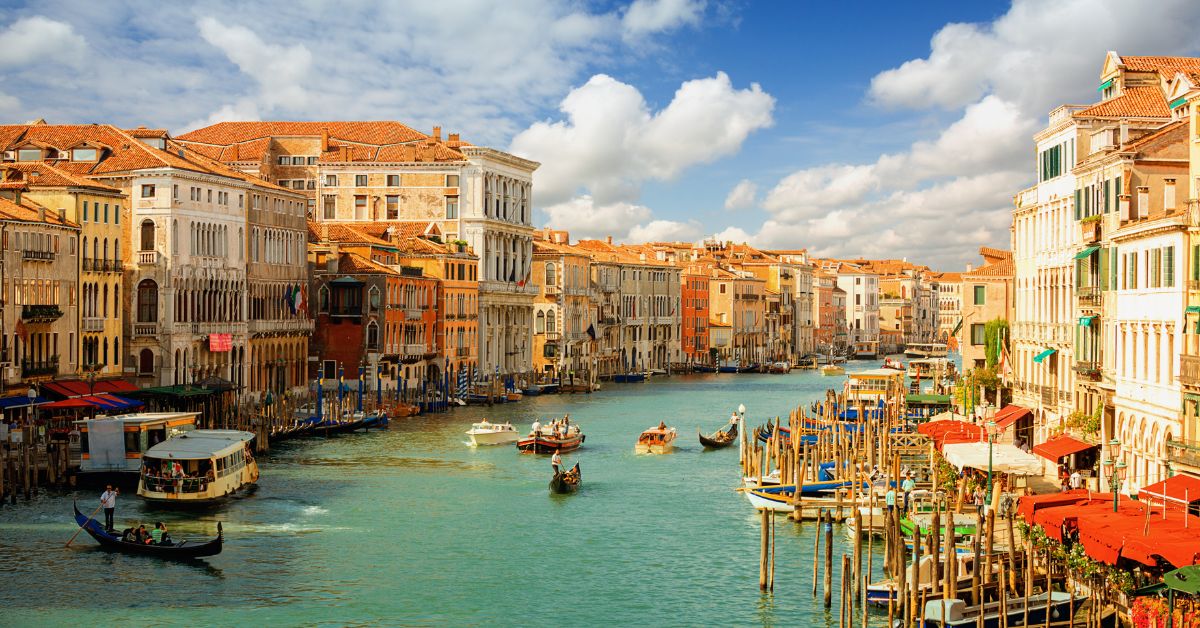
So Italy is calling your name—the pasta, the art, the coastline. You haven’t (or you have) booked the flights yet, but you’re already dreaming of what to bring. But hold on—should you even pack a suitcase? Or would a backpack, a duffel, or a carry-on serve you better on those cobblestone streets, narrow staircases, and train platforms?
Before you zip up anything, let’s talk about what you actually need to pack or buy for Italy. From the right bag to the right shoes and every clever little item in between, this list will help you travel smarter.
1. Comfortable Walking Shoes
The shoes you pick for Italy are crucial because you’ll be walking—a lot. Think ancient cobblestone streets that are uneven, slippery when wet, and unforgiving to thin soles or flimsy flats. You’ll likely clock 10 to 15 miles a day just exploring cities like Rome, Florence, and Venice, often without realizing it until your feet scream mercy.
Good walking shoes with arch support, cushioning, and a grippy sole will save you from blisters, back pain, and ruined afternoons spent nursing sore feet at a cafe instead of climbing the Duomo. Stylish but practical is the goal.
Here are a few pairs that I recommend:
Ecco Soft 7 Sneaker
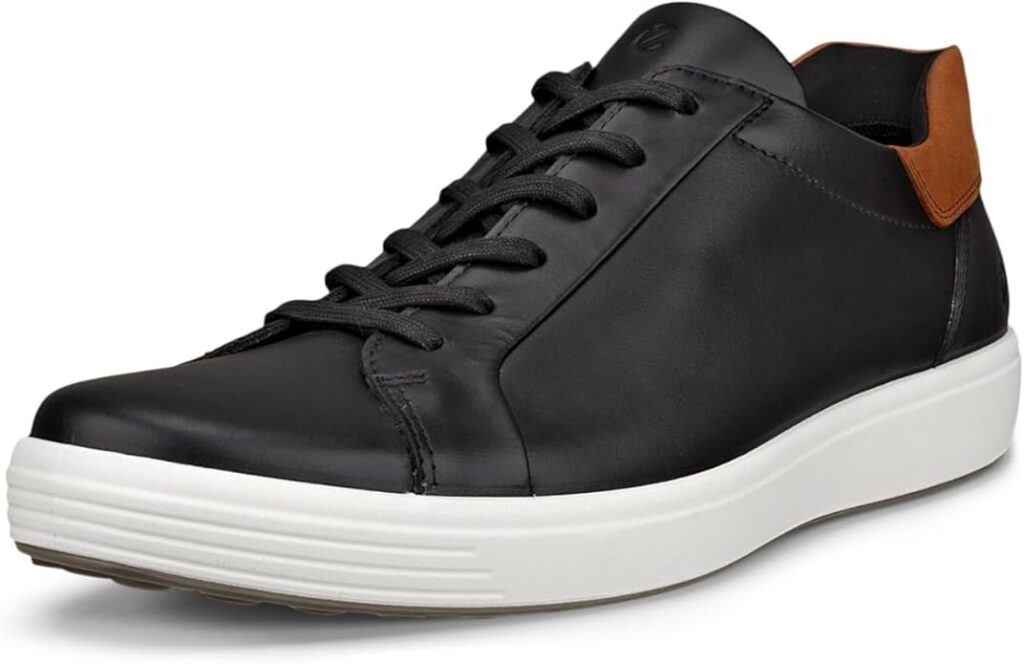
Ecco is a European favorite for a reason. The Soft 7 features premium leather, a removable leather-covered insole, and a flexible, shock-absorbing sole. These shoes look smart enough for nice dinners but feel like athletic shoes. They work beautifully across Italy—from Milan’s fashion district to Venice’s bridge stairs. Break them in for one day, and they are ready.
Skechers GO WALK Arch Fit
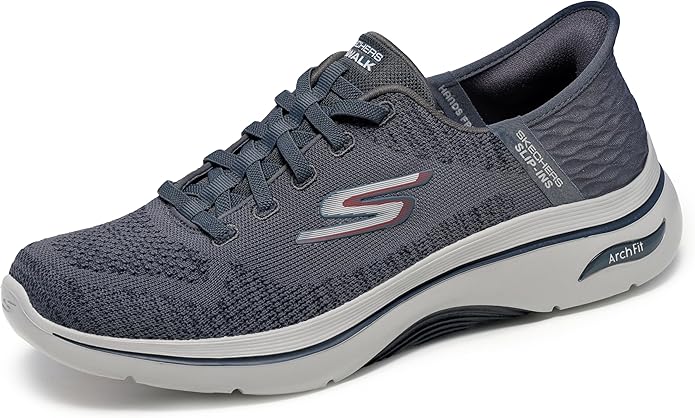
Skechers is not glamorous, but the GO WALK Arch Fit is brutally practical. It features a podiatrist-certified arch support system and an ultra-cushioned sole. These are ideal for travelers with plantar fasciitis, flat feet, or previous foot injuries. They are also machine washable. Wear them for marathon sightseeing days in Rome, Vatican City, or Naples. No one will compliment them, but you will walk longer than anyone else.
Cole Haan GrandPro Topspin
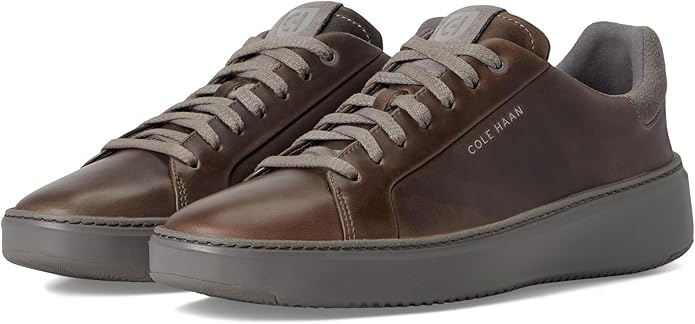
Need a shoe that works from the Colosseum to a nice rooftop bar? The GrandPro Topspin combines a classic leather sneaker upper with a lightweight, cushioned athletic sole. It looks polished but feels like a sneaker. Italian men and women dress well, and this shoe helps you fit in while staying comfortable. Choose black, white, or tan leather.
Vionic Bella Toe Post Sandal
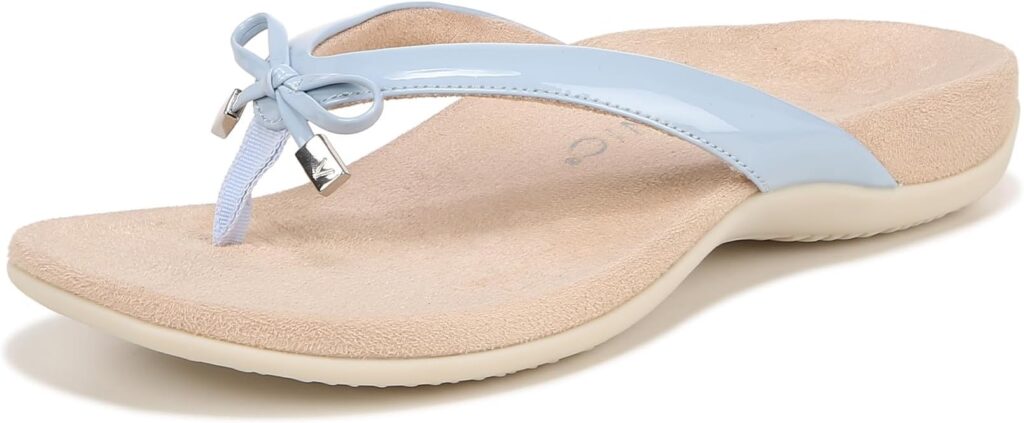
For summer in southern Italy (Amalfi Coast, Sicily, Puglia), you need a supportive sandal. Vionic’s Bella sandal features a podiatrist-designed footbed with deep heel cup and arch support. The toe post is soft and won’t cause blisters, and the leather upper looks elegant enough for daytime sightseeing. Avoid flat sandals like Havaianas—your arches will collapse quickly on cobblestones.
Allbirds Tree Runners
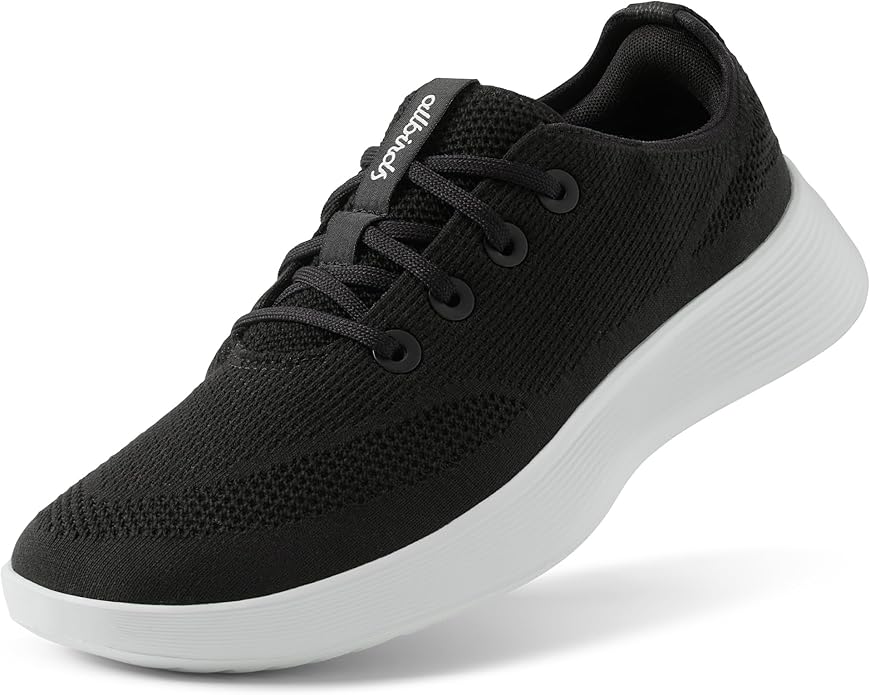
A lightweight, breathable sneaker made from renewable materials. The Tree Runners are ideal for summer in Italy because they wick moisture, resist odor, and require no socks (though you can wear no-show socks). The cushioned midsole handles cobblestones surprisingly well, and the machine-washable design is perfect after dusty days in Pompeii or Rome. They also pack flat.
Birkenstock Arizona Soft Footbed
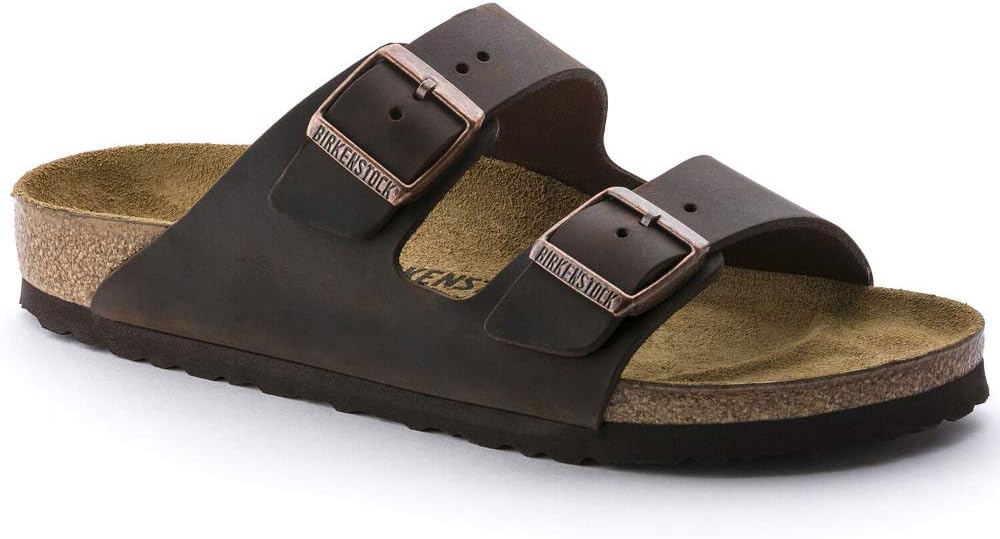
Birkenstock Arizona Soft Footbed sandals are an excellent choice to pack for Italy. First, they offer exceptional arch support and a deep, cushioned heel bed, which is a lifesaver on those unforgiving cobblestone streets. Your feet will thank you after a full day of sightseeing.
On Running Cloud 5
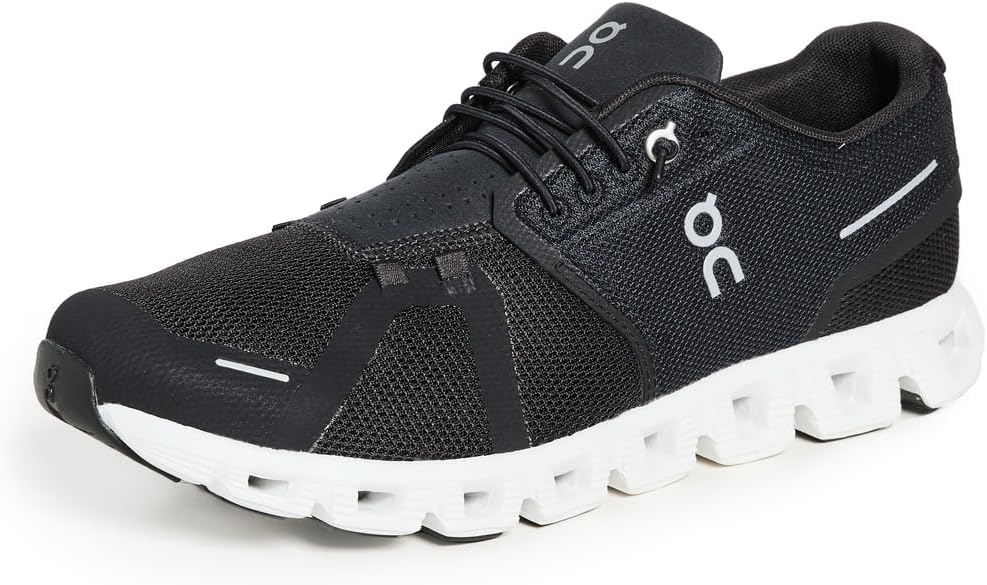
The On Cloud 5 is a sleek, Swiss-engineered sneaker with a perforated upper and zero-gravity foam. It is extremely lightweight and breathable, making it excellent for hot Italian summers. The “CloudTec” sole absorbs impact on hard stone surfaces. They also have a speed-lacing system, so you can slip them on and off quickly—useful for airport security and church visits.
2. Light and Smart Luggage
When choosing a bag for Italy, forget the giant hard-shell suitcase—cobblestone streets will rattle and crack the wheels, while narrow hotel staircases and elevator-less buildings turn rolling luggage into a dreaded deadlift. Instead, opt for a 40-50 liter travel backpack or a hybrid wheeled duffel with detachable backpack straps, keeping your hands free for tickets, gelato, and gripping crowded bus rails. A carry-on sized bag (roughly 22 inches or 40-45 liters) forces you to pack light, eliminates checked luggage fees and lost-baggage headaches, and fits effortlessly into tiny taxi trunks, train overhead bins, and apartment closets.
The following would be my recommendations:
Osprey Ozone Duo 46 Liter Convertible Hybrid
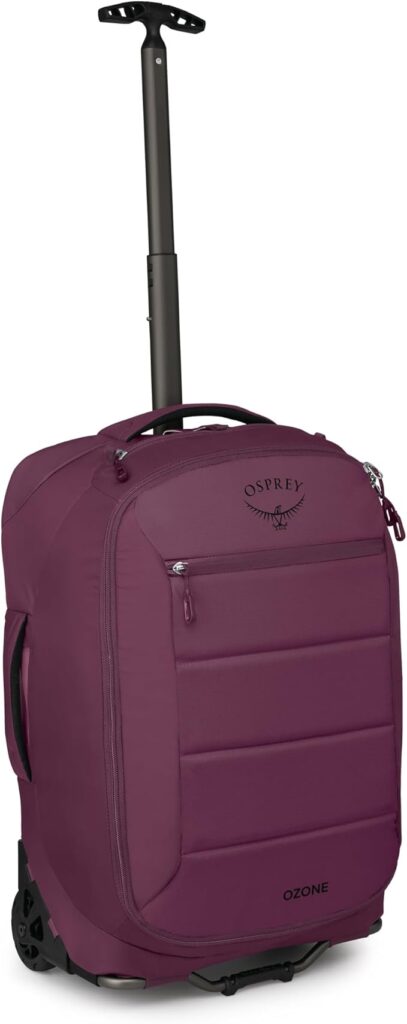
The Osprey Ozone Duo forty-six liter is the best convertible hybrid bag for travelers who refuse to give up wheels entirely. It measures roughly twenty-two by fourteen by nine inches and weighs about five pounds. The bag has durable scooter-style wheels that handle cobblestones better than most, and it also features a comfortable backpack harness that tucks away when not in use.
The bag opens like a suitcase and has internal compression straps. The hybrid design means it is not as good as a pure backpack for stairs, and it is not as good as a pure roller for smooth floors, but it does both jobs reasonably well. This is the only hybrid bag that I trust on Italian streets.
Osprey Farpoint 40 Liter Travel Backpack
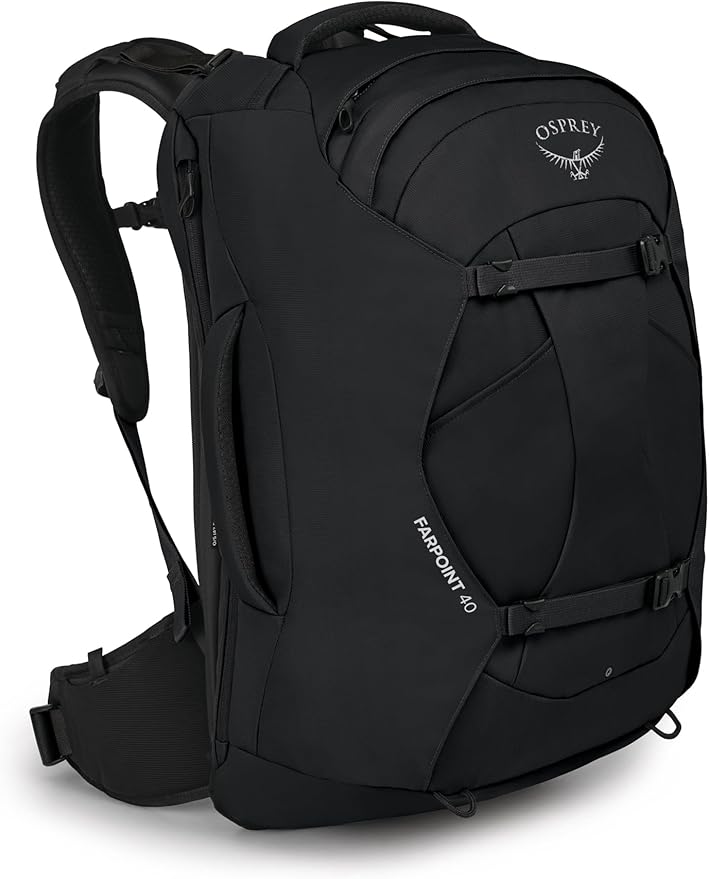
The Osprey Farpoint forty liter is the gold standard for Italy travel. It measures roughly twenty-two by fourteen by nine inches, which fits perfectly in overhead train racks and under most airplane seats. It weighs just over three pounds when empty. The bag features a comfortable padded hip belt that transfers weight from your shoulders to your hips, a clamshell opening that allows you to pack it like a suitcase, and sturdy compression straps.
The zippers are lockable for security. Many travelers have used this bag for years of Italian trips without a single problem. It comes in several colors, including black, dark green, and navy blue.
Cotopaxi Allpa 42 Liter Travel Pack
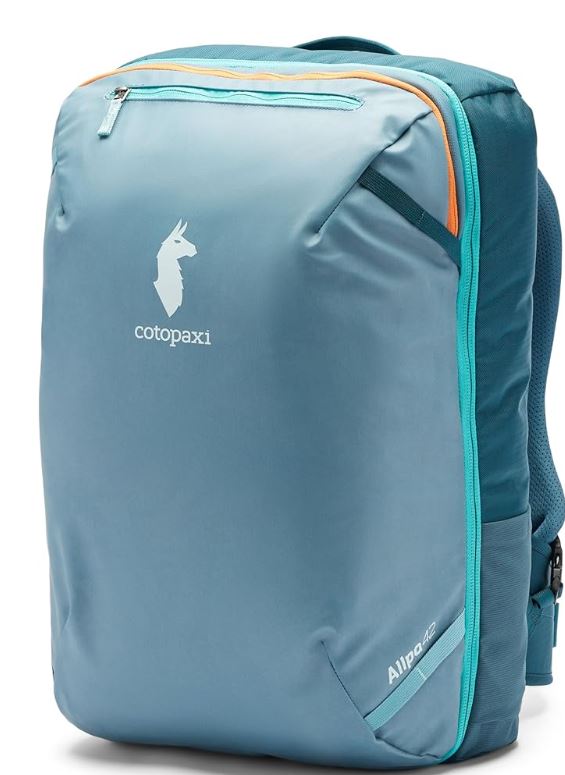
The Cotopaxi Allpa forty-two liter is a fantastic choice for travelers who love organization. It measures roughly twenty-two by fourteen by ten inches and weighs about four pounds. The bag is made from recycled materials, which appeals to eco-conscious travelers. The internal organization is the star feature here, with mesh compartments, a separate shoe pocket, and a laptop sleeve that lies flat against your back.
The bag opens fully like a suitcase. The hip belt is padded and removable. The only downside is that it is slightly heavier than the Osprey. The Allpa comes in vibrant, unique color combinations that stand out on luggage carousels.
Travelpro Maxlite 5 21 Inch Spinner
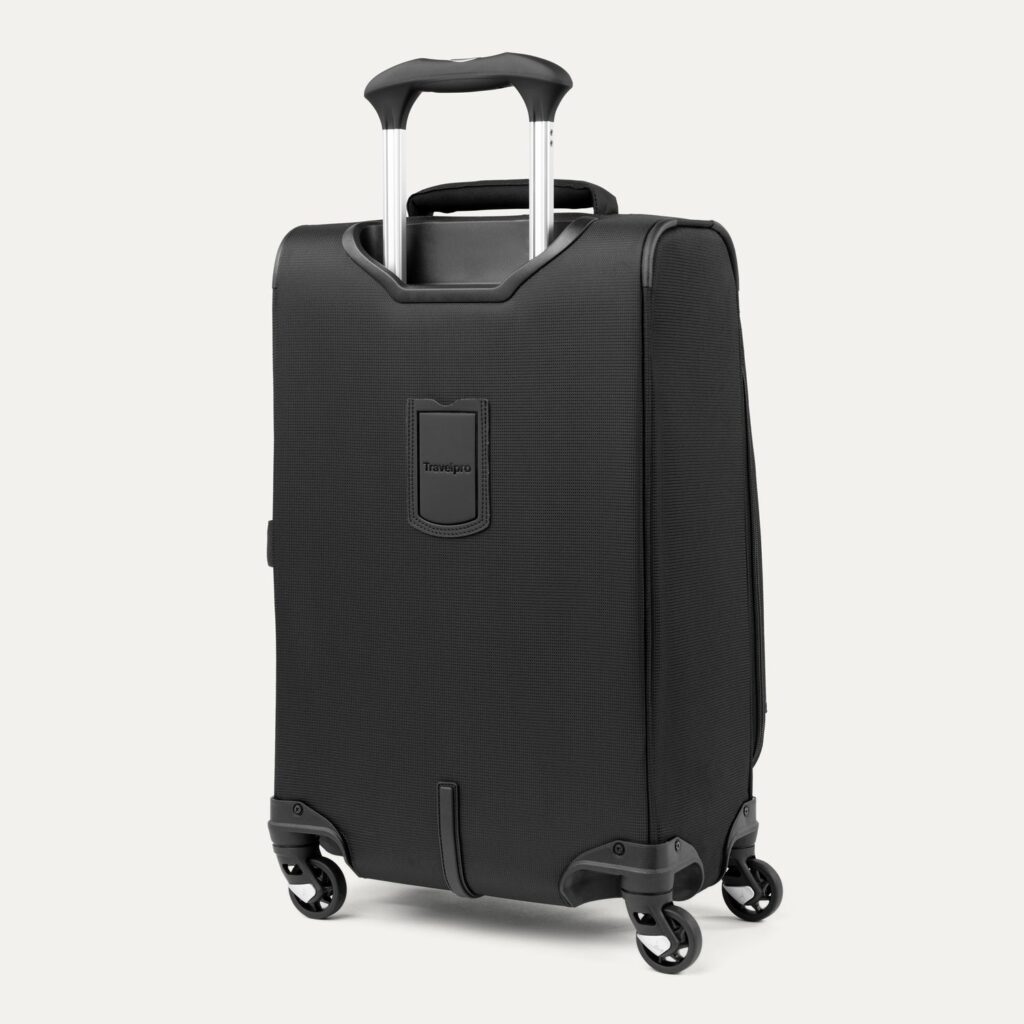
If you absolutely must have a hard-sided spinner for Italy, the Travelpro Maxlite 5 twenty-one-inch is the only one I recommend, and only for a very specific traveler. This bag works exclusively for those staying in modern hotels with elevators, taking private transfers or taxis, and avoiding hill towns, Venice bridges, and train station stairs. It measures twenty-one by fourteen by nine inches, weighs just five point four pounds, and features oversized ball bearing wheels that handle smooth surfaces beautifully.
AMJ Crossbody Sling Bag
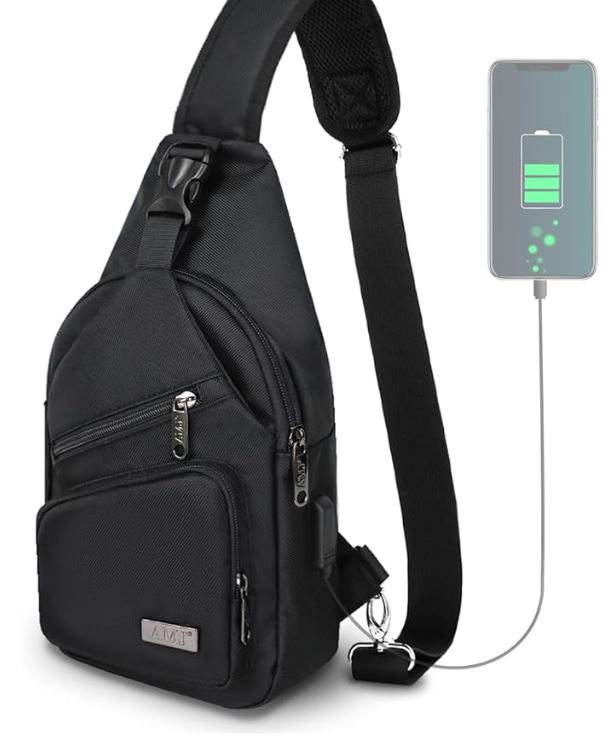
The AMJ Crossbody Sling Bag is a lightweight 17-liter daypack made from water-resistant nylon, measuring roughly 13.8 by 8 by 4.3 inches and weighing only 0.35 kilograms, making it an ideal anti-theft companion for navigating Italy’s crowded train stations and pickpocket-prone tourist sites.
Its adjustable strap extends from 32.3 to 50.4 inches and features breathable mesh padding, allowing you to wear the bag securely on your front or back while keeping your passport, phone, wallet, and keys within easy reach and visible at all times.
Tomtoc 3.5L Sling
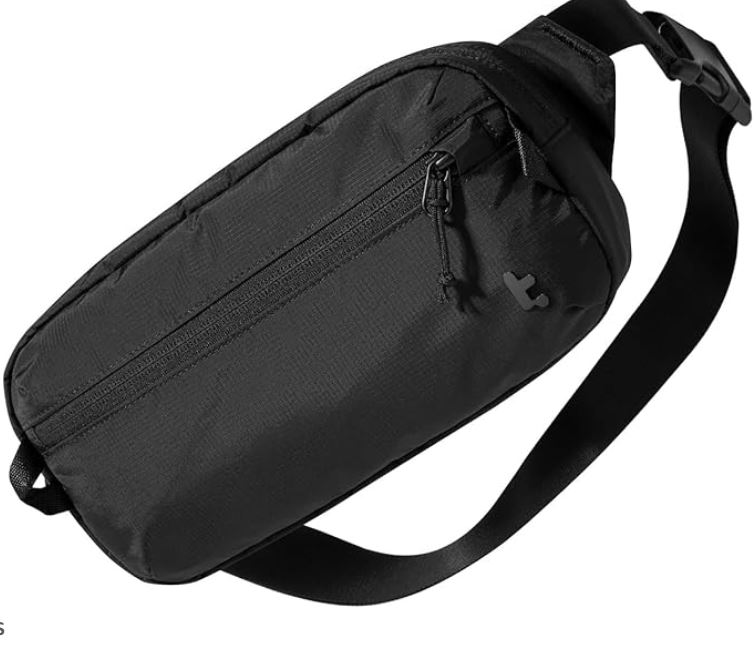
The Tomtoc 3.5L Sling Bag is a compact, water-resistant daypack weighing under half a kilogram, making it perfect for Italy’s crowded piazzas and busy metro cars where bulkier bags become a nuisance. Its standout feature is the built-in RFID blocking pocket, which protects your credit cards and passport from electronic pickpocketing—a genuine concern in tourist-heavy spots like Rome’s Termini station or the Venice vaporettos.
3. Packing Cubes
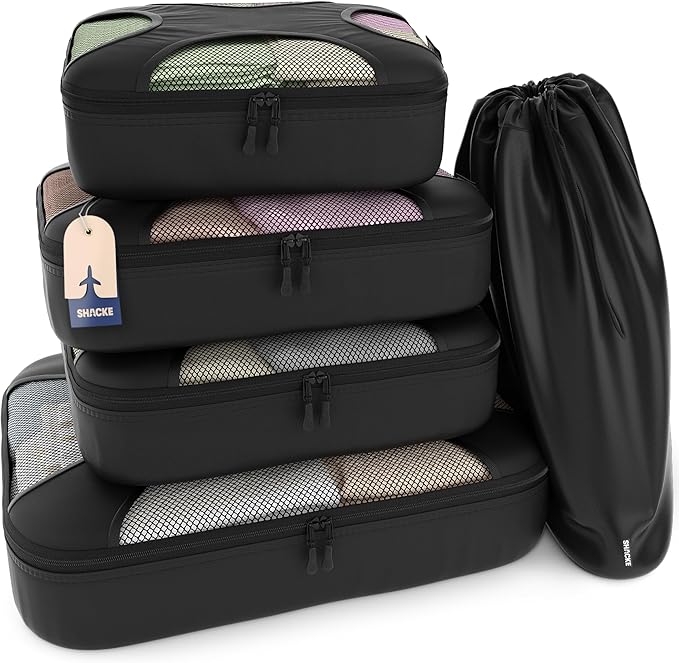
Packing cubes are a game-changer for Italy travel because they transform chaotic suitcase stuffing into a neatly zipped, organized system that saves you time and frustration. Instead of digging through a black hole of clothes to find that one pair of socks, you simply pull out a labeled cube containing all your tops, another for bottoms, and a third for underwear and accessories. They also compress your clothing, creating more space in your carry-on bag for souvenirs like wine, olive oil, or leather goods.
If you need recommendations, these one here are excellent.
4. Water Bottle
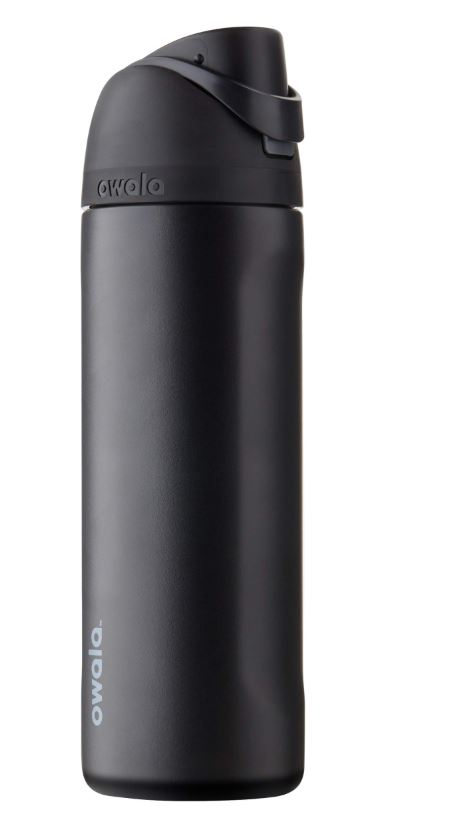
Bringing a reusable water bottle to Italy is essential because the country is dotted with public water fountains, known as fontanelle in Rome or fonti elsewhere, where you can refill for free with fresh, cold, drinkable water. Buying plastic bottles at every museum, piazza, or train station adds up quickly—both in cost (€2–4 per bottle) and in waste—while a reusable bottle saves you money and keeps you hydrated without hunting for a shop.
5. Scarf

A scarf is one of the most versatile items you can pack for Italy, serving both practical and cultural purposes. Many of Italy’s most breathtaking churches—St. Peter’s Basilica in Rome, the Duomo in Florence, and St. Mark’s in Venice—strictly enforce dress codes that require shoulders and knees to be covered. A lightweight scarf tucked into your daypack instantly solves this problem: wrap it over your shoulders when entering a church, drape it as a modesty cover over a sleeveless dress, or tie it around your neck for a polished look at dinner.
Beyond churches, a scarf protects your neck and chest from the intense summer sun, adds warmth on chilly evenings or air-conditioned trains, and can even serve as an impromptu picnic blanket, head covering, or dust mask on windy days.
6. Power Bank
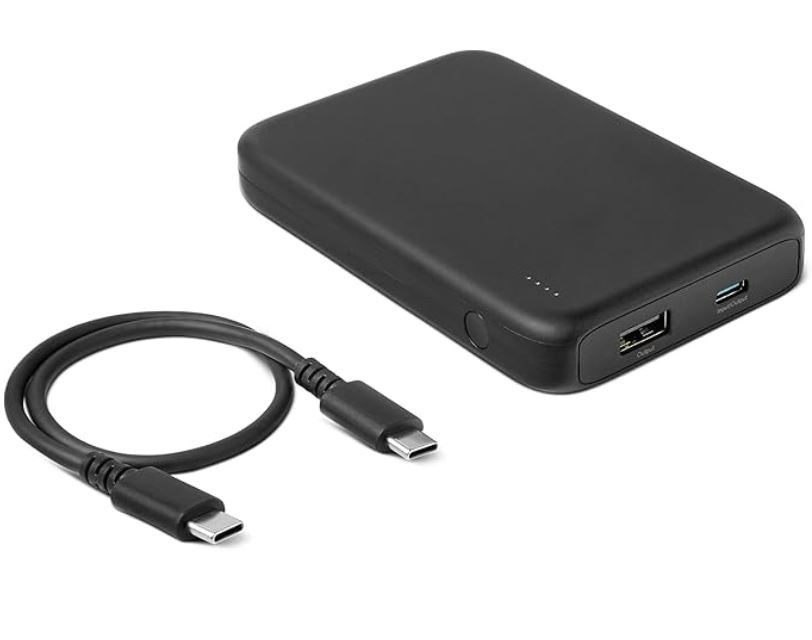
A power bank is non-negotiable for Italy because your smartphone will be working overtime—GPS for navigating winding cobblestone alleys, translation apps for menus, camera for thousands of photos, train tickets stored digitally, and hotel confirmations at your fingertips.
Italian trains and many public spaces lack convenient charging outlets, and nothing derails an afternoon faster than a dead phone when you’re lost in Venice’s maze-like backstreets or trying to pull up your digital train pass at a rural station. Aim for a 10,000mAh to 20,000mAh power bank, which provides two to five full phone charges.
7. Travel Adapter
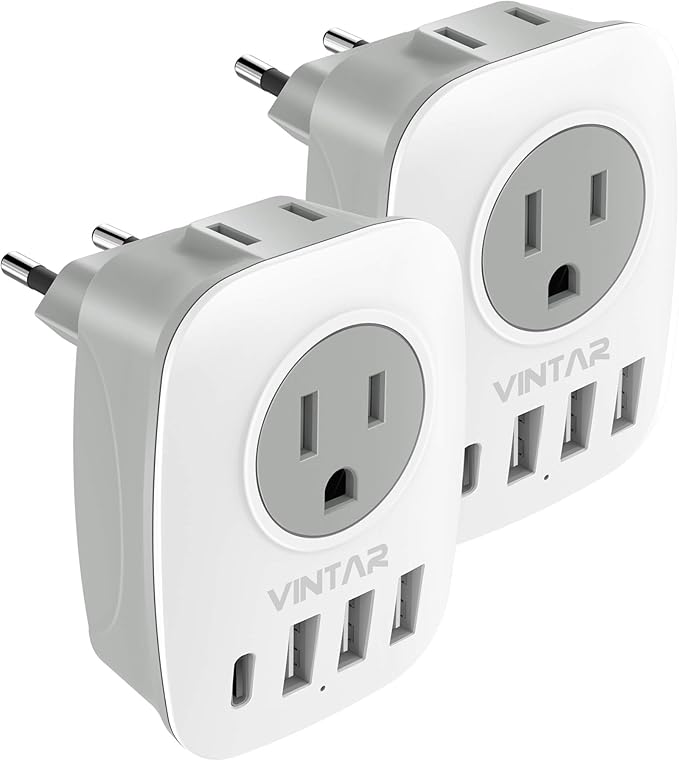
A travel adapter is essential for Italy because the country uses three different plug types—C, F, and L—and while Type C and F match most of mainland Europe, the traditional Italian Type L socket features three round pins in a row that may not fit your devices without an adapter. The good news is that Italy runs on 230V at 50Hz, the same as most of Europe, so you typically won’t need a voltage converter for modern phone, laptop, or camera chargers since they’re almost all dual-voltage.
8. First Aid Kit
A basic first aid kit is surprisingly easy to overlook for Italy, but having one saves you from hunting down a farmacia in an unfamiliar neighborhood for minor ailments that always seem to strike at night or on Sundays when many pharmacies are closed.
Focus on blister care above all else—moleskin or hydrocolloid patches are non-negotiable because Italy’s cobblestone streets and miles of walking will create hot spots on even the most broken-in shoes. Pack pain relievers like ibuprofen or paracetamol for headaches or muscle soreness, antidiarrheal medication (traveler’s tummy is real), antihistamines for unexpected allergies or insect bites, and a few adhesive bandages for small cuts. Include antiseptic wipes, tweezers for splinters or ticks, and any prescription medications with enough supply for your entire trip plus a few extra days in case of delays
This one here is a good one to grab.
9. Tiny Umbrella
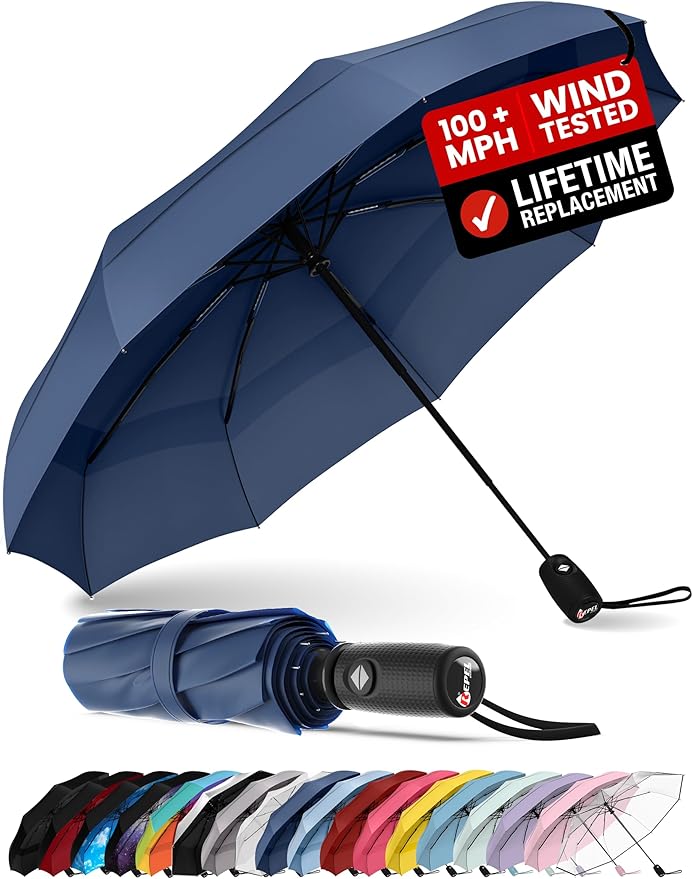
A tiny umbrella is one of those items that seems unnecessary until you’re caught in a sudden Italian downpour halfway across the Ponte Vecchio with no shelter in sight. Italy’s weather, especially in spring and fall, is famously unpredictable—you can have brilliant sunshine at breakfast and a torrential thunderstorm by lunch, with rain often arriving in fast-moving, intense bursts rather than all-day drizzles.
A compact travel umbrella weighing under 200 grams and folding to about six inches slips easily into a crossbody bag or backpack pocket, yet opens wide enough (roughly 35 to 40 inches) to keep you and your daypack dry while you duck into a doorway or wait out the shower at an outdoor cafe.
10. Packable Rain Jacket
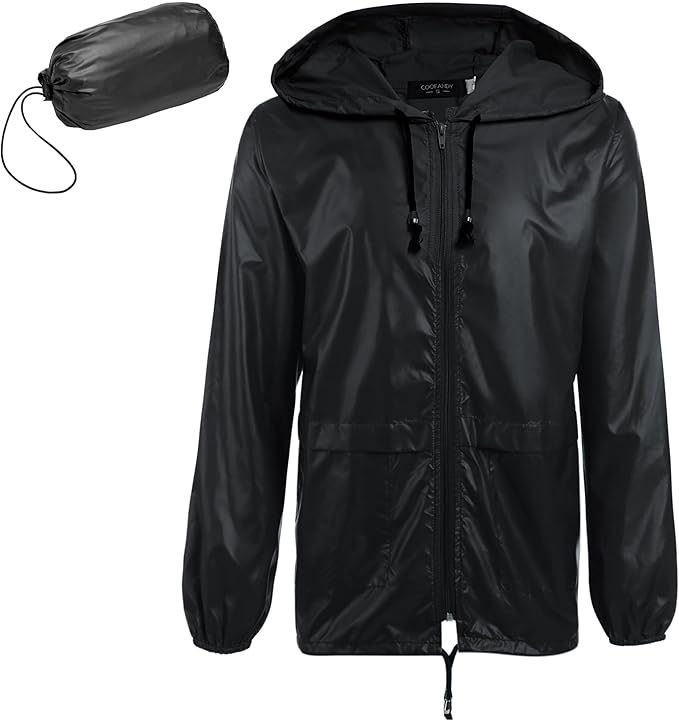
A packable rain coat is a smarter alternative to an umbrella for Italy because it leaves your hands free for holding gelato, fumbling with train tickets, or steadying yourself on a crowded Venetian vaporetto. Unlike an umbrella, which can be useless in narrow medieval alleyways where wind funnels unpredictably, a lightweight rain jacket zips up and keeps your core dry while you keep moving. Look for one that compresses into its own pocket or a small stuff sack—roughly the size of a water bottle or smaller
11. Booked Accommodation

Booked accommodation is the foundation of any smart Italy trip because nothing kills the romance of a Roman holiday faster than spending your precious afternoon hours scrolling booking apps on a curb, trying to find a room for the night.
Italy’s popular destinations—Florence, Venice, Cinque Terre, the Amalfi Coast—fill up months in advance, especially during peak seasons like spring, early fall, and Christmas, and last-minute availability often means paying double for a dingy room in an inconvenient suburb. Having your stays locked in also allows you to pack lighter, since you know exactly how many nights you’ll be in each city and whether you’ll have elevator access or laundry facilities.
I have a curated list of the best hotels to book in Italy. Check them out here.
Once you have booked your hotel, save its location on Google Maps. It will come in handy when you need to walk back after exploring the city.
12. eSIM
An eSIM is a game-changer for Italy because it lets you have instant, affordable mobile data the moment you land without hunting for a physical SIM card at a airport kiosk, fumbling with tiny pins, or paying outrageous roaming fees from your home carrier. You simply purchase a data plan from a provider like Airalo before you leave home, scan a QR code, and activate it digitally—keeping your primary phone number active for calls and texts while using the eSIM for navigation, translation, train tickets, restaurant reviews, and WhatsApp.
My recommendation for an eSIM would be Airalo. Check it out here.
13. Confirmed Attraction/Experiences Bookings
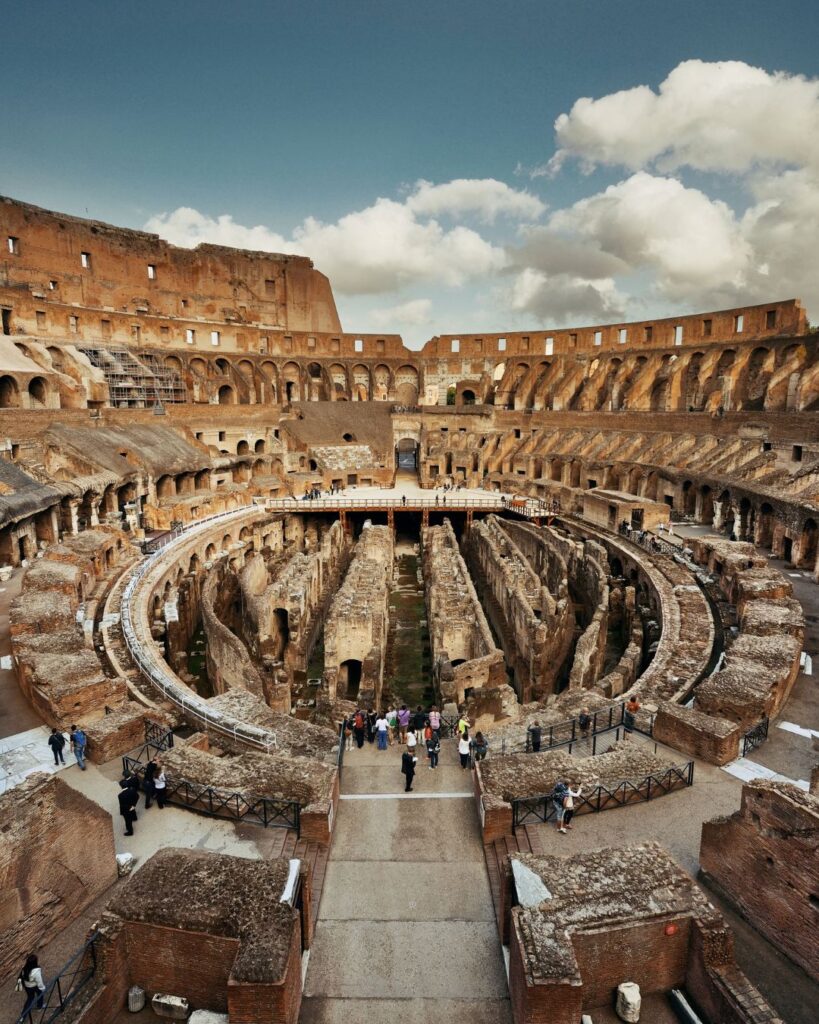
Confirmed attraction and experience bookings are a non-negotiable part of modern Italy travel because the days of simply showing up at the Colosseum or the Uffizi Gallery and walking right in are long gone. Major sites like the Vatican Museums (home to the Sistine Chapel), Florence’s Accademia (where David lives), and Milan’s The Last Supper sell out weeks or even months in advance, especially during peak seasons, and skipping the reservation means staring at a “SOLD OUT” screen or waiting in a four-hour standby line that eats up half your day.
Beyond the big hitters, booking cooking classes in Bologna, boat tours to the Blue Grotto in Capri, or underground Neapolitan city tours ensures you lock in your spot before arrival, often at better prices than last-minute walk-up rates. Many experiences offer free cancellation up to 24 or 48 hours in advance, giving you flexibility if plans change.
The platform I use to book experiences is Get Your Guide. Check what’s available here
14. Flights
Flights are the first thing you should book for Italy because everything else—accommodation, attraction tickets, train schedules, and even which shoes you pack—depends on your arrival city and travel dates. Italy has major international airports in Rome (Fiumicino), Milan (Malpensa and Linate), Venice (Marco Polo), Naples, and Bologna, and choosing the right one can save you hours of ground transportation.
Booking two to four months in advance typically yields the best fares, with Tuesday and Wednesday departures often cheaper than weekend flights, and flying into one city and out of another (open-jaw ticket) prevents wasting a day backtracking to your original arrival point.
Consider budget carriers like Ryanair or EasyJet for intra-Europe connections, but for transatlantic flights, major airlines like Delta, American, United, or their European partners (Air France, KLM, Lufthansa, British Airways) offer more generous baggage allowances and better rebooking flexibility. Always check baggage fees before booking—some discount airlines charge more for a carry-on than the seat itself—and remember that summer (June through August) commands premium prices, while shoulder seasons like April-May and September-October offer pleasant weather and significantly lower airfare.
Visit Trip.com before booking your flight to see the available offers. Some fares here are cheaper than those listed by airlines.
15. Travel Insurance
Let’s be honest for a second—travel insurance is about as exciting as reading the fine print on a rental car agreement, but skipping it when visiting Italy is one of the dumbest ways to ruin a vacation. Italy is magical, but it’s also a place where pickpockets work the Rome metro like it’s their day job, where a sudden case of food poisoning from an iffy plate of seafood in Naples can land you in an Italian hospital, and where a missed connection between Florence and Cinque Terre can mean rebooking trains at full fare.
That five-hundred-euro camera you dropped on the cobblestones of Pompeii? Your airline losing your checked bag full of souvenirs? A freak thunderstorm flooding your Airbnb in Venice the night before you’re supposed to fly home?
Travel insurance covers all of that, plus the truly terrifying stuff like medical emergencies or emergency repatriation, and it costs about as much as a nice dinner for two. My wife and I wouldn’t step foot on a plane to Italy without it, and neither should you—because nothing kills the romance of the Amalfi Coast quite like a four-thousand-euro hospital bill.
This is where to buy the best travel insurance.
Conclusion
Italy is one of the best countries in the world to visit, but it rewards those who go there prepared. I would therefore ask you to make sure that you have these things before you leave home for the airport:
- Passport
- Travel insurance
- Flight tickets
- Hotel reservations
- Comfortable walking shoes
- Universal travel adapter
- Portable charger
- Credit card
- Debit card
- Euros
- Phone with offline maps
- eSIM or international phone plan
- Lightweight suitcase/backpack
- Daypack
- Crossbody anti-theft bag
- Packing cubes
- Reusable water bottle
- Sunglasses
- Sunscreen
- Light rain jacket
- Compact umbrella
- Power bank
- Travel pillow
- Earbuds or headphones
- Travel-sized toiletries
- Prescription medications
- First aid kit
- Translation app
- Train booking app
- Copies of important documents
- Comfortable sandals
- Lightweight clothing
- Modest outfit for churches
- Swimsuit
- Camera
- Luggage tags
- Laundry bag
- RFID wallet
- Money belt
- European plug adapter
- Lip balm
- Hand sanitizer
- Tissues
- Travel journal
- Guidebook
- International driver’s permit (if renting a car)
- Luggage lock
- Extra memory cards
- Emergency contact list
Some excellent advice here. I was shocked at the price of train travel and it had a big impact on my budget. I strongly recommend booking trains before you leave home. It’s a great way to see the countryside and very comfortable. Flying between cities is often cheaper but the time you spend at airports would be much better spent relaxing while seeing the country from the comfort of a train.