
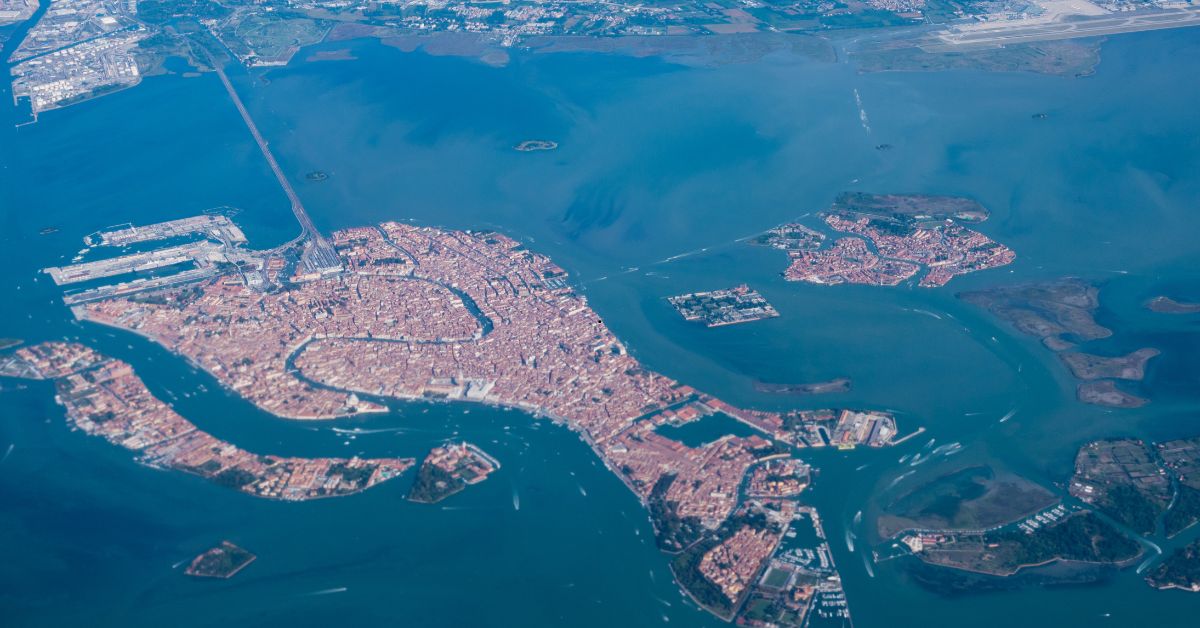
Venice is a city like no other, but that magic comes with a practical challenge: choosing where to stay. With no cars, 400 footbridges, and a maze of canals, your choice of neighborhood can make the difference between dragging suitcases up endless steps or stepping out your door into the perfect postcard scene.
My wife and I have wandered these streets a few times, learning that the right sestiere (district) transforms a trip from stressful to sublime. Whether you are a first-timer desperate to see St. Mark’s, a couple hunting for a romantic hideaway, or a family on a budget, this guide covers every corner of Venice to help you find your perfect base.
Before diving in, here is a quick overview of the six main districts: San Marco, San Polo, Cannaregio, Castello, and Dorsoduro on the main islands, plus Giudecca and Lido just across the water. Each has its own personality, price point, and practical quirks.
San Marco – The Heart of Venice (Best for First-Timers)
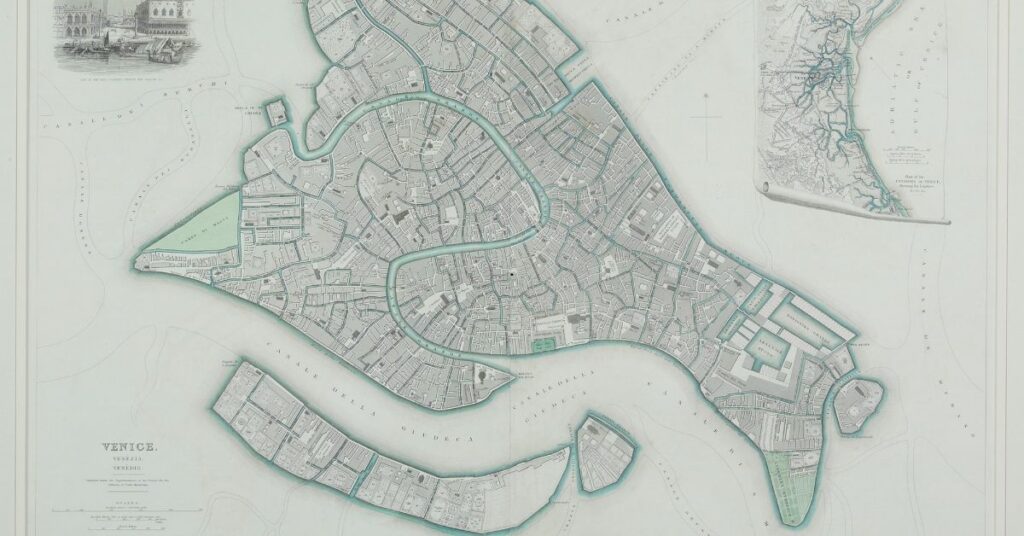
San Marco is the Venice of postcards and movies. If you have only two days and want to wake up to the sound of gondoliers singing, this is your district. The area revolves around St. Mark’s Square, home to the Basilica, the Doge’s Palace, and the Campanile. Everything feels grand, historic, and intensely romantic.
The biggest advantage is convenience. Most major sights are within a five-minute walk, and the vaporetto stops at San Marco Vallaresso and San Zaccaria connect you to everywhere else. The downside is the crowds and the price tag. You will pay a premium for that central location, and finding an authentic trattoria away from tourist menus takes effort.
For a memorable stay here, consider Hotel Monaco & Grand Canal. It sits right on the Grand Canal near St. Mark’s Square, and many rooms offer direct canal views. If luxury is your goal, The Gritti Palace, a converted 15th-century palazzo, is the ultimate splurge with its stunning terrace overlooking the water.
Choose San Marco if you are visiting Venice for the first time, want to be steps from the main sights, and don’t mind paying for convenience.
San Polo & Rialto – The Authentic Market Hub (Best for Food Lovers)
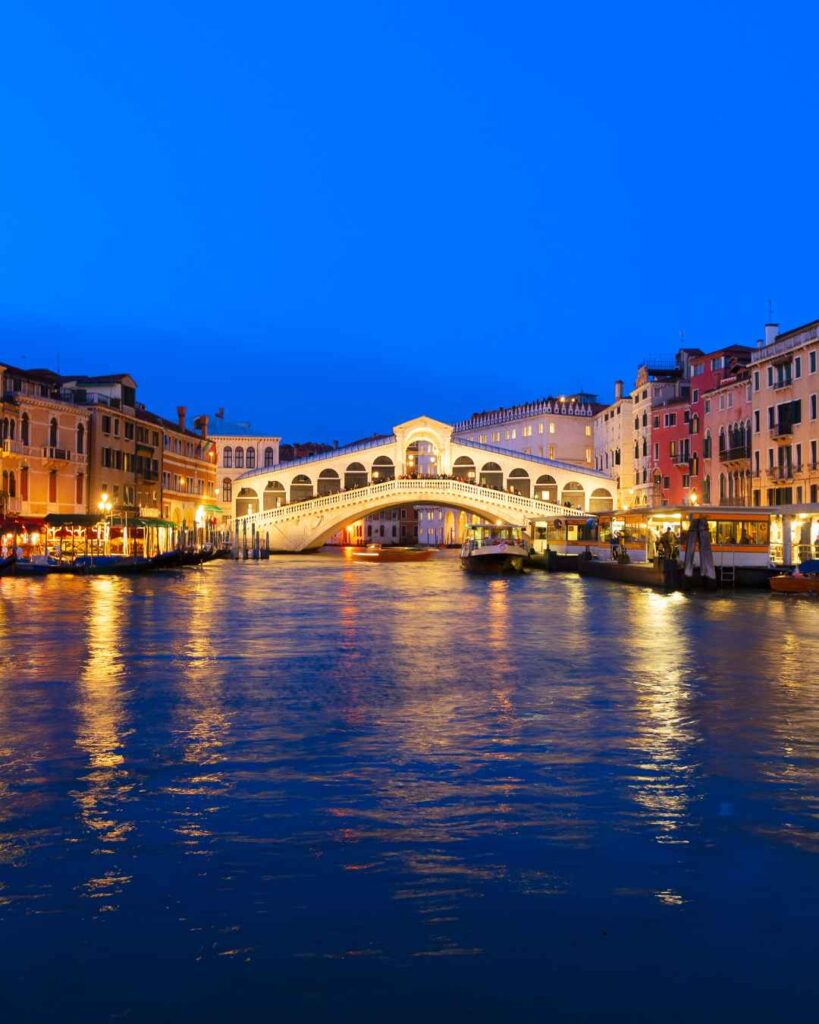
Cross the Rialto Bridge from San Marco, and you enter San Polo, the smallest and oldest of the sestieri. This is the real Venice of daily life, centered around the bustling Rialto Market, where fishmongers and produce sellers have traded for over 1,000 years. My wife and I spent a morning here just wandering among the stalls, picking up fresh figs and prosciutto for an impromptu picnic.
San Polo is ideal for food lovers and couples who want romance without the suffocating crowds of San Marco. The area is packed with bacari (wine bars) serving cicchetti (small snacks) and local wines. Campo San Polo is a large, lively square where children play and locals chat. The main drawback is that some alleys become very narrow and dark, and the area around the Rialto Bridge can still get quite busy during the day.
For accommodation, Hotel Antiche Figure is a gem located right on the Grand Canal near the Rialto Bridge, offering charming rooms and a welcoming atmosphere. Al Ponte Antico is a boutique hotel with only a few rooms, each decorated in classic Venetian style, and its rooftop terrace offers a fantastic view of the canal. For a more budget-friendly but still authentic option, Residenza Ca’ Pozzo has spacious apartments perfect for longer stays.
Stay in San Polo if you love food markets, want easy access to the Rialto Bridge, and prefer a lively but local vibe.
Cannaregio – Local Life & Value (Best for Budget & Train Station Proximity)
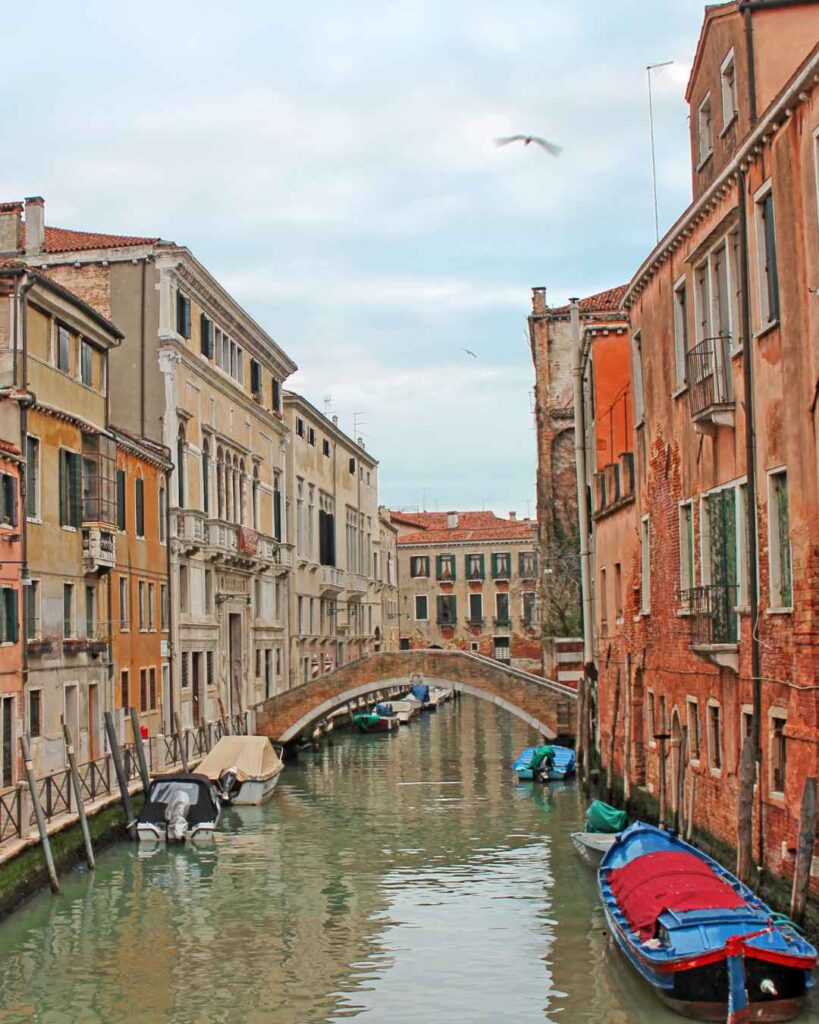
Cannaregio stretches from the Santa Lucia train station to the Jewish Ghetto, and it is my top recommendation for travelers who want value without sacrificing atmosphere. This is where Venetians actually live, work, and shop. The main street, Strada Nova, is crowded with shops and eateries, but turn down any side alley, and you will find quiet residential courtyards and family-run trattorias with reasonable prices.
The practical advantage of Cannaregio is the lack of bridges if you arrive by train. You can walk from the station to most hotels here without lifting your suitcase over a single step. The Jewish Ghetto area is particularly atmospheric, with its tall buildings and historic synagogues. The Fondamenta della Misericordia is a lovely canal-side promenade lined with restaurants and bars, perfect for a sunset aperitivo.
For hotels, Hotel Abbazia is a former monastery set around a peaceful garden courtyard, just a few minutes from the train station. Locanda ai Santi Apostoli offers comfortable rooms near the church of the same name, close to the Grand Canal but on a quiet street. For a truly unique experience, try Al Ponte Mocenigo, a small, family-run hotel with beautiful antique furnishings and a lovely inner garden.
Choose Cannaregio if you are arriving by train, traveling on a budget, or want to experience everyday Venetian life.
Castello – Hidden Gems & Family-Friendly Quiet
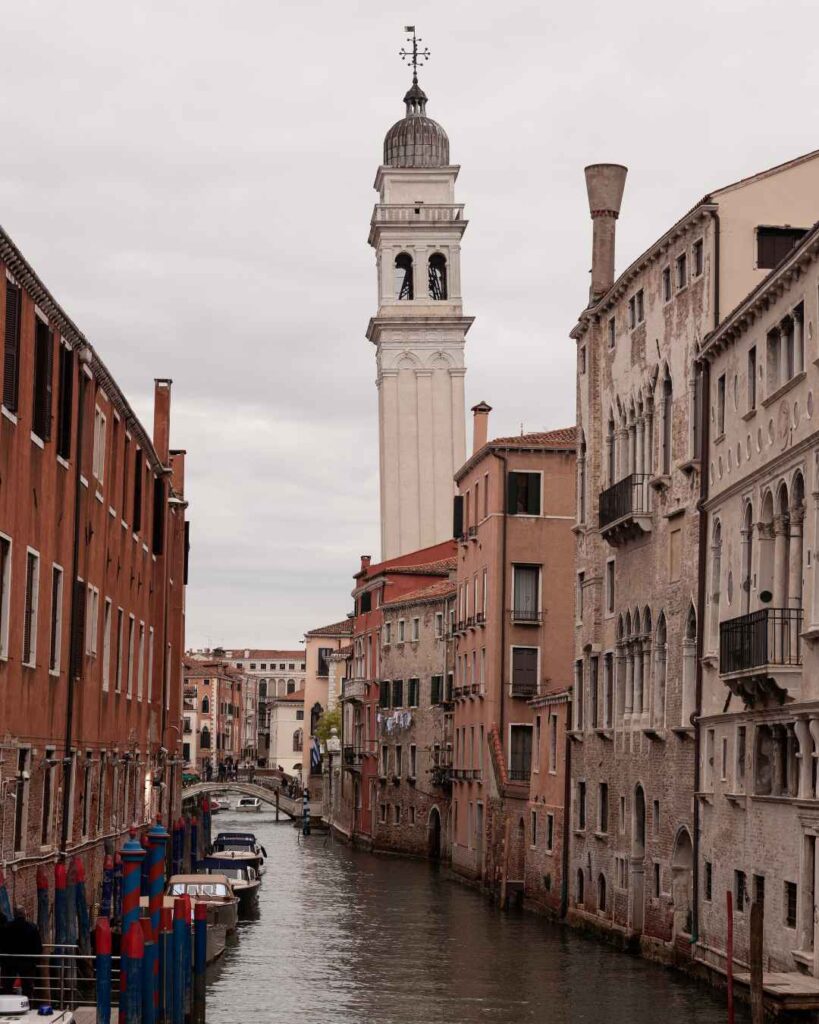
Castello is the largest sestiere, stretching from the Bridge of Sighs all the way to the public gardens at the eastern tip of Venice. Most tourists never venture beyond the Arsenale, which means the far reaches of Castello are wonderfully quiet and local. This is the perfect area for families who need space to breathe and for travelers who prefer exploring hidden churches and quiet squares over ticking off famous sights.
The main artery is Via Garibaldi, a rare wide street filled with children playing, grandmothers chatting on benches, and casual pizzerias. The area around San Francesco della Vigna is particularly serene, with ivy-covered walls and almost no foot traffic. The only real downside is the walk: you will need fifteen to twenty minutes to reach St. Mark’s, and the vaporetto stops are less frequent at the far end.
For hotels, Hotel Bucintoro offers stunning views of the San Marco basin from its elegant rooms, located right on the waterfront near the Arsenale. Locanda al Leon is a small, charming bed and breakfast on a quiet courtyard, run by a welcoming local family. For a memorable splurge, the Bauer Palazzo’s Castello wing provides luxury at a slightly lower price than its San Marco counterpart.
Stay in Castello if you are traveling with family, want peace and quiet, or are visiting during the Biennale art exhibition.
Dorsoduro – Art & Student Vibe (Best for Nightlife & Culture)
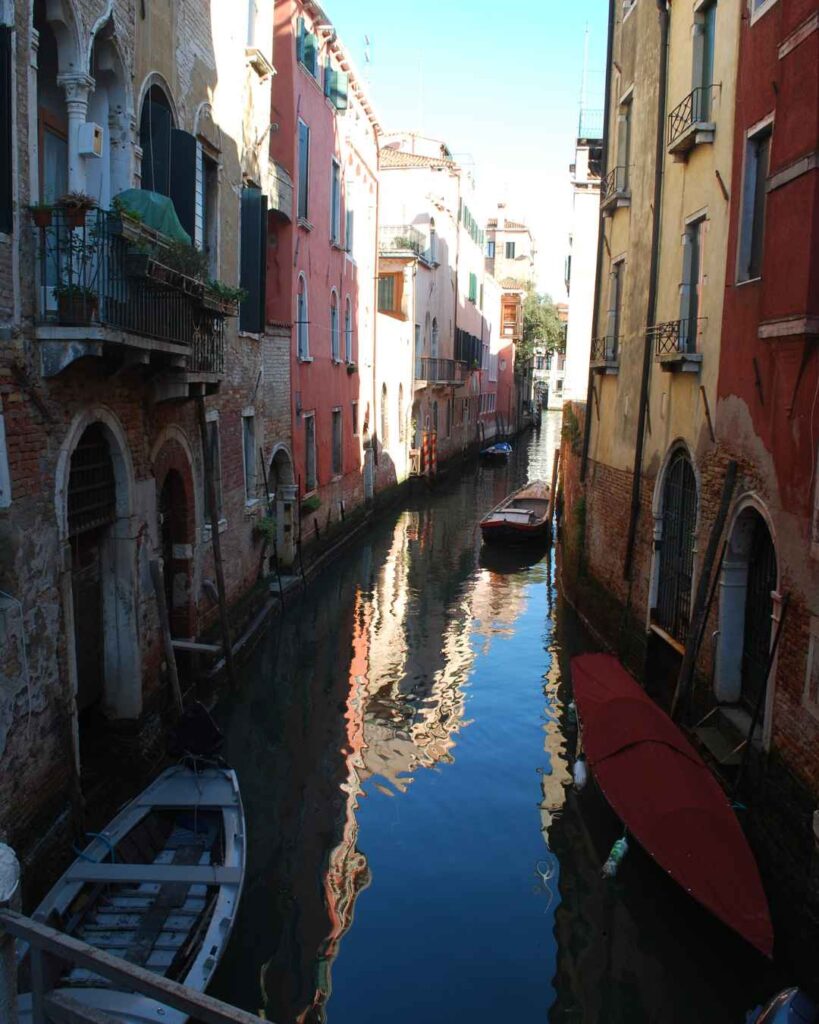
Dorsoduro is the artsy, youthful heart of Venice. Home to the Accademia Gallery, the Peggy Guggenheim Collection, and the Ca’ Rezzonico museum of 18th-century art, this district attracts painters, writers, and students. The vibe is relaxed, bohemian, and slightly countercultural compared to the rest of Venice.
The highlight for us was Campo Santa Margherita, a large square filled with students lounging on steps, cheap takeaway pizza windows, and outdoor bars that stay open late. This is the closest Venice gets to a proper nightlife scene. The Zattere waterfront promenade offers beautiful sunset views across the Giudecca Canal, with gelato shops and quiet benches. The only potential drawback is that some areas near the Accademia get very crowded during the day, and a few streets can feel isolated at night.
For hotels, Hotel Palazzo Stern is a stunning Gothic palace right on the Grand Canal, with a private water entrance and a lovely rooftop terrace. Ca’ Pisani Hotel is a design-focused boutique hotel decorated with art deco pieces, just off Campo San Barnaba. For a more affordable stay, Hotel Messner offers basic but clean rooms on a quiet canal, a short walk from the Accademia.
Choose Dorsoduro if you love art, want lively evening options, or prefer a creative, laid-back atmosphere.
Giudecca – Island Serenity (Best for Views & Relaxation)
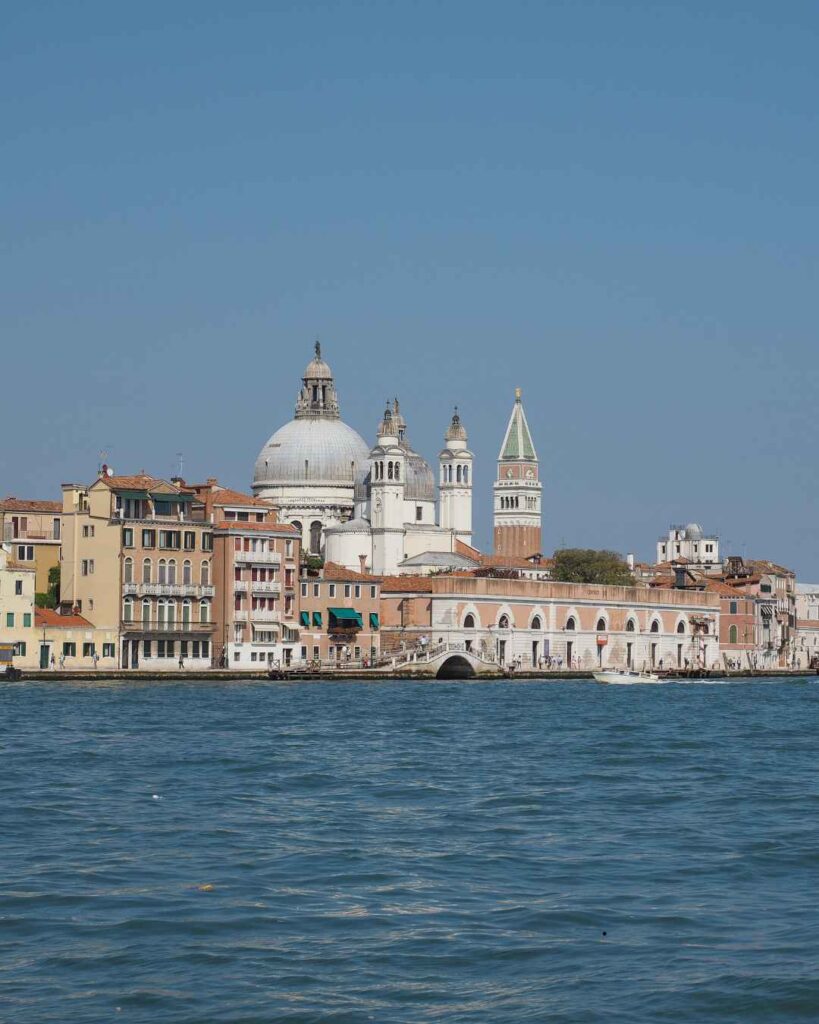
Giudecca is a long, thin island directly south of Dorsoduro, separated from the main Venice by the wide Giudecca Canal. It is a world apart. Instead of narrow alleys and tourist crowds, you will find spacious gardens, converted industrial buildings, and some of the best views of Venice you will ever see. My wife and I took the two-minute vaporetto ride from Zattere and felt like we had discovered a secret.
The main attraction is the view. From Giudecca, you see the domes of St. Mark’s, the Campanile, and the Doge’s Palace perfectly framed across the water. The island is quieter, cheaper, and more residential than the main islands. There are fewer restaurants and shops, but the ones that exist are excellent and reasonably priced. The drawback is that you are dependent on the vaporetto for every trip to the main sights, and service becomes less frequent after midnight.
For hotels, the Hilton Molino Stucky is the most famous option, a former flour mill converted into a massive hotel with a rooftop pool and breathtaking views. For something smaller and more intimate, try Hotel Giudecca Venezia, a simple but charming hotel right on the waterfront. Casa Maria alle Zattere, technically on Dorsoduro but facing Giudecca, offers apartment-style accommodations with kitchenettes.
Stay in Giudecca if you want peace, quiet, and spectacular views, or if you are on a honeymoon and value romance over convenience.
Lido – Beaches & Film Festival (Best for Summer & Car Access)
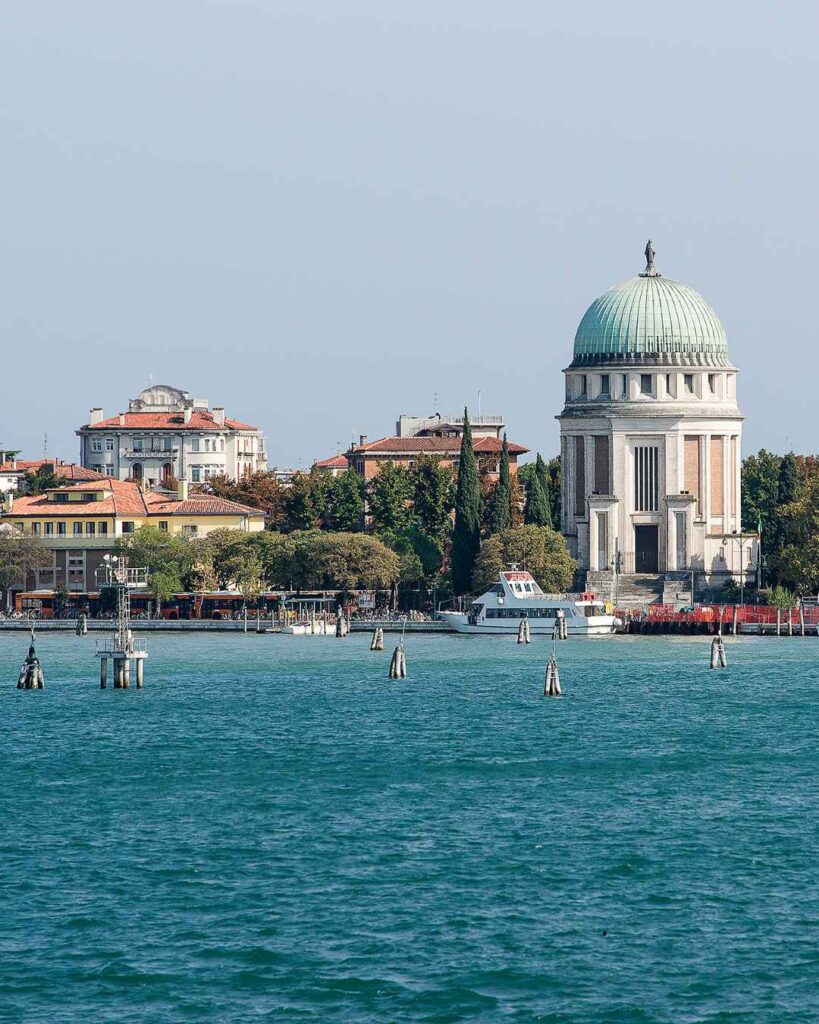
The Lido is a long sandbar island that separates the Venetian lagoon from the Adriatic Sea. It is the only place in Venice where you will find cars, wide boulevards, beach cabanas, and bicycle lanes. Every September, it hosts the Venice Film Festival, with movie stars walking the red carpet.
In summer, the Lido is a fantastic base. The beaches are clean and family-friendly, the hotels are significantly cheaper than on the main islands, and the air feels fresh and open. The vaporetto from Lido to St. Mark’s takes about fifteen minutes and runs frequently. The downside is that you lose the canal experience entirely. There are no gondolas, no narrow alleyways, and no bridge hopping. You are staying at a beach resort that happens to be a short boat ride from one of the world’s most beautiful cities.
For hotels, Hotel Excelsior Venice is a stunning Moorish-style palace on the beach, complete with a private pier and a legendary history. For a more affordable option, Hotel Villa Mabapa is a charming, family-run hotel with a garden and close to the water bus stop. Hotel Rigel offers simple, budget-friendly rooms just a few minutes from the beach.
Choose Lido if you are visiting in summer and want beach time, traveling with elderly family members who struggle with bridges, or attending the Film Festival.
Special Considerations by Traveler Type
If you want to avoid bridges entirely, stay in Piazzale Roma (the car and bus terminal) or the western edge of Cannaregio near the train station. Both areas are flat and accessible.
For the most romantic experience, book a room with a canal view in Dorsoduro near the Zattere or on Giudecca. Watching the sunset over Venice from your window is unforgettable.
Travelers with mobility issues should prioritize the Lido, Piazzale Roma, or hotels with private water taxi docks. Many historic hotels have steps at the entrance, so always check accessibility before booking.
For cheap eats, head to Cannaregio around the Jewish Ghetto or Castello near Via Garibaldi. Both areas have local bakeries, casual pizzerias, and affordable bacari.
If you are arriving late at night, stay near Piazzale Roma or Santa Lucia train station. Night vaporetto service is limited, and walking through dark alleys with luggage is no fun.
How to Choose Based on Trip Duration
For a single day in Venice, stay in San Marco or right next to the Rialto Bridge. You simply do not have time for commutes.
For a two to three-day trip, base yourself in Cannaregio or San Polo. You get a good balance of access and authenticity without breaking the bank.
For four days or more, consider splitting your stay. My wife and I once spent three nights in Castello for the peace and two nights near San Marco for the convenience. Alternatively, stay on the Lido for the beach and take day trips into the main islands.
Practical Tips for Booking and Getting Around
The vaporetto (water bus) is your lifeline. Lines 1 and 2 travel the entire Grand Canal, making stops at all major districts. Buy a multi-day pass for the best value.
Always map your route from the Alilaguna waterbus (from the airport) or the train station to your hotel before booking. A hotel that looks close on a map might require crossing four high bridges.
Venice fills up completely during Carnevale (February), the Biennale (even-numbered years, May to November), and the Film Festival (late August to early September). Book at least four to six months in advance for those periods.
A pro tip: choose a hotel within a two-minute walk of a vaporetto stop and near a small grocery store. That combination solves ninety percent of daily hassles.
Mistakes to Avoid When Choosing an Area
Do not assume that a hotel near the Rialto Bridge will be quiet. Use Google Street View to check the immediate surroundings. Some beautifully photographed hotels sit on top of all-night bars.
Avoid booking on the mainland in Mestre just to save money. Yes, it is cheaper, but the commute kills the magic. You wake up in a generic Italian suburb, take a train, and arrive in Venice already tired. It is not worth it.
Always check night vaporetto service before booking a far-flung hotel like the far end of Castello or Giudecca. Some lines stop running after midnight, leaving you with an expensive water taxi as your only option.
Conclusion
Venice rewards those who choose their neighborhood wisely. San Marco dazzles but demands patience. Cannaregio charms without breaking the bank. Dorsoduro inspires the artist in everyone. And Giudecca offers a quiet romance that stays with you long after you leave.
There is no single best area, only the best area for you. If you want to wake up and fall straight into the crowds of St. Mark’s, stay in San Marco. If you want to sip wine where Venetians actually drink it, choose Cannaregio or San Polo. And if you want to see the Venice that exists in your dreams, away from the noise, take the short boat ride to Giudecca.
Whichever district you choose, leave room for getting lost. The best Venice is the one you discover by accident around an unexpected corner.
Have you stayed in Venice before? Share your favorite neighborhood in the comments, and check hotel availability for your dates by sestiere to lock in the best rates.
NOTE BEFORE YOU GO: Italy rewards travelers who go prepared. And it is easy to ruin your trip. I have a checklist for you of things you should never go to Italy without. CHECK IT OUT HERE. I have also curated a list of some of the best hotels in Italy. I would highly recommend checking them out before booking. THESE ARE THE BEST HOTELS IN ITALY. And for unique experiences, attractions, and tours, don’t book before CHECKING THIS OUT. Thank me later!