
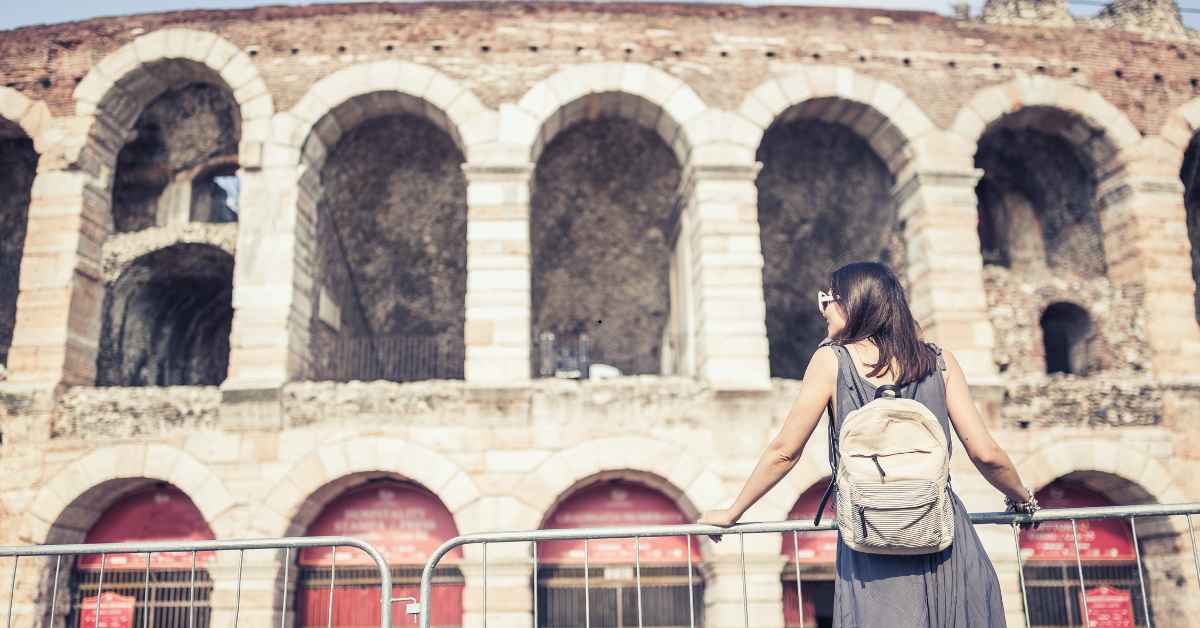
There is a specific moment that happens on every trip to Italy. You are standing in a piazza, or on a train platform, or at the entrance to a museum, and you realize that you have too much stuff in your hands.
A water bottle in one hand, a map in the other, a phone somewhere, a jacket you took off because the sun came out, and a camera you keep forgetting to put away. You are not enjoying the moment. You are managing logistics.
This is the problem a daypack solves. Not the suitcase you left at the hotel, not the crossbody bag you use for essentials, but the bag that carries everything you need for a full day of exploring and keeps your hands free to actually experience the place. A daypack is the difference between feeling like a traveler and feeling like a pack mule.
Italy is a country that rewards walking. The historic centers are pedestrianized, the alleys are too narrow for cars, and the best discoveries happen when you wander without a fixed destination.
A good daypack makes that wandering possible. It carries your water, your layers, your camera, and your snacks without weighing you down or making you look like you are heading out on a multi-day trek.
This article covers everything you need to know about choosing a daypack for Italy, the specific features that matter, and the bags that do the job best. By the end, you will know exactly what to look for and which daypack to buy.
Before you read further, remember that Italy rewards travelers who come prepared. I’ve found a few things especially useful on an Italy trip, and they’re worth having and/or knowing beforehand. See the checklist here
Why a Daypack Matters More in Italy Than Almost Anywhere Else
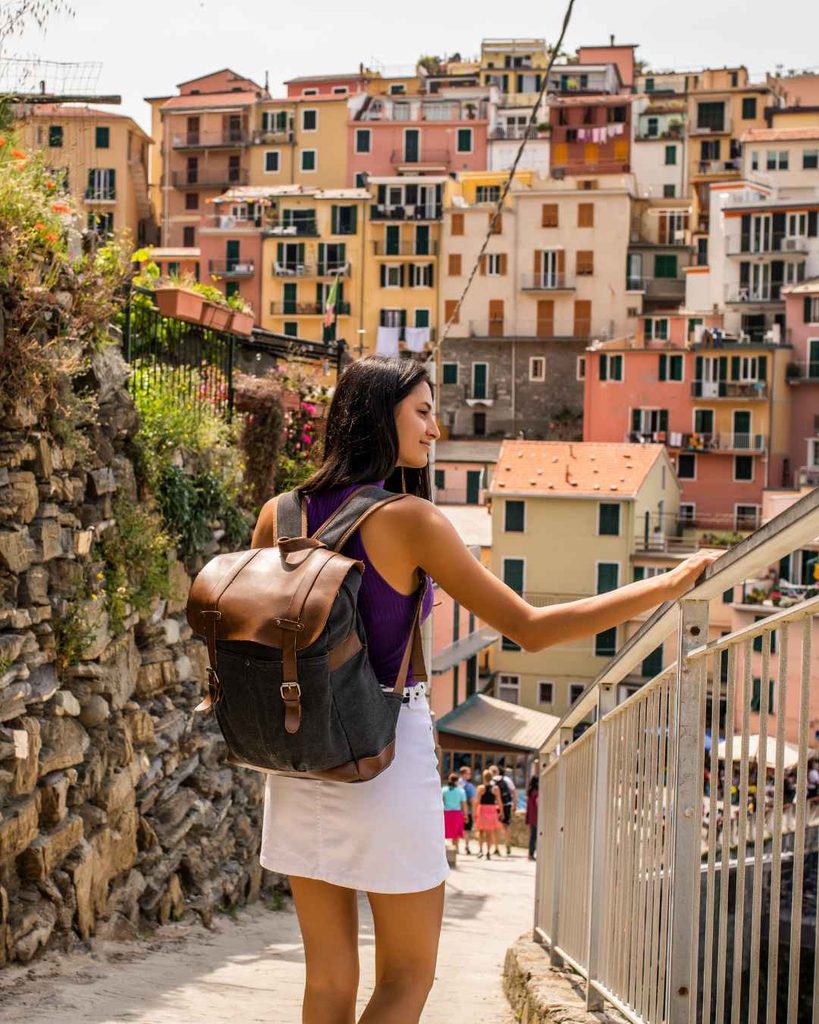
Italy presents a set of challenges that make daypack choice more consequential than it might be in other destinations.
The first challenge is the surface. Italian cities are paved with stone. Cobblestones, flagstones, and large marble slabs create a surface that is uneven, slick when wet, and unforgiving on your feet and your knees.
You will walk more than you expect, and the walking will be harder than you expect. A daypack that distributes weight well and does not bounce around as you walk is not a luxury. It is a necessity.
The second challenge is the crowds. Italy’s most popular destinations are crowded, and the crowds create a specific set of problems. A daypack that is too large becomes a weapon in a crowded piazza, knocking into people and drawing dirty looks.
A daypack that is too small forces you to carry things in your hands, which makes you a target for pickpockets. The sweet spot is a bag that is large enough to carry your essentials but small enough to stay close to your body and out of other people’s space.
The third challenge is the theft. Pickpocketing is a real concern in Italy’s tourist areas, and backpacks are a particular vulnerability because they sit behind you where you cannot see them. This does not mean you should avoid backpacks.
It means you should choose one that mitigates the risk, either through anti-theft features like locking zippers and slash-resistant materials, or through a design that allows you to wear it on your front in crowded situations.
The fourth challenge is the weather. Italy can be hot, and it can also be wet. A daypack that does not breathe will leave your back soaked in summer. A daypack that is not water-resistant will soak through in a sudden thunderstorm. The best daypacks for Italy handle both conditions.
The fifth challenge is the churches. Italy is full of churches, and many of them are worth visiting. Some have dress codes that require covered shoulders and knees, which means you may need to carry a layer with you even on warm days. A daypack gives you a place to store that layer without carrying it in your hands.
What to Look For in a Daypack for Italy
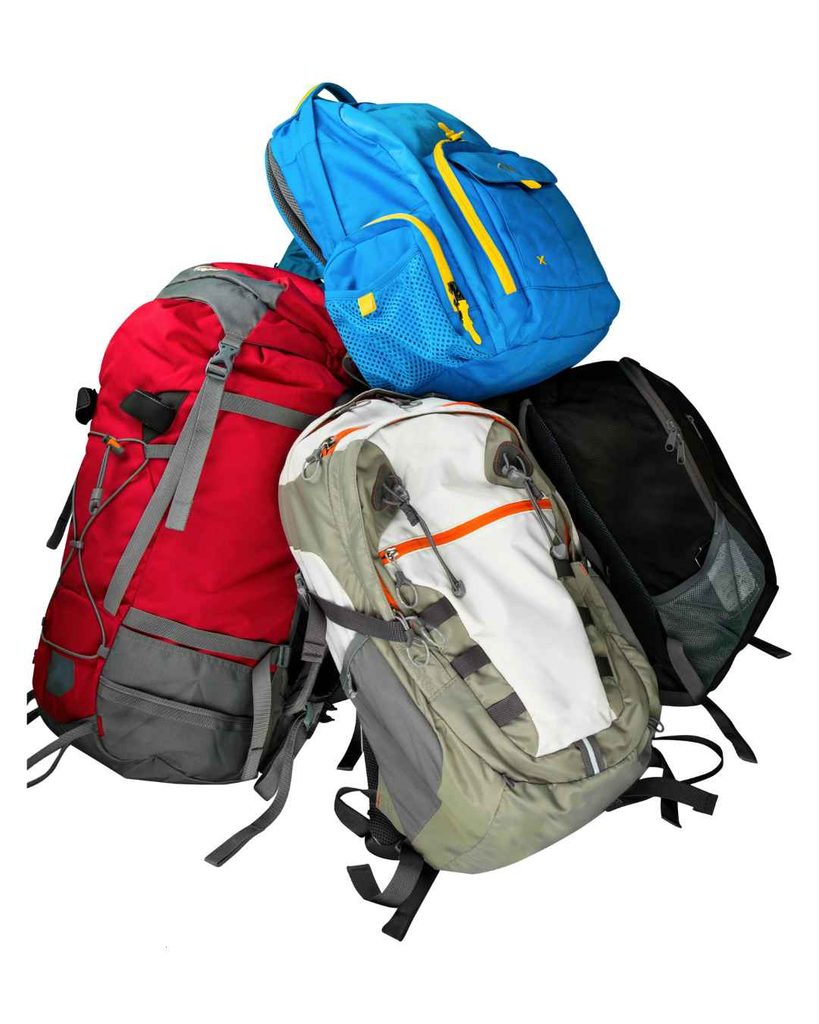
With those challenges in mind, here are the features that matter most when choosing a daypack for Italy.
Size
The ideal daypack for Italy is between 15 and 25 liters. This is large enough to carry a water bottle, a light jacket, a camera, a guidebook, snacks, and a few small purchases, but small enough to stay manageable in crowds and to fit under a train seat or in a museum cloakroom.
Bags under 15 liters are too small for a full day of exploring. You will find yourself running out of space and either carrying things in your hands or leaving things behind that you wish you had brought. Bags over 25 liters start to feel bulky, especially in crowded areas, and they may be subject to stricter rules at museums and churches.
The 20-liter range is the sweet spot for most travelers. It is large enough for the essentials but small enough to be unobtrusive.
Weight
The bag itself should be as light as possible. A daypack that weighs two pounds empty is eating into the weight you can carry in your bag. Look for bags under one and a half pounds, and ideally under one pound. The lightest daypacks use lightweight nylon or polyester fabrics and minimalist designs, but they can still be durable enough for daily use.
Comfort and Fit
A daypack carries weight on your shoulders and back, which means comfort matters more than it does with a suitcase. Look for padded shoulder straps that distribute weight evenly, a back panel that provides some ventilation, and a sternum strap that keeps the bag from shifting as you walk.
The bag should sit close to your body, not hang away from it. A bag that bounces around as you walk will tire you out faster and be more noticeable in crowds. Adjustable straps and a well-designed harness make a significant difference over the course of a long day.
Security Features
For Italy, security features are worth considering. Locking zippers, slash-resistant straps and panels, and RFID-blocking pockets are all useful in crowded tourist areas. But they are not the only way to stay secure. A bag that sits close to your body and can be worn on your front in crowded situations offers protection through design rather than hardware.
The most important security feature is your own awareness. Keep your valuables in a separate crossbody bag or money belt, and use your daypack for things that are replaceable. A water bottle, a jacket, a guidebook, and a camera are all things you would rather not lose, but none of them are as critical as your passport or your credit cards.
Water Resistance
Italy can be wet, especially in spring and autumn. A daypack that is water-resistant will protect your belongings in a light rain and dry quickly afterward. A daypack that is waterproof will keep everything dry in a downpour. If you are traveling in shoulder season, water resistance is worth prioritizing.
Organization
A good daypack has enough organization to keep your things accessible without forcing you to dig through a single large compartment. Look for a main compartment, a front pocket for quick-access items, and side pockets for water bottles. Some bags have a dedicated laptop sleeve, which is useful if you are traveling with a computer but unnecessary for most day trips.
Versatility
The best daypack for Italy is one that works in multiple contexts. It should be comfortable for a full day of walking, but it should also look appropriate in a cafe or a museum. It should be small enough to carry on a train or a bus, but large enough to hold what you need for a day trip. It should be durable enough to survive being set on the ground or hung on the back of a chair.
The Best Daypacks for Exploring Italy
Here are the daypacks that best combine size, weight, comfort, security, and versatility for Italian travel.
Osprey Daylite Commuter Backpack
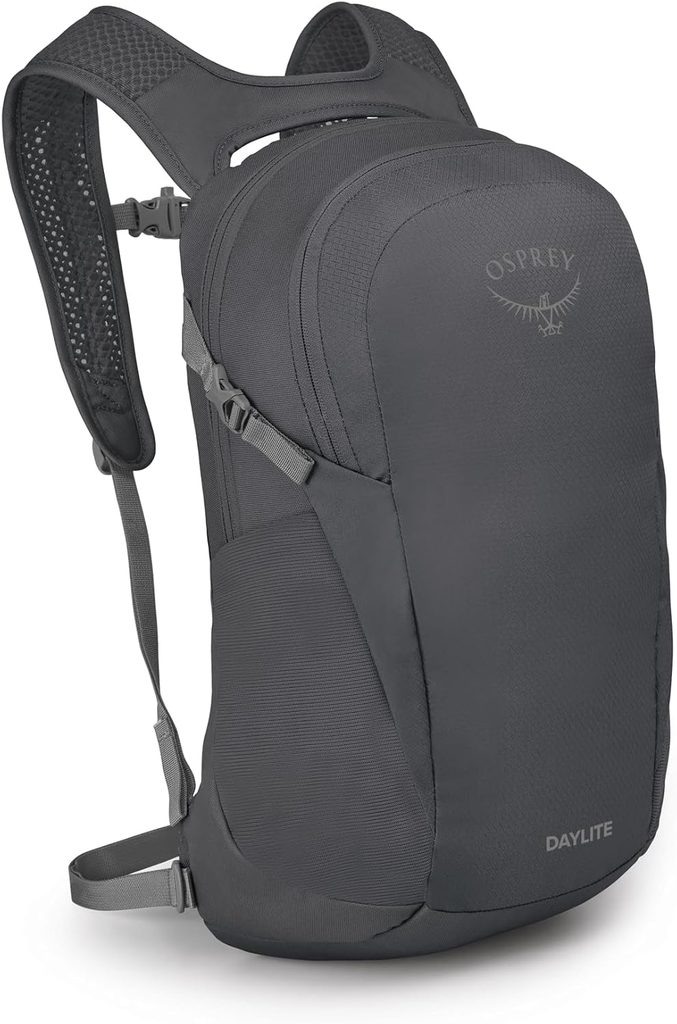
The Osprey Daylite Commuter is one of the lightest and most versatile daypacks on the market. It weighs just over one pound and has a compact profile that fits easily under an airplane seat, making it a good choice for travelers who want a daypack that can double as a personal item on flights.
The bag has a padded laptop sleeve that fits devices up to 14 inches, dual water bottle pockets, and a main compartment that is large enough for a day’s essentials. The back panel is padded for comfort, and the shoulder straps are adjustable. It does not have anti-theft features, but its compact size and close fit make it less vulnerable than a larger bag.
What makes the Daylite Commuter particularly good for Italy is its simplicity. It does not have a lot of straps, buckles, or dangling components that can catch on things or draw attention. It is a clean, functional bag that does exactly what it is supposed to do without being fussy.
Osprey Daylite Expandable 26+6 Travel Pack
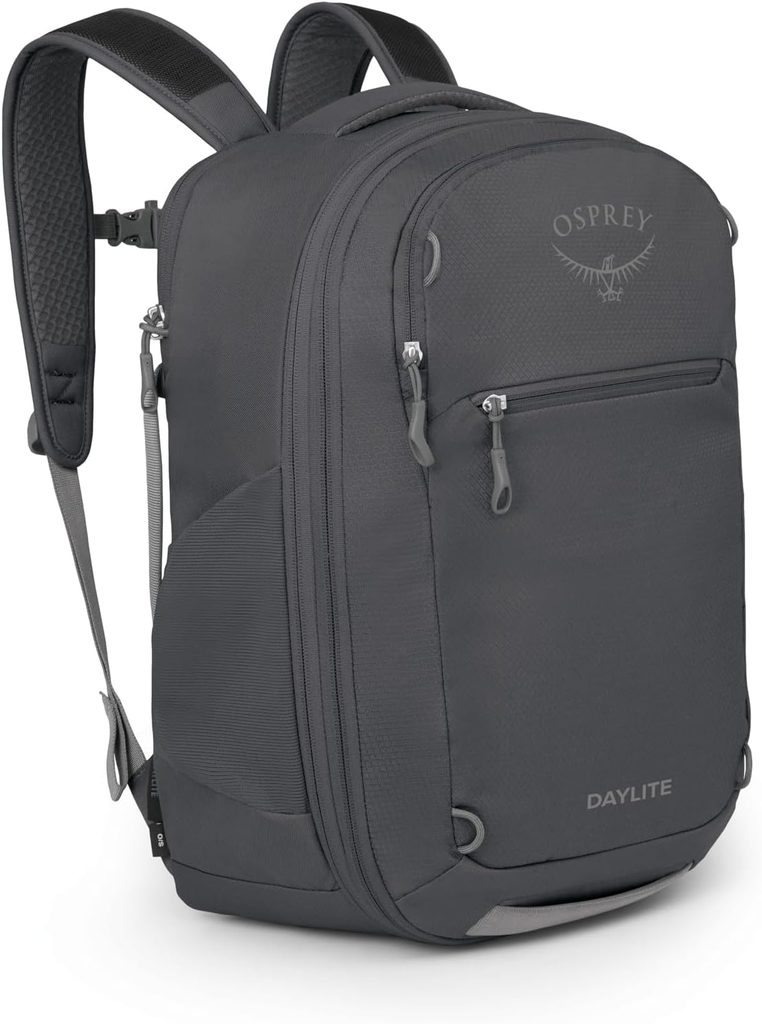
The Osprey Daylite 26+6 is a clever design that solves a specific problem. It is sized to fit as a personal item on budget airlines, but it expands from 26 liters to 32 liters when you need more space. This flexibility is useful for travelers who want to use one bag for both day trips and as a carry-on for shorter trips.
The pack has a lightweight harness with an AirScape back panel that provides decent ventilation, a front zip pocket for quick access, and a padded sleeve that fits most laptops up to 15 inches. It also has a luggage pass-through that lets you slide it over the handle of a rolling suitcase.
The trade-offs are minimal padding in the shoulder straps compared to heavier packs, and the lack of a dedicated water bottle pocket when the bag is fully expanded. For travelers who prioritize flexibility and light weight, these are acceptable compromises.
Pacsafe Vibe 325 Anti-Theft Sling Bag
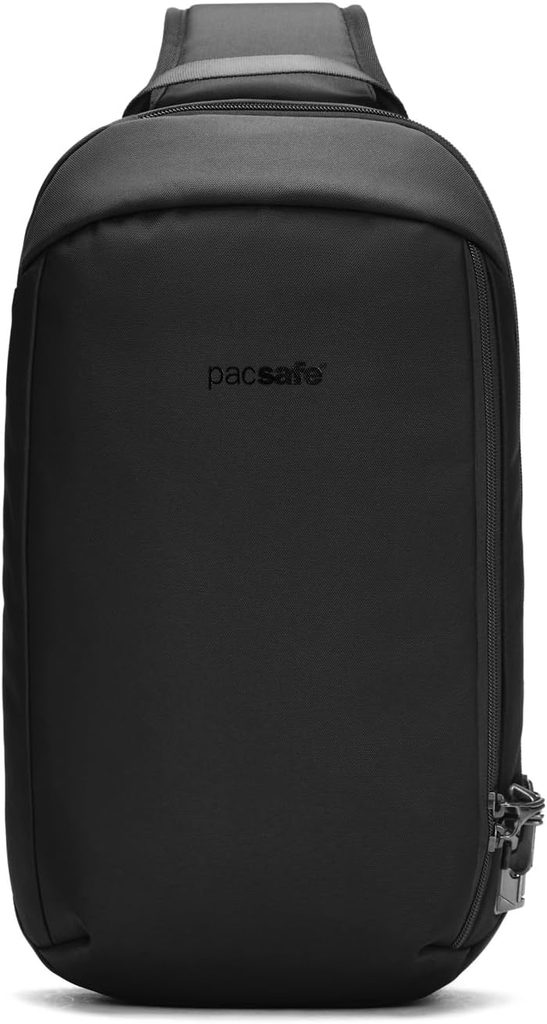
The Pacsafe Vibe 325 is a sling bag rather than a traditional daypack, but it deserves a place on this list because it solves the security problem in a way that most backpacks cannot. It is designed to be worn across your body, which means it stays in front of you where you can see it.
The main compartment zippers are lockable, the strap and panels are slash-resistant, and there are RFID-blocking pockets for your cards and passport.
The Vibe 325 has a 10-liter capacity, which is smaller than most daypacks, but it is enough for the essentials: a water bottle, a light jacket, a camera, and a few small items. It fits a 13-inch laptop, which makes it useful for travelers who need to carry a computer. The bag is made from recycled polyester and comes with a five-year warranty.
For travelers who are particularly concerned about theft, or who prefer a crossbody design to a backpack, the Vibe 325 is an excellent choice. It is not large enough for a full day of hiking, but for exploring Italian cities and towns, it is more than adequate.
Travelon Anti-Theft Classic Large Backpack
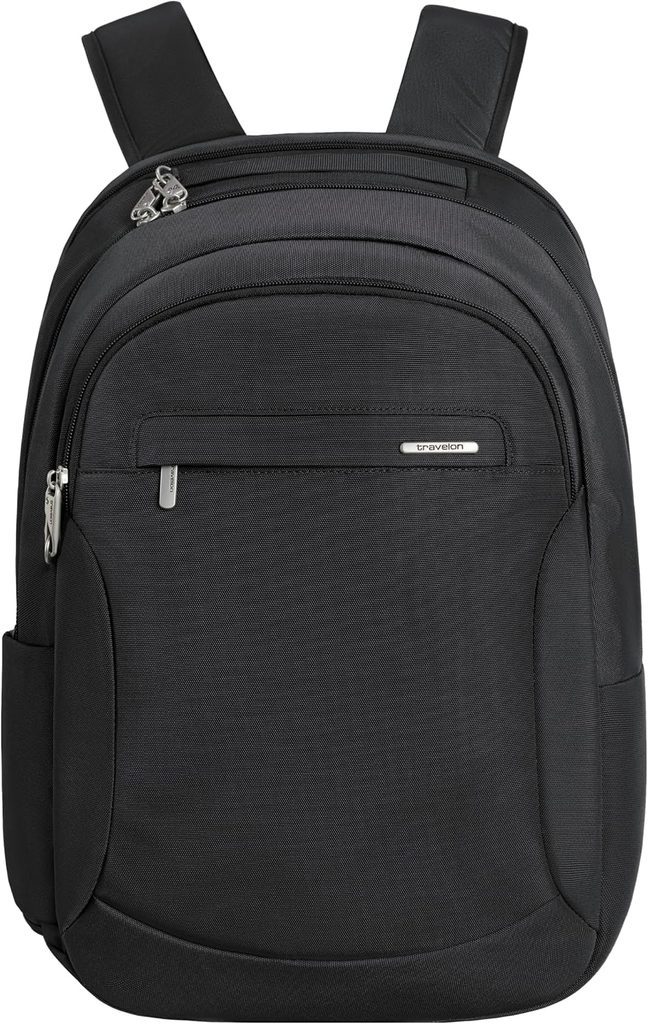
The Travelon Anti-Theft Classic Large Backpack is the bag for travelers who want maximum security in a traditional backpack design. It has locking zippers that clip together, a slash-resistant body and shoulder strap, and RFID-blocking pockets.
The main compartment is roomy enough for a day’s essentials, and the front pocket has an organizational panel for smaller items.
The trade-off for the security features is weight. The Travelon is heavier than the Osprey options, and the locking zippers take some getting used to. But for travelers who are anxious about theft and want the peace of mind that comes with visible security features, it is worth the extra weight.
The bag is available in a range of colors, and the design is understated enough that it does not scream “tourist.” It looks like a normal backpack, which is exactly what you want.
Osprey Ultralight Collapsible Stuff Pack
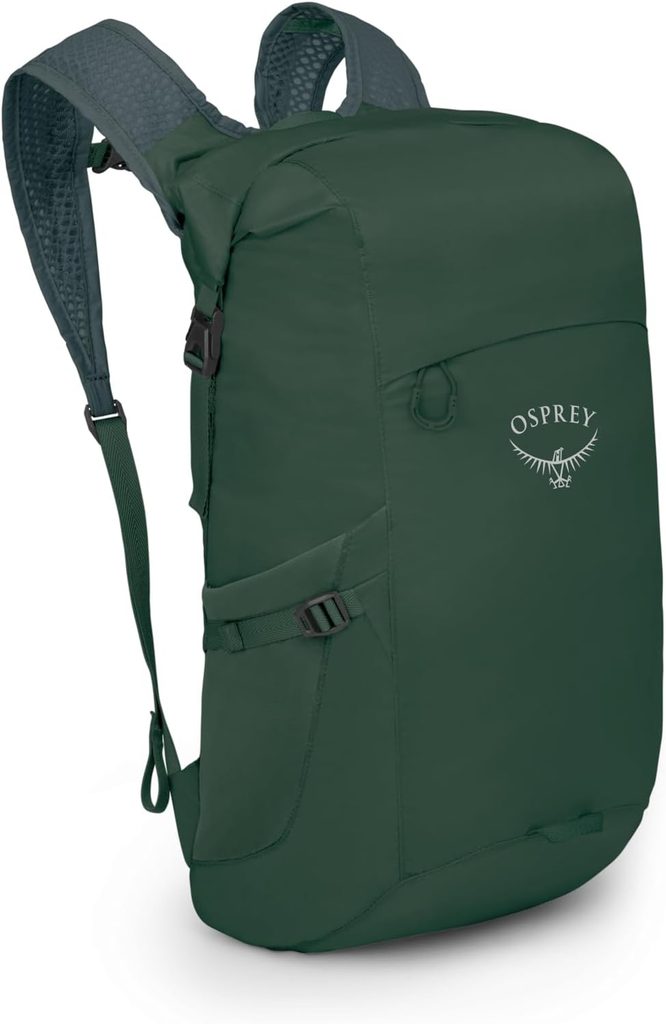
The Osprey Stuff Pack is not a primary daypack. It is a backup. It collapses down smaller than a fist and weighs only a third of a pound, but it unfolds into an 18-liter daypack that can carry a surprising amount of stuff. This makes it perfect for the day you buy more souvenirs than you planned for, or for the day you want to leave your main bag at the hotel and carry something lightweight.
The Stuff Pack has breathable mesh shoulder straps with a sternum strap, dual stretch side pockets for water bottles, and a top zippered pocket for small items. It has no structure, which means oddly shaped items can feel awkward against your back, and it has no quick-access exterior pocket. But it is lightweight, durable, and takes up almost no space when not in use.
For travelers who want the option of a second bag without the weight and bulk of a second bag, the Stuff Pack is an excellent addition to your kit.
L.L.Bean Waterproof Stowaway Day Pack
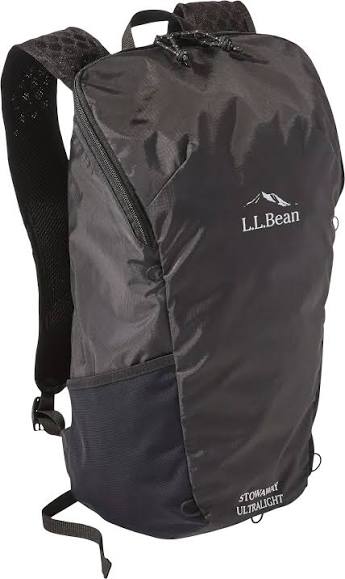
The L.L.Bean Waterproof Stowaway is a roll-top daypack that is designed to keep your gear dry in wet conditions. It has a 20-liter capacity, weighs just over 11 ounces, and stuffs into a built-in pouch for storage and travel. The fabric is waterproof, the seams are taped, and the roll-top closure seals out rain and snow.
The pack has two large water bottle pockets, bungee straps for securing items outside the bag, and comfortable air mesh shoulder straps with a sternum strap. It is not designed to be fully submerged, but it will handle a heavy downpour without letting water in.
For travelers visiting Italy in spring or autumn, when rain is more likely, the L.L.Bean Waterproof Stowaway is a smart choice. It is lightweight, packable, and designed for exactly the kind of weather that can ruin a day of sightseeing if your gear gets wet.
Thule Enroute Backpack 26L
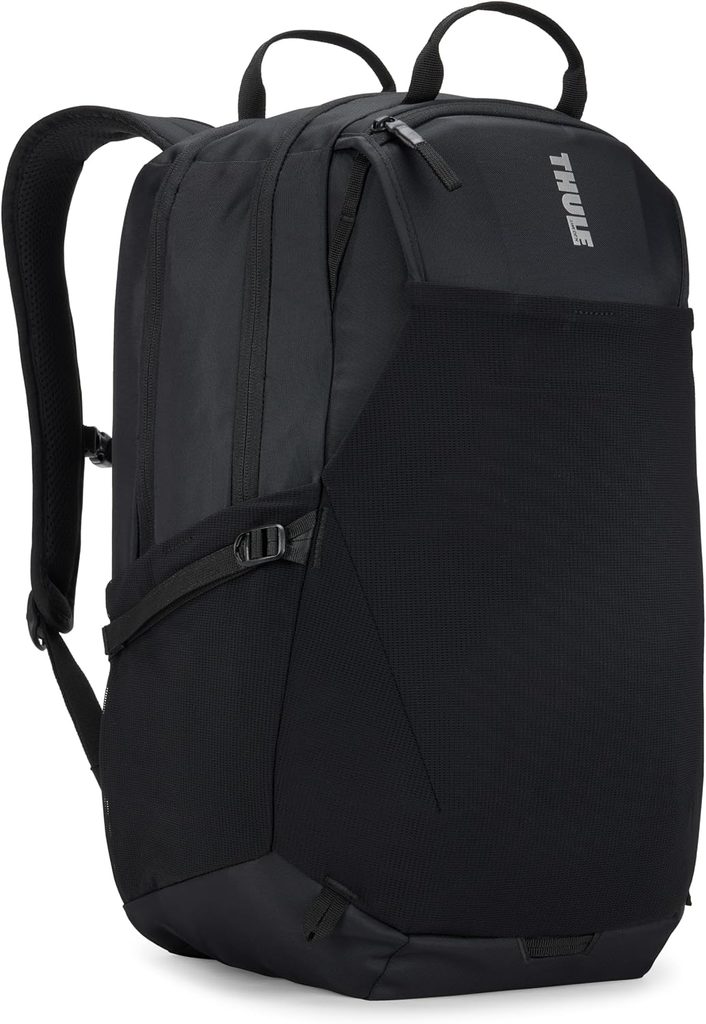
The Thule Enroute is a more structured daypack for travelers who want organization and protection for their gear. It has a 26-liter capacity, a suspended laptop compartment that protects against drops, a dedicated tablet sleeve, and a front organization panel with slots for pens, cables, and power banks.
The bag has a TPU-coated zippered pocket that is water-resistant, a stretchy stuff-it pocket on the front, and a well-padded back panel with a sternum strap. The structured shape means it does not compress well when under-packed, and the premium price reflects the build quality.
For travelers who are carrying a laptop or camera equipment and want a bag that protects those items while still being comfortable for day trips, the Thule Enroute is a strong choice. It is not the lightest option, but it is one of the most protective.
Bellroy Transit Backpack
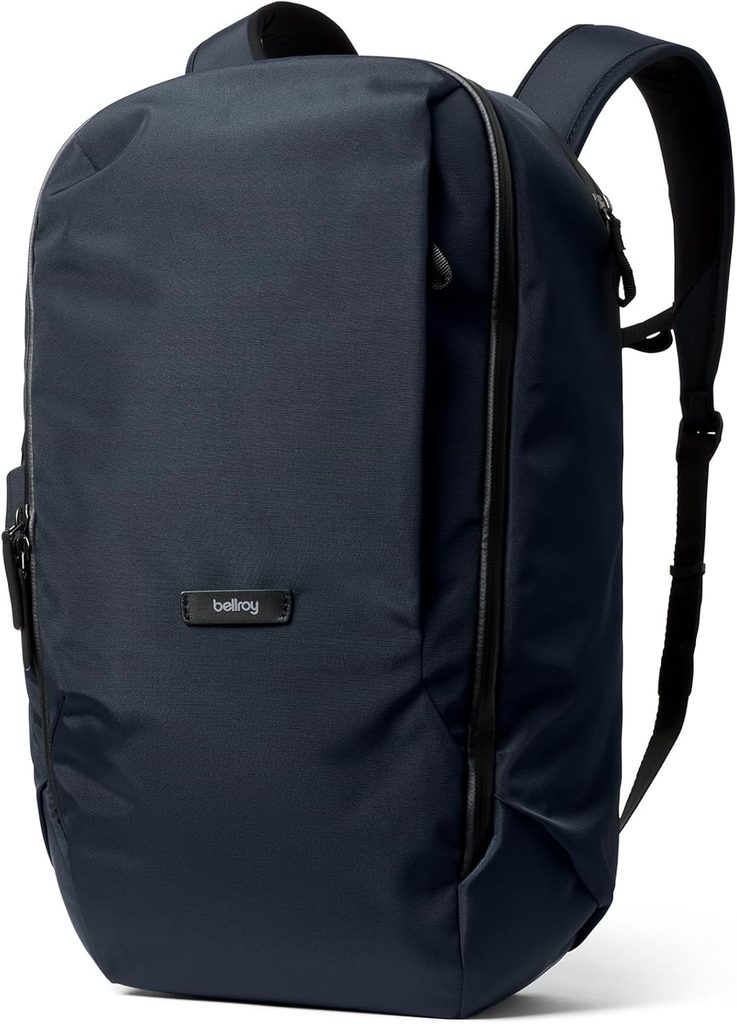
The Bellroy Transit is a premium daypack that combines thoughtful design with high-quality materials. It has a clean, minimalist aesthetic that works in urban environments, and it is available in a range of sizes from 20 to 28 liters. The bag has a clamshell opening that makes it easy to pack and unpack, a padded laptop sleeve, and a quick-access pocket for your phone or passport.
Bellroy bags are known for their attention to detail and their use of sustainable materials. The Transit is made from recycled fabric and has a water-resistant finish. It is not an anti-theft bag in the traditional sense, but its clean design and close fit make it less of a target than bags that look like they are carrying expensive gear.
For travelers who want a daypack that looks good and functions well, the Bellroy Transit is worth considering. It is more expensive than the Osprey options, but the quality is evident in every detail.
How to Use a Daypack Safely in Italy
Choosing the right bag is only part of the equation. How you use it matters just as much.
In crowded areas, wear your daypack on your front. This is the single most effective way to prevent theft. A bag on your back is vulnerable because you cannot see it. A bag on your front is under your control. It may look slightly awkward, but it is far better than losing your belongings.
Keep your valuables in a separate bag. Your daypack should carry things that are replaceable: a water bottle, a jacket, a guidebook, snacks. Your passport, credit cards, and phone should go in a crossbody bag or money belt that stays close to your body. This way, even if your daypack is compromised, you have not lost anything critical.
Use the zipper locks if your bag has them. The security features on anti-theft bags are only useful if you actually use them. It takes a few seconds to lock the zippers, and those few seconds can make the difference between a thief choosing you and choosing someone else.
Be aware of your surroundings. Pickpockets work in teams, and they use distraction to get close to you. If someone bumps into you in a crowded area, check your bag immediately. If someone tries to engage you in conversation while standing too close, move away. The goal is to make yourself a difficult target.
Do not leave your bag unattended. This seems obvious, but it is worth stating. Do not leave your daypack on the ground while you take a photo. Do not hang it on the back of a chair at a cafe without securing it. Do not leave it in a museum cloakroom if you can avoid it. The greatest danger to your bag is not a pickpocket. It is you forgetting it somewhere.
Bags You Should Not Use as Daypacks in Italy
Not every bag is suited to a day of exploring Italy, and some of the most common choices are actively bad ones. Knowing what to avoid is just as useful as knowing what to buy.
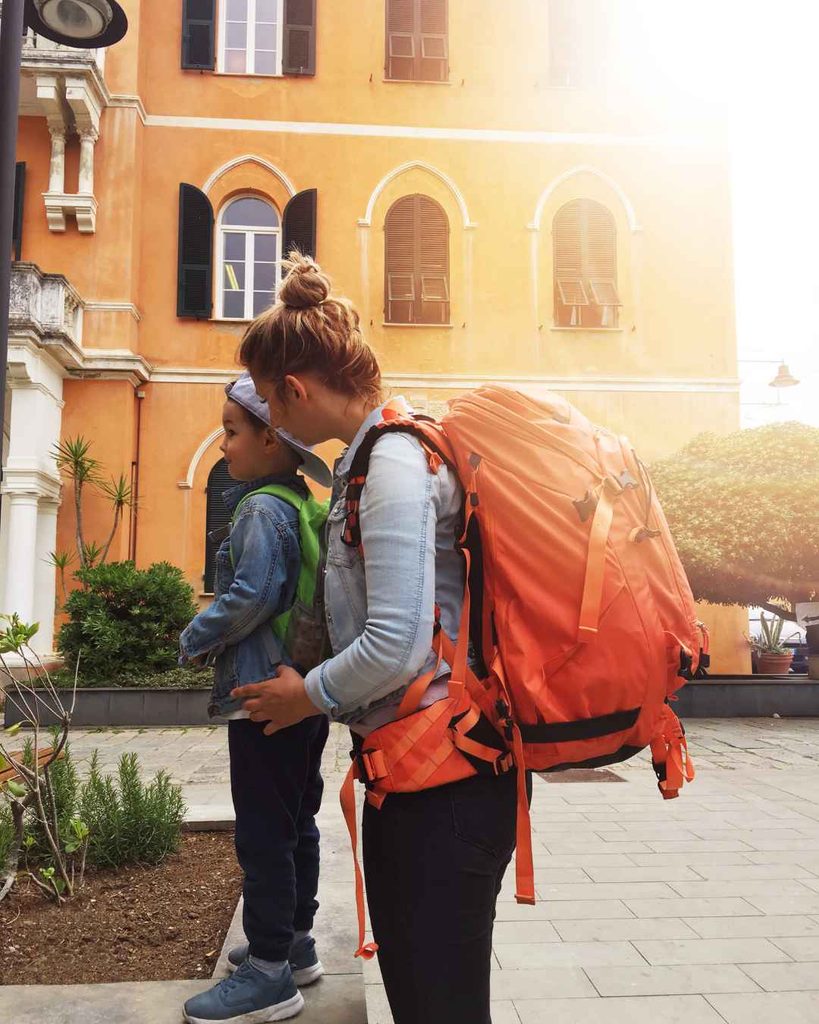
The first category to avoid is the oversized backpack. A 40-liter travel backpack or a hiking pack with a full suspension system is designed for carrying heavy loads over long distances, not for navigating crowded piazzas and narrow alleys. In a crowded area, a large backpack becomes a battering ram.
It knocks into people, it blocks aisles on trains, and it makes you a visible target. Museums and churches often require large bags to be checked, which means you spend half your day separated from your belongings. Leave the big pack at the hotel and carry something smaller.
The second category is the single-compartment tote or drawstring bag. These bags offer no organization, no security, and no comfort. Everything sloshes around in one space, which means you spend half your day digging for your phone or your wallet.
The drawstring closure is easy to open, and the thin straps dig into your shoulders when the bag is loaded. A tote or drawstring bag might be fine for a quick trip to the beach, but it is not suitable for a full day of walking and sightseeing.
The third category is the fashion backpack with no structure or padding. These bags look nice, but they are designed for carrying a light load for a short distance. The straps are thin, the back panel has no ventilation, and the fabric offers no protection from rain.
After a few hours of walking, your shoulders will ache and your back will be sweaty. If you want a bag that looks good and functions well, choose a daypack from a brand that understands both design and ergonomics.
The fourth category is the camera bag that looks like a camera bag. If you are carrying expensive photography equipment, you want a bag that protects it. But you do not want a bag that advertises what is inside.
A bag covered in logos and designed with obvious camera compartments tells thieves exactly where to look. Instead, choose a discreet daypack with a padded insert or a camera cube that fits inside. It will protect your gear without drawing attention.
The fifth category is the cheap backpack from a souvenir shop. You will see these for sale everywhere in Italy, and they are tempting if you forgot to bring a daypack. But they are poorly made, uncomfortable, and usually ugly.
The zippers break, the straps fray, and the fabric offers no water resistance. If you need a daypack, bring one from home or buy a quality bag from a reputable brand. The few euros you save on a cheap bag are not worth the discomfort and frustration.
The final category is the bag you already own that is almost right. If your current daypack is too large, too small, too heavy, or too uncomfortable, do not convince yourself it will be fine. You will be carrying this bag every day for the duration of your trip.
A bag that is almost right will become a source of daily irritation. Buy the right bag before you go, or accept that you will be buying one in Italy after your first uncomfortable day.
Conclusion
A daypack is not the most exciting purchase you will make for a trip to Italy. It is not a leather bag from Florence or a pair of handmade shoes from Rome. But it is one of the most useful. It carries your water, your layers, your camera, and your snacks.
It keeps your hands free to hold a gelato, take a photo, or steady yourself on a cobblestone street. It makes the difference between a day of exploring and a day of managing logistics.
The best daypack for Italy is the one that fits your body, your travel style, and your priorities. If you want maximum security, choose a Pacsafe or Travelon bag. If you want lightweight versatility, choose an Osprey.
If you want organization and protection for your gear, choose a Thule or Bellroy. If you want a backup bag that takes up no space, choose the Osprey Stuff Pack.
Whichever you choose, remember that the bag is a tool. It is there to serve you, not the other way around. Choose one that makes your trip easier, not one that makes you feel like you are carrying a piece of luggage. Then put it on, walk out the door, and go explore Italy the way it is meant to be explored: on foot, with your hands free, and your mind on the beauty around you rather than the weight on your shoulders.
Again, feel free to go through the list below of my Italy recommendations that I have crafted after years of travel to this beautiful country:
- Packing List: Things Not to Go to Italy Without
- Must-Do Things: Unforgettable Experiences
- Where to Stay: Best Hotels in Italy.
- Where to Stay in Rome: Rome’s Best Neighborhoods
- Where to Stay in Florence: Picking the Best Area
- Where to Stay in Venice: Venice’s Best Districts
- Italy’s Cobblestone Streets: Best Shoes For the Job
- Backpack or Suitcase?: Italy Luggage Guide
- Travel Insurance: Always Be Covered
- E-Sim: Be Connected At All Times