
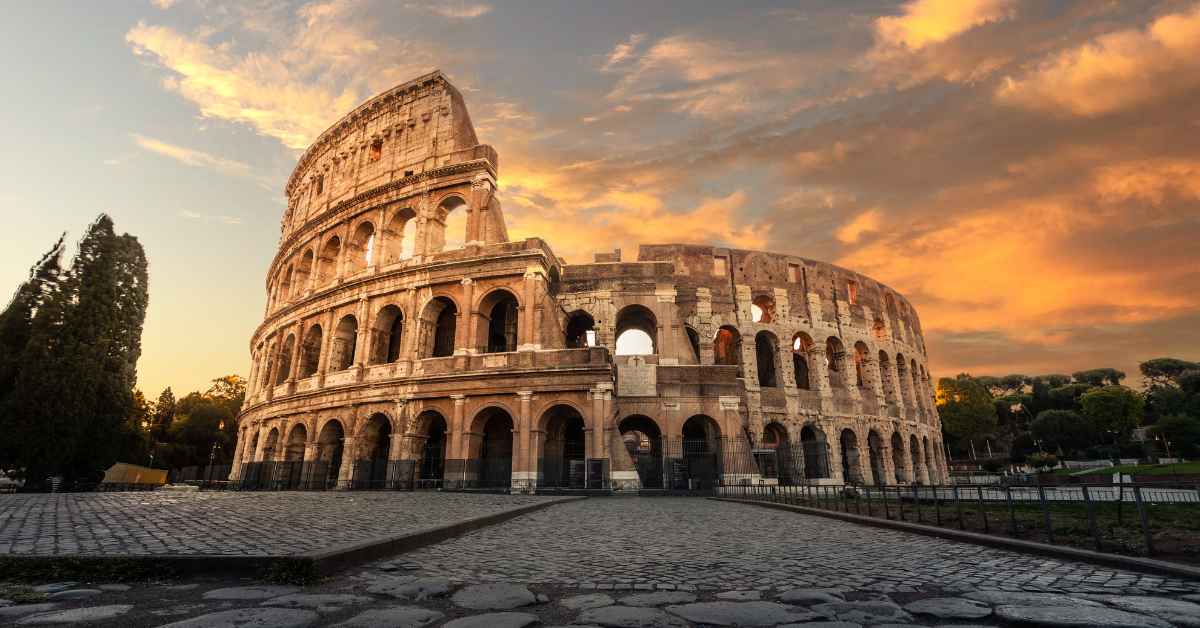
There is a particular kind of disappointment that only happens in Rome. You wake up early, you put on your walking shoes, you head to the Colosseum with a sense of purpose, and you arrive to find a line that wraps around the entire amphitheater and disappears into the distance.
You check your phone and discover that tickets sold out days ago. You stand there for a moment, looking at the ancient stone walls from the outside, and you realize that you have traveled thousands of miles to see something you cannot actually enter.
I have watched this happen to other travelers. I have felt the edge of it myself, arriving at a site without a reservation and realizing that my options were to pay three times the official price for a last-minute tour or to walk away.
Neither option feels good. The first one leaves a bad taste. The second one leaves regret.
This is not a problem you have to have. Rome has become a city where the most important experiences require advance planning, but the planning itself is simple if you know what to book and when.
The payoff is enormous. You walk past the lines. You enter at the time you chose. You see the things you came to see, and you see them the way they are meant to be seen.
This article is about the experiences I would book before I left home. It covers the essential reservations, the experiences that are worth the planning, the tours that justify their cost, and the practical details that make booking painless.
By the end, you will have a checklist that turns a trip full of uncertainty into a trip that unfolds exactly as you imagined.
Before you read further, remember that Italy rewards travelers who come prepared. I’ve found a few things especially useful on an Italy trip, and they’re worth having and/or knowing beforehand. See the checklist here
Why Rome Requires Advance Planning
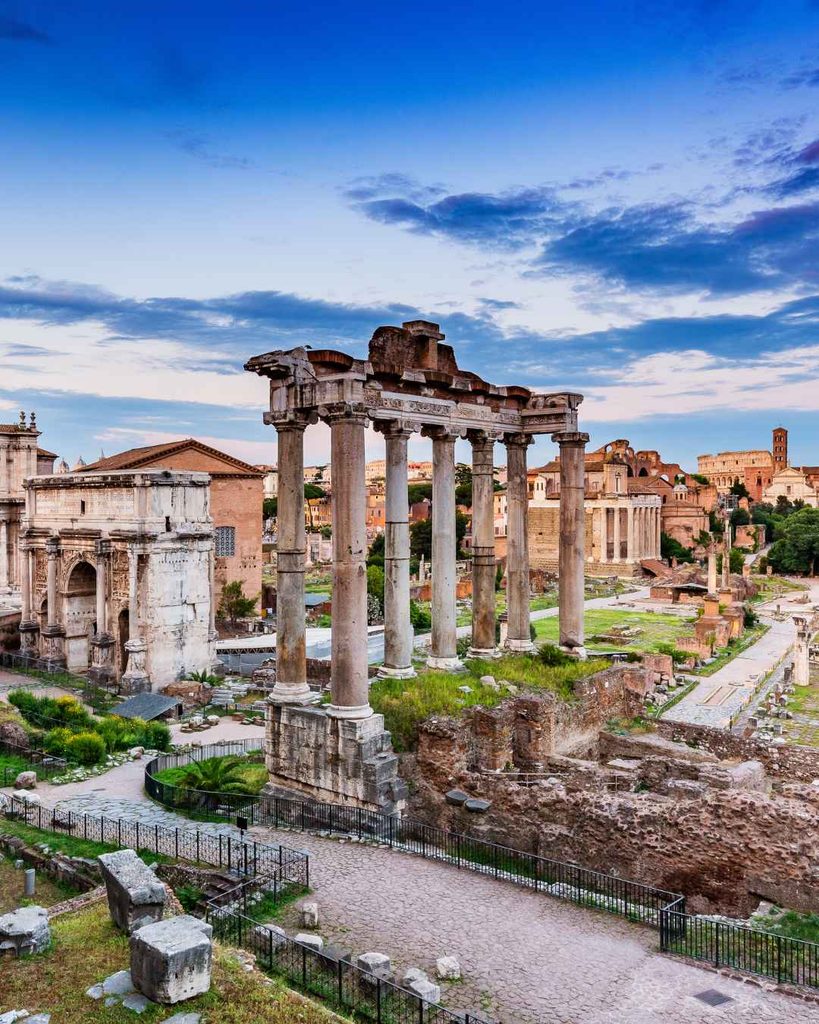
Rome is one of the most visited cities in the world, and its most famous attractions are not designed to handle the volume of people who want to see them. The Colosseum, the Vatican Museums, and the Galleria Borghese all have limited capacity, and all of them sell out regularly, especially in high season.
The Galleria Borghese is the most extreme example. It admits only about 360 visitors at a time, in strictly controlled two-hour windows. Tickets can only be booked in advance, and the most desirable time slots often sell out four weeks before the visit date. If you show up without a reservation, you will not get in.
The Vatican Museums are less restrictive but still overwhelmed. In summer, the line to buy tickets at the door can stretch for three hours or more.
By the time you get inside, you have already spent a significant portion of your day standing in the sun. Booking a timed-entry ticket in advance means you walk past that line and go directly to security.
The Colosseum operates on timed-entry slots, and the most popular morning times sell out up to a month in advance. The underground areas, which include the gladiator tunnels and the arena floor, have even more limited capacity and often sell out first.
The lesson is simple. If there are specific experiences you want to have in Rome, book them before you go. The rest of your trip can be spontaneous. The essentials cannot.
The Essential Bookings: What You Cannot Miss
These are the experiences that I would book before anything else. They are the ones that sell out, the ones that define a trip to Rome, and the ones that are genuinely difficult or impossible to arrange once you arrive.
The Colosseum, Roman Forum, and Palatine Hill
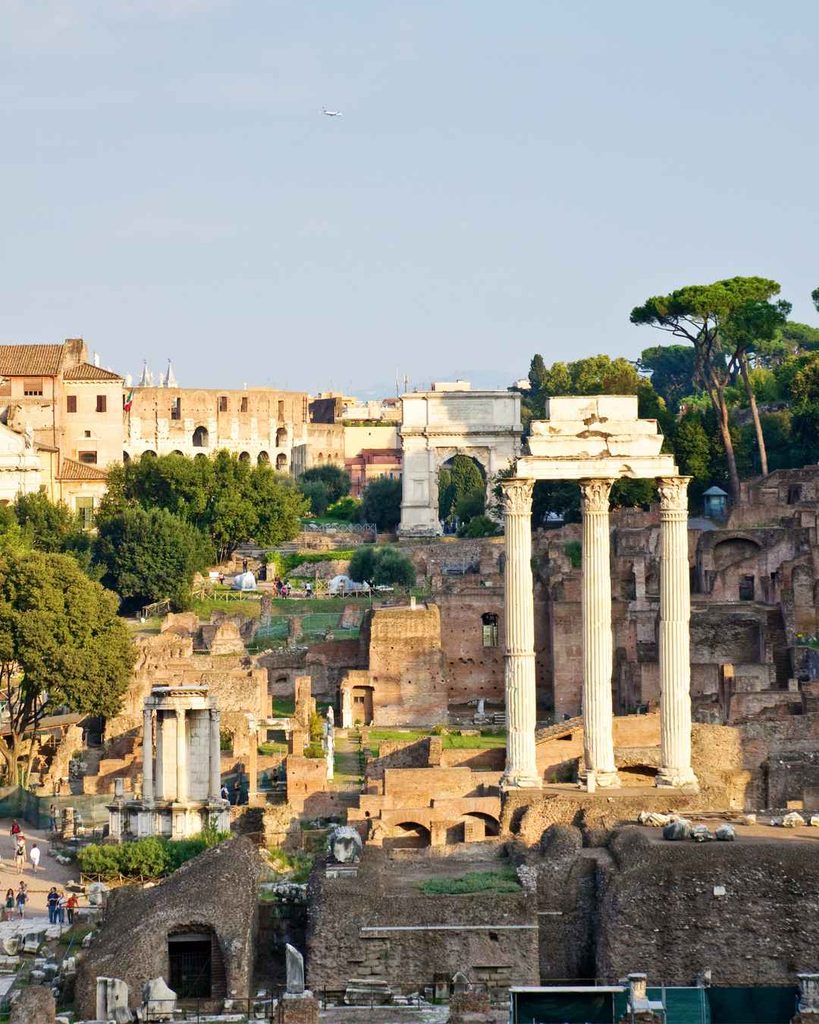
The Colosseum is the single most iconic attraction in Rome, and it is also one of the most logistically complicated. Tickets are timed, capacity is limited, and the most desirable slots disappear quickly.
The standard ticket includes the Colosseum, the Roman Forum, and the Palatine Hill, and it is valid for twenty-four hours from first entry. This is the essential booking.
The morning slots, between 8:30 and 10:00, are the best because they let you see the Colosseum before the crowds and the heat become overwhelming.
If you want to visit the underground areas, where the gladiators waited and the animals were kept, you need a special ticket that includes a guided tour. These sell out even faster than standard tickets, and they are worth booking as soon as your dates are confirmed.
The Roman Forum and Palatine Hill are included in the same ticket and are often overlooked by travelers who focus only on the Colosseum.
The Forum was the center of political, religious, and commercial life in ancient Rome, and the Palatine Hill is where the city was founded. Together, they are a full day of exploration, and they are best visited in the morning before the heat sets in.
The Vatican Museums and Sistine Chapel
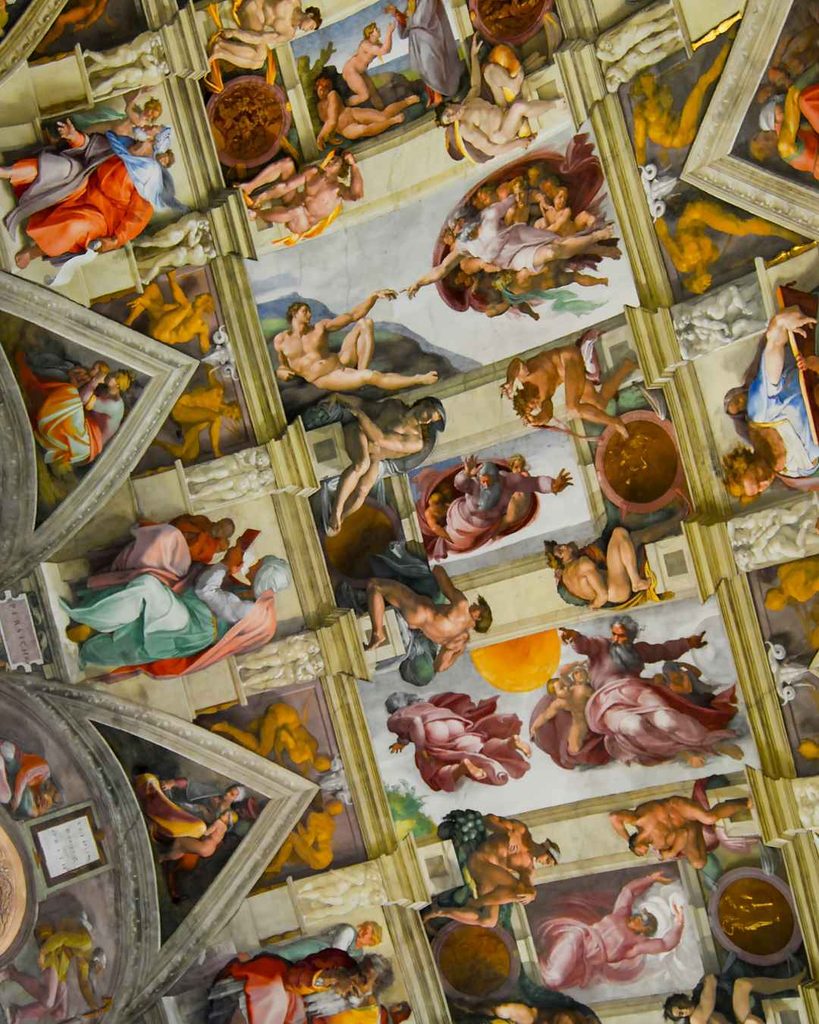
The Vatican Museums are one of the largest and most important museum complexes in the world, containing twenty-four galleries and thousands of masterpieces. The Sistine Chapel, with Michelangelo’s ceiling and Last Judgment, is the highlight for most visitors, but the museums themselves are worth several hours of exploration.
Booking a timed-entry ticket in advance is essential. Without one, you face a line that can stretch for hours. With one, you walk past the line and go directly to security.
The earliest time slots, when the museums first open, are the quietest and the most pleasant. If you can get a ticket for the first entry of the day, you will experience the Sistine Chapel with far fewer people than you would later in the morning.
There are also special tours that allow early access before the museums open to the general public, or evening visits on certain days. These are more expensive but offer a much more intimate experience. See the options available here.
The Galleria Borghese

The Galleria Borghese is my favorite museum in Rome, and it is also the most difficult to book. It houses an extraordinary collection of Bernini sculptures and Caravaggio paintings in a seventeenth-century villa surrounded by gardens. The experience is intimate, beautiful, and unlike any other museum in the city.
The catch is that admission is strictly limited. Only about 360 visitors are allowed inside at a time, in two-hour windows. Tickets can only be booked in advance, and they often sell out weeks or even months ahead. If the Galleria Borghese is on your list, book it as soon as you know your travel dates. It is not an experience you can improvise.
The Pantheon
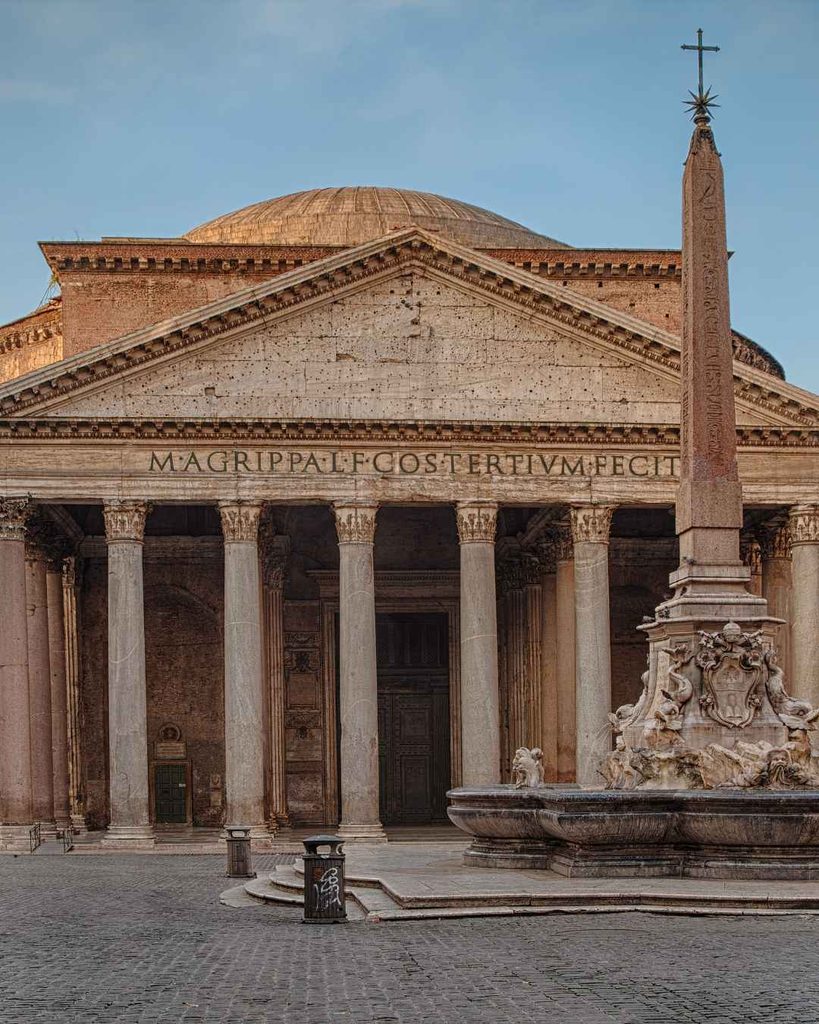
The Pantheon became a ticketed attraction in 2023, and while it is easier to book than the Colosseum or the Vatican, it is still worth reserving in advance. The line to buy tickets at the door can be long, especially in summer, and there is no shade. Booking online takes a few minutes and saves you an hour of standing in the sun.
The Pantheon itself is one of the best-preserved ancient buildings in the world, with the largest unreinforced concrete dome ever built. It is a quick visit, perhaps thirty minutes, but it is one of the essential experiences in Rome.
The Experiences Worth Booking: Tours That Add Something
Beyond the essential tickets, there are experiences that transform a visit from a checklist into something more memorable. These are the tours and activities that I would book before I left, because they offer access or insight that you cannot get on your own.
The Colosseum Underground Tour
The standard Colosseum ticket lets you walk the tiers and look down at the arena. The underground tour takes you into the tunnels beneath the arena, where gladiators waited, animals were kept, and the mechanics of the games were operated. It is a different perspective entirely, and it is one of the most fascinating experiences in Rome.
These tours are limited in number and sell out quickly. If you want to walk where the gladiators walked, book this as soon as your dates are confirmed.
The Colosseum Night Tour
The Colosseum by night is a completely different experience. The crowds are gone, the lighting is dramatic, and the atmosphere is almost eerie. Night tours often include access to the arena floor, where you can stand in the center and imagine the roar of the ancient crowds.
These tours are in high demand and limited in availability. They are worth booking well in advance. These are the best tours to book.
A Food Tour in Trastevere or Testaccio

Rome’s food culture is one of the great pleasures of visiting the city, and a food tour is the best way to understand it. Trastevere and Testaccio are the two neighborhoods where the food scene is most authentic, and a guided tour takes you to places you would never find on your own.
A good food tour lasts three to four hours and includes multiple tastings, from supplì and pizza al taglio to pasta, cheese, and gelato. It is a meal and an education at the same time, and it is one of the experiences that travelers remember most fondly. This is the food tour I would recommend.
A Pasta or Pizza Making Class
Cooking classes in Rome are a popular and rewarding experience. You learn to make fresh pasta or pizza from scratch, guided by a local chef, and you eat what you make. The classes range from two to four hours and are suitable for all skill levels.
These classes are particularly good for travelers who want a hands-on experience and a skill they can take home. They are also a good option for rainy days or for an afternoon when you want a break from walking.
A Day Trip to Tivoli, Ostia Antica, or Pompeii
Rome is a city that rewards staying put, but it is also a good base for day trips. Tivoli, about thirty kilometers east of Rome, has two extraordinary villas: Villa d’Este, with its Renaissance gardens and fountains, and Hadrian’s Villa, the sprawling complex built by the emperor Hadrian.
Ostia Antica, the ancient port of Rome, is a thirty-minute train ride from the city and offers a remarkably preserved Roman town with streets, houses, baths, and a theater. It is less crowded than Pompeii and easier to reach.
Pompeii is a longer day, involving a train to Naples and then a local train to the ruins, but it is one of the most significant archaeological sites in the world. If you want to visit Pompeii, consider booking a guided tour that includes transport, because the logistics can be complicated.
The Experiences That Are Worth Considering
Beyond the essentials and the tours, there are experiences that add texture to a trip without requiring the same level of advance planning. These are the things I would book if they fit my interests, but they are not mandatory.
A Golf Cart Tour of the City
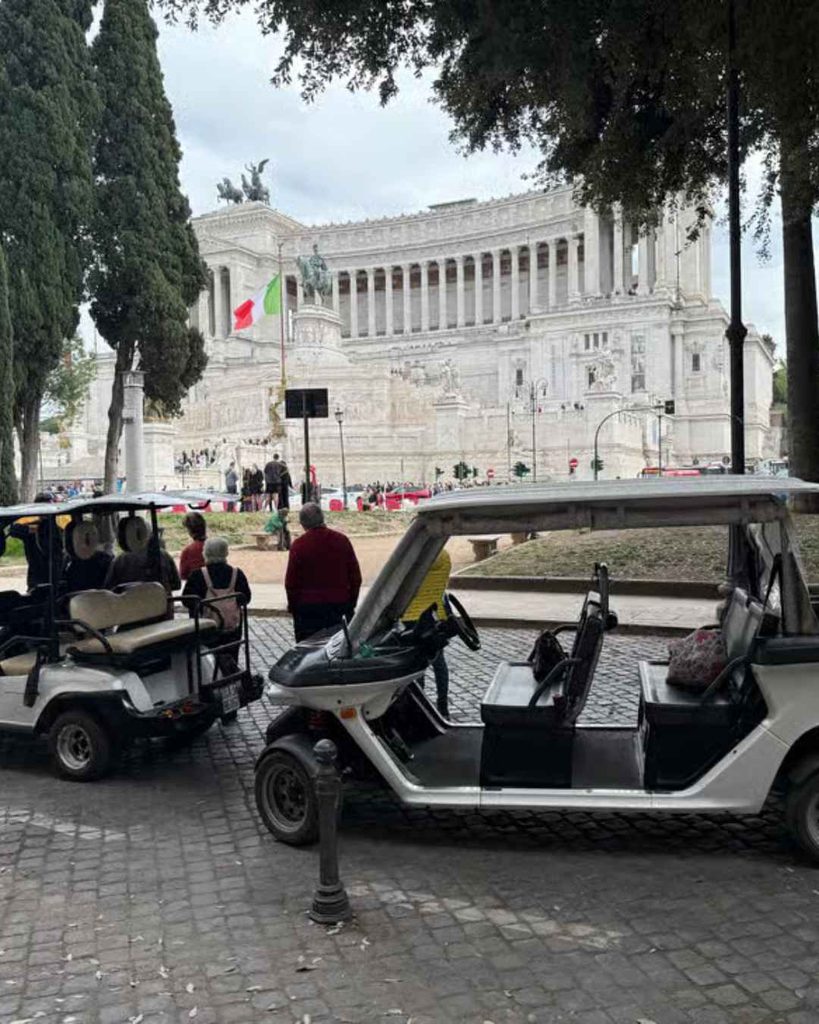
Rome is a walking city, but some travelers appreciate the option to cover more ground with less effort. Golf cart tours are a relatively new offering, and they let you see the highlights of the city in a few hours without the physical strain.
They are particularly good for travelers with mobility limitations, families with young children, or anyone who wants a break from walking. This is the tour I recommend.
A Wine Tasting or Winery Visit
The Lazio region around Rome produces excellent wine, and there are vineyards within easy reach of the city. A half-day trip to the Castelli Romani, the wine region in the hills south of Rome, combines wine tasting with a visit to a historic town.
These tours are a good option for travelers who want a break from the ancient ruins and a taste of the Italian countryside.
A Cooking Class in a Roman Home
Some of the most memorable cooking experiences in Rome take place in private homes, where a local host teaches you to make traditional dishes in their own kitchen. These classes are more intimate than restaurant-based classes, and they offer a glimpse into daily life that you would not otherwise get.
How to Book and What to Know
Booking these experiences is straightforward if you use the right sources. For the Colosseum, Vatican Museums, Galleria Borghese, and Pantheon, always book directly through the official websites. Third-party sellers often add fees and sometimes sell tickets that are not valid.
For tours and experiences, there are several reputable platforms. The key is to read the details carefully, check the cancellation policy, and confirm what is included. A tour that includes skip-the-line access is worth more than one that does not, especially in high season.
One important note: the official ticket for the Colosseum now requires your name and passport number, and you may be asked to show identification at the entrance. Make sure the name on your booking matches the name on your passport exactly.
Another note: some experiences, like the Vatican Museums and the Galleria Borghese, require you to check bags and large items. Travel light on the days you have these bookings.
Things You Shouldn’t Book in Advance for a Rome Trip
The advice to book everything early comes from a place of anxiety, and it is not entirely wrong. The Colosseum sells out. The Vatican Museums can have three-hour lines. The Galleria Borghese admits only a few hundred people at a time. These are real problems, and they require real solutions.
But the solution is not to book every hour of every day. Rome is a city that resists rigid schedules. Meals last longer than you expect. The best trattorias do not take reservations. The most memorable afternoons are the ones you did not plan. If your itinerary is packed from morning to night, you lose the ability to respond to the city as it presents itself.
So book the essentials, then leave the rest open. Here is what to leave unbooked.
Restaurants that do not take reservations
Some of the best meals in Rome happen at places where you show up, put your name on a list, and wait with a glass of wine while a table opens up. Da Enzo al 29 in Trastevere, Flavio al Velavevodetto in Testaccio, and the pizza al taglio counters scattered across the center all work this way.
Pick one or two restaurants that matter to you and reserve those. Leave the rest of your evenings free to wander and ask for recommendations.
Markets and neighborhoods
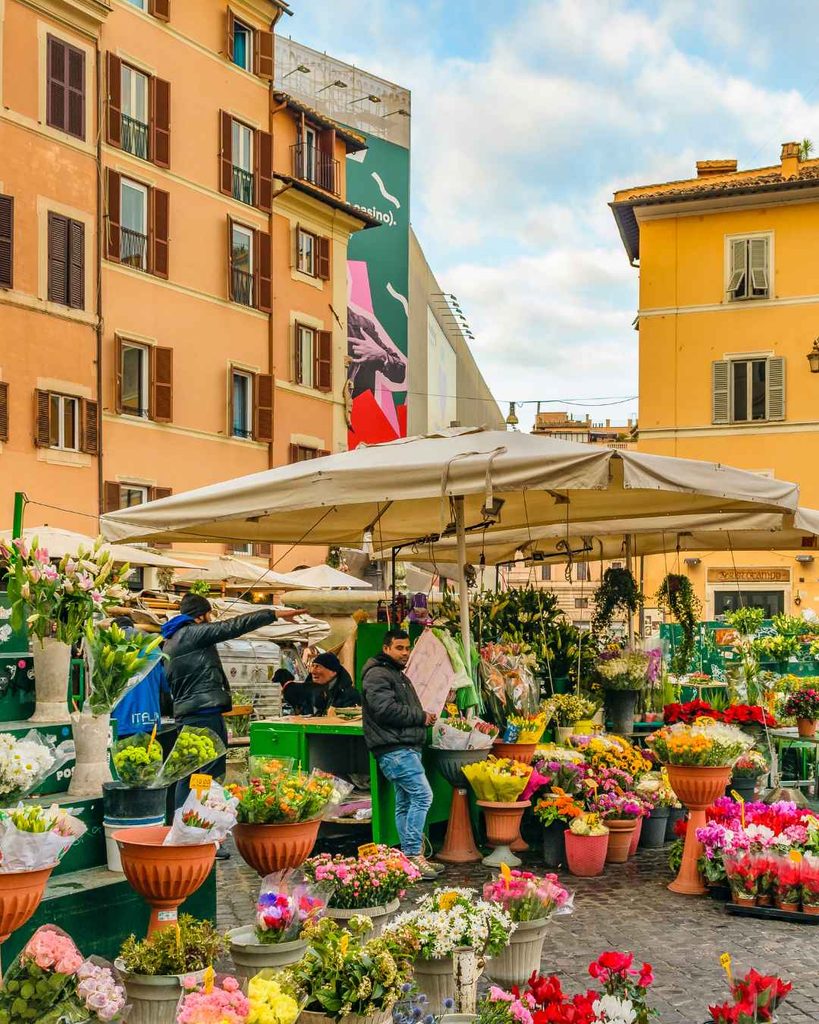
The Testaccio Market, the Campo de’ Fiori market in the morning, and the streets of Trastevere, Monti, and the Jewish Ghetto are best explored on foot without a schedule. You do not need a tour to find a good cafe or a quiet church. You need time and a willingness to get slightly lost.
Churches and small museums
Rome has hundreds of churches, and most are free to enter. Many contain masterpieces that would be the highlight of a museum. Santa Maria in Trastevere, San Luigi dei Francesi with its Caravaggios, and Santa Maria sopra Minerva are all worth wandering into. The same is true of small museums like the Palazzo Massimo or the Centrale Montemartini. These are decisions you can make on the day, based on how you feel and what else is on your schedule.
Most day trips
If you want to visit Orvieto, Tivoli, or Ostia Antica from Rome, you can decide the night before and buy a train ticket in the morning. The trains run frequently and the journeys are short. The exception is places with limited access or complex logistics, like Pompeii or the Vatican Necropolis.
One full day
Pick a day and leave it entirely open. No tours, no reservations, no plans. Wake up, have breakfast, and decide what to do based on how you feel and what the weather is doing.
This is the day when you might discover a neighborhood you had not planned to visit, spend three hours in a cafe because the light was beautiful, or take a bus to a town you had never heard of. These are the days people remember.
Final Thoughts
Rome is a city that rewards preparation. The experiences that define a trip, the ones you will remember for years, are often the ones that require a reservation. The Colosseum underground. The Sistine Chapel before the crowds. The Galleria Borghese, with its Bernini sculptures glowing in the afternoon light.
These are not experiences you can stumble into. They require planning, and the planning is simple. Book the essentials as soon as your dates are confirmed. Book the tours that add something you cannot get on your own. Leave the rest of your trip open to spontaneity.
The beauty of Rome is that even the unplanned moments are extraordinary. A random church with a Caravaggio you did not know was there. A piazza that empties out in the late afternoon, leaving you alone with a fountain and the sound of water. A plate of pasta in a neighborhood trattoria that costs almost nothing and tastes like the best meal of your life.
But you can only enjoy those moments if you are not standing in line for the things you should have booked. Do the planning. Then let the city surprise you.
Again, feel free to go through the list below of my Italy recommendations that I have crafted after years of travel to this beautiful country:
- Packing List: Things Not to Go to Italy Without
- Must-Do Things: Unforgettable Experiences
- Where to Stay: Best Hotels in Italy.
- Where to Stay in Rome: Rome’s Best Neighborhoods
- Where to Stay in Florence: Picking the Best Area
- Where to Stay in Venice: Venice’s Best Districts
- Italy’s Cobblestone Streets: Best Shoes For the Job
- Backpack or Suitcase?: Italy Luggage Guide
- Travel Insurance: Always Be Covered
- E-Sim: Be Connected At All Times