
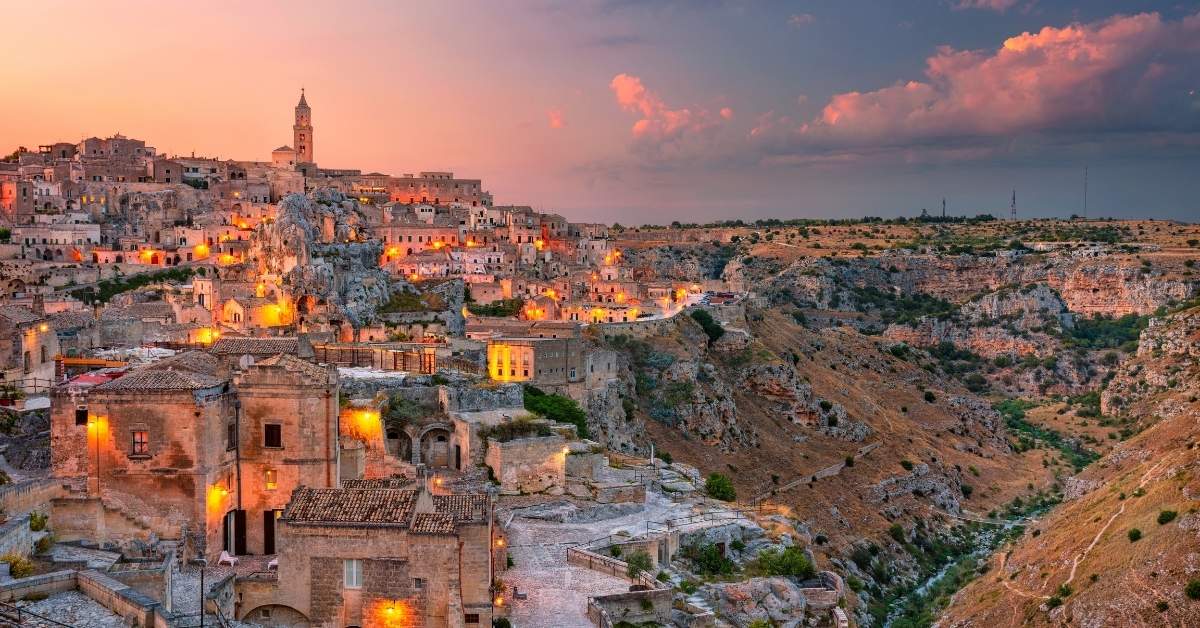
Matera is not like anywhere else in Italy. It is not even like anywhere else in the world. While Rome is three thousand years old and feels ancient, Matera has been continuously inhabited for nearly nine thousand years, making it one of the oldest cities on earth.
The Sassi, the cave dwellings carved into the limestone cliffs, are a UNESCO World Heritage site. UNESCO itself described them as the most outstanding intact example of a troglodyte settlement in the Mediterranean region. And yet, until recently, most travelers had never heard of it.
This guide will change that. By the time you finish reading, you will know exactly why Matera deserves a place on your Italian itinerary. You will also know how to experience it like someone who truly understands its magic.
Before reading further, please take the time to ensure you have packed everything you need for your trip to Italy. See the checklist here.
The Story That Will Break Your Heart Before It Heals It
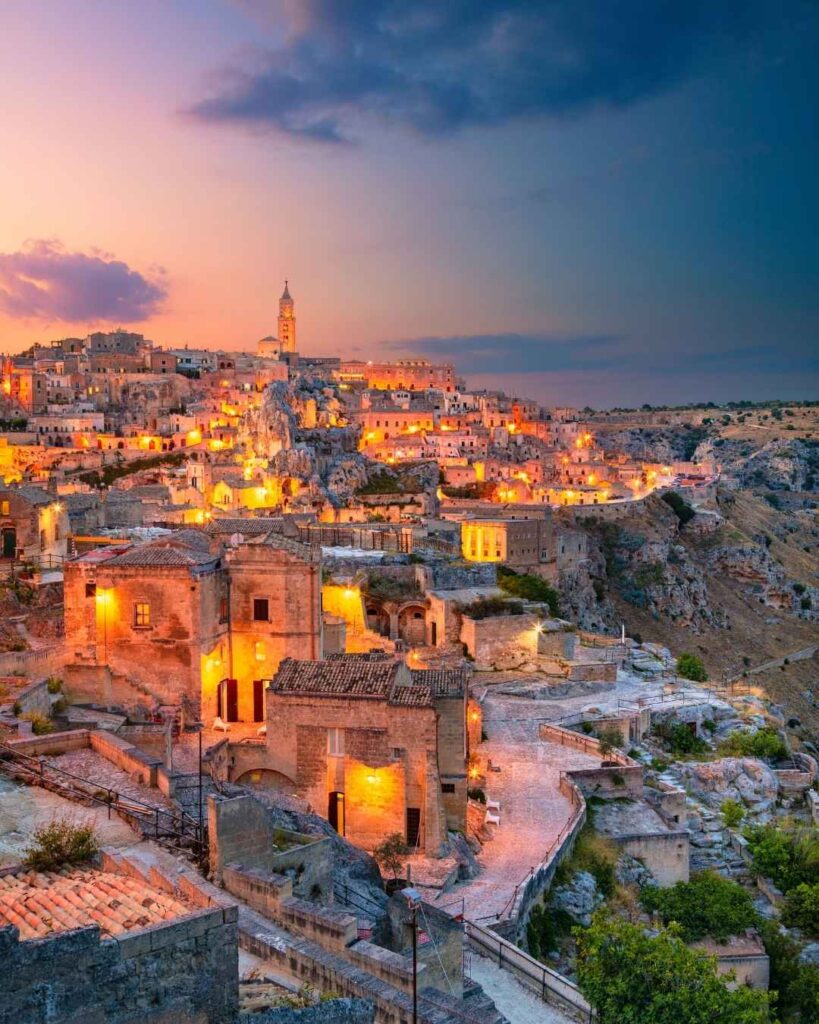
You cannot understand Matera without understanding its journey. The cave dwellings were inhabited for millennia, but by the end of World War II, they had become synonymous with poverty. Malaria was rampant. Infant mortality surged to forty percent.
Families of twelve lived in single rooms with no running water, no electricity, no drainage. In 1948, the justice minister called the Sassi a national shame. The Italian government evacuated the entire population in 1952, moving people to modern housing on the outskirts of town.
The Sassi lay abandoned for decades, silent and crumbling. And then, slowly, something remarkable happened. People began to see the potential. Artists moved in. Restorers followed.
By 1986, those willing to restore the dwellings with their own money were allowed to return. Today, that same place, once called the shame of Italy, is a European Capital of Culture. The cave dwellings that once housed desperate families are now boutique hotels and restaurants.
It is a redemption story carved into stone. Walking through it is a deeply moving experience.
What to See: The Essential Sassi Experience
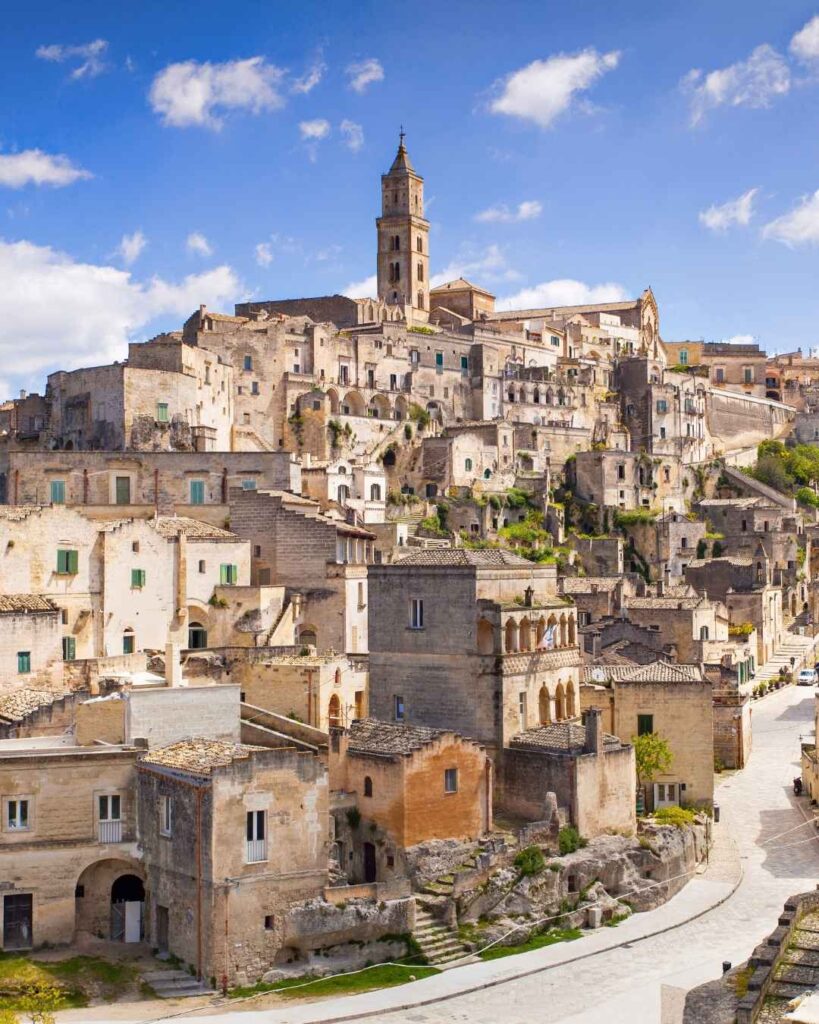
The Sassi is divided into two districts. Sasso Caveoso to the south is the older, more rugged part, with dwellings that seem to tumble down the cliff face. Sasso Barisano to the northwest is slightly more developed, with more restored buildings and easier access.
The Civita sits between them, the acropolis where the cathedral stands, crowning the entire scene like a stone sentinel. Start your exploration at Piazza Vittorio Veneto, where you will get your first sweeping view over the Sassi districts. Then descend into the maze of narrow stone streets and alleyways.
Do not worry about getting lost. Getting lost is the point. The city is built for people, not cars, and every turn reveals something unexpected.
The Casa Grotta di Vico Solitario is a must-visit. It is a furnished cave dwelling that shows exactly how people lived here until the 1950s. A single room of about five hundred square feet housed twelve people. The bed sat against the wall under a small loft, and an iron pot used as a toilet was hidden beneath it.
It is humbling. It is also essential for understanding what the people of Matera endured.
The rupestrian churches are another highlight. There are over a hundred of them in the surrounding area, carved directly into the calcarenite stone. Santa Maria de Idris is the most famous, perched dramatically on a rock outcropping with well-preserved frescoes inside.
The Crypt of the Original Sin has been called the Sistine Chapel of rock churches for its magnificent ancient frescoes. If you have time for only one, make it Santa Maria de Idris, especially at sunset when the light transforms the stone into gold.
And then there is the cathedral. The Duomo di Matera sits at the highest point of the old town, a Romanesque church with a 170-foot tower that offers an excellent view of the gorge. Inside, look for the thirteenth-century fresco of the Last Judgment.
The climb up is steep, but the view across the Sassi and the Murgia National Park beyond is worth every step.
Where to Stay: The Cave Hotel Experience
Here is the thing about Matera. You can visit for a day, and you will see the sights. You will take the photos. You will eat the food. But you will not truly understand what this place is.
The magic happens at night. When the day-trippers leave, and the warm yellow lights illuminate the caves, the city transforms into something out of a dream. And the best way to experience that is to sleep in a cave.
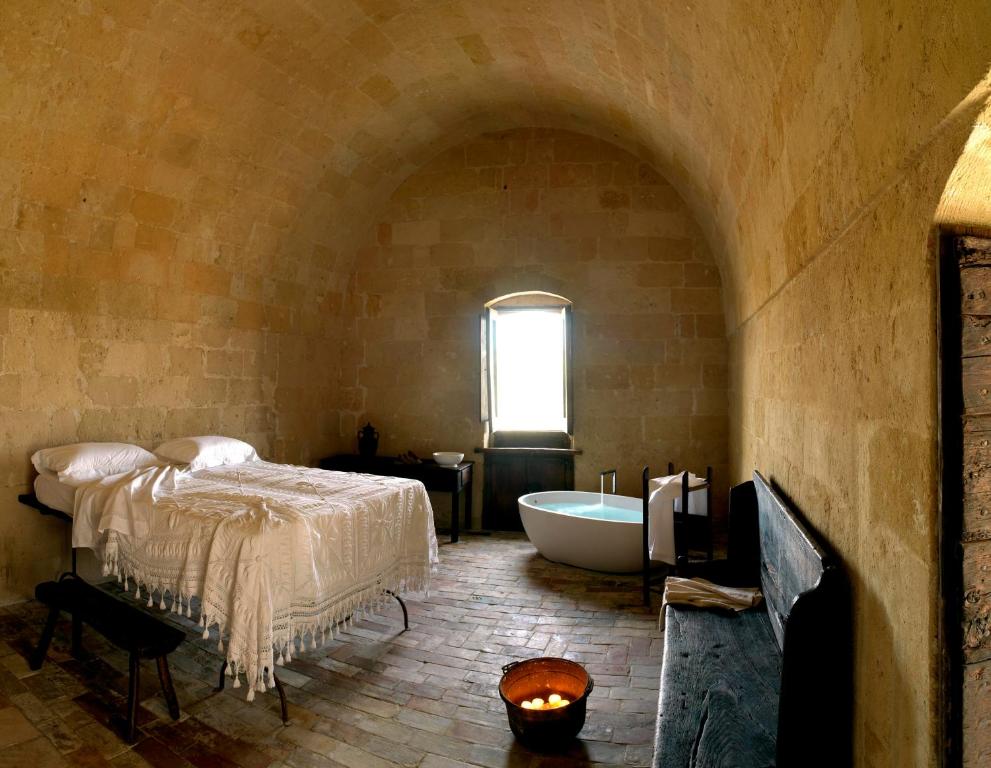
Cave hotels are Matera’s signature accommodation. They are exactly what they sound like: ancient dwellings converted into modern rooms with all the comforts. Air conditioning, Wi-Fi, sleek bathrooms, all carved into stone walls that have stood for millennia.
The Sextantio Le Grotte della Civita is one of the most famous. The Sant’Angelo Luxury Resort is another excellent option. The Locanda di San Martino offers a more budget-friendly choice in the heart of the Sassi.
Be warned, though. The rooms can be small. The layout is labyrinthine. And the stone walls hold the cool of the night, so even in summer, you might need a light blanket.
But there is something unforgettable about lying in bed, looking up at ancient stone that has sheltered people for nine thousand years. You feel connected to something so much larger than yourself.
What to Eat: The Flavors of Basilicata
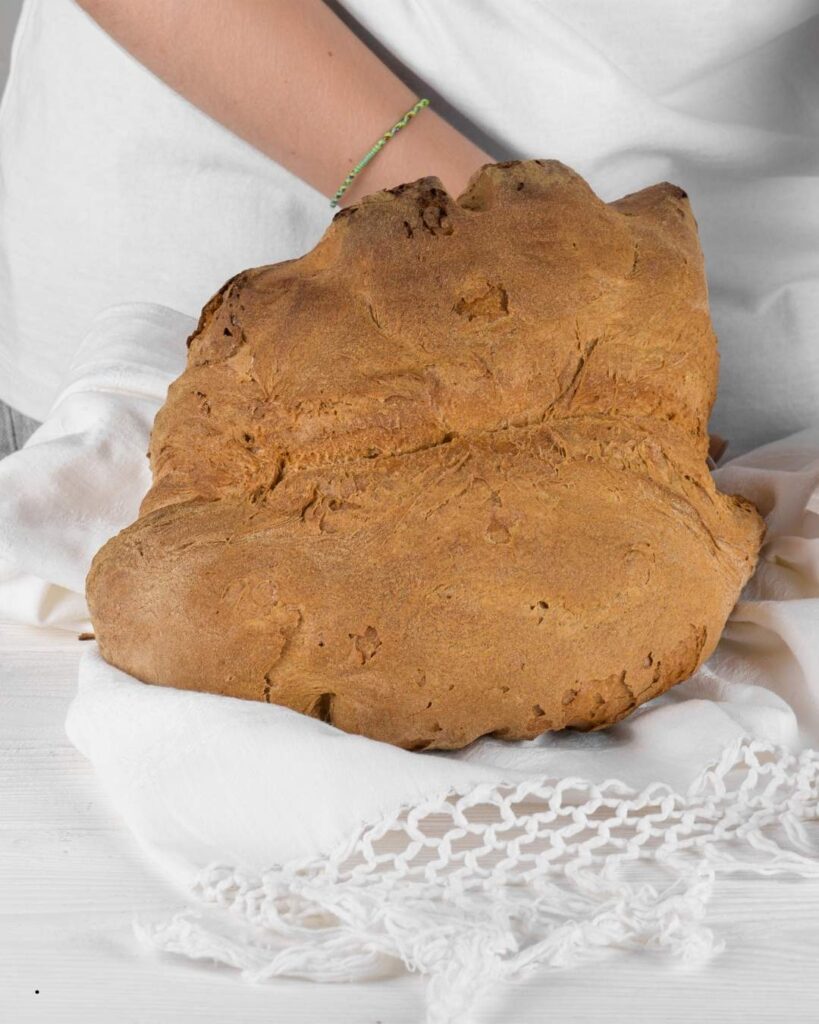
Matera’s cuisine is rooted in cucina povera, the poor man’s cooking of southern Italy. Do not let the name fool you. The food is rich, hearty, and deeply satisfying.
Pane di Matera is the local bread, made from Basilicata durum wheat and protected by IGP status. It is heavy-crusted and dense, perfect for sopping up sauces. You will find it everywhere, and you should eat it everywhere.
Cavatelli is the local pasta, shaped like small shells with a chewy texture that holds sauce beautifully. It is often served with tomato sauce and sausage. Orecchiette, another southern pasta, is also common.
For a taste of local flavor, try the cialledda salad, a traditional dish made with the local bread, tomatoes, and vegetables, served hot or cold. And do not leave without tasting the Senise peppers, sweet and crunchy, often pounded into powder and used in cheeses, meats, and soups.
Trattoria del Caveoso is a classic choice for authentic local cuisine in a cave setting. Ristorante Francesca is another excellent option. For a splurge, Regiacorte offers fine dining with incredible views over the city. And for pizza, Piu Sud serves some of the best in town, right inside a cave.
When to Go and How to Get There
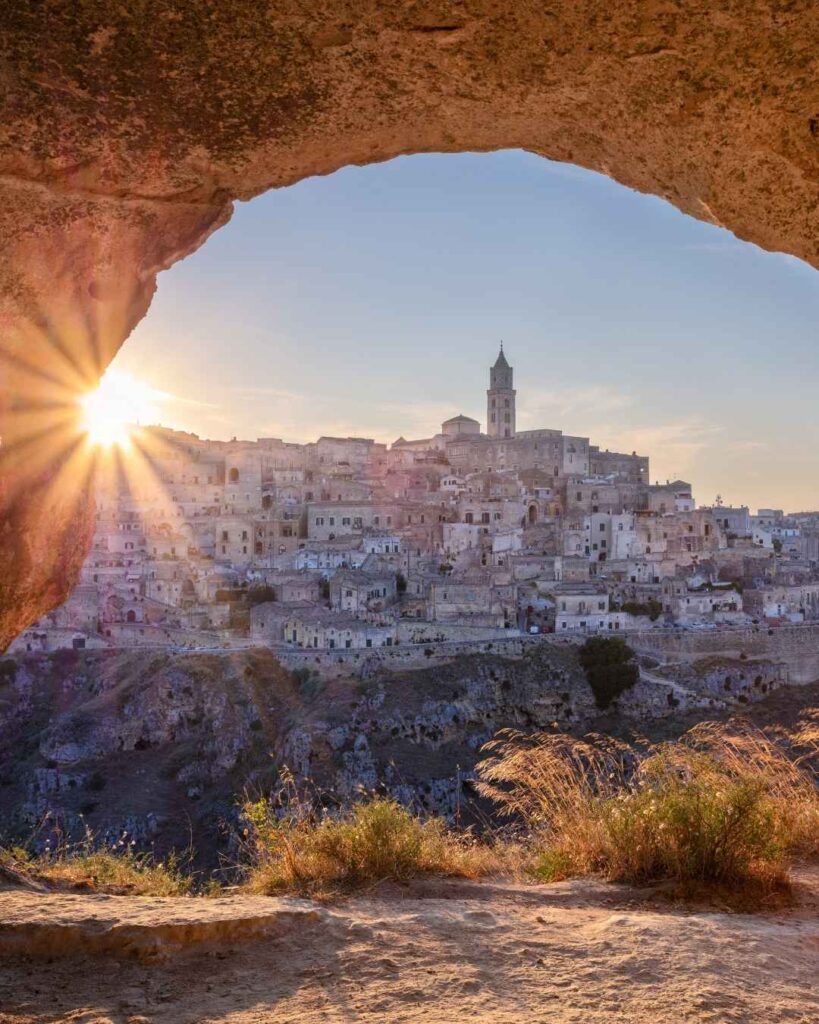
The best time to visit Matera is spring or fall. April can be rainy, but May and June are dry, warm, and far less crowded than the peak summer months. September and October offer similar conditions with the added beauty of autumn colors.
Summer is hot, with average July highs around eighty-six degrees Fahrenheit. The Festa della Bruna, the town’s most important religious festival, takes place in early July and features costumed processions and fireworks. It is spectacular but crowded.
Winter is quieter and cooler, but many smaller attractions have limited hours. Getting to Matera requires some planning. The nearest airport is in Bari, about ninety minutes away.
From Bari, you can take a train directly to Matera Centrale station. The train is scenic and comfortable. Buses are also available from Bari and other major Italian cities.
If you are driving, be aware that the old town is entirely car-free. You will need to park in lots on the outskirts, like Parcheggio Via Lucana, and walk the rest of the way. Matera’s roads are narrow, and in some places, two cars cannot pass without side-swiping. Driving is possible but requires patience and a small car.
Tip: If you want to book a tour in Matera, these are some great options.
The Movie Magic
Matera has become a favorite of filmmakers. The city’s biblical, timeless appearance makes it a natural stand-in for ancient Jerusalem. The Passion of the Christ was filmed here. So were Mary Magdalene and Ben-Hur.
More recently, James Bond roared through the streets in No Time to Die. You can visit the filming locations. The car chase scenes were shot through the Sasso Barisano district. The cathedral featured prominently.
The rugged streets around Piazza San Pietro Caveoso appear in multiple scenes. For fans of the franchise, walking those same cobblestones is pure joy.
The Practical Things You Need to Know
Wear comfortable shoes, such as these. This cannot be overstated. Matera is hilly, with steep stone staircases, narrow alleyways, and uneven cobblestones that will test your ankles. Sneakers with good grip are not a suggestion. They are a requirement.
Pack for temperature changes. Even in summer, the caves are cool, and nights can be surprisingly chilly. A light jacket is essential. In winter, you will need a heavy coat, scarf, and gloves.
Bring a portable charger. Your phone will be your map, camera, and translator, and you will use it constantly. The stone walls can make navigation tricky, and downloading offline Google Maps beforehand is a smart precaution.
And finally, slow down. Matera is not a city to be rushed. It is a city to be wandered, to be absorbed, to be felt. Sit on a terrace. Watch the sunset across the canyon. Eat the bread. Drink the wine. Let the nine thousand years wash over you.
Matera has gone from national disgrace to European Capital of Culture. It has survived everything time could throw at it. And now it is waiting for you. Not as a tourist attraction. Not as a photo opportunity. As a place that will change the way you think about history, about resilience, and about what it means to call a place home. That is not a visit. That is a gift.
NOTE BEFORE YOU GO: Italy rewards travelers who go prepared. And it is easy to ruin your trip. I have a checklist for you of things you should never go to Italy without. CHECK IT OUT HERE. I have also curated a list of some of the best hotels in Italy. I would highly recommend checking them out before booking. THESE ARE THE BEST HOTELS IN ITALY. And for unique experiences, attractions, and tours, don’t book before CHECKING THIS OUT. Thank me later!