
Rome is a city that rewards walkers. This is not a sentimental claim. It is a practical fact. The historic center is compact, the major sights cluster together, and the streets between them are lined with fountains, churches, and piazzas that you would miss entirely if you were underground on the metro.
The problem is that Rome is also a city that punishes anyone who chooses the wrong base. Stay in the wrong neighborhood, and you will spend your days waiting for buses, hailing taxis, and watching the miles tick by on your phone’s step counter without actually arriving anywhere.
The question of where to stay if you want to walk everywhere is not the same as the question of where to stay if you want the best hotel or the quietest street. It is a geometry question.
It is about understanding where the sights are, how the city is laid out, and which neighborhoods put you within a comfortable walking distance of the things you actually came to see.
This article answers that question in detail. It covers the neighborhoods that make walking possible, the hotels within them that are worth your money, and the practical realities of moving around Rome on foot. By the end, you will know exactly where to book and why.
Before you read further, remember that Italy rewards travelers who come prepared. I’ve found a few things especially useful on an Italy trip, and they’re worth having and/or knowing beforehand. See the checklist here
Understanding the Shape of Rome
Before you can choose a neighborhood, you need to understand how Rome is laid out. This is not a city with a single center. It is a city with several centers, layered on top of each other across thousands of years of history.
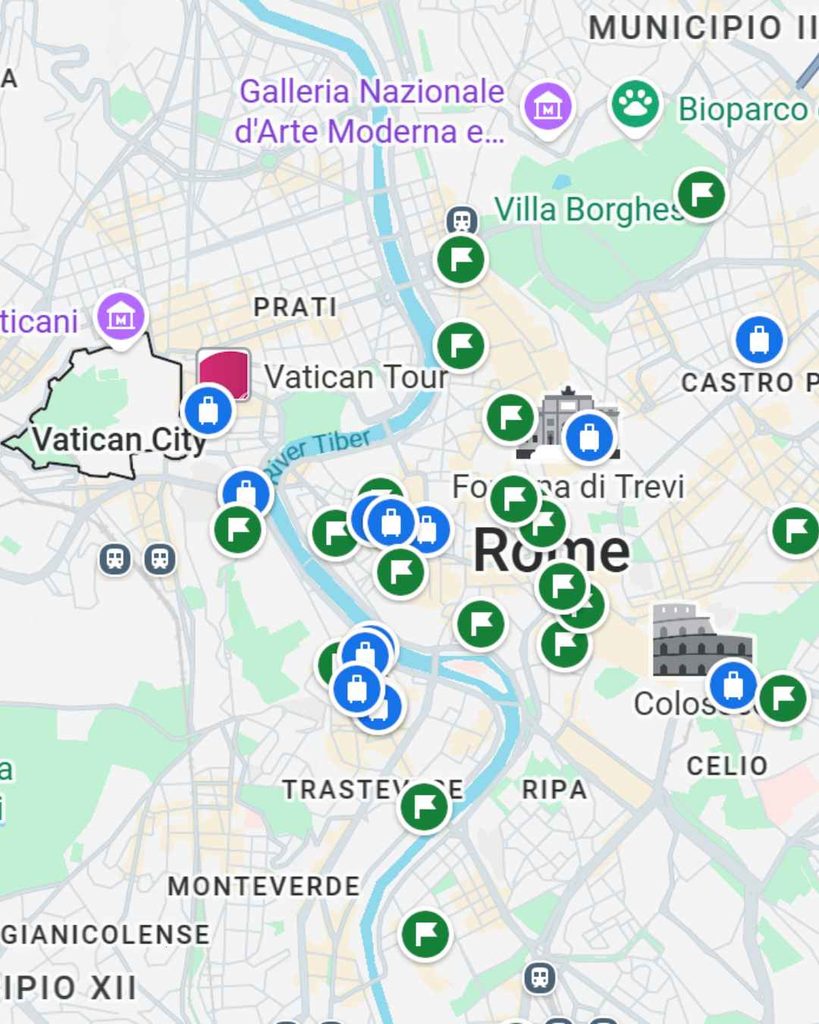
The ancient center is the area around the Colosseum, the Roman Forum, and the Palatine Hill. This is where the city began, and it is where the largest concentration of ancient monuments sits.
The Colosseum, the Forum, the Palatine, the Circus Maximus, and the Baths of Caracalla are all within a relatively compact area on the eastern side of the river.
The historic center, or Centro Storico, is the area around Piazza Navona, the Pantheon, and Campo de’ Fiori. This is the Rome of the Renaissance and the Baroque, with narrow streets, grand piazzas, and churches filled with masterpieces.
It sits in the bend of the Tiber River, roughly between the Vatican to the west and the ancient center to the east.
The Vatican is its own city-state, but for practical purposes it is the northwestern corner of the walkable center. St. Peter’s Basilica, the Vatican Museums, and Castel Sant’Angelo are all here, along with the Prati neighborhood, which sits just outside the Vatican walls.
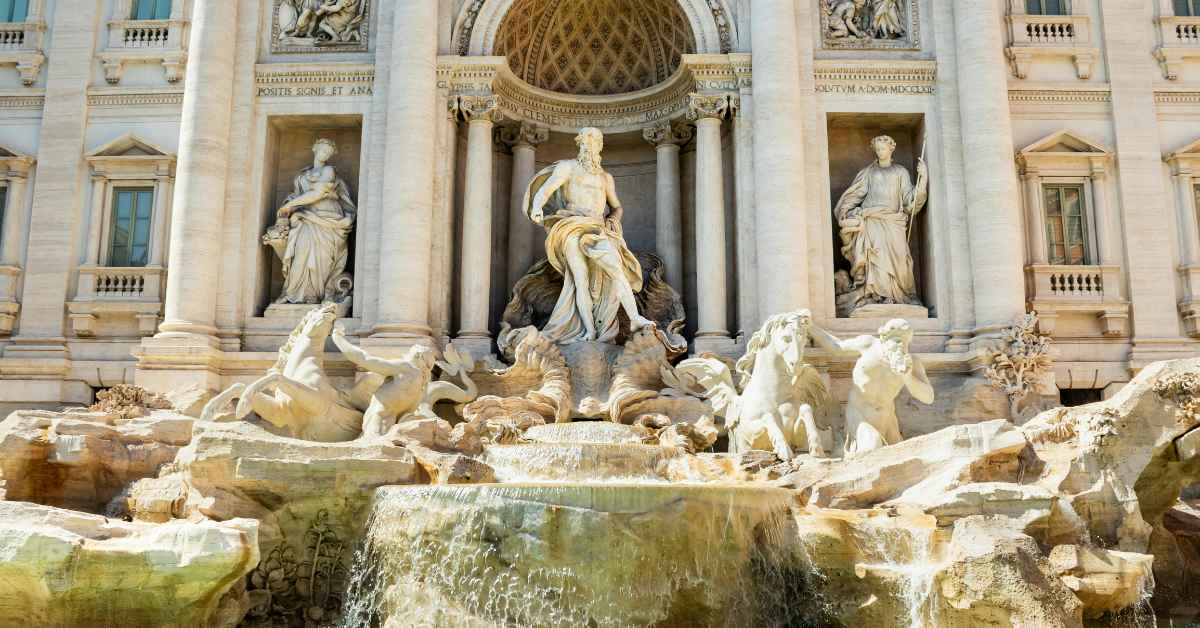
The Spanish Steps and the Trevi Fountain sit in the northern part of the historic center, connected by a network of shopping streets and narrow alleys. This is the most upscale part of the center, with luxury boutiques and grand hotels.
The Trastevere neighborhood sits on the western bank of the Tiber, across the river from the historic center. Several bridges connect it to the center, including Ponte Sisto and Ponte Garibaldi, and it has its own distinct character.
The key insight for walkers is that these areas are all connected. The distance from the Colosseum to the Pantheon is about two kilometers. The distance from the Pantheon to St. Peter’s is about two and a half kilometers.
The distance from the Spanish Steps to the Colosseum is about three kilometers. These are all walkable distances for most people, especially if you are stopping along the way to see things.
What this means is that almost any neighborhood in the historic center will allow you to walk everywhere, as long as you are willing to walk two to three kilometers at a time. The question is not whether you can walk, but how much you want to walk and what you want to see along the way.
The Best Neighborhoods for Walkers
With that geography in mind, here are the neighborhoods that make walking everywhere not just possible but genuinely enjoyable.
The Centro Storico: The Heart of Everything
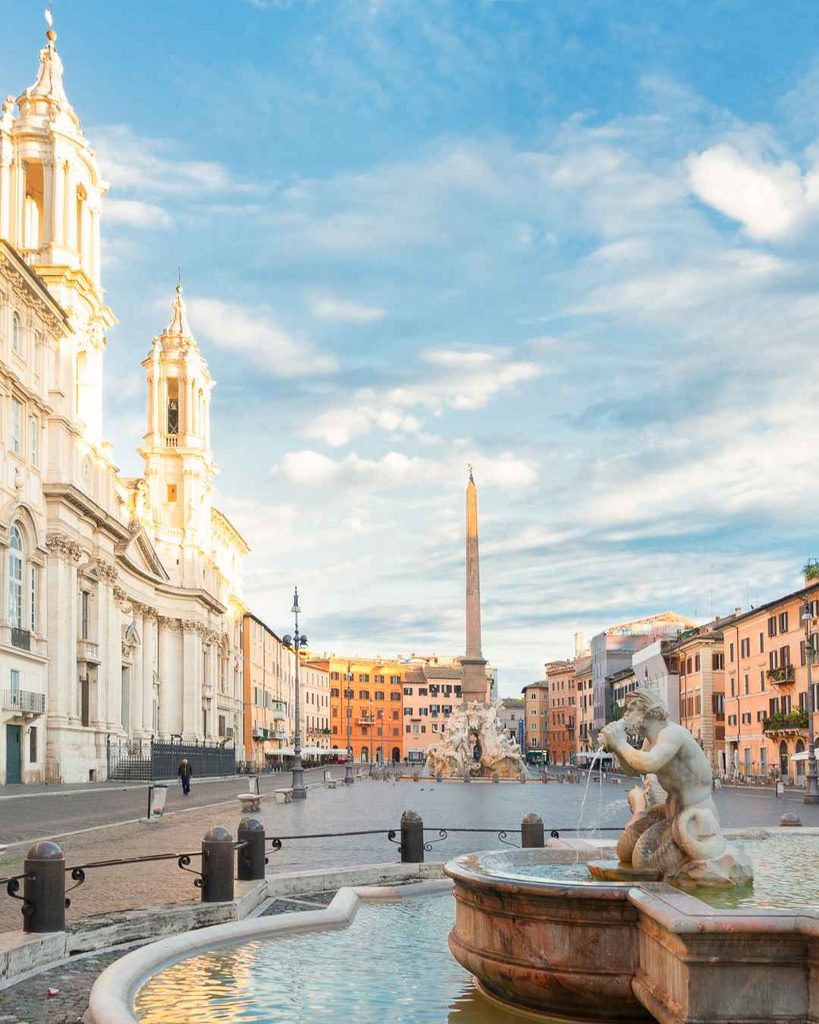
The Centro Storico is the area around Piazza Navona, the Pantheon, and Campo de’ Fiori. It is the most central neighborhood in Rome, and it puts you within walking distance of almost everything.
From the Centro Storico, you can walk to the Pantheon in five minutes, Piazza Navona in five minutes, Campo de’ Fiori in ten minutes, the Trevi Fountain in fifteen minutes, the Spanish Steps in twenty minutes, the Vatican in twenty-five minutes, and the Colosseum in thirty minutes.
These are all realistic walking times, and the routes between them are filled with churches, piazzas, and cafes that make the walk itself part of the experience.
The Centro Storico is also the most atmospheric part of Rome. The streets are narrow and winding, the buildings are warm-colored and covered in ivy, and the piazzas are alive with people at all hours. This is the Rome that people imagine when they picture the city, and staying here means you are immersed in it from the moment you step outside your hotel.
The downside of the Centro Storico is the crowds. This is the most visited part of Rome, and in high season it can feel overwhelming. The streets around the Pantheon and Piazza Navona are packed with tourists, and the restaurants in the most visible locations are often overpriced and mediocre.
But the crowds thin out in the early morning and late evening, and if you stay here, you get to experience those quieter hours when the neighborhood belongs to the people who live there.
For hotels, the Centro Storico has options across the price spectrum. The Hotel Navona is a mid-range option with comfortable rooms and a location that is hard to beat.
The Hotel Raphael is a more upscale choice with a rooftop terrace and views across the city. The Palazzo Navona Hotel is a boutique property with elegant rooms and a prime location near Piazza Navona.
The Pantheon Area: The Center of the Center
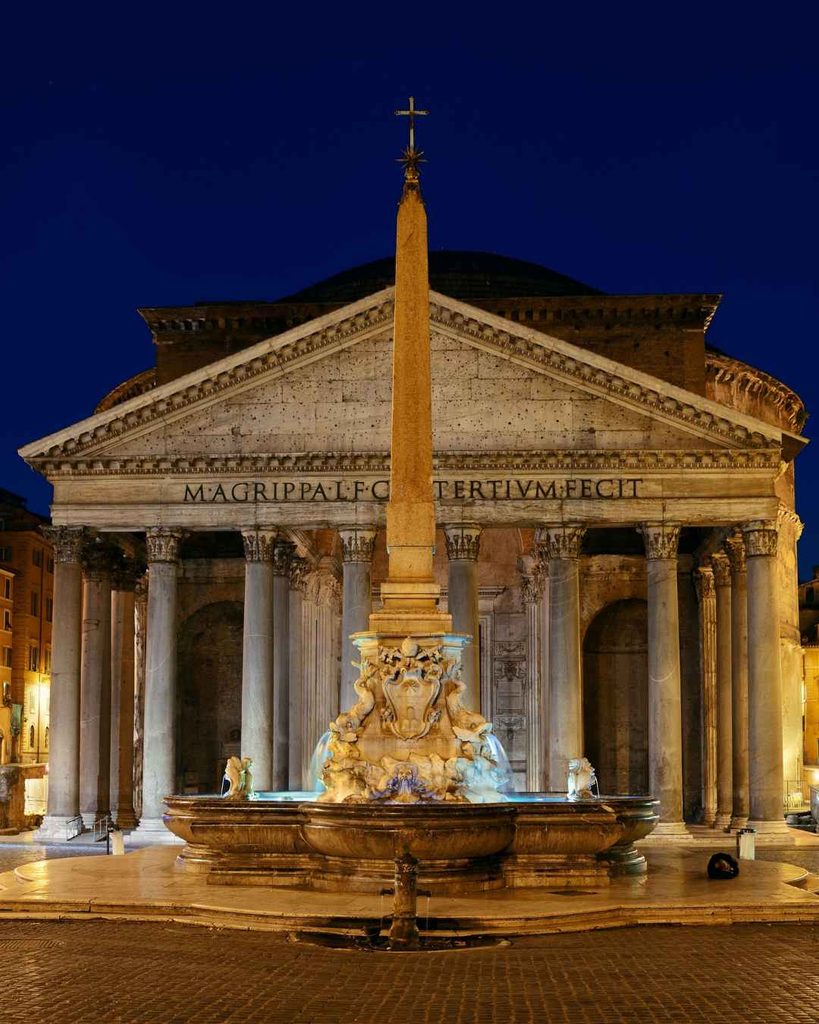
The area immediately around the Pantheon is the most central point in Rome. It is a five-minute walk to Piazza Navona, a ten-minute walk to Campo de’ Fiori, a fifteen-minute walk to the Trevi Fountain, and a twenty-minute walk to the Spanish Steps. The Colosseum is about twenty-five minutes on foot, and the Vatican is about thirty minutes.
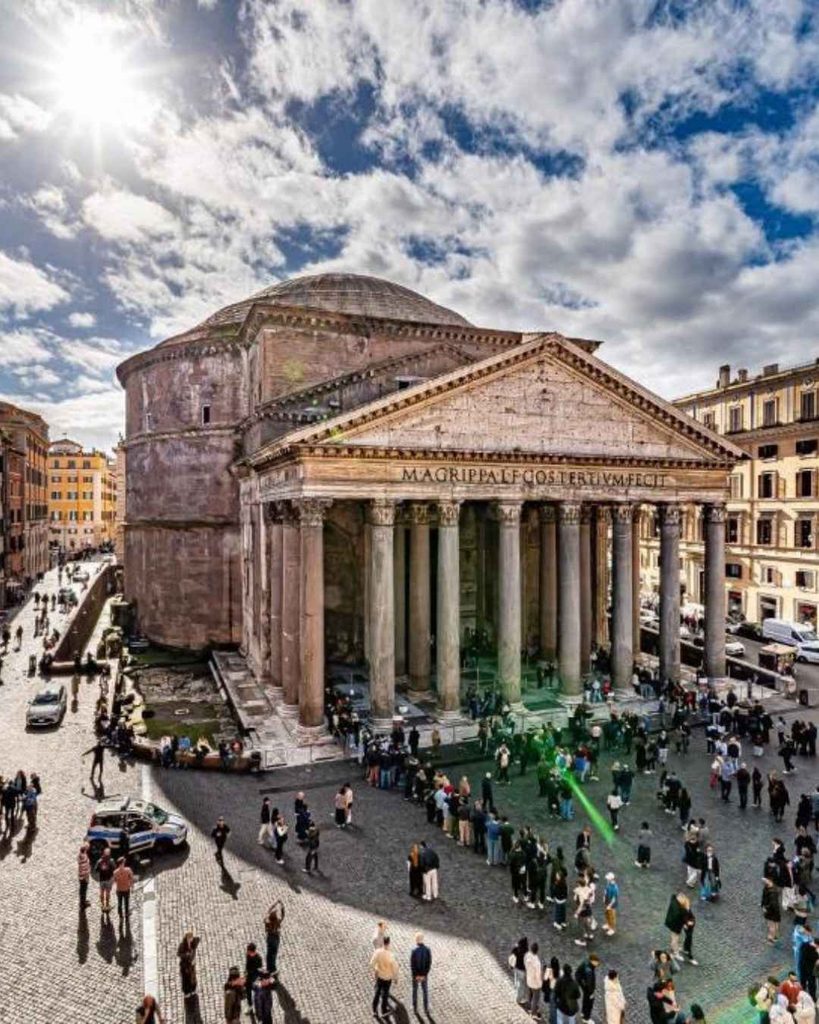
The Pantheon itself is the best-preserved ancient building in Rome, and it is surrounded by a piazza that is one of the most beautiful in the city. The neighborhood around it is a maze of narrow streets filled with restaurants, cafes, and shops. It is lively during the day and romantic at night, and it has a genuine neighborhood feel despite being in the middle of everything.
Hotels in the Pantheon area include the Hotel Abruzzi, which has rooms with views of the Pantheon itself, and the Hotel Pantheon, a comfortable mid-range option with a prime location. The Albergo del Senato is a classic choice with a rooftop terrace and views of the Pantheon.
Piazza Navona and Campo de’ Fiori: The Lively Center
Piazza Navona and Campo de’ Fiori are two of the most famous piazzas in Rome, and the area around them is one of the most pleasant places to stay. Piazza Navona is a grand Baroque square with three fountains, including Bernini’s Fountain of the Four Rivers. Campo de’ Fiori is a market square during the day and a nightlife hub in the evening.
The area between them is a network of narrow streets filled with restaurants, wine bars, and shops. It is central enough to walk everywhere, but it feels slightly less crowded than the area around the Pantheon. The walk to the Vatican is about twenty minutes, and the walk to the Colosseum is about thirty minutes.
Hotels in this area include the Hotel Campo de’ Fiori, which has a rooftop terrace with views across the city, and the Hotel Ponte Sisto, which is located near the bridge of the same name and has a garden courtyard. The Boutique Hotel Campo de’ Fiori is a stylish option with individually decorated rooms. CHECK THEM OUT HERE
The Jewish Ghetto and Sant’Angelo: The Quiet Center
The Jewish Ghetto and the area around Sant’Angelo are slightly off the main tourist route, which makes them quieter and more local. They are still central, within walking distance of the Pantheon, Campo de’ Fiori, and the Colosseum, but they feel less crowded and more residential.
The Jewish Ghetto is one of the oldest Jewish communities in Europe, and it has a rich history and a distinctive food culture. The area around Sant’Angelo is a mix of residential streets and small piazzas, with a neighborhood feel that is hard to find in the more touristy parts of the center.
Hotels in this area include the Hotel Smeraldo, a mid-range option with a rooftop terrace and a location near Campo de’ Fiori. The Hotel Arenula is a comfortable choice with a central location and reasonable prices. CHECK THEM OUT HERE
Trastevere: The Village Across the River
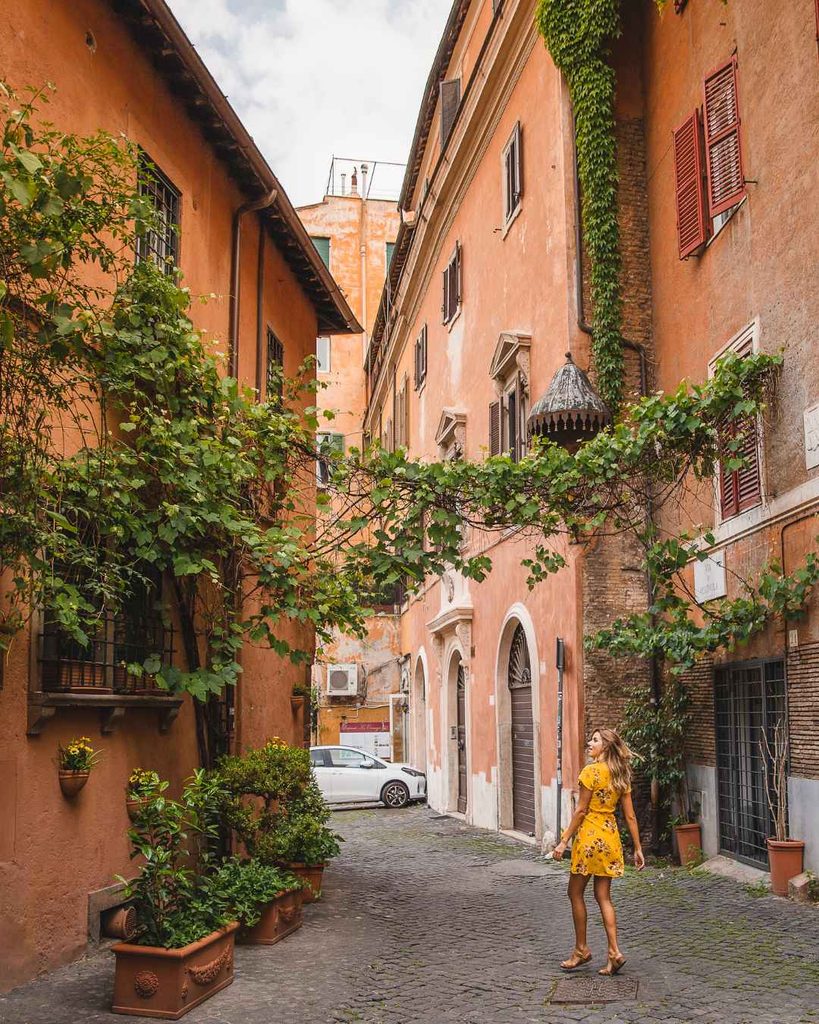
Trastevere sits on the western bank of the Tiber, across the river from the historic center. It is connected to the center by several bridges, and it is within walking distance of the Pantheon, Campo de’ Fiori, and the Vatican.
Trastevere is often described as the most charming neighborhood in Rome. It has narrow cobblestone streets, colorful buildings, and a village-like atmosphere that feels a world away from the grandeur of the historic center. It is also one of the best neighborhoods for food, with restaurants and trattorias that serve traditional Roman cuisine.
The walk from Trastevere to the historic center takes about fifteen to twenty minutes, depending on where you are in the neighborhood and where you are going. The walk to the Vatican takes about twenty to twenty-five minutes.
The walk to the Colosseum takes about thirty minutes. These are all manageable distances, and the bridges across the Tiber offer some of the best views in the city.
Hotels in Trastevere include the Hotel Santa Maria, a converted convent with a garden courtyard and a quiet location. The Hotel Trastevere is a comfortable mid-range option with a central location. The VOI Donna Camilla Savelli is a more upscale choice in a former monastery designed by Borromini.
Monti: The Bohemian Center
Monti sits just east of the Colosseum, between the ancient center and the Termini train station. It is a bohemian neighborhood with vintage shops, independent boutiques, and a lively evening scene. It is also one of the most convenient neighborhoods for walkers, because it is close to both the Colosseum and the historic center.
From Monti, you can walk to the Colosseum in five to ten minutes, the Roman Forum in ten minutes, the Trevi Fountain in fifteen minutes, and the Pantheon in twenty minutes. The neighborhood itself is a pleasure to walk through, with narrow streets, small piazzas, and a mix of ancient ruins and modern life.
Hotels in Monti include the Hotel Artemide, a stylish option with a spa and a rooftop restaurant. The Hotel Grifo is a comfortable mid-range choice with a central location. The Palazzo Manfredi is a luxury option with views of the Colosseum from its rooftop. Check them out here
Prati and the Vatican: The Elegant North
Prati is the neighborhood just north of the Vatican, and it is one of the most elegant and residential parts of central Rome. It has wide, tree-lined streets, grand buildings, and a calm atmosphere that feels a world away from the crowds of the historic center.
From Prati, you can walk to St. Peter’s in ten minutes, the Vatican Museums in fifteen minutes, Castel Sant’Angelo in fifteen minutes, and the Pantheon in twenty-five minutes. The walk to the historic center takes about thirty minutes, and it is a pleasant walk across the river and through the streets of the center.
Hotels in Prati include the Hotel dei Mellini, a comfortable mid-range option with a quiet location. The Residenza Paolo VI is a unique property located inside the Vatican walls, with views of St. Peter’s Square. The Hotel Bramante is a classic choice with a garden and a central location. Check them out here.
Hotels for Walkers: Specific Recommendations
Now that we have covered the neighborhoods, here are specific hotels that are particularly well-suited to travelers who want to walk everywhere.
Hotel Artemide
The Hotel Artemide is located on Via Nazionale, between Monti and the Centro Storico. It is a stylish four-star hotel with comfortable rooms, a spa, and a rooftop restaurant with views across the city. The location is excellent for walkers, with the Colosseum about fifteen minutes away and the Trevi Fountain about ten minutes away.
Hotel Santa Maria
The Hotel Santa Maria is a converted convent in the heart of Trastevere. It has a beautiful garden courtyard, comfortable rooms, and a quiet location that feels far from the crowds. The walk to the historic center takes about fifteen minutes, and the walk to the Vatican takes about twenty-five minutes.
Hotel Campo de’ Fiori
The Hotel Campo de’ Fiori is located on the piazza of the same name, in the heart of the historic center. It has a rooftop terrace with views across the city, comfortable rooms, and a location that puts you within walking distance of almost everything.
Hotel Abruzzi
The Hotel Abruzzi is located directly across from the Pantheon, which makes it one of the most centrally located hotels in Rome. The rooms are comfortable, and some have views of the Pantheon itself. The location is unbeatable for walkers.
Palazzo Manfredi
The Palazzo Manfredi is a luxury hotel located near the Colosseum. It has elegant rooms, a rooftop restaurant with views of the Colosseum, and a location that puts you within walking distance of the ancient center and Monti.
Hotel Ponte Sisto
The Hotel Ponte Sisto is located near the Ponte Sisto bridge in the historic center. It has a garden courtyard, comfortable rooms, and a location that is convenient for both the historic center and Trastevere.
Practical Tips for Walking in Rome
Walking everywhere in Rome is not just about choosing the right neighborhood. It is also about understanding how to walk in the city.
The first tip is to start early. Rome is at its best in the early morning, before the crowds arrive and before the heat sets in. If you start your day at seven or eight in the morning, you can cover a lot of ground before the city gets busy.
The second tip is to plan your route around the sights you want to see. Rome is dense with attractions, and it is easy to walk from one to another without realizing how much you have seen.
A walk from the Colosseum to the Pantheon, for example, takes you past the Roman Forum, Piazza Venezia, the Trevi Fountain, and Piazza Navona. That is a full day of sightseeing in a single walk.
The third tip is to wear comfortable shoes. This cannot be overstated. Rome’s cobblestones are uneven and unforgiving, and you will be walking more than you expect. A good pair of walking shoes is essential. These are the shoes I recommend for walking in Rome.
The fourth tip is to use the buses and metro strategically. Even if you want to walk everywhere, there will be times when you want to save time or energy. The metro is limited but useful for crossing the city quickly. The buses are more extensive but can be crowded. Use them when you need to, but do not rely on them.
The fifth tip is to embrace the piazzas. Rome’s piazzas are the living rooms of the city, and they are where you will find the best people-watching, the best cafes, and the best atmosphere. Sit down, order a coffee, and watch the city go by. You are not wasting time. You are experiencing Rome the way it is meant to be experienced.
Final Thoughts
Rome is a city that belongs to walkers. The historic center is compact, the major sights are close together, and the streets between them are filled with the kind of beauty that you can only find on foot. The question is not whether you can walk everywhere in Rome. It is whether you will choose a neighborhood that makes it easy.
The Centro Storico, the Pantheon area, Piazza Navona, Trastevere, Monti, and Prati are all excellent choices for walkers. Each has its own character, its own advantages, and its own hotels. The right choice depends on what you want from your trip and how much you want to walk.
Whichever neighborhood you choose, the important thing is to get out and walk. Rome is not a city to be seen from a bus or a taxi. It is a city to be experienced step by step, piazza by piazza, with the sound of your own footsteps on the cobblestones and the smell of coffee and wood-fired pizza in the air. That is the Rome that stays with you. And it is the Rome that you can only find on foot.
Again, feel free to go through the list below of my Italy recommendations that I have crafted after years of travel to this beautiful country:
- Packing List: Things Not to Go to Italy Without
- Must-Do Things: Unforgettable Experiences
- Where to Stay: Best Hotels in Italy.
- Where to Stay in Rome: Rome’s Best Neighborhoods
- Where to Stay in Florence: Picking the Best Area
- Where to Stay in Venice: Venice’s Best Districts
- Italy’s Cobblestone Streets: Best Shoes For the Job
- Backpack or Suitcase?: Italy Luggage Guide
- Travel Insurance: Always Be Covered
- E-Sim: Be Connected At All Times