
The first time I packed for Italy, I made every mistake in the book. I brought too much, I brought the wrong fabrics, and I brought clothes that were comfortable at home but miserable in a Roman July.
I spent the first three days sweating through cotton t-shirts that never dried, wishing I had packed differently. By the end of the trip, I had learned more about dressing for Italy than I had in years of reading packing guides.
This article is the guide I wish I had read before that trip. It covers what to wear in Italy, why it matters, how to build a wardrobe that works for the climate and the culture, and which specific pieces are worth buying. It is not about fashion in the narrow sense. It is about comfort, practicality, and the small decisions that make a trip easier.
Italy rewards travelers who dress well. Not because Italians are judgmental, but because Italians care about how they present themselves, and that care is contagious.
When you dress with intention, you feel more at home in a place, and you are treated differently by the people who live there. The goal is not to look like a local. The goal is to look like you belong.
Before you read further, remember that Italy rewards travelers who come prepared. I’ve found a few things especially useful on an Italy trip, and they’re worth having and/or knowing beforehand. See the checklist here
Why Clothing Matters More in Italy Than You Think
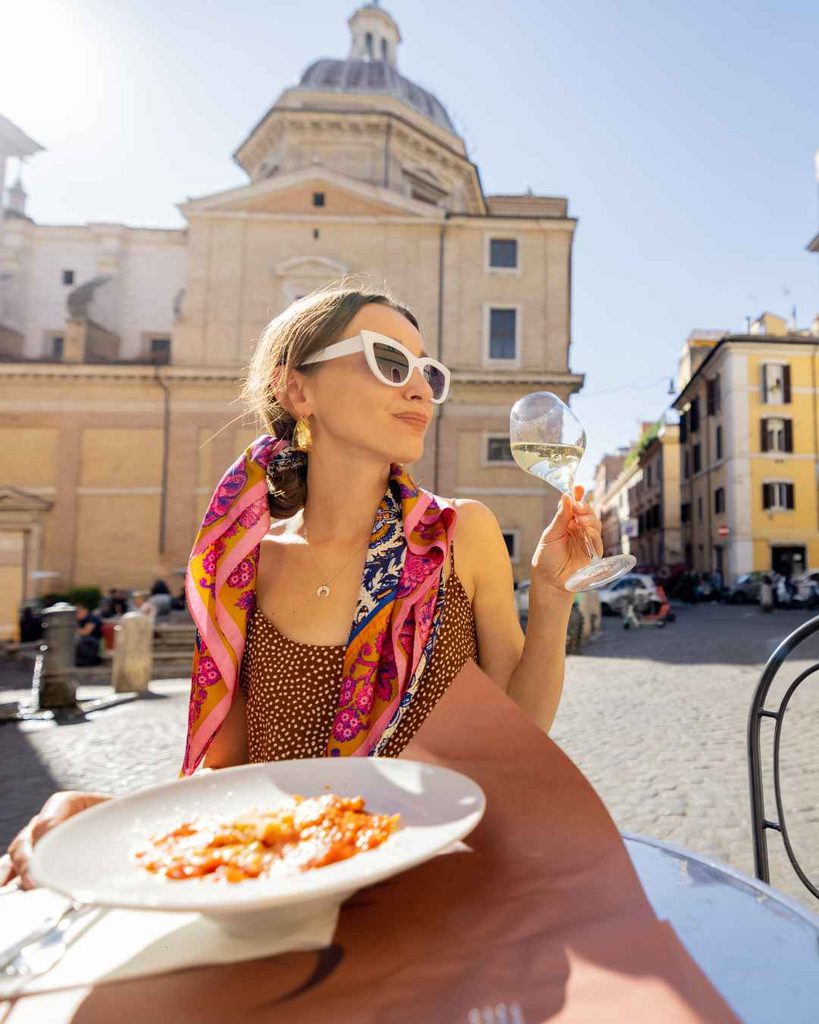
Italy is a country where appearance carries weight. This is not a stereotype. It is a cultural reality that you will notice the moment you arrive. Italians dress with intention. Even in casual settings, people look put together. Colors are coordinated. Fabrics drape well. Shoes are clean. It is not about money. It is about attention.
This matters for travelers in two ways. The first is practical. If you dress like you are heading to the beach when you are in a city, you will stand out in ways that are not always comfortable. You will be treated as a tourist, which means you will be charged tourist prices and given tourist service. If you dress reasonably well, you will be treated better.
The second reason is cultural. Many Italian churches, including major ones like St. Peter’s and the Duomo in Florence, enforce dress codes. Shoulders and knees must be covered. Sleeveless tops and shorts above the knee can get you turned away at the door. This is not a suggestion. It is a requirement, and it is enforced.
The third reason is comfort. Italy can be hot. It can also be cold, wet, and windy, sometimes all in the same week. The right clothing makes the difference between enjoying your trip and enduring it.
Understanding the Italian Climate

Italy has a varied climate, and what you pack depends on when and where you are going.
In summer, from June through August, most of Italy is hot. Rome and Florence can reach 35 degrees Celsius or higher, and the humidity can make it feel even warmer.
The south, including Naples, Sicily, and Puglia, is hotter still. The north, including Milan and the lakes, is slightly cooler but still warm. Coastal areas benefit from sea breezes, but the sun is intense.
In spring, from March through May, temperatures are mild. Days are often pleasant, but mornings and evenings can be cool. Rain is common, especially in April and May. Layers are essential.
In autumn, from September through November, the weather is similar to spring. Early autumn is warm and pleasant, while late autumn brings cooler temperatures and more rain. This is one of the best times to visit Italy, as the crowds are thinner and the weather is still good.
In winter, from December through February, northern Italy is cold, with temperatures near freezing and occasional snow. Central Italy is milder but still cool, with temperatures in the single digits. Southern Italy and Sicily are milder, with temperatures in the low teens. Rain is common throughout the country.
The practical takeaway is that you need to plan for the season and the region. A summer trip to Sicily requires different clothing than a winter trip to Milan. A spring trip to Rome requires different clothing than a summer trip to the Dolomites.
The Principles Behind Dressing Well in Italy
Before getting into specific pieces, it helps to understand the principles that guide Italian dressing.
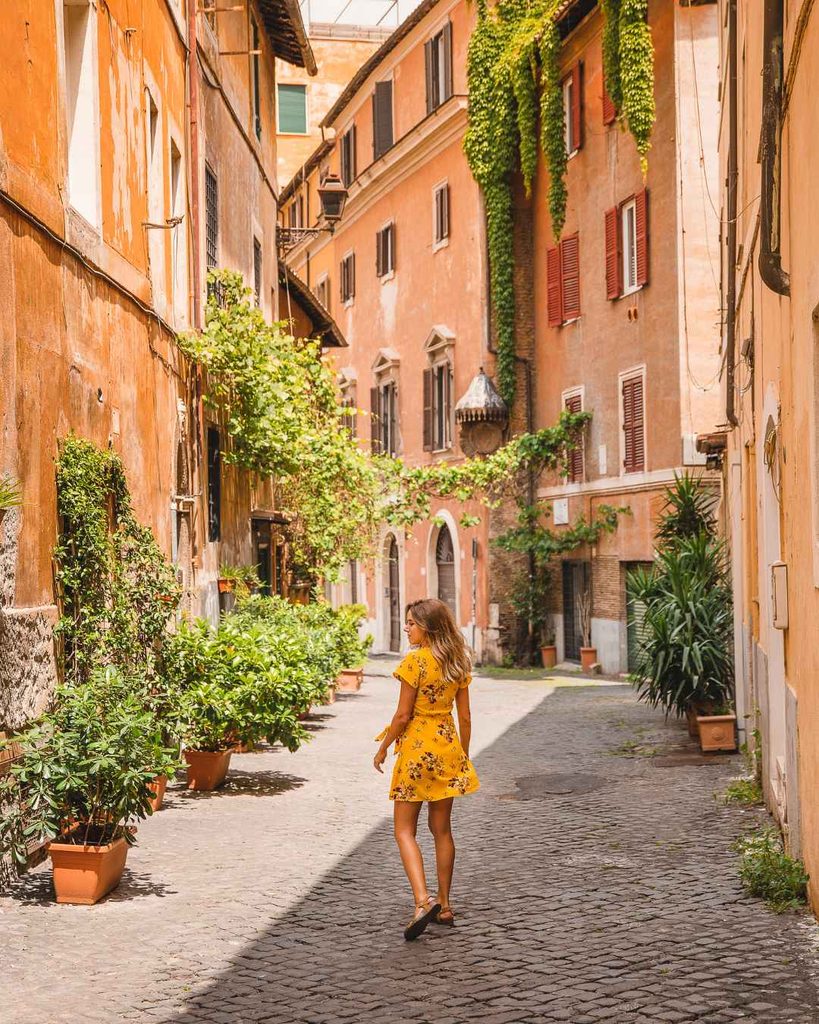
Neutral colors are your friend. Beige, charcoal, navy, stone, olive, white, and black mix easily with each other, which means you can pack fewer pieces and still look like you made an effort. Bright colors and loud patterns stand out, which is fine if that is your style, but neutrals are more versatile.
Natural fabrics breathe better than synthetics. Linen, cotton, and silk are cooler in summer and more comfortable against the skin. Synthetics like polyester trap heat and moisture, which makes them uncomfortable in Italian heat. The exception is technical fabrics designed for moisture-wicking, which can be useful for active days.
Fit matters more than brand. A well-fitted inexpensive shirt looks better than an ill-fitting expensive one. Italian sizing tends to run smaller than American sizing, so be aware if you are buying clothes in Italy.
Layers are essential. Even in summer, mornings and evenings can be cool, and churches can be chilly. A light layer that you can add or remove is more versatile than a single heavy garment.
Shoes are the most important part of your outfit. This is true for comfort and for style. Italians notice shoes. They should be clean, comfortable, and appropriate for the setting.
The Best Tops for Italy
The tops you bring will depend on the season, but there are some universal principles.
Linen shirts are the ideal summer fabric for Italy. They breathe, they dry quickly, and they look effortlessly stylish even when they are slightly wrinkled. A linen button-down shirt can be worn open over a t-shirt, buttoned up for dinner, or tied at the waist. White, beige, and light blue are the most versatile colors. Brands like Uniqlo and Massimo Dutti make affordable linen shirts that hold up well to travel.
Cotton t-shirts are a staple for any trip. Look for shirts made from breathable, lightweight cotton, and avoid anything too tight or too loose. Neutral colors are more versatile than bright ones.
If you want something that dries faster and resists odor, consider a merino wool t-shirt. They are more expensive, but they can be worn multiple times between washes, which makes them ideal for carry-on travel. Icebreaker and Smartwool make good options.
For women, a lightweight blouse or button-down shirt is versatile and easy to dress up or down. For men, a cotton or linen button-down is a good choice for dinners and nicer restaurants.
Even in summer, a light sweater is useful for cool evenings, air-conditioned museums, and churches. Merino wool or a cotton blend is ideal. Choose a neutral color that works with the rest of your wardrobe.
A scarf is the most Italian accessory you can own. It adds style, provides warmth on cool evenings, and can cover your shoulders when you visit churches that require modest dress. A lightweight scarf takes almost no space in your bag.
The Best Bottoms for Italy
Linen trousers are comfortable, breathable, and stylish. They are ideal for summer days when you want to look put together without overheating. Choose a neutral color like beige, navy, or stone.
Cotton chinos are a good all-purpose option for spring and autumn. They are comfortable, easy to dress up or down, and available in a range of colors. Avoid heavy fabrics that trap heat.
Dark jeans are acceptable in Italy, especially in the evening or in cooler weather. Dark washes look more polished than light ones. Avoid ripped or distressed jeans if you want to blend in.
For women, a midi skirt or a casual dress is a comfortable and stylish option for warm weather. Choose breathable fabrics like cotton or linen, and avoid anything too short if you plan to visit churches.
Shorts are acceptable in Italy, but they are more common in beach towns and casual settings than in cities. If you wear shorts, choose a tailored style rather than athletic shorts. Be aware that shorts above the knee may not be allowed in some churches.
The Best Layers for Italy
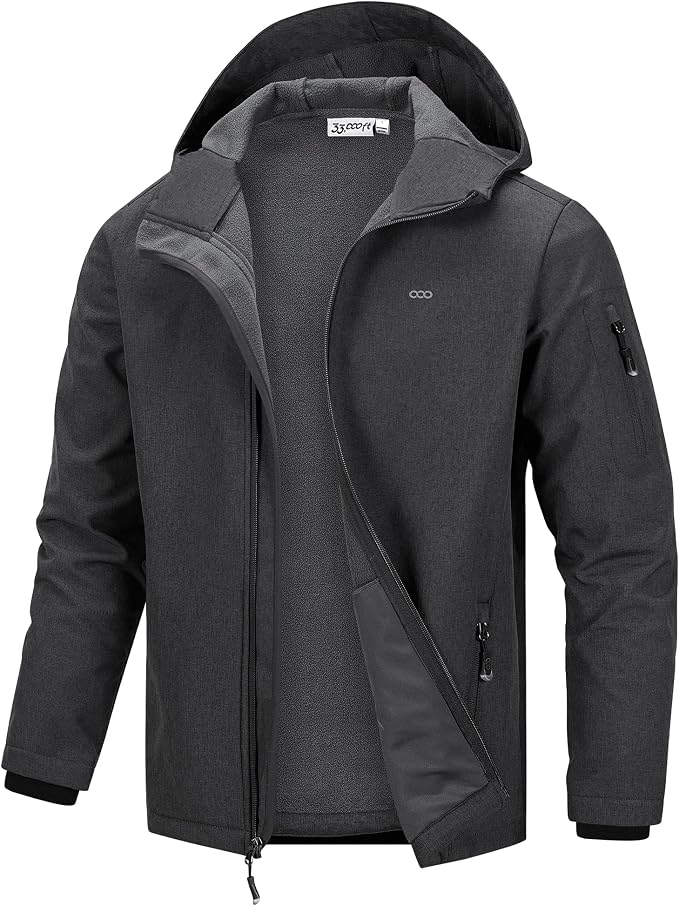
A lightweight jacket is essential for spring and autumn, and useful even in summer for cool evenings. A denim jacket, a lightweight bomber, or a softshell jacket all work well. Choose one that is neutral and easy to pack.
If you are traveling in spring or autumn, a waterproof rain jacket is worth bringing. It should be lightweight and packable, so you can carry it in your daypack without adding much weight. The Patagonia Torrentshell and the Arc’teryx Beta LT are both excellent options, though the Arc’teryx is significantly more expensive.
For winter travel, a lightweight down jacket is warm, packable, and versatile. It can be worn alone on mild days or layered under a heavier coat on cold days. Uniqlo’s Ultra Light Down jackets are a good budget option, while Patagonia and Arc’teryx make more premium versions.
A light cardigan or wrap is useful for women who want an extra layer that can be dressed up or down. It is also useful for covering shoulders in churches.
The Best Footwear for Italy
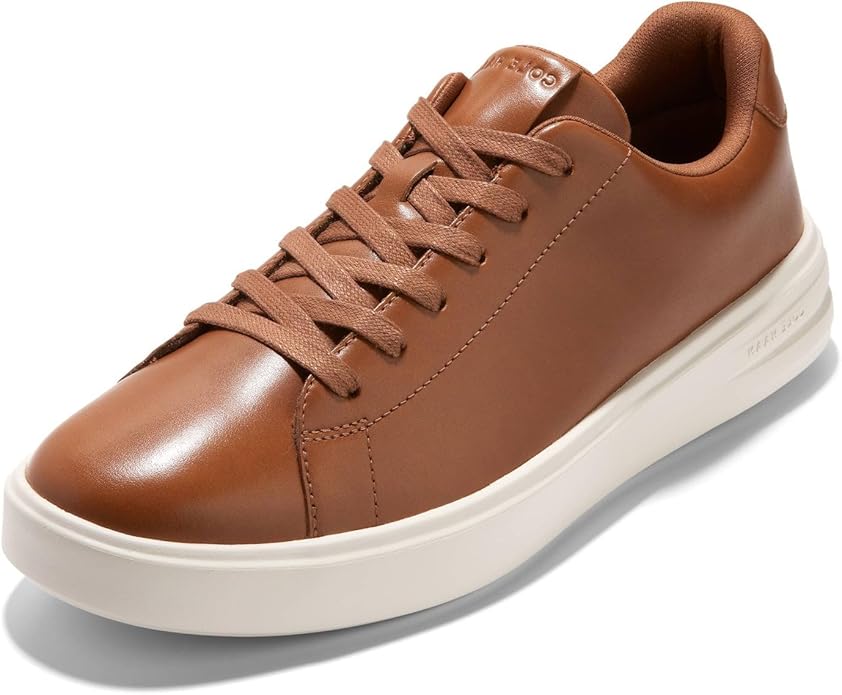
Shoes are the most important part of your travel wardrobe. You will walk more than you expect, on surfaces that are harder than you expect.
The wrong shoes will ruin your trip. I have written about this at length elsewhere, but the short version is this: bring shoes that you have already broken in, choose comfort over style, and bring at least two pairs so you can alternate.
For walking, a supportive sneaker or walking shoe is the best choice. Brands like Hoka, Brooks, and New Balance make shoes designed for long days on your feet. They are not the most stylish option, but they are the most comfortable, and comfort matters more than fashion when you are walking ten miles a day.
For summer, a good pair of walking sandals is essential. Look for sandals with secure straps, supportive footbeds, and grippy soles. Teva, Birkenstock, and Keen all make excellent options. They keep your feet cool, they dry quickly, and they are easy to take on and off at churches.
For dinners and evenings, a pair of dressier shoes is worth bringing. For men, a pair of loafers or casual leather shoes works well. For women, a pair of comfortable flats or low heels is a good choice. Avoid high heels, which are impractical on cobblestones.
Avoid brand-new shoes. Even the most comfortable shoes will cause blisters if they have not been broken in. Wear your shoes around the house and on short walks before your trip to make sure they fit well and do not rub.
Avoid flip-flops for city walking. Flip-flops are fine for the beach or the hotel, but they offer no support and no protection. On cobblestones, they are uncomfortable and dangerous.
I have written a separate article about the best shoes to bring to Italy. Read it here.
The Best Accessories for Italy
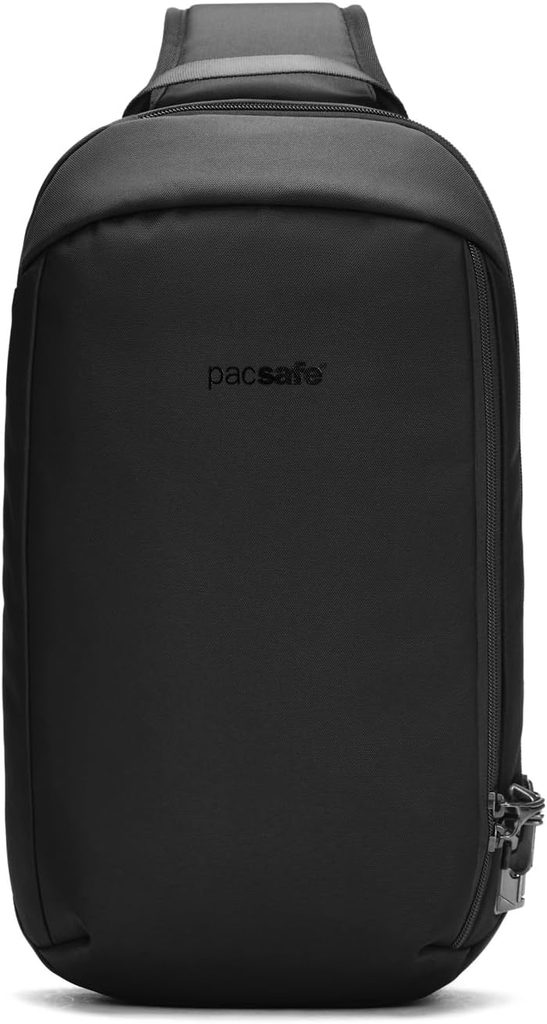
A crossbody bag is the best way to carry your essentials in Italy. It keeps your belongings in front of you, where you can see them, and it is harder for pickpockets to access than a backpack or a shoulder bag. Travelon and Pacsafe make good anti-theft options, but any well-made crossbody bag with a secure closure will work.
A sun hat is essential for summer. Italy gets a lot of sun, and a wide-brimmed hat keeps the sun off your face and neck. It also looks stylish. A straw hat or a lightweight cotton hat is ideal.
Polarized sunglasses protect your eyes from glare and reduce headaches from squinting. They are especially important in coastal areas and on sunny days in the piazzas.
A belt is a small accessory that can make a big difference in how put-together you look. Choose a neutral color that works with your shoes.
Leave the expensive jewelry at home. Italy is generally safe, but pickpocketing is common in tourist areas, and flashy jewelry makes you a target. A simple watch, a pair of studs, and a wedding ring are enough.
Building a Capsule Wardrobe for Italy
The key to packing for Italy is to build a capsule wardrobe: a small collection of pieces that mix and match to create multiple outfits. This approach lets you pack light while still having options.
For a summer trip of one to two weeks, a capsule wardrobe might include three to four tops, including a mix of t-shirts, linen shirts, and blouses. Two to three bottoms, including linen trousers, chinos, and a skirt or dress.
One light layer, such as a cardigan or linen shirt. One scarf. One light jacket or rain jacket. Two pairs of shoes, including a walking shoe and a sandal. A crossbody bag, a sun hat, and sunglasses.
This combination creates dozens of outfit possibilities while fitting into a carry-on suitcase. The key is to choose pieces in neutral colors that work together, and to avoid anything that only matches one other item.
For spring and autumn, add a warmer layer, such as a merino sweater or a lightweight down jacket. Replace the sandals with closed-toe shoes. Add a rain jacket if you are traveling in a wet season.
For winter, add thermal layers, a heavier coat, and warm accessories like a hat, gloves, and a scarf. Choose waterproof shoes with good traction.
What Not to Wear in Italy
Some items are best left at home.
Athletic wear is fine for the gym, but it stands out in Italian cities. Yoga pants, running shorts, and gym clothes are not what people wear to walk around town. If you want to blend in, choose casual clothing that is comfortable but not athletic.
Clothes with large logos or brand names can make you look like a tourist. Choose understated pieces that do not advertise anything.
Revealing clothing can attract unwanted attention in Italy, which is a modest country in many ways. If you plan to visit churches, cover your shoulders and knees.
High heels are impractical on cobblestones. If you want to dress up for dinner, choose a comfortable pair of flats or low heels instead.
Too much denim looks distinctly American. Denim is acceptable in Italy, but head-to-toe denim stands out. Mix denim with other fabrics to create a more balanced look.
How to Pack Clothes for Italy
Packing is a skill, and it rewards practice.
Roll your clothes to save space and reduce wrinkles. It also makes it easier to see what you have packed.
Use packing cubes to keep your clothes organized and make it easy to find what you need without unpacking the whole bag. They also compress your clothes, which saves space.
If you are traveling for more than a week, plan to do laundry at some point. Choose clothes that wash easily and dry quickly. Merino wool and synthetic fabrics are good choices.
You will buy things in Italy. Leave a little space in your bag, or bring a foldable tote that you can use as a second bag on the return trip.
Wear your heaviest items on travel days. Wear your heaviest shoes and jacket on the plane or train to save space and weight in your bag.
Conclusion
Dressing for Italy is not about following rules. It is about understanding the culture, the climate, and your own comfort. The goal is to feel good, to look appropriate, and to be prepared for whatever the day brings.
Choose natural fabrics that breathe. Choose neutral colors that mix and match. Choose shoes that you can walk in for hours. Choose layers that you can add or remove as the temperature changes. And choose pieces that make you feel confident and comfortable.
The best travel clothes for Italy are the ones that let you forget about your clothes and focus on the experience. When you are not thinking about how your feet hurt or how your shirt is sticking to your back, you are free to enjoy the beauty around you. That is the real goal.
Pack well, dress well, and enjoy Italy. It is a country that rewards travelers who make an effort, and the effort is smaller than you think.
Again, feel free to go through the list below of my Italy recommendations that I have crafted after years of travel to this beautiful country:
- Packing List: Things Not to Go to Italy Without
- Must-Do Things: Unforgettable Experiences
- Where to Stay: Best Hotels in Italy.
- Where to Stay in Rome: Rome’s Best Neighborhoods
- Where to Stay in Florence: Picking the Best Area
- Where to Stay in Venice: Venice’s Best Districts
- Italy’s Cobblestone Streets: Best Shoes For the Job
- Backpack or Suitcase?: Italy Luggage Guide
- Travel Insurance: Always Be Covered
- E-Sim: Be Connected At All Times