
I’ve learned the hard way that Italy doesn’t care about your perfect itinerary or your carefully curated packing aesthetic. What it does care about is preparation.
On my first trip, I made mistakes that cost me time, comfort, and a fair bit of dignity. On my second, I showed up like a local—or at least like a traveler who had finally figured out the rules.
So let me save you the trouble. After multiple trips from the Alps to Sicily, here are the seventeen things I will never, ever go to Italy without.
1. A Valid Passport with at Least Six Months Left
This sounds obvious, but you would be surprised how many people overlook the six-month validity rule. Italy, like most of the Schengen zone, requires your passport to be valid for at least three to six months beyond your planned departure date.
I double-check mine before booking anything. Keep a photocopy in your suitcase and a digital scan in your email, too. If your passport gets lifted by a Roman pickpocket, that copy will save you hours at the embassy.
2. Two Pairs of Truly Broken-In Walking Shoes
Cobblestones are beautiful to look at and merciless on your feet. I once made the mistake of bringing brand new “city sneakers” to Florence, and by day two, my heels were raw. Now I pack two pairs of shoes that have already hiked a hundred miles of pavement before I even board the plane.
One pair of supportive sneakers or low hiking shoes, and one slightly nicer pair of leather loafers or minimalist trainers for evenings. Rotate them daily, and your feet will thank you. Leave the high heels at home unless you enjoy ankle surgery.
I have written a separate article about the best shoes to wear in Italy. Read it here.
3. A Reliable European Power Adapter
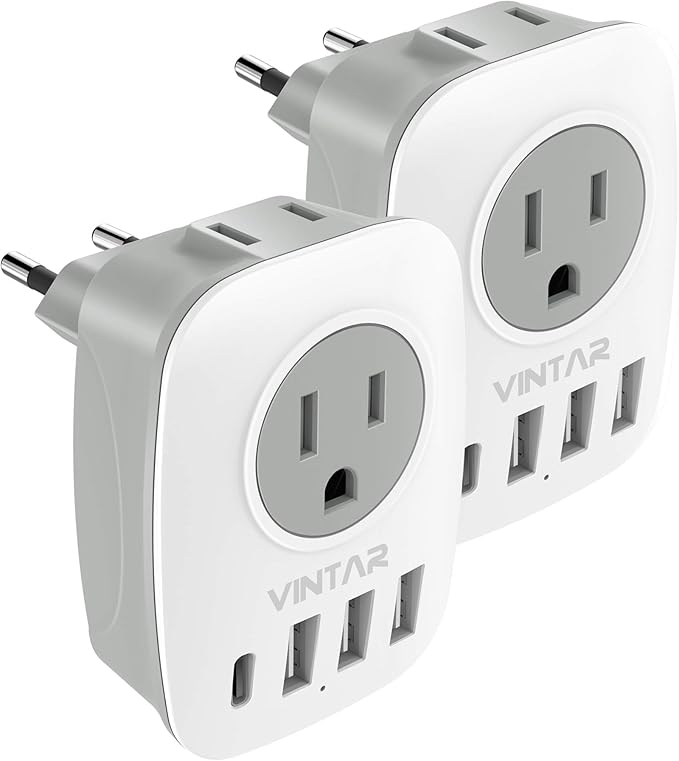
Italy uses Type C, F, and sometimes the thinner Type L plugs. American or UK plugs will not fit, no matter how hard you push. I carry two adapters because I always manage to lose one in the dark of a budget hotel room.
Make sure they have built-in surge protection, because older Italian wiring can be temperamental. Do not bring a voltage converter unless you are packing a hair dryer or curler from home—most phone and laptop chargers handle dual voltage automatically.
If you would like a recommendation, this one is a great option
4. An eSIM or Unlocked Phone with a Local SIM
Free Wi-Fi sounds great until you are standing in a Venetian alleyway at midnight, trying to find your hotel, and every network requires an Italian phone number to log in. I switched to an eSIM years ago, and it changed everything.
Services like Airalo or Holafly let you buy data before you land. If your phone is unlocked, picking up a TIM or Vodafone SIM at the airport takes ten minutes. Having live maps, translation, and train schedules in your pocket is not a luxury—it is a necessity.
5. A High-Capacity Portable Charger
Your phone will die faster than you expect. You will be taking photos, navigating, translating menus, and checking train platforms. By three in the afternoon, most batteries are gasping. I carry a ten-thousand milliamp power bank and keep it fully charged in my daypack.
It has saved me more times than I can count, especially on long train rides where the carriage plugs are either broken or nonexistent. If you need a simple power bank, then just grab this one.
6. Cash in Small Denominations
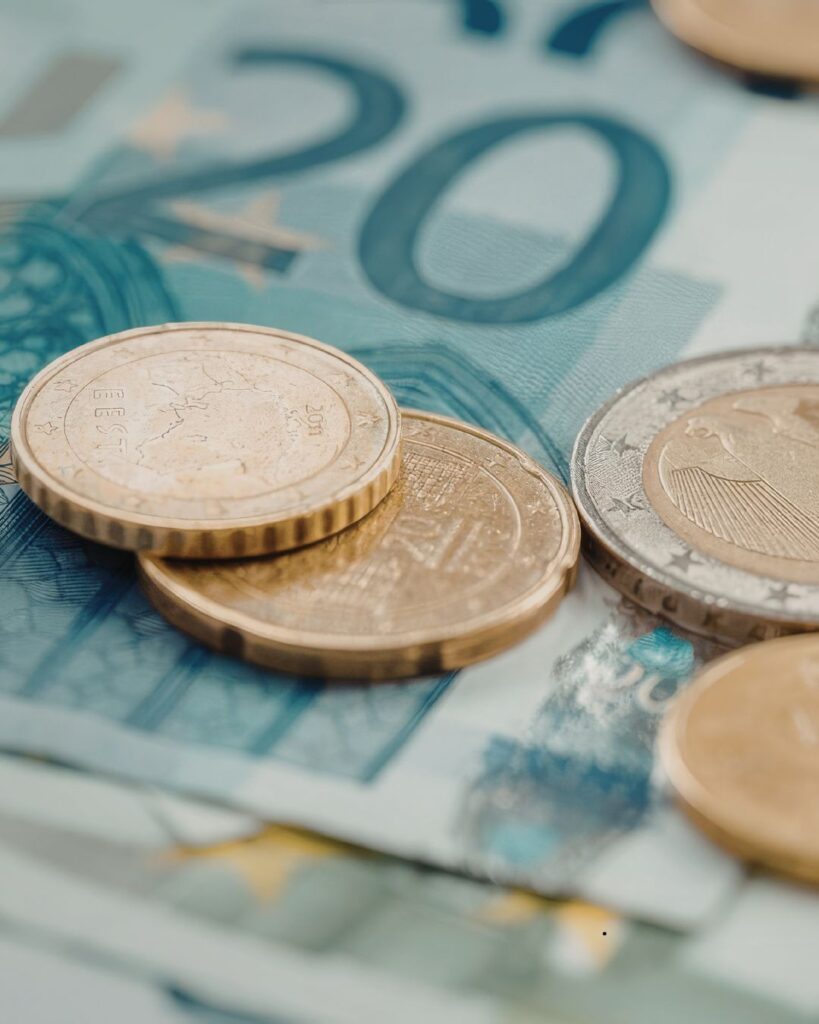
Yes, Italy takes cards almost everywhere now. But the tiny family-run coffee bar where you want a perfect espresso and a pastry? They will look at your fifty-euro note like you just insulted their grandmother. I always carry a mix of fives, tens, and twenties, plus a handful of coins. I keep them in a separate pocket from my main wallet.
You will need coins for public toilets, for tipping at a café, and sometimes for the ticket machine at a smaller train station that rejects cards for no apparent reason.
Tip: If you want to use the bathroom in Italy, go inside a cafe and buy a cup of coffee. They will let you use it for free. Otherwise, you will have to pay.
7. A Digital Copy of All Reservations Offline
I learned this lesson on a regional train from Naples to Sorrento. My phone had signal, but the train’s Wi-Fi was a myth. I could not pull up my hotel booking, and the front desk had no record of my name. Now I screenshot every confirmation—flights, hotels, trains, museum tickets, even restaurant reservations—and save them in a dedicated album on my phone.
I also print one physical copy of each and slide them into a small folder in my carry-on. When technology fails, paper still works.
8. A Scarf or Lightweight Shawl for Churches
Italy’s churches are breathtaking, and they have dress codes. No bare shoulders, no short shorts, no miniskirts. But you do not need to pack special clothes. We carry a large cotton or linen scarf in my daypack at all times (for my partner). When we reach a cathedral like St. Peter’s or the Duomo in Florence, she wraps it over her shoulders or ties it around her waist to cover her knees.
This one item has saved us from being turned away at the door more times than I can count, and it also doubles as a picnic blanket or a pillow on a long train ride.
9. A Small, Anti-Theft Daypack
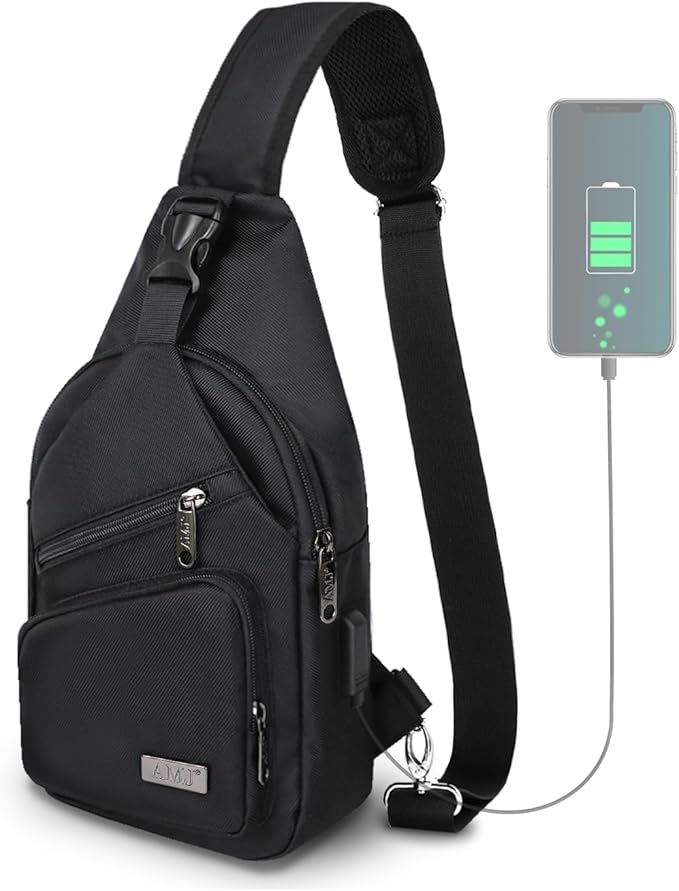
Pickpockets in Rome, Naples, and Milan are professionals. They work in teams, and they love crowded metros, bus stops, and the line for the Vatican Museums. I never carry a backpack that opens from the back. Instead, I use a small crossbody daypack with zippers that sit against my body.
Some have locking zippers or slash-proof straps. It holds my water bottle, power bank, scarf, and wallet without screaming “tourist.” My real valuables stay in a slim money belt hidden under my shirt.
If you want to grab one, this is a particularly good one.
10. A Packable Rain Jacket and a Tiny Umbrella
Italian weather is a drama queen. April can give you blazing sun, a hailstorm, and a humid drizzle in the same afternoon. I pack a ultra-light rain jacket that folds into its own pocket and a small collapsible umbrella that fits in my daypack.
The umbrella is for walking through piazzas when the rain surprises you. The jacket is for windy days on the Amalfi Coast or for sudden downpours in Venice, where the streets flood before you can find shelter.
11. A Basic Blister and First-Aid Kit
I do not mean a full medical kit. I mean a small zipper pouch with a few bandages, moleskin for blisters, antiseptic wipes, ibuprofen, and antihistamines. Italian pharmacies are excellent, but they are not always open on Sunday evenings or after nine p.m.
When a blister bursts on the fourth mile of walking through Trastevere, you will want to fix it yourself without hunting for a farmacia. I also throw in a few anti-diarrheal tablets, because rich food, olive oil, and gelato can upset even a strong stomach.
12. Sunscreen and Insect Repellent
You might think of Italy as a museum-heavy trip, but you will spend hours outside. The summer sun in Tuscany or Sicily is brutal, and Italian pharmacies sell sunscreen at a premium. I bring a travel-sized bottle of SPF 50 and apply it every morning.
Likewise, mosquito repellent is essential in Venice, around Lake Como, and anywhere near water in the warmer months. The tiny flies near the canals are relentless, and the local repellent is fine, but having your own on arrival means one less errand.
13. A Reusable Water Bottle
Italy has thousands of public water fountains. In Rome, they are called nasoni (big noses). In Florence, fontanelle. The water is cold, clean, and free. I carry a collapsible silicone bottle or a lightweight metal one and fill it whenever I pass a fountain.
This saves me a fortune on plastic bottles, keeps me hydrated on long walks, and reduces my guilt about single-use plastic in a country already overwhelmed by tourism waste. This one here is probably the best one you can get
14. One Nicer Outfit for Evenings
Italians dress well. Not formally, but thoughtfully. If you show up to a trattoria in grubby hiking shorts and a faded t-shirt, you will not be refused service, but you will feel out of place. I pack one pair of dark trousers or a simple dress, a collared shirt or nice blouse, and the nicer pair of shoes I mentioned earlier.
This outfit works for a dinner reservation, a night at the opera, or a fancy aperitivo in Milan. It takes almost no space and pays for itself in confidence.
15. Hand Sanitizer and a Small Pack of Wet Wipes
Public restrooms in Italy are an adventure. Many are pay-per-use and run by attendants, which is fine. But soap and paper towels are often missing. I keep a small hand sanitizer clipped to my daypack, and I carry a flat pack of wet wipes for messier moments. This is not paranoia. After a long day of touching museum railings, metro poles, and ancient stone walls, you will want to clean your hands before eating that perfect slice of pizza al taglio.
16. A Pen and a Small Notebook
I am a digital person, but paper wins in Italy. I use the notebook to write down train platform numbers before I forget them, to record the name of a wine I loved, or to get directions from an older shopkeeper who does not speak English.
More importantly, when my phone battery dies or my screen cracks, I still have a way to take notes. I also jot down gelato flavors I want to remember and restaurant recommendations from locals. That little notebook becomes my trip’s memory keeper.
17. Printed Copies of Your Passport and Travel Insurance
This is the boring one that will save you from a nightmare. I keep two printed copies of my passport photo page and my travel insurance policy. One copy stays in my suitcase. One copy goes into a separate compartment of my daypack.
If my wallet is stolen, I have the policy number to call. If I lose my passport, I have a verified copy to get an emergency replacement at the consulate. Email yourself a digital version too, but do not rely solely on the cloud. When you are standing in a foreign police station, paper is faster.
One Final Thought Before You Go
You will forget something. That is fine. Italy has shops, and part of traveling is adapting. But these seventeen items have proven themselves trip after trip. They save you from blisters, from church dress code refusals, from dead phones, and from pickpockets. They help you blend in just enough to feel less like a tourist and more like a traveler.
Pack light, pack smart, and leave room in your suitcase for wine, leather goods, and ceramic bowls from a little shop in Positano. Italy will give you memories that last a lifetime. These things just make sure those memories are happy ones, not cautionary tales.
NOTE BEFORE YOU GO: Italy rewards travelers who go prepared. And it is easy to ruin your trip. I have a checklist for you of things you should never go to Italy without. CHECK IT OUT HERE. I have also curated a list of some of the best hotels in Italy. I would highly recommend checking them out before booking. THESE ARE THE BEST HOTELS IN ITALY. And for unique experiences, attractions, and tours, don’t book before CHECKING THIS OUT. Thank me later!