
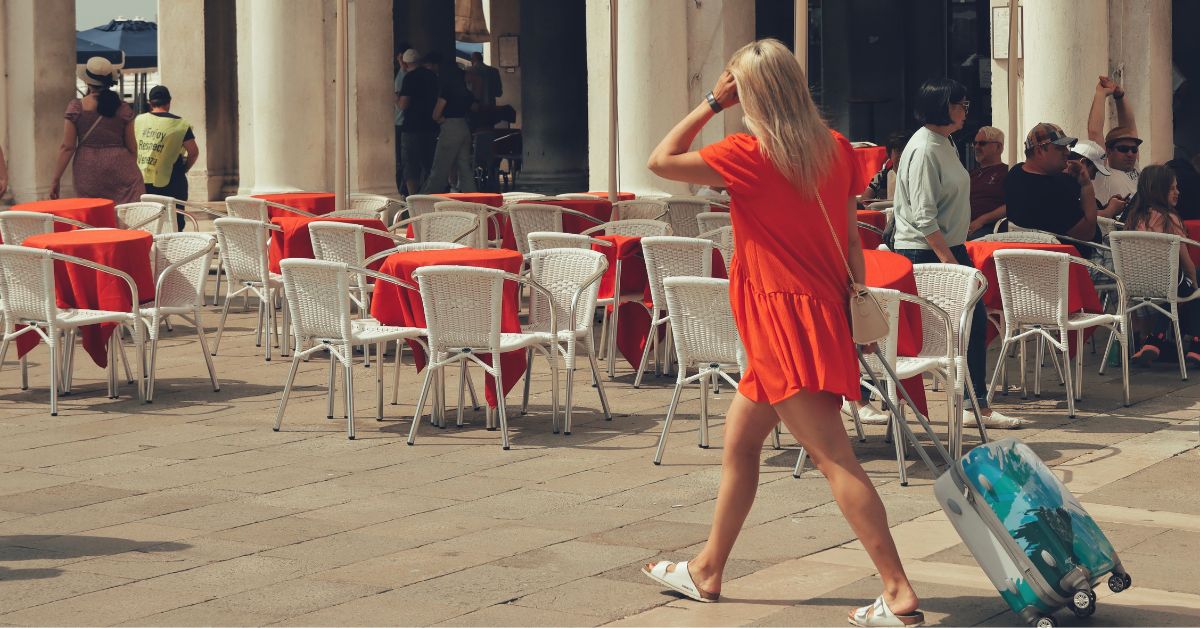
You have booked your flights to Italy. You have mapped out your visits to the Colosseum, the Uffizi Gallery, and the canals of Venice. But have you thought about your luggage?
Italy is not like other travel destinations. The country is a living museum, and museums were not built with roller suitcases in mind. Cobblestone streets, ancient staircases, narrow sidewalks, and crowded train platforms will turn a poorly chosen bag into a daily nightmare. I have watched exhausted tourists struggle to drag large hard sided spinners up the Spanish Steps. I have seen wheels break on the cobblestones of Trastevere. Do not let that be you.
Choosing the right travel bag is the single most important decision you can make to ensure a smooth, joyful trip. The wrong bag will hurt your back, slow you down, and make you a target for pickpockets. The right bag will make you feel free, mobile, and ready for anything Italy throws at you.
This guide will walk you through exactly what to look for, what to avoid, and which specific bags are worth your money.
The Unique Challenges of Traveling in Italy
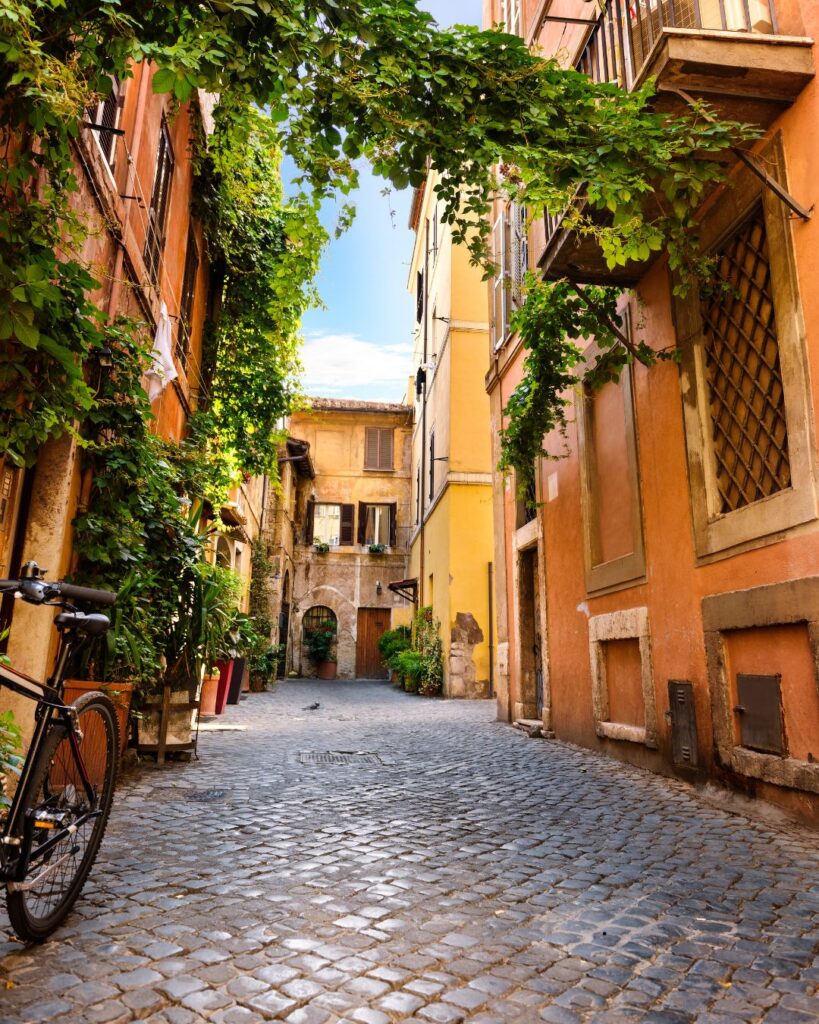
Before you choose a bag, you need to understand the battlefield. Italy presents five specific problems that most luggage is not designed to handle.
The first problem is cobblestones. They are beautiful to look at but brutal on wheels. Small spinner wheels get jammed between the stones. Larger wheels vibrate constantly, which loosens screws and makes a terrible noise. You will end up carrying your roller bag anyway, so why not start with a bag designed to be carried?
The second problem is stairs. Italian train stations like Roma Termini and Firenze Santa Maria Novella have stairs leading to many platforms. Historic hotels and bed and breakfasts often sit on the second or third floor with no elevator. Venice has four hundred bridges, almost all of them with stairs. You will lift your bag dozens of times per day.
The third problem is narrow spaces. Italian sidewalks are rarely wide enough for two people to walk side by side. When you drag a roller bag behind you, you block the path for everyone else. You will constantly apologize to locals as you bump into doorways and cafe tables.
The fourth problem is train storage. Italy’s high speed trains like the Frecciarossa and Italo have limited overhead space. Regional trains have even less. If your bag is too large for the overhead rack, it must go at the end of the carriage where you cannot see it. This creates anxiety about theft and makes getting on and off the train a stressful rush.
The fifth problem is pickpockets. Rome, Florence, and Naples are famous for skilled thieves. Roller bags force you to look down or behind you rather than being aware of your surroundings. Backpacks with easy access zippers are also vulnerable. Your bag design directly affects your safety.
The Two Bag System That Works Best for Italy

After years of travel and talking with hundreds of Italian hoteliers and tour guides, one strategy stands above all others. I call it the two bag system.
You should bring one main bag and one daypack. That is it. No giant checked suitcase. No multiple carry ons. Just two carefully chosen bags that work together.
The main bag should hold between thirty five and forty five liters. In American units, that is roughly the size of a large carry on suitcase, measuring about twenty two inches tall, fourteen inches wide, and nine inches deep. This bag holds your clothes, shoes, toiletries, and any larger items. It is the bag that moves between cities with you.
The daypack should hold between ten and twenty liters. That is about the size of a small school backpack, roughly sixteen inches tall, ten inches wide, and six inches deep. This bag holds your daily essentials like your water bottle, phone, wallet, camera, scarf for churches, and a light jacket. You will carry this bag every single day for ten to twelve hours, so it must be comfortable.
A woman named Sarah who took a two week tour of Rome, Florence, and Venice told me that this system saved her marriage. Her husband had wanted to bring two large roller suitcases. She insisted on two backpacks instead. On their first day, while dragging his suitcase over a bridge in Venice, he looked at her and admitted she was right. Do not underestimate the peace that comes with easy mobility.
The Best Type of Main Bag for Italy: A Soft Sided Backpack
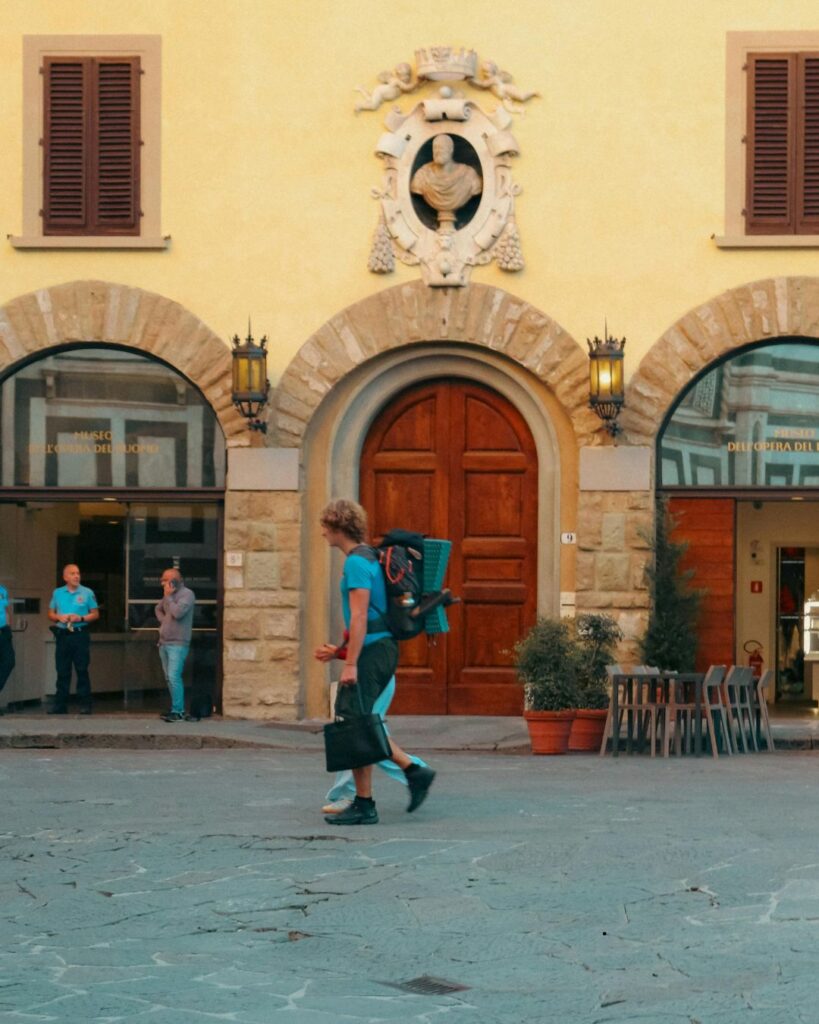
For ninety percent of Italy travelers, the best main bag is a soft sided backpack between forty and forty five liters, or roughly twenty two inches tall. Let me explain why.
A backpack leaves your hands free. This is essential when you are buying train tickets, holding a gelato, or checking a map on your phone. You never have to put your bag down in a dirty train station.
A backpack handles stairs effortlessly. You simply put it on your back and walk up or down. No lifting, no dragging, no struggling.
A backpack manages cobblestones perfectly. Without wheels, there is nothing to break or jam. You walk at a normal pace while everyone else bumps along behind you.
However, not every backpack works well for travel. You need specific features. Look for a clamshell opening, which means the bag unzips like a suitcase rather than opening only from the top. This allows you to see everything inside at once. You should also look for a padded hip belt that transfers weight from your shoulders to your hips, which makes a huge difference when you walk more than fifteen minutes. Compression straps are also useful because they let you tighten the bag down when it is not full, keeping everything stable.
Avoid top loading backpacks that force you to dig blindly for items at the bottom. Avoid bags without a frame or structure, as they will sag and hurt your back. Avoid flimsy zippers that break under pressure.
The Convertible Hybrid Bag: A Good Compromise
Some travelers simply cannot imagine giving up wheels. I understand. If you have back problems, knee problems, or simply prefer the feeling of a roller bag, there is a compromise.
A convertible hybrid bag is a soft sided bag that has both wheels and backpack straps. You can roll it on smooth surfaces and carry it like a backpack on stairs or cobblestones. These bags are not perfect at either function, but they are good enough for many travelers.
If you choose a hybrid bag, look for oversized durable wheels. The small inline skate wheels found on most spinners will break in Italy. You want scooter style wheels that are at least two inches wide. Also look for removable backpack straps that tuck away when you are rolling. The bag should be narrow enough to fit through the security scanners at the Uffizi Gallery and Vatican Museums, which generally means no wider than sixteen inches.
The honest truth is that hybrid bags work best for travelers who are staying in modern hotels with elevators and spending most of their time in big cities like Milan or Bologna. If you are visiting hill towns like Assisi, Positano, or Cinque Terre, a hybrid bag will still frustrate you. Go with a pure backpack instead.
The Hard Sided Spinner: Proceed with Extreme Caution
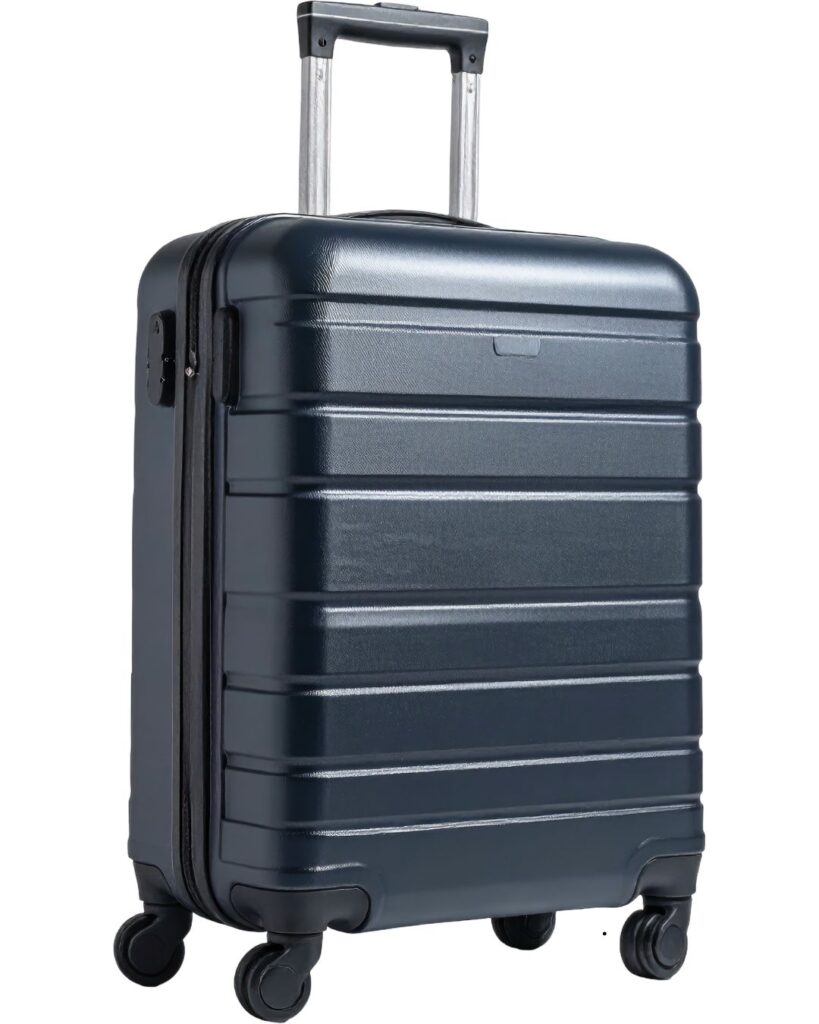
I rarely recommend hard sided spinners for Italy, but I want to be honest about when they might work. If you are traveling for business and staying only in Milan, or if you are taking private drivers between luxury hotels, a hard sided spinner is fine. You will never face the stairs or cobblestones that break them.
For everyone else, a hard sided spinner is a mistake. The hard shell cracks when dropped on stone. The wheels break easily. The bag cannot be compressed to fit into tight train racks. And because it has no external pockets, you must unzip the entire suitcase to access anything.
I have seen too many travelers standing helplessly at the top of a long staircase with a broken wheel on their expensive hard sided bag. Do not let this be you. Leave the hard spinner at home.
The Daypack: Your Most Important Item

Here is a secret that most travel guides do not tell you. Your daypack is actually more important than your main bag. You will use it every single day for hours at a time. If it is uncomfortable, heavy, or insecure, it will ruin your trip.
Italy is a walking country. You will walk eight to twelve miles per day in Rome alone. Your daypack needs to be lightweight, breathable, and secure.
Look for a daypack with a breathable mesh back panel. Italian summers are hot and humid, and a solid foam back will leave you soaked in sweat. The straps should be padded but not bulky. The pack should have at least one hidden pocket against your back where you can store your passport and extra cash. This is the safest place from pickpockets.
Size is also critical. Your daypack must be small enough to fit under the pews in churches. Many of Italy’s famous churches, including Saint Peter’s Basilica and the Florence Duomo, require you to check larger bags. A fifteen liter daypack, roughly sixteen inches tall, will usually be allowed inside. A twenty five liter daypack, closer to twenty inches tall, will not.
A woman who traveled to Italy last spring told me she bought a beautiful leather shoulder bag for her daily adventures. By the second day, her neck and shoulder were in so much pain that she could not enjoy the Vatican. She bought a cheap nylon backpack from a street vendor and never looked back. Fashion matters, but comfort matters more.
Liter by Liter: What Goes in Each Bag
Let me give you a specific breakdown of how to fill your bags so you are not guessing.
Your main bag of roughly forty liters, about the size of a standard carry-on suitcase, should hold five to seven days’ worth of clothing. Plan to do laundry once during your trip. Italian hotels and laundromats make this easy.
You need one nicer outfit for dinners and churches, remembering that shoulders and knees must be covered in religious sites. You also need your toiletries in a small bag, and packing cubes are non-negotiable. Packing cubes compress your clothes and keep everything organized, which is essential when you are living out of a bag.
Your daypack of about fifteen liters, roughly the size of a small bookbag, should hold a refillable water bottle. Italy has free drinking fountains called nasoni in every city. You should also carry a lightweight scarf or pashmina to cover your shoulders when entering churches.
A small power bank for your phone is essential, as you will use maps constantly. Your wallet, passport, and phone should stay in the hidden pocket of your daypack. Never leave your daypack on the floor of a cafe or restaurant. Thieves work in teams and will slide it away while you look at your menu.
Size and Weight Limits for Italian Transport
You must pay attention to size and weight limits, or you risk having to check your bag or pay fines.
For flights, Italy’s budget airlines like Ryanair and easyJet are very strict. The standard carry-on size is twenty-two inches tall, sixteen inches wide, and eight inches deep. Weight is usually limited to eighteen to twenty-two pounds. If your bag is larger or heavier, you will pay a hefty fee at the gate.
For trains, the rules are looser, but the space is tighter. High-speed trains have overhead racks that fit a forty-five-liter bag easily, which is roughly twenty-two by fourteen by nine inches. Regional trains have smaller racks. If your bag is too large for the overhead rack, you must put it at the end of the carriage. This is not ideal because you cannot watch it. I recommend keeping your bag with you at all times.
For public buses, including the popular FlixBus, the rules are surprisingly strict. You are usually limited to one bag of roughly thirty liters or less that fits under your seat. Larger bags go in the cargo hold, but not all buses have one. Check before you book.
For Venice’s water buses, there is no formal limit, but you will stand while holding your bag. The water buses get incredibly crowded. A small bag that sits at your feet is much better than a large bag that you must hold awkwardly against your body.
Recommended Bags for Italy
After testing dozens of bags and talking with hundreds of travelers, I have a short list of recommendations that work beautifully for Italy.
Osprey Farpoint 40 Liter Travel Backpack
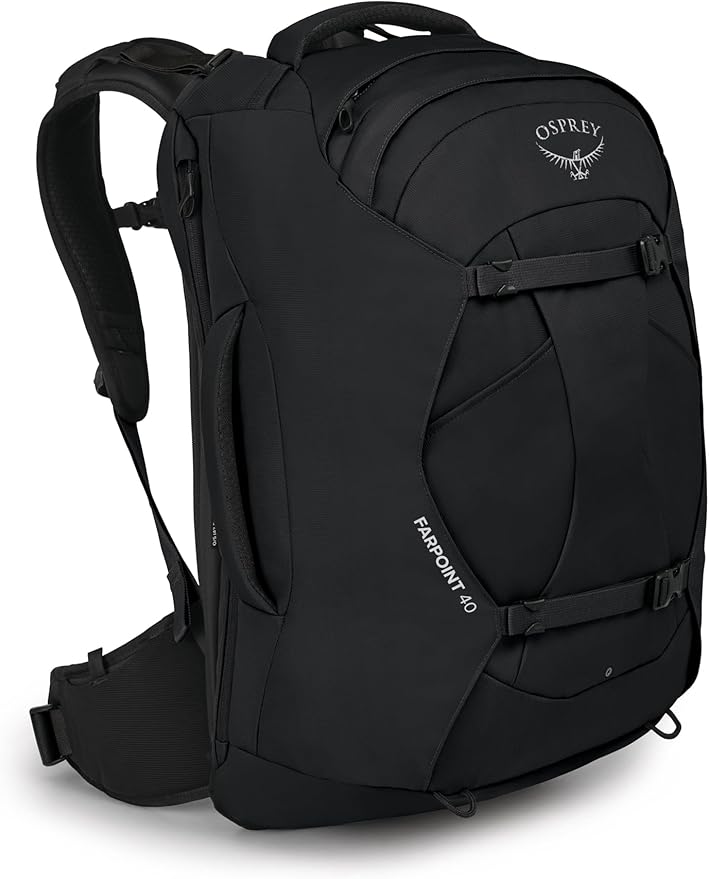
The Osprey Farpoint forty liter is the gold standard for Italy travel. It measures roughly twenty-two by fourteen by nine inches, which fits perfectly in overhead train racks and under most airplane seats. It weighs just over three pounds when empty. The bag features a comfortable padded hip belt that transfers weight from your shoulders to your hips, a clamshell opening that allows you to pack it like a suitcase, and sturdy compression straps.
The zippers are lockable for security. Many travelers have used this bag for years of Italian trips without a single problem. It comes in several colors, including black, dark green, and navy blue.
Cotopaxi Allpa 42 Liter Travel Pack
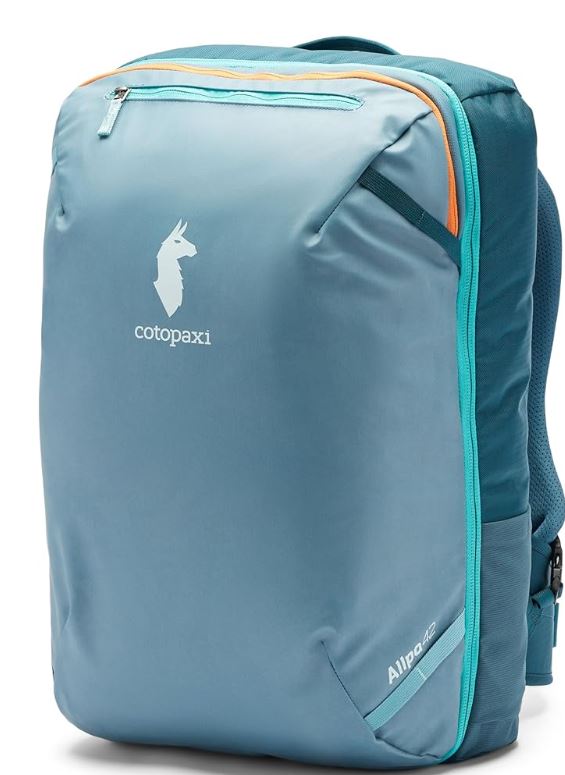
The Cotopaxi Allpa forty-two liter is a fantastic choice for travelers who love organization. It measures roughly twenty-two by fourteen by ten inches and weighs about four pounds. The bag is made from recycled materials, which appeals to eco-conscious travelers. The internal organization is the star feature here, with mesh compartments, a separate shoe pocket, and a laptop sleeve that lies flat against your back.
The bag opens fully like a suitcase. The hip belt is padded and removable. The only downside is that it is slightly heavier than the Osprey. The Allpa comes in vibrant, unique color combinations that stand out on luggage carousels.
Osprey Ozone Duo 46 Liter Convertible Hybrid
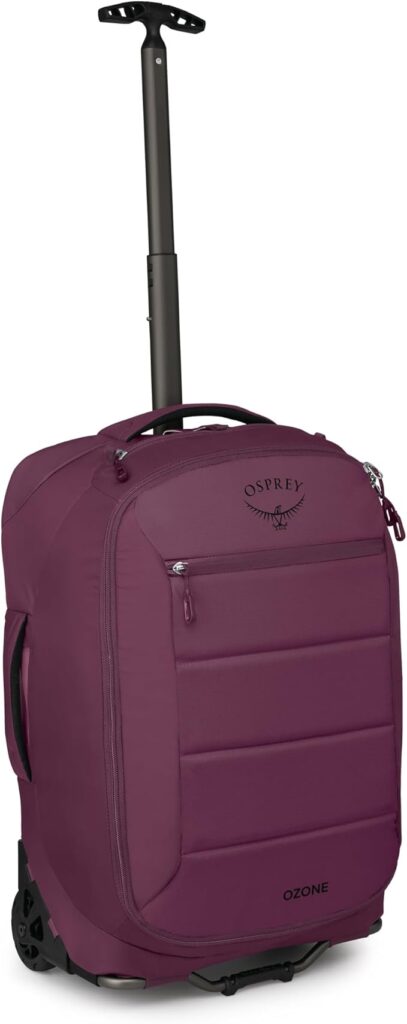
The Osprey Ozone Duo forty-six liter is the best convertible hybrid bag for travelers who refuse to give up wheels entirely. It measures roughly twenty-two by fourteen by nine inches and weighs about five pounds. The bag has durable scooter-style wheels that handle cobblestones better than most, and it also features a comfortable backpack harness that tucks away when not in use.
The bag opens like a suitcase and has internal compression straps. The hybrid design means it is not as good as a pure backpack for stairs, and it is not as good as a pure roller for smooth floors, but it does both jobs reasonably well. This is the only hybrid bag that I trust on Italian streets.
Travelpro Maxlite 5 21 Inch Spinner
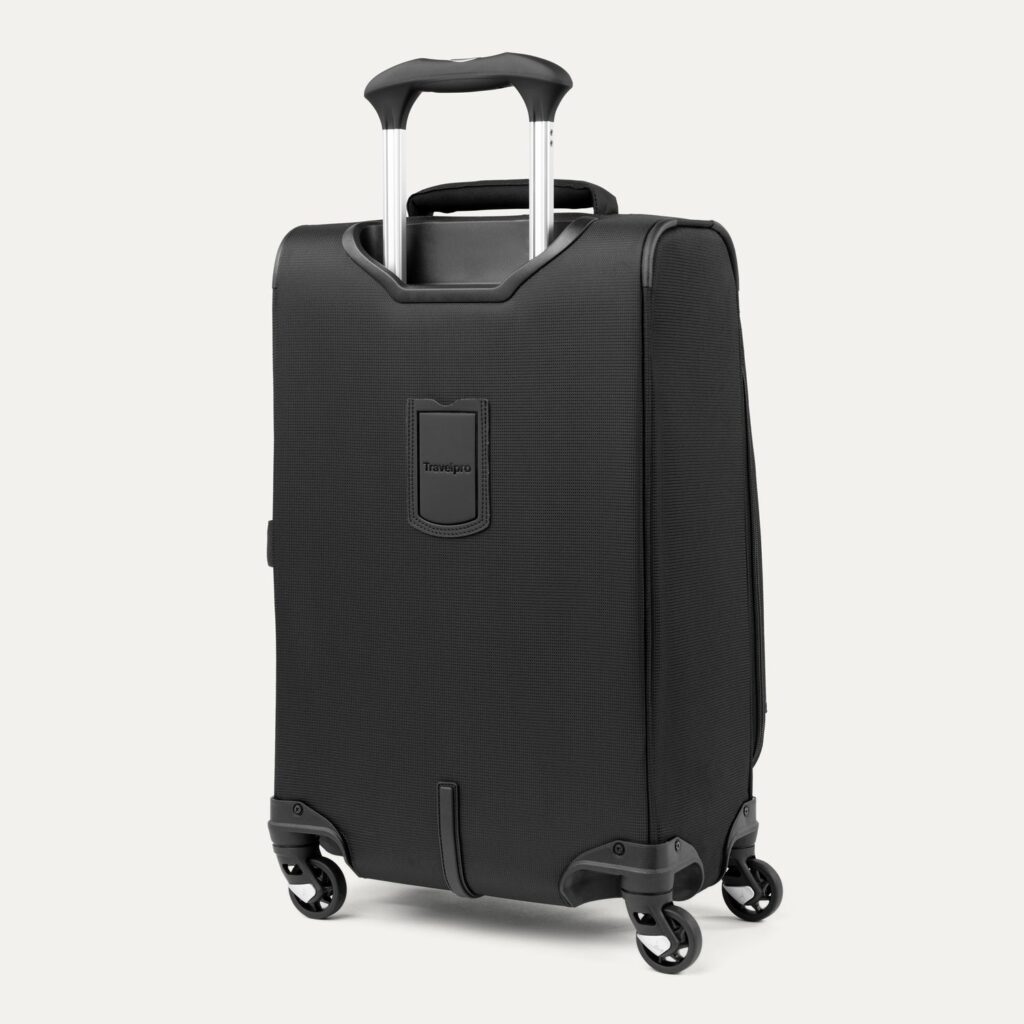
If you absolutely must have a hard sided spinner for Italy, the Travelpro Maxlite 5 twenty one inch is the only one I recommend, and only for a very specific traveler. This bag works exclusively for those staying in modern hotels with elevators, taking private transfers or taxis, and avoiding hill towns, Venice bridges, and train station stairs. It measures twenty one by fourteen by nine inches, weighs just five point four pounds, and features oversized ball bearing wheels that handle smooth surfaces beautifully.
What to Absolutely Not Bring to Italy
I want to be very clear about what not to bring. Do not bring a giant rolling duffel bag. These are heavy and awkward even on smooth floors. Do not bring a hard sided spinner larger than twenty two inches. It will not fit on trains and will break on stairs. Do not bring anything you cannot lift above your head onto a train rack. If you cannot lift it, you cannot travel independently.
Also do not bring a new, expensive designer bag that you would be devastated to lose or damage. Italy is not dangerous, but scratches and dirt happen. Bring a bag that you are willing to set on a stone floor or shove under a train seat.
The Final Checklist
Before you buy a bag for Italy, run it through this simple checklist. Does it weigh less than three pounds when empty? Does it open like a clamshell for easy packing? Does it have padded shoulder straps and a hip belt for comfort? Does it have lockable zippers for security? Is it carry-on sized for budget airlines at roughly twenty-two by fourteen by nine inches? Is it water-resistant for sudden rain showers? Does it have external compression straps to tighten the load? If it is a roller bag, does it have durable oversized wheels at least two inches wide?
If you can answer yes to most of these questions, you have found a good bag.
Related post: The only type of shoes you should wear in Italy
Conclusion: Your Bag Should Serve You, Not Vice Versa
Italy is too beautiful, too delicious, and too magical to spend your time fighting with your luggage. The best travel bag is the one you forget you are carrying while you stare at the ceiling of the Sistine Chapel or eat gelato on the Ponte Vecchio.
Choose a soft-sided backpack or a careful hybrid. Keep your daypack small and secure. Pack light enough that you can lift your bag without help. And then let go of the stress. You have planned the perfect trip. Now you have the perfect bag to carry you through it.
Your Italian adventure is waiting. Pack wisely, and enjoy every single step.
NOTE BEFORE YOU GO: Italy rewards travelers who go prepared. And it is easy to ruin your trip. I have a checklist for you of things you should never go to Italy without. CHECK IT OUT HERE. I have also curated a list of some of the best hotels in Italy. I would highly recommend checking them out before booking. THESE ARE THE BEST HOTELS IN ITALY. And for unique experiences, attractions, and tours, don’t book before CHECKING THIS OUT. Thank me later!