
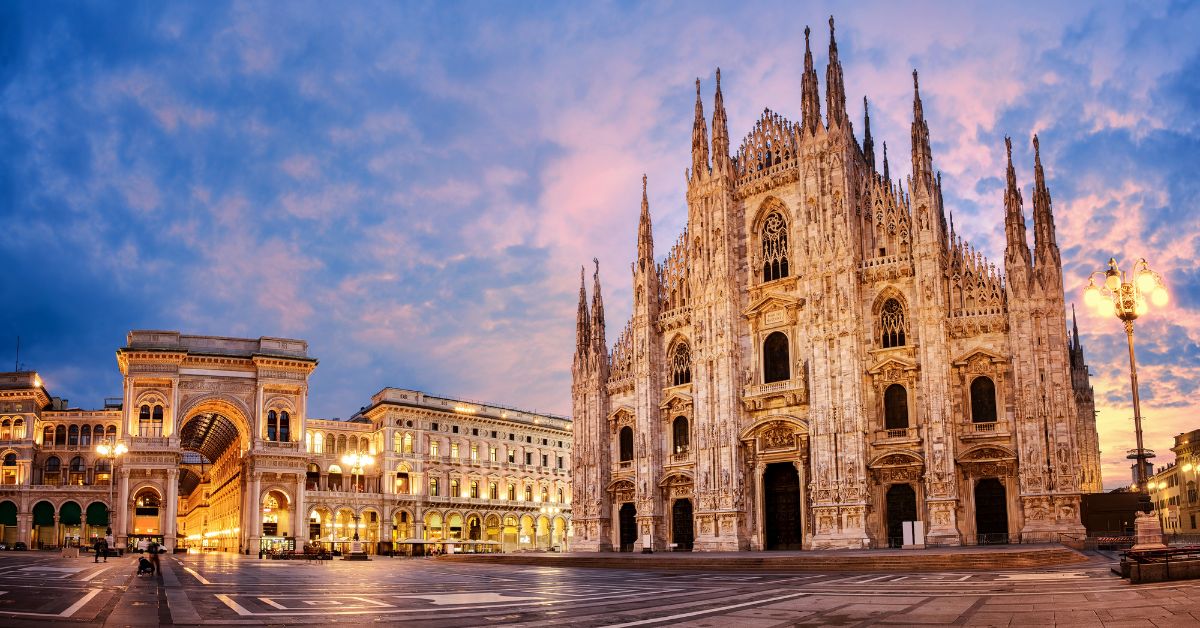
Milan is a city of sharp contrasts. On one hand, it is Italy’s finance and fashion capital, a place of sleek skyscrapers and high-end shopping arcades. On the other, it holds quiet cobbled lanes, canal-side trattorias, and a deep artistic soul.
When my wife and I first started planning trips to Milan, we quickly learned that choosing the right neighborhood is just as important as booking a flight. The wrong area can mean long commutes, noisy nights, or a complete lack of local atmosphere. The right one can make your entire trip feel seamless and memorable.
Milan is surprisingly compact, and its metro system is efficient. But each district has its own personality. Some are perfect for first-time sightseers, others for nightlife lovers, and a few for travelers on a budget who still want an authentic experience. Below is a detailed breakdown of the best areas to stay in Milan, complete with specific hotel recommendations for every type of traveler.
Centro Storico – The Heart of Milan
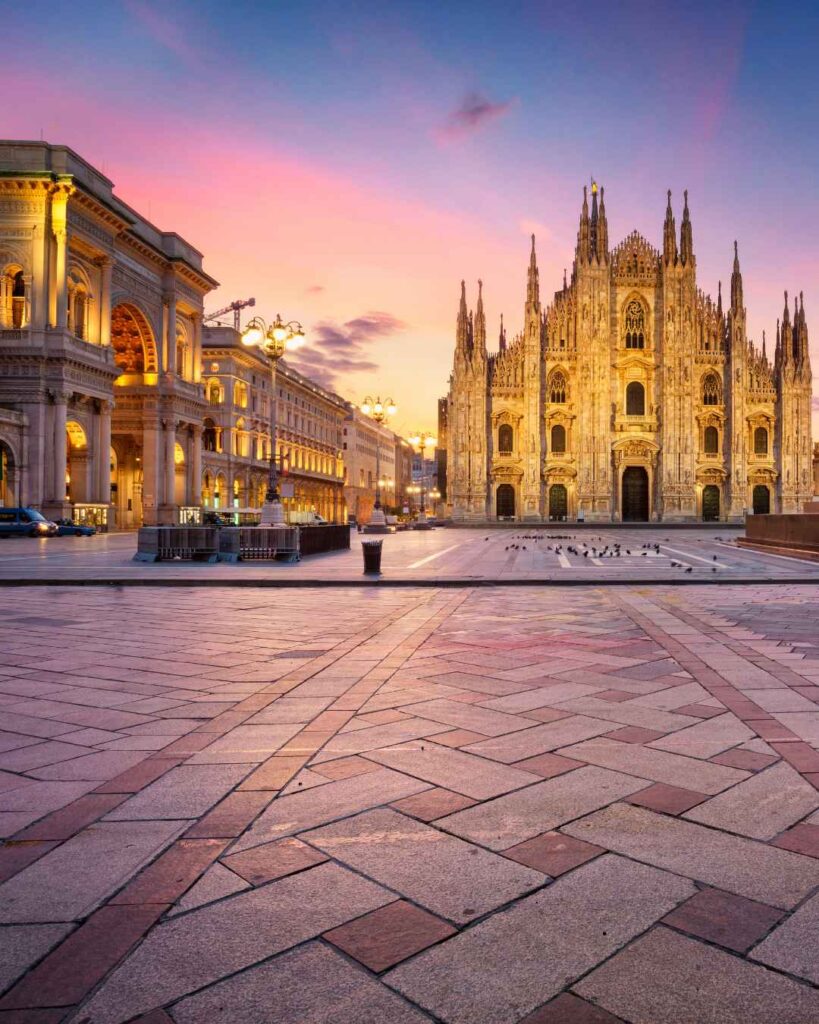
The historic center is where Milan shows off. The Duomo, the Galleria Vittorio Emanuele II, and La Scala opera house are all within a few minutes’ walk of each other. This area is bustling, monumental, and undeniably tourist-friendly. During the day, you will be surrounded by shoppers, photographers, and street musicians. In the evening, the piazzas light up and the energy remains high.
The main downside is the price. Accommodation here is among the most expensive in the city, and some streets feel overly commercial. But for a short stay, especially a first visit, the convenience is hard to beat.
For a truly memorable stay in the Centro Storico, consider the Park Hyatt Milan. It is steps from the Galleria and offers elegant, soundproofed rooms. A more mid-range option is Hotel Spadari al Duomo, which has modern art on the walls and a fantastic breakfast. On a tighter budget, try the Duomo Hotel & Apartments, where you can get simple but clean rooms right near the cathedral square.
Brera – Artistic and Romantic
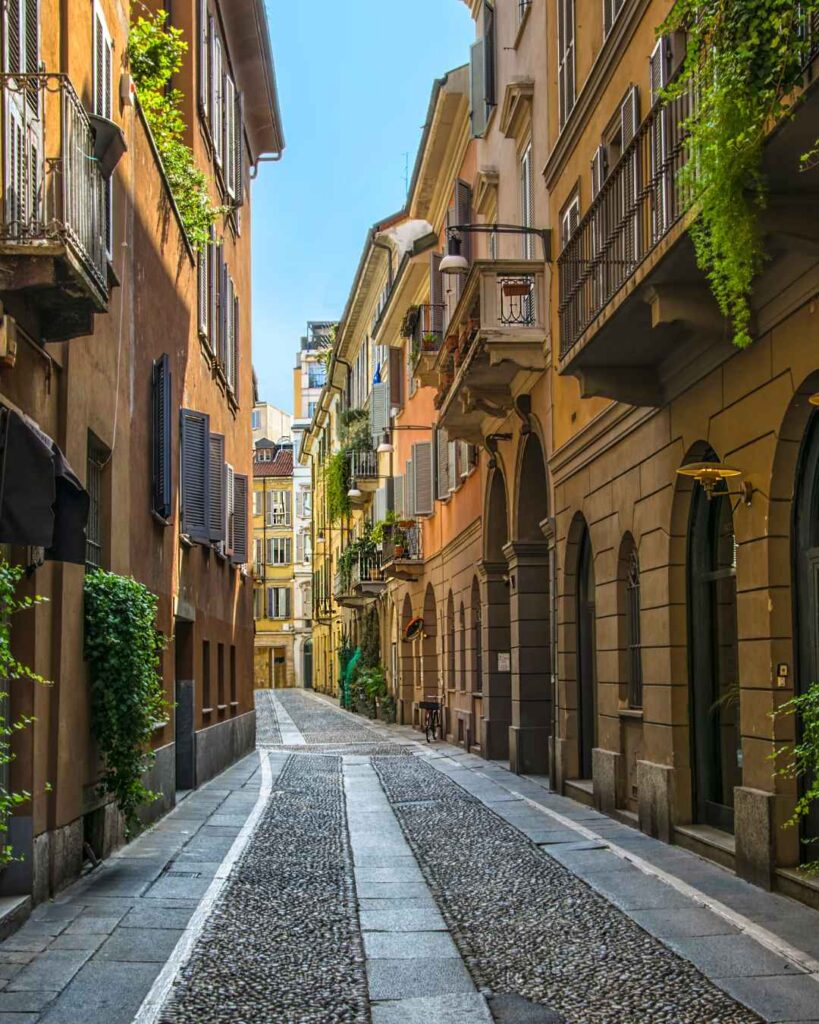
Brera is the neighborhood my wife fell in love with first. It sits just north of the historic center, and its narrow, cobbled streets feel like a village within the city. Art galleries, antique shops, and boutiques line the lanes. In the evening, wine bars spill onto the pavements, and the atmosphere is quiet and refined.
Brera is perfect for couples and art lovers. The Pinacoteca di Brera houses one of Italy’s finest art collections. The downside is that budget options are almost nonexistent, and restaurants here can be pricey. But if you want romance and charm, it is worth the splurge.
Stay at Hotel Palazzo Segreti, a boutique hotel with intimate, designer rooms and a private garden. For a classic experience, Hotel Brera is a reliable four-star property right in the heart of the district. If you prefer a smaller, family-run feel, try La Casa di Brera, which offers apartment-style suites with kitchenettes.
Navigli – Canals and Nightlife
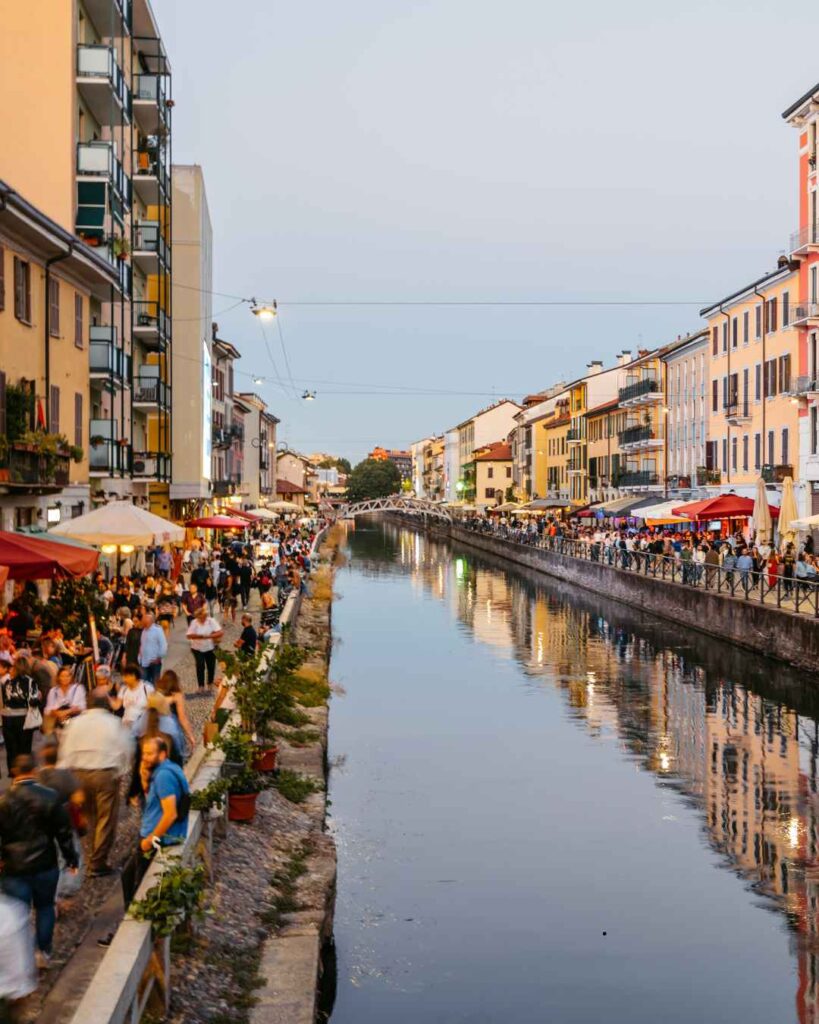
Navigli is Milan’s canal district, and it has a completely different energy. By day, it is bohemian and sleepy. By early evening, it becomes the city’s most vibrant social hub. The two main canals, Naviglio Grande and Naviglio Pavese, are lined with aperitivo bars, vintage shops, and casual restaurants. Locals and tourists alike gather here for the classic Milanese ritual: a pre-dinner drink with a buffet of small bites.
This area is best for social travelers, nightlife lovers, and those on a mid-range budget. However, it is not directly on a metro line. You will need to take a tram or walk about fifteen minutes to the nearest station. Noise can also be an issue if your room faces the canals directly.
For a stylish stay, Magna Pars Suites is a luxury hotel set in a former perfume factory, complete with a private garden. A great mid-range option is 21 House of Stories Navigli, a charming hotel with a rooftop pool. On a budget, consider Aparthotel Navigli, where you get simple, clean apartments with kitchenettes.
Porta Nuova and Garibaldi – Modern and Upscale

If you want to see Milan’s futuristic side, head to Porta Nuova. This is the city’s business district, but it is also home to extraordinary architecture. The Bosco Verticale, or Vertical Forest, is a pair of residential towers covered in trees and shrubs. Corso Como is a famous pedestrian street with designer stores and trendy cafes. The area feels sleek, clean, and cosmopolitan.
The main drawback is the lack of historic charm. You will not find medieval churches or Renaissance palazzos here. Prices are also high, especially for dining. But for business travelers, design enthusiasts, or anyone who loves modern architecture, it is a fantastic base.
The best place to stay is the Excelsior Hotel Gallia, a landmark luxury hotel with a rooftop restaurant and a spa. For a more affordable but still stylish option, try Hyatt Centric Milan Centrale, which is within walking distance of Porta Nuova. Another solid choice is The Yard Milano, a quirky, design-led hotel with a courtyard and a vintage transport theme.
Città Studi – Student and Budget-Friendly
Città Studi is Milan’s university district. It is residential, laid-back, and full of affordable accommodation. You will not find major tourist attractions here, but you will find authentic local life. Small bakeries, family-run pizzerias, and quiet parks are the norm. The metro lines M2 and M3 connect the area to the center in about ten minutes.
This neighborhood is best for students, long-term stays, and budget travelers who do not mind a short commute. The trade-off is that nights are very quiet, and there is little nightlife to speak of.
Stay at Hotel 21 House of Stories, a small, modern hotel with a piano bar and soundproofed rooms. Another excellent budget option is The Warm Stay Milano, which offers simple, clean rooms near the Lambrate metro station. For apartment rentals, look for places near Piazza Leonardo da Vinci, where you will find many reasonably priced B&Bs.
Porta Romana and Bocconi – Chic and Local
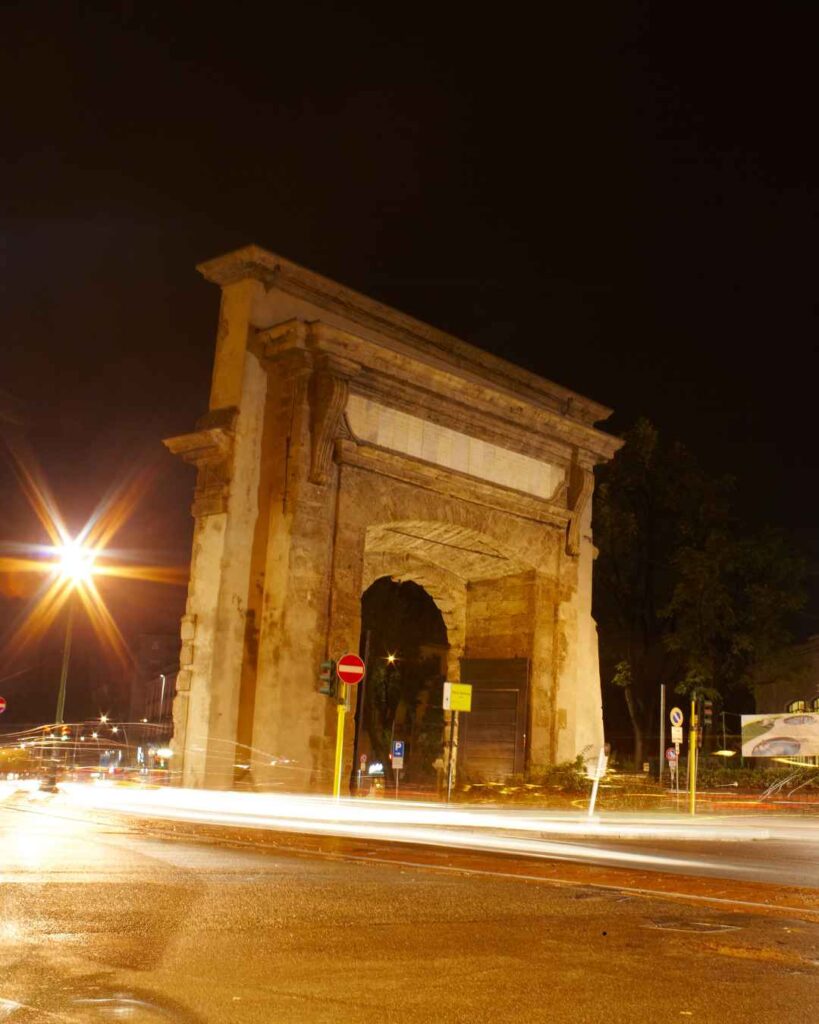
Porta Romana is where fashionable Milanese locals actually live. The area is centered around a historic gate from the Roman walls. Today, it is known for its vintage shopping, excellent trattorias, and a relaxed, grown-up vibe. Nearby, the Bocconi university district adds a youthful but not rowdy energy. The Fondazione Prada, a contemporary art museum, is a short walk away.
This neighborhood lacks the big-name sights of the historic center, but it offers an authentic Milanese experience without the tourist crowds. It is great for couples and families who want a quieter stay.
For a luxury option, Fermata Tram sotto casa comes highly recommended, but it is pricey. A mid-range favorite is Glam Milano, a modern hotel near the Porta Romana metro stop. For something more intimate, consider B&B Via Fontana, a small bed and breakfast in a historic building.
San Siro and Fiera – For Events Only
This area is far from the center, and it is not a place I recommend for sightseeing. However, if you are coming to Milan for a football match at San Siro Stadium or an exhibition at the Fiera Milano trade fair, staying nearby makes practical sense. Accommodation here is generally cheaper, and the metro connects you to the center in about twenty minutes.
The downside is that on non-event days, the area feels dead. There are few good restaurants and little atmosphere.
For a stadium trip, stay at UNAHOTELS San Siro, a four-star hotel with a pool and a free shuttle to the stadium. Another good choice is Hotel Nasco, which is close to the Fiera and has spacious rooms. For a budget option, try B&B Hotel Milano San Siro, which is basic but clean and very close to the stadium.
Areas to Be Cautious About
No part of Milan is truly dangerous for a careful traveler, but a few areas are worth mentioning with caution. The area directly around Stazione Centrale, the main train station, is very convenient for transport. However, it attracts pickpockets and can feel sketchy after dark. If you stay there, choose a hotel on the west side of the station and do not wander the side streets late at night.
Neighborhoods like Loreto, Corvetto, and Giambellino have cheaper hotels, but they lack tourist infrastructure and can feel uncomfortable after sunset. I would avoid them unless you are on an extremely tight budget and already familiar with Milan.
Outer zones such as Bovisa or Rogoredo are well-connected by metro but are purely residential or industrial. They are safe but offer nothing for a visitor. You would waste too much time commuting.
How to Choose the Right Neighborhood for You
To make the final decision, ask yourself a few simple questions.
- If you are here for first-time sightseeing and want to walk everywhere, choose Centro Storico.
- If you want romance, art, and quiet evenings, choose Brera.
- If nightlife and aperitivo are your priorities, choose Navigli.
- If you are on a tight budget and do not mind a short metro ride, choose Città Studi.
- If you are traveling for business or love modern architecture, choose Porta Nuova or Garibaldi.
- If you are a family seeking a quieter, local feel, choose Porta Romana or Città Studi.
- If you are attending a football match or a trade fair, choose San Siro or Fiera.
Practical Tips for Booking in Milan
Book well ahead if you are visiting during Milan Fashion Week in February and September, or the Salone del Mobile furniture fair in April. Prices can triple, and hotels sell out months in advance.
If you are driving, be aware of the ZTL, or Limited Traffic Zone, in the historic center. Most rental cars are not allowed inside it. Always ask your hotel if they have private parking and if it is inside or outside the ZTL.
Learn the metro lines. M1 is red, M2 is green, M3 is yellow, and M5 is lilac. The best stations for tourists are Duomo (M1, M3), Cadorna (M1, M2), Centrale (M2, M3), and Garibaldi (M2, M5).
For airport transfers, the Malpensa Express train runs from Malpensa Airport to Cadorna and Centrale stations. From Linate Airport, take bus 73 to the San Babila metro stop. From Bergamo’s Orio al Serio Airport, take a shuttle bus to Centrale station.
A Final Word
There is no single best neighborhood in Milan. The right choice depends entirely on your travel style, budget, and what you want from your trip. My wife and I have stayed in four different areas over the years, and each one gave us a completely different version of the city. That is the beauty of Milan. It rewards those who choose carefully.
Before you book, open a metro map. Plot the main sights you want to see. Then pick a neighborhood that balances proximity, atmosphere, and price. You cannot go wrong with any of the areas listed above, as long as you understand what they offer.
If you are still unsure, leave a comment below with your travel dates and what you hope to do in Milan. I am happy to give you a personal recommendation. And if you found this guide helpful, share it with someone planning their own Italian adventure.
Again, feel free to go through the list below of my Italy recommendations that I have crafted after years of travel to this beautiful country:
- Packing List: Things Not to Go to Italy Without
- Must-Do Things: Unforgettable Experiences
- Where to Stay: Best Hotels in Italy.
- Where to Stay in Rome: Rome’s Best Neighborhoods
- Where to Stay in Florence: Picking the Best Area
- Where to Stay in Venice: Venice’s Best Districts
- Italy’s Cobblestone Streets: Best Shoes For the Job
- Backpack or Suitcase?: Italy Luggage Guide
- Travel Insurance: Always Be Covered
- E-Sim: Be Connected At All Times
Exceptional information! Thank you! Would like to read you more
I will keep those information for my next trip which is in October
Thank you