
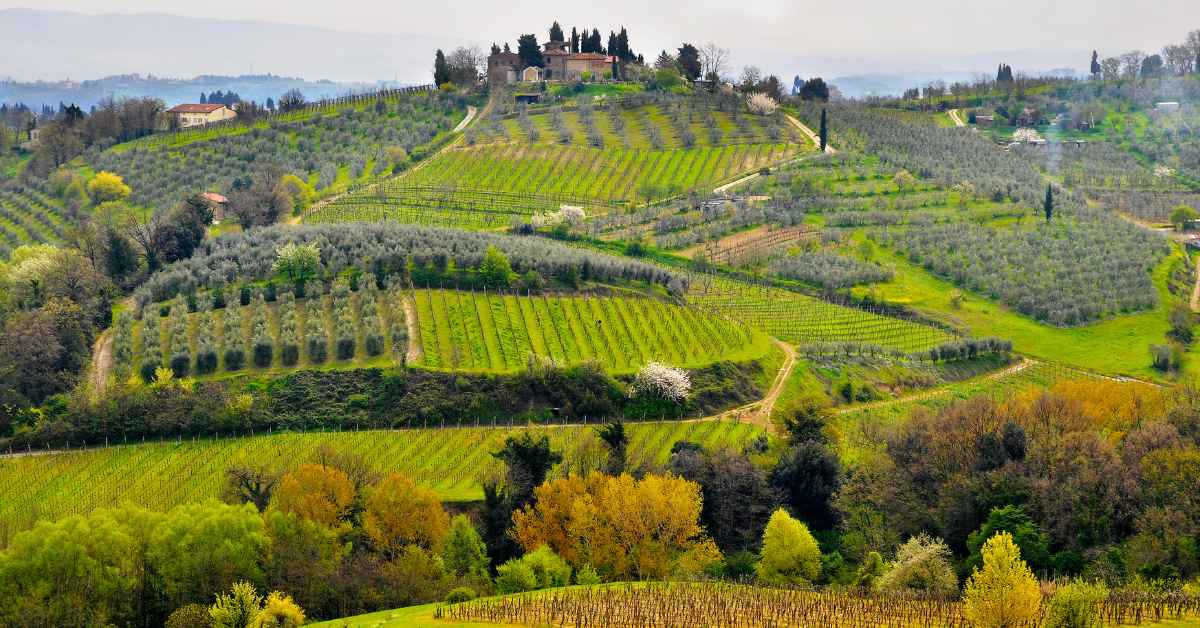
Every traveler faces the same wonderful dilemma when planning a trip to Tuscany: where to sleep. The region is packed with world-famous art cities, postcard-perfect hill towns, and sprawling wine valleys, but they are not all close to one another.
Choosing the wrong base can mean spending hours on the road instead of enjoying a long lunch or a sunset stroll. On the other hand, the right base makes every day feel effortless. This guide breaks down Tuscany into its most practical home bases, from the art-rich streets of Florence to the silent vineyards of Montalcino.
For each area, you will find honest pros and cons, transportation advice, and a specific hotel recommendation. My wife and I have tested many of these ourselves, and we have learned that the best base is the one that matches your pace and priorities.
Key Factors to Consider Before Choosing a Base
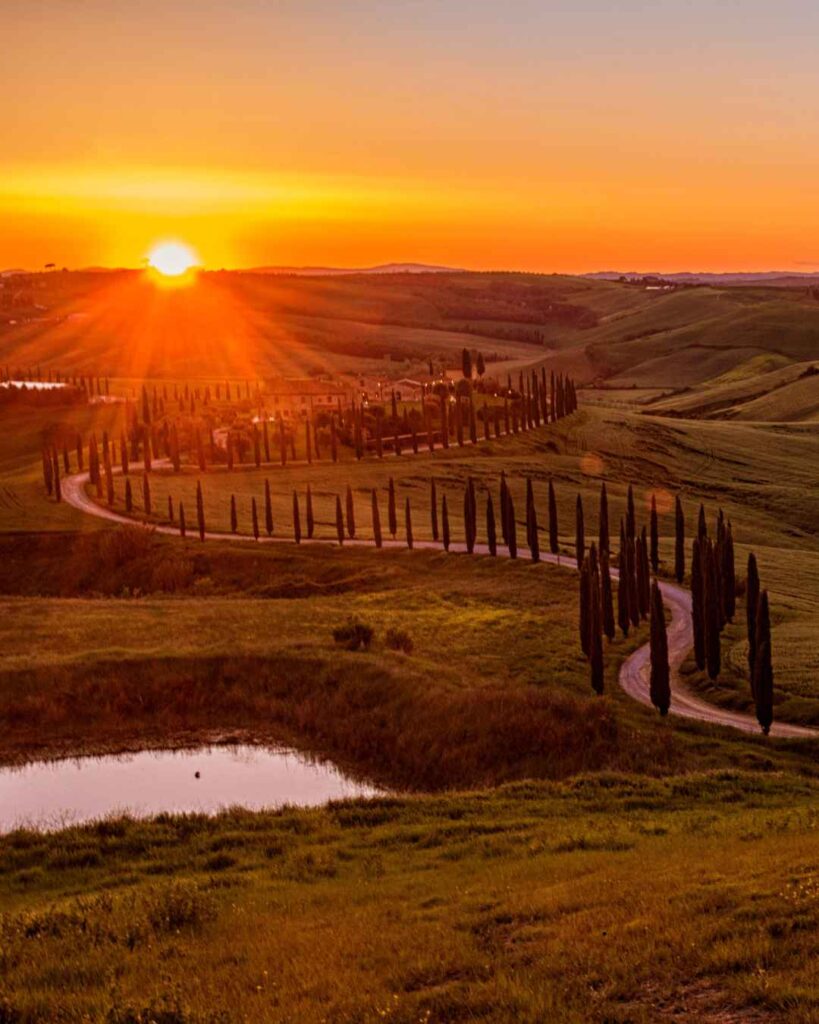
Before diving into specific towns, take five minutes to think about how you actually like to travel. Your transportation choice is the single biggest factor. A rental car opens up the countryside but becomes a burden inside ZTL zones, the restricted traffic areas that fine unwary drivers in almost every historic center. Without a car, you are limited to train-friendly towns like Florence, Arezzo, and Lucca.
Your trip length matters too. For a five-day trip, stick to one base. For ten to fourteen days, two bases are ideal, such as four nights in Florence and four nights in a countryside town. Your interests also guide the decision.
Art lovers need Florence. Wine lovers need Montalcino or Montepulciano. Families need space and parking. Solo travelers or digital nomads need reliable Wi-Fi and walkable amenities. Finally, consider the season. July and August in Florence can be miserably crowded and hot, while a hill town like Cortona stays cooler. Winter brings lower prices but also closed restaurants in tiny villages.
The Art City Base: Florence
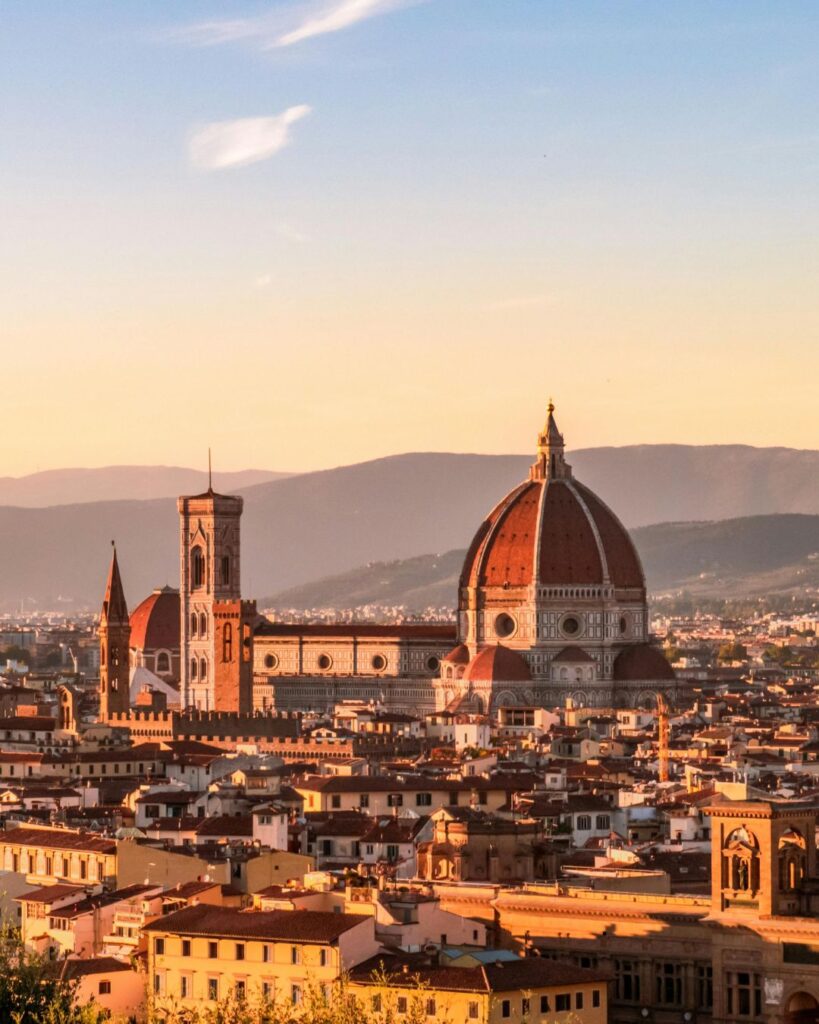
Florence is the obvious choice for first-time visitors and for anyone who cannot imagine missing the Uffizi, the Accademia, or the Duomo. It is the undisputed train hub of Tuscany, meaning you can day-trip to Lucca, Pisa, Arezzo, and even Bologna without a car. The city itself offers endless restaurants, buzzing nightlife, and more history than you can absorb in a week.
But Florence comes with real downsides. It is expensive, especially for central hotels. It is overwhelmingly crowded from March through October. And you will see very little of that romantic Tuscan countryside from your window unless you pay for a hillside hotel. For a short trip focused on Renaissance art, Florence is perfect. For a quiet, rural escape, it is not.
Where to stay in Florence requires some strategy. The area near Santa Maria Novella station is convenient for train travelers but a bit gritty. The Oltrarno, across the river, is quieter, more authentic, and full of artisan workshops. For a memorable stay that balances access and atmosphere, consider Hotel Davanzati. This family-run three-star is steps from Piazza della Repubblica, offers a free evening happy hour, and provides a smartphone for guests to use during their stay. It is reasonably priced for Florence, and the staff treats you like relatives.
I have written a different post on the best areas to stay in Florence. Read it here
The Medieval Hill Town Base: Siena
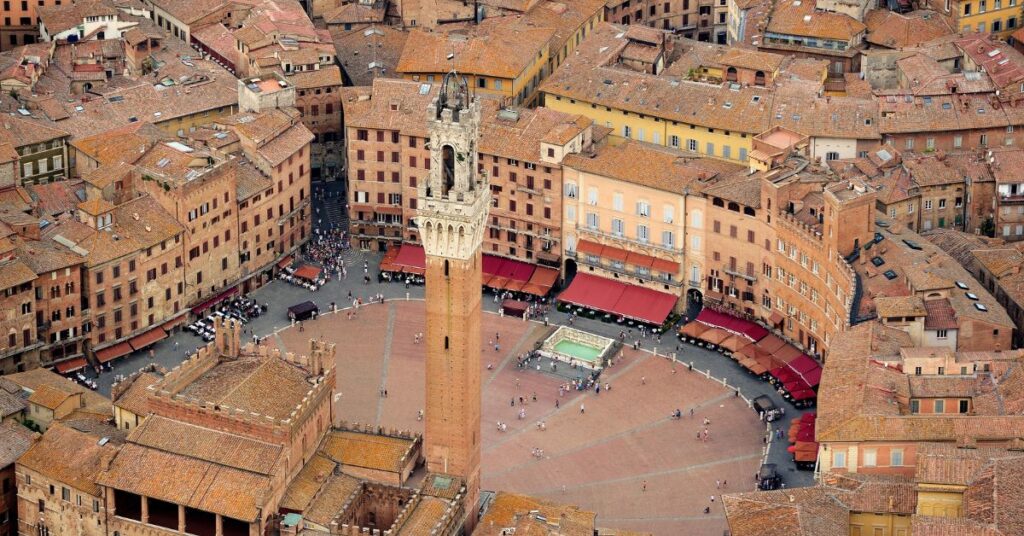
Siena feels like Florence’s smaller, prouder sibling. The shell-shaped Piazza del Campo is one of Europe’s most beautiful squares, and the city’s medieval brick architecture remains largely intact. Siena is walkable, dramatic, and full of local identity, especially during the Palio horse race in July and August. It is less frantic than Florence and still offers excellent dining and shopping.
The downsides are worth noting. Siena is very hilly. Dragging suitcases up to a hotel near the Duomo can ruin your first afternoon. Parking is also a nightmare if you have a car; you must book accommodation with private parking or use one of the paid lots outside the walls and then take a bus or escalator into the center. For day trips to places like San Gimignano or Montalcino, you really need a car once you are in Siena.
For an authentic stay inside the historic center, choose Palazzo Ravizza. This old aristocratic villa sits just inside the Porta Pìa, close enough to walk everywhere but with its own private garden and parking. The rooms are classic, not modern, and some have views over the Tuscan hills. It is quiet, romantic, and exactly what you imagine when you picture a Siena hotel.
The Wine Country Base: Montalcino and Montepulciano
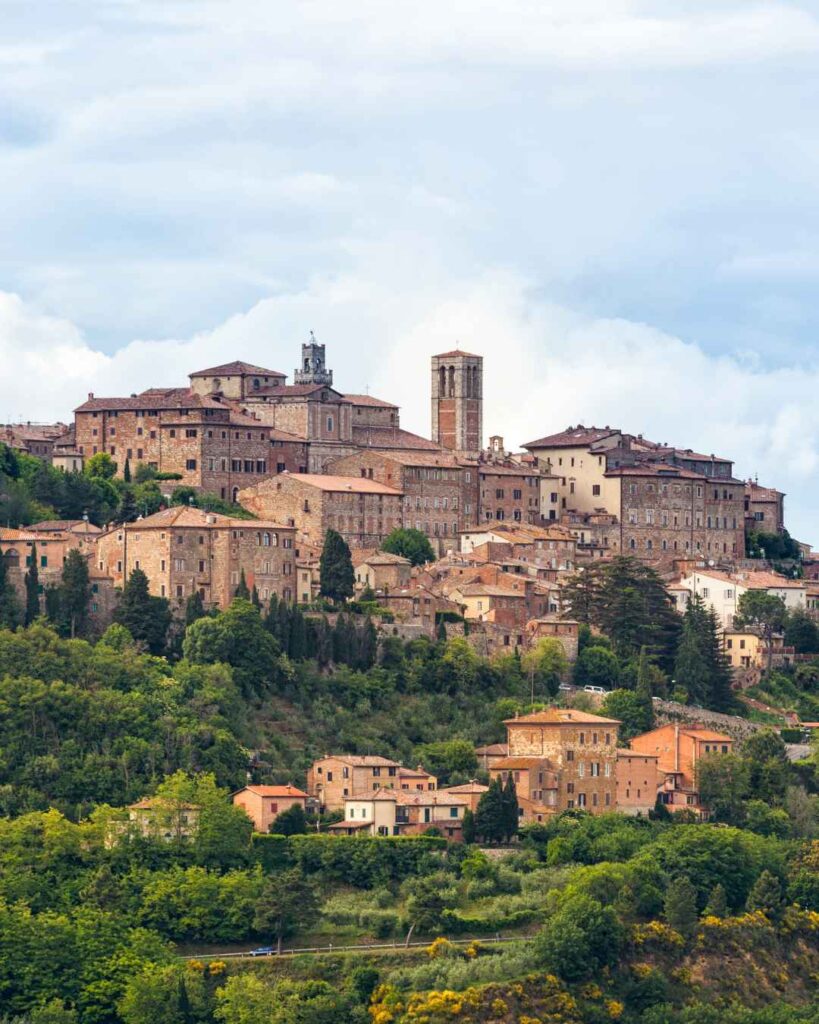
For wine lovers, there is no better base than the hill towns of the Val d’Orcia. Montalcino is the home of Brunello, one of Italy’s greatest red wines. Montepulciano produces the slightly softer Vino Nobile. Both towns sit on ridgetops with sweeping views of cypress-lined roads and golden wheat fields. This area is the Tuscany of postcards and movies.
You absolutely need a car here. The towns are small, and the pleasure is in driving between vineyards, stopping at roadside enotecas, and watching the sunset from a terrace. Nightlife is minimal, so if you need lively bars and late-night restaurants, this is not your base. Budget accommodations are also rare; agriturismos and boutique hotels dominate.
In Montalcino, stay at Il Giglio. This small hotel is inside the fortress walls, just steps from the main square. The rooms are simple but spotless, and the roof terrace serves breakfast with a 360-degree view of the valley. The owners speak excellent English and will arrange wine tastings at nearby cellars. In Montepulciano, choose Albergo Il Marzocco. It is a historic hotel on the main street, with a lovely internal garden and a restaurant that does not disappoint. Both hotels feel personal and are reasonably priced for the wine region.
The Central Hub for Day Trips: Lucca
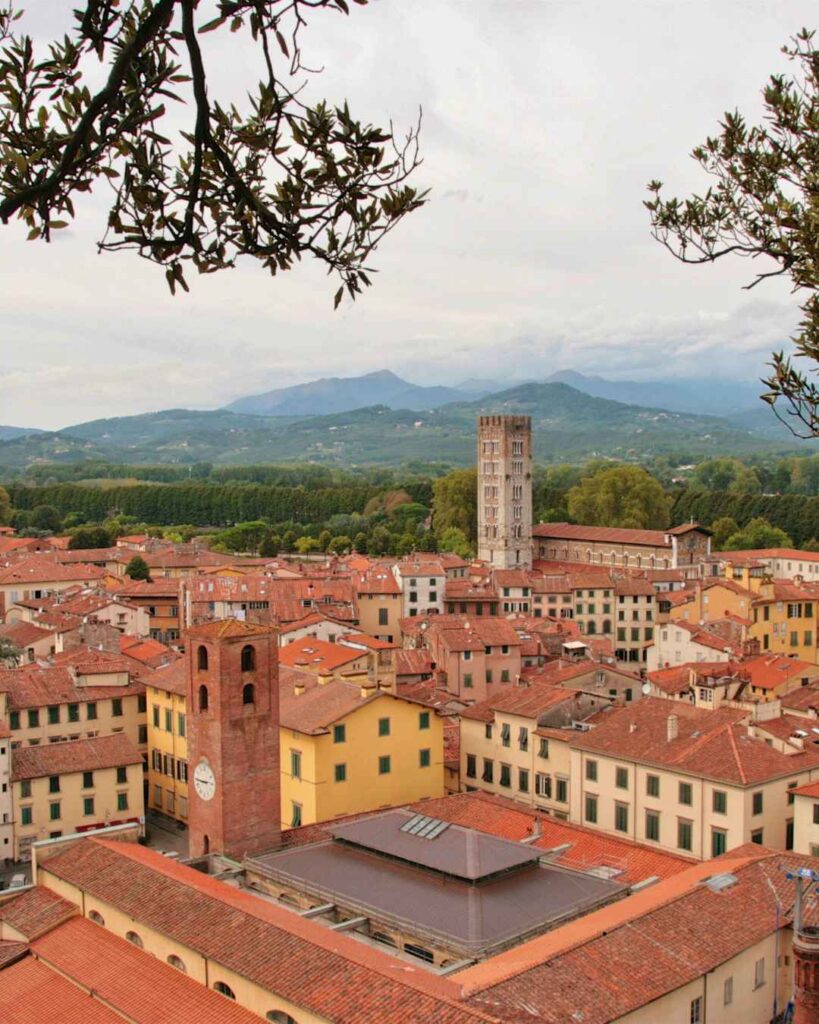
Lucca is a sleeper hit. It is not as famous as Florence or Siena, but for many travelers, it makes the best single base in Tuscany. The city is completely encircled by a wide, tree-lined Renaissance wall that is now a pedestrian and bicycle path. You can rent bikes and ride the full loop in under an hour. The flat terrain and compact historic center make it very easy to walk.
The real advantage of Lucca is its train connections. You can reach Florence in ninety minutes, Pisa in twenty-five minutes, Viareggio and the beach in thirty minutes, and even Cinque Terre with one change. Lucca itself has wonderful churches, a unique elliptical piazza that was once a Roman amphitheater, and excellent restaurants that cater more to Italians than to tourists.
Lucca does not place you in the heart of the classic Val d’Orcia or Chianti wine regions. Day trips to Montalcino or Montepulciano would be too long. But for a week of variety, with a mix of cities, sea, and small Tuscan towns, Lucca is hard to beat. Stay at Hotel Villa La Principessa, a charming villa just outside the walls with free parking and a pool. It is a five-minute walk to the historic center, so you get both countryside peace and urban convenience.
The Thermal Spa and Volterra Zone
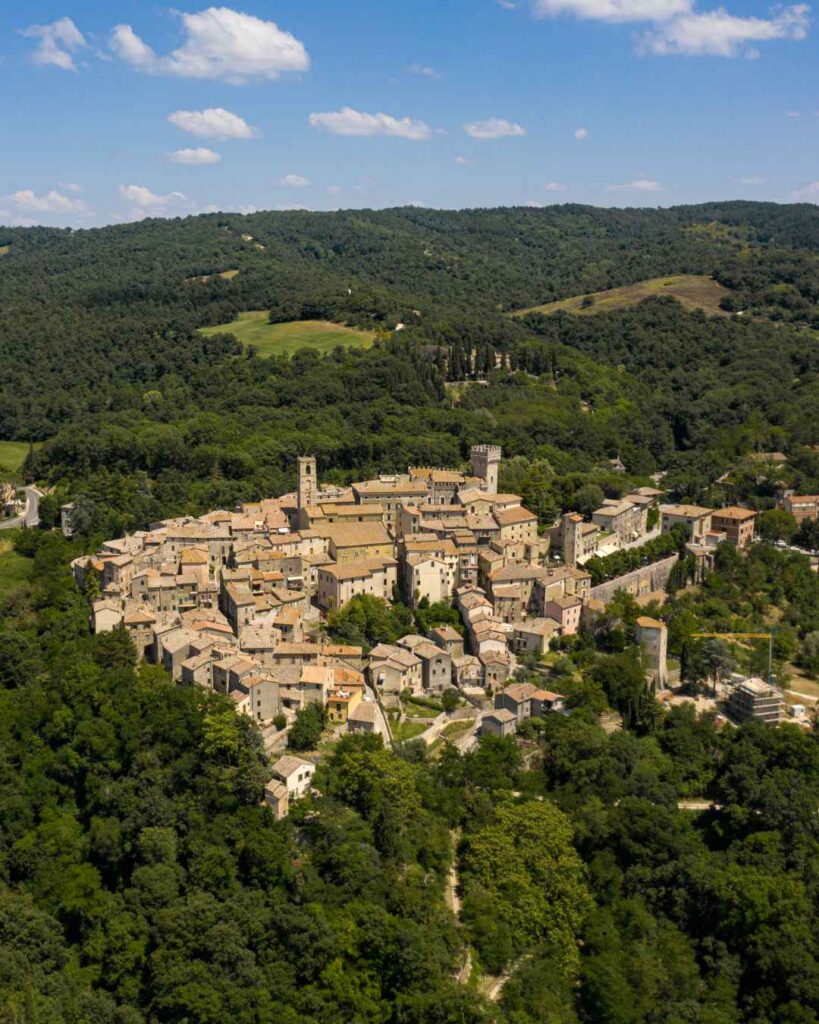
If relaxation is your priority, consider the thermal spa towns of southern Tuscany. San Casciano dei Bagni, Bagno Vignoni, and Saturnia are famous for their hot springs, some natural and free, others built into luxury spas. This area is remote. You will drive twenty minutes for dinner, and you will not see another tourist for hours. That is the point.
These towns work best for a two- or three-night segment of a longer trip, combined with a city base like Florence or Siena. They are not practical for day trips to major sights. But for honeymooners or anyone recovering from a busy work schedule, soaking in a thermal pool at sunset is unforgettable. Stay at Fonteverde Lifestyle & Thermal Retreat in San Casciano dei Bagni. It is expensive but world-class, with thermal pools, a gourmet restaurant, and views over the Orcia Valley. For a more modest option, book a room at Hotel Le Terme in Bagno Vignoni, which has direct access to the historic thermal pool in the village square.
The Etruscan Coast and Beach Base
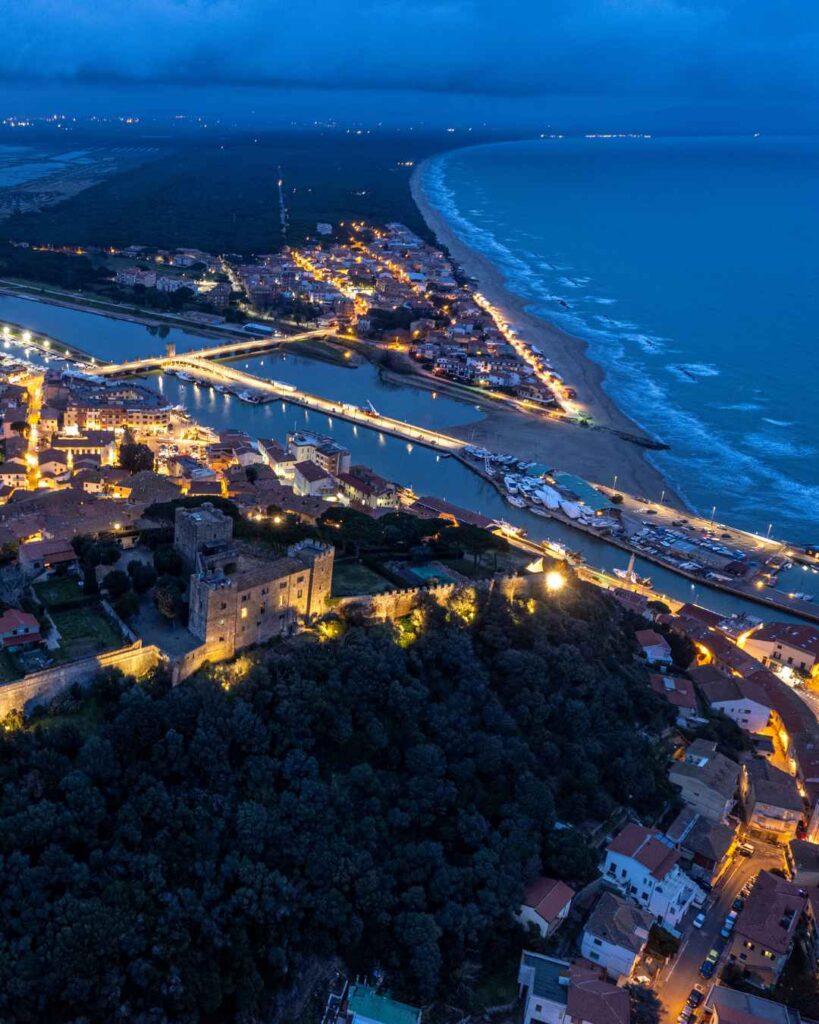
Tuscany has a beautiful coastline that most visitors never see. The Maremma region, along the Tyrrhenian Sea, offers sandy beaches, pine forests, and the chic seaside towns of Castiglione della Pescaia and Porto Ercole. This is where Italians go in August. The water is clear, the seafood is fresh, and the pace is slow.
The downside is distance. From the beach towns, you are at least ninety minutes from Siena and two hours from Florence. This base only makes sense if your primary goal is swimming, sunbathing, and eating grilled fish. You can still take day trips to hill towns like Massa Marittima or to the Parco dell’Uccellina for hiking. But save the art cities for another trip.
For a classic beach stay, choose L’Andana in Castiglione della Pescaia. It is a luxurious resort with a pool, a Michelin-starred restaurant, and easy access to the beach. For something simpler and more affordable, Hotel Riva del Sole offers beachfront apartments and a family-friendly vibe.
The Off-the-Beaten-Path Art Base: Arezzo
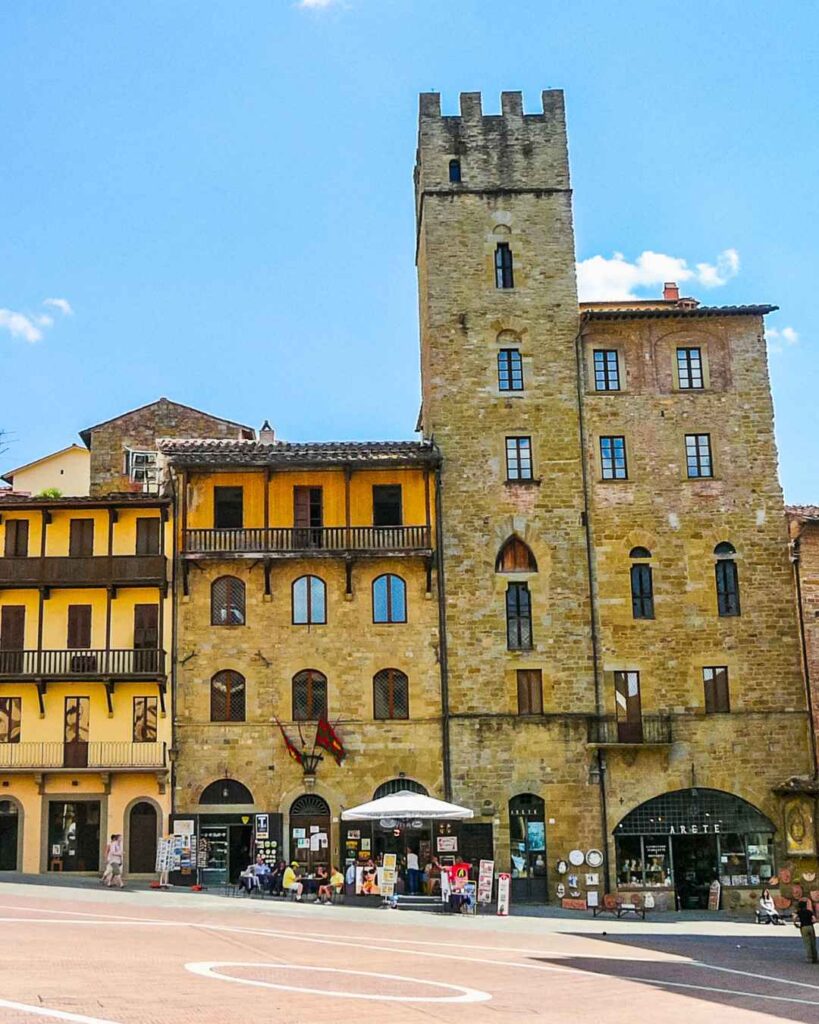
Arezzo is one of Tuscany’s most underrated cities. It has a magnificent Piero della Francesca fresco cycle in the Basilica of San Francesco, a lovely sloping Piazza Grande, and one of Italy’s best antique markets on the first weekend of every month. The train station is well connected to Florence (one hour), Rome (two hours), and Orvieto (ninety minutes). Prices are significantly lower than in Florence.
The trade-off is scenery. Arezzo is in a flatter, more industrial part of eastern Tuscany. You will not step out of your hotel into a fairy-tale landscape of rolling hills. For that, you need to drive fifteen minutes into the surrounding countryside. But if you want a real, working Italian city with great food and no crowds, Arezzo delivers. Stay at Il Borgo, a beautiful bed and breakfast inside a medieval building just off Piazza Grande. The rooms are large and quiet, and the owner, Patrizia, makes a cappuccino that competes with any in Florence.
The Digital Nomad and Slow Travel Base: Cortona
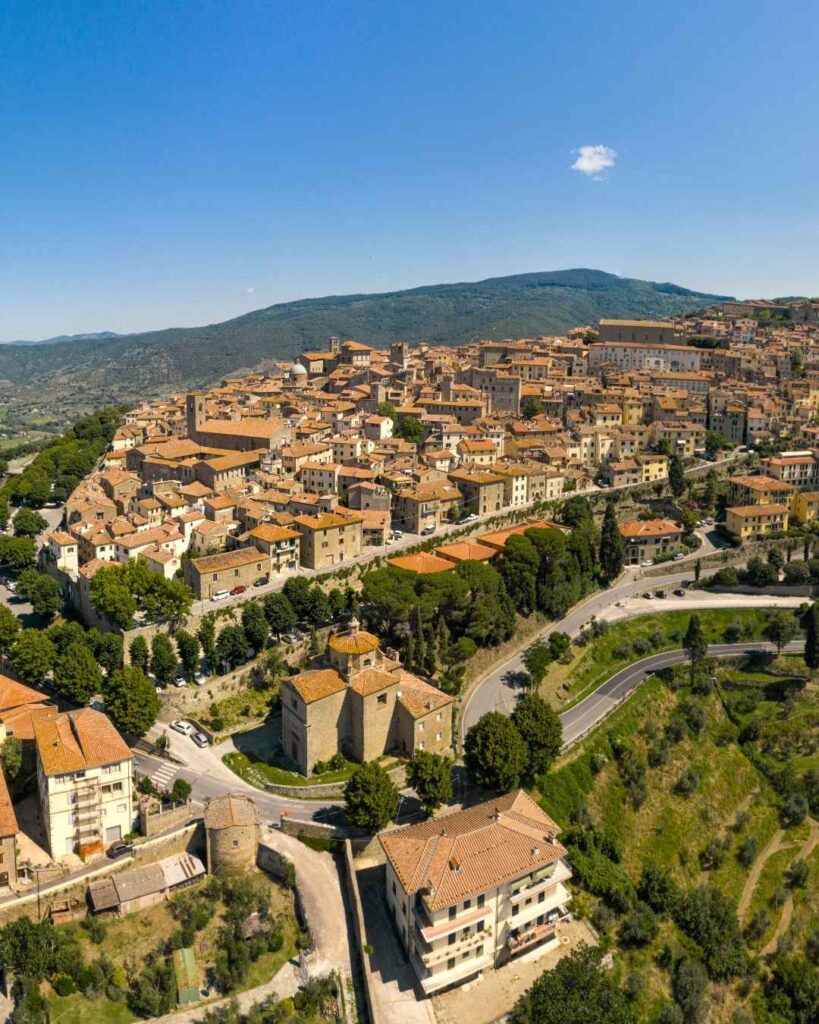
Cortona, made famous by Frances Mayes’s Under the Tuscan Sun, sits high on a hill overlooking Lake Trasimeno. It has a strong expat community, which means good Wi-Fi, English-speaking services, and plenty of rental apartments suitable for month-long stays. The views are spectacular, the hiking is excellent, and the pace is wonderfully slow.
Be warned that Cortona is steep. The main street climbs relentlessly, and your calves will know it. The train station is in the town of Camucia at the bottom of the hill, with a frequent bus connection. For a car-free base, Cortona is possible but not as easy as Lucca or Arezzo. For a long, quiet writing or painting retreat, it is perfect. Stay at Monastero di Cortona, a converted monastery with a cloister garden, simple monastic rooms, and the most peaceful atmosphere in town. For something more luxurious, Villa Marsili offers boutique rooms and a terrace that looks straight out of a movie.
Comparison and How to Choose
To summarize, use this quick decision guide. Choose Florence if you want nonstop museums and train access above all else. Choose Siena if you want medieval beauty without Florence’s crowds but still need walkability. Choose Montalcino or Montepulciano if you are a wine enthusiast with a car. Choose Lucca if you want a flat, bike-friendly base with excellent train connections to multiple destinations. Choose the thermal towns for pure relaxation. Choose the coast for beach time. Choose Arezzo for low prices and real Italian city life. Choose Cortona for a long, slow, creative stay.
If you are traveling as a couple and want to make your wife happy, my best advice is to split your trip. Spend three or four nights in Florence at a hotel like Hotel Davanzati to see the art and soak up the energy. Then move to a countryside base like Montalcino for three nights at Il Giglio, where you can sleep with the windows open to the sound of silence and the smell of vineyards. That combination gives you both the iconic sights and the romantic hills you came for.
Logistics Deep Dive
A few practical details will save you money and stress. ZTL zones are everywhere. Never drive inside Florence, Siena, Lucca, or any walled hill town without explicit permission from your hotel. Always ask your hotel for driving instructions before you arrive. Most will tell you to park at a designated lot outside the walls and will send someone to help with luggage.
For a car-free trip, base yourself in Florence or Lucca. Siena can also work if you plan well. Both have major train stations with frequent service. Siena’s train station is a long downhill walk or bus ride from the center, so it is less convenient. For a car-dependent trip, base yourself anywhere in the Val d’Orcia, Chianti, or Maremma. Just make sure your hotel confirms it has private parking.
Seasonal considerations matter. In July and August, book Florence and Siena at least four months in advance. Air conditioning is not standard in older buildings, so filter hotel searches for AC. In winter, many agriturismos and small hill-town hotels close entirely. Always check directly with the property before booking a December or January stay. The best months for weather and crowds are May, June, September, and October.
Common Mistakes to Avoid
Avoid staying in Florence for a full week. By day four, you will have seen the major sights, and you will be fighting crowds just to eat lunch. Two common mistakes with rental cars are more painful. First, driving into a ZTL by following your GPS. Second, staying at a remote agriturismo that requires a twenty-minute drive to the nearest restaurant. That gets old quickly, especially after wine tasting. Finally, do not ignore train strikes. Italy’s sciopero train strikes happen frequently. Check the schedule before planning a critical day trip, and always have a backup plan.
Related post: Villas vs Agriturismos vs Hotels; Where Should You Stay?
In Conclusion
If you only read one section, remember this. For first-time visitors, Florence plus two to three nights in a countryside base like Montepulciano is the winning formula. For returning visitors, try Lucca or the thermal spas. For travelers without a car, stay in Florence or Lucca. For total tranquility, San Casciano dei Bagni or Cortona. No single base does everything, but the right base for you is the one that makes your mornings easy and your evenings memorable.
NOTE BEFORE YOU GO: Italy rewards travelers who go prepared. And it is easy to ruin your trip. I have a checklist for you of things you should never go to Italy without. CHECK IT OUT HERE. I have also curated a list of some of the best hotels in Italy. I would highly recommend checking them out before booking. THESE ARE THE BEST HOTELS IN ITALY. And for unique experiences, attractions, and tours, don’t book before CHECKING THIS OUT. Thank me later!
By car in Tuscany for a 3 wk stay
Main hub do not mind driving
Please make a route suggestion
Starting where to use as the main hub
There are so many small towns that deserve more recognition.
Portovenere, Lari, Lerici, Peccioli are just a few. But, a am kinda glad they are not so popular.