
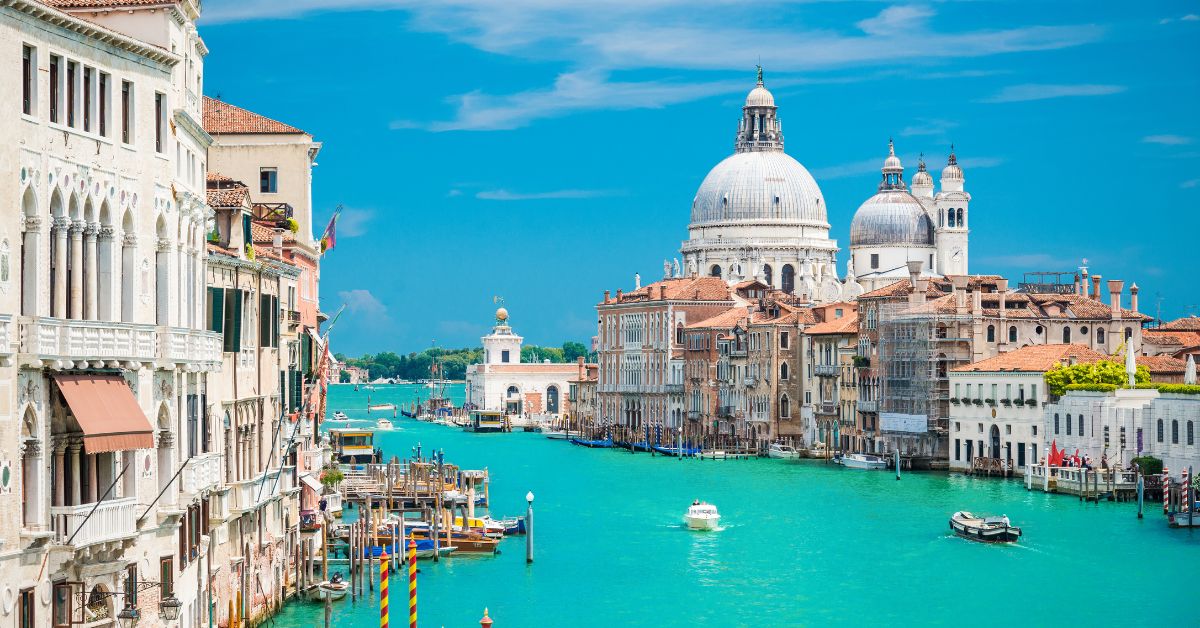
There comes a moment on every trip to Italy when you find yourself standing in front of something—a gondola, a private boat, a bottle of wine on a terrace overlooking the sea—and you ask yourself the question. Is this worth it? The answer, more often than you might think, is yes.
Italy is not a cheap country to visit. The costs sneak up on you, a little more for that meal, a few extra euros for that museum ticket, until suddenly your carefully planned budget has stretched well beyond its original confines. But here is the thing I have learned after years of visiting and making every mistake in the book. Some expenditures are not just worth it. They are essential. They transform a good trip into an unforgettable one. They turn sightseeing into an experience.
I remember standing on a bridge in Venice with my wife, watching a gondola glide silently beneath us, and thinking about how many people call it a tourist trap. And maybe it is. But as the boat drifted into a narrow side canal, away from the crowds, the city became something else entirely. It became quiet, intimate, and utterly magical. That is what a splurge can do. It can give you Italy when no one else is watching.
Before reading further, please take the time to ensure you have packed everything you need for your trip to Italy. See the checklist here.
1. The Gondola Ride
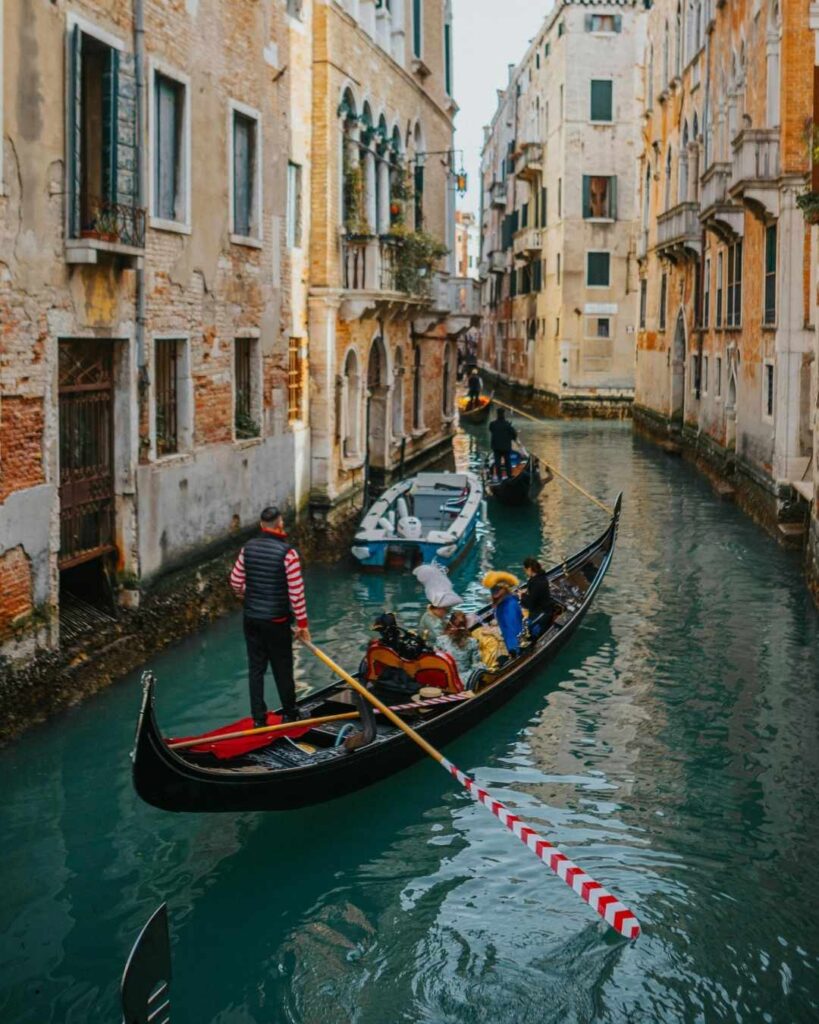
Everyone will tell you that the gondola ride is overpriced and touristy. They are not wrong. At around ninety euros for a daytime ride and over a hundred after dark, it is not a small expense. And yes, you can cross the Grand Canal on a traghetto for a couple of euros and see much the same water from much the same angle.
But here is the difference. A traghetto is a commuter boat. A gondola is a memory.
The gondola ride is worth the money, not because it is efficient but because it is romantic in the truest sense of the word. It is a one-of-a-kind experience, something you cannot do anywhere else in the world. The trick is to avoid the chaos of Piazza San Marco. Hire your gondola from a quieter spot, from Ponte San Polo or somewhere deeper in the city, and ask the gondolier to take you through the side canals. Suddenly, the crowds disappear. The water is still and green. The buildings lean in close, their ancient facades reflected in the lagoon. It is just you, the boat, and the quiet lapping of water against wood.
Some experiences are worth every euro simply because they exist nowhere else. This is one of them.
2. The Private Boat on the Amalfi Coast
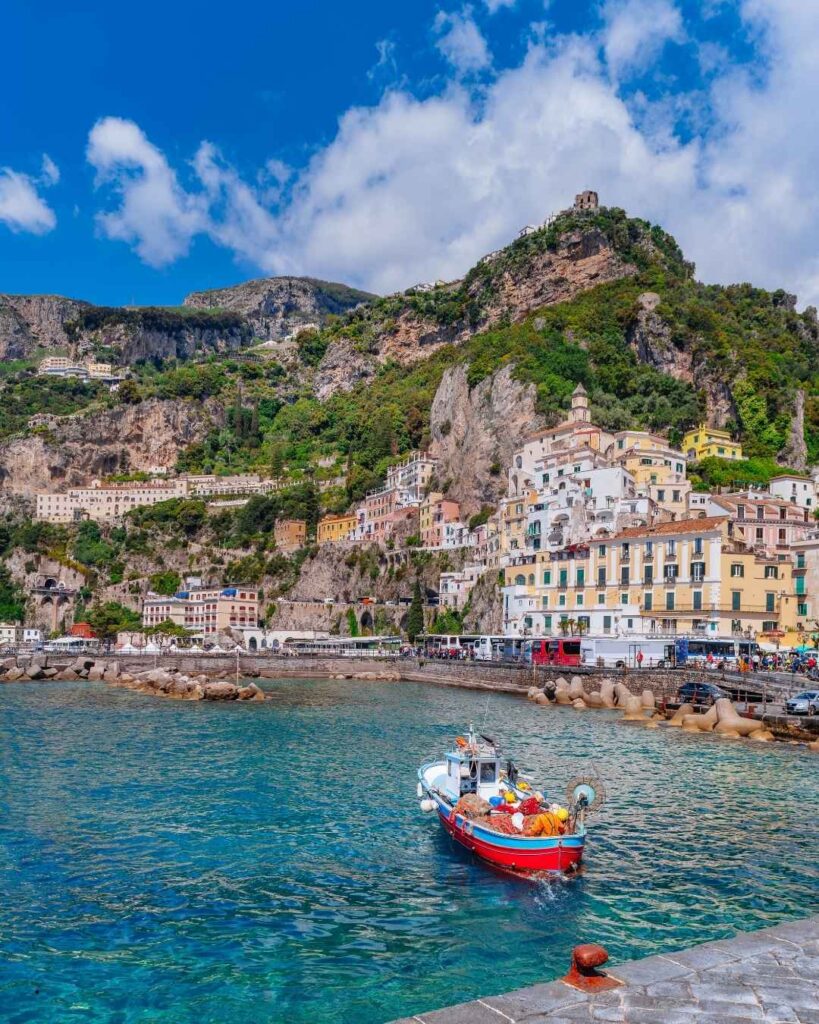
The Amalfi Coast is one of the most beautiful stretches of coastline in the world, and it is also one of the most congested. The roads are narrow, winding, and terrifying. Buses squeeze past each other with inches to spare. Cars crawl along in bumper-to-bumper traffic while the sea shimmers just out of reach, tantalizingly close and yet completely inaccessible.
The solution is to get off the road and onto the water. Renting a private boat with a captain is a splurge that transforms the entire experience. Instead of sitting in traffic, you are gliding along the coast, the cliffs rising above you, the sea stretching out in every direction. You can stop for a swim in a secluded cove. You can visit the islands and hidden spots that are only accessible from the water. You can see Positano from the sea, which is how it was meant to be seen, clinging to the cliffside like a collection of colorful bird nests.
The cost is high. There is no way around that. But when you are floating on the Tyrrhenian Sea, a cold drink in your hand, the sun warm on your face, and the entire coast spread out before you, you will not be thinking about the price. You will be thinking about how you cannot believe you waited so long to do this.
Check the different options here.
3. Staying Overnight in Venice
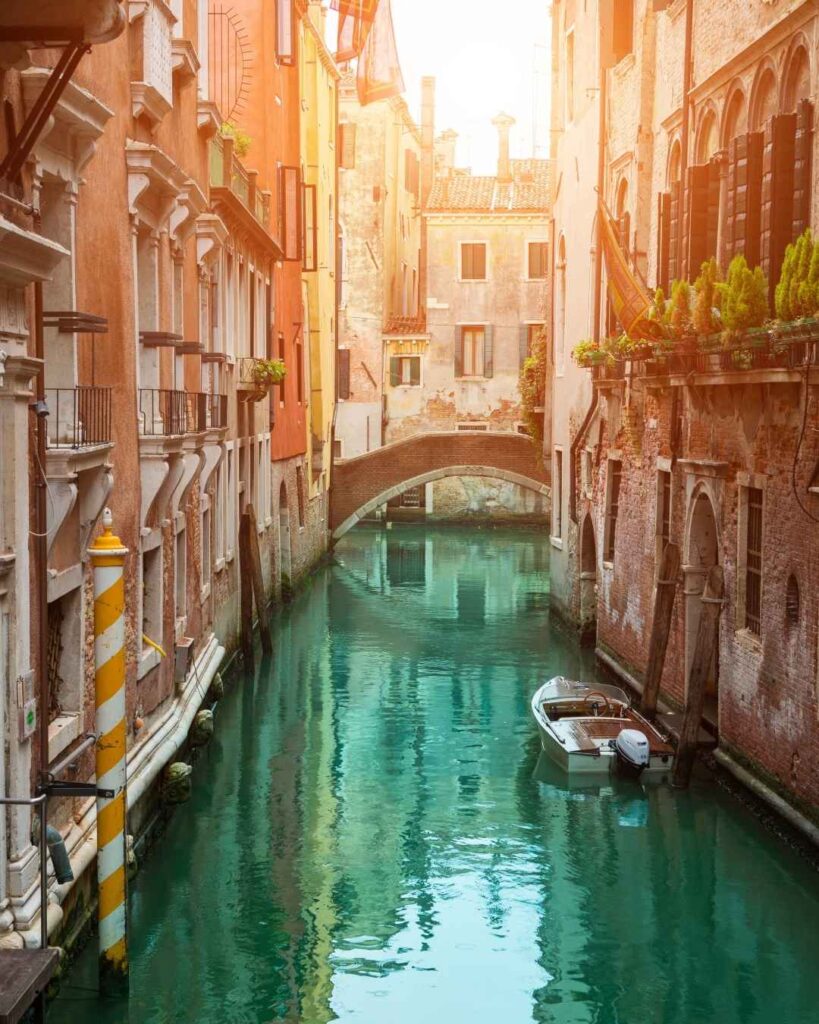
Venice is a city that belongs to two entirely different worlds. By day, it is overrun. The narrow streets choke with tourists. The queues for Saint Mark’s Basilica and the Doge’s Palace stretch for what feels like miles. The vaporettos are packed shoulder to shoulder, and the noise of a thousand conversations bounces off the ancient walls until it becomes a constant, inescapable hum.
But at night, something remarkable happens. The cruise ships depart. The day-trippers filter back to the mainland. And Venice becomes what it was always meant to be, a quiet, shimmering city floating on the water.
The splurge here is not necessarily about staying in a five-star hotel, though that certainly helps. It is about staying overnight at all. Too many visitors treat Venice as a day trip from Florence or Rome, arriving in the morning and leaving in the evening with nothing but crowded memories. They miss the best part. They miss the city when it breathes again.
Walking through Venice after dark, when the streets are nearly empty and the only sounds are footsteps and lapping water, is one of the great travel experiences in the world. The lights reflect off the canals in golden streaks. The piazzas are silent and vast. You feel, for the first time, that you are not a tourist but a guest in a living city. That feeling is worth every penny of an overnight stay.
Read about the different areas to stay in Venice in this post.
4. The Wine Tasting at a Vineyard
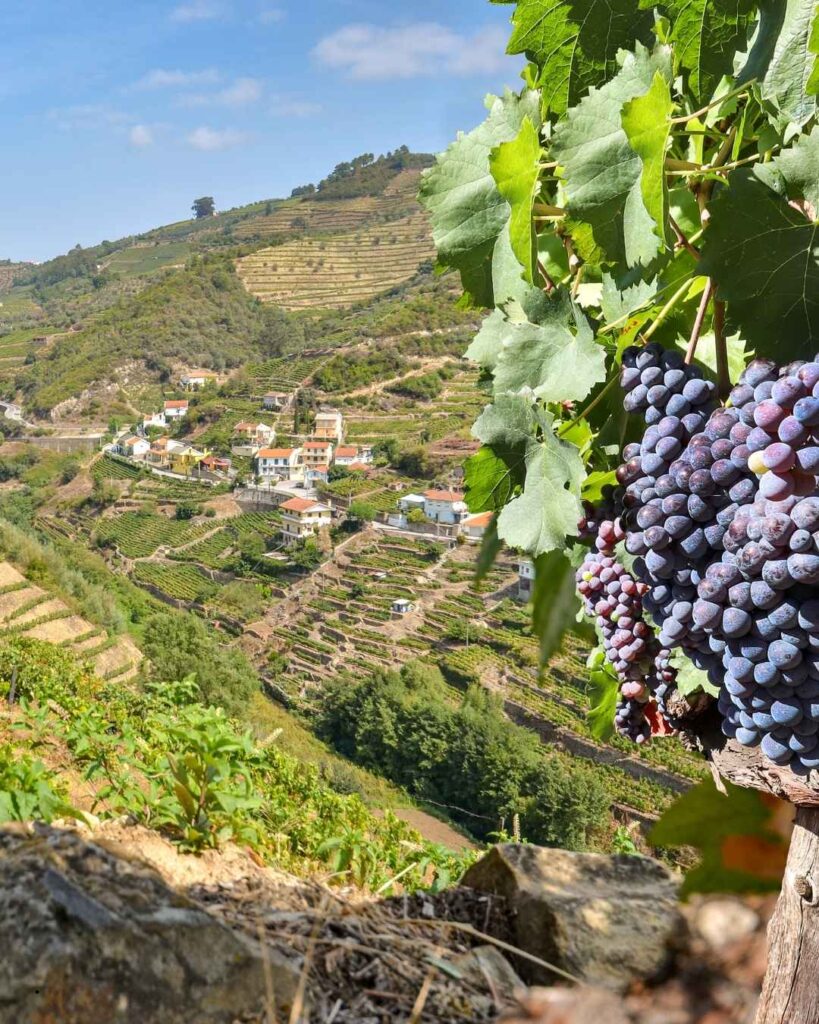
You can drink Italian wine anywhere. You can buy a perfectly decent bottle at a supermarket for a few euros and drink it in your hotel room. But drinking wine at a vineyard, in the place where the grapes were grown, where the soil has been tended by generations, that is something else entirely.
The splurge is not just the tasting itself, though that is usually a modest expense compared to some others on this list. The real value is in the experience. Driving through the rolling hills of Tuscany, past cypress trees and medieval hilltop towns, and pulling into a small estate where the owner greets you personally. Walking through the vineyards, feeling the sun on your shoulders, understanding how the land shapes the wine. Sitting at a long wooden table overlooking the valley and tasting wines that have never left the property.
The sommelier will explain the difference between a Chianti Classico and a Chianti Classico Riserva. They will tell you about the olive oil, the balsamic vinegar, and the pecorino cheese made by the shepherd down the road. You will taste things that are impossible to find anywhere else. And you will realize that wine in a glass is just wine, but wine at its source is a story.
5. Private Tours of Major Sites
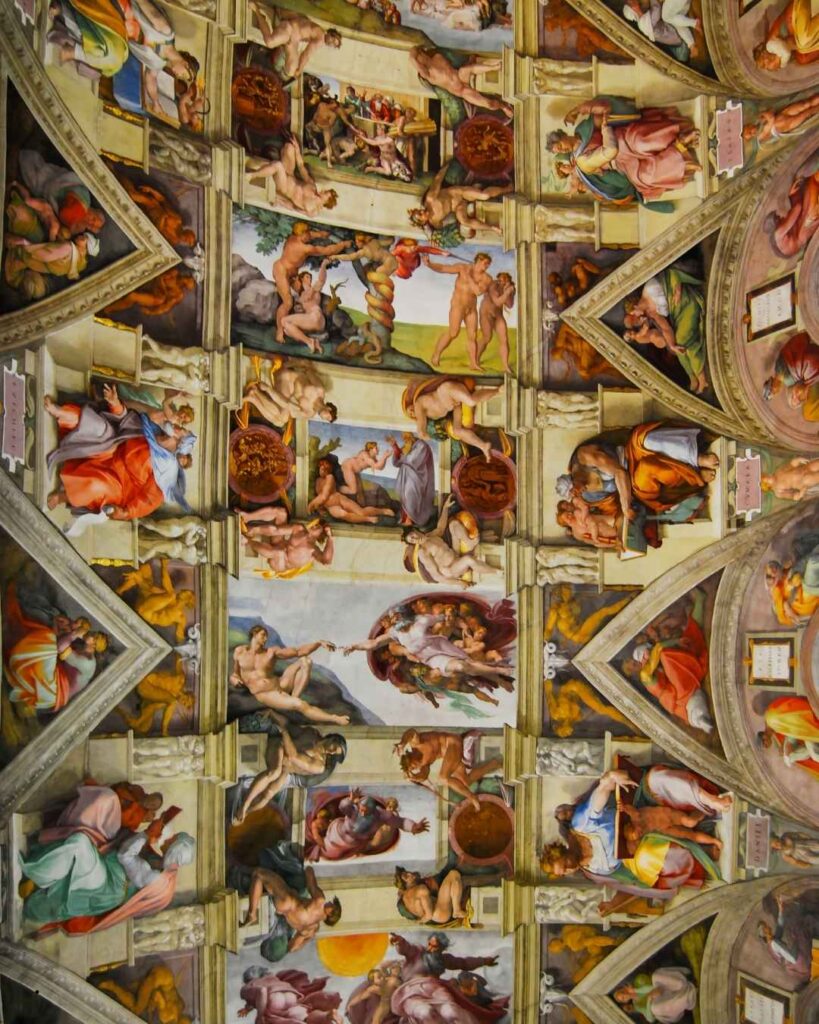
The lines at the Vatican Museums, the Colosseum, and the Uffizi Gallery are legendary. In peak season, you can wait for hours in the blazing sun, shuffling forward inch by inch, your enthusiasm draining with every passing minute. The guided group tours are only marginally better. You are herded through the galleries with dozens of other people, struggling to hear your guide, competing for space in front of the major artworks.
The splurge is a private tour, or at the very least, a skip-the-line ticket that allows you to enter outside the busiest hours. The cost difference is not trivial. A standard ticket might be a few tens of euros, while a private tour can run into the hundreds. But the difference in experience is immeasurable.
With a private guide, you do not wait. You walk past the masses, through doors that are closed to everyone else, and into the Sistine Chapel before it fills with the throng. You stand beneath Michelangelo’s ceiling with perhaps only a handful of other people, and you can actually take it in. You can ask questions, go deeper, and explore the parts of the museum that the crowds rush past. You are not being processed. You are being shown.
These are some of the best private tours in Italy
6. The Cooking Class
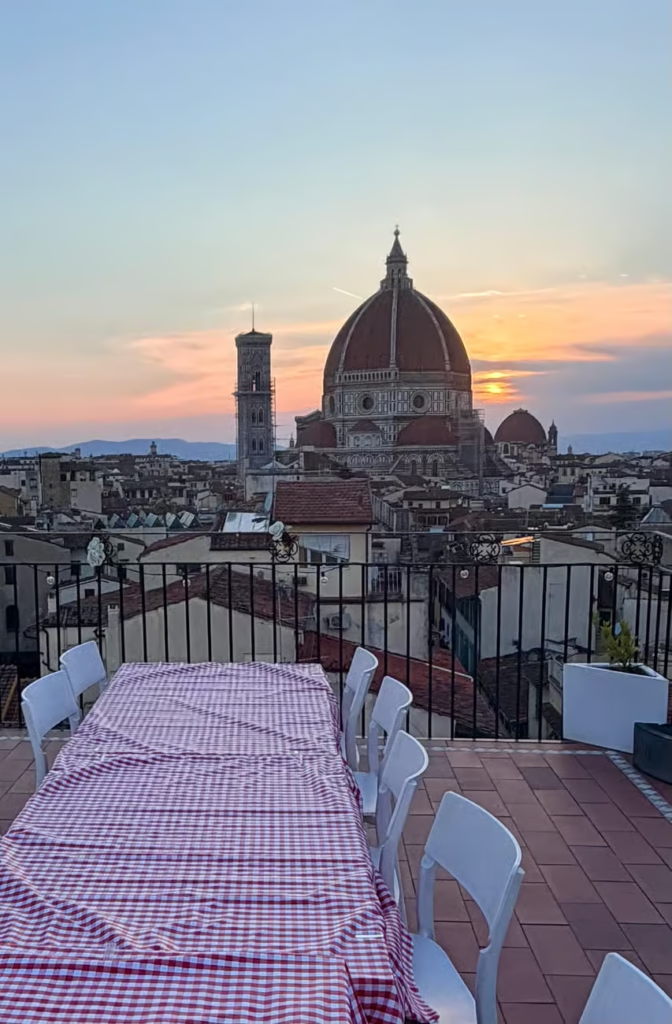
It is one thing to eat Italian food. It is another thing entirely to learn how to make it.
A cooking class, particularly one held in a home or a small local kitchen, is one of the most worthwhile splurges you can make. It is not just about the food, though the food is exceptional. It is about the connection. You are not in a commercial kitchen with fifty other tourists. You are at a farmhouse in the countryside, or in a nonna’s kitchen in a quiet Roman neighborhood, learning to make pasta from someone who has been doing it since childhood.
The instructor will teach you the proper way to make fresh egg pasta, how to roll it thin enough, how to cut it, how to shape it. They will tell you that simple ingredients, flour and eggs and a bit of olive oil, can become something transcendent. You will prepare a meal from start to finish, the kind of meal that Italians eat at home, and then you will sit down and eat it together. There will be wine. There will be laughter. There will be a sense that you have not just eaten Italian food but understood it.
I wrote a separate article about Italian cooking classes. Read it here.
7. The Beach Club on the Italian Riviera
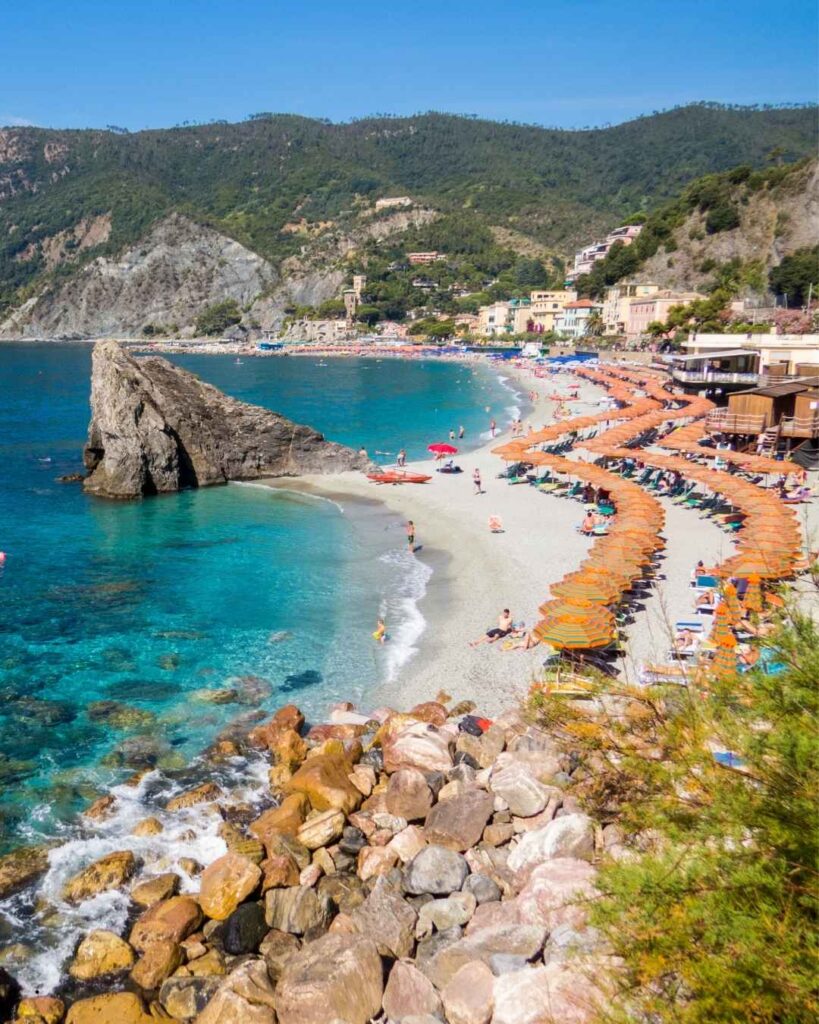
Italy’s public beaches are lovely in their own way. You spread your towel on the sand, you swim in the clear water, and you enjoy the sun without spending a euro. But the private beach clubs, the stabilimenti that line much of the coast, offer something that public beaches cannot. Comfort.
For a daily fee, you get a reserved lounger and umbrella, often with a generous patch of private sand or a wooden deck. You get access to clean restrooms, outdoor showers, and a bar that serves proper espresso and chilled white wine. You can order lunch delivered to your chair, perhaps a fresh seafood salad or a plate of pasta, and eat it with your toes in the sand.
The splurge is not about luxury. It is about peace. On a public beach in August, you are packed in like sardines. At a beach club, you have space. You can read your book in peace, swim at your leisure, and feel like the day is entirely yours. After a long week of sightseeing, of museums and churches and crowded piazzas, a day at a beach club is a reset. Your body needs it, your mind needs it, and your trip will be better for it.
The Splurge You Cannot Plan
Some of the best splurges in Italy are not the ones you plan. They are the ones that present themselves unexpectedly, and you have to decide in the moment. That bottle of vintage Barolo that the sommelier recommends, even though it costs more than your dinner. That handmade leather jacket in a Florence workshop that fits you perfectly, even though you did not intend to buy one. That ride in a vintage Fiat through the hills of Tuscany, even though you had already rented a sensible car.
My wife and I once spent an afternoon following the scent of freshly baked bread through a small Sicilian town, only to find ourselves at a bakery that had been in the same family for over a hundred years. We bought an entire loaf, warm from the oven, and ate it on a bench overlooking the sea. It cost almost nothing. It felt like a fortune.
That is the real splurge, the one worth every penny and more. It is the willingness to say yes when the moment demands it. To buy the painting, to order the dessert, to take the detour, to stay a little longer. Italy rewards boldness. It rewards spontaneity. And the experiences that cost the most are often the ones that give the most back.
Spend where it matters. Skip where it does not. You will leave Italy with a lighter wallet and a fuller heart, and that is a trade worth making every single time.
NOTE BEFORE YOU GO: Italy rewards travelers who go prepared. And it is easy to ruin your trip. I have a checklist for you of things you should never go to Italy without. CHECK IT OUT HERE. I have also curated a list of some of the best hotels in Italy. I would highly recommend checking them out before booking. THESE ARE THE BEST HOTELS IN ITALY. And for unique experiences, attractions, and tours, don’t book before CHECKING THIS OUT. Thank me later!