
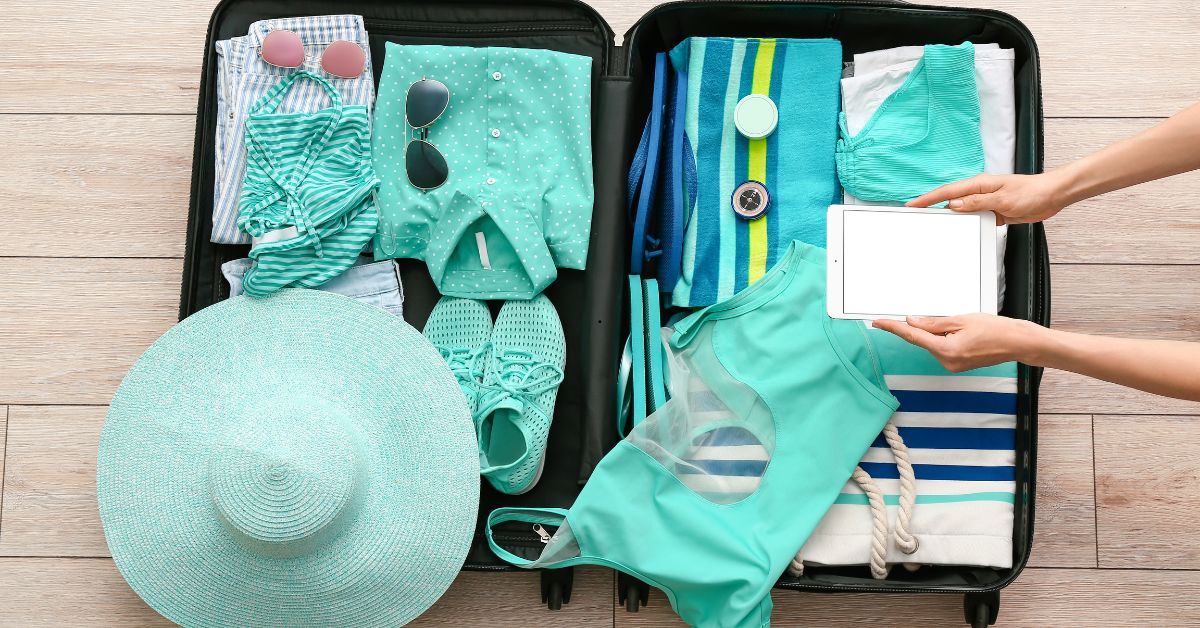
There is a moment, usually about ten minutes into your first walk through a new Italian city, when the weight of your suitcase transforms from a mild inconvenience into a genuine burden. You find yourself dragging your wheelie bag across cobblestones that were laid before your great-grandparents were born, the clatter echoing off Renaissance walls.
At the same time, locals glide past in their linen trousers and leather loafers, carrying nothing but a small crossbody bag and an espresso-scented confidence that you immediately envy. This is the moment when packing mistakes reveal themselves.
I have been that traveler, red-faced and sweating, wrestling a suitcase up a flight of stairs in a Florence hotel that had no elevator. My wife, who had packed with far more restraint, watched from the top of the stairs with an expression that said everything.
Over the years, through trial and considerable error, I have learned that packing for Italy is not about bringing everything you might need. It is about understanding what you actually need and leaving the rest behind.
The Suitcase Itself
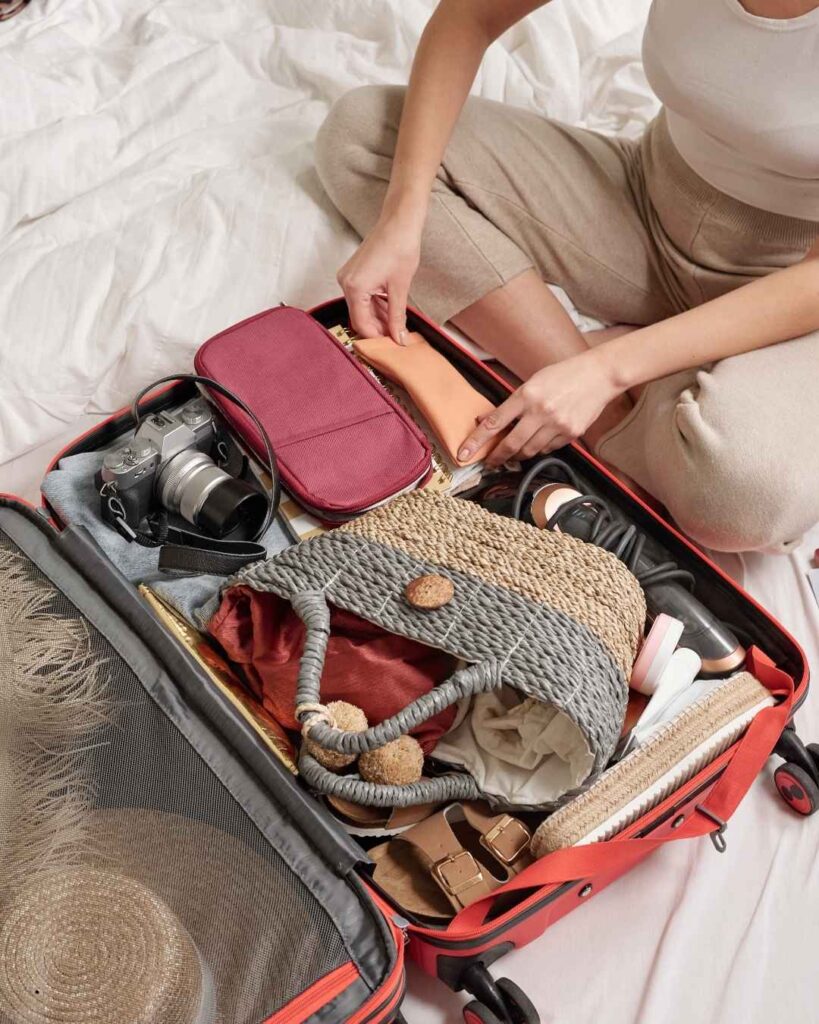
Before we even discuss what goes inside, we need to talk about the container. The most common mistake travelers make is arriving with a suitcase that is simply too large. Italy is not America. The spacious hotel rooms and wide corridors you might be used to do not exist in most historic European cities.
Elevators, when they exist at all, are often tiny, barely large enough for two people standing very close together. Doorways are narrow. Staircases spiral. And the streets, those beautiful, ancient streets, are paved with stones that will rattle your fillings loose if you try to wheel a massive checked bag over them.
The smart traveler packs only a carry-on. This is not a sacrifice. This is liberation. A small, expandable suitcase forces you to curate your wardrobe, to choose pieces that work together, to think carefully about what you actually need for each day of your trip. It also means you can walk off the plane, skip the baggage carousel entirely, and walk straight into your adventure. When you are tired from a long flight, that hour saved waiting for luggage feels like a gift.
And here is another consideration that too few people make: Italy is a shopper’s paradise. The leather in Florence, the ceramics in Deruta, the silk in Como, the cashmere in Rome. If you arrive with a suitcase that is already stuffed to bursting, you will either have to buy another bag to bring home your treasures or, worse, leave them behind. Leaving space in your suitcase is not a packing mistake. It is planning for joy.
I wrote a separate article about the best luggage to bring to Italy. Read it here.
The Style Question
Italians dress with intention. This does not mean they are all walking around in designer suits and heels. It means they take care with their appearance, even for mundane activities. A trip to the market, a morning coffee, an afternoon stroll, all of these are occasions to look put-together. This is the concept of bella figura, the idea that how you present yourself to the world matters.
The mistake tourists make is dressing as though they are on a safari or a trip to the gym. Clunky running shoes, athletic leggings, oversized backpacks, and fanny packs all scream tourist. Worse, they make you stand out in a way that can attract unwanted attention from pickpockets who know exactly who is distracted and unprepared.
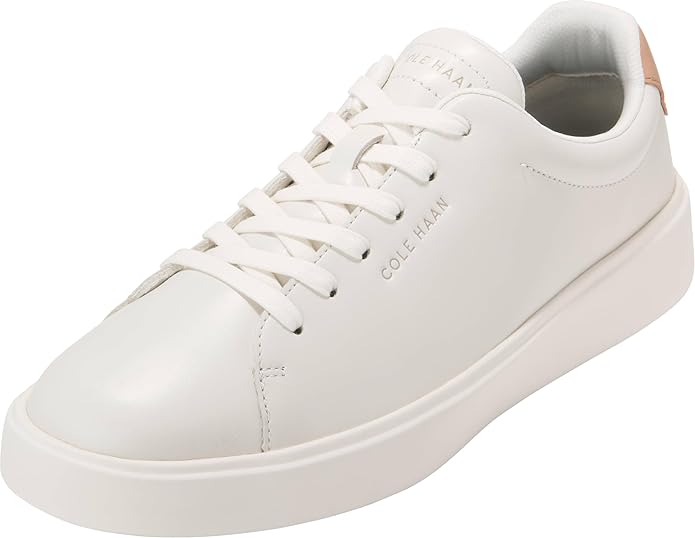
But here is the good news. You do not have to sacrifice comfort for style. The solution is to find clothing that does both. White leather sneakers like these ones, for instance, have become a global staple for good reason. They are comfortable enough for walking all day, they look clean and intentional, and they pair beautifully with almost anything. Similarly, wide-leg linen trousers are breathable, elegant, and far more comfortable than jeans on a hot Roman afternoon.
The key is to build a capsule wardrobe, a small collection of mix-and-match pieces in a cohesive color palette. Neutrals work best because everything goes with everything. You can dress up for dinner with a silk scarf or a piece of jewelry, and dress down for sightseeing by swapping your loafers for sneakers. Three tops, two bottoms, one dress, one light jacket, and a pair of comfortable shoes for walking plus one slightly dressier pair for evening. That is truly all you need for a week, and possibly longer if you are willing to do a small sink wash.
The Footwear Question
Let us talk about shoes because this is where so many trips go wrong. Italy is a country you experience on foot. You will walk more than you think you will. The distances between sights in Rome or Florence are deceptive on a map, and the allure of a charming side street will pull you far off your intended route. You will climb hills, descend into crypts, and walk through gardens. Your feet will carry you through all of it, and they will remember every mile.
The mistake is packing the wrong shoes. High heels are obvious folly, and yet every year someone limps through the Spanish Steps in stilettos, cursing her choices. Flip-flops are equally problematic. They offer no support, they are inappropriate for anywhere but the beach or pool, and in some places like the Cinque Terre, hiking in them is actually forbidden.
The correct approach is to bring two pairs of shoes, no more. Your primary pair should be comfortable, supportive, and stylish enough for daytime sightseeing. Leather trainers work wonderfully. So do sturdy sandals with some arch support. The second pair should be slightly dressier, perhaps loafers or ballet flats, something you can wear to dinner without feeling underdressed.
And do not forget to break in your shoes before you leave. There is no pain quite like the pain of blisters forming on day one of a two-week trip. Wear your new sneakers around the neighborhood for a few weeks before you go. Give your feet time to adjust. They will thank you.
I have written a separate article on the best shoes to wear in Italy. Read it here.
The Weather Reality
Italy has a famously pleasant climate, but pleasant does not mean predictable. Many travelers assume it will be hot everywhere in summer and mild everywhere in winter, and they pack accordingly. This is a mistake. Summer in Rome is scorching, with temperatures that can soar well above ninety degrees Fahrenheit, while summer in the mountains or along certain coastal areas can be surprisingly cool in the evenings. Winter in Milan or Venice is bitterly cold and damp, while winter in Sicily is far more temperate.
Air conditioning is another area where expectations often diverge from reality. Italian hotels and public buildings do not blast the air conditioning the way American ones do. The AC is often gentler, sometimes turned off entirely during certain hours, and rarely powerful enough to cool a room that has been baking in the Mediterranean sun all day. If you are traveling in the height of summer, you will need to plan for this.
Layers are the answer. A light cardigan or shawl should be in every suitcase, regardless of the season. In summer, it protects your shoulders from the sun during sightseeing and provides warmth in aggressively air-conditioned restaurants. In spring and fall, it is essential for cool mornings and evenings. In winter, you will want heavier layers, a proper coat, a hat, gloves, and a scarf.
Rain is another factor that catches travelers off guard. Italy has rainy seasons, and even in summer, sudden downpours are not uncommon. A compact travel umbrella is a wise investment, as are waterproof shoes or at least shoes that will not be ruined by a wet street. Nothing ruins a day quite like squelching through Rome in soggy canvas sneakers.
The Church Dress Code
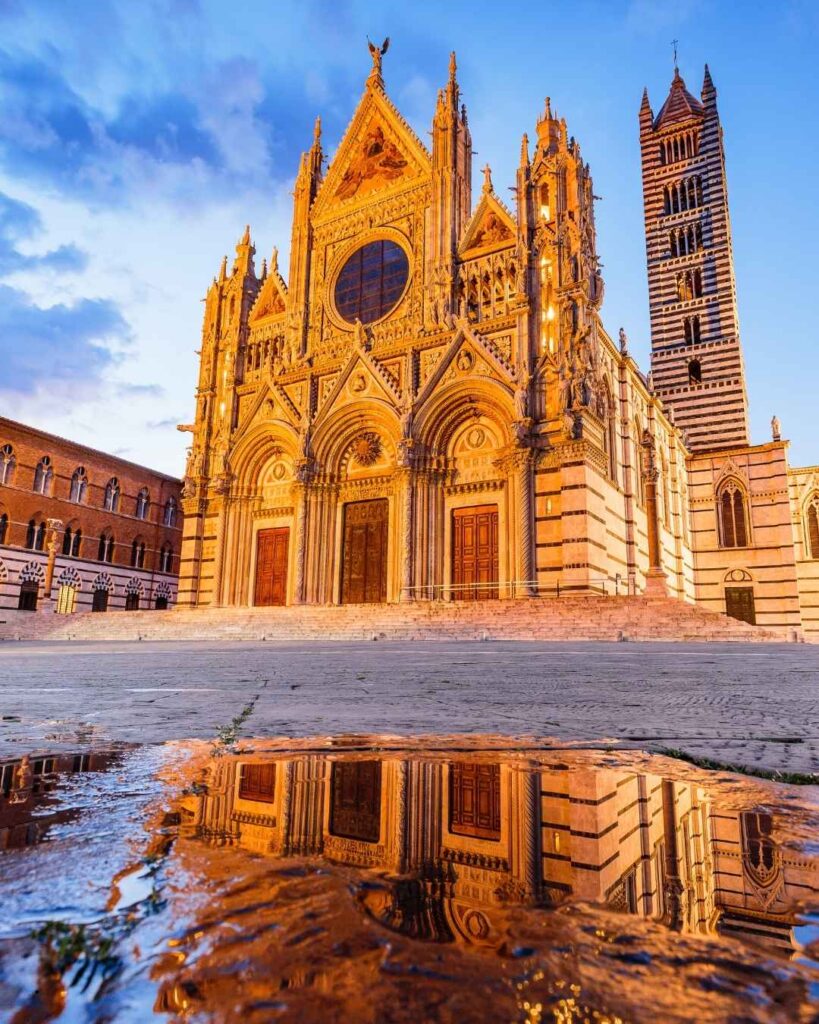
Italy is home to some of the most magnificent churches in the world, and they are not merely tourist attractions. They are active places of worship, and they expect visitors to treat them with respect. This means following a dress code that is both clear and strictly enforced.
The mistake is assuming that you can wear shorts, a short skirt, or a sleeveless top into any church. You cannot. At St. Peter’s Basilica in Rome, at the Duomo in Florence, at pretty much any major religious site in the country, you will be turned away at the door if your shoulders or knees are bare. I have seen people in tears over this, having waited in line for an hour only to be refused entry because they wore tank tops on a hot day.
The solution is elegantly simple. Pack a large scarf, like this one or a pashmina. This one small item can save your day. If you are wearing a sleeveless dress, drape it over your shoulders. If you are wearing shorts, wrap it around your waist like a skirt. It is quick, it is respectful, and it means you will never be denied entry to a church again.
For men, the same rules apply. No shorts, no sleeveless shirts. Lightweight linen trousers are a much better choice than cargo shorts anyway, and they look far more appropriate for both sightseeing and dinner.
The Money Question
Italy is a modern country with modern payment systems. Credit cards are accepted almost everywhere, and contactless payments are increasingly common. And yet, cash remains essential in ways that surprise many visitors.
The mistake is assuming you can pay for everything with a card. Try buying a coffee at a small local bar, the kind where you stand at the counter and drink your espresso like a proper Italian, and you will find that the minimum card transaction is often five euros. Your two-euro coffee becomes impossible to pay by card. The same goes for a gelato, a newspaper, a bus ticket from a small kiosk, or a souvenir from a street market. These small, delightful, quintessentially Italian purchases are almost exclusively cash transactions.
The solution is to carry euros, and specifically to carry small bills and coins. A fifty-euro note is often as unwelcome as a credit card for a small purchase. Keep a supply of fives, tens, and coins in your crossbody bag. You will use them every single day.
At the same time, do not carry all of your cash at once. Spread your money and cards across different places. A bit in your bag, a bit in a money belt if you are particularly worried, a backup card left in your hotel safe. Italy is generally safe, but pickpockets do operate in crowded tourist areas, and being prepared is simply sensible.
The Technology Trap
Your phone is your map, your camera, your translator, your restaurant finder, and your connection to home. It is the single most useful item in your suitcase, and its battery will die at the worst possible moment if you are not prepared.
The mistake is leaving the hotel without a power bank. Navigating the winding streets of Venice or the alleyways of Naples drains your battery faster than you expect. You take photos, you check directions, you look up opening hours, you translate a menu, and suddenly your phone is at fifteen percent and you are miles from your hotel with no idea how to get back.
A portable charger is non-negotiable. Look for one with enough capacity for at least one full phone charge. You will use it daily, and you will be grateful every time you do.
The other technology consideration is the power adapter. Italy uses Type C, F, or L plugs with 230 volts of power. If you are coming from the United States or the UK, your devices will not plug directly into the wall. A universal adapter with USB ports is ideal because it allows you to charge multiple devices from a single outlet, and hotel rooms rarely have more than one or two usable sockets.
And please, do not forget to check that your adapter is designed for Italy specifically. A British adapter will not work, and neither will an American one. The pins are different, the voltage is different, and assuming otherwise is a mistake you will only make once.
The Health and Comfort Essentials
There are a few small items that do not take up much space but can dramatically improve your trip. Sunscreen is one. The Italian sun is stronger than you think, and a sunburn on day two of your vacation will ruin everything. Bring high-SPF sunscreen and reapply it throughout the day. Your skin will thank you.
A water bottle is another small item with outsized importance. Italy has public drinking fountains, called fontanelle, in most cities, and the water is fresh, cold, and perfectly safe. Refilling your bottle throughout the day saves you money and keeps you hydrated. In the summer heat, dehydration is a real risk, and having water on hand at all times is not just convenient but essential.
Hand sanitizer is wise. You will be touching ancient railings, shaking hands with locals, handling money, and eating with your hands. A small bottle of sanitizer in your bag is a simple precaution that pays off.
Medication deserves special attention. If you take prescription drugs, bring enough for your entire trip plus a few extra days in case of delays. Bring them in their original packaging to avoid any issues with customs. Over-the-counter remedies for headaches, stomach upsets, and allergies are also worth packing. Finding a pharmacy, a farmacia, is easy enough, but the last thing you want to do when you feel ill is navigate a foreign pharmacy in a language you do not speak fluently.
I have a separate post on all the Italy essentials you need to pack. Check it out here.
The Final Packing Philosophy
The best travelers pack not for every possible scenario but for the most likely one. They accept that they will not need four sweaters for a summer trip, nor will they need a formal gown for dinner. They trust that if they truly need something, they can buy it in Italy, and honestly, buying a beautiful Italian leather bag or a silk scarf is hardly a hardship.
The best packing advice I ever received came from my wife, who observed after our first disastrous trip that we had packed for a version of Italy that did not exist. We had packed too much, packed the wrong things, and spent the first few days of our vacation feeling burdened rather than free. We learned from that mistake, and our subsequent trips have been far more joyful because of it.
Pack light, pack stylishly, and pack with intention. Leave the running shoes for the gym, the big backpack for the wilderness, and the gigantic suitcase for a trip where you will not be walking on cobblestones. Pack like a local would, prioritizing quality over quantity and comfort over excess. And above all, remember that you are going to Italy to experience its wonders, not to carry your entire wardrobe across them.
When you walk through that piazza for the first time, when you see the Duomo rising above the city, when you taste the perfect gelato on a warm evening, the last thing you will want to think about is your suitcase. Pack well enough that you can forget it exists. That is the goal. That is the secret. And once you achieve it, you will never travel any other way.
NOTE BEFORE YOU GO: Italy rewards travelers who go prepared. And it is easy to ruin your trip. I have a checklist for you of things you should never go to Italy without. CHECK IT OUT HERE. I have also curated a list of some of the best hotels in Italy. I would highly recommend checking them out before booking. THESE ARE THE BEST HOTELS IN ITALY. And for unique experiences, attractions, and tours, don’t book before CHECKING THIS OUT. Thank me later!