
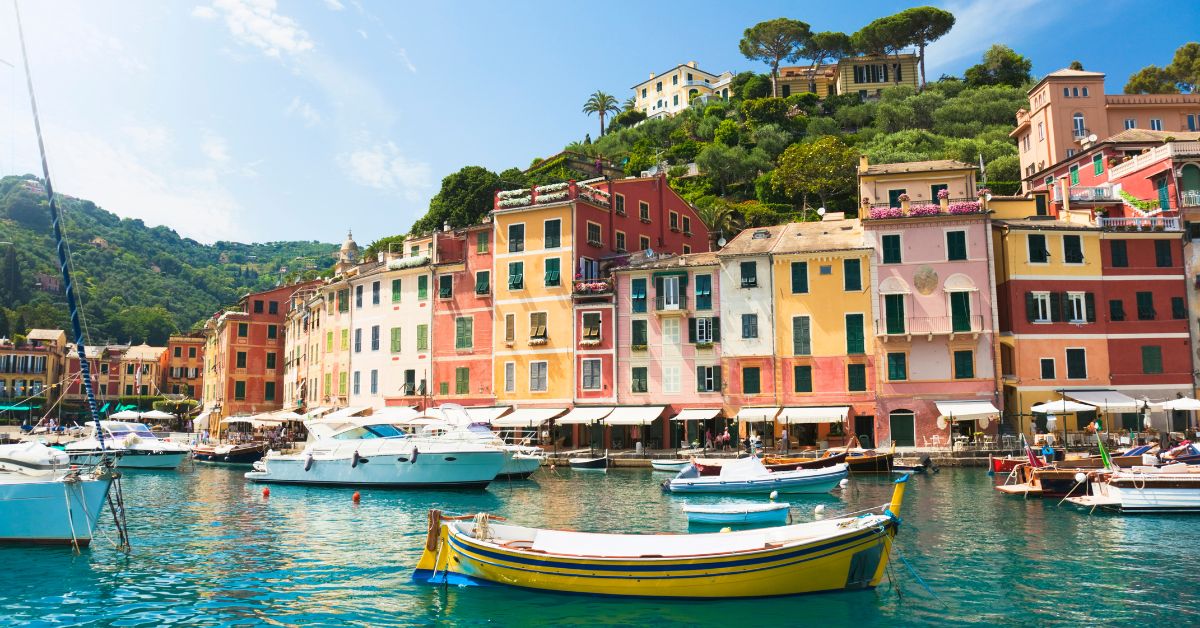
The Italian summer is a seductive promise. You picture yourself draped across a sun lounger on the Amalfi Coast, a spritz in hand, the Mediterranean glittering like scattered diamonds. You imagine strolling through Florence in a flowing linen dress, gelato dripping down your wrist, the golden light of the Tuscan evening casting everything in a warm glow. And all of that can happen. It really can. But only if you pack correctly.
Here is the uncomfortable truth about Italian summers. They are brutally hot, gloriously sunny, and occasionally, completely unpredictable. You will walk more than you ever thought possible. You will sweat through outfits you were certain were summery enough. You will enter churches that require covered shoulders and leave them grateful for the air conditioning, only to step back outside into a wall of heat that steals your breath.
Packing for an Italian summer is a strategic exercise. It requires balance, restraint, and a clear understanding of what you actually need versus what you think you need. This guide will help you get it right.
Start With the Luggage
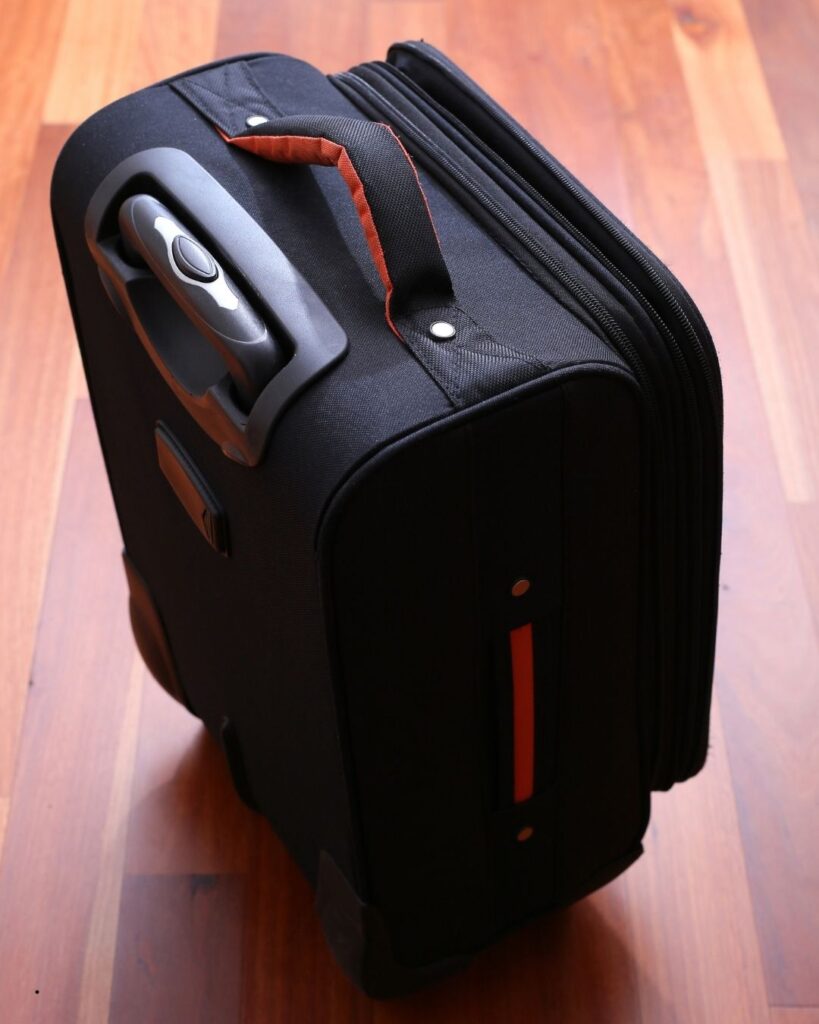
Before anything else, commit to a carry-on. I cannot say this strongly enough. The Italian summer is not the time for a giant checked bag. You will be moving more than you expect, changing cities, navigating train stations, dragging your belongings across sun-baked cobblestones. Every extra kilogram feels like ten in the August heat.
A small, lightweight suitcase or a soft-sided duffel with wheels is ideal. Leave the hard-sided behemoth at home. You want something that fits in the overhead bin of a budget airline, something you can lift easily, something that does not make you hate your life when you have to carry it up four flights of stairs in a Rome hotel with no elevator.
And leave empty space. I mean it. Italy in summer is a shopper’s paradise. The sales, the markets, the boutique leather shops, they all beckon. You will find things you did not know you needed, and you will want to bring them home. A half-empty suitcase is an invitation to discovery. Read more about the best bags to bring to Italy in this post
Fabric Is Everything
The single most important decision you will make, more important than the color of your dress or the cut of your trousers, is the fabric you choose to wear. In the Italian summer, not all fabrics are created equal.
Linen is your best friend. It breathes, it wicks moisture, it looks effortlessly chic even when it wrinkles, which it will, and that is part of its charm. Cotton is also excellent, particularly lightweight weaves that allow air to circulate. Silk is lovely for evenings, though it requires a bit more care. Wool, polyester, and heavy blends are your enemies. They trap heat, they cling to sweat, and they will make you miserable.
Look for loose silhouettes like these ones. Tight clothing in the summer heat is not just uncomfortable. It is visually sweaty. Flowing dresses, wide-leg trousers, airy blouses, and oversized shirts all allow air to move across your skin and keep you cooler. The Italians understand this. Watch how they dress in the cities. They are covered, yes, but everything moves. Nothing clings.
The Shoes
This is where so many summer packing lists go wrong. The temptation is to pack sandals and nothing else. And sandals are wonderful. But they are not enough.
You need three pairs of shoes at most, and each one serves a distinct purpose. The first is a pair of comfortable, stylish walking shoes. White leather sneakers are the modern classic. They go with everything, they look intentional rather than athletic, and they provide the support your feet desperately need after ten miles of sightseeing. Break them in before you leave.
The second pair is supportive sandals. Not flip-flops. Not flimsy flat sandals with no arch support. Something with a bit of structure, perhaps with an ankle strap for stability, that you can wear when it is simply too hot for sneakers. The Romans wear sandals. So do the Florentines. But they wear nice ones.
The third pair is something slightly dressier for evenings. Loafers, ballet flats, or elegant sandals with a small heel. You will want to look put together for dinner, and your tired sightseeing shoes will not cut it. This pair can be packed flat and takes up almost no space.
I have written a separate post about the shoes to pack for Italy. Read it here.
The Eternal Church Question
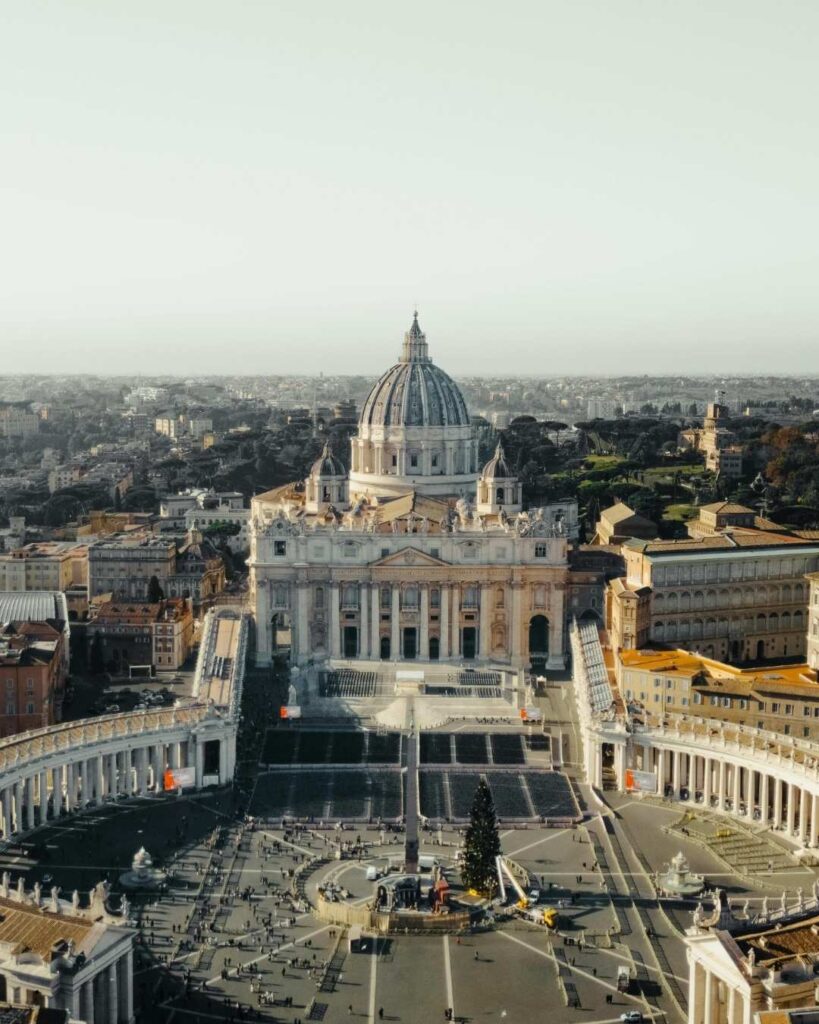
The churches of Italy are some of the most magnificent places on earth. They are also some of the most strictly regulated. In the summer, when you are desperate to wear as little clothing as possible, the dress code becomes a genuine challenge.
The rule is simple and absolute. No bare shoulders. No bare knees. This applies to both men and women. You will be turned away from St. Peter’s, from the Duomo in Florence, from countless other cathedrals, if you show up in a tank top or shorts. It does not matter how hot it is. The rule does not bend.
The solution is a lightweight scarf or pashmina. This single item solves everything. Drape it over your shoulders when you enter a church, wrap it around your waist like a skirt if you are wearing shorts, and remove it the moment you step back outside. It weighs nothing, takes up no space, and saves you from missing some of the most breathtaking art and architecture in the world.
For women, a maxi skirt or a midi dress that falls below the knee is also a smart choice. For men, lightweight trousers are infinitely better than shorts anyway. They look more polished, they protect your legs from the sun, and they keep you cooler than you might expect.
The Hat and Sun Protection
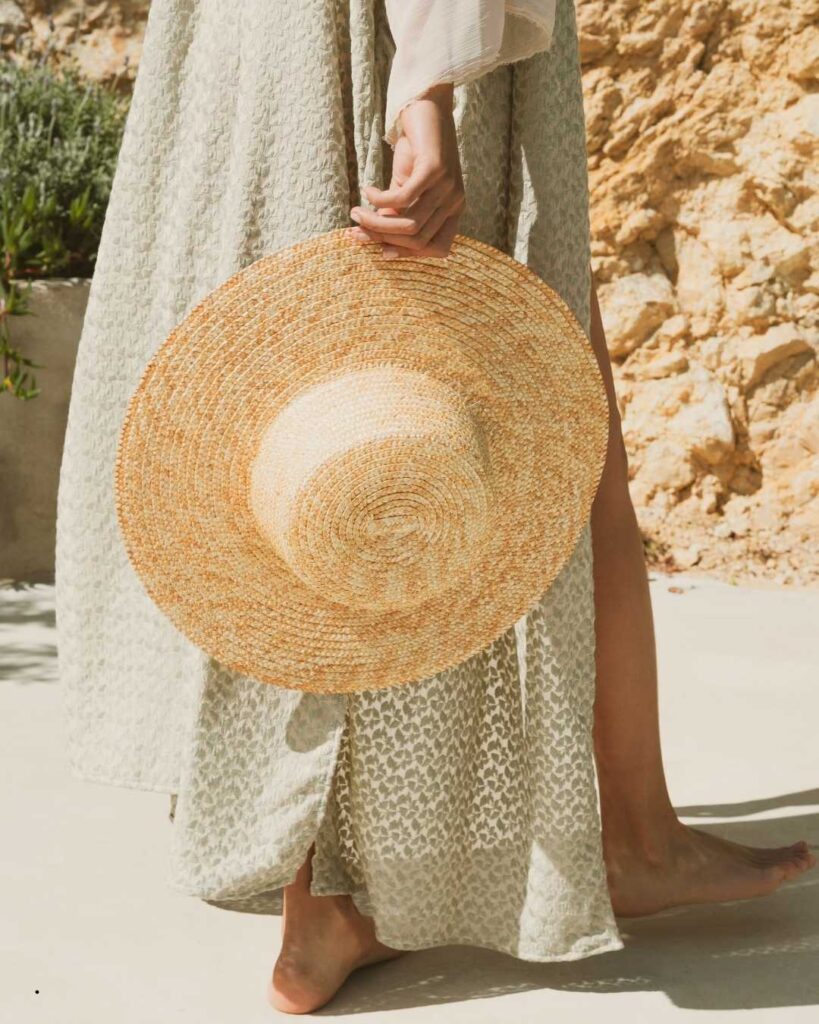
The Italian sun is no joke. It is not the soft, forgiving sun of northern climates. It is intense, direct, and relentless. You will feel it on the back of your neck within minutes of stepping outside. You will see tourists with bright red shoulders and regretful expressions. Do not be one of them.
A wide-brimmed hat is essential. Not a baseball cap, which leaves your ears and neck exposed, but a proper sun hat with brim all the way around. It keeps the sun off your face, it looks stylish, and it makes a significant difference in how hot you feel. The straw hats you see everywhere in Italy are not just accessories. They are practical tools.
Sunscreen is equally non-negotiable. Bring a high-SPF, broad-spectrum sunscreen and apply it before you leave your hotel each morning. Reapply throughout the day, especially after swimming or sweating. Your shoulders, your nose, your ears, and the tops of your feet all need protection. A sunburn on day two of a two-week trip is a disaster.
Sunglasses are the third piece of the puzzle. The glare off white marble and pale stone is intense. Quality polarized sunglasses will save you from squinting through every photo, and they instantly make any outfit look more put together.
The Bag
A backpack is a mistake. I know it seems practical. Two straps distribute the weight evenly. You can carry your water bottle, your guidebook, your purchases, all of it. And every single Italian pickpocket will see you coming from a mile away.
The better choice is a crossbody bag. It keeps your valuables in front of you, where you can see them. It leaves your hands free. It looks infinitely more stylish than a backpack. And it forces you to carry less, which is always a good thing.
Look for something with a secure zipper and enough room for your essentials. Phone, wallet, sunscreen, water bottle, scarf, portable charger. That is all you need. If you find yourself wanting to carry more, you are carrying too much.
The Water Bottle
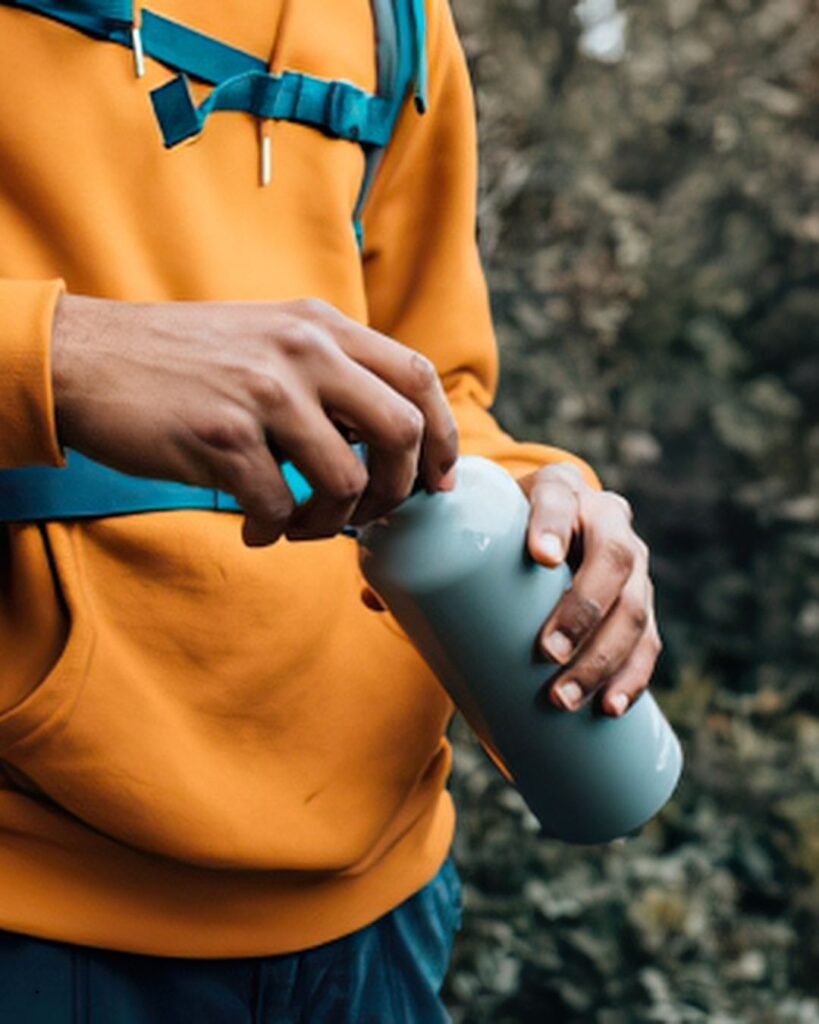
This is a small item with outsized importance. Italy has public drinking fountains, the fontanelle, in almost every city. The water is fresh, cold, and safe. You can refill your bottle for free throughout the day. This saves you money, saves you from buying plastic bottles, and most importantly, keeps you hydrated.
Dehydration in the Italian summer is a real risk. You are walking for hours, sweating more than you realize, and the heat can sneak up on you. Having water within reach at all times is not optional. It is essential.
Bring a lightweight, reusable water bottle that you can clip to your bag or fit inside your crossbody. Fill it at the hotel in the morning, top it up at the fountains during the day, and drink constantly. Your body will thank you.
The Evening Wardrobe
Italian summer evenings are magical. The heat softens into something warm and inviting. The crowds thin out. The city seems to exhale. And you will want to dress for the occasion.
Pack something slightly dressier for dinner. This does not mean formal wear. It means intentional clothing. A simple silk dress, a pair of tailored trousers with a nice blouse, a crisp linen shirt. Italians do not dress down for dinner. Even at a casual trattoria, they make an effort. Joining them in that effort is a form of respect.
The transition from day to evening is easy. Your daytime linen dress can become evening-appropriate with a change of shoes and a piece of jewelry. Your wide-leg trousers work just as well at dinner as they did at the Duomo. The key is to choose pieces that serve double duty, saving you space and mental energy.
The Few Extra Items
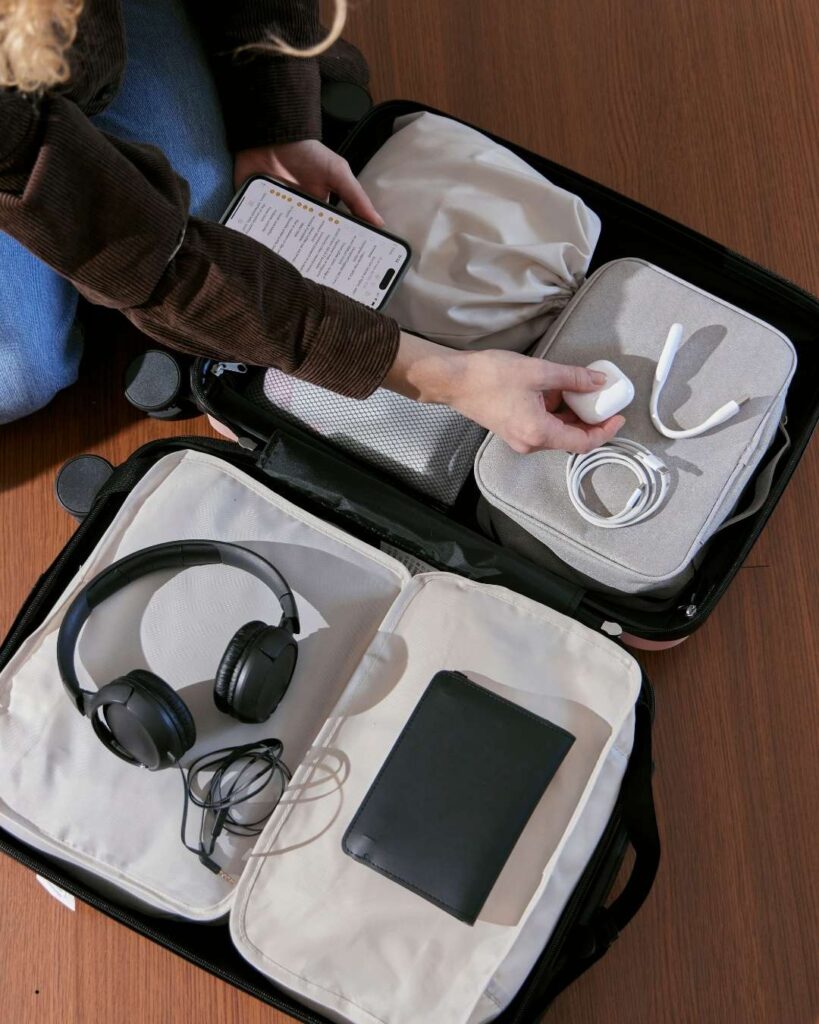
There are a handful of smaller items that deserve a place in your suitcase.
A portable charger is non-negotiable. Your phone is your map, your camera, your translator, and your lifeline. It will drain faster than you expect, and finding an available outlet in a crowded piazza is not going to happen.
A power adapter for Italian plugs is essential. Type C, F, or L, with 230 volts of power. A universal adapter with USB ports is ideal because it saves you from fighting over outlets with your traveling companion.
Hand sanitizer and wet wipes are surprisingly useful. You will touch ancient railings, handle coins, eat street food with your hands, and shake hands with new friends. A small bottle of sanitizer and a pack of wipes keep you clean and comfortable.
A small first aid kit with plasters, pain relievers, and anti-diarrheal medication is worth the space. You will likely not need it, but if you do, you will be grateful.
In Conclusion
Once you have packed everything, take a moment to edit. Pull out one item. Then another. Be ruthless. You will not need four dresses for a week-long trip. You will not need two pairs of jeans. You will not need a hairdryer. Trust me on that last one. Every hotel in Italy has one.
The goal is to pack for a week at most, even if you are traveling for longer. Plan to do a small wash in your hotel sink halfway through. The clothes dry quickly in the summer heat, and you will not miss the extra baggage.
And remember, if you forget something, you can buy it there. Italy is a developed country with shops on every corner. A forgotten toothbrush is not a crisis. A forgotten sunscreen is easily replaced. The only thing you truly cannot buy is a lighter suitcase, so start with one and enjoy the freedom it brings.
NOTE BEFORE YOU GO: Italy rewards travelers who go prepared. And it is easy to ruin your trip. I have a checklist for you of things you should never go to Italy without. CHECK IT OUT HERE. I have also curated a list of some of the best hotels in Italy. I would highly recommend checking them out before booking. THESE ARE THE BEST HOTELS IN ITALY. And for unique experiences, attractions, and tours, don’t book before CHECKING THIS OUT. Thank me later!