
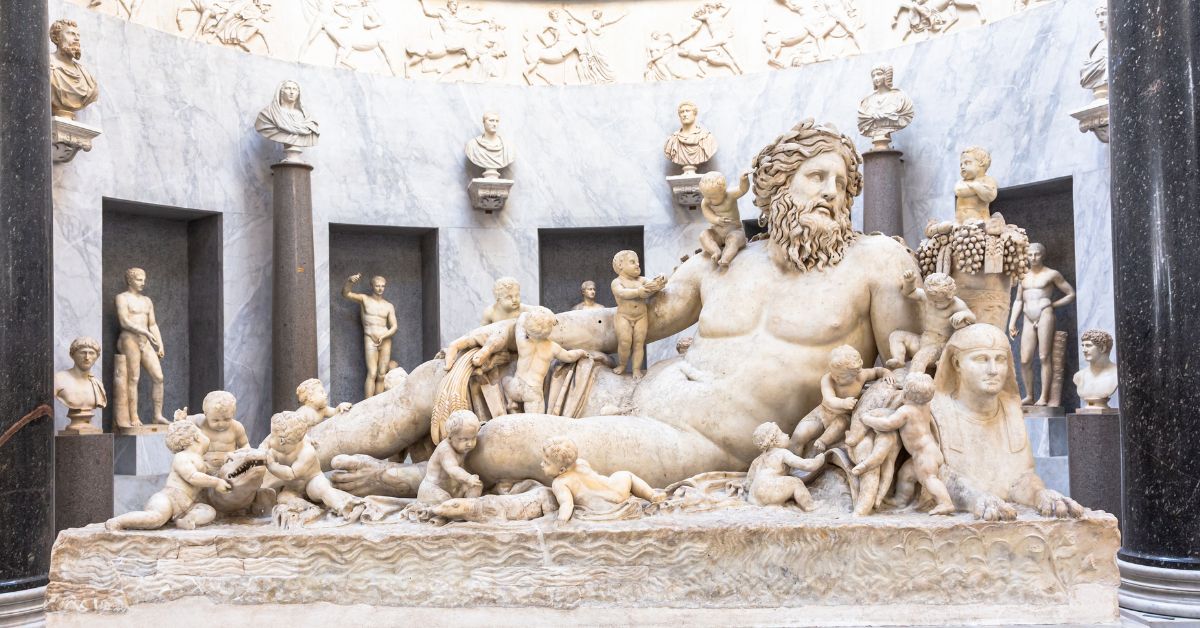
Let me tell you about the time I stood outside the Vatican Museums, watching a family of four get turned away at the gate because they’d bought their tickets from a guy in a vest who promised them “skip-the-line access” for fifty euros each. The tickets were fake. The guy was gone. Their Roman holiday was ruined.
Italy is one of the most visited countries in the world, and its major attractions—the Colosseum, the Vatican Museums, the Uffizi, Pompeii—sell out days, sometimes weeks, in advance. The system is complicated, the websites are confusing, and the scams are everywhere. I’ve made some of these mistakes myself, and I’ve watched countless other travelers make the rest.
Before reading further, please take the time to ensure you have packed everything you need for your trip to Italy. See the checklist here.
1: Booking Too Late
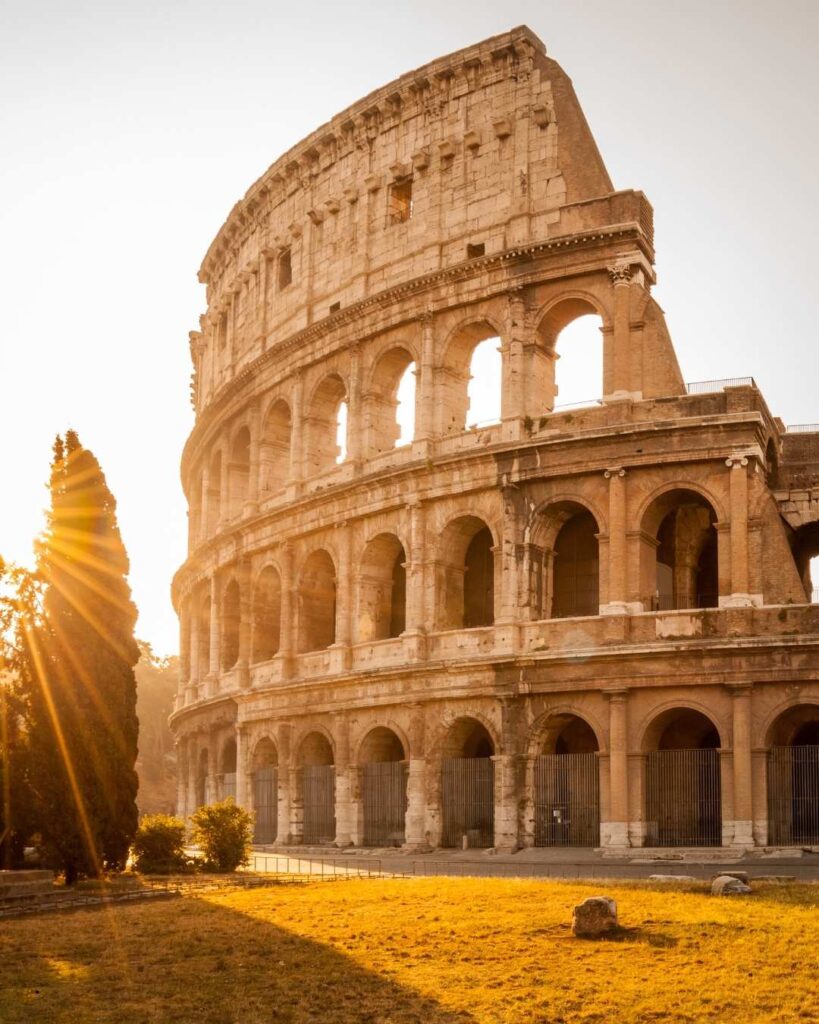
This is the most common mistake and the easiest to avoid. The Colosseum, the Vatican Museums, and the Uffizi Gallery regularly sell out during peak season. The most desirable tickets—underground tours of the Colosseum, early-morning access to the Vatican, or time slots at the Uffizi—can be gone within hours of being released.
The standard advice is to book two to three weeks in advance for major attractions. For peak season, June through September, book at least a month ahead. For the most exclusive experiences, like the Vatican Breakfast or the Colosseum Underground, book the moment your travel dates are confirmed.
The official Vatican Museums website releases tickets thirty days in advance, often at 8:45 AM Rome time. Set an alarm. The Colosseum releases tickets about thirty days ahead as well. If you wait until a week before, you’ll be choosing from whatever scraps are left—or worse, nothing at all.
The fix: Book as early as humanly possible. If your dates are flexible, aim for weekdays and early morning time slots, which sell out last.
2: Relying on Third-Party Sites That Overcharge
This is a tricky one because some third-party sites are legitimate, and some are outright scams. The official websites are often clunky, slow, and difficult to navigate. Third-party resellers offer user-friendly interfaces and bundled tours. But they also mark up prices, sometimes drastically.
You can pay forty euros for a ticket that costs eighteen euros at the official source. That’s not a scam—it’s the price of convenience. But some resellers go further. They charge you for skip-the-line access that doesn’t exist. They sell tickets for time slots that are already sold out. They add fees for “booking assistance” that you never asked for.
The worst offenders sell “open” tickets that don’t guarantee entry at a specific time. They tell you to show up and they’ll handle the rest. This doesn’t work. The Colosseum requires a specific entry time. If you don’t have one, you’re not getting in.
The fix: Use the official website for standard entry tickets. For guided tours, use reputable third-party platforms that have verified operators and clear cancellation policies. Never buy from a person on the street or a website that looks like it was built in 1998. This is the best place to buy book tours.
3: Not Reading the Fine Print on Tour Descriptions
I’ve seen travelers book a “skip-the-line” tour of the Vatican and then complain that they still had to wait in line. This is because “skip-the-line” usually means you skip the ticket office line, not the security line. There is no way to skip security. Anyone who says otherwise is lying.
Another common misunderstanding is tour duration. A three-hour Vatican tour that includes the museums, the Sistine Chapel, and St. Peter’s Basilica is going to feel rushed. You’ll be moving from room to room with barely enough time to look at anything. If you want to linger, book a longer tour or go on your own.
Some tours also exclude entrance fees, listing them as “excluded” in the fine print. You think you’ve paid eighty euros for a comprehensive experience, and then you find out you still owe twenty-five euros for tickets.
The fix: Read the full description before you book. Look at the inclusions and exclusions. Check the cancellation policy. Read recent reviews from verified travelers. If something seems unclear, email the tour operator and ask.
4: Not Booking Train Tickets in Advance
This isn’t about tourist attractions, but it’s related. Walking into a train station in Italy without a reservation is asking for trouble. The high-speed trains between Rome, Florence, Venice, and Milan sell out, especially on weekends. The fares also increase the closer you get to departure.
I’ve watched travelers pay three times the advance rate for a seat on a sold-out train because they waited until the day before. Conversely, booking early can secure you a first-class ticket for less than a last-minute standard fare.
The fix: Book high-speed train tickets as soon as your itinerary is confirmed. Use the official Trenitalia or Italo websites, or trusted third-party platforms like Trainline. Regional trains don’t require advance booking, but high-speed trains absolutely do.
5: Ignoring Peak Season and Free Days
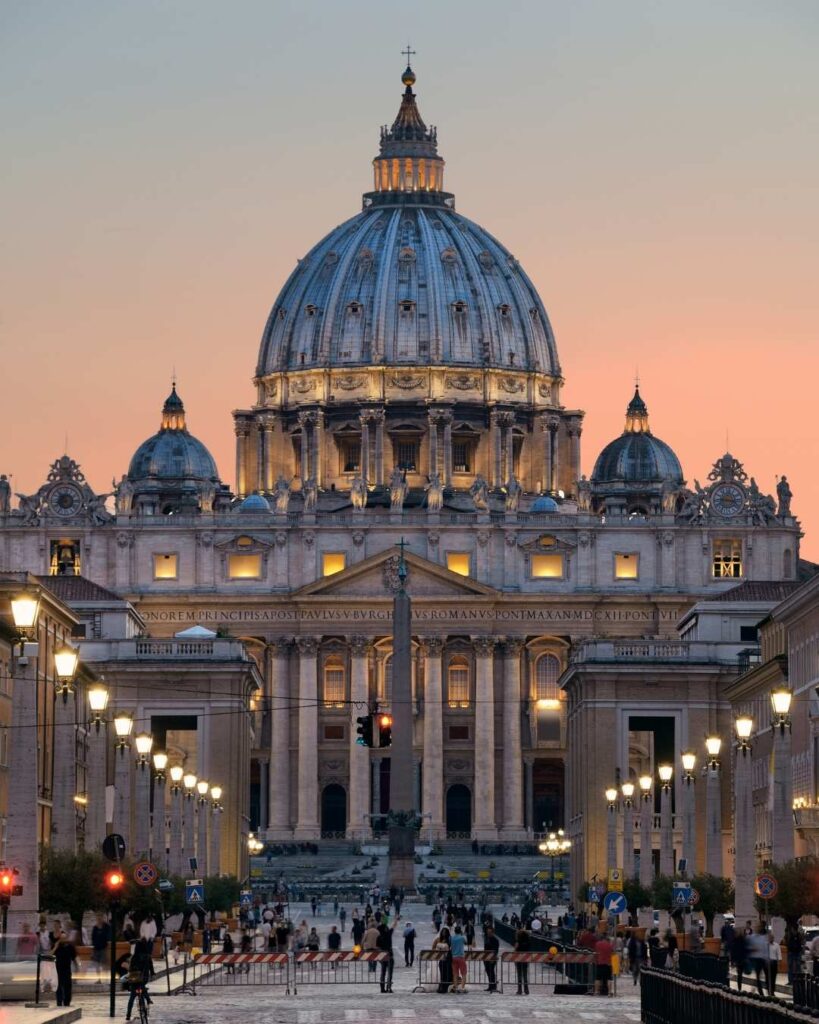
Many museums in Italy offer free entry on the first Sunday of each month. This sounds like a great deal until you show up and find lines stretching for blocks, with waits of two hours or more. In many cases, these free days are more of a hassle than they’re worth.
On the first Sunday of the month, the Vatican Museums are free, and no reservations are accepted. The crowds are absolutely brutal. The Uffizi Gallery is also free on certain days, and again, no reservations are accepted. You’ll spend more time in line than in the museum.
Peak season, from April to October, is also crowded. The midday time slots from 11:00 AM to 2:00 PM are the busiest. If you book the first slot of the day, 9:00 AM, you’ll beat the rush. If you book the last slot of the day, you’ll have the place to yourself as closing time approaches.
The fix: Avoid free days unless you have no other option. Book early morning or late afternoon time slots to avoid crowds.
6: Not Accounting for Jet Lag
This one is personal, and it’s embarrassing to admit how many times I’ve done it. You land in Italy, you’re exhausted, and you schedule the Vatican Museums at 9:00 AM the next morning. Then you can’t sleep, you’re awake at 4:00 AM, and you’re completely drained by the time you walk through the doors.
The Vatican, the Uffizi, and the Colosseum require focus and energy. Walking through these places on three hours of sleep is a miserable experience. You’ll rush through rooms, miss details, and resent the whole thing.
The fix: Give yourself a day to adjust before hitting the major attractions. Book them for day two or three of your trip, not day one. If you must visit on your first day, choose an afternoon time slot.
7: Not Checking for Maintenance or Special Closures
Italian museums occasionally close for restoration or special events. The Colosseum has been known to close the underground areas for maintenance without much advance notice. The Vatican Museums may close for a papal audience or a major religious holiday.
I’ve shown up at the Castel Sant’Angelo on a Monday only to find it closed. I’ve tried to visit the Pantheon during a special mass and been turned away. These closures are announced online, but many travelers don’t check.
The fix: Check the official website of each attraction before your trip. Confirm the opening hours and any planned closures. Sign up for email alerts if the site offers them.
8: Not Considering Combination Tickets
Many major attractions offer combination tickets that save you money and time. The Colosseum ticket includes entry to the Roman Forum and Palatine Hill. The Pompeii ticket can be combined with Herculaneum or Mount Vesuvius. The Florence pass includes the Uffizi, the Accademia, and the Pitti Palace.
These combination tickets are often cheaper than buying separate entries. They also save you the hassle of booking each one individually. The downside is that you have to visit all the sites within a certain time frame, usually a day or two.
The fix: Look for combination tickets that align with your itinerary. The Roma Pass and Firenze Pass are also worth considering if you plan to visit multiple attractions in a short time.
9: Booking Tours That Are Too Long or Too Short
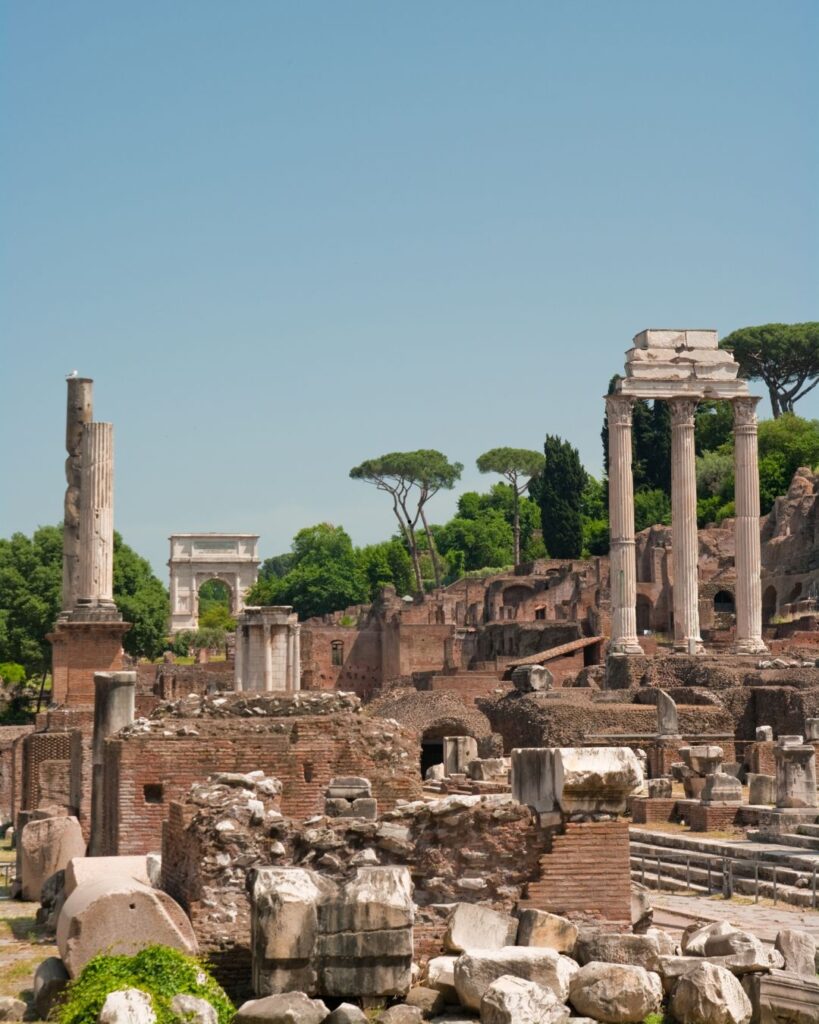
I’ve taken a six-hour private tour of the Vatican that left me completely exhausted and a two-hour tour that felt rushed. Both were the wrong length for me, but I didn’t realize it until I was halfway through.
Tour operators rarely advertise the pace of their tours. The Vatican and the Colosseum require a lot of walking. If you have limited mobility or just don’t want to be on your feet for hours, book a shorter tour or ask about the pace before you book.
Conversely, if you want to soak in every detail and ask questions, book a longer private tour where you set the pace. A group tour that stops at thirty different spots is not going to satisfy a serious art lover.
The fix: Read the reviews to get a sense of the pace. If you’re looking for depth, book a private tour. If you want a quick overview, book a shorter group tour. And if you have mobility concerns, call the tour operator and ask.
10: Not Having Backup Plans
No matter how well you plan, things go wrong. A flight is delayed, and you miss your Vatican time slot. A weather event closes the Colosseum. A strike cancels your train.
In Italy, strikes are common. Museums have been known to close with little warning. If you’ve scheduled your entire trip around one attraction and it doesn’t happen, you need a backup plan.
The fix: Have a list of alternative activities for each day. If the Vatican falls through, you can visit the Borghese Gallery or explore the Trastevere neighborhood. If Pompeii is closed, Herculaneum is a solid alternative. Flexibility saves trips.
11: Not Understanding the Difference Between “Reserved” and “Not Reserved”
The Vatican Museums require a reservation in advance. The Uffizi requires a reservation in advance. The Colosseum requires a reservation in advance. Some smaller museums allow walk-ins without an appointment.
If you show up to the Vatican without a reservation, you’ll be standing in the ticket line for an hour or more. If you show up to the Pantheon without one, you’ll probably walk straight in. Knowing the difference is crucial.
The fix: Research each attraction individually. The official website will tell you if reservations are recommended or required. If reservations are required, book them. If they’re recommended, book them anyway.
12: Not Budgeting Enough Time
The Vatican Museums require three to five hours. The Uffizi requires two to three hours. The Colosseum and Forum require four to six hours together. Pompeii requires a full day.
I’ve seen travelers book their Colosseum tickets at 11:00 AM and their Vatican tickets at 3:00 PM on the same day. They spent the whole day rushing and barely saw anything. It’s not worth it. These attractions are too significant to rush through.
The fix: Plan your day around one major attraction and one minor one, not multiple marquee sites. If you want to see the Colosseum, the Forum, and Palatine Hill, set aside half a day. If you want to see the Vatican, set aside the morning or the afternoon, not both.
Note: If you can’t secure a ticket from the official attraction’s website, or if you want to book a guided tour, this is why I would advise you to check for one.
In Conclusion
Booking attractions in Italy is not complicated, but it requires planning. The major sites sell out. The third-party sites can be predatory. The fine print is where your money disappears.
Here’s my streamlined advice for booking attractions in Italy:
- Book as early as possible, at least two weeks ahead for major sites.
- Use official websites for standard tickets and reputable third-party sites for guided tours.
- Read the fine print carefully, especially inclusions, exclusions, and cancellation policies.
- Avoid free days and peak midday time slots.
- Give yourself a full day to adjust to the time zone before hitting the big attractions.
- Check for closures, special events, and maintenance before you go.
- Have backup plans in case something goes wrong.
And a final piece of advice: if the deal sounds too good to be true, it is. No one is selling a legitimate Colosseum Underground ticket for 20 euros. No one is offering skip-the-line Vatican access without a specific time slot.
My wife and I have made most of these mistakes at least once. We’ve overpaid for tickets, booked the wrong time slots, and stood in the wrong lines. But we learned from each one, and now we plan better. You can, too.
Italy is worth the effort. The art, the history, the food, the architecture—it’s all magnificent. But magnificent things require planning. Book early, book smart, and your trip will be unforgettable for all the right reasons.
NOTE BEFORE YOU GO: Italy rewards travelers who go prepared. And it is easy to ruin your trip. I have a checklist for you of things you should never go to Italy without. CHECK IT OUT HERE. I have also curated a list of some of the best hotels in Italy. I would highly recommend checking them out before booking. THESE ARE THE BEST HOTELS IN ITALY. And for unique experiences, attractions, and tours, don’t book before CHECKING THIS OUT. Thank me later!