
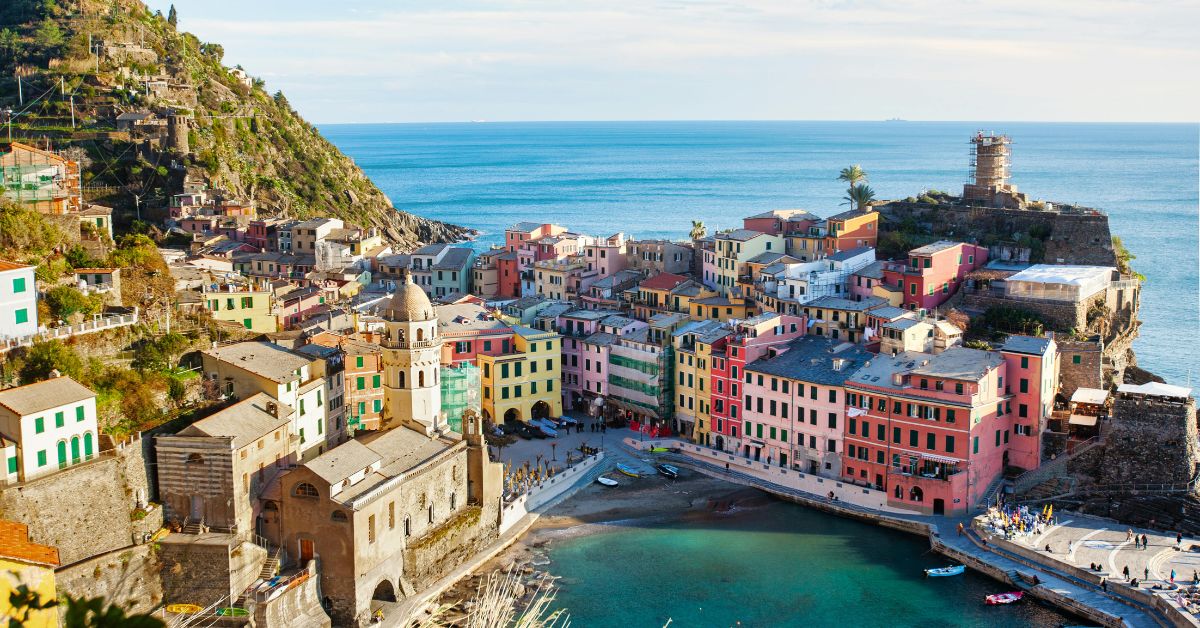
I have a confession to make. For years, I thought I knew Italy. I had seen the postcards of the Leaning Tower. I had watched movies set in Venice. But when my wife and I finally stepped off the train in Rome for our first real trip together, I realised that the Italy I had imagined was a cartoon version of the real thing.
The authentic Italy is not a checklist of famous landmarks. It is a feeling. It is the smell of rain on old stone. It is the sound of a grandmother arguing kindly with a butcher about the right cut of meat for Sunday lunch. It is the joy of getting wonderfully lost in a town whose name you cannot pronounce.
This bucket list is my attempt to share what I have learned. Some items are famous, but I will tell you how to see them properly. Others are hidden, and those are the ones that will stay with you forever.
Stop experiencing Italy like everyone else. Your trip is different because you are different. Tell me when you’re going, who you’re traveling with, where you want to go, what you absolutely want to see and do, your budget, and anything else that matters to you. I’ll put it all together into a tailor-made Italy itinerary that tells you where to go, where to stay, what to eat, and how to make the most of your time. Use this form
The Northern Gems
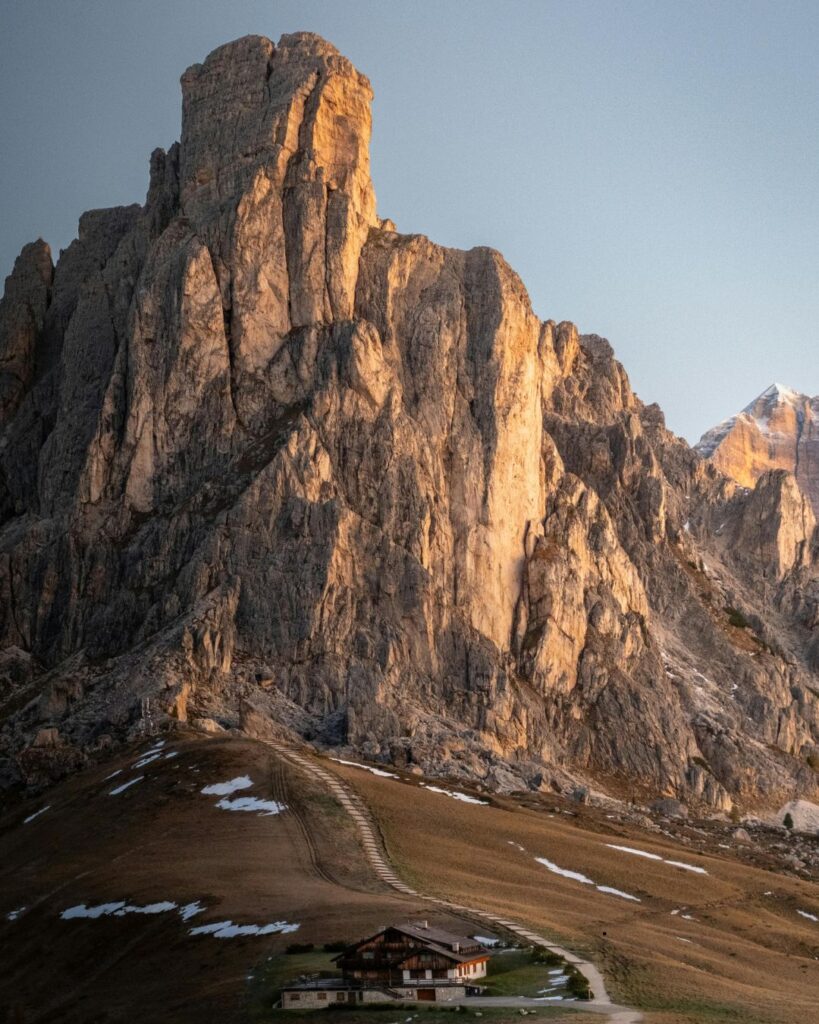
Let us start in the north, where the land rises into mountains that look like something from a dream. The Dolomites are a range of pale peaks that turn pink at sunset. The most authentic thing you can do here is hike to a rifugio, which is a simple mountain hut run by a local family.
You will eat homemade polenta and speck, which is a type of cured ham, while sitting on a wooden bench looking at glaciers. It costs very little and feels like a million euros.
Lake Como is beautiful, but the town of Bellagio is often too crowded to enjoy. Instead, my wife and I took the ferry to Varenna. It is a quiet village with steep alleys and pastel houses. The Villa Monastero has gardens that slope right down to the water. You can sit on a stone bench and watch the ferries come and go without feeling rushed at all.
Verona is known for Romeo and Juliet, but the real magic happens along the Adige River at sunset. Walk the long curve of the river, cross the old stone bridge called Ponte Pietra, and then climb the hill to the Roman theatre. In the summer, they perform operas there. You do not need to understand Italian to feel the power of a voice echoing off two-thousand-year-old stones.
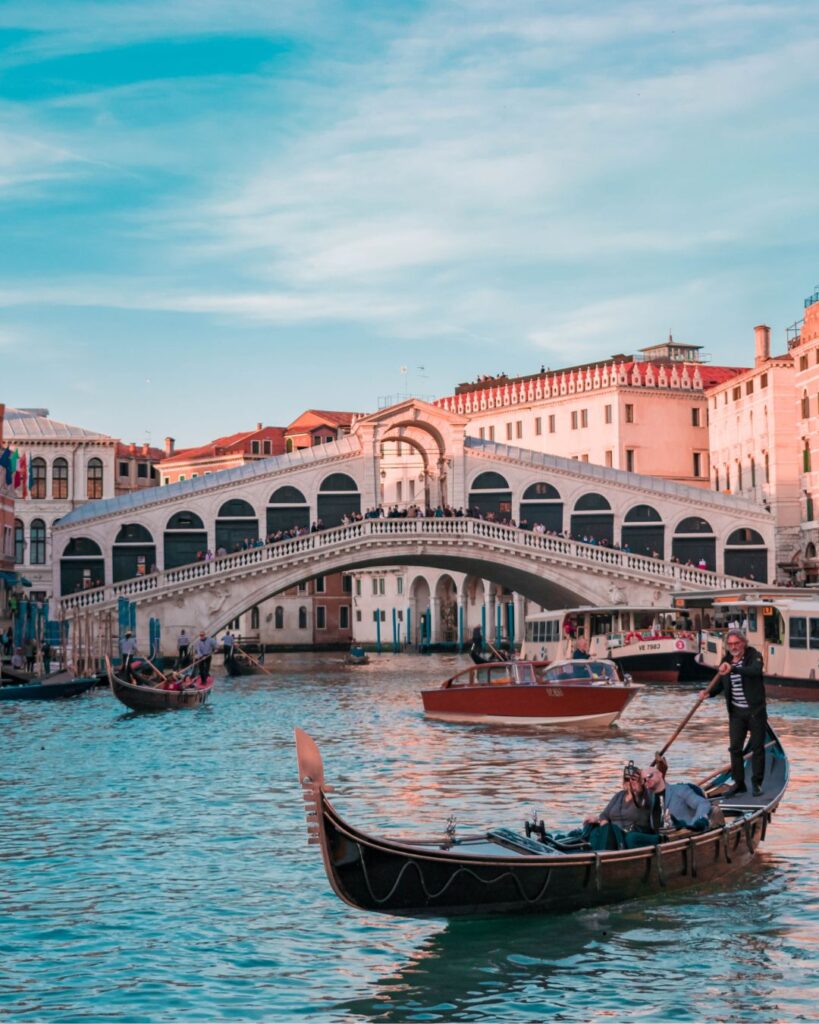
Venice is the trickiest of all. It is easy to hate Venice if you only see St. Marks Square at noon. But if you wake up early, take the vaporetto to the Fondamenta della Misericordia in the Cannaregio district, you will find a different city entirely.
This is where Venetians drink a spritz at the end of the day. Better yet, book a rowing lesson with a local group called Row Venice. You will learn to stand and row like a real gondolier, but without the cheesy music. And you must eat cicchetti, which are small snacks served on bread, while standing at a bar called a bacaro. Standing is cheaper and more authentic.
The Heartland of Tuscany And Umbria
Florence is a masterpiece, but the lines can break your spirit. Do not skip the Uffizi Gallery. Just book your tickets months ahead. For a unique experience, book the Hidden Duomo tour. You climb inside the dome itself, walk through passages that the original builders used, and emerge on a secret terrace right underneath the lantern.
You will be inches away from the enormous fresco of the Last Judgment. It is far more memorable than waiting in the main line.
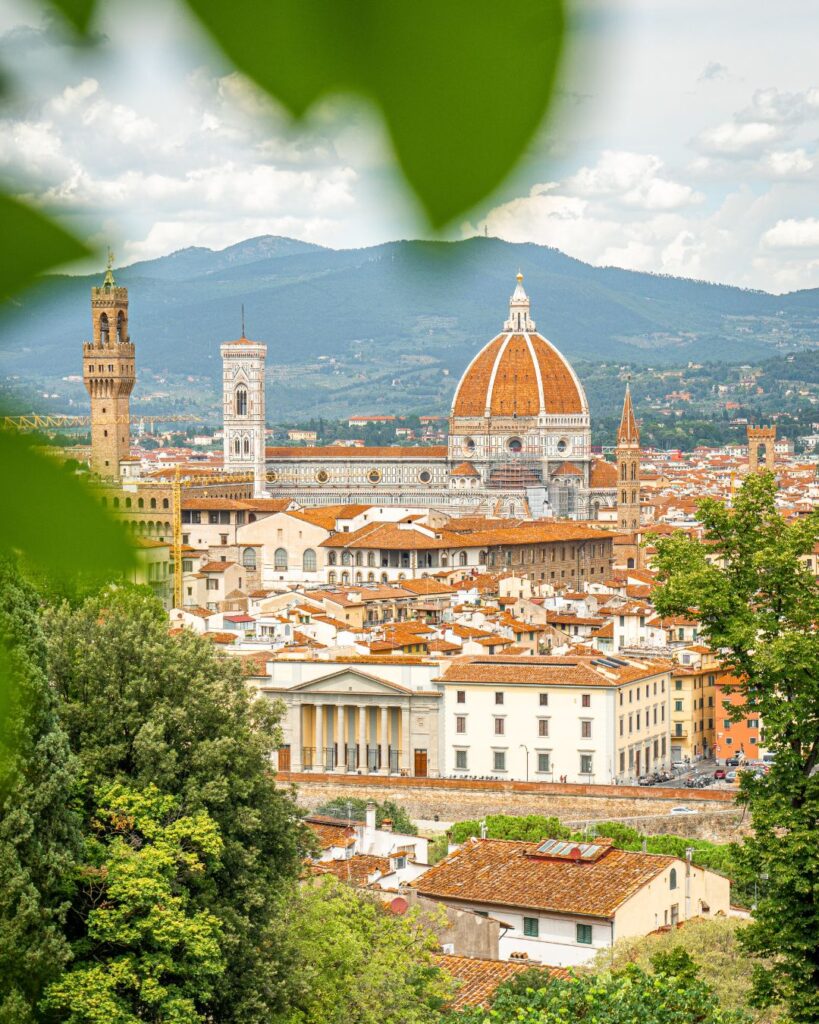
Later, walk across the river to Piazzale Michelangelo for sunset. Every tourist does this, and that is fine. But on the way down, take the stairs to the church of San Miniato al Monte. The monks sing vespers there in the evening. It is dark, cold, and absolutely holy. You will have the best view of Florence all to yourself.
Siena is the perfect medieval city. Its main square, the Piazza del Campo, is shaped like a scallop shell. The best thing to do here is nothing at all. Buy a coffee, sit on the ground as the locals do, and watch the light change on the red bricks. If you are lucky enough to visit in July or August, you might see the Palio, which is a wild horse race around the square. But even without the race, Siena feels like a city frozen in time.
Then there are the hilltop towns. Skip the most famous one, San Gimignano, if you dislike crowds. Drive instead to Pienza. This tiny town was redesigned during the Renaissance as a perfect utopian village. It worked. The main street ends in a view of the Val d’Orcia that will make you cry.
Then drive to Montepulciano, where the wine cellars are hidden underneath ancient churches. You can taste the famous Vino Nobile right where it is aged, surrounded by barrels the size of small cars.

The Val dOrcia itself deserves its own mention. There is a famous winding road called the Strada della Pieve. Rent a vintage Fiat 500, even for just one afternoon, and drive that road with the windows down. Every curve reveals a line of cypress trees, a stone farmhouse, or a field of sunflowers. It is the Tuscany of your dreams, but it is real.
Central Italy – Raw And Spiritual
Rome is overwhelming. Let us accept that. The Colosseum and the Roman Forum are essential, but do not spend your whole trip in the ancient center. Walk to the Quartiere Coppedè. This is a hidden neighborhood of fairy tale architecture, with chandeliers hanging from arches and frogs carved into fountains. Most Romans have never been there. Then visit the Basilica of San Clemente. It is a church built on top of a church built on top of an ancient Roman house. You can walk down through all four layers of history. It is the best church in Rome that nobody talks about.
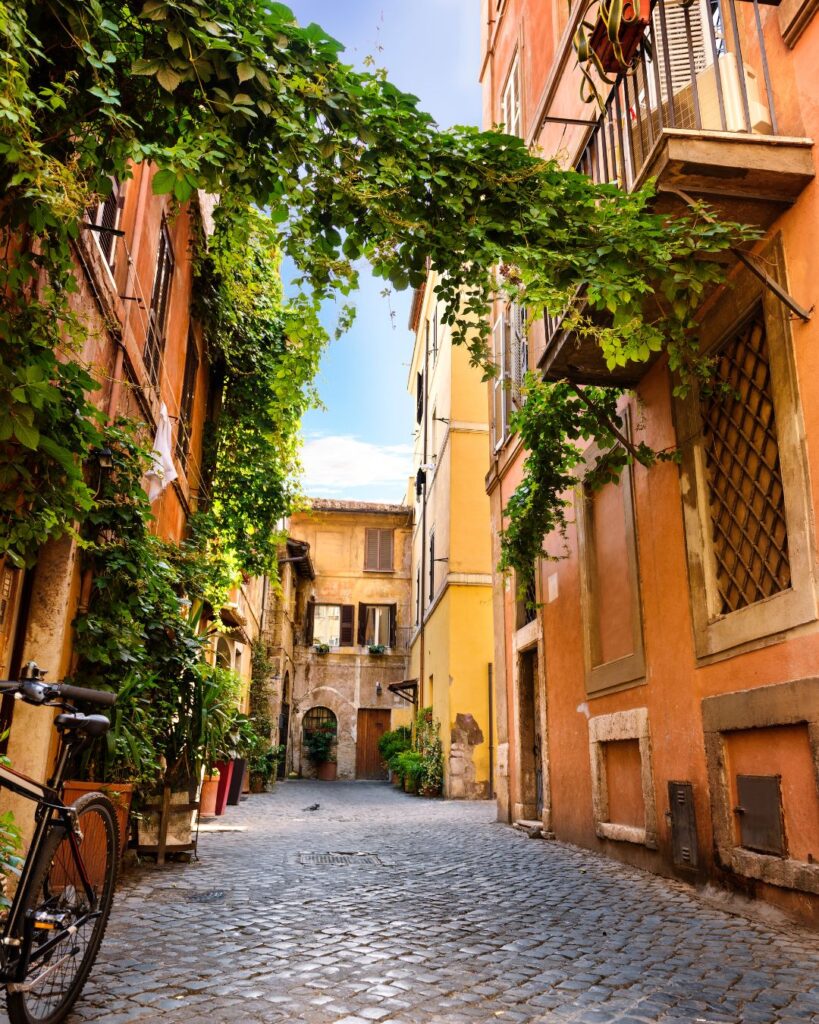
For food, leave the center and go to the Testaccio neighborhood. This is where Roman food was born. Find a trattoria that serves cacio e pepe, which is pasta with cheese and pepper. Nothing else. When it is made right, it tastes like magic. My wife and I ate at a place called Flavio al Velavevodetto, which is built into an ancient hill of broken pottery. The waiter did not speak English. We pointed at what the table next to us ordered. It was perfect.
East of Rome lies Abruzzo, which is called the greenest region in Europe. Most tourists skip it. That is their loss. The National Park of Abruzzo is home to the Marsican brown bear, which is rare and shy. You probably will not see a bear, but you will walk through ancient beech forests and eat lamb roasted over an open fire in a tiny mountain village.
Then there is Civita di Bagnoregio. It is called the dying town because the hill it sits on is slowly crumbling away. You can only reach it by a long footbridge. As you walk across, the town floats in front of you like a vision. Fewer than twenty people live there year round. It is haunting and beautiful and worth every step.
The South – Raw, Loud And Unforgettable
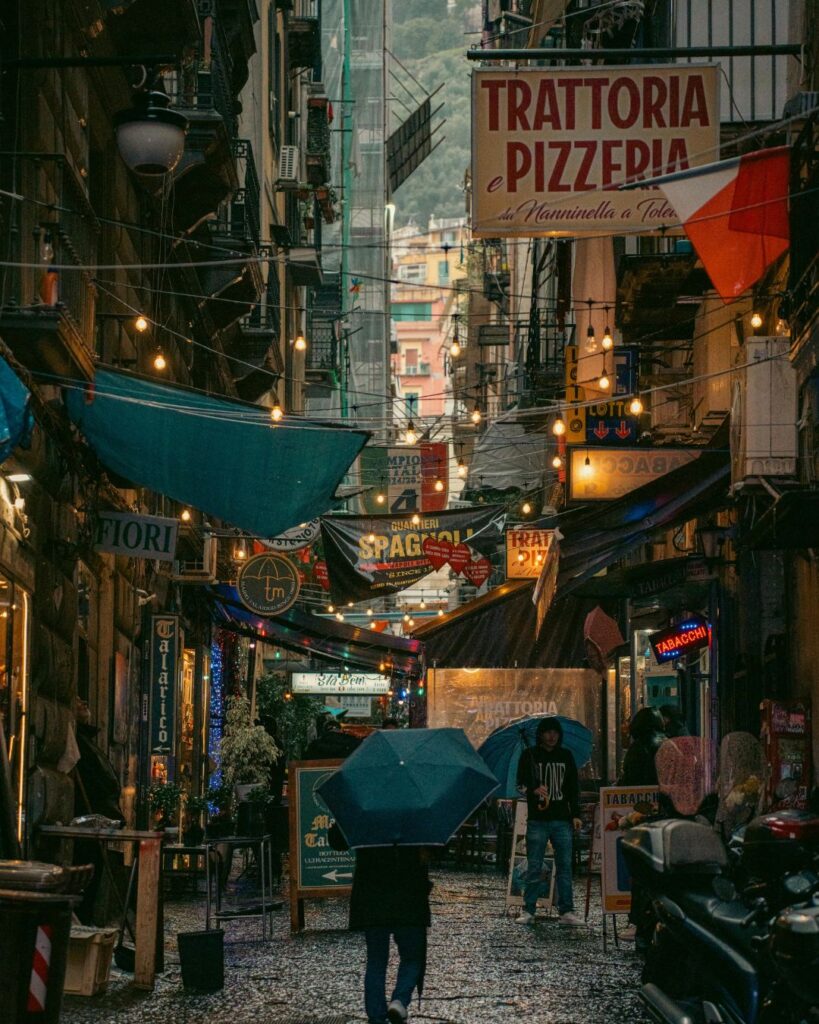
Naples is not for the faint of heart. It is loud, chaotic, and dirty in places. It is also the most alive city in Italy. Walk down Spaccanapoli, the long straight street that cuts through the old center. You will see laundry hanging over alleys, scooters zipping past churches, and old men shouting about soccer.
Eat pizza at L’Antica Pizzeria da Michele. They make only two kinds. You will wait in line. You will stand up to eat. You will have the best pizza of your life. Then visit the Veiled Christ in the Sansevero Chapel. It is a marble sculpture so realistic that you can see the veil pressing into the face of Christ. It defies explanation.
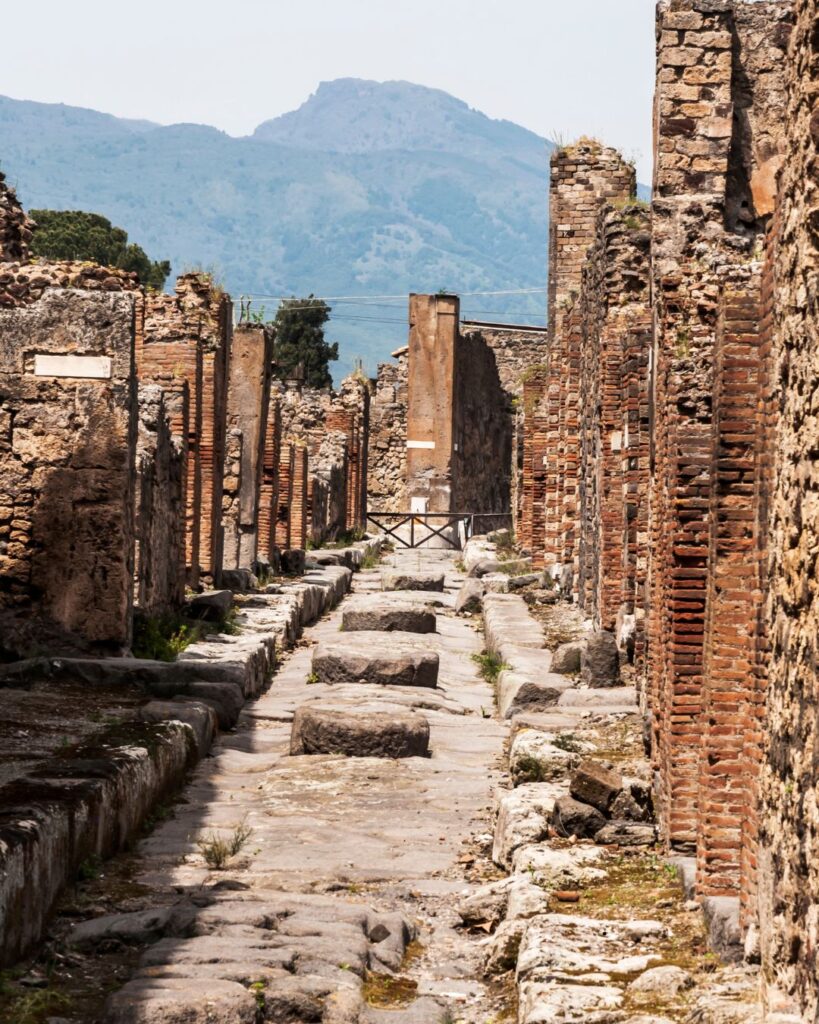
Pompeii is enormous and exhausting. If you want a calmer experience, go to Herculaneum instead. It was buried by the same eruption, but the mud preserved things better. You can see wooden beds, carbonized food, and even a Roman toilet. The site is smaller, shadier, and far less crowded.
The Amalfi Coast is famous for a reason, but most people experience it from the window of a crowded bus. Do not do that. Hike the Path of the Gods, which runs along the ridge high above the sea. It takes about three hours. You will walk through terraced lemon groves and look down at the blue water from a height that makes your stomach drop.
End in the town of Ravello. It is quieter than Positano or Amalfi. The gardens of Villa Rufolo overlook the entire coast, and in the summer, they hold concerts there. Listening to classical music in a medieval garden as the sun sets over the Mediterranean is an experience that borders on spiritual.
The Islands – Two Different Worlds
Sicily is a world apart. The Valley of the Temples in Agrigento is a string of ancient Greek temples standing in a field of almond trees. Go at golden hour, just before sunset. The stone turns the color of honey. In Palermo, skip the fancy restaurants and eat arancini, which are fried rice balls filled with ragù or cheese, from a street stall in the Ballarò market.
The vendors shout, the fish still flop on ice, and the whole place smells of jasmine and exhaust. It is glorious. Then drive inland to the Villa Romana del Casale. It is a Roman villa in the middle of nowhere, and it contains the most beautiful mosaics I have ever seen. There is a famous room of bikini clad women doing gymnastics. They have survived almost two thousand years.
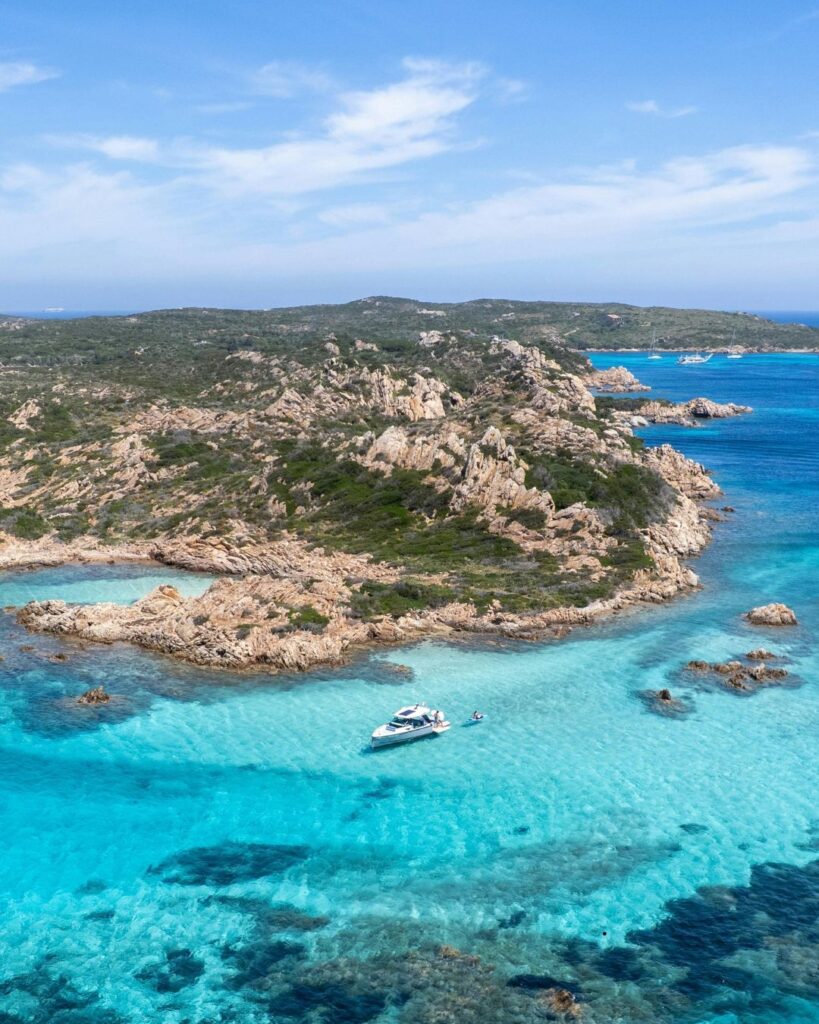
Sardinia is even more different. The people here speak their own language and have their own traditions. The La Maddalena archipelago is a cluster of granite islands with water the color of blue curacao. Rent a small sailboat for the day. You will swim in coves that have no names.
Then visit the Nuraghe, which are strange stone towers built by a civilization that existed nowhere else but here. Nobody knows exactly what they were for. Standing inside one feels like standing inside a mystery.
The Authentic Italian Experiences That Are Not Sights
The most important part of this bucket list is not a place. It is a way of moving through Italy. Eat a multi-course meal slowly. Spend two hours at lunch. Do not ask for a cappuccino after eleven in the morning. Italians consider milk after breakfast a digestive nightmare. And never, ever ask for parmesan cheese on a seafood pasta. That is a crime punishable by dirty looks.
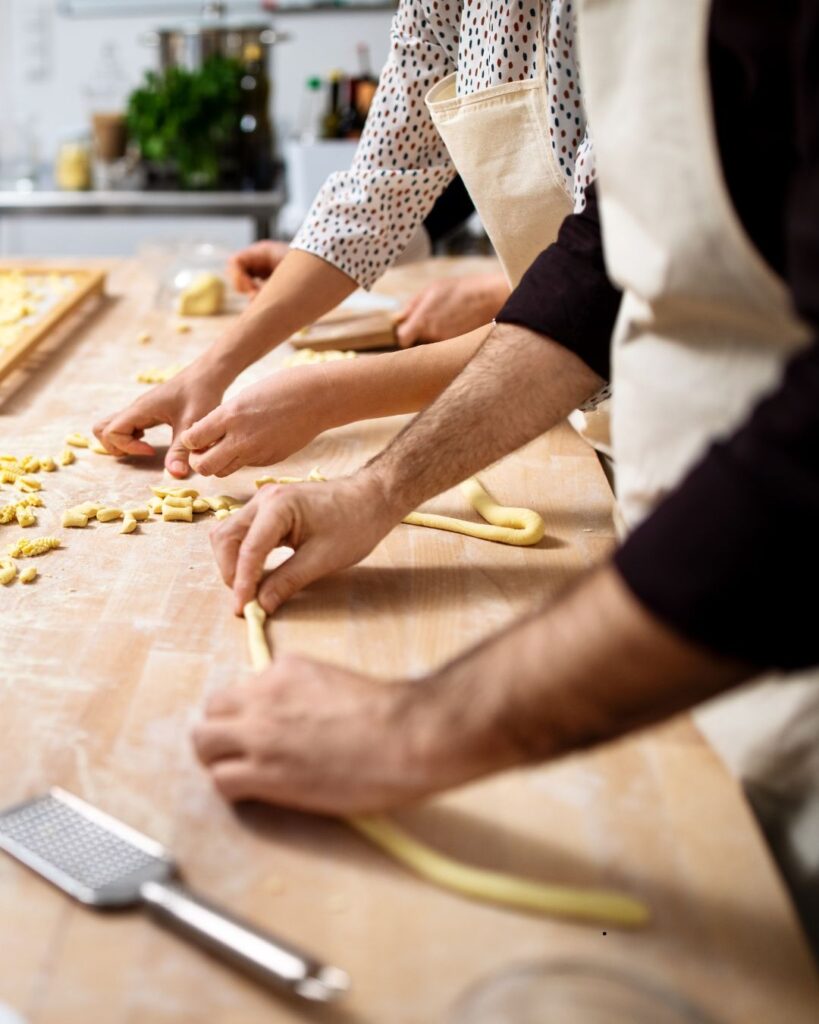
Take a cooking class in a real farmhouse. Not a glossy kitchen in a city center, but an agriturismo where the owner’s grandmother teaches you to make pasta sfoglia, which is fresh egg pasta rolled thin enough to see through. You will get flour on your shirt and wine on the table. You will eat what you make while looking at the hills where the wheat was grown.
Find a sagra. Every tiny town in Italy has one in the summer. It is a food festival dedicated to one specific ingredient. The town of Montefiascone has a sagra for roasted chestnuts. Another town has one for wild boar. Another for snails. You will eat from paper plates, sit on plastic chairs, and listen to a bad cover band. It will be the most fun you have on the whole trip.
Join the passeggiata. Every evening around six, the whole town comes out to walk. Families, couples, teenagers, grandparents. They walk arm in arm down the main street. They stop to talk. They buy a gelato. The gelato should not be neon colored. Bright blue or fluorescent green means artificial flavors. Look for dull, natural colors. That is the real stuff.
Stay in an agriturismo for at least three nights. These are working farms that rent out rooms. You will sleep in a converted stone barn. You will wake up to roosters. And you will eat dinner made entirely from what they grow or raise. The wine comes from their vineyard. The olive oil comes from their trees. The cheese comes from their sheep. It is the closest you can get to living like an Italian.
Learn a handful of Italian phrases. You do not need to be fluent. But say buongiorno when you enter a shop. Say permesso when you excuse yourself. Say grazie mille for everything. I have seen waiters faces soften completely when a tourist makes the effort. It is a small thing that changes everything.
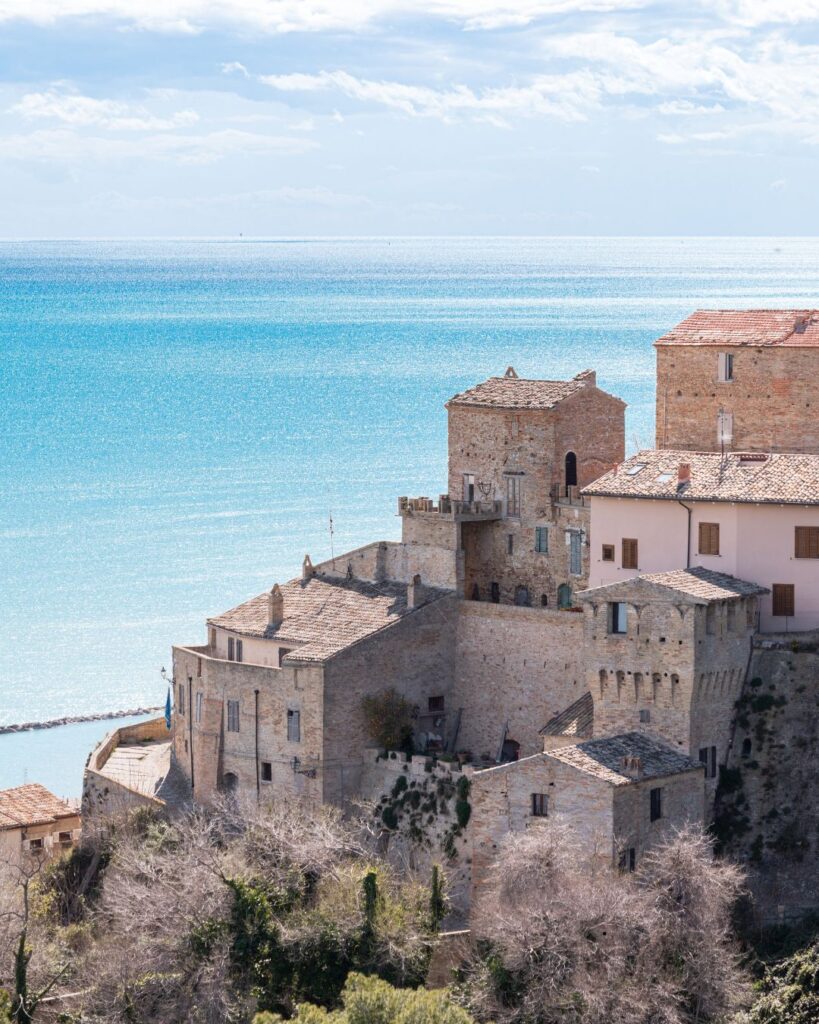
Finally, take a regional train to a town you have never heard of. Open a map. Find a dot in the middle of nowhere. Go there. My wife and I did this once and ended up in a village called Calcata, which is built on a volcanic cliff and inhabited almost entirely by artists.
We had lunch in a trattoria where the owner brought out a bottle of his own wine and refused to let us pay. That is the authentic Italy. You cannot find it on a list of top ten attractions. You can only stumble into it.
What To Skip
I will tell you plainly what to skip. The Leaning Tower of Pisa is a ten-minute wonder. If you are driving past, stop for a photo. Do not plan a day around it. The overpriced gondola rides in Venice are for tourists. Instead, take a traghetto, which is a simple gondola that ferries locals across the Grand Canal for two euros. You stand up. You cross in thirty seconds. It is the real thing.
Avoid any restaurant with an English menu and pictures of the food outside. Those are traps. Walk two blocks away from any major piazza, find a place with a handwritten menu in Italian, and point at something. Also avoid buying anything labeled Made in Italy that is clearly made in China. Real Italian leather is soft and smells like leather. Real Venetian glass has tiny imperfections. If it looks perfect and cheap, it is fake.
Practical Tips For An Authentic Trip
Timing is everything. Visit in May, June, or September. The weather is warm but not hot. The crowds are manageable. Avoid August at all costs. That is when Italians go on holiday. Half the shops are closed, and the beaches are packed.
For transport, rent a car for Tuscany, Umbria, and Puglia. The trains do not reach the hilltop towns. But do not rent a car for Rome, Florence, or Naples. That is a recipe for disaster. Use the high-speed trains between cities. They are clean, fast, and affordable.
For accommodation, consider staying in a monastery. Many are open to travelers. They are quiet, cheap, and full of history. Or look for a dimora storica, which is a historic noble home converted into a hotel. It costs less than you think, and you will sleep in a room with frescoes on the ceiling.
Above all, choose one region per trip. Do not try to do Rome, Florence, and Venice in six days. That is not a vacation. That is a punishment. You will spend half your time on trains and the other half checking into hotels. Pick the north or the center or the south. Stay there for ten days. Move slowly. Leave something unseen. That is the secret to loving Italy. You always leave wanting more.
Finally
The real Italy is not a list of sights you cross off with a pen. It is the twenty-minute wait for a perfect espresso, standing at a counter with people who do not speak your language. It is the old man playing cards in a piazza while his wife hangs laundry above him. It is the crack of a wine cork at dusk, the smell of sage and butter, the feeling of cool stone under your bare feet in a thousand-year-old church.
My wife and I have learned that the best trips are the slow ones. The ones where we say yes to the wrong train, eat at the empty trattoria, and get lost on purpose. So pick three things from this bucket list. Ignore the rest. Go slow. Live the authentic Italy. You will come home different than you left.
Again, if you need me to help you plan your dream trip to Italy, one that you will remember for the rest of your life, I will make sure that I come up with an itinerary that’s tailor-made for you, with respect to your time, interests, and budget. Feel free to contact me using the form below, and let’s get down to it. Your future self will thank you.