
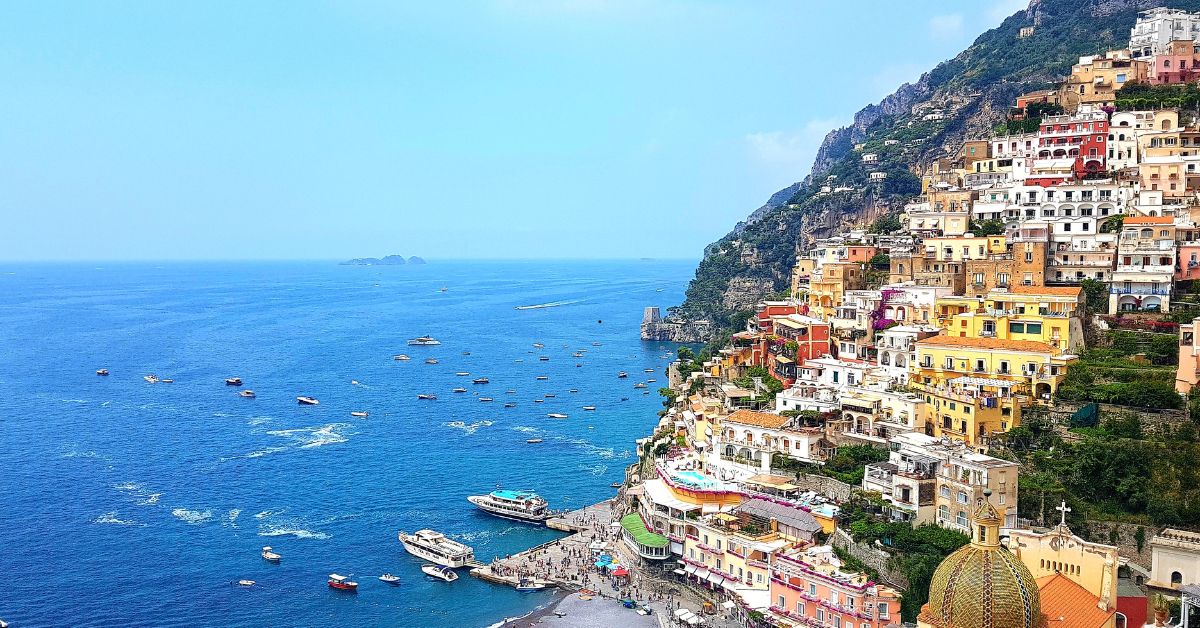
The Amalfi Coast. Surely among the top 10 most beautiful places in the world. But here is the truth no postcard will tell you. This same stretch of coastline is also one of the most logistically fragile destinations in Europe.
Small mistakes that would be mere annoyances elsewhere can derail an entire day here, or worse, sour your memory of a trip you have saved for years. I have watched couples argue on ferry docks, families drag wheeled suitcases up four hundred stairs in August heat, and diners pay fifty euros for frozen pasta because they sat down at the first square they found.
After learning these lessons the hard way, I want to walk you through the twelve most common errors so you can avoid them and experience the Amalfi Coast at its breathtaking best.
Stop experiencing Italy like everyone else. Your trip is different because you are different. Tell me when you’re going, who you’re traveling with, where you want to go, what you absolutely want to see and do, your budget, and anything else that matters to you. I’ll put it all together into a tailor-made Italy itinerary that tells you where to go, where to stay, what to eat, and how to make the most of your time. Use this form
1. Renting a Car and Driving Yourself
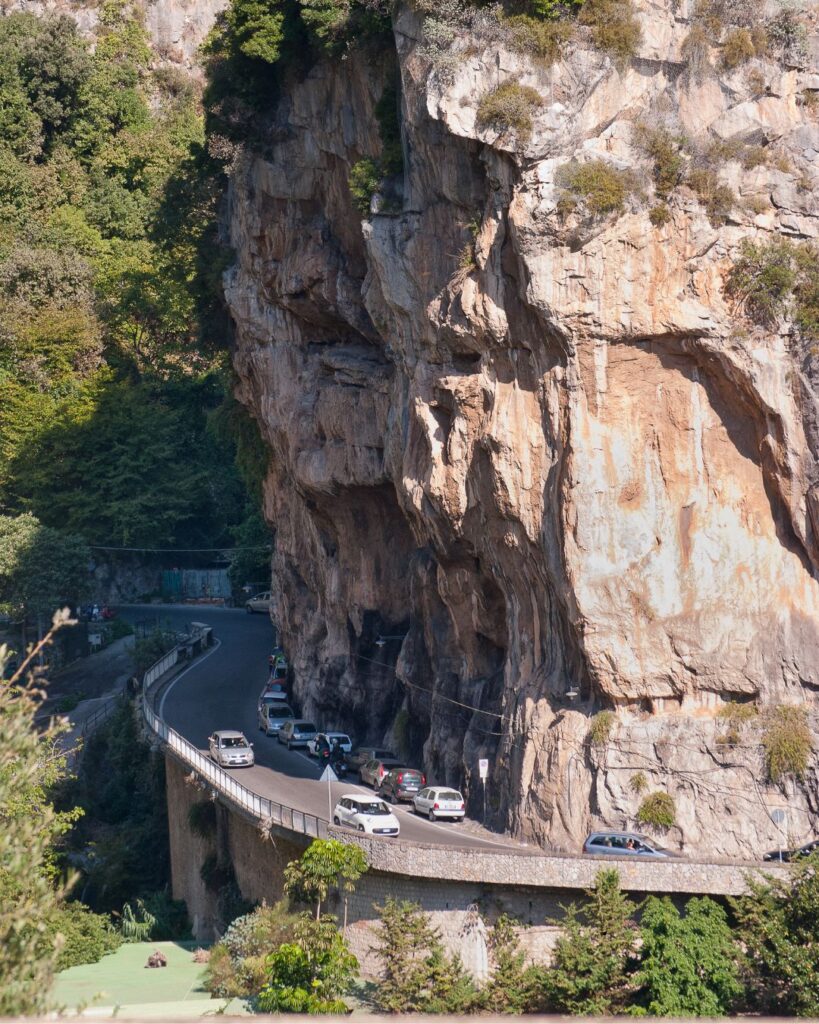
I understand the temptation perfectly. A car represents freedom. You imagine winding along the coast road with the top down, stopping whenever a view catches your eye. That fantasy bears no relation to the reality.
The Amalfi Drive is a narrow, two-lane ribbon of asphalt carved into a sheer cliff face. Buses the size of semi-trucks barrel around blind corners. Scooters weave between bumpers. Local drivers honk before every curve as a warning system. And parking is not difficult. It is almost impossible.
The few lots charge thirty euros or more for a few hours, and the ZTL restricted zones are so aggressively enforced that you can accidentally trigger a fine simply by turning down the wrong alley. My advice is simple. Do not rent a car. Instead, embrace the ferries, which skip the traffic entirely and give you the best views from the water, or use the SITA buses for inland villages.
If you absolutely must have a car for part of your journey, leave it parked at your hotel for the entire stay and walk or take boats everywhere else.
2. Trying to Visit Too Many Towns in One Day
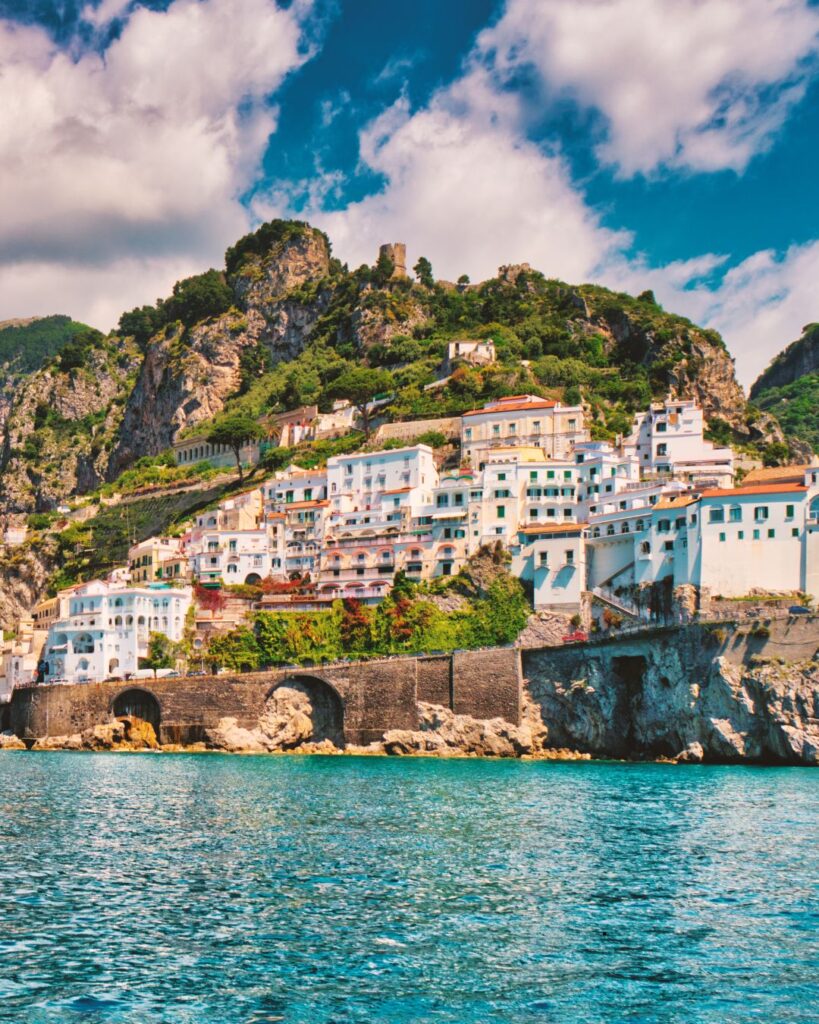
The Amalfi Coast looks compact on a map. You might think you can see Positano, Amalfi, and Ravello before lunch. That is a ruinous assumption. Travel between towns by road is agonizingly slow during peak hours.
A journey from Positano to Amalfi that should take twenty minutes can stretch past an hour when traffic backs up. The ferries are faster, but they run on fixed schedules, and waiting for connections eats away your daylight.
The result is a day spent entirely in transit, glimpsing villages from a window instead of wandering their alleys. I learned to do the opposite. Choose two or three home bases over the course of a week. Spend a morning in one village, have a long lunch, then see one more place before returning. You will see less on paper but experience so much more in reality.
3. Skipping the Ferries Entirely
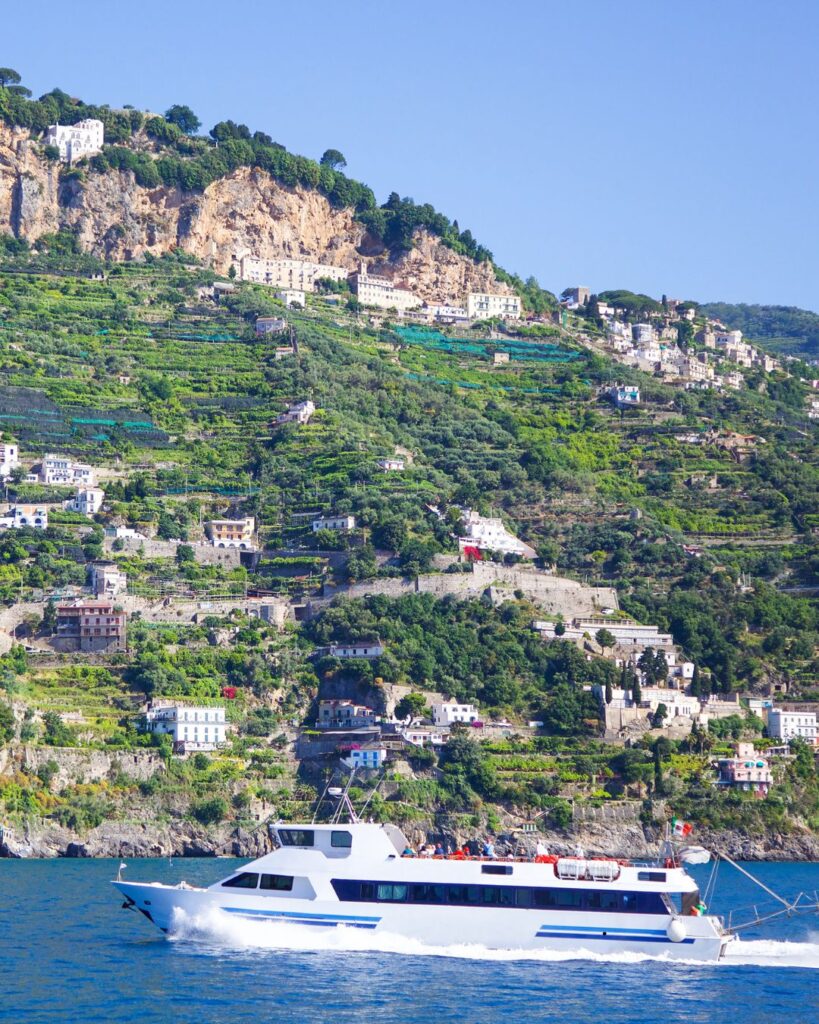
Some travelers commit so fully to the idea of road travel that they never step foot on a ferry. This is a genuine tragedy. The ferries are not merely transportation. They are an attraction in their own right. Gliding past the fishing village of Conca dei Marini, with its emerald grotto hidden in the rock, or watching the sun strike the dome of Amalfi’s cathedral from a boat is a memory you cannot get from a bus seat.
The ferry network connects Salerno, Amalfi, Positano, and Capri efficiently and reliably during the main season, and the ticket prices are reasonable. The only caveat is that service nearly disappears from November through March. If you visit in winter, the bus becomes your best friend. But in spring, summer, and early autumn, take the boat whenever you can.
4. Underestimating the Stairs
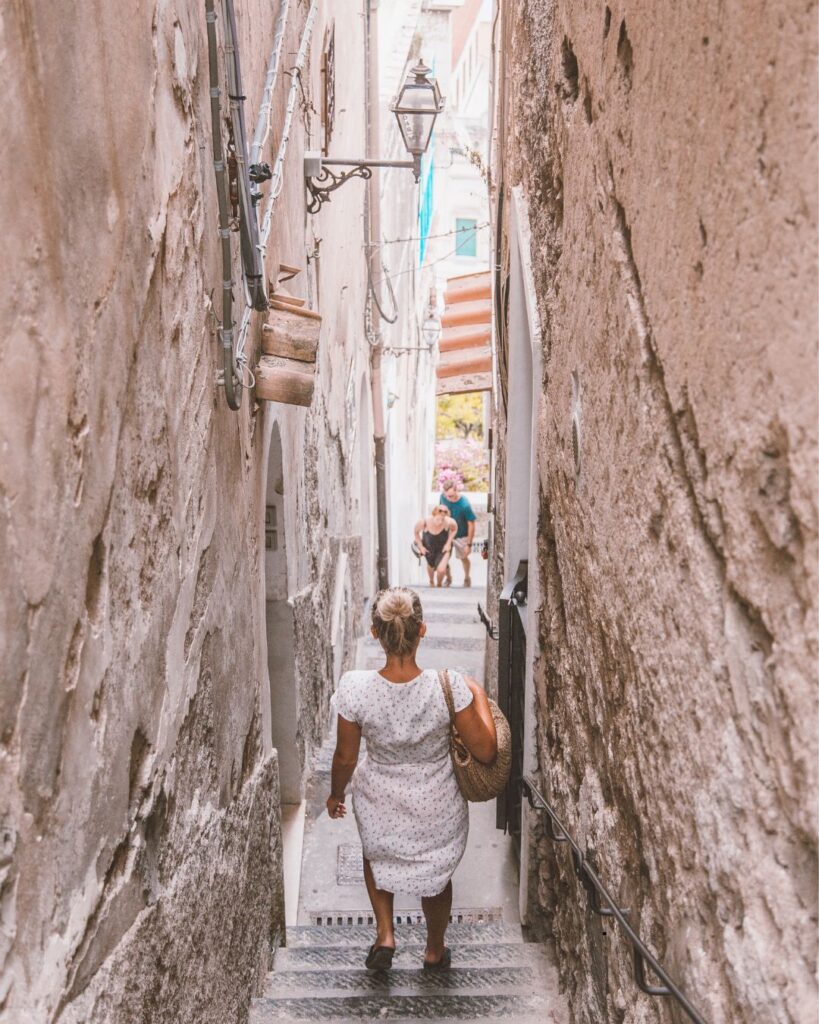
I have never seen travelers look more defeated than when they arrive at a hillside bed and breakfast dragging two heavy suitcases, only to discover that the entrance requires climbing one hundred and fifty steps. The Amalfi Coast is not merely hilly. It is vertical.
Positano is a stairway masquerading as a town. Ravello sits on a cliff top accessible only by steep ramps and staircases. Even a short walk from the beach to a restaurant can involve fifty or sixty steps. Pack accordingly. A wheeled suitcase is useless here. Bring a soft-sided bag or a backpack. Better yet, use a luggage transfer service, which will move your bags from town to town for a modest fee while you walk freely. And for the love of your knees, wear proper shoes. Cobblestones and sandals do not mix.
5. Visiting in July or August
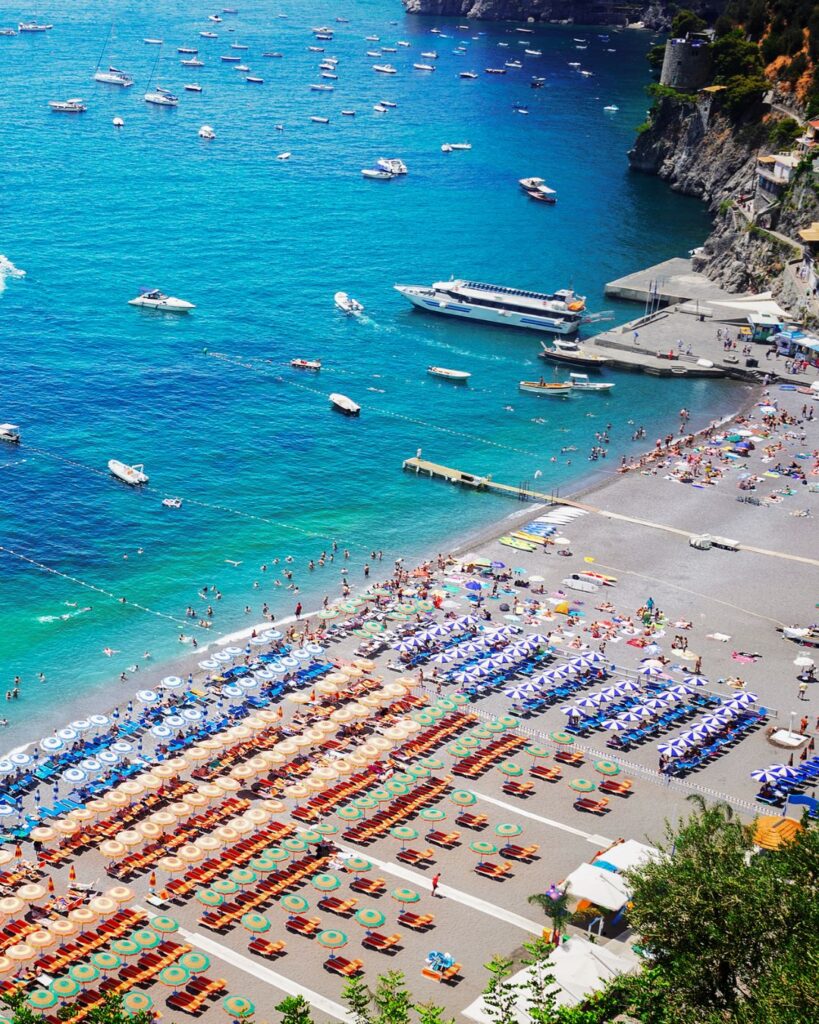
I want to be direct about this because the difference is so dramatic. Visiting the Amalfi Coast in July or August is a fundamentally different experience from visiting in May, June, or September. In high summer, the beaches are packed so tightly that you cannot see the sand. The main streets of Positano become slow-moving queues of humanity.
Air conditioning units groan under the strain, and even the sea feels tepid. Prices for accommodations double or triple. Meanwhile, in late May, the wisteria is still blooming, the weather is warm but not oppressive, and you can actually hear the waves instead of the chatter of thousands of tourists. My wife and I visited once in late September, and the coast felt like our private discovery. The water was still swimmable, the restaurants had tables available without reservations, and every view felt intimate rather than chaotic.
6. Staying in One Place Without Seeing Other Villages
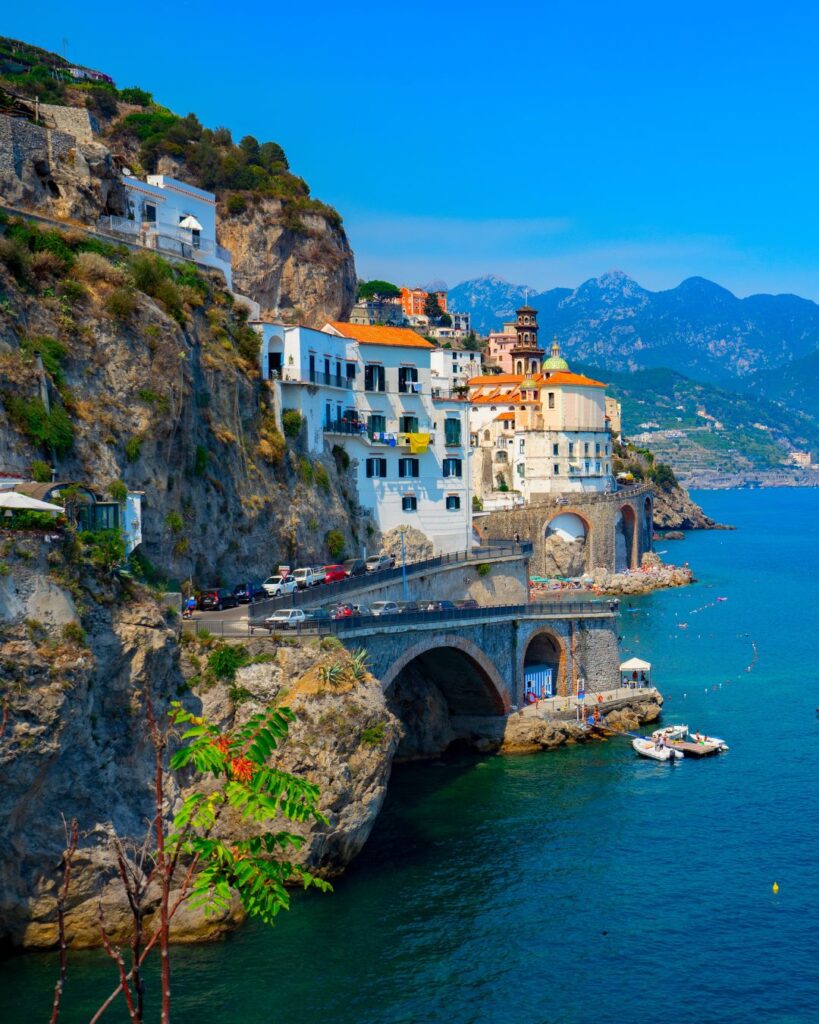
Some guidebooks will tell you to pick a single base and stay there. That works well for certain destinations, but the Amalfi Coast rewards variety. Positano is glamorous and steep, with excellent shopping and a romantic atmosphere.
Amalfi itself is more historical and functional, with a magnificent cathedral and a working harbor. Ravello floats above it all, offering classical music concerts and gardens that inspired Wagner. Atrani is a tiny fishing village where locals still outnumber tourists. Limiting yourself to one means missing the distinct personality of the others.
I recommend dividing your nights between two or three towns. A few days in Sorrento, which is technically on the Sorrentine Peninsula but serves as an excellent gateway, followed by a few days in Amalfi or Positano, gives you both convenience and variety without exhausting travel days.
7. Ignoring the Path of the Gods
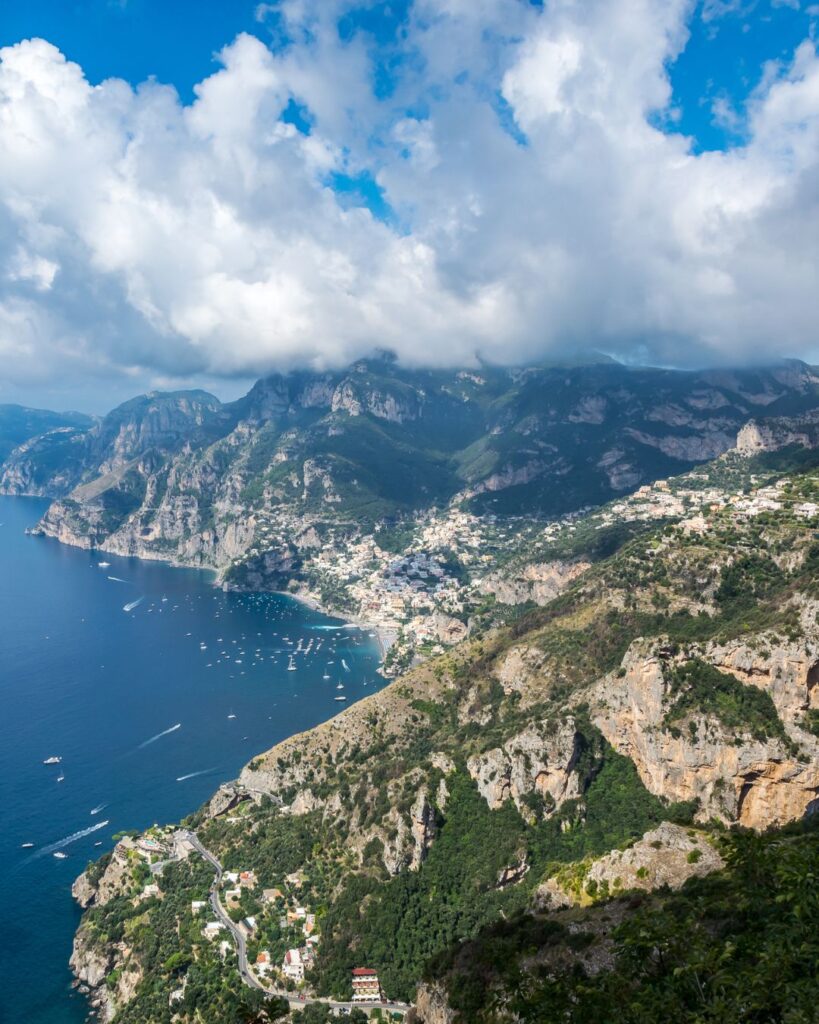
The Path of the Gods, or Sentiero degli Dei, is the single best hike I have ever done, and I have watched too many travelers skip it because they assume it is too difficult or too complicated to reach. It is neither. The trail runs along the ridge of the Lattari Mountains, suspended between the sea and the sky, with views that stretch from Capri to Salerno.
The most accessible section runs from Bomerano, a hamlet of Agerola, to Nocelle, which is the upper neighborhood of Positano. The walk takes about three hours at a leisurely pace, and the terrain is moderate. The mistake people make is starting too late in the day.
The sun can be brutal in the afternoon, and you do not want to be caught on an exposed ridge in the heat. Begin by nine in the morning, carry at least a liter of water per person, and wear sturdy shoes. You will be rewarded with the most magnificent coastal perspective available on foot.
8. Eating in Tourist Trap Restaurants
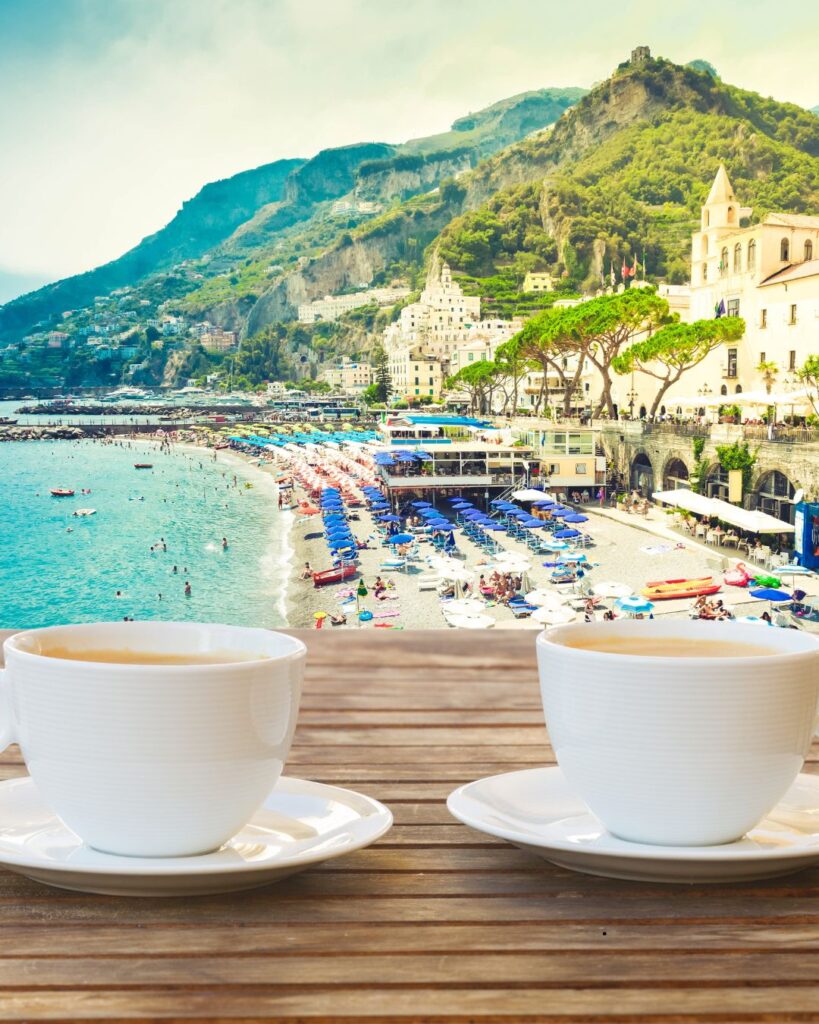
Every beautiful village on the Amalfi Coast has a square filled with restaurants that display large laminated menus with photographs of every dish. These places survive entirely on foot traffic from unprepared tourists.
The food is almost always mediocre, often frozen, and priced as if it were gourmet. I learned to spot them immediately. If a waiter stands outside calling to passersby, walk past. If the menu is translated into six languages and shows pictures of spaghetti, keep walking.
Instead, look for restaurants tucked away on side streets or uphill from the main promenade. Ask your hotel or bed and breakfast host where they eat on their nights off. Look for the phrase pranzo di lavoro, or working lunch, which offers a fixed menu of local dishes at a fair price. And do not miss the regional specialties.
Scialatielli with seafood, the lemony delight known as delizia al limone, and a crisp sfogliatella for breakfast will remind you why Italian food has its reputation.
9. Thinking the Beaches Are Free and Easy
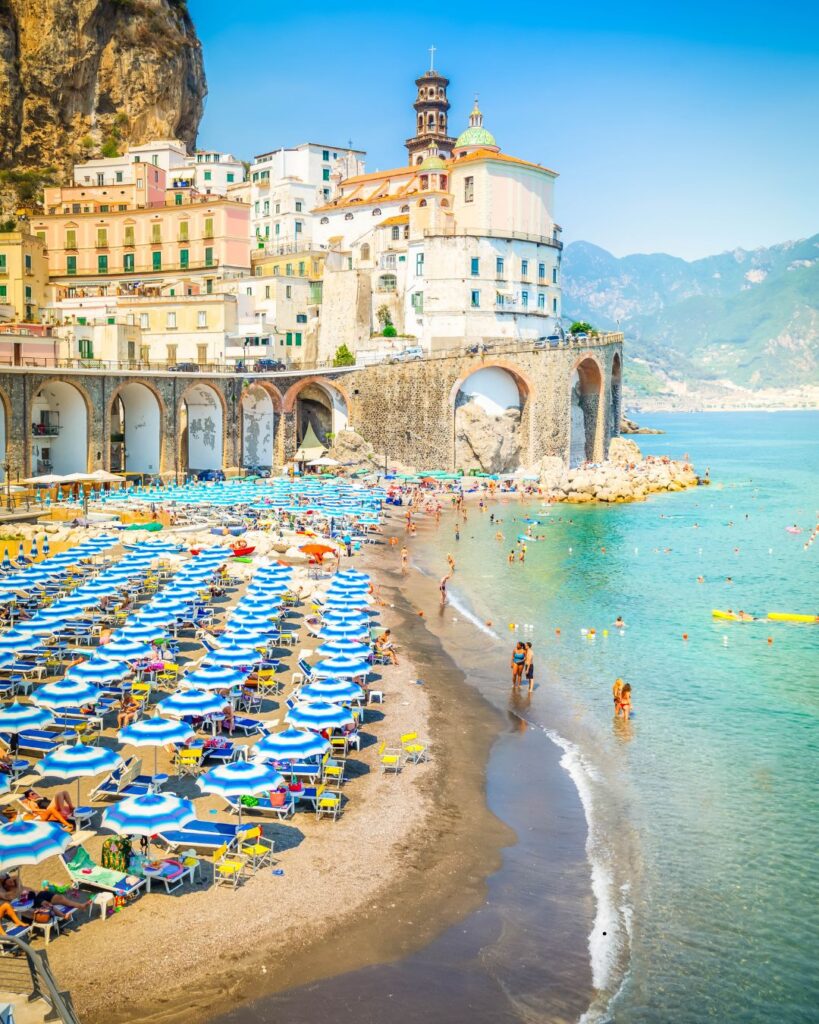
The Amalfi Coast has beaches, yes, but they are not the sprawling sandy expanses you might imagine. Most are small, pebbly coves tucked between cliffs. And nearly every inch of flat land near the water is claimed by lidos, the beach clubs that charge for chairs and umbrellas.
A typical price ranges from twenty to forty euros for two chairs and an umbrella for the day, and that is actually a reasonable deal because you get clean restrooms, a bar, and a reserved spot without having to claim territory at dawn.
The alternative is the free beach, which is usually a narrow strip of pebbles next to the lido. If you choose the free option, arrive before nine in the morning or after four in the afternoon, or you will be sitting on a towel in someone else’s shadow. For a quieter experience, skip the famous beaches of Positano and Amalfi entirely and try Marina di Conca or the Duoglio beach near Amalfi. They require a few extra steps to reach, and that is precisely why they remain pleasant.
10. Not Booking Popular Experiences in Advance
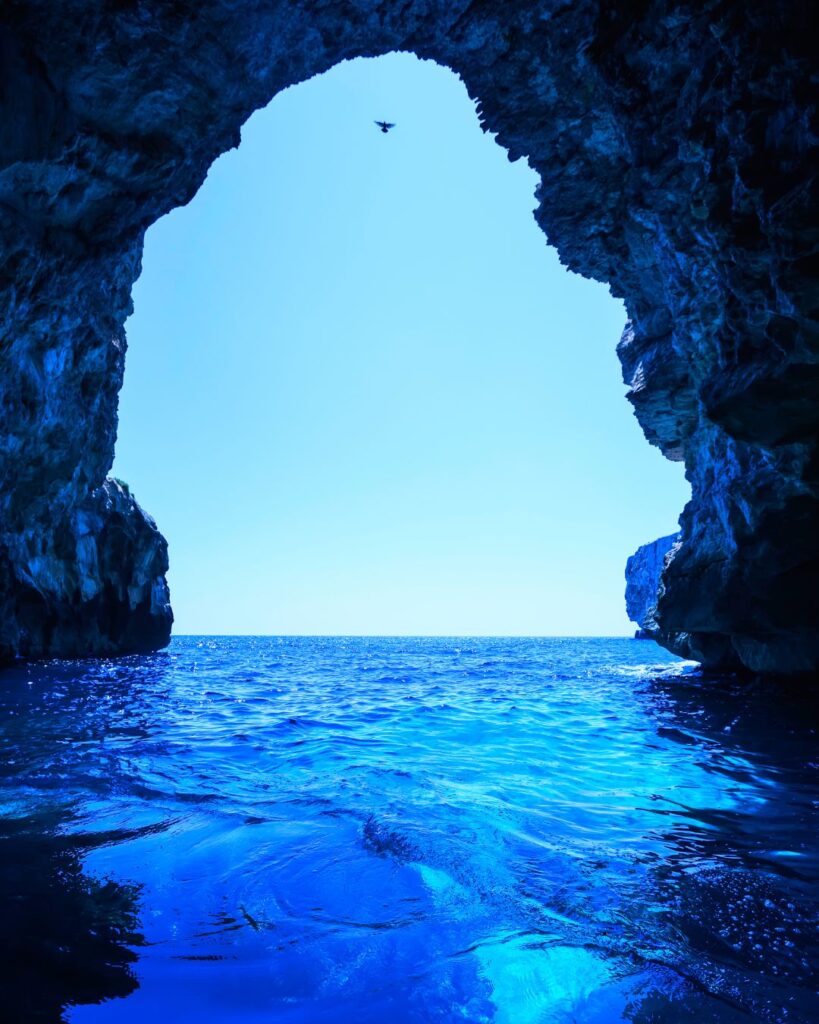
I carry the memory of watching a couple walk up to the Blue Grotto ticket office on Capri at eleven in the morning in July, only to be told the wait was four hours and the last boat had already been reserved. They looked devastated.
The Amalfi Coast has become too popular for spontaneity at the top attractions. Boat tours that circle the coastline, cooking classes in farmhouses above Positano, concerts in Ravello’s auditorium, and even dinner reservations at celebrated restaurants like La Sponda require advance planning.
How far in advance? For high season, book boat tours and cooking classes at least two to four weeks ahead. Restaurant reservations should be made as soon as you know your dates. Ferry tickets to Capri can often be bought the day before, but weekends sell out. This does not mean you need to schedule every minute of your trip. It simply means that the few truly special experiences need a place on your calendar before you arrive.
11.Dressing Inappropriately for Churches and Towns
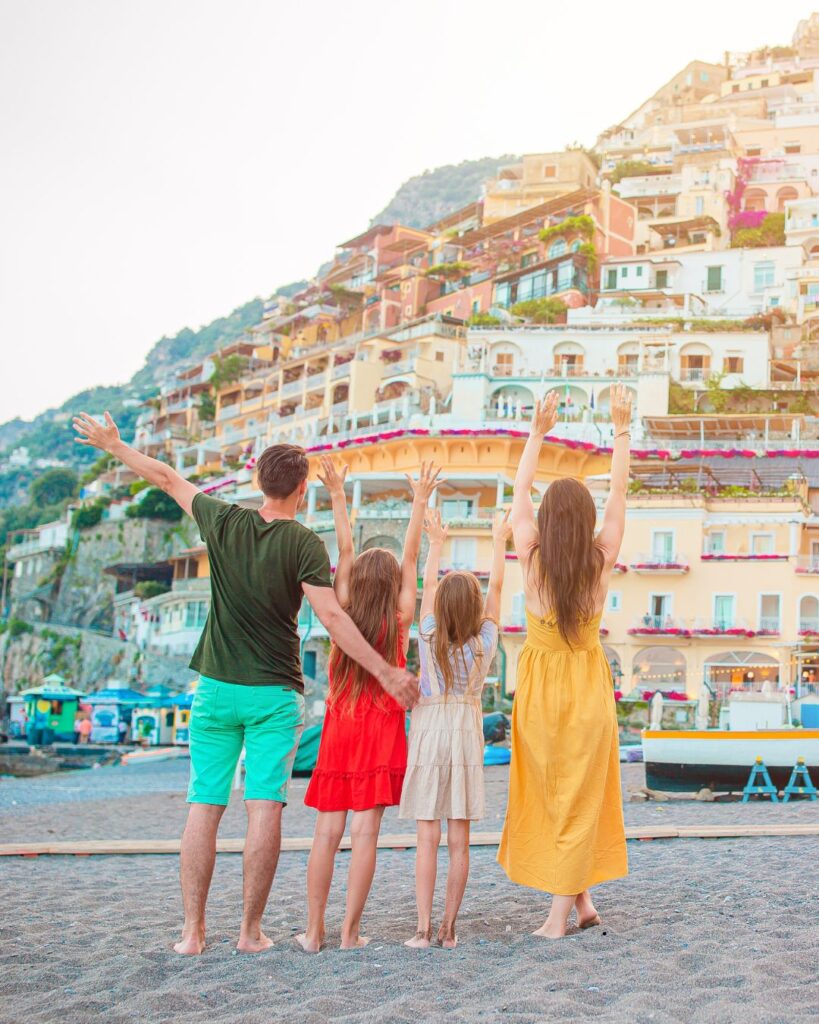
The Amalfi Coast is not a resort island where swimsuits rule the streets. It is a collection of living, working Italian communities with deep Catholic traditions. The Duomo in Amalfi, the churches in Ravello, and the smaller sanctuaries scattered along the coast require visitors to cover their shoulders and knees.
I have seen people turned away at the door, forced to wait outside while their companions went in, because they wore shorts and a tank top. The simple solution is to carry a lightweight scarf or a thin cardigan in your day bag. You can put it on in thirty seconds and remove it the moment you step back into the sunshine.
Also, reconsider your footwear. Flip flops are dangerous on steep cobblestones that become slick with dust or light rain. A pair of sturdy sandals with ankle straps or lightweight sneakers will save you from a twisted ankle and a ruined afternoon.
12. Believing the Amalfi Coast Is Only for Honeymooners or Luxury Travelers
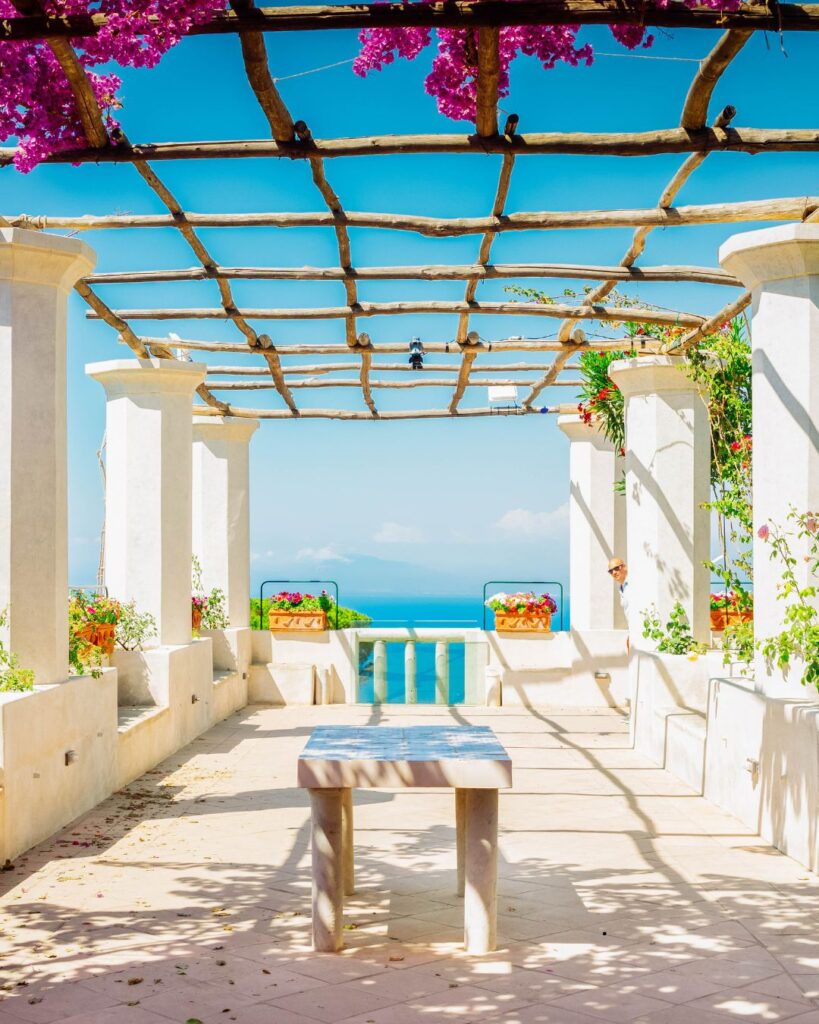
Social media has created a particular image of the Amalfi Coast. Handsome couples in linen clothing sip Aperol spritzes on terraces overlooking the sea. Private boat captains whisk them to hidden grottos. This is a real experience, but it is not the only experience. I have traveled here without a luxury budget, and so can you.
Stay in an agriturismo in the hills above the coast, where farmhouse rooms cost a fraction of the hotel prices in town. Eat pizza al taglio, the takeaway pizza by the slice, for lunch. Use the public ferries instead of private charters. Visit in the shoulder season when prices drop by half.
The coast does not become less beautiful just because you are not staying at a five-star hotel. The sun sets over the same sea. The lemon trees smell the same. And walking hand in hand with my wife through the quiet alleys of Atrani, with no particular plan and no particular budget, felt every bit as magical as any postcard-perfect vacation I have ever seen online.
Related article: Only Stay in These Towns When Visiting The Amalfi Coast.
The Amalfi Coast will reward you generously if you treat it with respect. Respect for its geography, which is steep and demanding. Respect for its rhythms, which are slow and seasonal. And respect for the simple logistics that separate a stressful trip from a sublime one. Plan around these twelve mistakes, leave the car behind, pack light and smart, and you will discover why this jagged stretch of Italian coastline has captivated travelers for centuries. The views are waiting. Do not let avoidable errors stand between you and them.
Again, if you need me to help you plan your dream trip to Italy, one that you will remember for the rest of your life, I will make sure that I come up with an itinerary that’s tailor-made for you, with respect to your time, interests, and budget. Feel free to contact me using the form below, and let’s get down to it. Your future self will thank you.
Thankyou